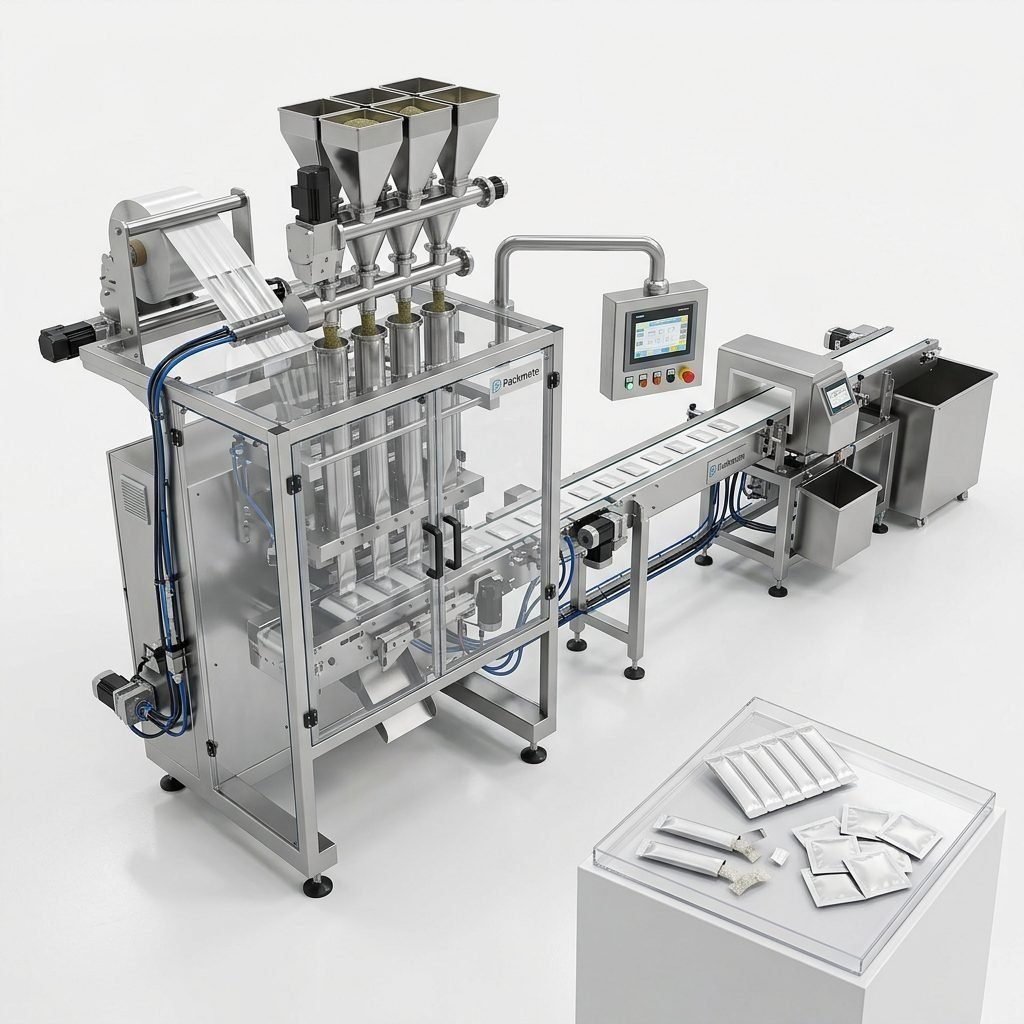
The global nicotine pouch market is expanding rapidly, and both startups and high-volume manufacturers are seeking cost-effective packaging solutions that ensure product quality, regulatory compliance, and scalable production capacity. This article explores affordable nicotine pouch production lines, breaking down options for small-scale launches and high-throughput operations, highlighting how intelligent equipment choices, modular automation, and experienced manufacturers can reduce total cost of ownership while accelerating time-to-market.
Why choose an affordable production line?
Small businesses and large manufacturers alike need to balance capital expenditure with operational efficiency. An affordable nicotine pouch production line does not mean sacrificing quality; rather, it means selecting a solution that offers:
🔶 Reduced upfront investment through modular equipment and scalable configurations.
🔶 Lower operating costs by optimizing energy use, minimizing waste, and simplifying maintenance.
🔶 Faster ROI thanks to reliable machinery, high uptime, and production throughput tuned to your demand profile.
Key components of a cost-effective nicotine pouch line
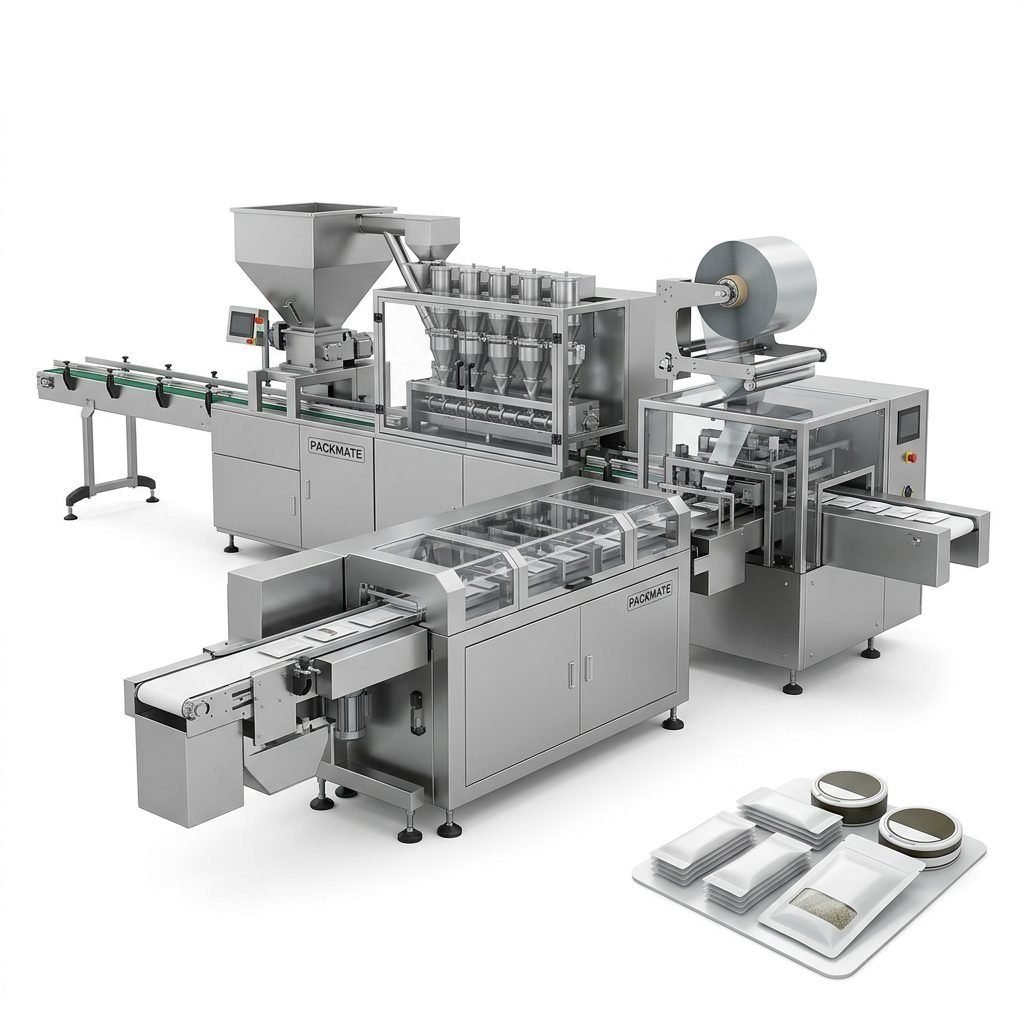
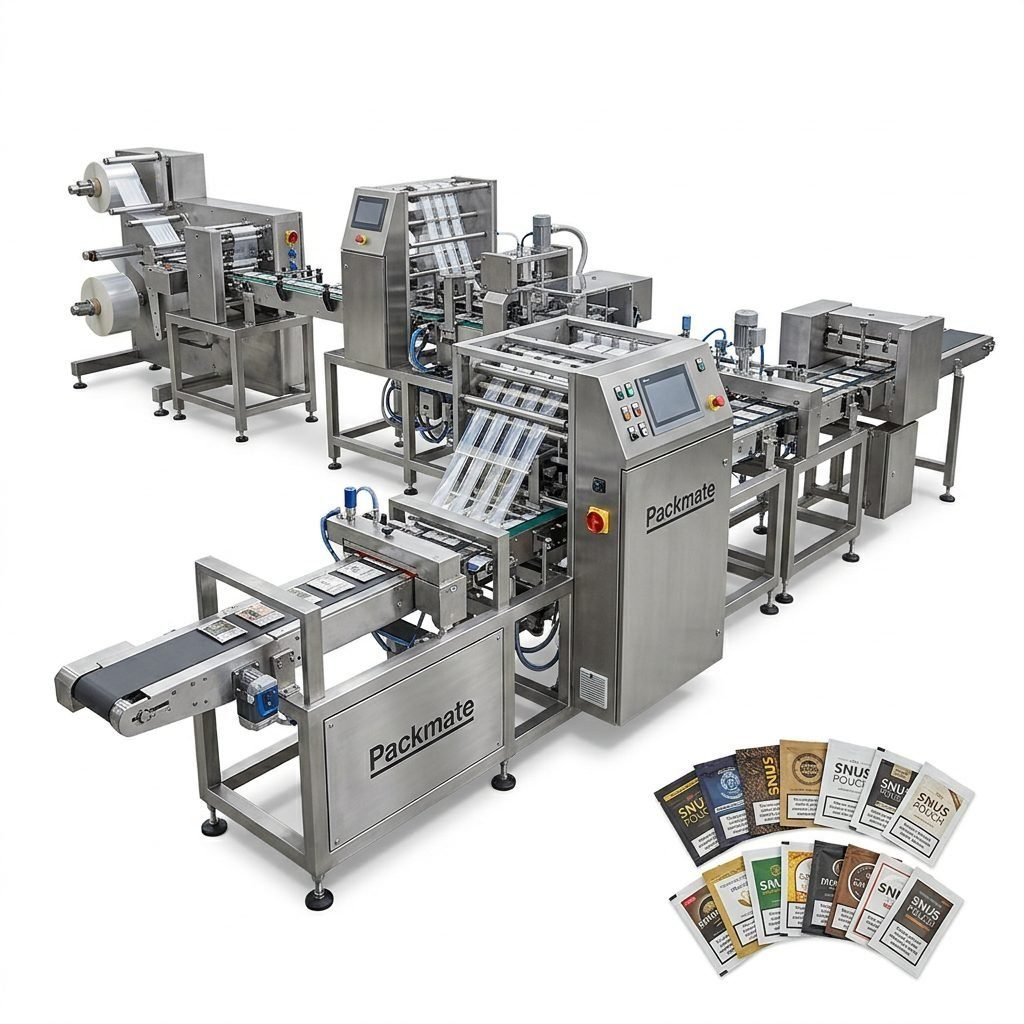
A complete nicotine pouch production line typically includes multiple subsystems. Choosing the right specification for each subsystem is where affordability meets performance:
● Feeding & Mixing — accurate weighing and mixing systems reduce material waste and ensure consistent product quality.
● Portioning & Forming — multi-lane portioning heads and precision forming reduce cycle time for high-volume output.
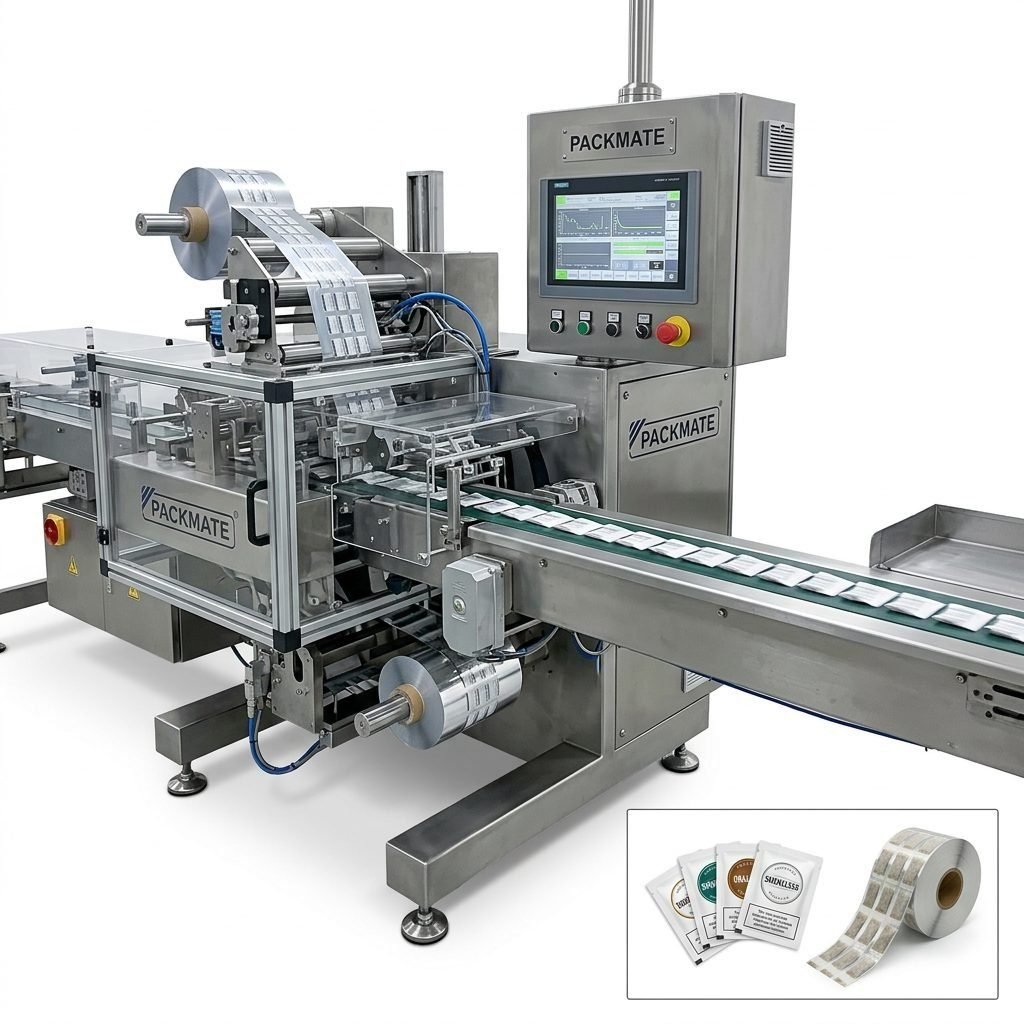
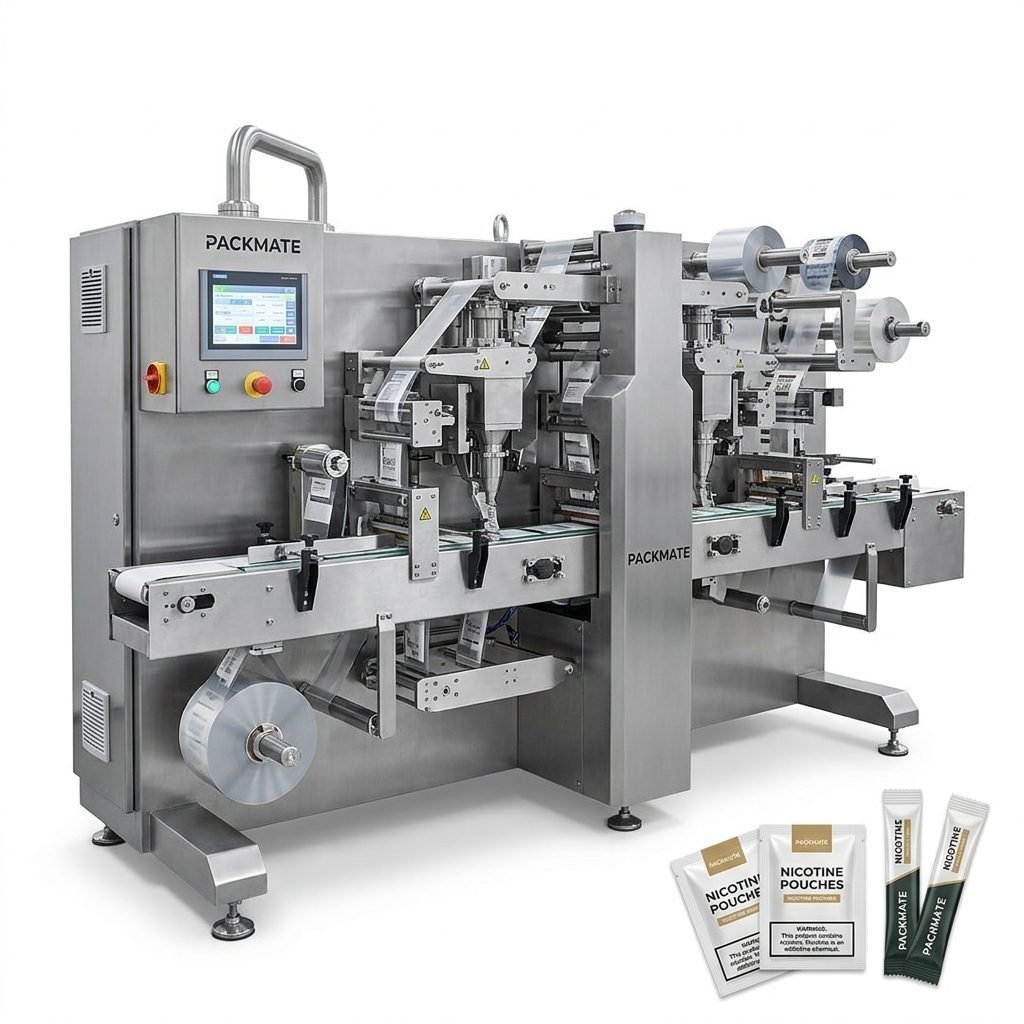
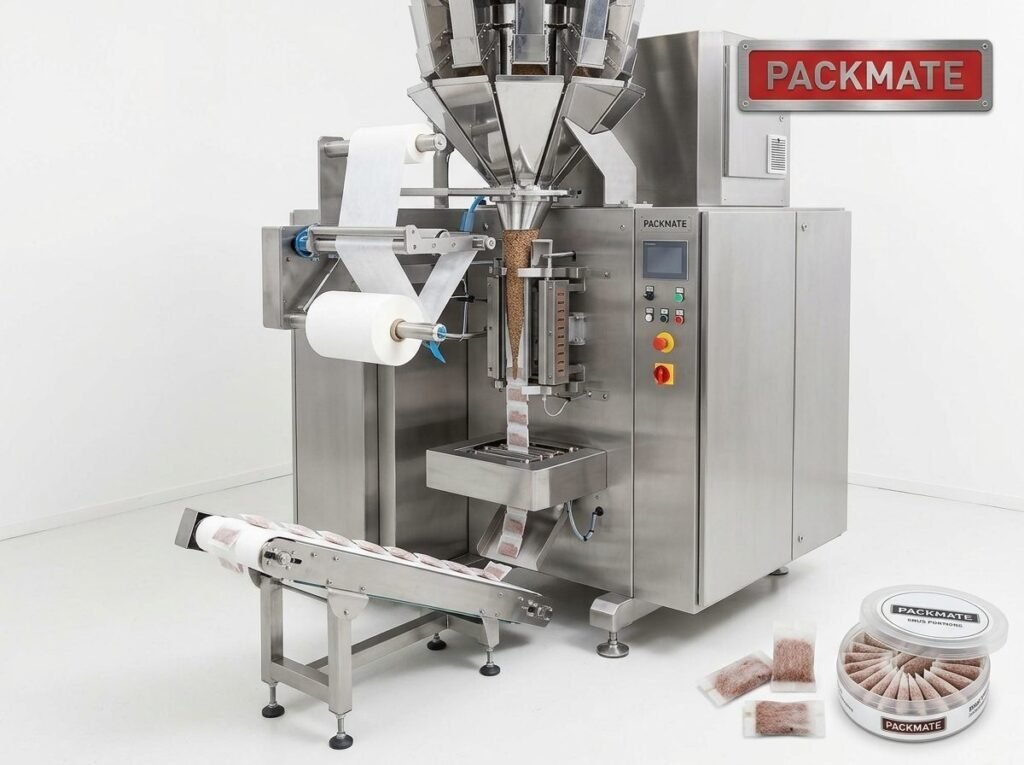
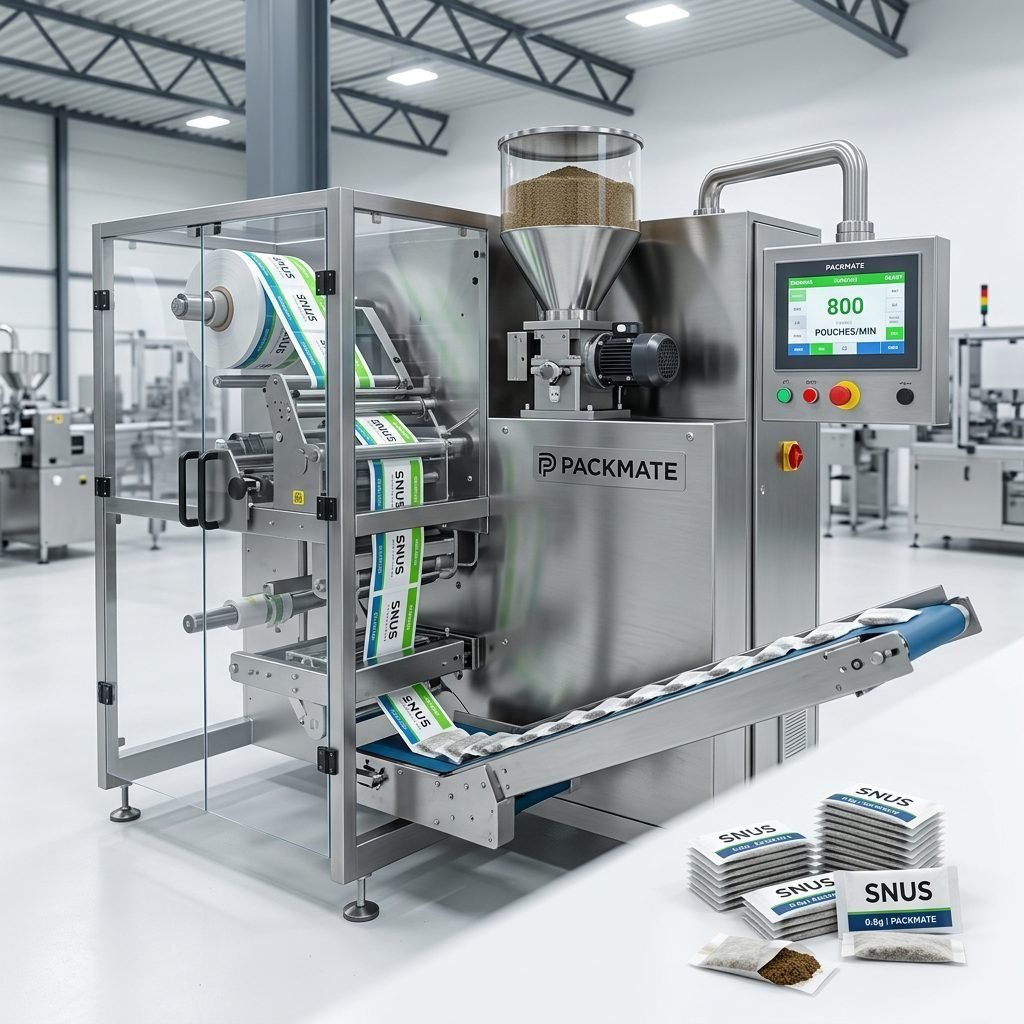
● Pouch Filling & Sealing — robust snus/nicotine pouch packaging machines designed for small-dose products provide stable sealing and minimal rejects. Explore specialized solutions here: Snus & Nicotine Packaging Machines.
● Secondary Packaging & Cartoning — automated cartoners and case packers bring finished packs to retail-ready formats with minimal labor.
Modular vs. Turnkey: Which is more affordable?
Two primary purchasing strategies can impact initial cost and long-term flexibility:
Modular approach allows you to start with essential machines and add capacity or features as demand grows. This minimizes early capital expenditure and reduces risk for startups.
Turnkey solutions provide a fully integrated line with vendor-managed installation, testing, and training. Turnkey lines can be more capital-intensive up front but often deliver faster ramp-up, better system integration, and predictable performance—especially valuable for manufacturers scaling quickly or aiming for high output.
How Packmate optimizes affordability and performance
Packmate Snus Machine brings 30+ years of experience to help clients balance cost with capability. Their 20,000㎡ facility and advanced CNC manufacturing enable them to produce high-quality machines at competitive prices. Key advantages include:
✓ Proven machine platforms with hundreds of installations worldwide reduce commissioning time and unexpected costs.
✓ Customization for niche products — whether you need single-lane precision or multi-lane throughput, Packmate offers tailored options.
✓ Certifications & compliance (CE, ISO) help streamline approvals for international markets.
Learn more about the company background and manufacturing strengths: About Packmate.
Designing a budget-friendly line for startups
Startups often prioritize flexibility, low capex, and speed to market. A practical configuration for a cost-conscious launch might include:
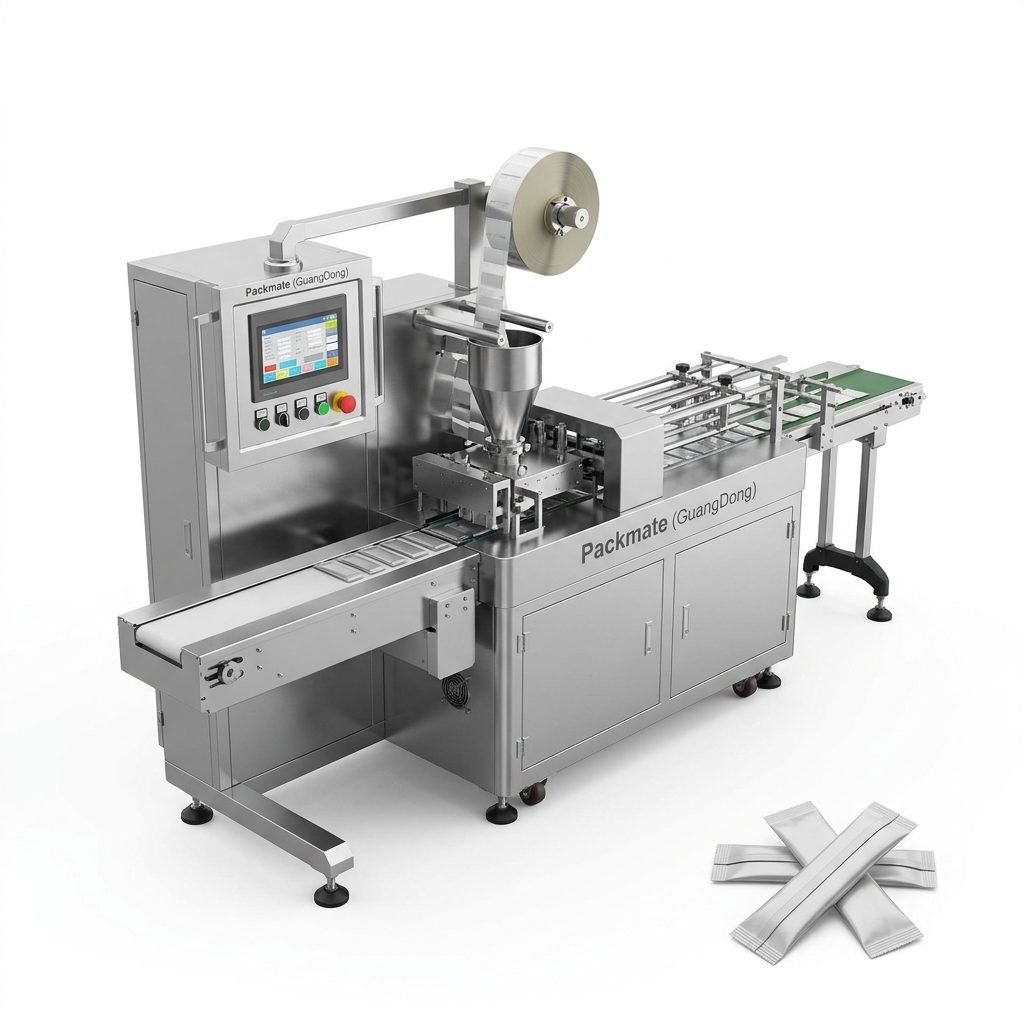
1) Compact filling & sealing unit with single or dual lanes to control initial investment.
2) Modular weighing/feeding system that supports formulation testing and small-batch runs.
3) Semi-automated secondary packaging to keep labor requirements manageable while maintaining packaging quality.
Many startups also consider refurbished or demo units for lower cost, but beware of hidden service or integration expenses. A trusted manufacturer with warranty and support options can be a better long-term value.
Scaling up: solutions for high-volume manufacturers
High-volume producers need robust reliability and throughput. Strategies to optimize cost-per-unit as volume grows include:
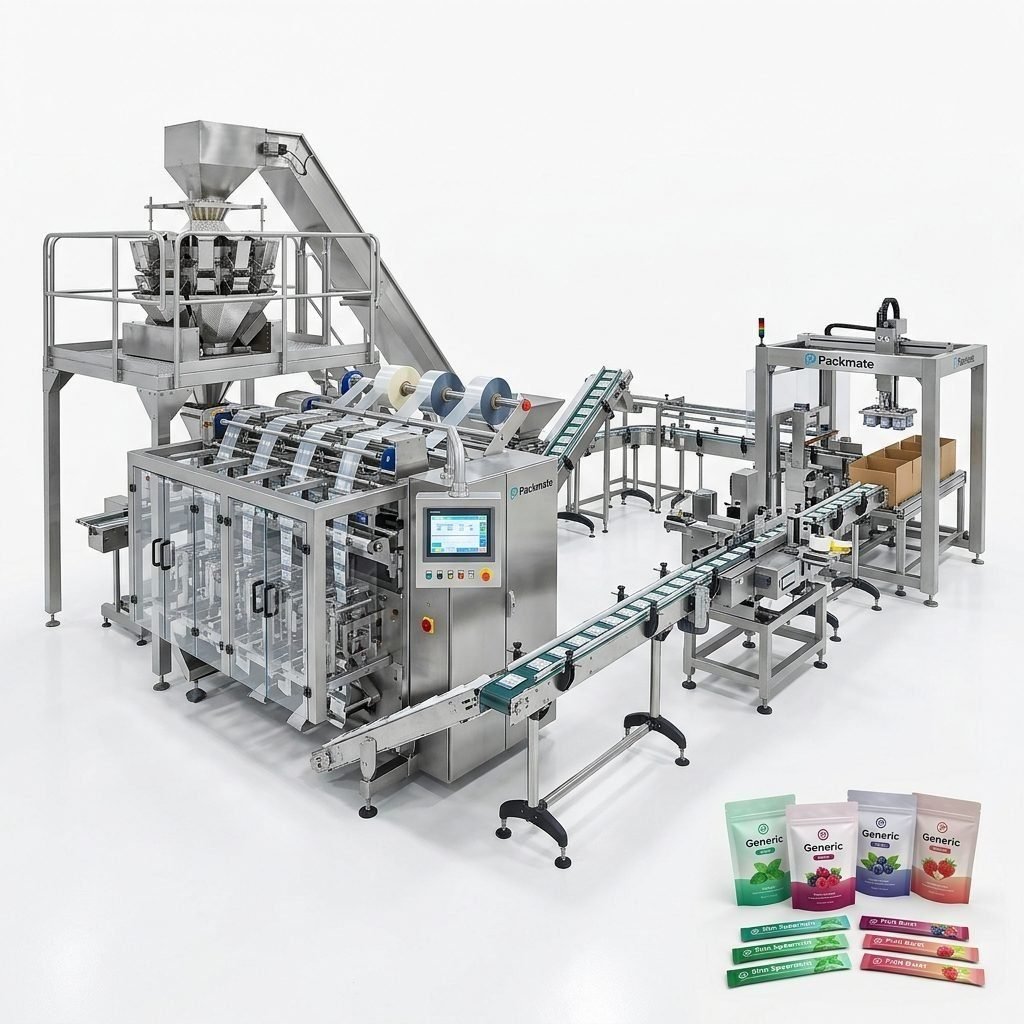
► Multi-lane forming technology to multiply output per machine footprint.
► High-speed portioners & continuous dosing systems for stable accuracy at high cycles.
► Inline quality inspection (weight checks, seal integrity) to prevent recalls and reduce waste.
Explore advanced line options designed for high throughput: Filling & Packaging Lines.
Lowering operational costs beyond equipment
Equipment is only part of the picture. Sustainable cost reduction comes from a combination of process design, staff training, and supply chain management:
● Lean material handling reduces time between stations and eliminates bottlenecks.
● Proactive maintenance and local parts inventory minimize downtime and costly emergency repairs.
● Supplier partnerships for raw materials and packaging can reduce per-unit costs through volume discounts and just-in-time delivery.
Quality, safety, and certification considerations
Investing in machines that meet international standards reduces regulatory friction in export markets. Packmate’s CE and ISO compliant equipment simplifies cross-border sales and demonstrates a commitment to consistent product safety. For high-volume lines, integrated validation and traceability systems also protect brand reputation and consumer trust.
Customization and local market considerations
Different regions demand different packaging formats, labeling languages, and regulatory approaches. When entering new markets, consider:
● Flexible printing modules to support local language labeling and regulatory icons.
● Packaging formats (pouches, tins, canisters) tailored to local preferences—especially important in regions with established snus traditions.
Financing, demos, and lifecycle support
Affordable doesn’t always mean paying all at once. Many manufacturers offer financing, leasing, or machine-as-a-service models that spread cost over time. Additionally, request machine demonstrations, factory acceptance tests, and references to validate throughput and reliability. Packmate frequently exhibits equipment at international shows—check upcoming events and case studies to see machines in action: Our Exhibition and Case.
Installation, training and after-sales service
On-site installation & commissioning shorten start-up time.
Comprehensive training programs empower operators to maintain high uptime.
Spare parts & remote diagnostics enable fast troubleshooting and extend machine life. For service inquiries, contact: Contact Us.
Selecting the right supplier: checklist
When evaluating suppliers for an affordable nicotine pouch line, review each vendor against this checklist:
● Industry experience — proven track record in snus/nicotine packaging.
● Manufacturing capability — in-house CNC & assembly lines for reliable quality.
● After-sales support — spare parts, training, and remote service.
● Compliance documentation — CE, ISO, and relevant certifications for target markets. View certificates here: Certificate.
Real-world ROI examples
Case studies show that the right line configuration can reduce per-unit packaging costs dramatically. For example, a mid-size manufacturer upgrading from semi-automatic to a modular multi-lane line often sees:
• 30–50% reduction in labor cost per unit through automation.
• 15–25% lower material waste thanks to precision dosing and fewer rejects.
These improvements often pay for the equipment upgrade within 12–36 months depending on throughput and product margins.
Next steps to procure an affordable production line
To move from concept to production:
1) Define production targets — daily output, SKUs, and growth plans.
2) Request equipment options & quotes — include modular vs turnkey scenarios.
3) Visit the factory or attend demos to validate machine performance and build trust with the supplier.
Begin your search with a supplier experienced in nicotine pouch packaging: Bag & Pouch Packaging Machines and Sachet & Stick Pack Machines are useful starting points.
Conclusion
Affordable nicotine pouch production lines are achievable through informed equipment selection, modular scalability, and partnerships with experienced manufacturers. Whether you’re launching a boutique brand or expanding large-scale production, combining the right technologies—precision dosing, multi-lane forming, and robust sealing—with strong service support will lower total cost of ownership and speed your path to profitability.
Frequently Asked Questions
Q1: How much does a basic nicotine pouch line cost?
Costs vary widely based on capacity and automation level. A compact starter line for small batches is significantly less expensive than a multi-lane turnkey line for high-volume production. Request tailored quotes to compare options and expected ROI.
Q2: Can I start small and scale later?
Yes — modular equipment and expandable systems are specifically designed for phased investment. Discuss scalability options with suppliers to ensure future upgrades are seamless.
Q3: What ongoing costs should I expect?
Expect routine maintenance, spare parts, energy consumption, operator labor, and packaging materials. Efficient line design and preventive maintenance programs reduce these costs over time.
Q4: How do regulatory requirements affect equipment choice?
Equipment that supports traceability, accurate dosing, and hygienic design simplifies compliance. Choose machines with relevant certifications to meet market entry requirements more smoothly.
Q5: Where can I see real machines and get support?
Visit manufacturer exhibitions, factory demos, or review case studies and catalogs. For direct inquiries and support, visit the supplier contact page: Contact Us.