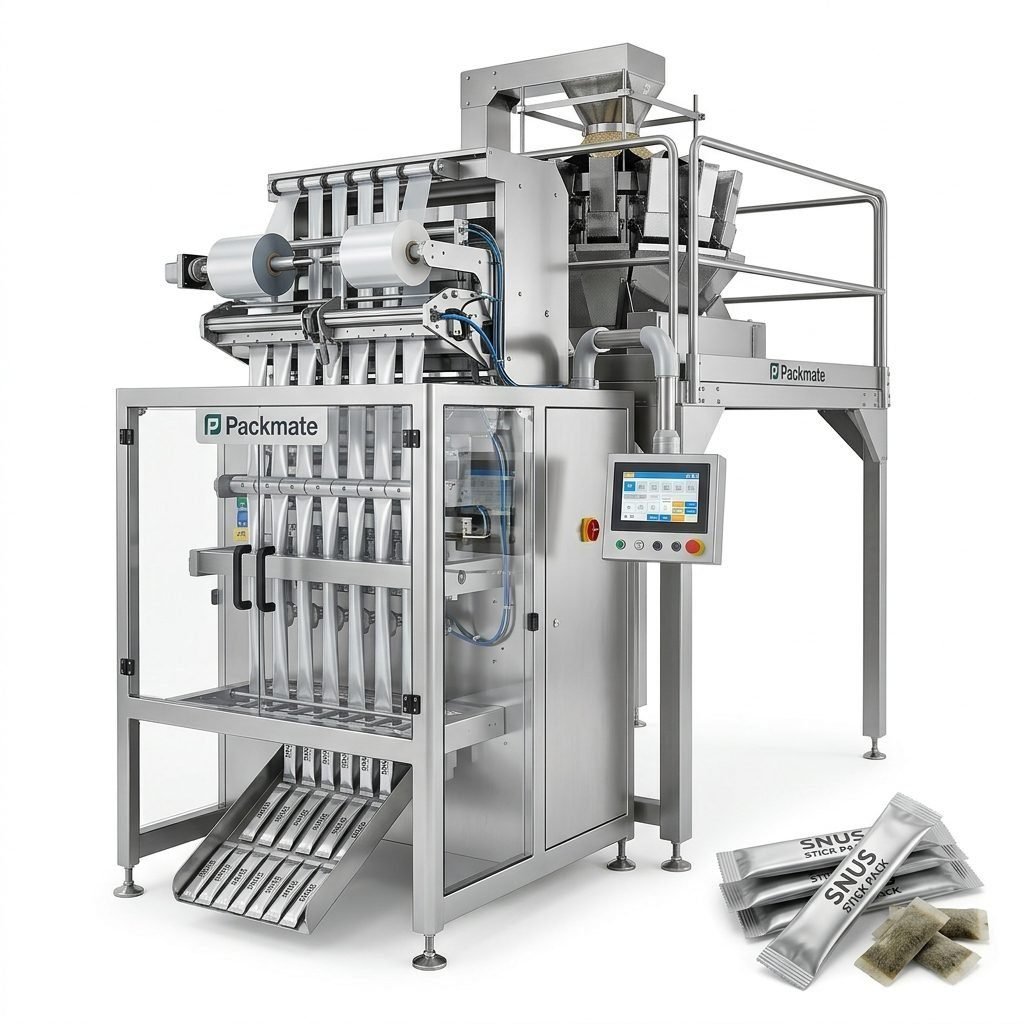
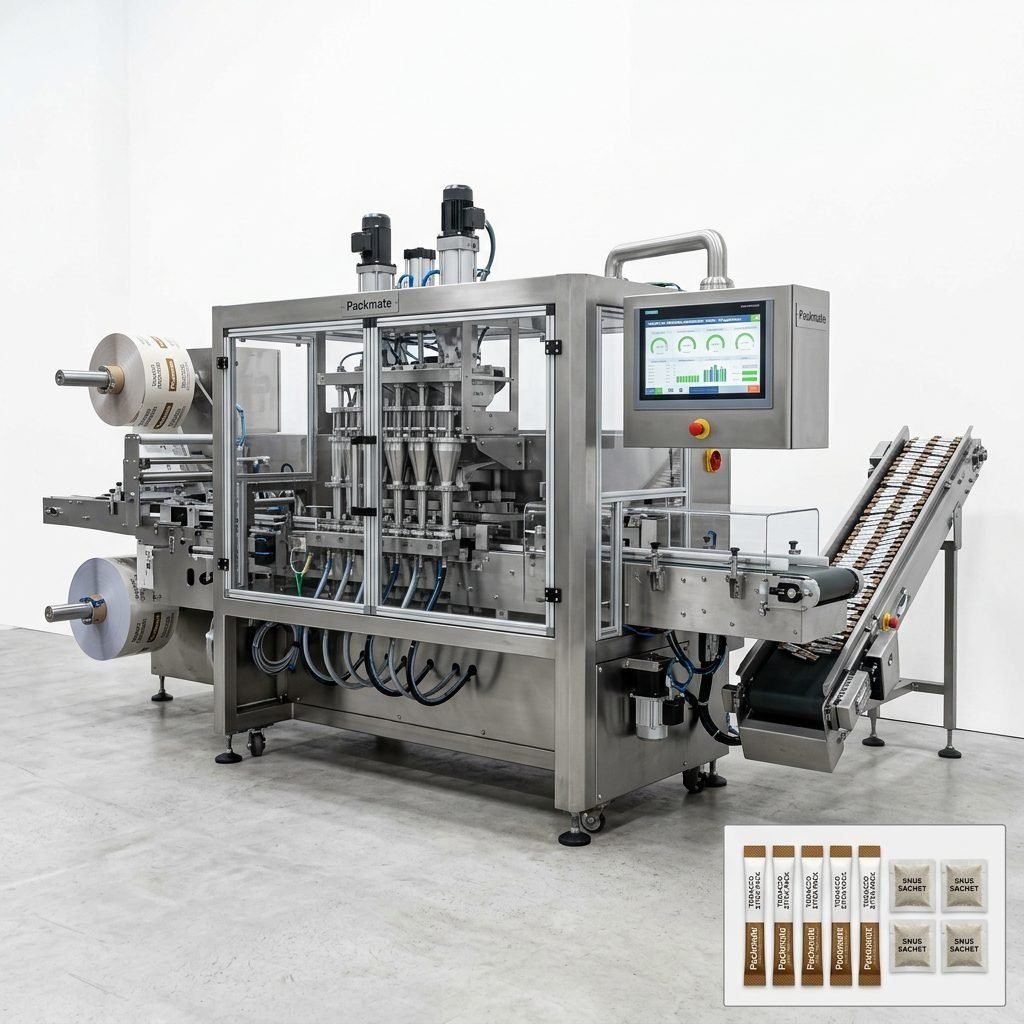
When you are looking to buy a snus packaging machine for the Central African Republic, there are many practical and cultural considerations beyond simply comparing technical specifications. This guide walks you through how to choose the best snus packaging machine manufacturer with a focus on real-world decision points: machine type and capacity, regulatory compliance, after-sales support, logistics and climate concerns, local workforce and language, and total cost of ownership. Whether you plan to pack nicotine pouches for export or supply a regional market, the right supplier will combine robust engineering, global certifications, and strong service capabilities.
Understand the local market and cultural context
The Central African Republic (CAR) has a unique mix of languages, trade practices, and infrastructure realities. French and Sango are the main languages for business communications; most operators and technicians will appreciate documentation, training, and manuals in French where possible. In many areas there are informal trade networks and smaller retail formats — this influences the preferred pack sizes and the flexibility you need from your packaging line.
Climate matters: CAR is equatorial and humid in many regions. Packaging machines and stored raw materials must resist corrosion and maintain performance in higher temperature and humidity ranges. Consider machines with stainless-steel contact parts and protective coatings, and request advice on storage of pouch materials and finished goods to avoid moisture damage.
Consumer habits and packaging preferences
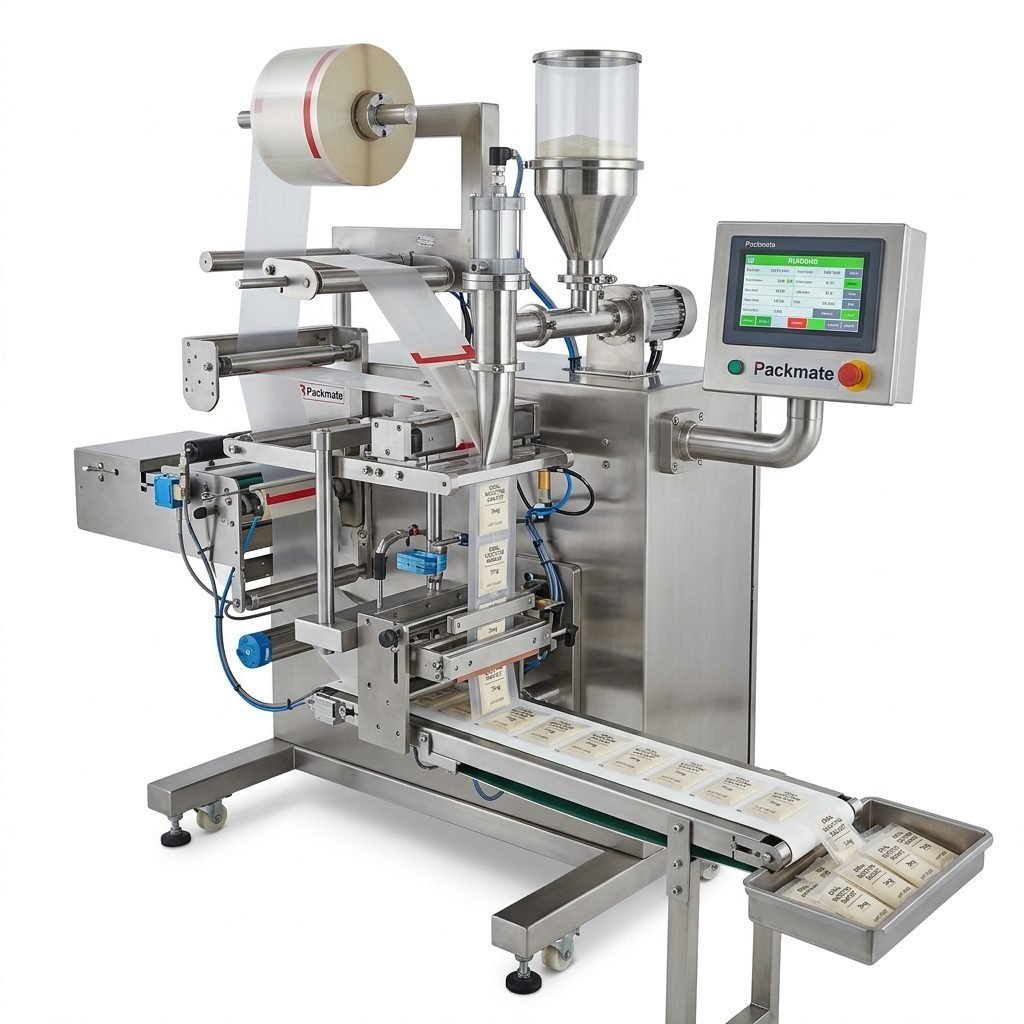
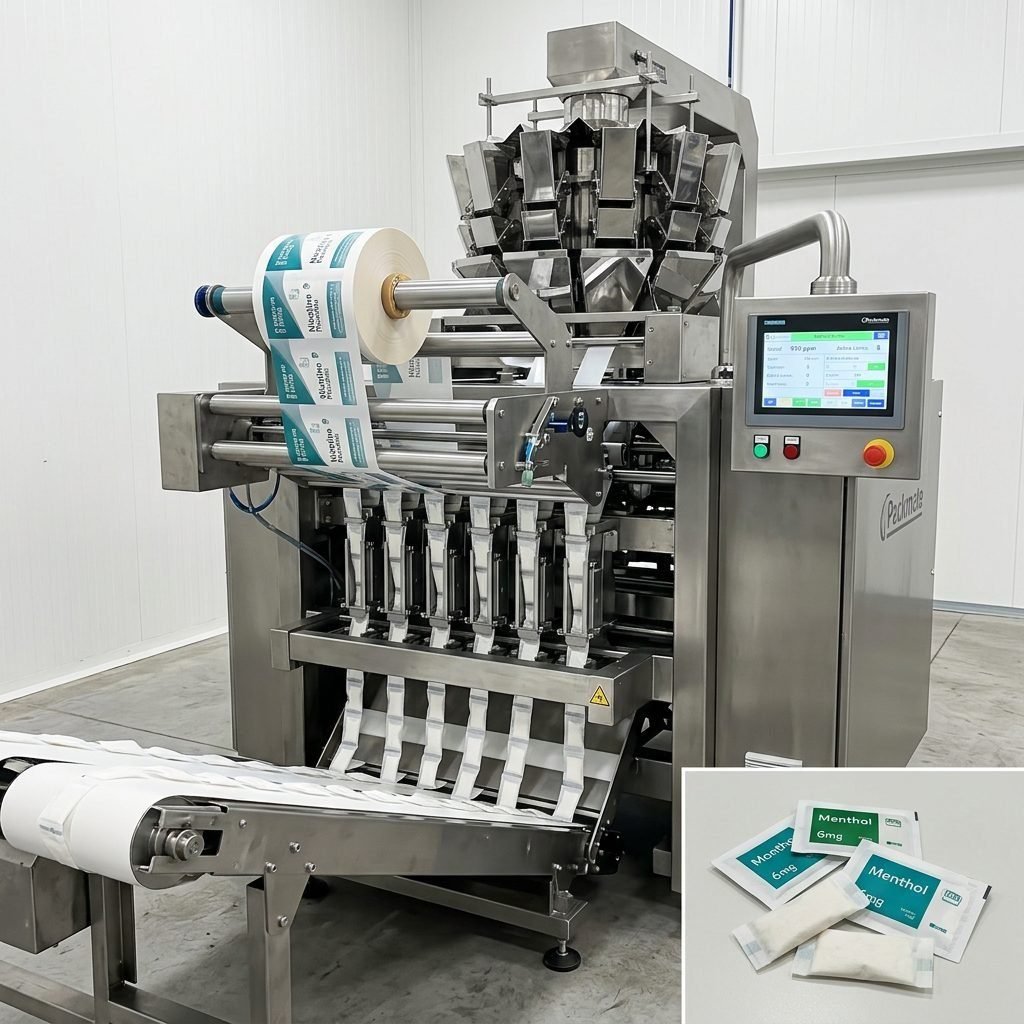
While snus and nicotine pouches are more established in Europe and parts of Asia, in CAR the market may be nascent. Small sachets, single-dose stick packs, and multi-lane sachet production are commonly preferred when launching into emerging markets because they provide low-entry price points for consumers. A flexible packaging partner can accommodate trial runs at lower volumes and scale up as demand grows.
Key technical factors to evaluate
Choose machines that match both your immediate production goals and foreseeable growth. Important technical considerations include:
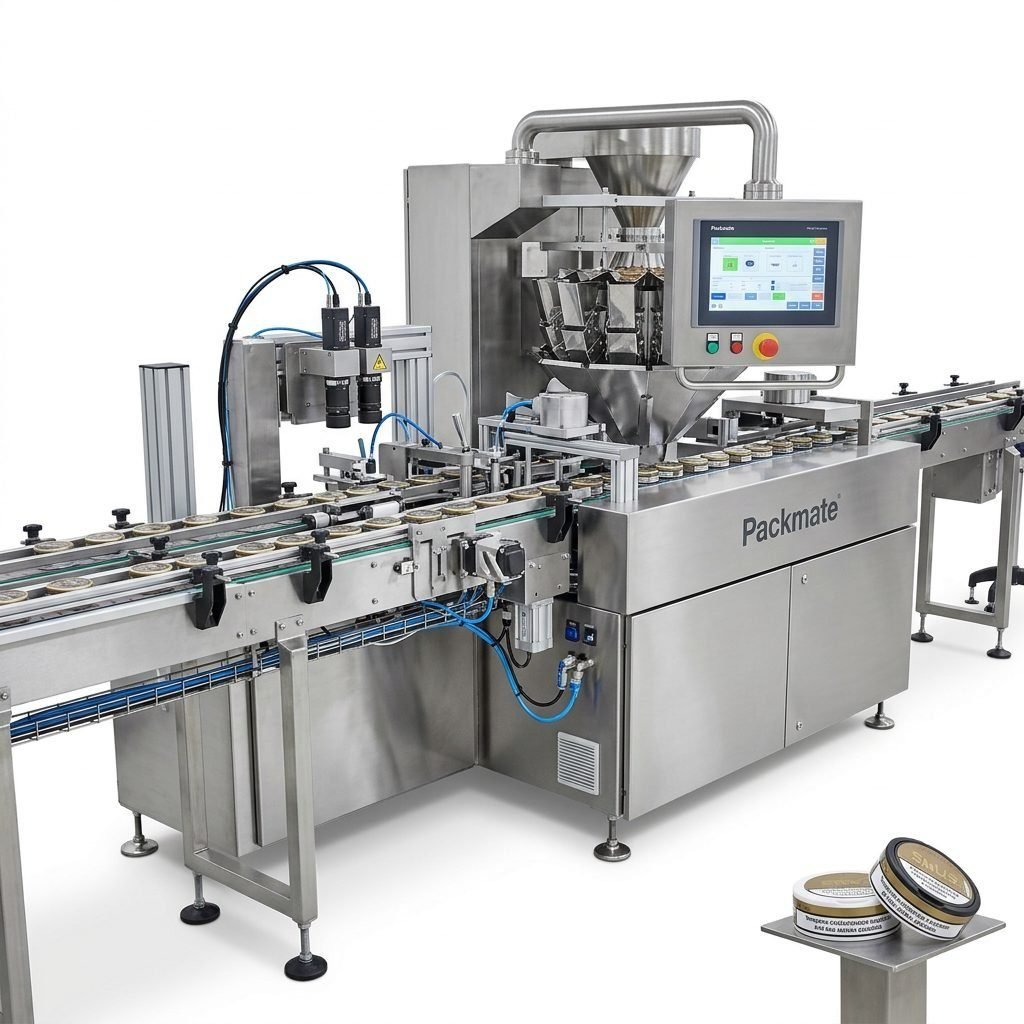
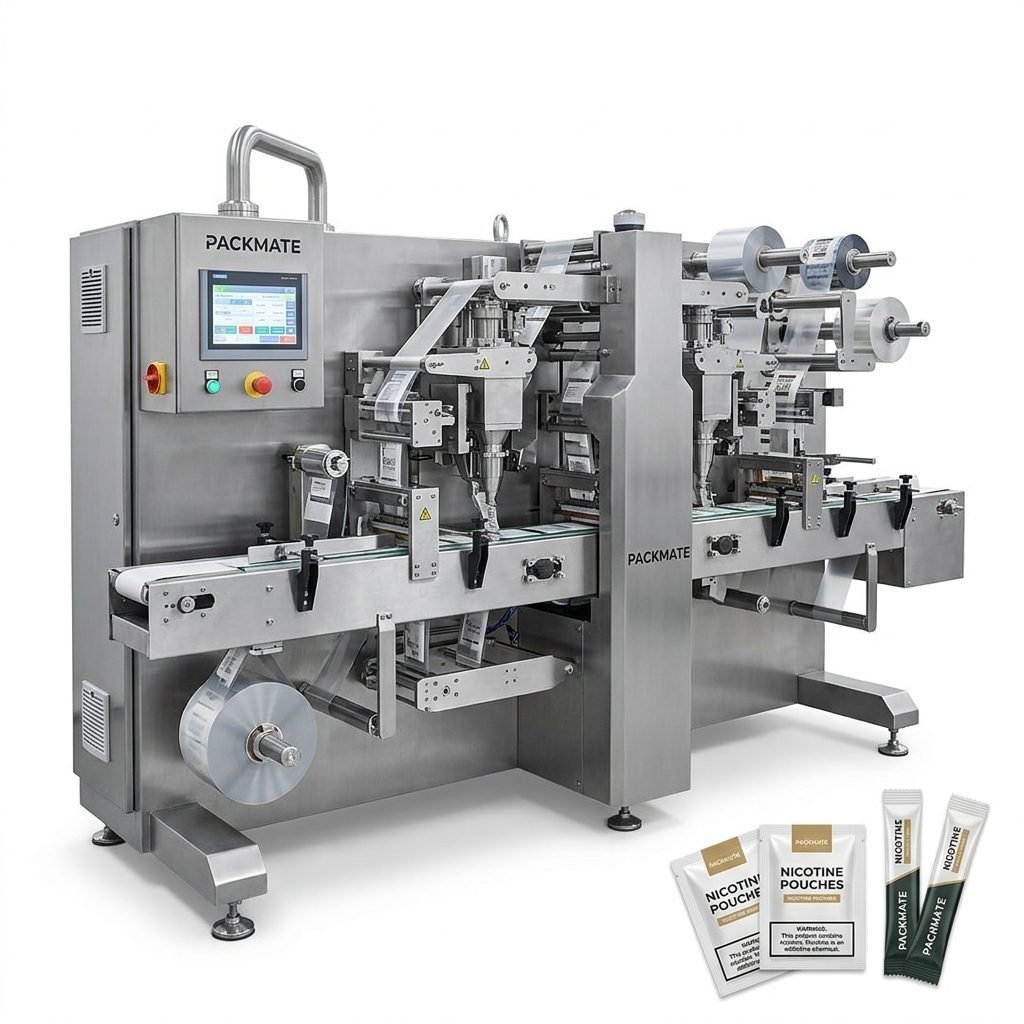
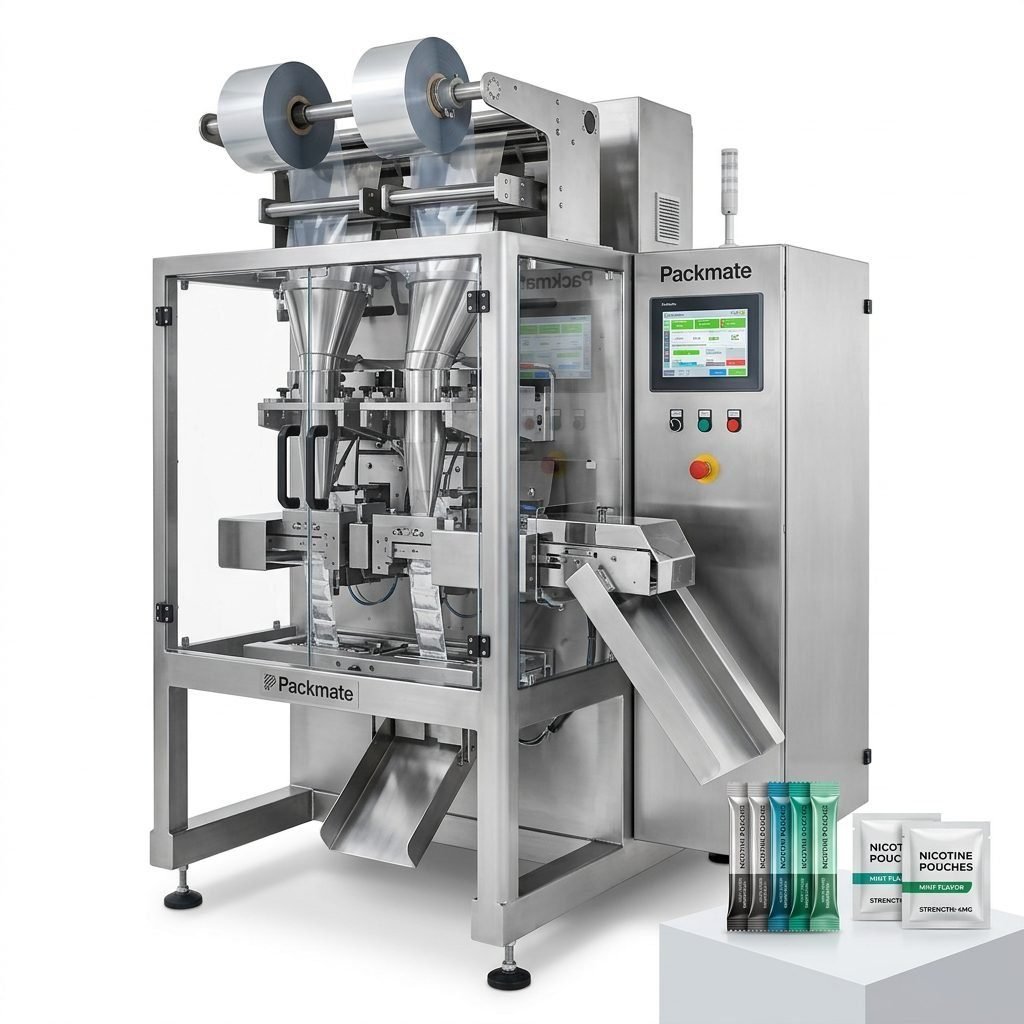
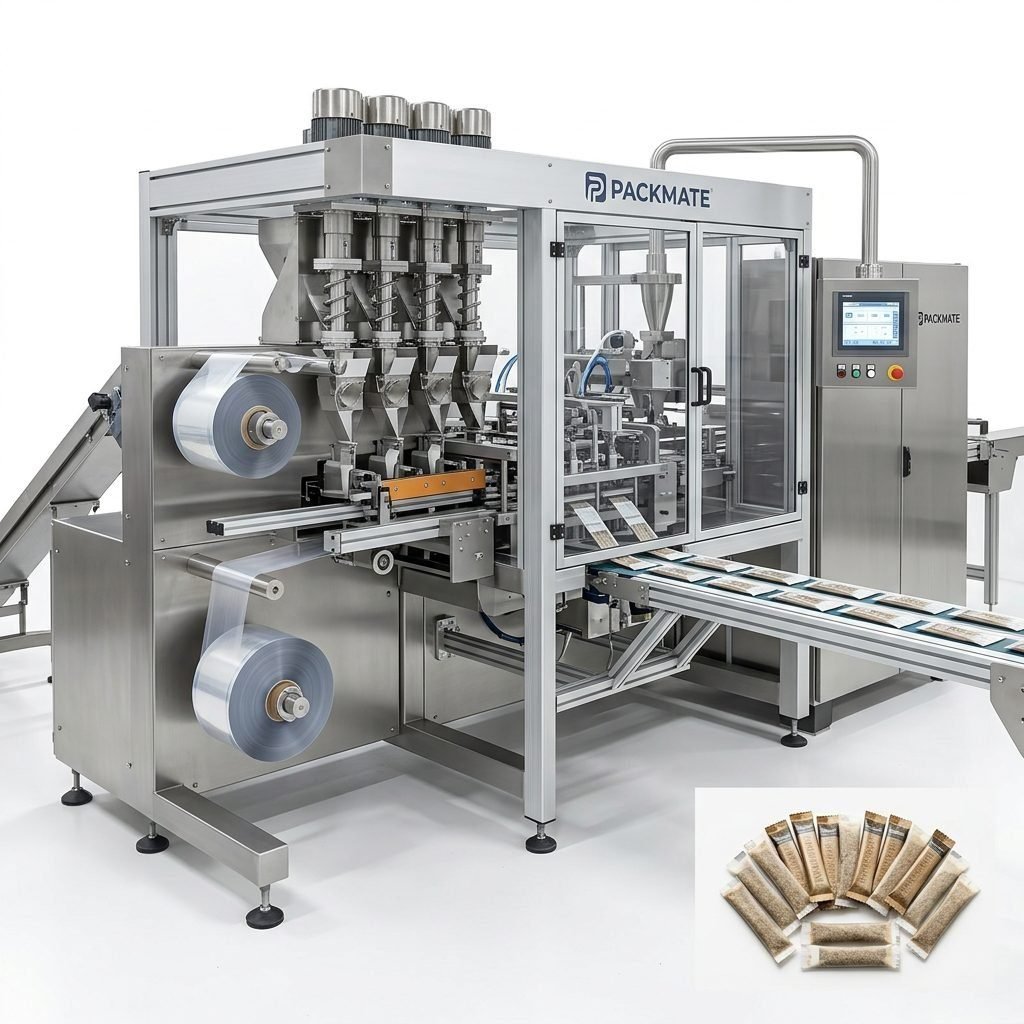
📌 Machine format and flexibility: Decide between stick pack, sachet, multi-lane pouch machines, or full turnkey lines that combine filling, weighing, and packaging. If you intend to produce multiple SKUs, a modular machine that supports quick changeovers will save time and money.
✅ Throughput and scalability: Confirm the maximum output (packs/minute) and ensure the machine you choose can scale. For small markets in CAR, a line with flexible lanes or the option to add lanes later can be ideal.
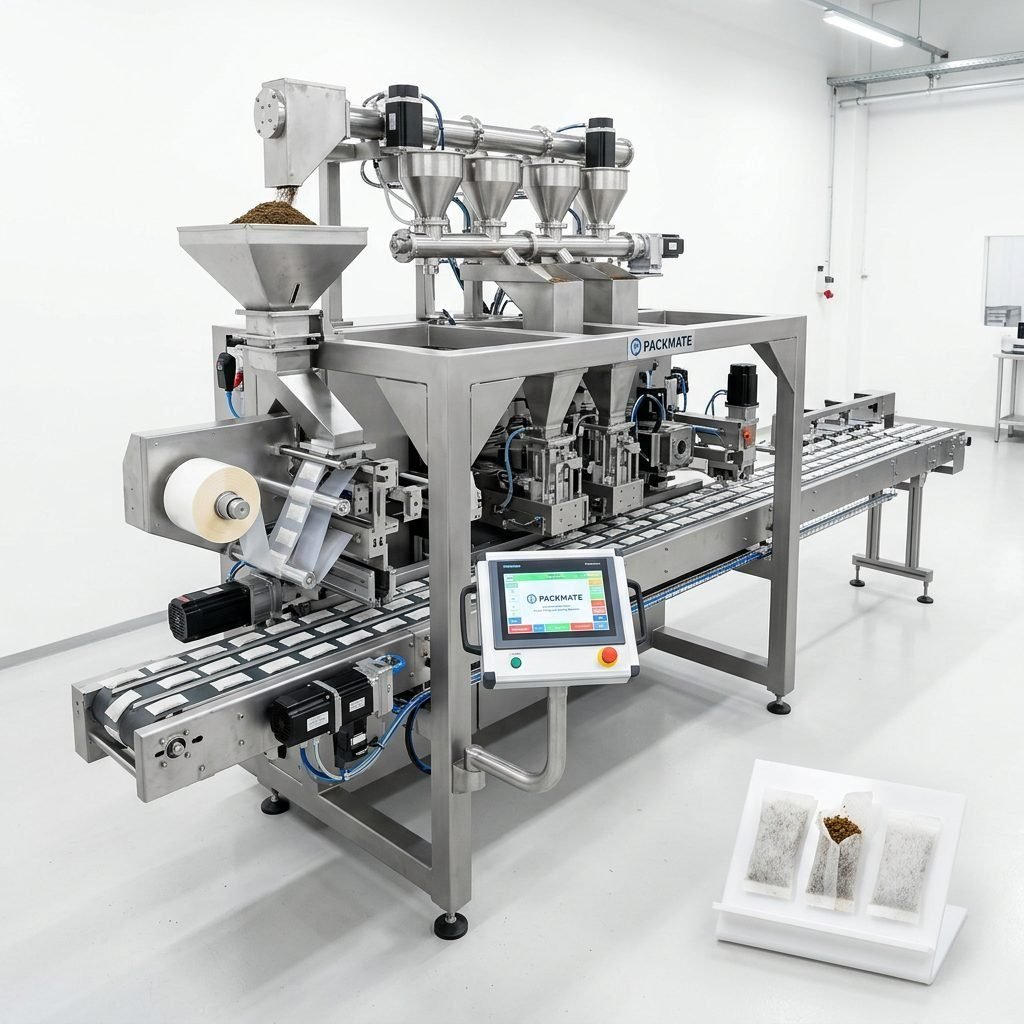
⚠️ Material compatibility: Ensure the machine handles the materials you plan to pack (powders, granules, nicotine pouches). Machines with advanced dosing and weighing systems will keep fill accuracy high, reduce waste, and maintain compliance.
Certifications, safety and regulatory compliance
Regulatory frameworks differ by country and product. Seek a manufacturer whose equipment complies with widely recognized certifications such as CE and ISO. These attest to safety, production consistency, and quality control processes. A supplier with documented compliance can ease export approvals and help you meet requirements for both local distribution and international buyers.
After-sales support and training — the dealmaker
In CAR, remote locations and limited local technical expertise mean after-sales service is a critical selection factor. Verify the manufacturer’s global service network, availability of spare parts, remote diagnostics, and training packages. Ideally, your supplier will offer:
- Pre-shipment testing and video demonstrations
- On-site installation and commissioning
- Operator and maintenance training in French or with translation
- Fast spare parts supply and clear warranties
Evaluate the manufacturer’s engineering and production strength
A proven engineering base and modern factory capabilities translate to machines that are precise, reliable, and long-lasting. Look for manufacturers with:
• A large, well-equipped factory with CNC machining and dedicated assembly lines — these enable consistent tolerances and rapid replacement parts production. Packmate Snus Machine, for example, operates a 20,000㎡ facility with advanced CNC and precision assembly capabilities.
• Decades of R&D and practical experience — manufacturers with 20–30+ years in packaging machinery have typically refined designs based on real use cases.
Customization and turnkey solutions
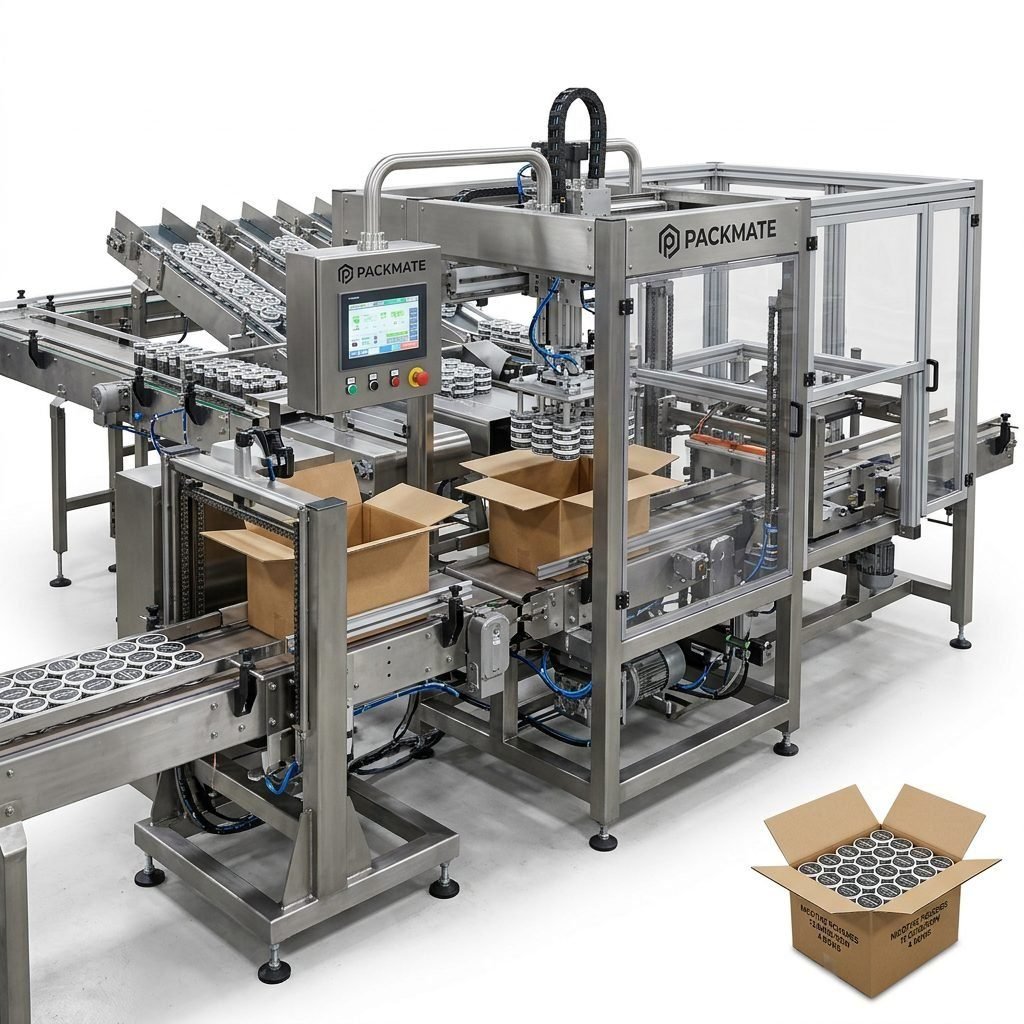
Because market needs vary by country, the ability to customize is important. Packmate and similar suppliers provide customized turnkey solutions that integrate filling, weighing, pouch forming, and end-of-line secondary packaging. Customization can include:
- Multi-lane systems for higher capacity
- Unique pouch shapes and materials
- Integration with existing production lines
- Options for nitrogen flushing or modified atmosphere packaging if shelf life is a concern
Total cost of ownership (TCO) — beyond the purchase price
When selecting a manufacturer, compare the TCO rather than focusing solely on the lowest quote. Consider:
- Energy consumption and efficiency in local electricity conditions
- Spare parts availability and lead times to CAR
- Frequency and cost of routine maintenance
- Training requirements for local technicians
- Depreciation and upgradeability
Logistics, export and import considerations for CAR
Shipping heavy machinery to the Central African Republic may require multi-modal transport, customs documentation, and local handling. Confirm the manufacturer’s experience exporting to Africa and ability to provide export packing, shipping documentation, and guidance on import duties. A supplier that offers consolidated shipments, local agents, or recommended freight forwarders will reduce delays and unexpected costs.
Trial runs, quality assurance and sampling
Before committing to large orders, request factory acceptance tests (FAT) and sample runs using your raw materials. A reputable manufacturer will provide demonstration videos, sample packs, and allow you to inspect production parameters. If possible, send a small sample of your pouch material and product for pre-delivery testing.
Local partnerships and language support
Because French is widely used in CAR, ask whether manuals and in-person training are available in French. Consider partnering with local packaging service providers or agents who can handle first-line maintenance and spare parts in-country. This minimizes downtime and builds local capability over time.
📌 Quick supplier checklist
• CE / ISO certification available and documented
• Factory photos and video demos of machines in operation
• Clear warranty terms and spare parts lead times
• Training and documentation in French
• References or case studies from Africa or similar markets
Why a company like Packmate might be a strong choice
Suppliers with a long development history, broad product ranges, and global turnkey capabilities can be advantageous for businesses in CAR. Packmate Snus Machine offers:
- 30+ years of engineering experience and a wide portfolio (stick pack, sachet, multi-lane systems)
- A 20,000㎡ manufacturing facility with advanced CNC centers
- CE and ISO compliance to support export and regulatory approvals
- Turnkey solutions that combine filling, weighing, and packaging lines
Learn more about product categories and case studies to evaluate match with your needs: Snus & Nicotine Packaging Machines, Sachet & Stick Pack Machines, and review their case studies for real-world examples.
Negotiation and contract tips
When finalizing purchase terms, ensure the contract covers:
- Detailed scope of supply (spare parts list, tooling, electrical and pneumatic requirements)
- Delivery schedule and freight responsibilities (Incoterms)
- Payment terms tied to milestones: deposit, pre-shipment inspection, shipment
- Warranty duration with clear clauses for replacements and repairs
- Training, installation, and acceptance testing criteria
Preparing your site and workforce in CAR
To reduce installation time and costs, prepare the site in advance. This includes:
- Stable power supply and voltage regulation (a backup generator or UPS is often recommended)
- Clean and dry floor area that can support machine weight and vibration isolation
- Proper storage for raw materials and finished goods to protect against humidity
- Trained operators and maintenance personnel; plan for initial and refresh training sessions
Maintenance, spare parts and remote support
Keep a basic inventory of wear parts (seals, belts, sensors) and plan for annual preventive maintenance. Ask the manufacturer about:
- Remote diagnostics or IoT-enabled support for faster troubleshooting
- Local or regional spare parts hubs that can shorten lead times
- Suggested spare parts list based on expected runtime and local usage patterns
Sustainability and waste handling
Environmental practices matter more each year. Look for machinery that reduces material waste through precise dosing and integrated reclamation systems if applicable. Discuss with your supplier how to manage packaging scrap, spent production materials, and energy usage — some suppliers offer green options or guidance to lower operational footprint.
Final decision roadmap
1) Map your product SKUs, projected volumes, and packaging formats. 2) Shortlist manufacturers with relevant experience and factory credentials. 3) Request sample runs and FAT video evidence. 4) Compare TCO and service capabilities. 5) Confirm logistics and support for CAR, including language and training. 6) Finalize contract terms with a clear warranty and spare parts agreement.
📌 Helpful links
About Packmate — company background and capabilities.
Snus & Nicotine Packaging Machines — product details and models.
Contact Us — request quotations, factory visits or FATs.
Conclusion
Selecting the right snus packaging machine manufacturer for the Central African Republic requires a combination of technical evaluation, logistical planning, and cultural sensitivity. Prioritize vendors with strong manufacturing capabilities, global certifications, demonstrated turnkey solutions, and robust after-sales support in French. With careful planning — from pre-shipment testing to local operator training — you can establish a reliable, scalable production line suited to local market needs and growth ambitions.
Common Questions
Q1: What machine format is best for small launches in CAR? A1: Start with flexible sachet or stick pack machines that enable low minimum order quantities, then scale to multi-lane systems as demand grows.
Q2: How important are CE/ISO certifications for export and operations? A2: Very important — they help satisfy international buyers and local regulators, and indicate consistent manufacturing and safety standards.
Q3: How do I manage spare parts and maintenance in a remote area? A3: Negotiate spare parts kits, ask for detailed wear-part lists, and ensure remote diagnostic options and local agent recommendations from the supplier.
Q4: Should training and manuals be provided in French? A4: Yes — providing documentation and training in French (and in-person or remotely) significantly reduces miscommunication and accelerates ramp-up.
Q5: Where can I see real examples or contact manufacturers? A5: Review product pages and case studies such as the ones available on manufacturer sites and request FAT videos or factory visits; see links above to learn more.