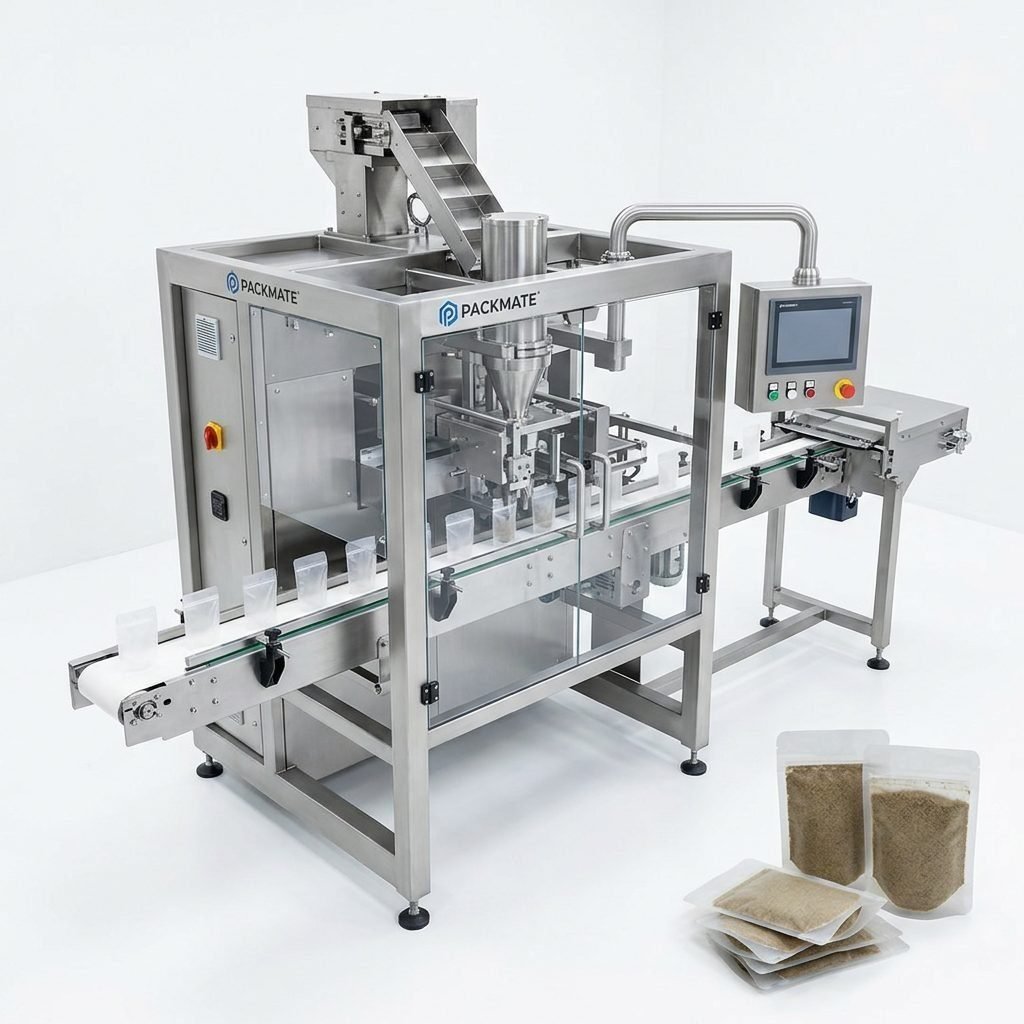
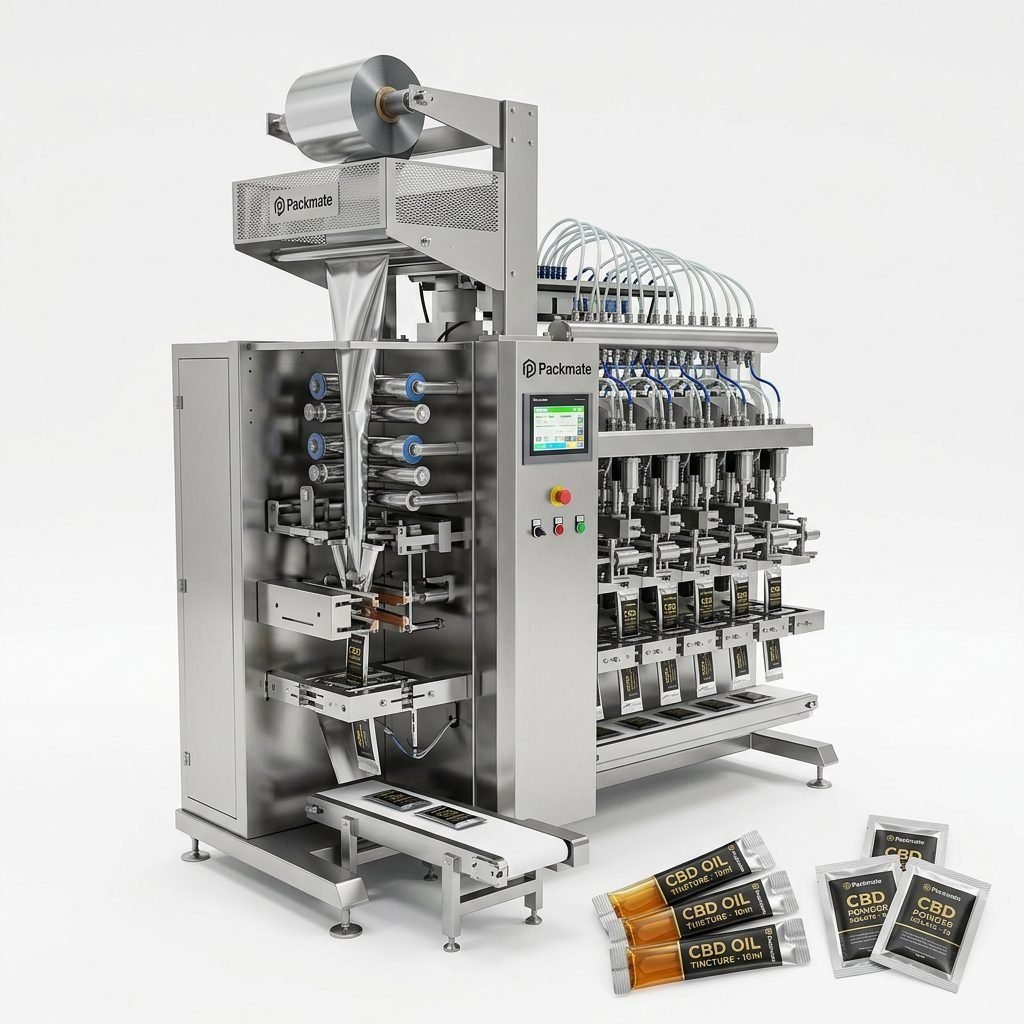
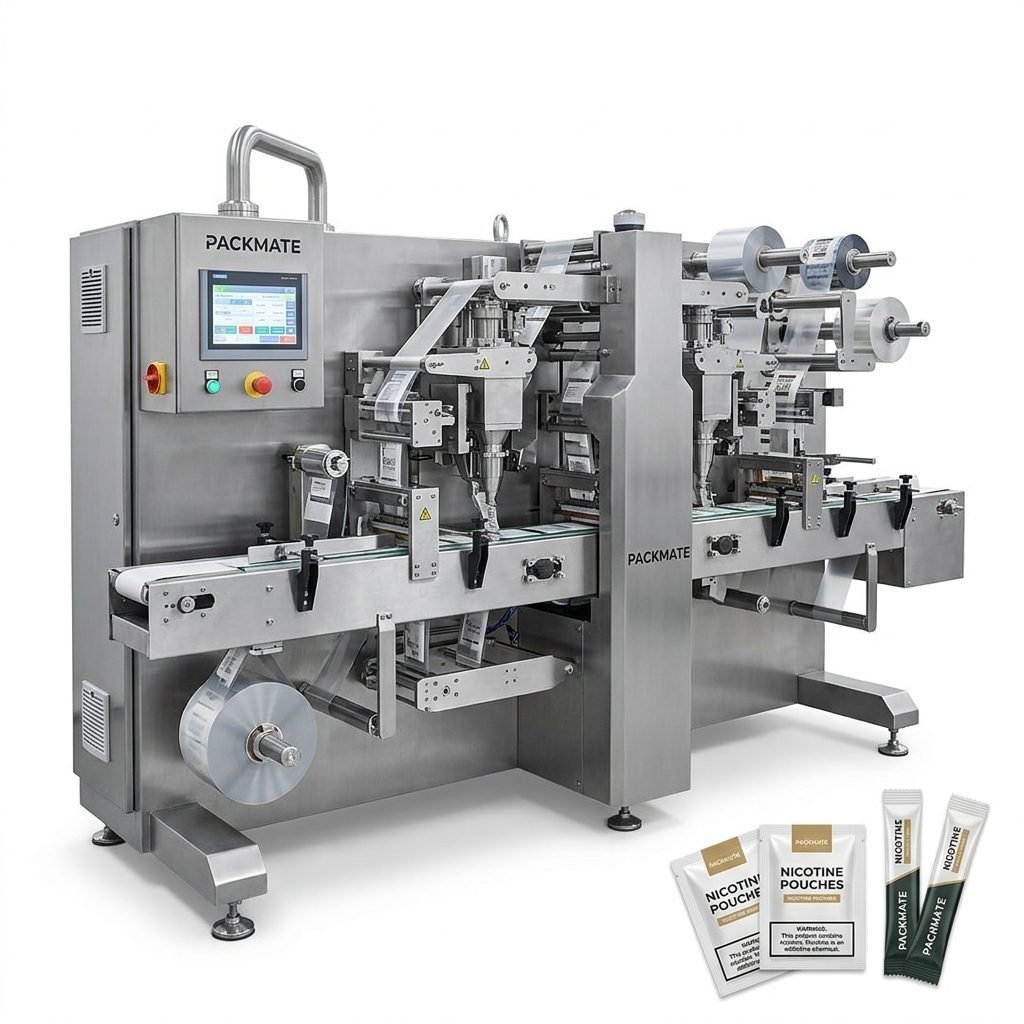
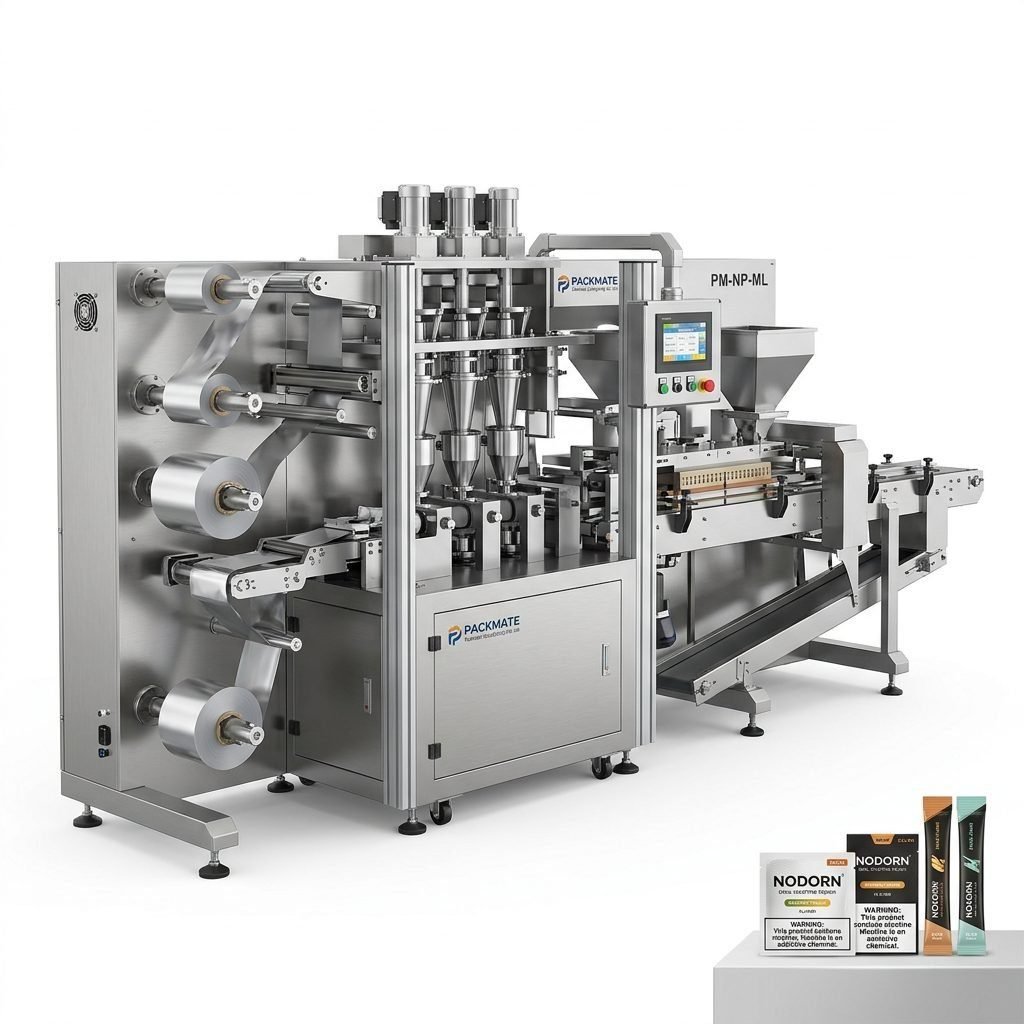
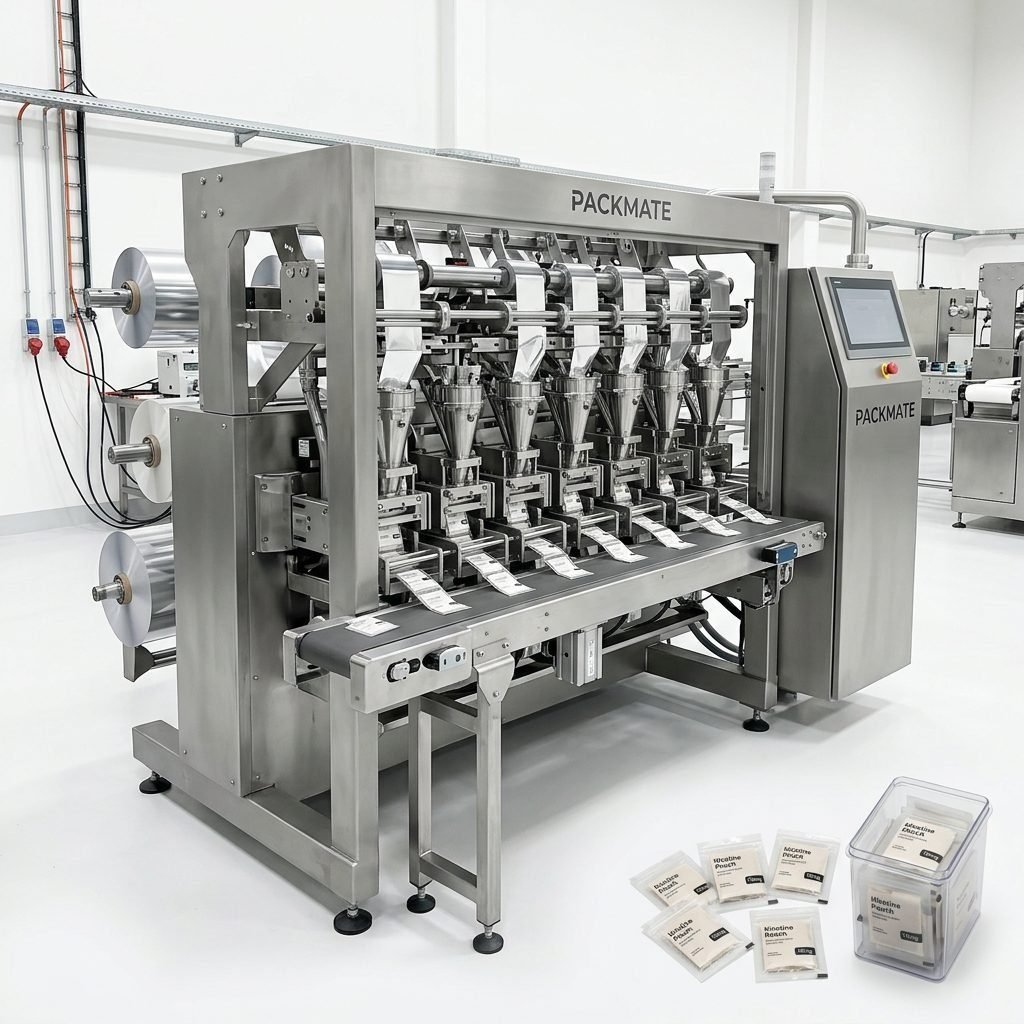
Choosing the right nicotine packaging machine manufacturer is a crucial decision for any business entering or scaling in the nicotine pouch and snus market in Saint Vincent and the Grenadines. The right partner affects product quality, compliance, uptime, and your ability to respond to local market preferences. This guide walks you through practical selection criteria, local considerations for Saint Vincent and the Grenadines, and how to evaluate suppliers like Packmate with an eye toward long-term success.
Understand Your Production Needs First
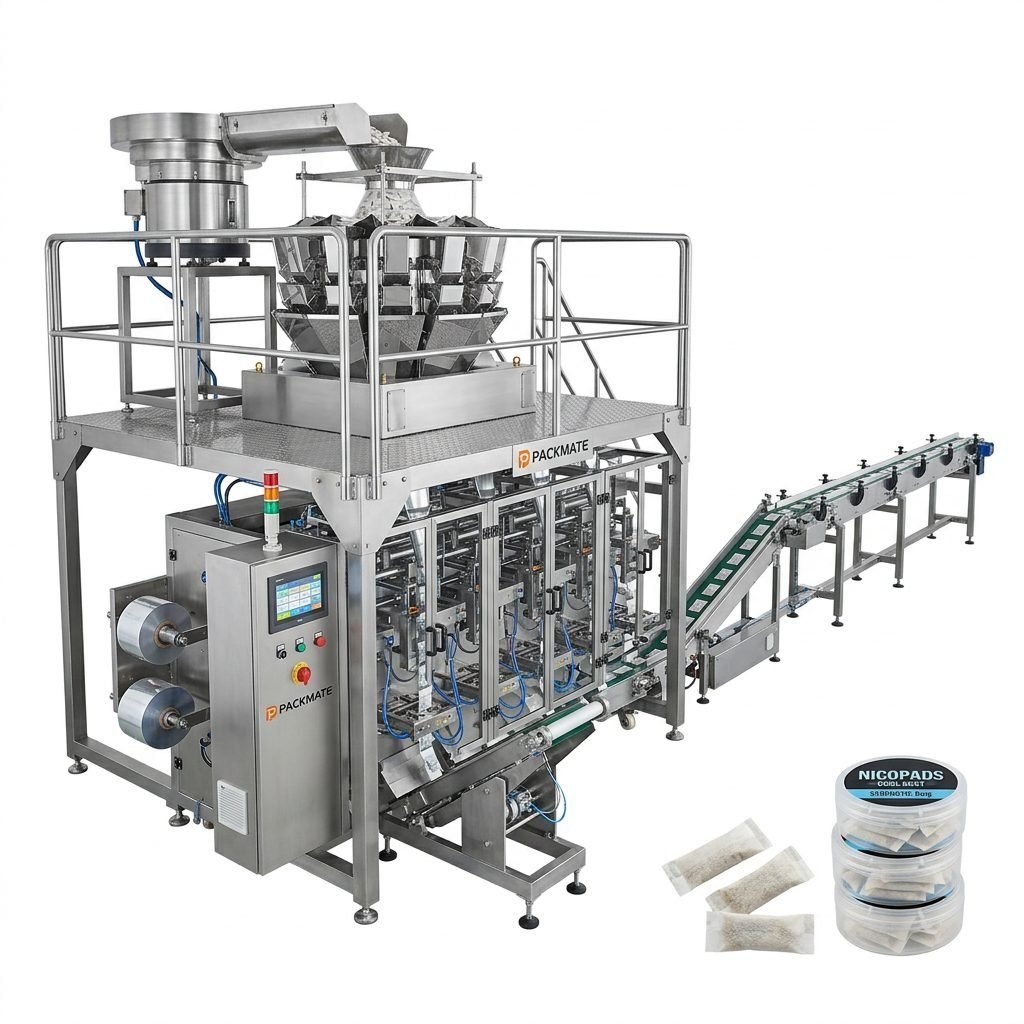
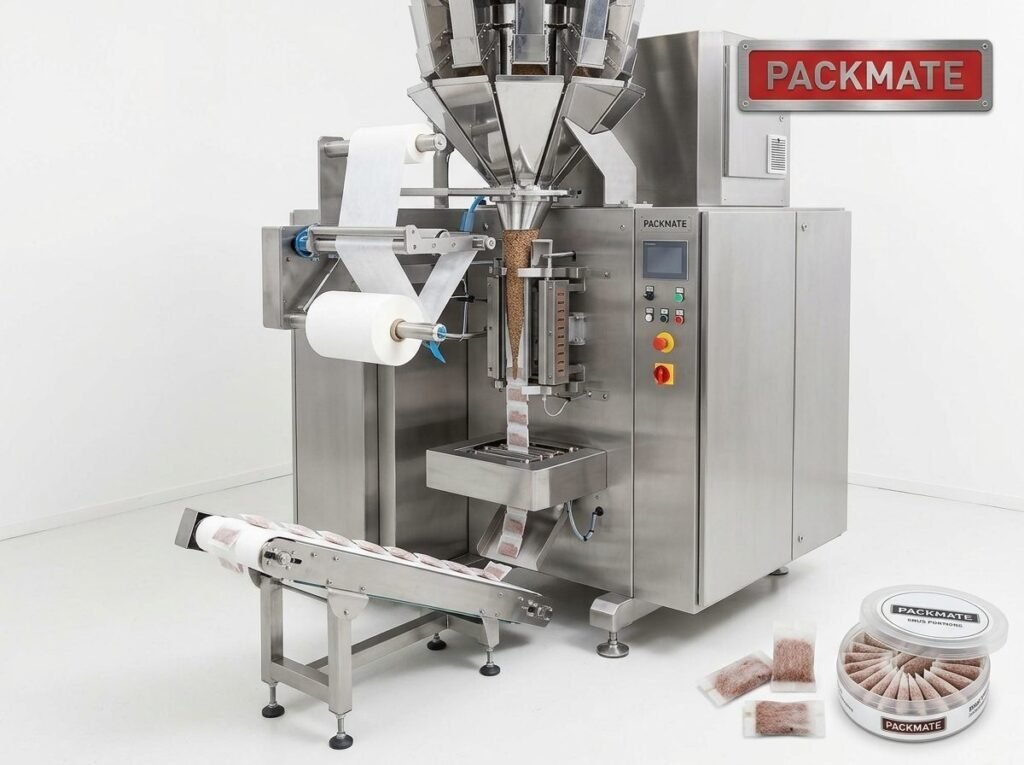
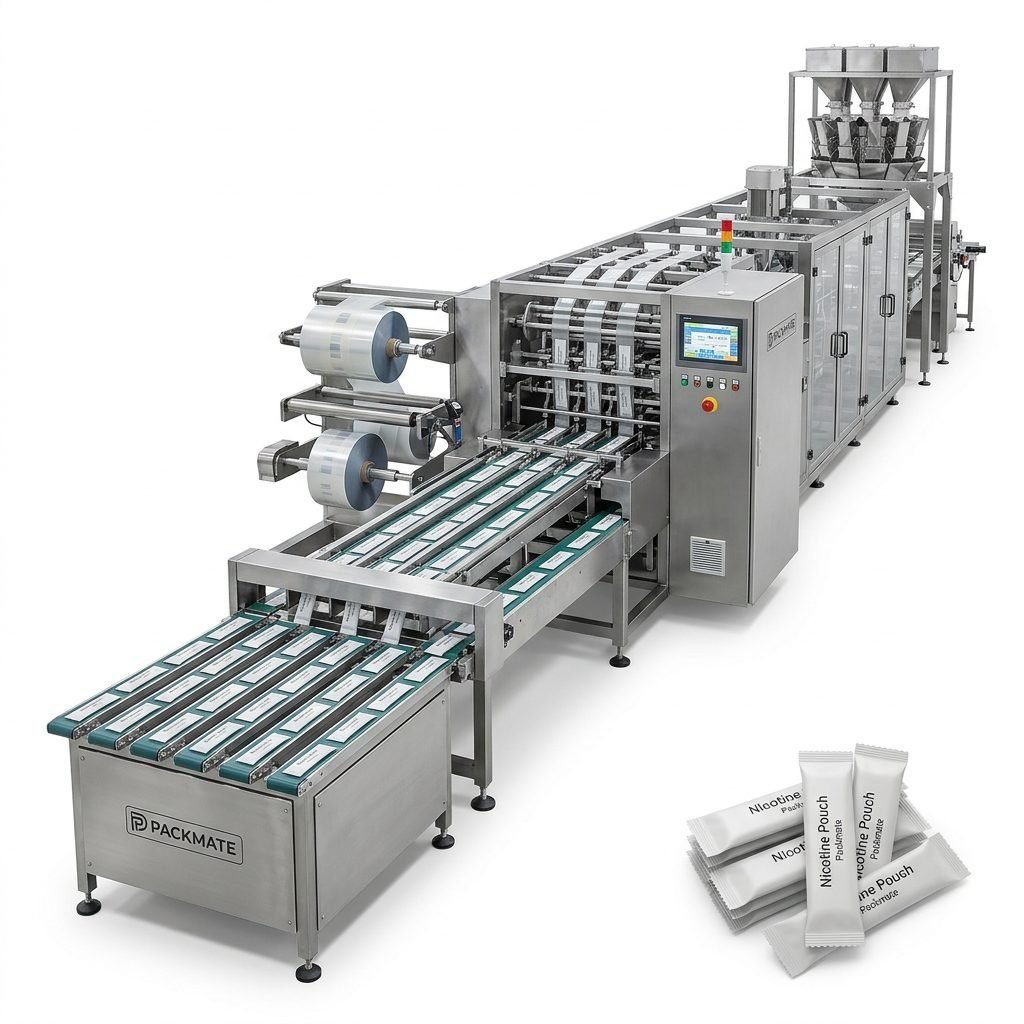
Before you contact any manufacturer, map your production requirements in detail. Consider annual volume targets, package formats (pouches, sachets, stick packs), lane counts, filling weights, and whether you need multi-lane systems for small-dose nicotine pouches. Manufacturers like Packmate offer diverse solutions across categories (see Snus & Nicotine Packaging Machines), but you must know your baseline to avoid overpaying for unnecessary capacity or buying machines that will bottleneck growth.
Quick checklist (use this when asking for quotes): production speed (pouches/min), lane count, filler type (weighing vs volumetric), packaging material compatibility, required CIP/COP features, and expected runtime per month.
Why format flexibility matters
Many Caribbean markets, including Saint Vincent and the Grenadines, favor a variety of pack formats driven by tourist demand and small retailers. Opt for machines that can handle sachets, stick packs, and small pouches with quick changeovers. This flexibility lets you offer single-dose, trial, and multi-dose packs that suit both local customers and visitors.
Evaluate Manufacturer Experience & Technical Strength
Experience in snus and nicotine pouch packaging is non-negotiable. Manufacturers with decades of engineering experience understand the fine tolerances for small-dose pouch machines and the multi-lane synchronization needed for high throughput. Look for companies with established R&D teams, advanced CNC machining, and assembly capabilities — these are signs of reliable long-term performance.
Packmate, for example, has over 30 years of engineering experience and a 20,000㎡ manufacturing facility with advanced machining centers, which means they can produce and service complex multi-lane systems reliably. See About Packmate to learn more about factory capacity and history.
Key evidence to request
Ask for machine performance data, case studies, uptime statistics, and references from customers in similar markets. Factory tours (virtual or in-person), photos of assembly lines, and videos of machines running your product are highly valuable for reducing risk.
Certifications, Compliance & Safety
Regulatory compliance varies by region. For exports to Saint Vincent and the Grenadines and other Caribbean countries, ensure the manufacturer provides machines that comply with recognized standards such as CE and ISO. These certifications indicate adherence to safety and quality processes and simplify customs and insurance procedures.
Important: Verify electrical compatibility (voltage/frequency), machine guarding, emergency stops, and documentation for CE/ISO certificates. Manufacturers typically list these on their Certificate pages.
Customization, Tooling & Material Compatibility
Nicotine pouch manufacturing often requires custom tooling for pouch shapes and dosing. Select a manufacturer who can design custom molds, film feeding systems, and dosing heads that match your pouch specs. Material compatibility is also critical — your chosen film, barrier layers, and adhesives affect seal integrity and shelf-life.
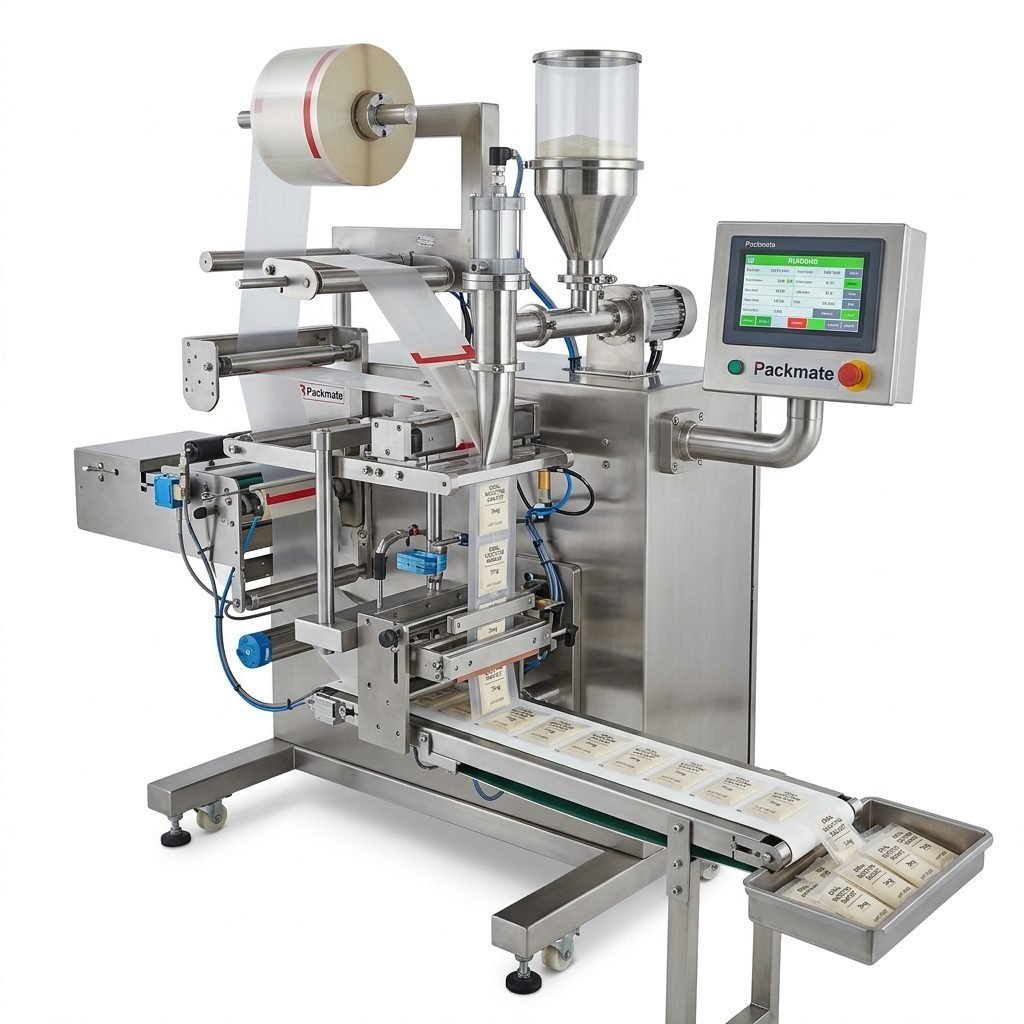
Suppliers with in-house CNC and tooling capabilities can accelerate prototyping and reduce lead times for replacement parts. If you plan to expand to other products (tea, powders, granular goods), check whether they provide Bag & Pouch Packaging Machines and Sachet & Stick Pack Machines.
After-Sales Service, Spare Parts & Local Support
Reliable local or regional support is a primary concern in island nations. Downtime is expensive when parts must be shipped overseas. Evaluate the manufacturer’s spare parts policy, availability of second-hand parts, remote troubleshooting capabilities, and training programs for your operators and maintenance team.
Check whether the supplier offers commissioning on-site, remote commissioning support, and long-term service contracts. Packmate provides global turnkey solutions and technical support — review their Service and Contact Us pages for service options and response times.
Tips to reduce downtime
– Keep a small inventory of high-wear spare parts (sealing jaws, belts, sensors).
– Request operator and maintenance training at installation.
– Ensure remote diagnostics (PLC and HMI access) are available for fast troubleshooting.
Total Cost of Ownership & ROI
Price is only one part of the investment. Calculate Total Cost of Ownership (TCO) including installation, training, spare parts, expected electricity and utilities, maintenance labor, and predicted scrap rates. High-efficiency machines often justify higher upfront costs through lower material waste, faster changeovers, and better yield.
ROI factors to estimate: uptime %, pouches per minute, yield %, labor hours saved, and packaging material savings from optimized sealing and cutting.
Logistics, Shipping & Customs for Saint Vincent and the Grenadines
Shipping heavy machinery to Saint Vincent and the Grenadines involves port handling, local transport, and customs clearance. Manufacturers experienced with Caribbean shipments can help prepare accurate documentation, provide advice on crating and palletization, and recommend freight forwarders. Ask suppliers for DDP (Delivered Duty Paid) and EXW quotes to compare landed costs properly.
Consider local infrastructure: some rural plants may require crane services or reinforced floors for multi-ton equipment. Also, account for humidity and salt-air corrosion in coastal sites; choose stainless or corrosion-resistant coatings for critical components.
Local Market & Cultural Considerations in Saint Vincent and the Grenadines
Saint Vincent and the Grenadines is an English-speaking Caribbean nation with a tourism-driven economy. Local consumer habits and visitor preferences influence packaging choices:
- Small pack sizes: Convenience and trial packs perform well with tourists and kiosks.
- Discrete, portable packaging: Travelers often prefer slim, resealable pouches.
- Flavor variety: Caribbean consumers may favor regionally familiar flavor profiles — incorporating this into your product lineup can enhance acceptance.
- Compliance and labeling: Local regulations require clear labeling in English; machine-integrated labeling modules can help maintain consistent print quality.
When selecting a supplier, ask about their experience shipping to Caribbean clients and whether they have existing references in similar island markets.
Testing, Pilot Runs & Quality Assurance
A reputable manufacturer will offer pilot runs and sample packaging prior to full production. This testing validates sealing, dosing accuracy, output speed, and material compatibility. Request a FAT (Factory Acceptance Test) where you can observe your product running on the machine and measure KPIs against contractual guarantees.
Ensure the contract includes acceptance criteria, warranty terms, and clear remedies for performance shortfalls. Ask for documented QA procedures, calibration records for weighing systems, and maintenance logs on delivered machines.
Sustainability & Packaging Material Trends
Environmental concerns are growing in the Caribbean. Consider packaging that minimizes plastic use or uses recyclable layers, and choose machines that optimize material usage to reduce waste. Some manufacturers provide solutions for compostable films or reduced-film designs — discuss these options early in the specification phase.
How to Compare Quotes: A Practical Approach
When you receive multiple quotes, use a side-by-side comparison template that includes machine model, throughput, warranty length, spare parts list, installation scope, training, lead time, certifications, and lifecycle cost estimates. Pay close attention to what’s excluded (e.g., tooling, sensors, and software licenses).
It’s often worth paying a little more for a supplier with proven Caribbean experience, fast parts logistics, and strong after-sales service.
Ask these 10 supplier questions
Who are your references in similar markets? What is your average lead time? Do you provide on-site commissioning? What spare parts are recommended for 12 months of operation? Can you provide FAT videos? Are consumables standardized? What are warranty exclusions? Is there remote diagnostic capability? What certifications do you hold? Can you provide turnkey line integration (weighers, cartoners)?
Case Study & Real-World Example
A medium-sized Caribbean brand chose a multi-lane nicotine pouch line from an experienced supplier to launch a tourist-focused product line. The benefits included rapid scale-up during peak season, reduced material waste through precise sealing controls, and fast changeovers between trial pouches and retail packs. The supplier’s global service network and documented FAT reduced commissioning time and ensured regulatory compliance.
For additional case examples and project references, review supplier case pages such as their Case and Exhibition records to validate real deployments.
Pro tip: prioritize manufacturers who demonstrate clear documentation and who can run your exact SKU at FAT — there’s no substitute for real-world proof.
Useful Resources & Next Steps
Start by compiling your technical spec sheet and target launch timeline. Reach out to manufacturers with your specifications and request FAT videos, reference contacts, and a breakdown of TCO. For product and machine information, review Snus & Nicotine Packaging Machines and Filling & Packaging Lines. If you’re ready to discuss requirements, use Contact Us to initiate a conversation with experienced suppliers.
Conclusion
Selecting the best nicotine packaging machine manufacturer for Saint Vincent and the Grenadines requires balancing technical capability, regional logistics expertise, regulatory compliance, and after-sales support. Focus on suppliers with proven multi-lane snus experience, strong factory infrastructure, and clear service pathways to minimize risk and optimize your go-to-market speed. By following the checklist and evaluation steps above, you can make a confident choice that supports both local tastes and business growth.
Helpful links
– Explore product categories: Snus & Nicotine Packaging Machines
– For related lines: Filling & Packaging Lines
– About the manufacturer: About Packmate
– Start a conversation: Contact Us
Frequently Asked Questions
Q1: What machine capacity do I need for a small Caribbean market?
For local markets and tourist sales, a flexible multi-lane small-dose line capable of producing 200–1,000 pouches per minute (depending on lanes) is often ideal. Start with conservative volume estimates and choose modular systems that scale up.
Q2: How important are certifications like CE and ISO?
Very important. CE and ISO demonstrate consistent manufacturing quality and safety. They also simplify customs clearance and provide buyers with assurance about design standards and documentation.
Q3: What about spare parts availability in island nations?
Negotiate a spare parts list with lead times and consider stocking critical wear parts locally. Choose suppliers who offer express shipping options or regional distribution to reduce downtime.
Q4: Can suppliers help with packaging material selection?
Yes. Reputable manufacturers provide guidance on film selection, barrier requirements, and sealing parameters to ensure shelf-life and product integrity. They may also run trial laminates during FAT.
Q5: How should I manage installation and operator training?
Include installation, commissioning, and operator training in your purchase contract. Remote training can supplement on-site instruction, but initial hands-on training at installation dramatically reduces early errors and equipment damage.