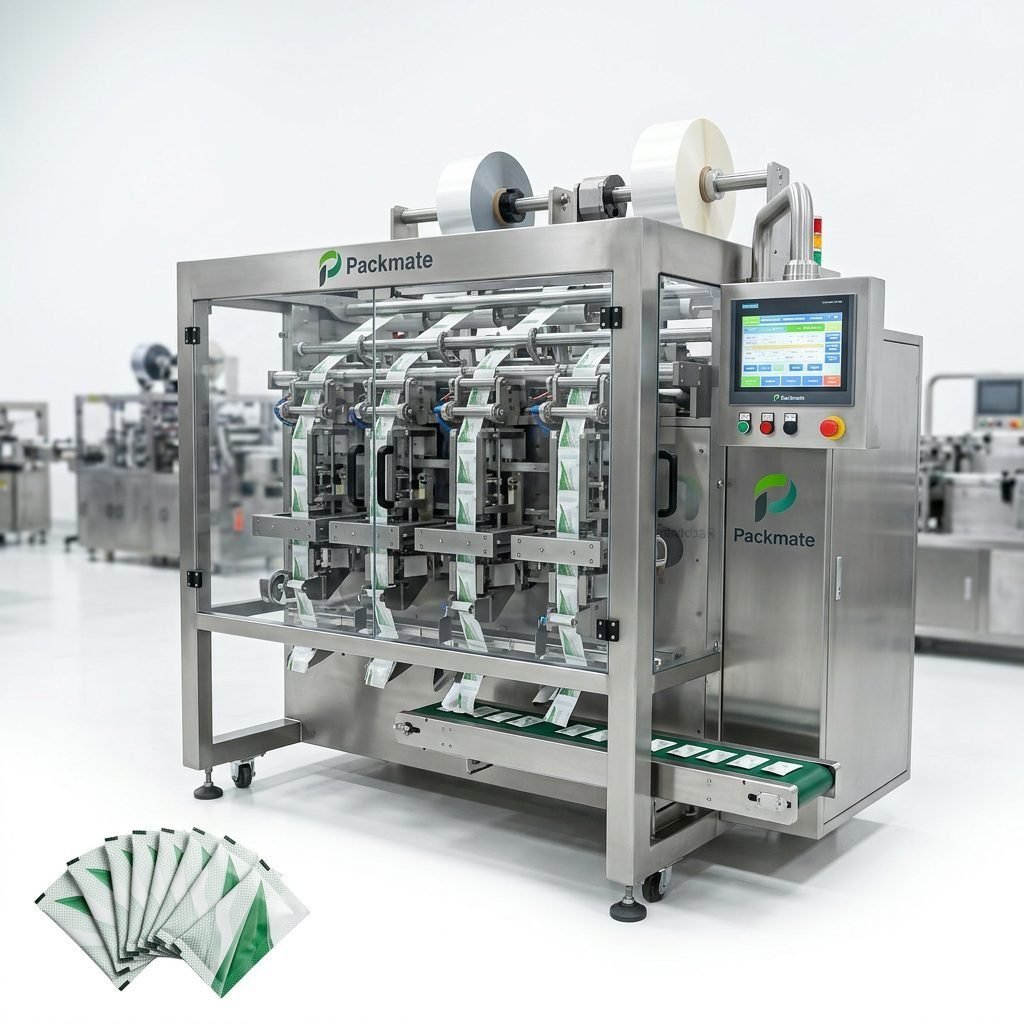
Choosing the right nicotine packaging machinery for a small market like Comoros requires more than comparing speeds and prices. Local culture, import logistics, regulatory constraints, and the typical production profiles of regional businesses all matter. This guide walks you through the practical considerations—technical, cultural, and commercial—so you can select a machine that meets capacity needs, respects local customs, and ensures reliable after-sales support.
Understand the Comoros Market and Local Customs
Comoros is a small island nation in the Indian Ocean with a predominantly Muslim population. Business practices are relationship-driven and respectful of religious customs such as daily prayer times and Ramadan. When planning production, factor in potentially reduced working hours during religious holidays and aim for packaging designs that are discreet and culturally appropriate.
Labeling in Comoros commonly uses French and local Comorian; Arabic script is also respected in many communities. Ensure your packaging machinery can handle multi-language label printing and variable data to meet local labeling expectations (ingredient lists, warnings, language options).
Key cultural and market insights
🔍 Respect local consumption patterns: Demand can be intermittent and influenced by religious observances. Plan seasonal inventory buffers.
🔧 Discreet packaging: Consider neutral outer cartons and modest branding where sensitivity around nicotine products exists.
🌐 Language flexibility: Machines that integrate label printers for French, Arabic, and Latin scripts reduce rework and compliance risks.
Match Machine Type to Your Product Format and Output Needs
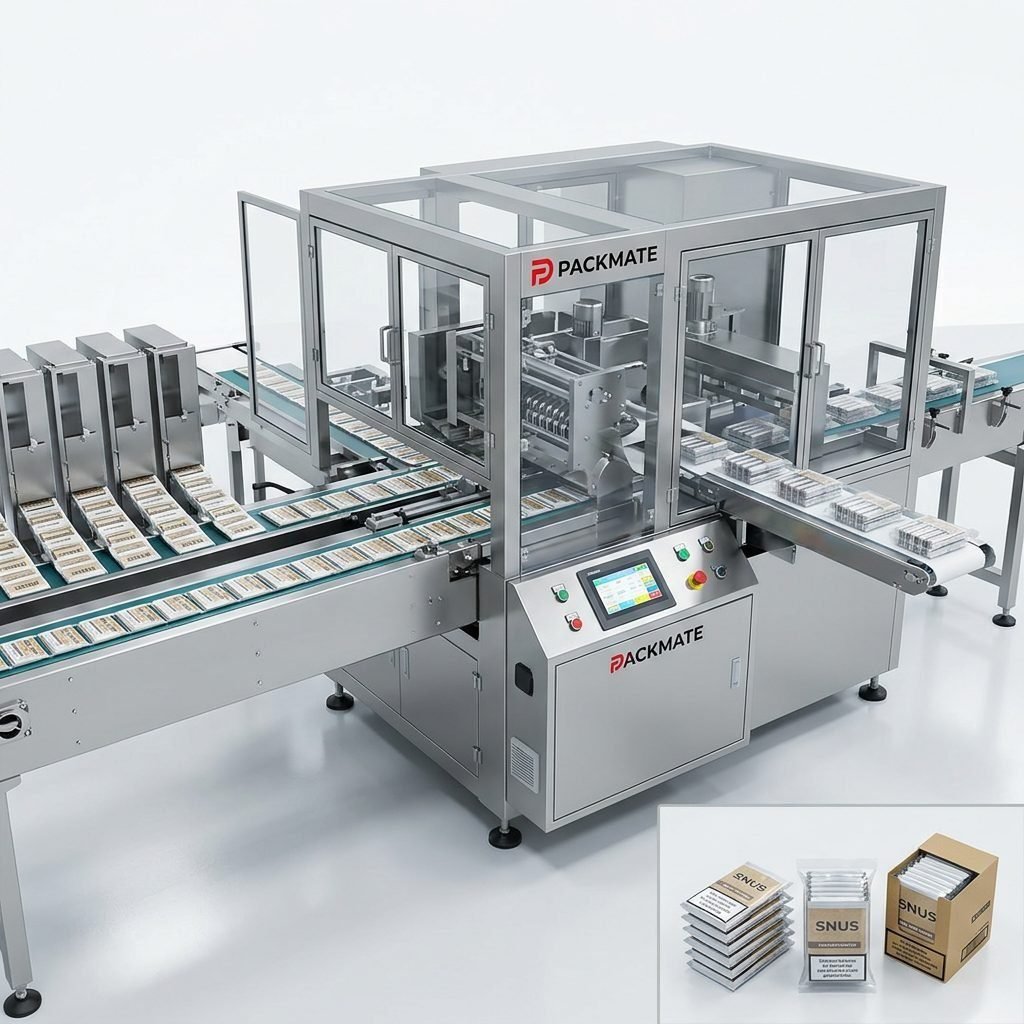
Nicotine pouches and snus packaging come in several common formats: single pouches, multi-lane sachets, stick packs, and small multi-pouch cartons. Selecting the correct machine family is the first technical decision:
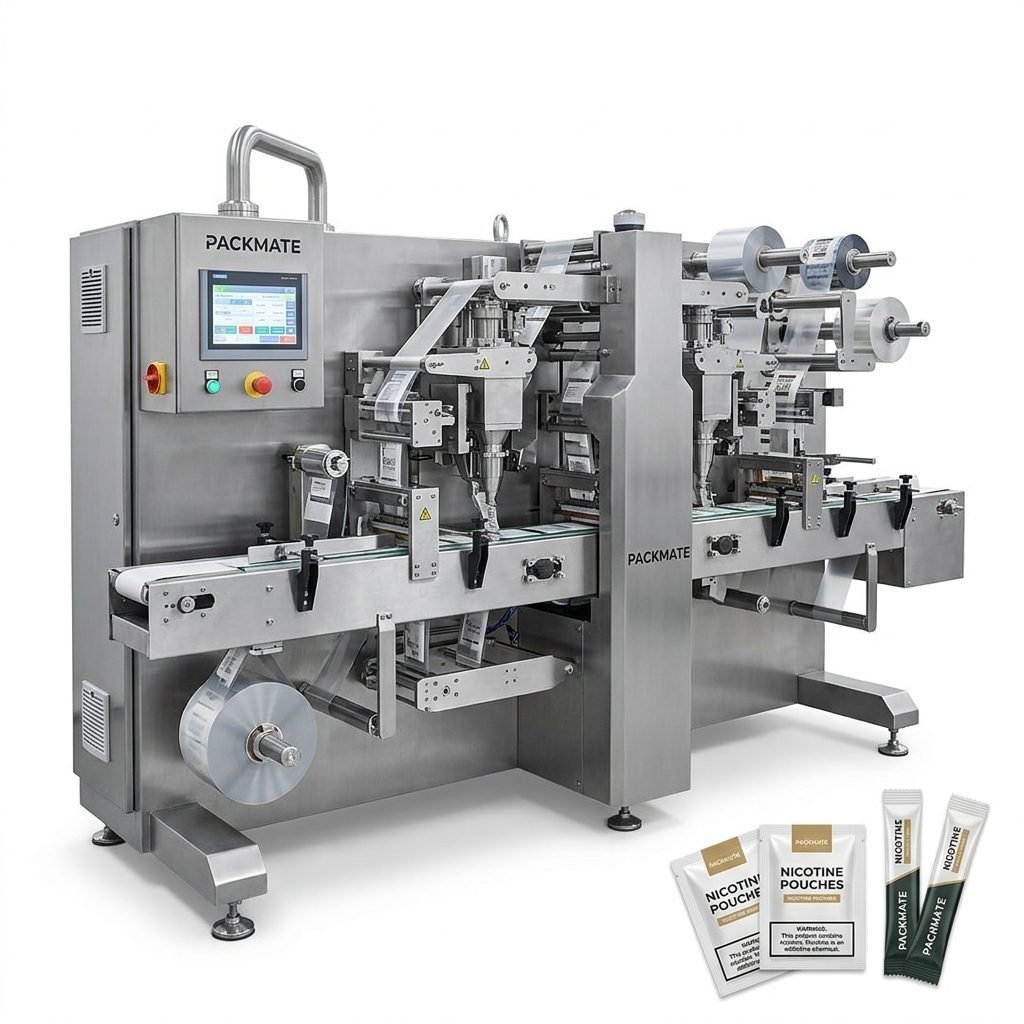
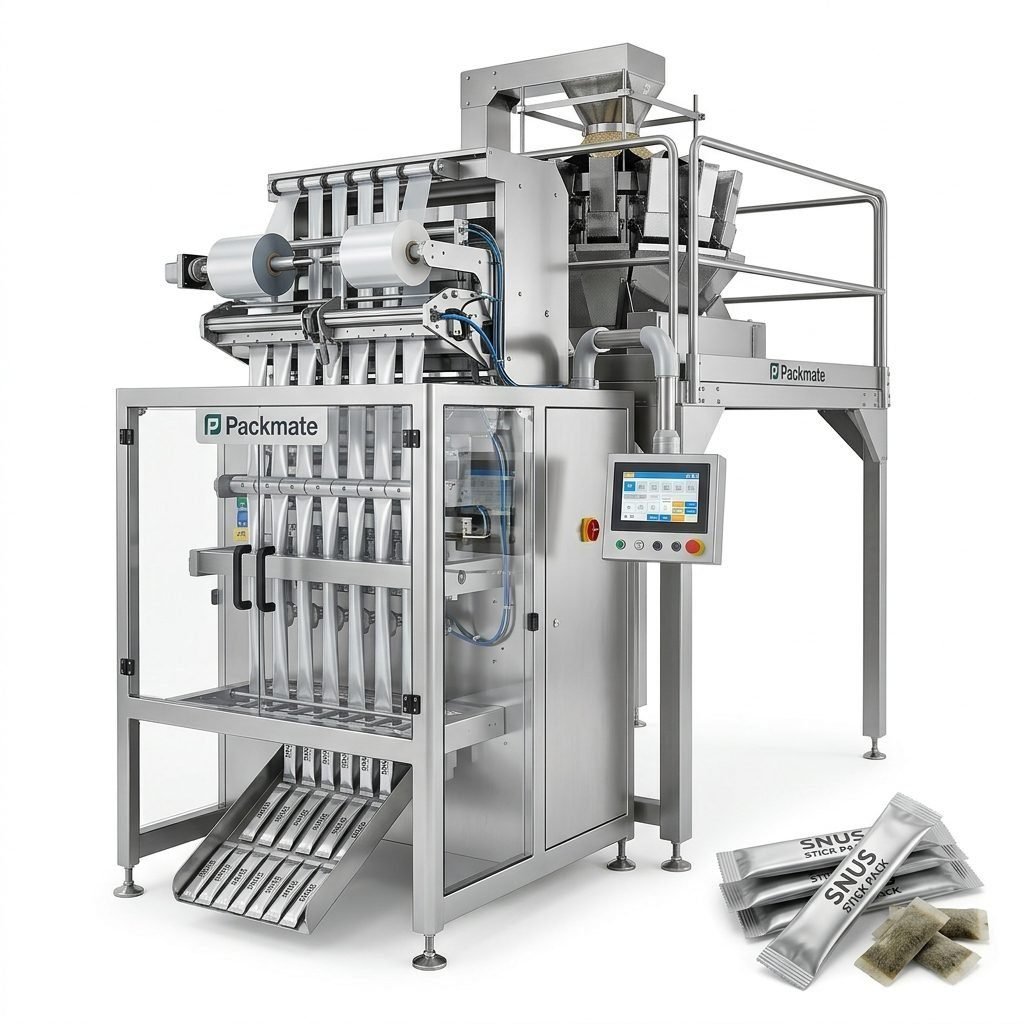
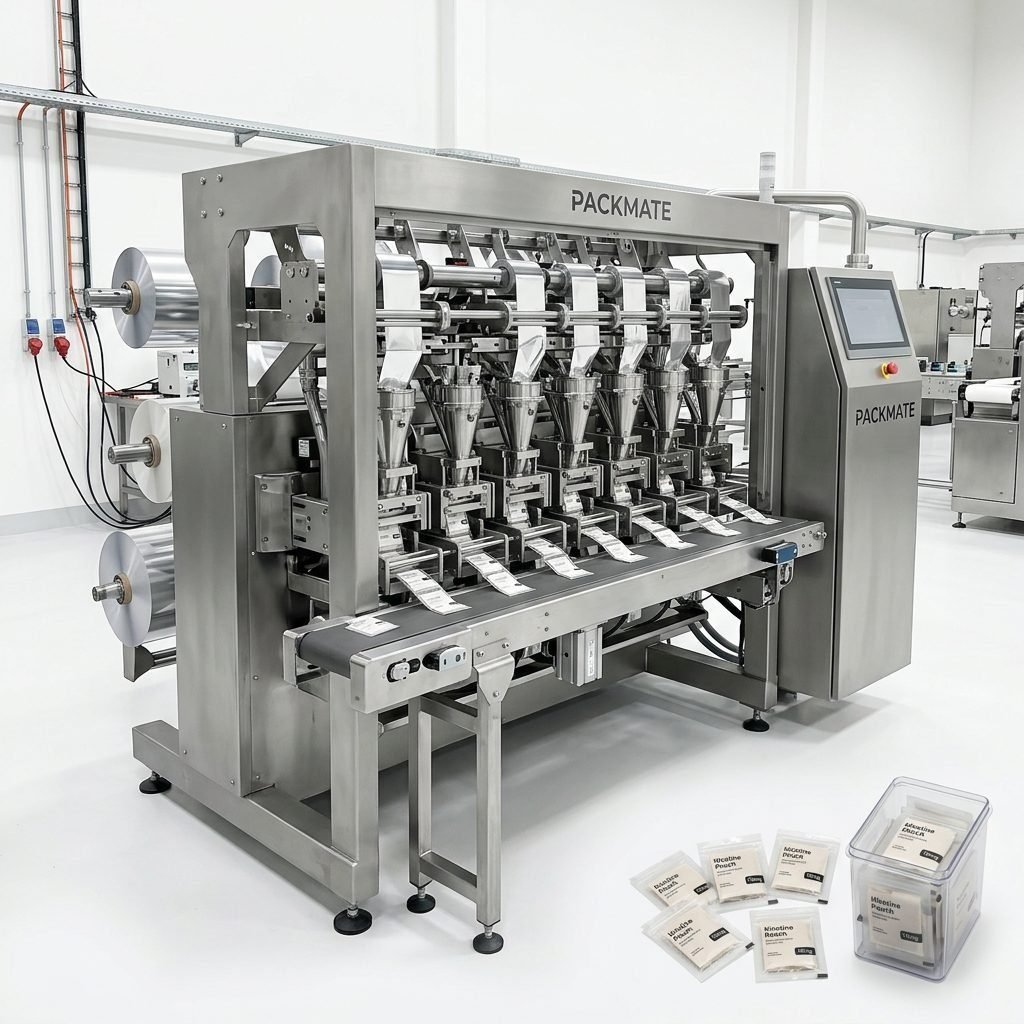
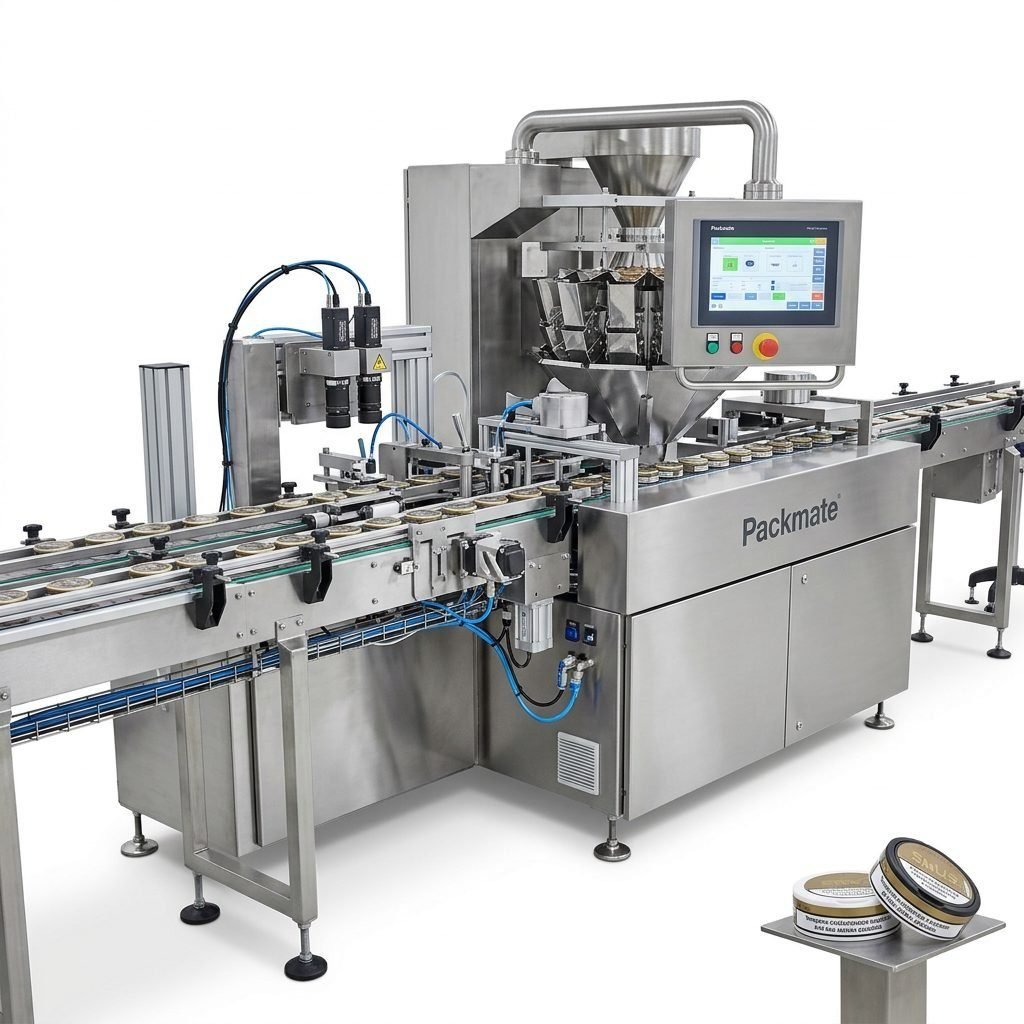
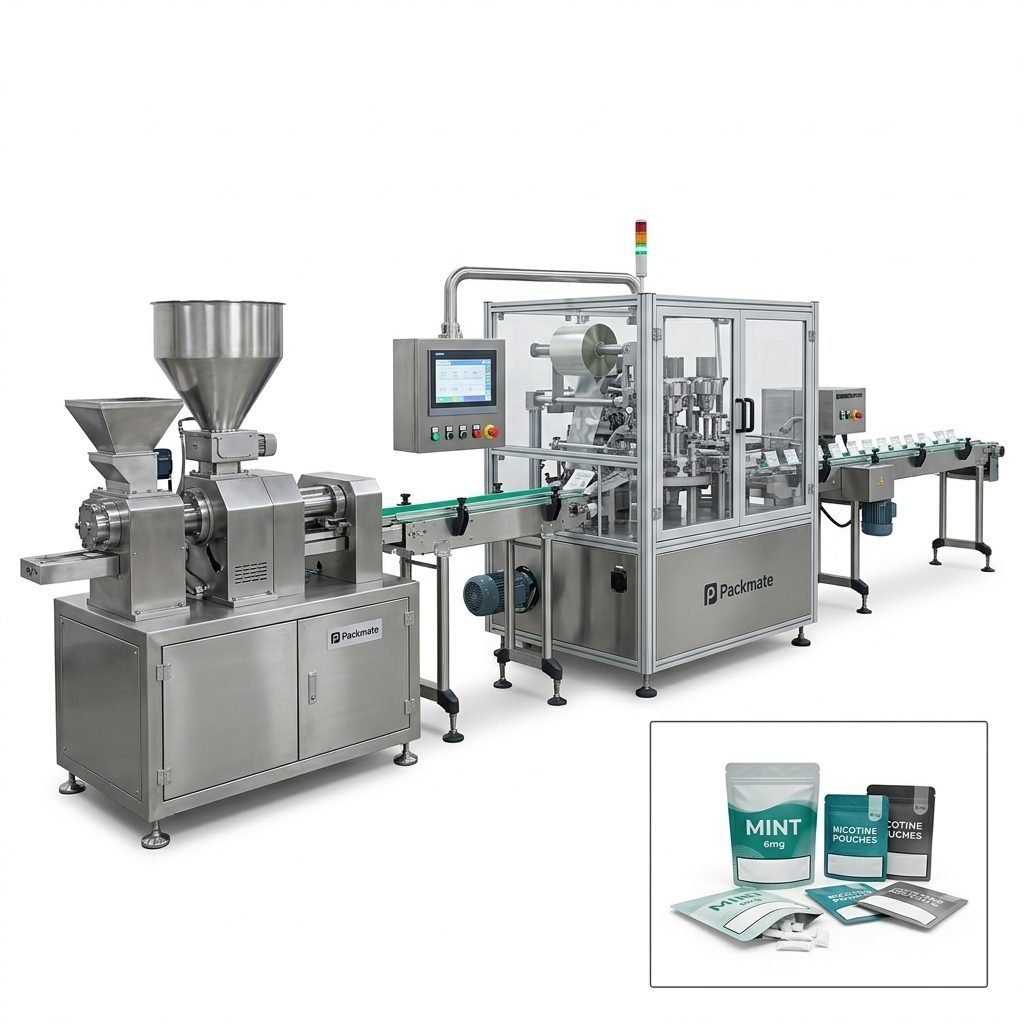
✅ Snus / Nicotine Pouch Machines (single or multi-lane) are ideal for producers focused on pouches with precise filling and low-dose accuracy. See specialized options at Snus & Nicotine Packaging Machines.
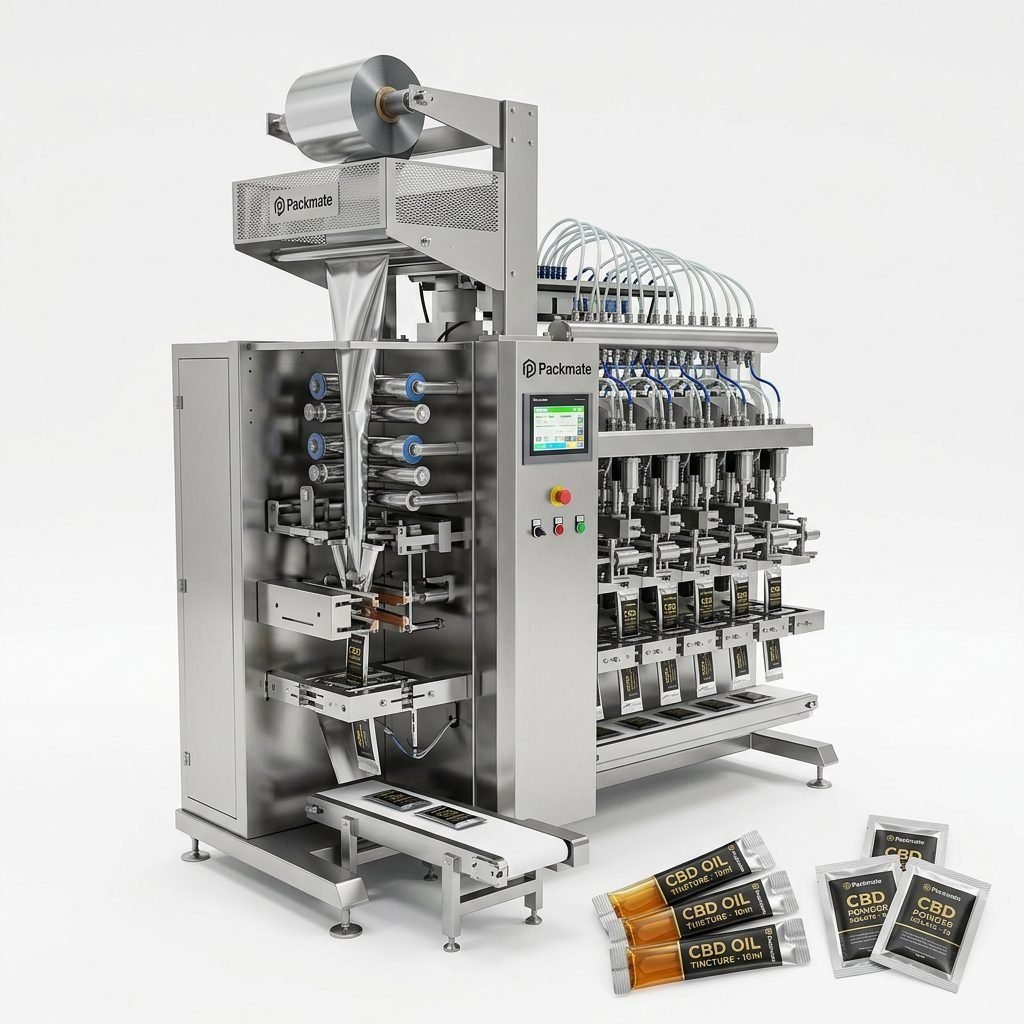
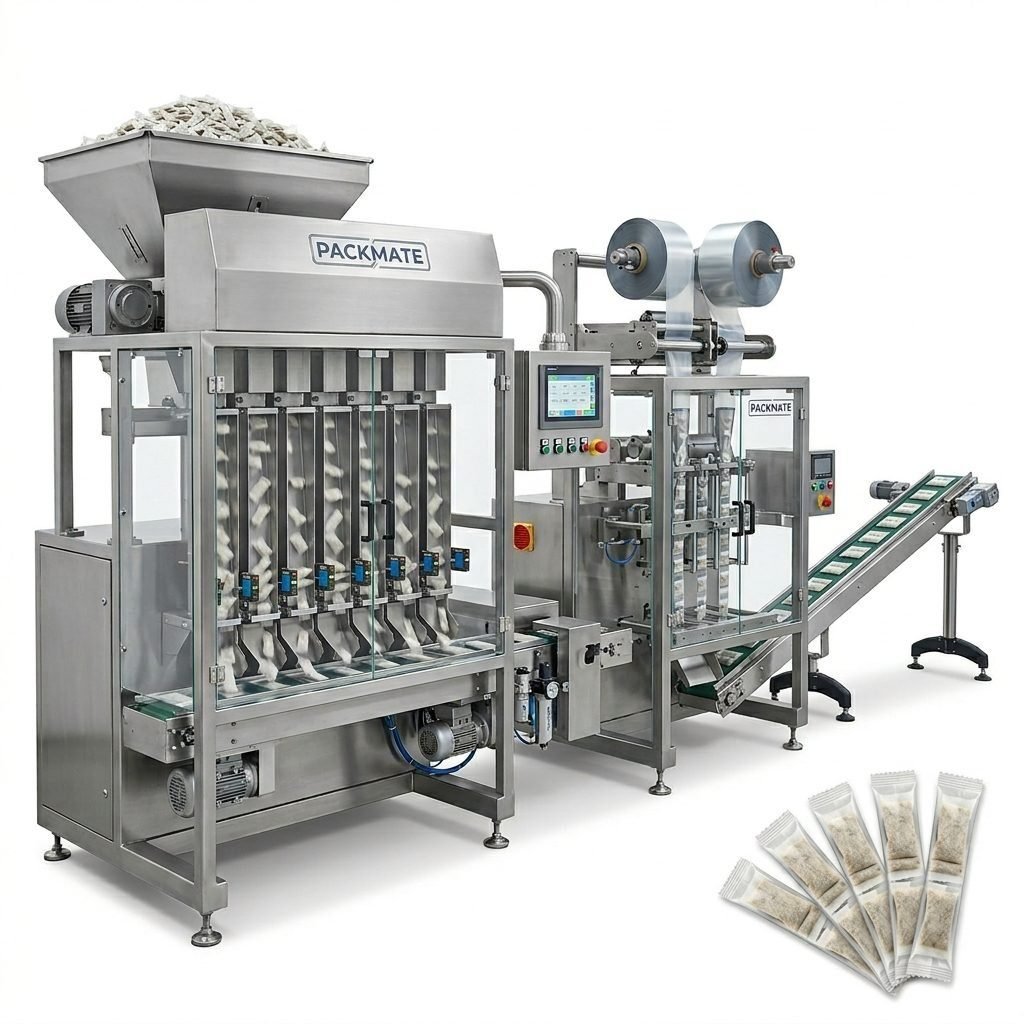
✅ Sachet & Stick Pack Machines suit samples, single-dose products, or promotional packs — check variations at Sachet & Stick Pack Machines.
✅ Bag & Pouch Packaging is best when you require resealable formats or multi-pouch consumer packs: Bag & Pouch Packaging Machines.
Throughput planning
Consider current and projected volumes. For a startup targeting local shops and small distributors, a compact single- or dual-lane system may be sufficient. If you anticipate export demand to East Africa or nearby islands, a multi-lane high-speed line will deliver economies of scale. Always size machines with a conservative 20–30% growth allowance for the next 2–3 years.
Technical Features to Prioritize
Not all machines are created equal. Focus on features that directly affect product quality, uptime, and total cost of ownership.
🔧 Filling Accuracy: For nicotine pouches, precise dosing is critical for regulatory compliance and consumer trust. Look for machines with high-precision dosing systems and real-time weight feedback.
🔒 Sealing Integrity: Robust sealing systems (heat, ultrasonic or advanced crimping) reduce leaks and prolong shelf life.
⚙️ Changeover Speed: Quick format changeover reduces downtime—essential for small-batch runs common in niche markets like Comoros.
📊 Integrated Inspection: Vision inspection for label accuracy, presence/absence checks, and foreign particle detection increases quality assurance.
🛠️ Modular Design & Spare Parts: Modular modules simplify maintenance and spare parts logistics in remote locations.
Electrical, Power and Environmental Considerations
Comoros’ power infrastructure can be less stable than larger markets. Choose machines tolerant of voltage fluctuation or provide industry-grade UPS and voltage stabilizers. Confirm machine compatibility with local voltages and frequencies to avoid avoidable field modifications.
⚡ Voltage & Frequency: Verify 220–240V / 50Hz compatibility, and request optional power protection packages.
🌡️ Humidity & Corrosion Protection: Coastal environments require stainless components and corrosion-resistant finishes.
🔁 Backup & Redundancy: Plan for intermittent outages—UPS for PLCs and control systems prevents product loss.
Compliance, Certifications and Labeling in Comoros
Nicotine products face strict rules in many countries. While Comoros’ specific nicotine regulations may evolve, exporting to neighboring regions often requires CE, ISO, and clear traceability. Select manufacturers that provide CE/ISO documentation and assist with validation paperwork.
🧾 Certificates: Ask for CE and ISO certificates and machine test reports. Reference Packmate certificates and history at Certificate.
📝 Labeling Compliance: Provide templates to machine suppliers for printing legal text in French/Arabic/Comorian.
🔍 Traceability: Machines with batch coding and serialization support HACCP and future export requirements.
After-Sales Support, Installation and Training
In remote markets, reliable technical support makes or breaks production. Prioritize vendors who offer remote diagnostics, local partner networks, spare parts kits, and onsite commissioning services.
📞 Service Packages: Confirm turnaround times for spare parts and availability of field service engineers. Review service offerings at Service.
🧑🏫 Operator Training: Request comprehensive operator and maintenance training during commissioning.
🌍 Local Representation: Identify local agents or logistics partners to reduce lead times—Packmate’s global presence can be reviewed via About Packmate.
Logistics and Import Practicalities
Importing heavy machinery to Comoros means planning for port handling, customs duties, and inland transport. Work with freight forwarders familiar with Moroni port operations and confirm whether the supplier provides DDU or DDP terms.
🚢 Shipping terms: Choose clear incoterms and ensure proper packing for sea transit.
🧾 Customs documentation: Have CE/ISO certificates, packing lists, and detailed invoices ready to minimize clearance delays.
📦 Spare parts shipment: Keep a small onshore stock of critical wear parts to avoid long downtime.
Cost Considerations and Total Cost of Ownership
The cheapest machine up front is often the most expensive over its lifecycle. Consider lifetime costs: energy consumption, spare parts availability, maintenance contracts, and expected uptime.
💸 Energy & Consumables: Estimate yearly energy and consumable costs (seals, films, printing ribbons).
🔁 Service Frequency: Ask for mean-time between failures (MTBF) and recommended maintenance intervals.
📈 Resale & Upgrade Path: Modular machines allow phased upgrades—reduce upfront CAPEX while maintaining expansion options.
Why Consider Packmate for Comoros Producers?
Packmate Snus Machine has over 30 years of experience in snus and nicotine pouch packaging. Their multi-lane systems and turnkey solutions are built for high precision and stability, backed by CE and ISO certifications. If you need compact lines or scalable multi-lane solutions, Packmate’s product range is worth evaluating.
🔗 Explore product families: Filling & Packaging Lines and Weighing & Packaging Systems.
📁 Review real-world installations in the Case section to understand deployment scenarios and outcomes.
Checklist Before You Buy
Use this quick pre-purchase checklist to compare vendors and specifications before finalizing a purchase:
📝 Confirm required certifications (CE, ISO).
🛠️ Verify local service availability and parts lead times.
⚙️ Run a FAT report or ask for video demos under production conditions.
📊 Check dosing accuracy and rejection rates with sample materials.
📦 Clarify shipping terms, installation scope, and training inclusion.
Practical Tips for Smooth Implementation in Comoros
Plan installation around local work patterns and secure reliable logistics partners. Consider on-site training sessions scheduled outside major religious holidays, and ensure communication in French or Arabic where required. If you plan to export regionally, make sure your packaging and product documentation meet the target country’s labeling rules as well.
📆 Schedule proactively: Avoid Ramadan and major festivals for commissioning.
🗣️ Language support: Request manuals and training in French/Arabic.
🤝 Local partnerships: Use local distributors to navigate compliance and distribution.
Next Steps
Shortlist machines based on format, capacity, and serviceability. Request site-specific proposals including power requirements and recommended spare parts. Schedule virtual or physical FATs (Factory Acceptance Tests) and confirm on-site installation timelines.
When you’re ready to contact suppliers, include expected monthly volumes, preferred packaging format, local environmental conditions, and whether you need multi-language printing. You can find contact and support options at Contact Us.
Common Questions
Q: What is the minimum investment for a reliable pouch line serving Comoros?
A: It varies with automation level; basic compact lines suitable for local distribution are lower CAPEX, while turnkey multi-lane lines for export markets are higher. Always evaluate total cost of ownership, not only purchase price.
Q: How long does installation and commissioning usually take?
A: Typical installation ranges from 1–4 weeks depending on line complexity, site readiness, and training scope. Allow additional time for customs clearance and local adjustments.
Q: Are there language or cultural services available during training?
A: Reputable suppliers provide manuals and operator training in major languages and can adapt training schedules to local customs and holidays.
Q: What spare parts should be kept on hand in Comoros?
A: Critical wear parts: sealing elements, conveyor belts, sensors, filling nozzles, and essential electronics. A minimal onshore kit reduces downtime significantly.
Q: Where can I explore machines and see real-case deployments?
A: Check product pages and the case studies on Packmate’s website to compare machine types and real-world use cases: Snus & Nicotine Packaging Machines, Case.
Frequently Asked Questions (Summary)
1. How should producers in Comoros handle machine power stability? Use voltage stabilizers and UPS for critical controls.
2. What packaging formats work best locally? Small pouches and sachets for local retail; multi-pouch resealable options for wider distribution.
3. How to ensure regulatory compliance? Choose CE/ISO machines, maintain traceability, and adopt multi-language labeling.
4. What after-sales support is essential? Remote diagnostics, spare parts availability, and on-site commissioning/training are crucial.