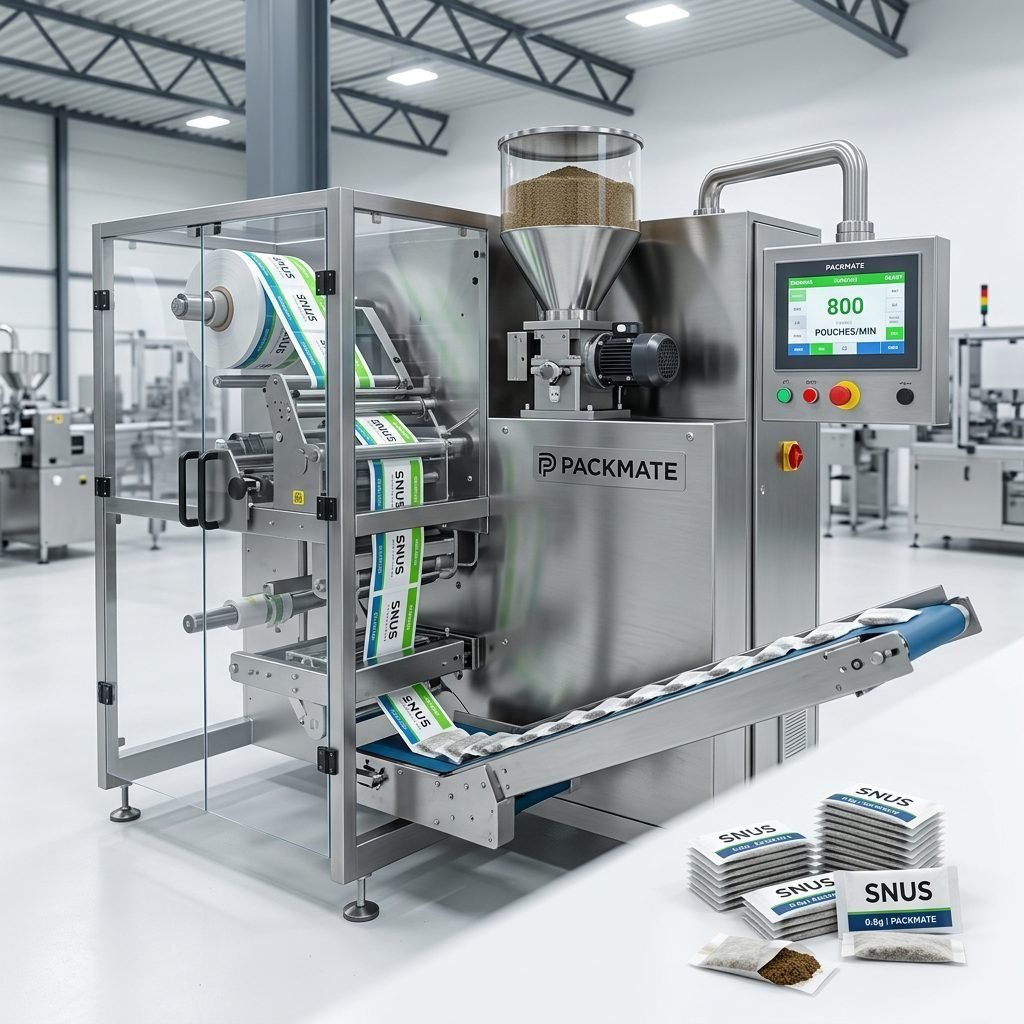
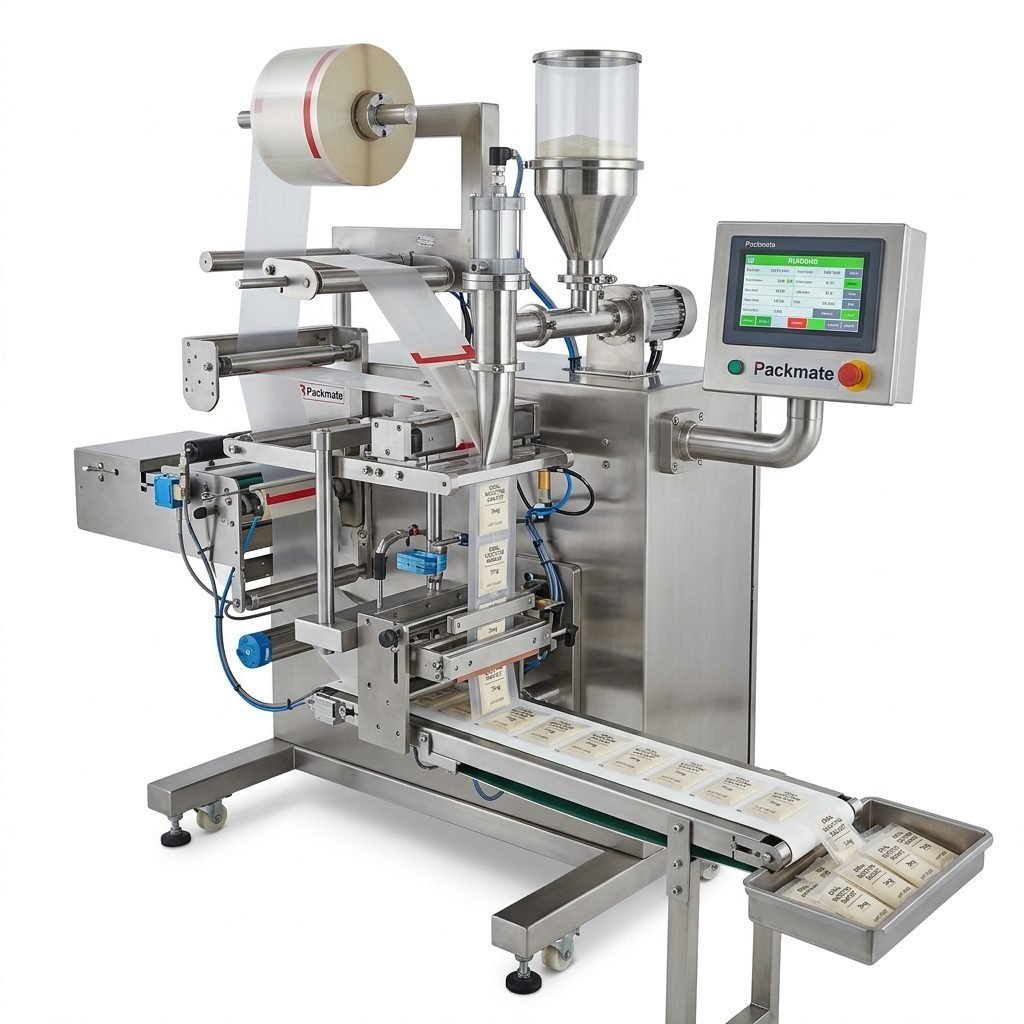
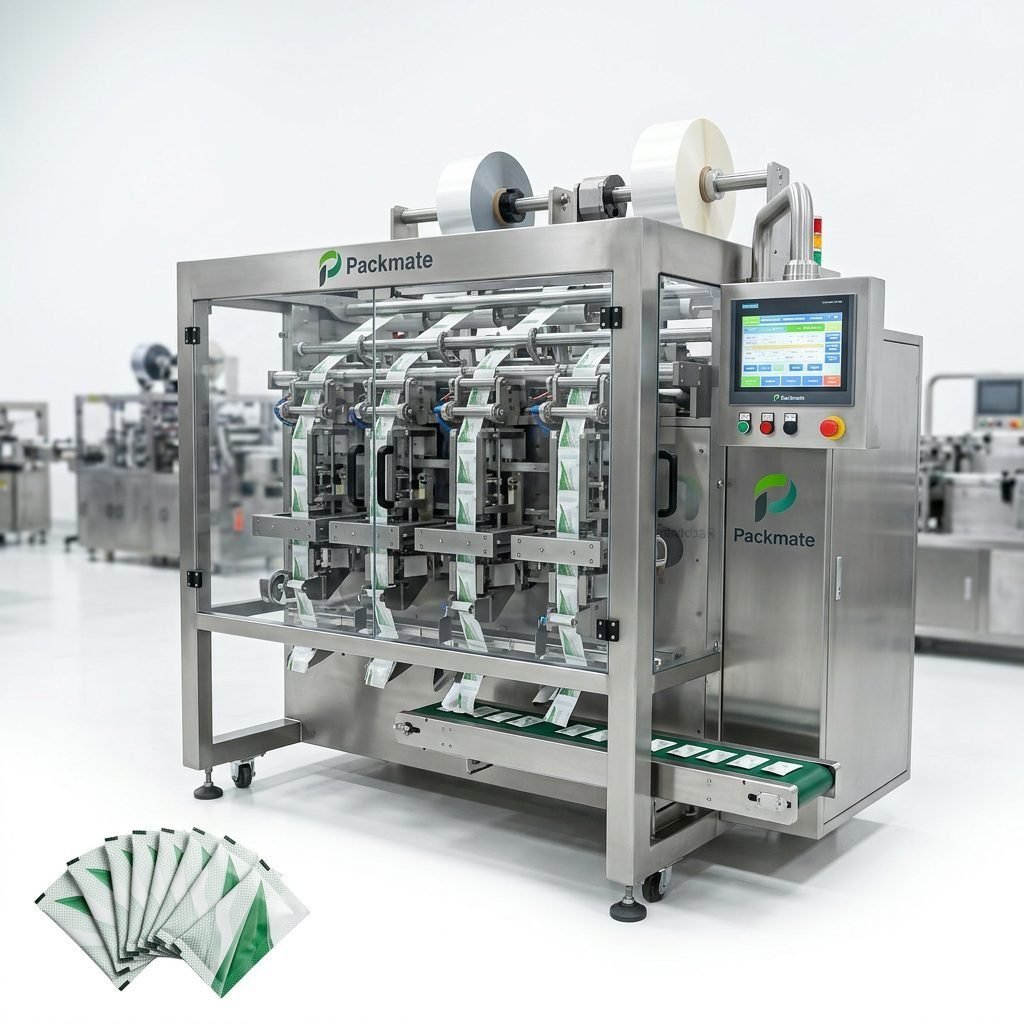
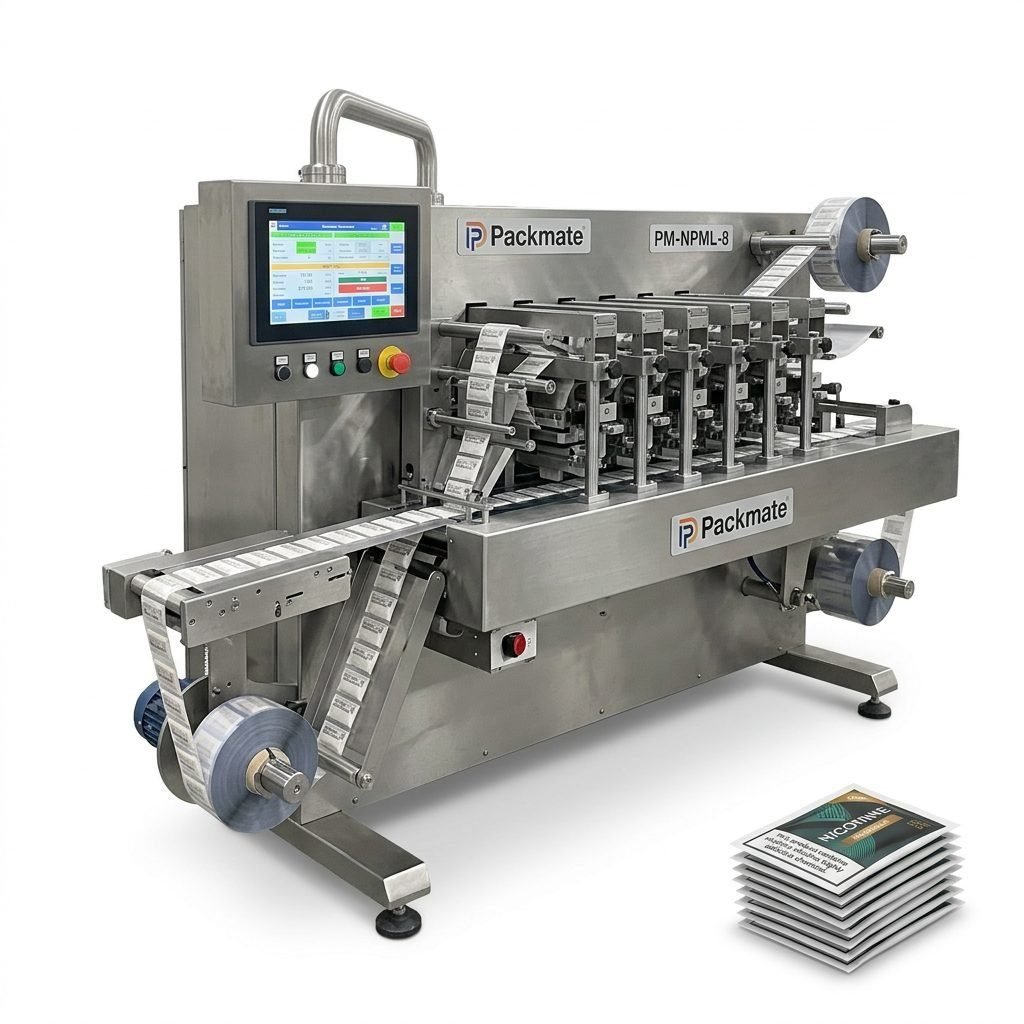
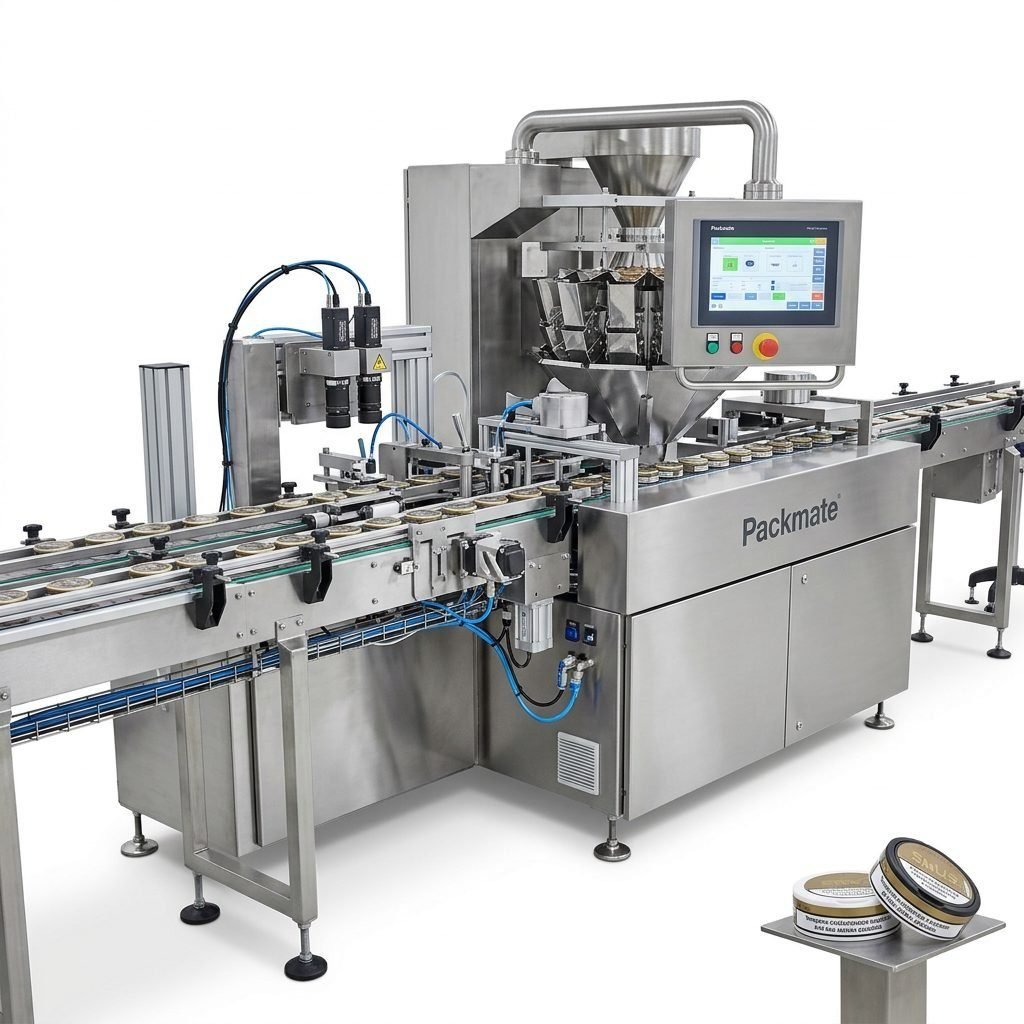
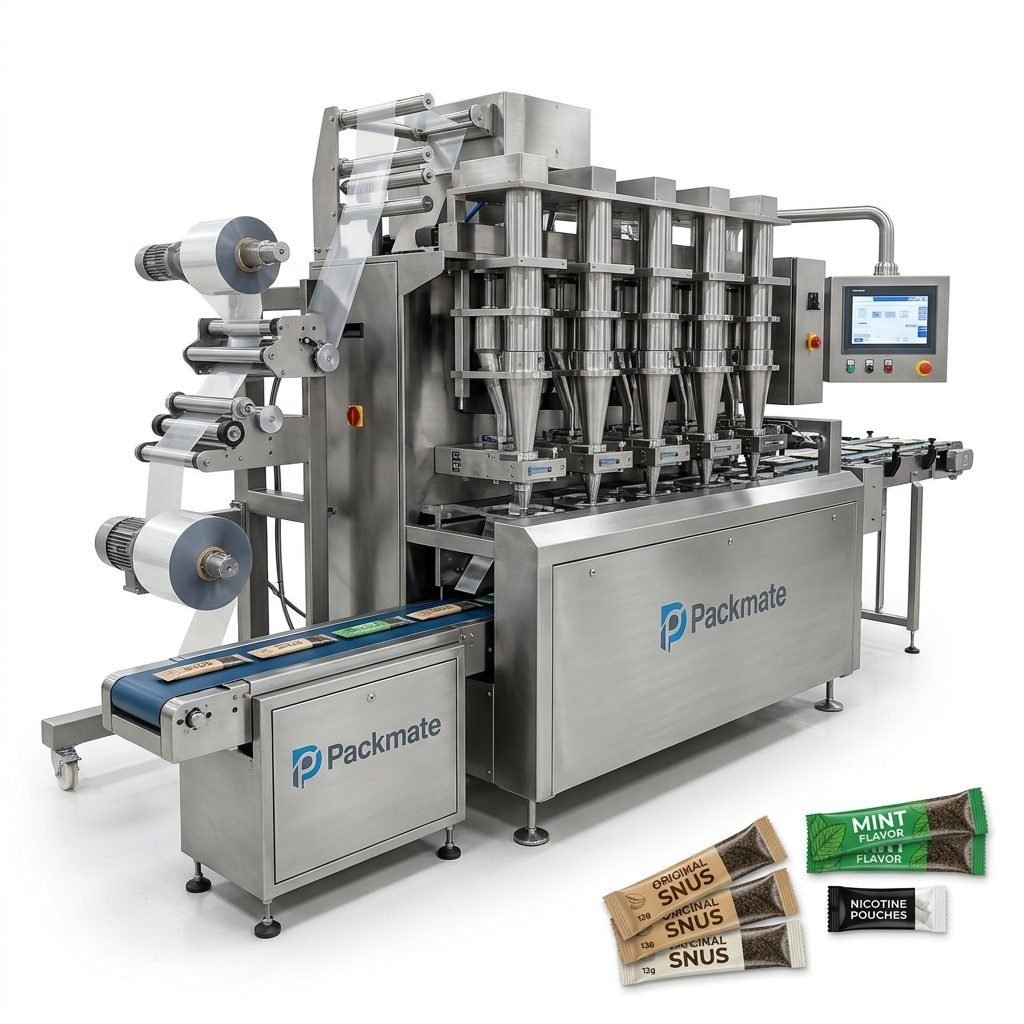
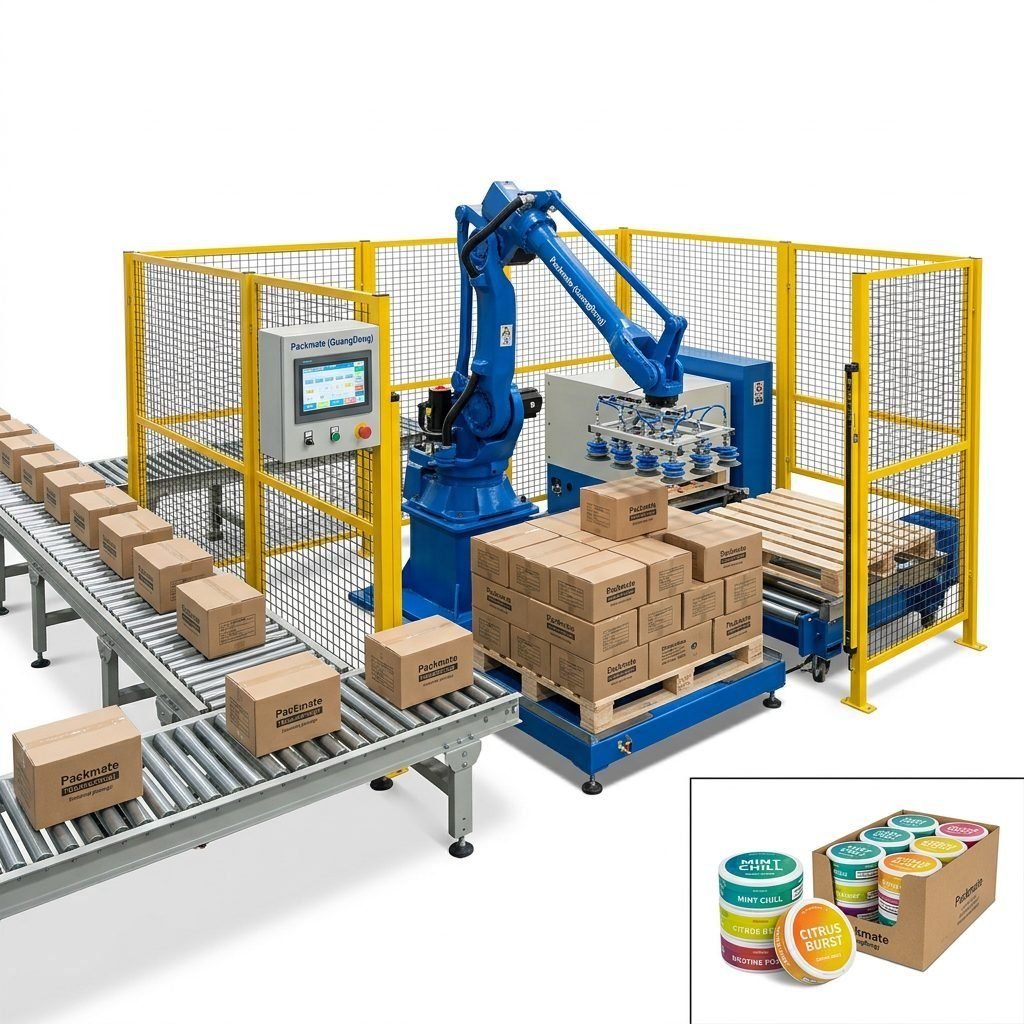
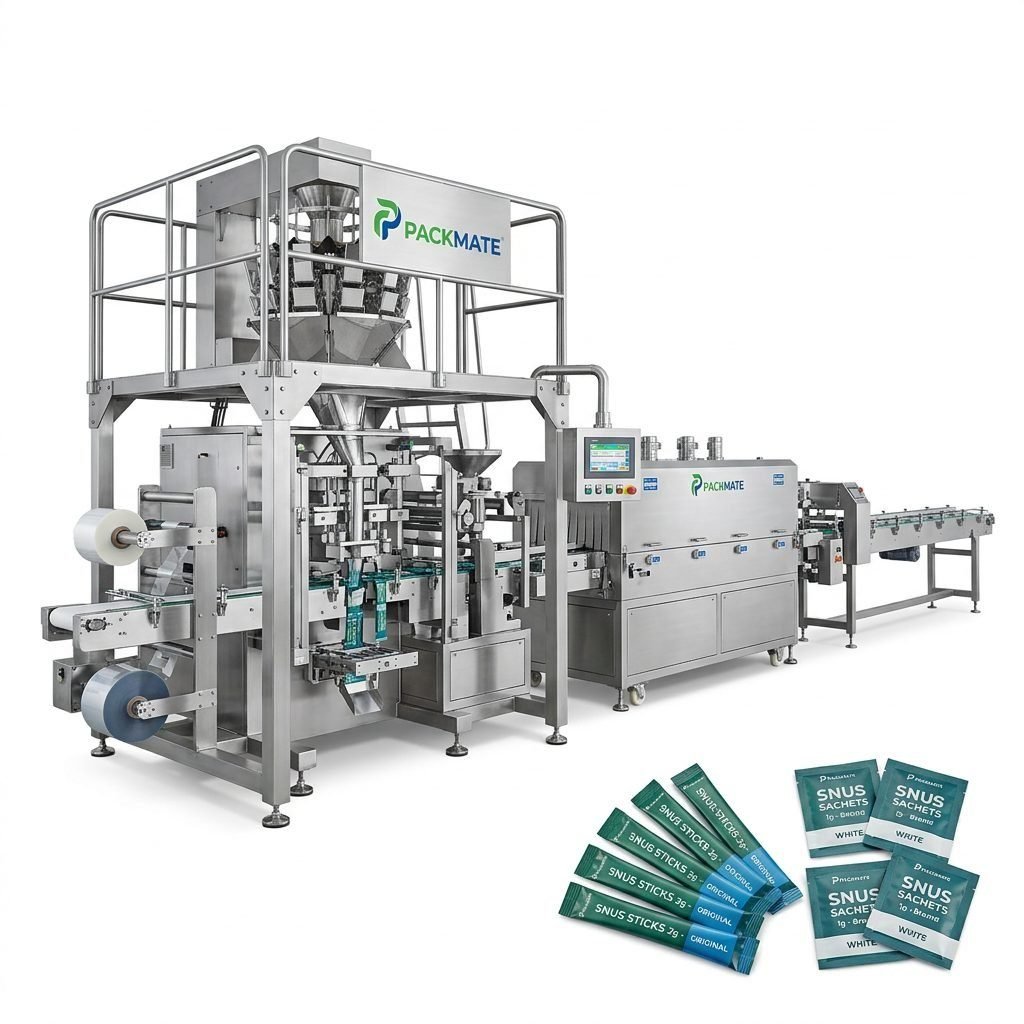
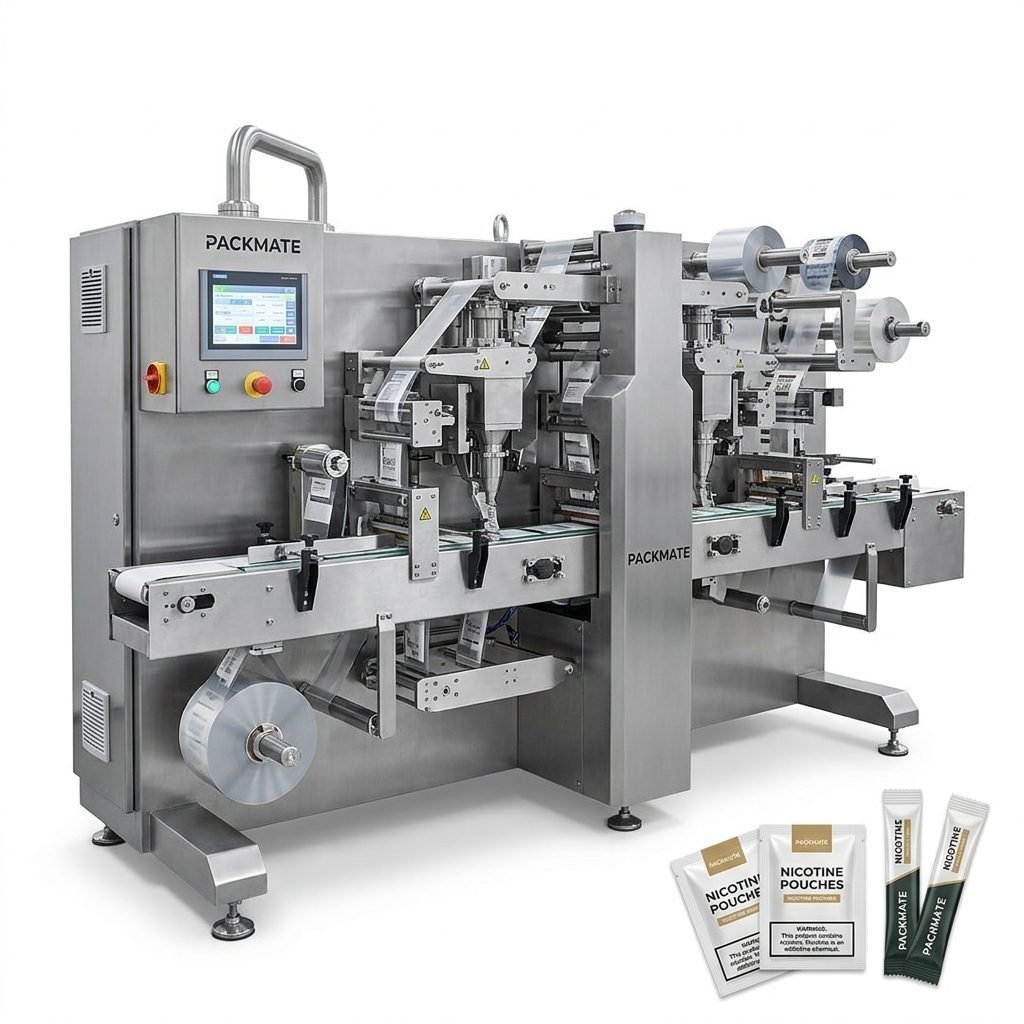
Choosing the right snus packaging machinery manufacturer for your business in Norway is a strategic decision that affects product quality, regulatory compliance, production cost, and time-to-market. This guide walks you through practical, Norway-specific considerations — from machine types and certifications to local customs, sustainability expectations, and after-sales support — so you can confidently select a partner that helps scale your snus or nicotine pouch operation.
Understand Norway’s Market and Regulatory Landscape 🇳🇴
Norway has a long tradition of snus use and a mature market with discerning consumers. Local customers often expect high-quality, hygienic packaging with clear labeling and sustainable materials. At the same time, regulatory scrutiny around nicotine products is increasing across Europe, so your equipment must produce compliant, tamper-evident packages while enabling traceability and accurate fill weights. When vetting manufacturers, confirm they understand EU/EEA labeling requirements, local waste handling expectations, and best practices for nicotine product handling.
Key Norway-specific expectations
Hygiene & Food-grade standards — strict sanitary design is essential.
Sustainability — recyclable or low-plastic solutions are preferred by Norwegian buyers.
Traceability — clear batch identification and reliable fill control for regulatory audits.
Machine Types & Technical Capabilities 🔧
Start by identifying which packaging format your business needs: single-dose snus pouches, multi-lane sachets, stick packs, or complex multi-component pouches. Good manufacturers offer modular systems that can be scaled or reconfigured as your product portfolio evolves.
✅ Look for machines that support: precise dosing for low-dose nicotine pouches, high-speed multi-lane options for scale, gentle handling for powder and moisture-sensitive blends, and flexible pouch formats (flat sachet, stick pack, or shaped pouches).
Manufacturers like Packmate produce dedicated snus and nicotine pouch systems with stick pack, sachet, and multi-lane configurations. See sample product categories: Snus & Nicotine Packaging Machines and Sachet & Stick Pack Machines.
Certifications, Quality & Factory Strength
International certifications like CE and ISO show that equipment meets essential safety and quality standards. Beyond certificates, evaluate factory capabilities: advanced CNC machining, precision assembly lines, and strict testing protocols signal reliable long-term performance. A large, experienced manufacturer with a 20,000㎡ facility and 30+ years of engineering depth (like Packmate) is more likely to deliver consistent quality and spare part availability.
🔍 When inspecting suppliers, ask for: factory photos, sample production videos, CE/ISO certificates, and case studies showing lines running nicotine pouch products. Example references can be found on the supplier’s Case and Certificate pages.
Why factory scale matters
Larger, well-equipped factories can better handle customization, produce spare parts faster, and support global certification updates. They typically maintain standardized assembly and testing processes that reduce variation and improve delivery predictability.
After-sales Service, Spare Parts & Training ⚙️
After-sales support is critical, especially for nicotine products where downtime translates into lost revenue. Prioritize suppliers who provide: local spare parts stock, clear warranty terms, remote diagnostics, and on-site commissioning and operator training. Ask whether they offer preventive maintenance packages and training in English or Norwegian.
⚠️ Important: Confirm lead times for critical spare parts and request a spare parts list with part numbers and estimated shipping times to Norway.
Customization & Turnkey Solutions
Your ideal supplier should offer complete production lines — from feeding, dosing, and packing to secondary processes like cartoning and case packing. Turnkey providers reduce integration risk and shorten deployment time. Evaluate whether the vendor can customize machine geometry, tooling, and software to match your packaging materials and sleeve/label requirements.
For multi-step solutions, review their Filling & Packaging Lines and Weighing & Packaging Systems to see integration examples.
Customization checklist
– Compatibility with your pouch materials (barrier films, biodegradable films)
– Ability to tune fill weight accuracy for low-dose nicotine pouches
– Software options for recipe management and traceability
– Options for nitrogen flushing, desiccant insertion, or modified atmosphere packaging (if required)
Sustainability and Material Choices ♻️
Norway’s consumers and regulators reward sustainable practices. Seek machinery that supports lower-energy operation, reduced material waste, and compatibility with recyclable or mono-material films. Some suppliers can help optimize film usage to reduce scrap, provide pack testing for recyclability, and recommend eco-friendly sealants.
🔎 Tip: Evaluate the machine’s material handling efficiency and waste-reduction features — small percentage gains in scrap can translate to meaningful savings and brand goodwill in Norway.
Testing, Factory Acceptance & Pre-shipment Trials
Require Factory Acceptance Testing (FAT) with your chosen materials and a sample production run. Request video documentation and, if possible, a site visit. A reputable supplier will run your formulation and packaging film to demonstrate target speeds, fill accuracy, seal integrity, and overall line stability.
What to check during FAT
– Run-time at target speed and consistent output
– Weight variation over representative sample sizes
– Seal quality under accelerated aging tests
– Ease of cleaning and tool changeover time
– PLC/software interface and recipe recall functionality
Logistics, Lead Times & Total Cost of Ownership
Beyond the machine price, evaluate shipping options to Norway, customs duties, installation costs, and expected operating expenses (energy, spare parts, consumables). Ask for realistic lead times including engineering, manufacturing, FAT, and freight. Suppliers with established global shipping experience and local partners can reduce delays and import complexity.
📦 Make sure the quote details: machine weight/volume for freight, recommended packing for sea freight, and a clear installation scope on arrival in Norway.
Supplier Reputation & Case Studies
Review case studies, customer testimonials, and exhibition participation to gauge market trust and technical maturity. A supplier that regularly attends international shows and demonstrates machines live is generally more transparent and experienced in global deployments.
Learn more about Packmate’s global presence and history on their About page and exhibition record on Our Exhibition.
Negotiation Tips and Purchase Strategy
Balance price with proven performance. Ask for bundled offers (training + spare parts + extended warranty) and negotiate trial production runs or staged payments tied to performance milestones. If possible, get references from existing clients in Europe or specifically in Nordic markets who use the supplier’s nicotine pouch lines.
Red flags to avoid
– Vague answers on spare part lead times
– No documented FAT with your materials
– Lack of CE/ISO evidence or unwillingness to show factory photos
– Unrealistically short delivery times without engineering detail
🔔 Pro tip: prioritize vendors who provide clear documentation, a spare parts catalog, and a local contact for faster communication in Norway.
Decision Checklist — Quick Reference
Use this checklist as a final filter:
Technical fit: Supports your pouch format, target throughput, and dosing accuracy.
Compliance: CE/ISO, hygienic design, and traceability options.
Service: Clear warranty, spare parts supply, on-site commissioning, and operator training.
Sustainability: Film compatibility for recyclable materials and waste-minimizing features.
Where to go next
Once you shortlist vendors, request a formal proposal including FAT schedule, spare parts list, warranty terms, and a clear installation plan. For manufacturers with proven snus lines and global turnkey experience, you can often streamline approval and ramp-up in Norway.
If you want a direct supplier with extensive snus packaging experience, explore Packmate’s full product range and solutions at their Snus & Nicotine Packaging Machines and contact them via Contact Us for tailored proposals.
Final thoughts
Selecting the best snus packaging machinery manufacturer for Norway requires combining technical evaluation with cultural and regulatory sensitivity. Prioritize hygiene, sustainability, proven performance with nicotine pouches, robust after-sales support, and transparent documentation. With these factors aligned, your packaging line will be positioned to meet Norwegian market demands efficiently and compliantly.
Frequently asked questions:
Q1: What certifications should a snus packaging machine have for use in Norway?
A1: Look for CE marking and ISO-quality management documentation. Machines should demonstrate hygienic sanitary design and, if required, materials-compliance documentation for food contact or nicotine-handling processes.
Q2: How important is FAT and can it be done remotely?
A2: FAT is crucial. While remote video FATs can supplement, insist on a full FAT with your actual materials and sample runs before shipment. Video evidence plus documented metrics (weights, seal test results) reduces risk.
Q3: What sustainability features should I request?
A3: Ask for compatibility with recyclable film formats, low-waste tooling, energy-efficient drives, and film optimization settings to minimize scrap.
Q4: How do I manage spare parts for machines shipped to Norway?
A4: Secure a spare parts list, order critical spare parts up-front, and confirm local freight options. Choose vendors who keep a recommended spare parts package or can ship quickly via air if needed.
Q5: Where can I see examples of snus packaging lines?
A5: Review manufacturer case studies and exhibition demos. Packmate’s case and exhibition pages provide practical examples and demonstrations of snus and nicotine packaging lines.