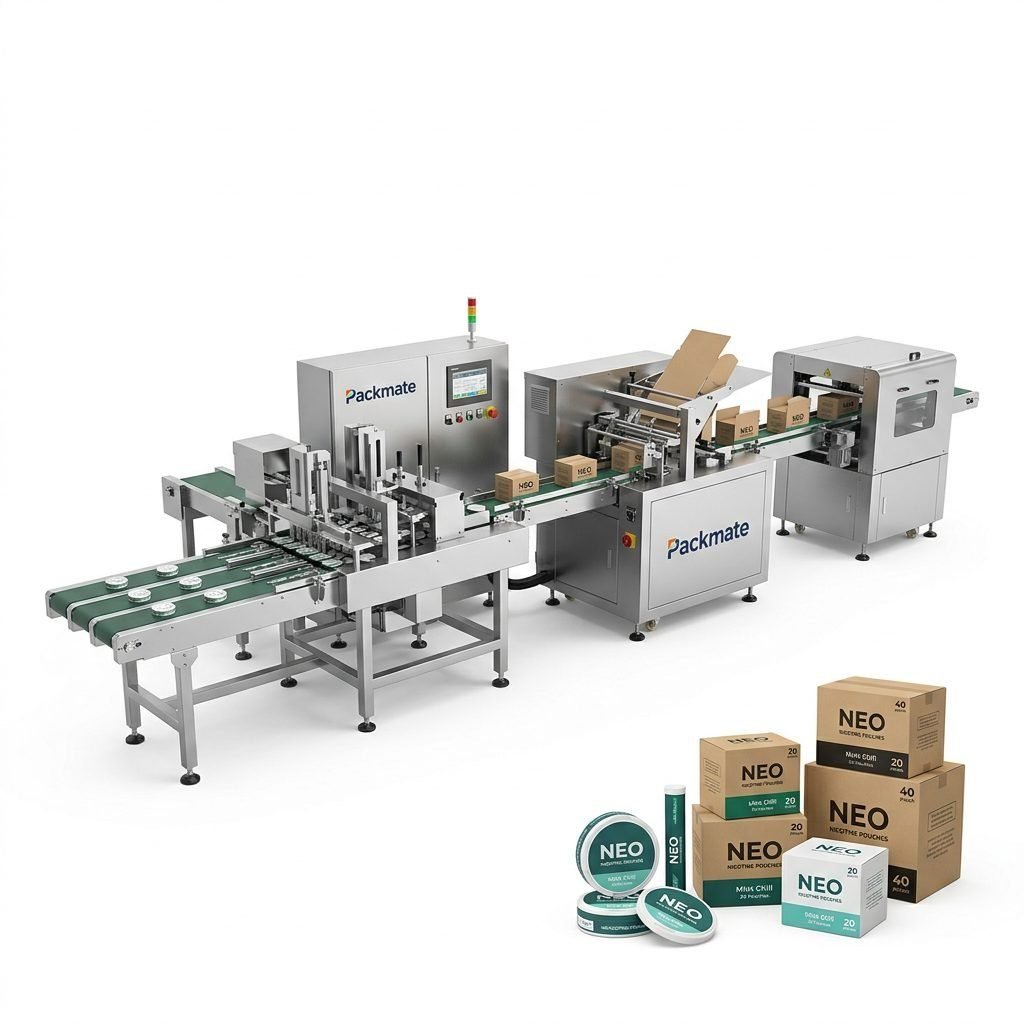
Choosing the right nicotine packaging machine manufacturer in Brazil can be the difference between a production line that scales smoothly and one that constantly struggles with downtime, inconsistent fills, and compliance headaches. This guide walks you through the practical, technical, and commercial factors to evaluate so you can select a partner that aligns with your product requirements, regulatory environment, and growth plans.
Market context: Why Brazil matters for nicotine pouch production
Brazil’s dynamic consumer market and evolving regulatory landscape make it an attractive region for nicotine pouch and snus manufacturers. Local production can reduce import costs, lead times, and logistical complexity — but only if your machinery partner understands both the technology and compliance expectations. When evaluating manufacturers, look for suppliers with a proven track record in nicotine pouch equipment and an understanding of cross-border certification requirements.
Key industry capabilities to verify
Not all packaging machines are created equal. For nicotine pouches you should prioritize machines and suppliers that specialize in:
📌 Gentle handling of small-dose pouches to preserve product integrity
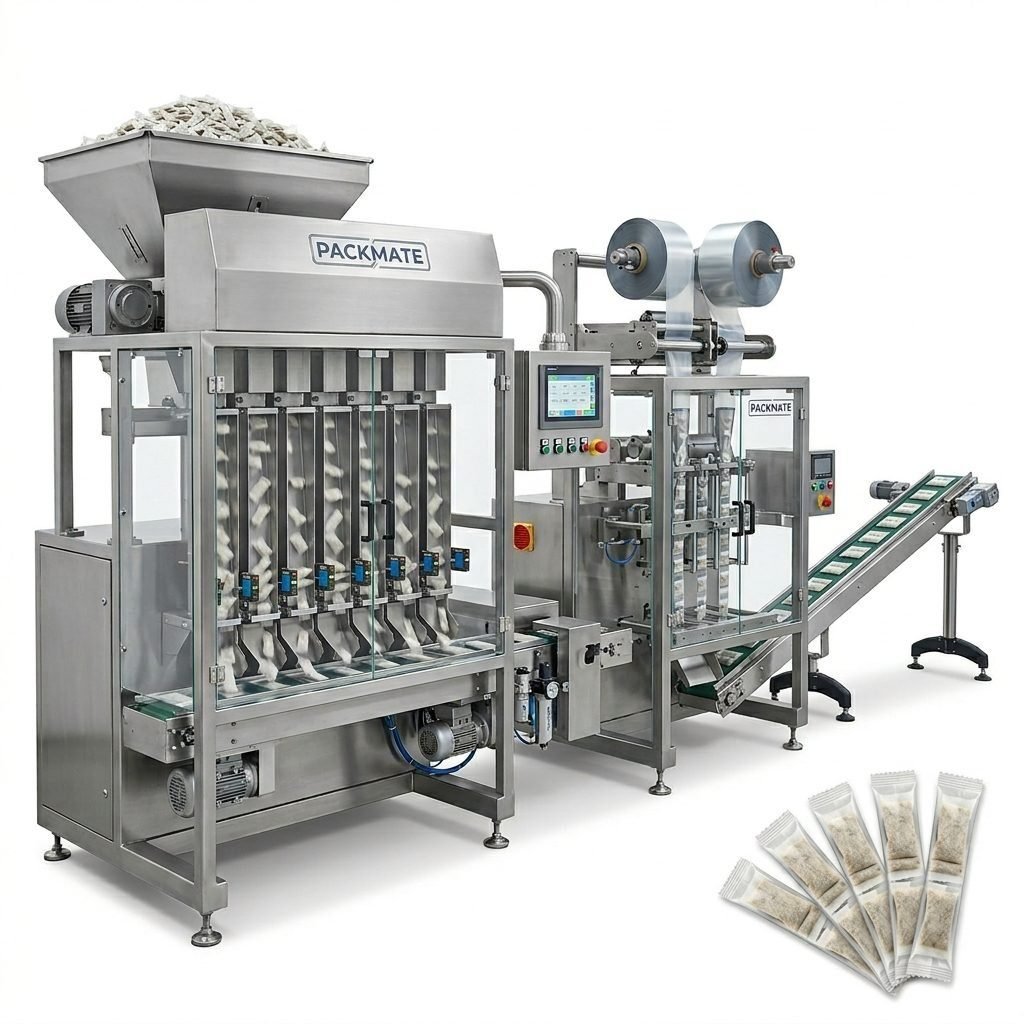
📌 Multi-lane synchronization for high throughput with small pouch formats
📌 Precise dosing systems for powders/granules and consistent weight control
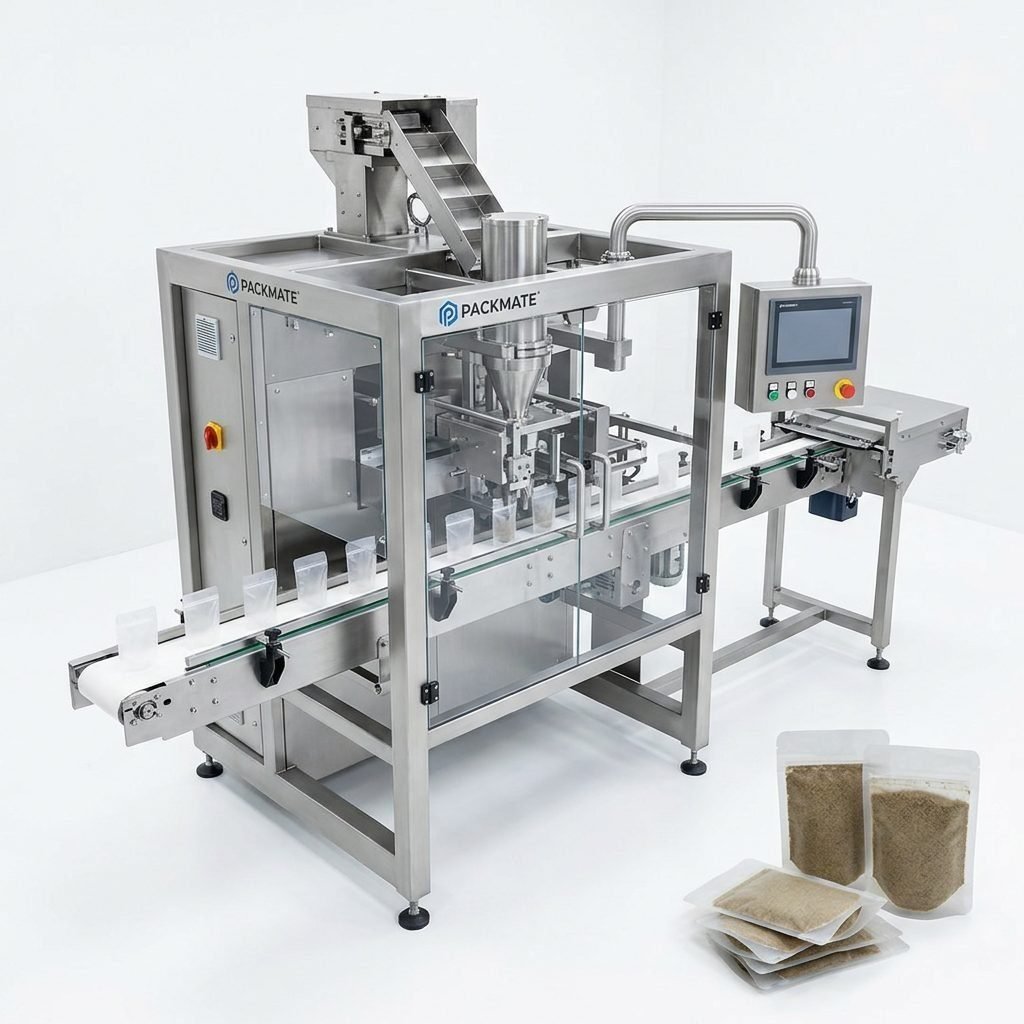
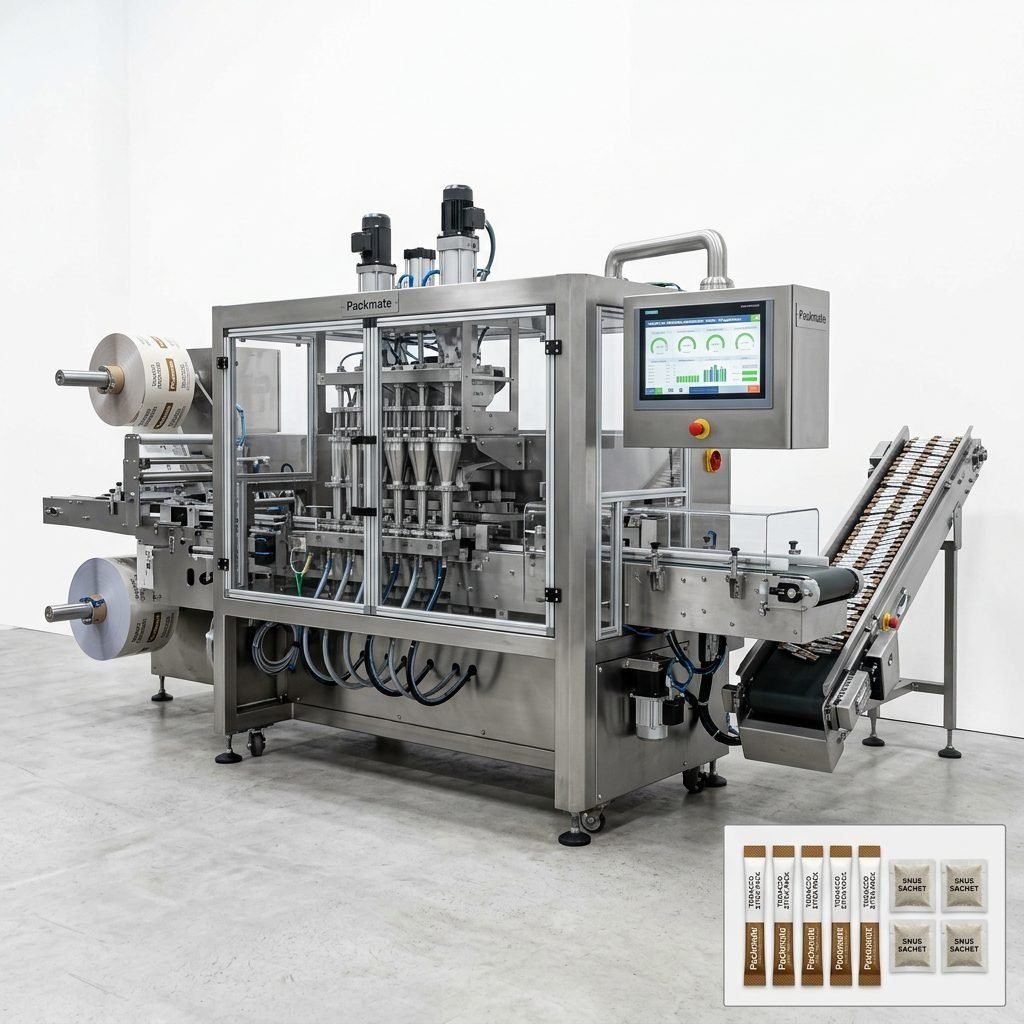
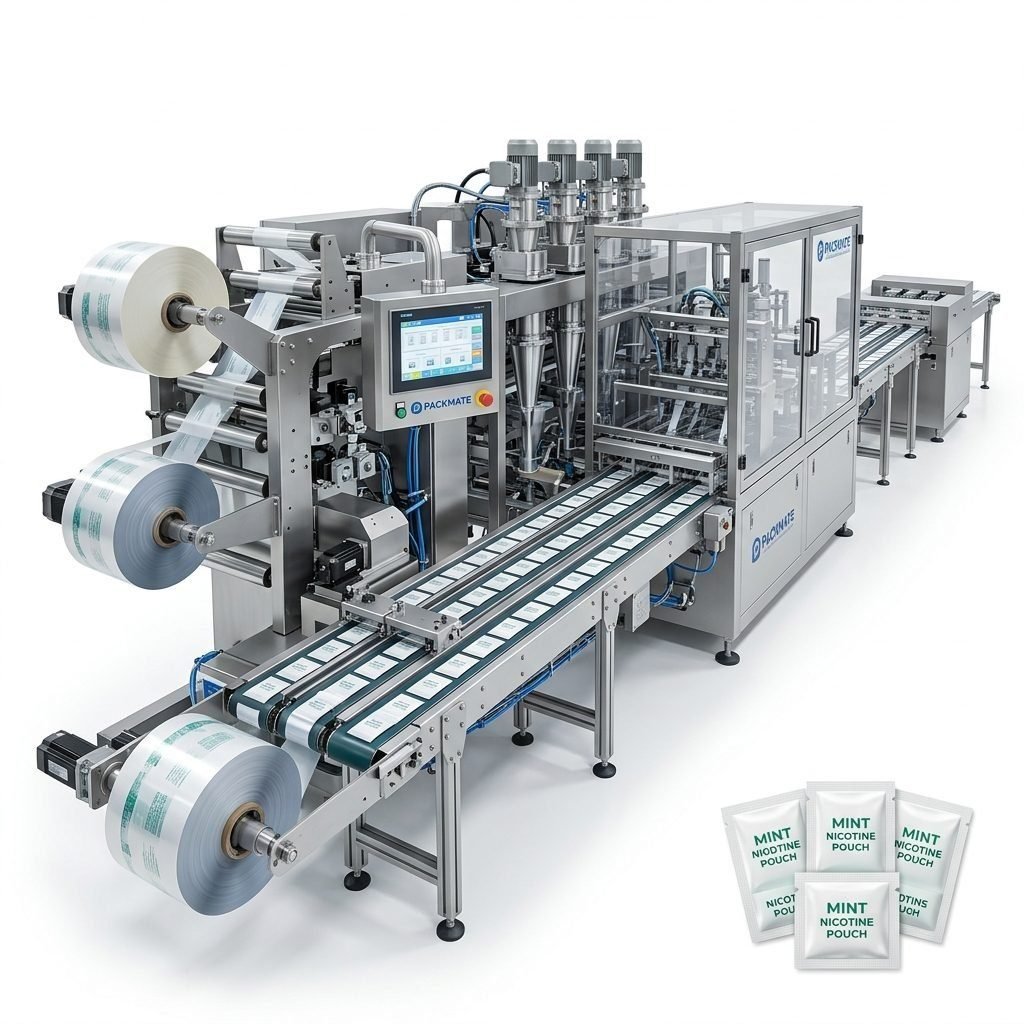
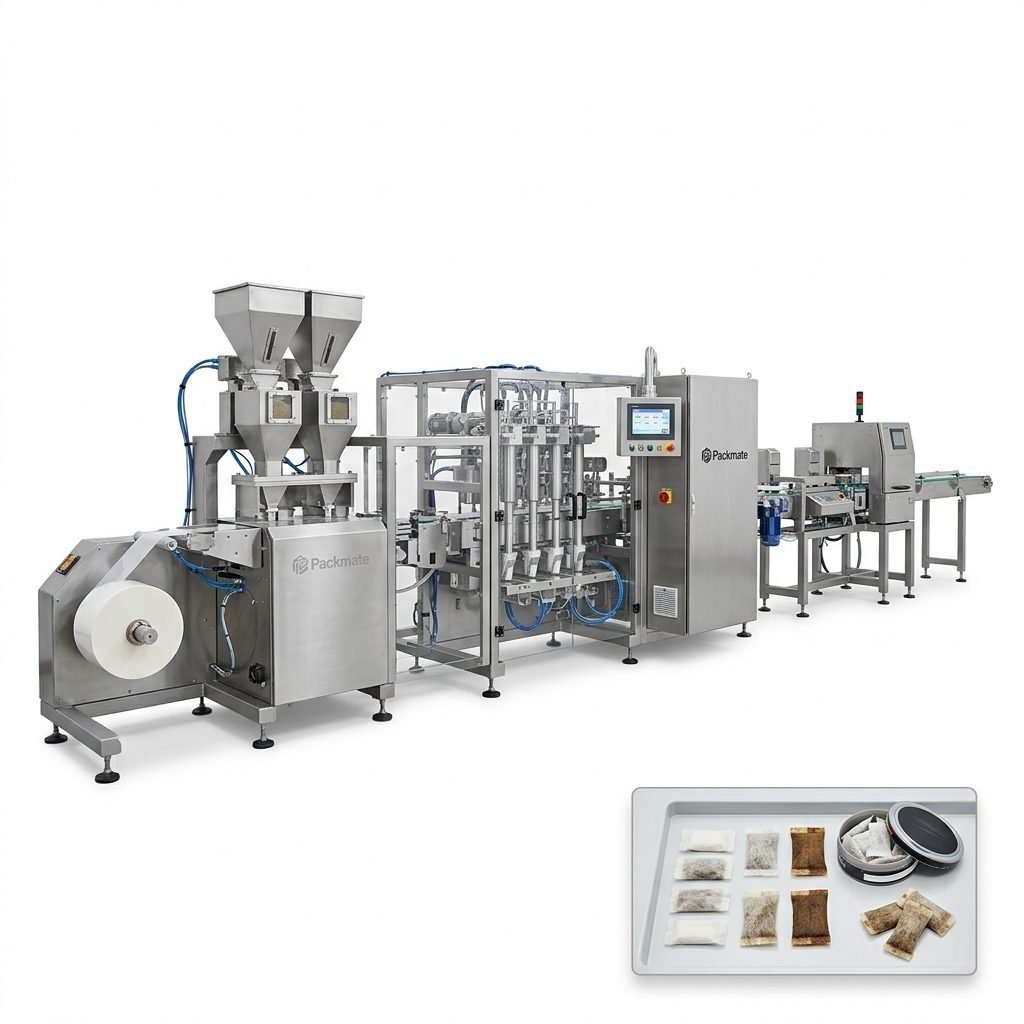
Suppliers that offer tailored solutions for nicotine/snус packaging — rather than generic pouch machines — are often better equipped to solve real production problems. For example, consider reviewing specialized product lines such as Snus & Nicotine Packaging Machines for focused capabilities.
Technical specifications: what to demand from the machine
A robust specification list helps you compare apples to apples. Insist on detailed documentation and test reports for the following technical items:
Performance & throughput
Understand the machine’s maximum and practical throughput. Many manufacturers quote peak speeds that are only achievable under ideal conditions. Ask for real-world benchmarks on the same pouch format and product weight you plan to run.
Accuracy & dosing control
For nicotine pouches, dosing accuracy is non-negotiable. Verify the weighing or volumetric system, its repeatability, and the range of product weights it supports.
Changeover & format flexibility
Your business will evolve. Machines that support quick format changeovers, modular tooling, and multi-lane adjustments can save hours of downtime and lower labor costs.
🔧 Must-have specification checklist: throughput (units/min), dosing accuracy (± mg), reject rate, mean time between failures (MTBF), changeover time, and compatibility with multi-lane pouch formats.
Customization & scalability: planning for growth
Early-stage companies often prioritize cost, but the cheapest option can be costly later. Evaluate how easily the manufacturer can:
📈 Scale from single lane to multi-lane operations
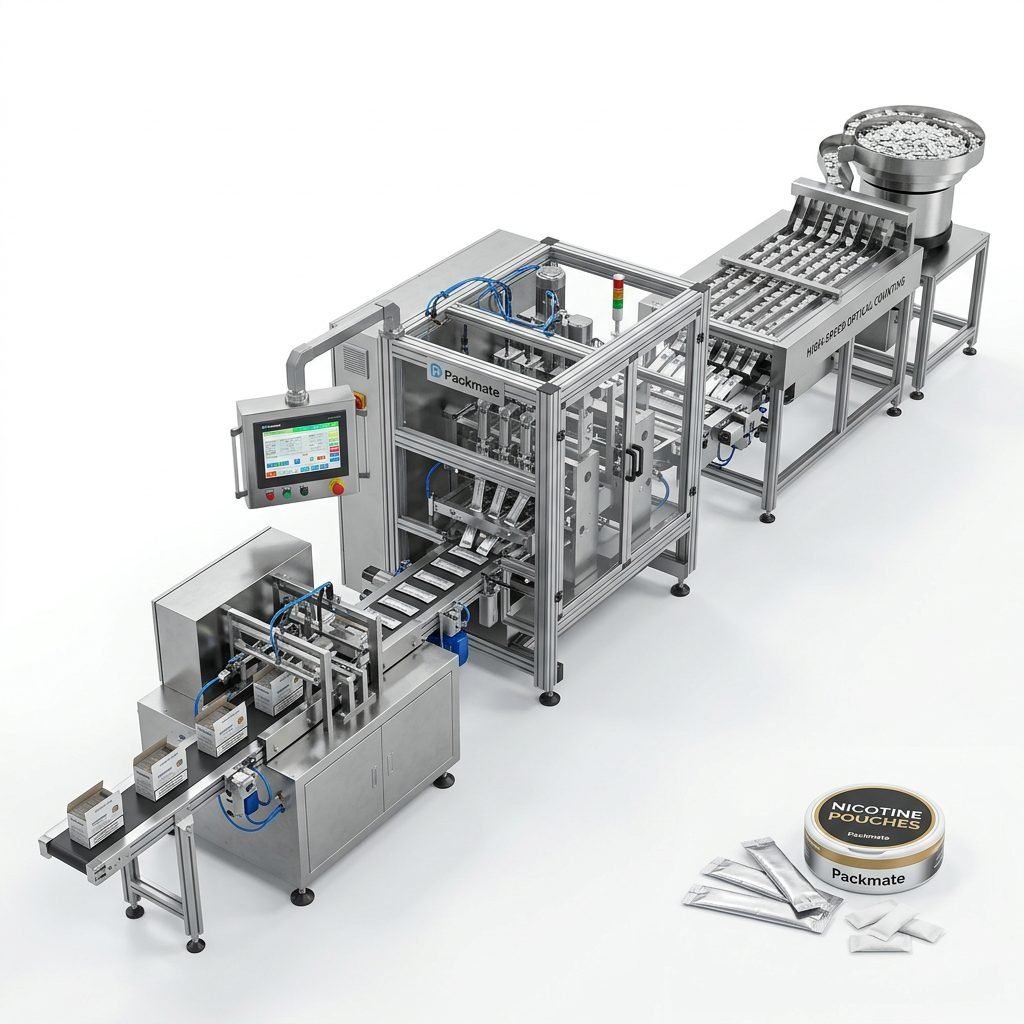
🧩 Integrate upstream feeders and downstream cartoning or case packing equipment
Ask whether the supplier offers turnkey lines that include feeders, weighing systems, and auxiliary equipment. For integrated solutions consider checking filling & packaging lines and weighing & packaging systems to understand how components work together.
Quality assurance & factory capabilities
A manufacturer’s facility, production processes, and quality controls tell you a lot about future reliability. Key signs of a strong factory:
✅ Advanced CNC machining centers and precision assembly lines
✅ Dedicated test lines and documented performance verification
Manufacturers with a clear production history and significant factory area (for instance an established 20,000㎡ facility) are typically better positioned to deliver consistent build quality and spare parts availability.
Certifications & compliance: protect your business
Packaging machines used in nicotine product lines must meet safety and sometimes hygiene standards. Confirm that the manufacturer provides internationally recognized certifications such as CE and ISO. Certification demonstrates that safety, electrical standards, and quality systems are maintained — which reduces regulatory friction when launching or exporting products.
For detailed evidence of certification processes, review the manufacturer’s Certificate documentation and request copies of test reports relevant to your machine model.
After-sales service & spare parts support
Even the best machines require maintenance. Ensure your supplier offers:
🔧 Local or regional service partners and fast spare parts delivery
📞 Remote troubleshooting and training resources
A clear spare parts catalog and options for preventive maintenance contracts reduce unplanned downtime. If the manufacturer also provides project service packages, review those offerings and ask for references from customers in similar markets.
ℹ️ Tip: Ask potential manufacturers for a service SLA and a list of local service partners in Brazil. Fast support in-country can be crucial for minimizing downtime.
Factory visits, testing & acceptance criteria
A factory acceptance test (FAT) is essential. Organize either an in-person factory visit or a virtual FAT where the machine runs your product and the supplier demonstrates:
🔎 Reproducible throughput on your pouch format
🔎 Dosing accuracy and consistency reports
🔎 End-to-end integration with any upstream or downstream equipment you plan to use
A well-documented FAT and clear acceptance criteria protect you from unexpected performance gaps after delivery. Ensure all test results are signed off and included in the contract.
Commercial considerations: total cost of ownership
Purchase price is just the beginning. Consider:
• Installation and commissioning costs (local technicians, incoming inspections)
• Spare parts inventory and expected wear parts consumption
• Energy consumption and maintenance frequency
A machine that costs more upfront but offers higher uptime and lower operating costs often delivers the better long-term value.
References, case studies & partner network
Always ask for references from customers who run similar products and processes. Case studies demonstrate how a manufacturer solved real problems and scaled production. For example, review published Case materials or Exhibition demonstrations to see configured lines and client feedback.
If a supplier has global cooperation cases spanning Europe, Asia, and the Americas, it indicates experience with diverse regulatory needs and supply chains.
How to shortlist suppliers: a practical step-by-step
Follow this pragmatic approach when filtering potential manufacturers:
1) Define product specs: pouch sizes, weight range, desired throughput, packaging materials.
2) Shortlist vendors that specialize in snus/nicotine machines and multi-lane systems.
3) Request datasheets, videos, and FAT demonstrations on your product.
4) Compare total cost of ownership and support networks in Brazil or nearby regions.
5) Conduct a FAT and finalize contractual acceptance criteria.
✅ Shortlist reminder: prioritize suppliers with specialized nicotine/snус experience, clear FAT procedures, and visible global service capability.
Why consider established global suppliers like Packmate?
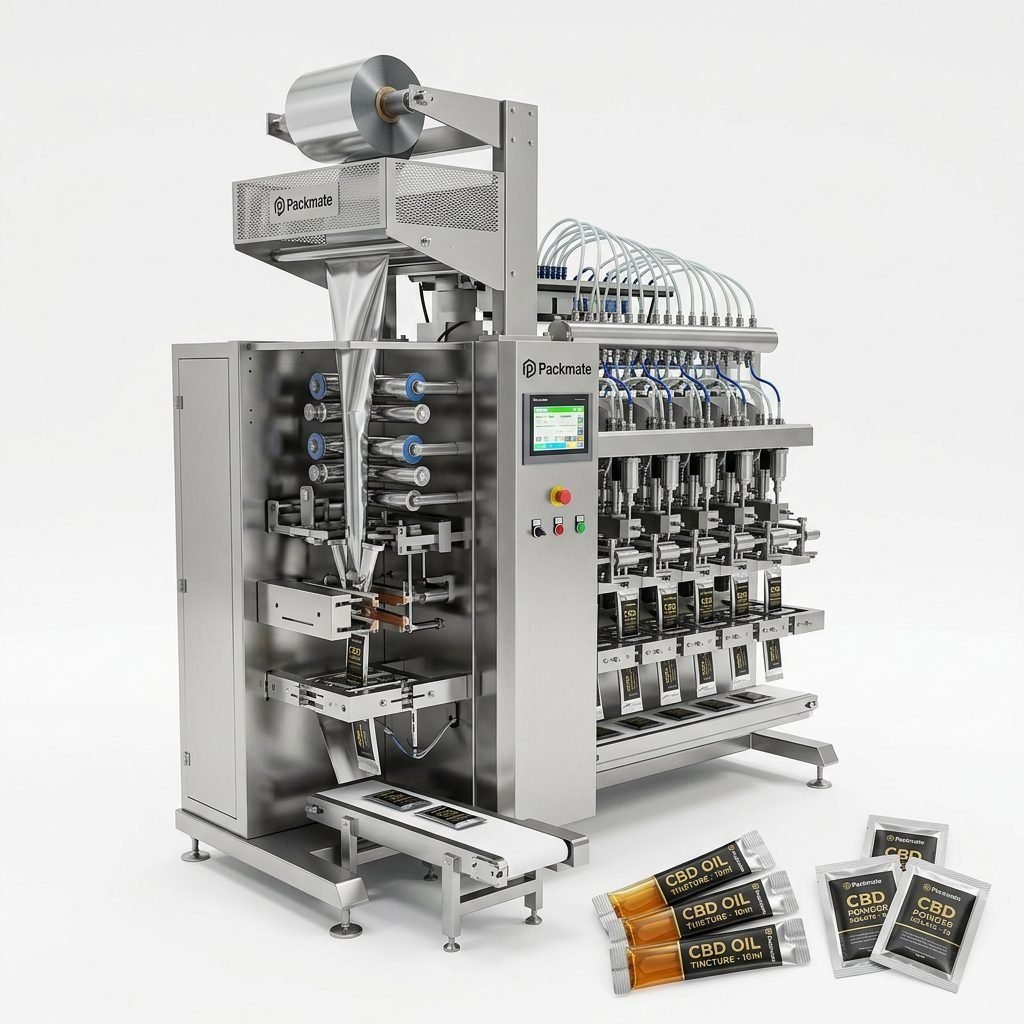
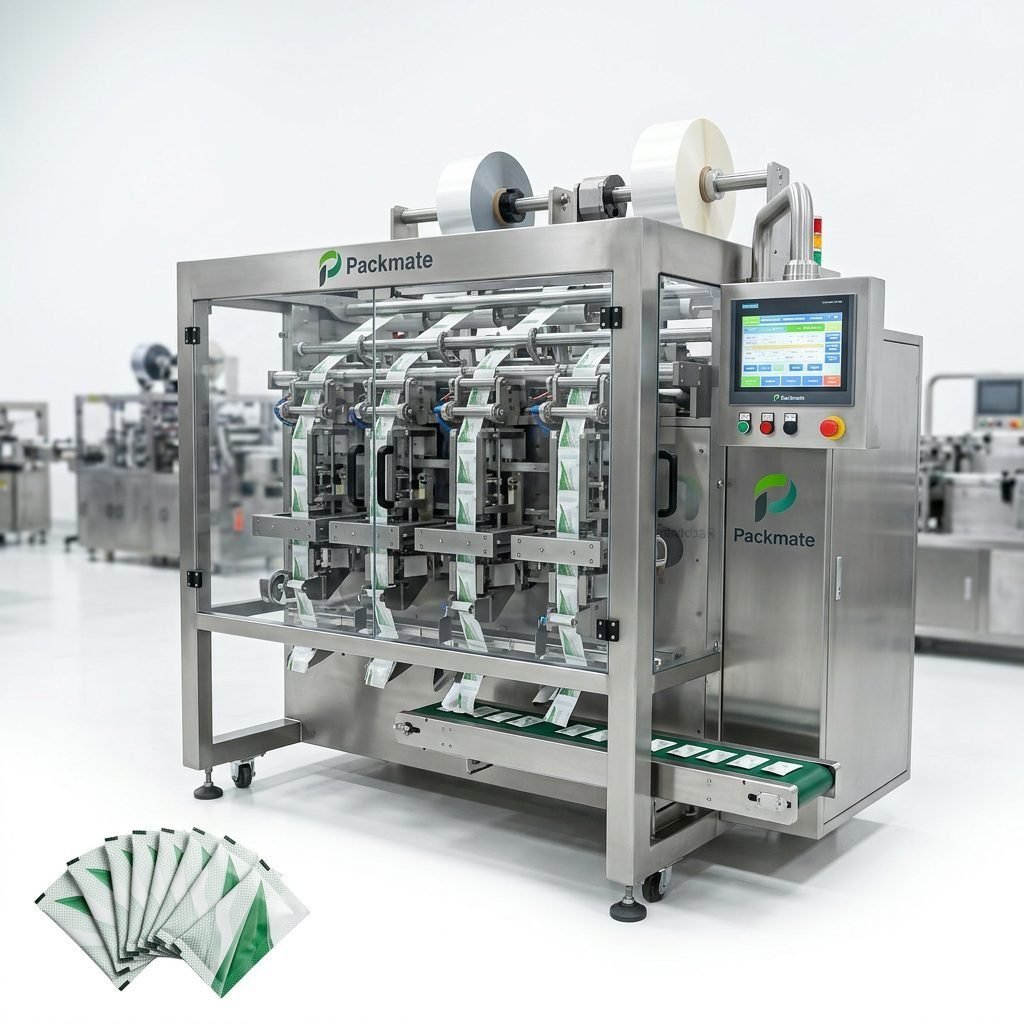
Established suppliers often bring decades of engineering experience, mature quality systems, and a broader product portfolio. For instance, Packmate Snus Machine has 30+ years of engineering background and offers specialized snus and nicotine pouch solutions alongside complementary lines such as Bag & Pouch Packaging Machines and Sachet & Stick Pack Machines. Their factory capabilities (20,000㎡, advanced CNC) and international certifications can reduce risk when deploying lines for regulated products.
Explore product lines and project references to validate their experience: Snus & Nicotine Packaging Machines, Filling & Packaging Lines, and Weighing & Packaging Systems are useful starting points. Also check About Packmate and Certificate pages to review company credentials and compliance evidence.
Practical negotiation tips
When negotiating purchase terms:
• Specify FAT acceptance criteria and include penalty clauses for missed performance targets
• Negotiate spare parts packages and lead times in the contract
• Require training hours for operators and maintenance staff as part of the deal
Clear commercial terms reduce ambiguity and set mutual expectations for delivery and long-term support.
Making the final decision
Balance technical fit, supplier reliability, and commercial terms. Prioritize suppliers that demonstrate:
✔️ Proven nicotine/snус packaging experience
✔️ Clear FAT protocol and reference list
✔️ Robust after-sales support and spare parts logistics
A well-balanced decision reduces risk and ensures that production targets are achievable within your budget and timeline.
Next steps
Start by documenting your product specifications and production goals. Reach out to specialized manufacturers, request FAT demonstrations with your product, and verify references. For further research you can consult product pages such as Snus & Nicotine Packaging Machines, Sachet & Stick Pack Machines, and Weighing & Packaging Systems to compare solutions and identify vendors with deep domain experience.
Final recommendations
In summary:
• Prioritize manufacturers with nicotine/snус specialization and multi-lane experience.
• Require FAT on your product and include clear acceptance criteria in the contract.
• Evaluate total cost of ownership, not just purchase price.
• Confirm certifications and after-sales support in Brazil to minimize downtime and compliance risk.
📎 Note: For more background on manufacturing capacity and company history, visit About Packmate and review recent Case studies and Exhibition appearances to validate the supplier’s industry footprint.
Frequently Asked Questions
Q1: What is the minimum information I should provide to get accurate quotes?
A1: Provide pouch dimensions, target pouch weight range, product type (powder/granule/liquid), desired throughput, packaging material, and any downstream requirements (cartoning, boxing). The more precise the input, the more reliable the quote.
Q2: How important is a Factory Acceptance Test (FAT)?
A2: FAT is critical — it verifies machine performance with your product and sets objective acceptance criteria. Always include FAT deliverables and sign-off procedures in the contract.
Q3: Should I prioritize local manufacturers in Brazil or experienced international suppliers?
A3: Both have advantages. Local manufacturers can offer faster service response, while experienced international suppliers often bring more mature machine designs and global references. Evaluate service networks, spare parts logistics, and technical fit.
Q4: What certifications should the machine have?
A4: At minimum, request CE and ISO compliance for safety and quality management. If you plan to export, confirm the machine meets destination-specific regulations and request documentation.
Q5: How can I verify a manufacturer’s claim about throughput and accuracy?
A5: Require recorded FAT runs using your product, signed test reports, and client references that run similar formats. Visiting exhibitions or reviewing video demonstrations can also help validate claims.