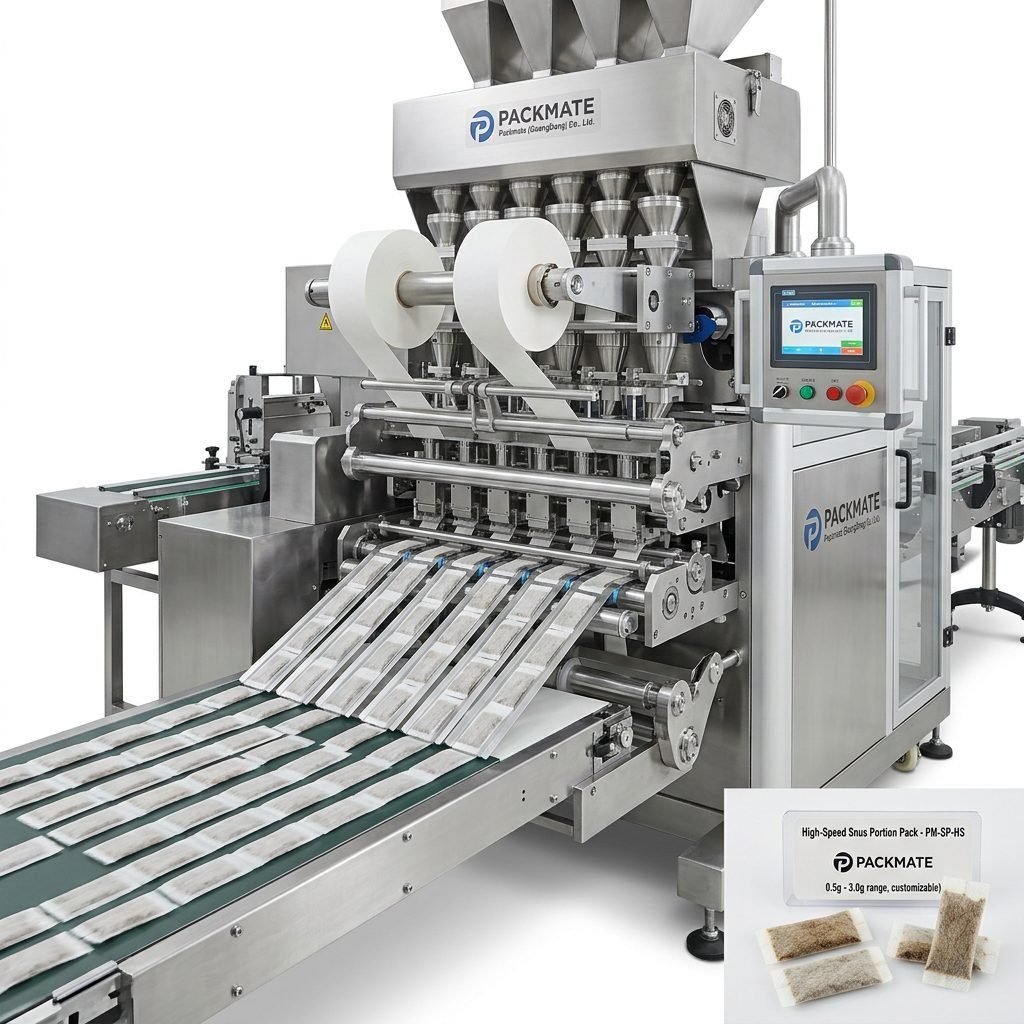
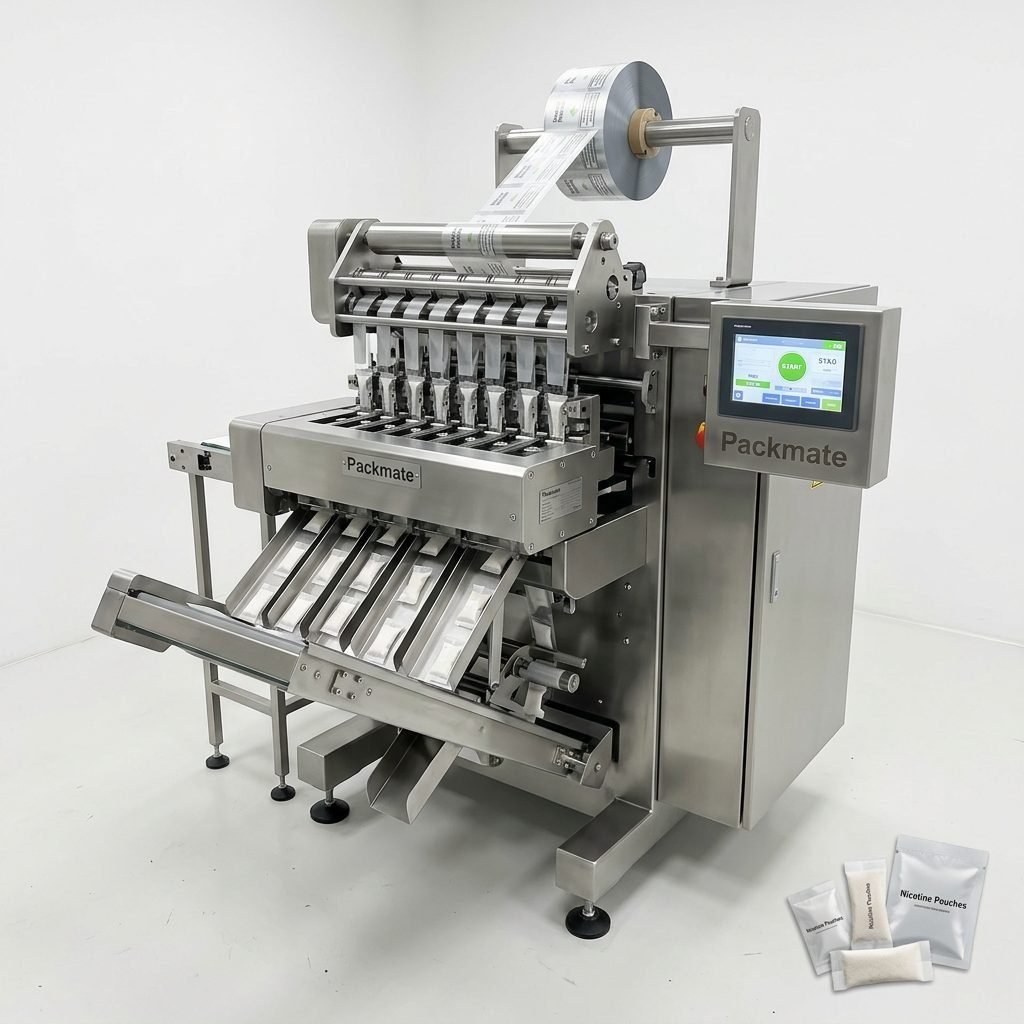
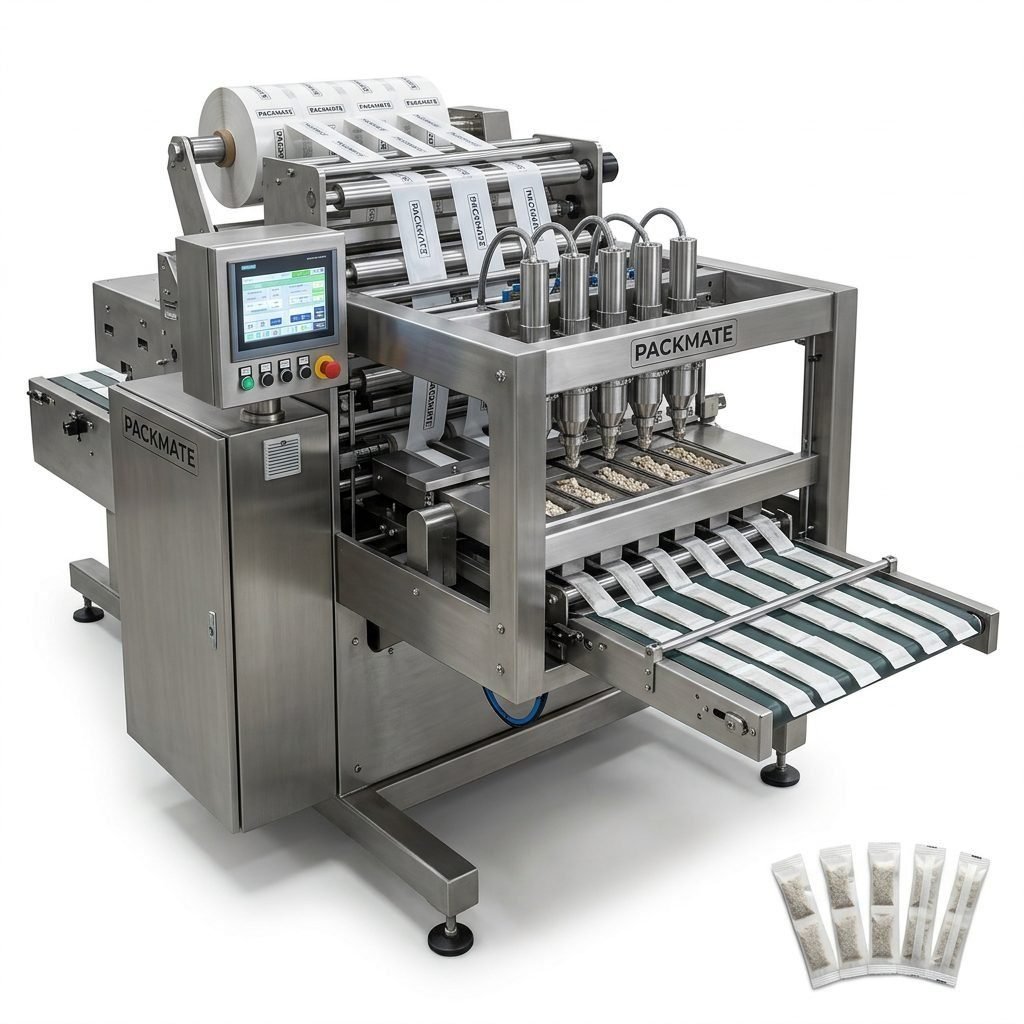
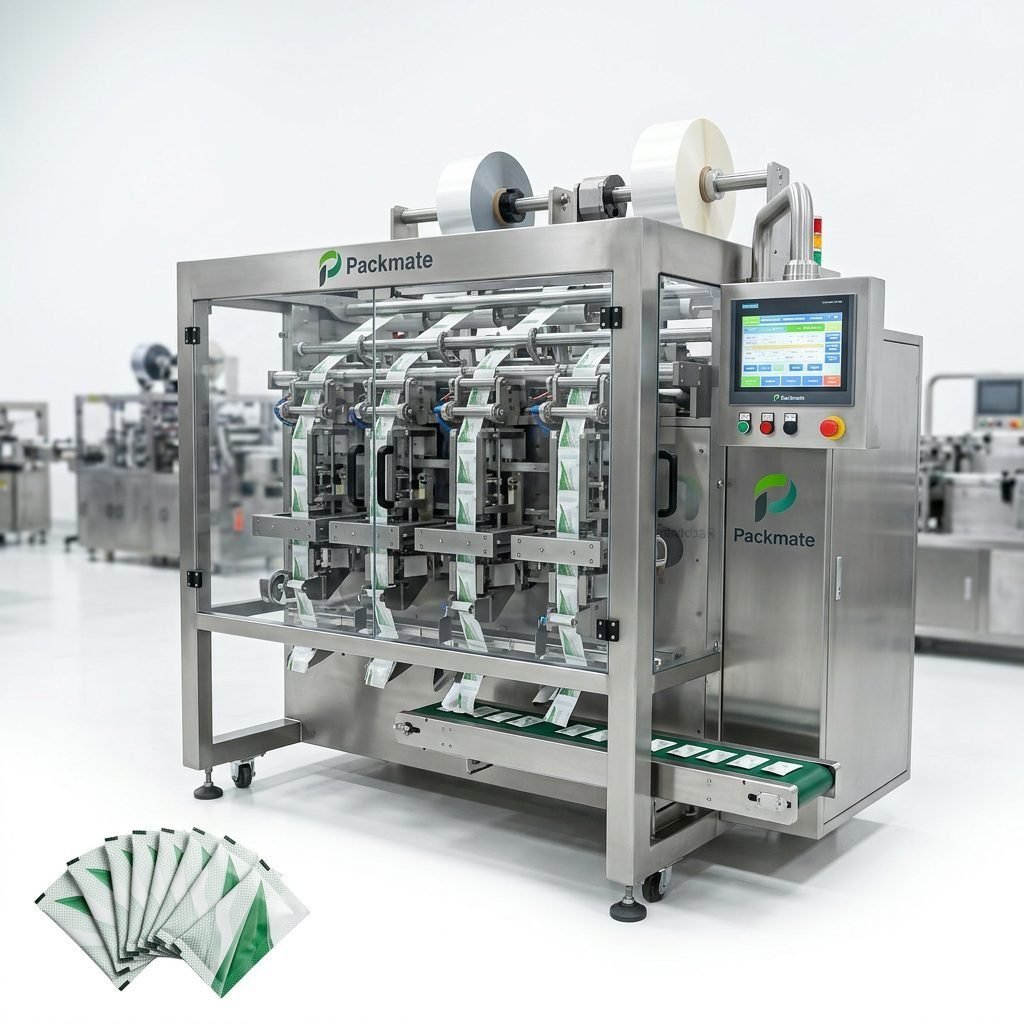
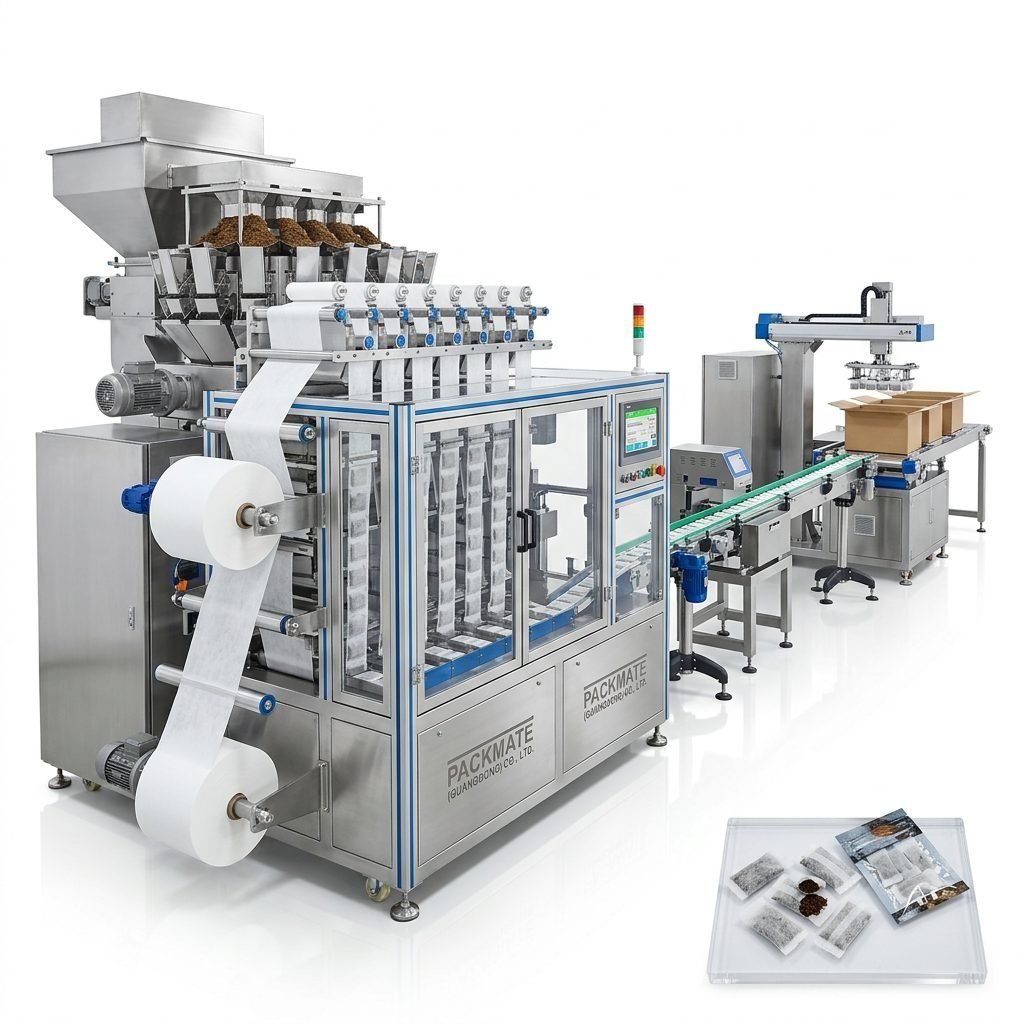
Choosing the right supplier for nicotine packaging machines in a small island market like Tuvalu requires a practical mix of technical know-how, logistics planning, and cultural sensitivity. This guide walks you through the most important considerations—from machine capabilities and certifications to after-sales support and shipping constraints—so you can make a confident purchasing decision that fits Tuvalu’s market reality and your long-term production goals.
Understand Tuvalu’s Market and Cultural Context
Tuvalu is a small, remote island nation with a limited domestic market and strong ties to regional hubs such as Fiji, Samoa, Australia and New Zealand for logistics and technical support. When sourcing machinery for nicotine pouch or snus production, consider local consumption patterns, regulatory frameworks, and the fact that spare parts and technicians may need to be routed through nearby countries. It’s also important to respect local customs and business etiquette when negotiating contracts and planning visits.
Key Machine Features to Prioritize
Selecting a packaging machine is not just about price. Prioritize machines that deliver consistency, reliability and flexibility for small-batch production typical of island markets. Look for:
1. Accuracy & Consistency
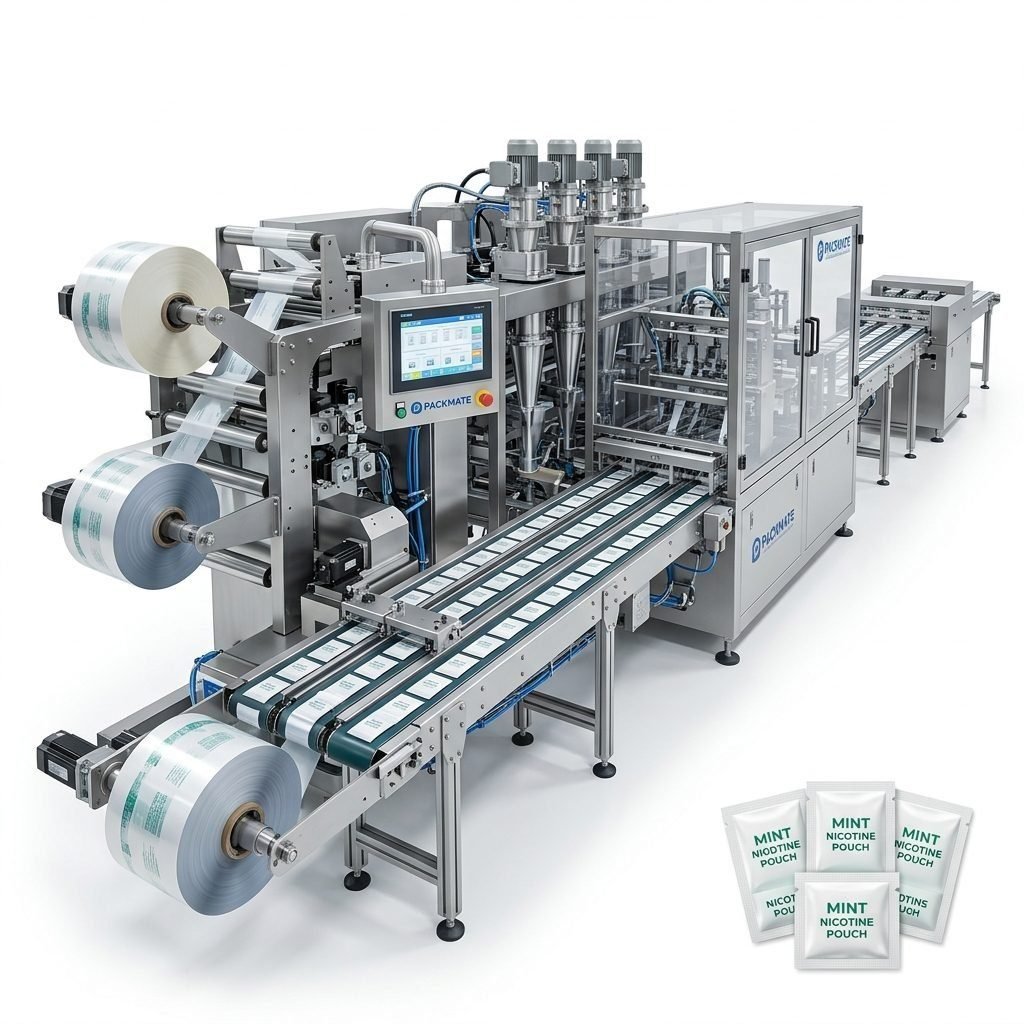
For nicotine pouches, precise dosing and reliable sealing are essential for product consistency and regulatory compliance. Multi-lane or multi-head filling systems with accurate weighing or volumetric dosing minimize waste and reduce customer complaints.
2. Flexibility & Format Options
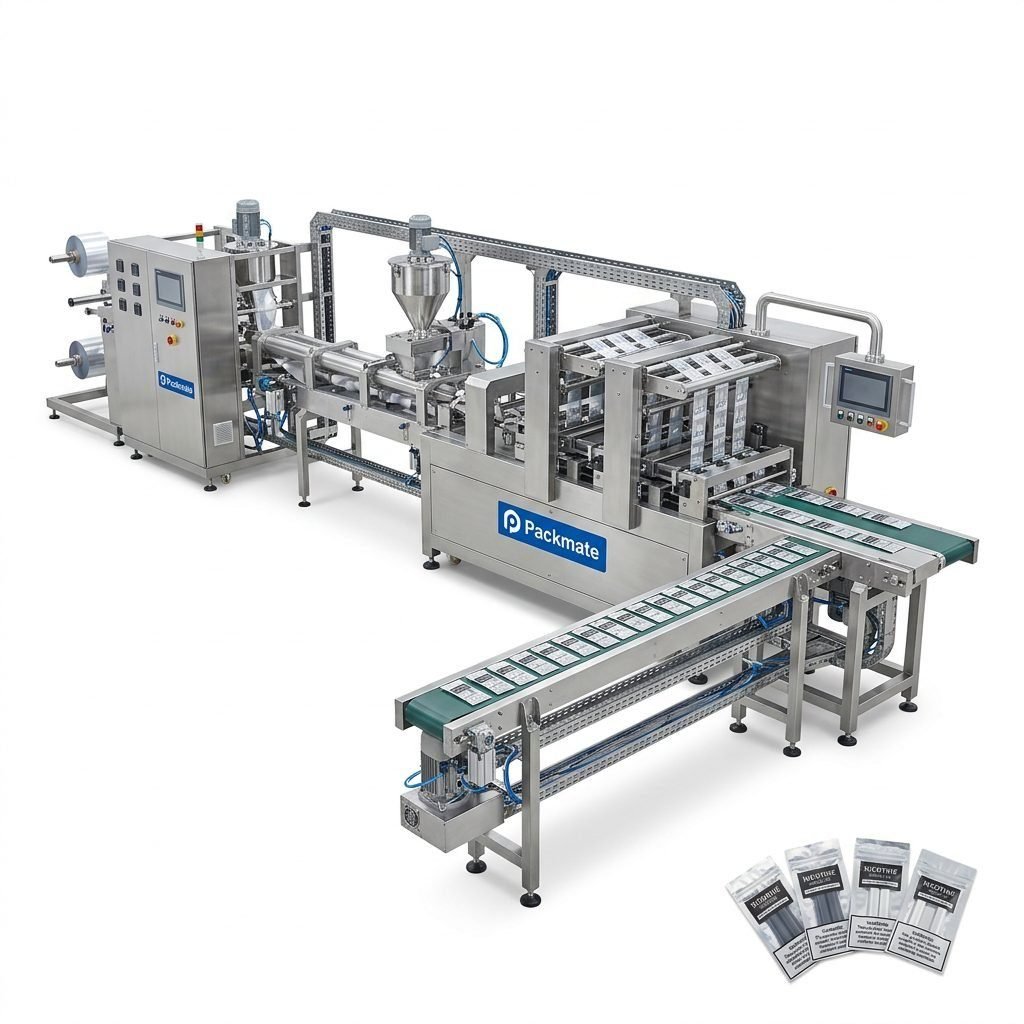
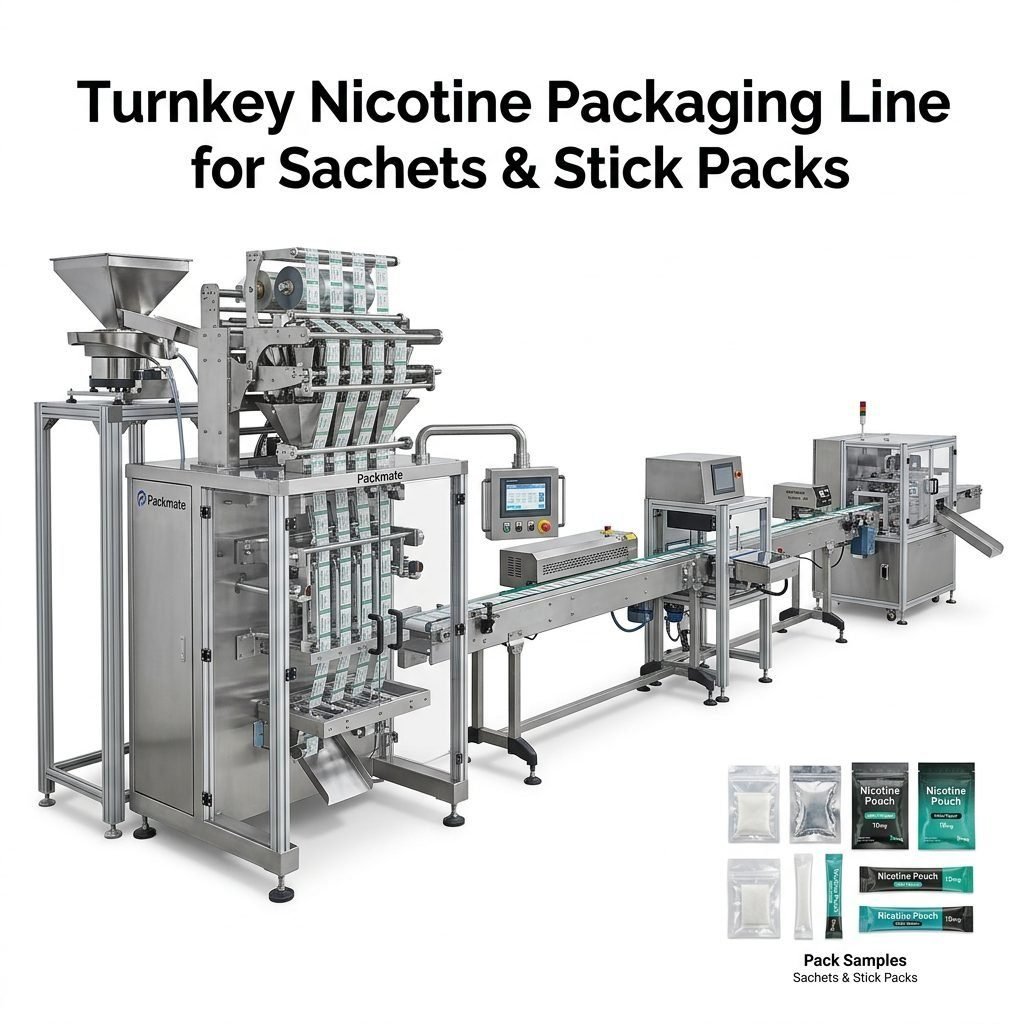
Choose equipment that handles common formats used for snus and nicotine pouches—stick packs, sachets, and multi-lane pouches—so you can experiment with different SKUs without costly retrofits. Suppliers offering modular designs or interchangeable stations reduce downtime.
3. Hygiene & Material Compatibility
Stainless-steel contact parts, easy-to-clean surfaces, and hygienic design reduce contamination risk. Confirm that seals and contact materials are compatible with nicotine formulations and any humectants or aroma agents you plan to use.
Supplier Credentials and Manufacturing Strength
A supplier’s technical background and factory capabilities matter. Look for established manufacturers with documented engineering experience, robust production facilities, and international certifications. These signal the ability to deliver machines that meet performance and safety expectations.
What to check:
• Years of experience in packaging machinery R&D and production.
• Factory size, CNC machining capacity and precision assembly lines.
• Range of machine models and customization options.
• International certifications such as CE and ISO for safety and quality assurance.
For example, companies with decades of engineering experience and 20,000㎡ facilities tend to offer more mature QA systems and spare parts availability—critical when operating away from major industrial centers.
After-Sales Support: The Deciding Factor for Tuvalu Buyers
Because Tuvalu is geographically remote, after-sales service and spare parts logistics are often more important than the initial price. Prioritize suppliers that provide:
On-site installation and commissioning
A supplier who can send engineers for installation reduces the risk of misalignment and production delays.
Remote support and training
Look for remote diagnostics, training videos, and step-by-step manuals. Fast remote troubleshooting can keep lines running while parts are in transit.
Spare parts availability & lead times
Confirm spare parts stock levels and transit options—from sea freight to express air. Reliable suppliers will offer parts kits and suggest inventory for essential wear parts.
Quality, Testing & Certification
Request factory test reports, CE/ISO certificates, and references from customers who purchased similar machines. Factory acceptance testing (FAT) and witnessed trials—preferably for nicotine pouch production—ensure the machine meets your specification before shipment.
Ask for video demos and case studies showing continuous production, sealing quality, and dosing accuracy. Suppliers who regularly attend exhibitions and share live demos typically build more trust.
Logistics, Packaging & Shipping Considerations
Shipping heavy equipment to Tuvalu demands careful planning. Confirm the supplier’s experience with international shipping and customs documentation for small island states. Good suppliers will:
• Provide detailed packing lists and export-friendly crating.
• Offer CIF/FOB options and advise on sea vs air freight tradeoffs.
• Coordinate with freight forwarders familiar with Pacific island delivery.
Commercial Terms & Contract Essentials
Beyond machine specs, make sure commercial terms are clear. Key contract elements include warranty length and exclusions, payment schedule, accepted payment methods (wire transfer, letter of credit), delivery timelines, and post-installation training obligations.
Negotiate clearly on intellectual property—if you request custom tooling or formats, define ownership and replication rights.
Why Choose a Proven Snus & Nicotine Packaging Specialist?
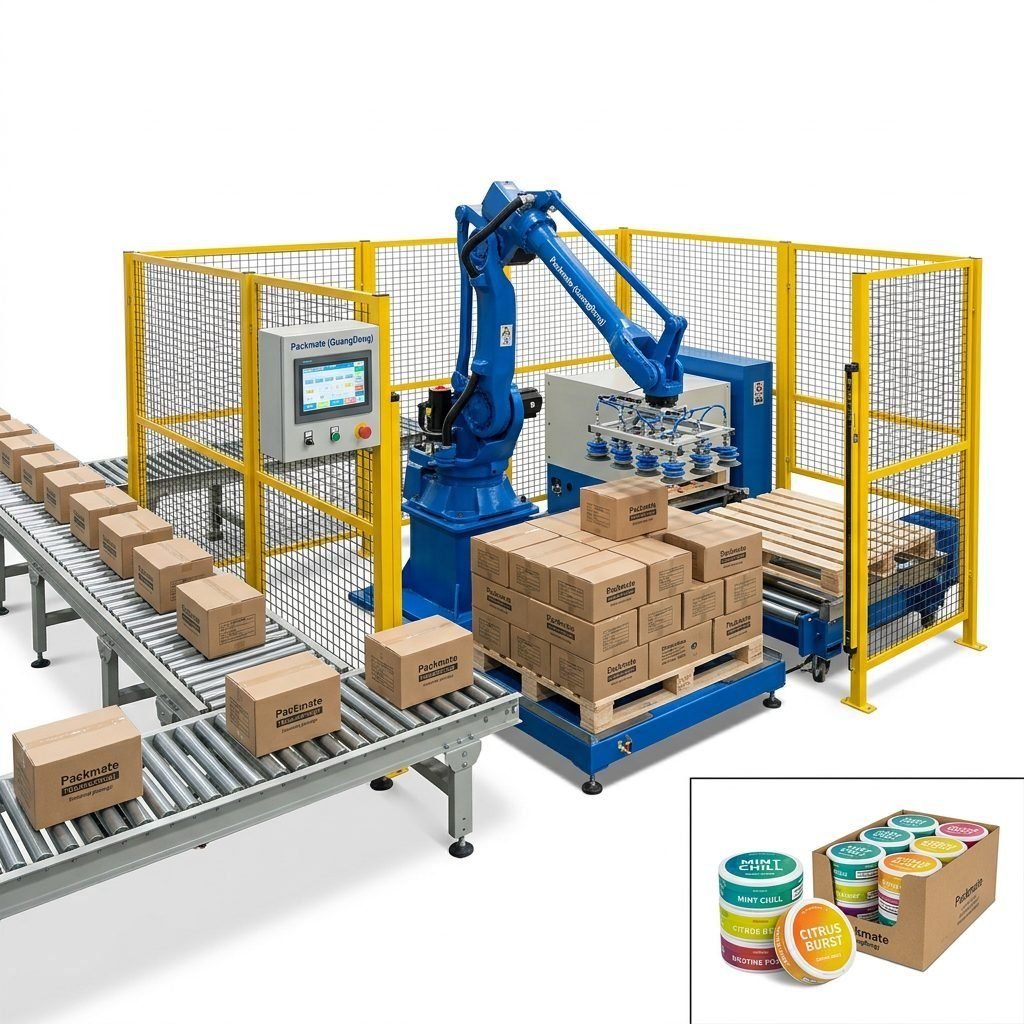
Specialized suppliers who focus on nicotine pouch and snus machines bring refined solutions: precise multi-lane systems, stick pack and sachet flexibility, and turnkey production lines. These vendors understand dosing nuances, sealing requirements and packaging aesthetics critical to consumer acceptance.
Consider reviewing case studies and product pages such as Snus & Nicotine Packaging Machines to compare machine models and performance metrics.
How to Evaluate Supplier Reputation
Do a multi-step evaluation: request references, check exhibition presence, and review past projects. Suppliers who participate in global exhibitions and show working lines on site typically have stronger proof of capability. You can also check company background and certifications on pages like About Packmate and view real customer implementations in Case studies.
Tips for Negotiating the Best Deal
• Bundle services: seek discounts for combining equipment purchase with installation and spare parts kits.
• Request extended warranties or performance guarantees.
• Ask for staged payments aligned with factory acceptance testing (FAT), shipment, and commissioning milestones.
• Clarify training content and language—ensure local operators can be trained effectively or that materials are provided in a suitable language.
Local Partnerships and Regional Support
Partnering with a supplier that has regional agents or service partners in Australasia or the Pacific reduces downtime risks. If direct on-island support isn’t feasible, a supplier with a service network in nearby countries (e.g., Fiji, New Zealand, Australia) can dispatch technicians more quickly.
Explore supplier service options and long-term maintenance contracts on support pages such as Service and reach out via Contact Us for customized logistics plans.
Final Selection Checklist
Use this checklist before signing:
✓ Machine performance validated by FAT and videos.
✓ CE/ISO and other compliance documentation provided.
✓ Clear warranty and SLAs for remote and on-site support.
✓ Spare parts plan and shipping lead times confirmed.
✓ References from similar projects and exhibition presence verified.
✓ Logistics plan for Tuvalu: crating, customs paperwork, and local handling defined.
Making the Decision
The ideal supplier balances technical performance, trustworthy quality controls, and realistic logistics for Tuvalu. Don’t let a low initial price overshadow the total cost of ownership: factor in shipping, spare parts, training, and potential downtime. A strategic purchase from a reputable, specialized manufacturer will pay dividends in reliability and product quality.
Frequently Asked Questions
Q1 — How important are certifications when buying packaging machines?
A1 — Very important. Certifications like CE and ISO demonstrate adherence to international safety and quality standards, which helps with compliance and resale value.
Q2 — What is the typical lead time for specialized snus packaging machines?
A2 — Lead times vary by customization level and factory workload. Standard models may ship in weeks, while fully customized turnkey lines often take several months. Confirm lead times and factor in sea freight to Tuvalu.
Q3 — Can suppliers provide remote commissioning for Tuvalu-based installations?
A3 — Many modern suppliers offer remote commissioning combined with on-site visits when necessary. Ensure the supplier provides comprehensive documentation, training materials, and virtual support.
Q4 — What spare parts should I stock for island operations?
A4 — Stock common wear parts such as belts, sealing elements, sensors, and critical fast-movers. Ask the supplier for a recommended spare parts kit tailored to your production profile.
Q5 — Where can I see real-world examples of machine installations?
A5 — Review supplier case studies and exhibition footage; many manufacturers provide detailed project pages and video tours. See the company’s case examples at Case.