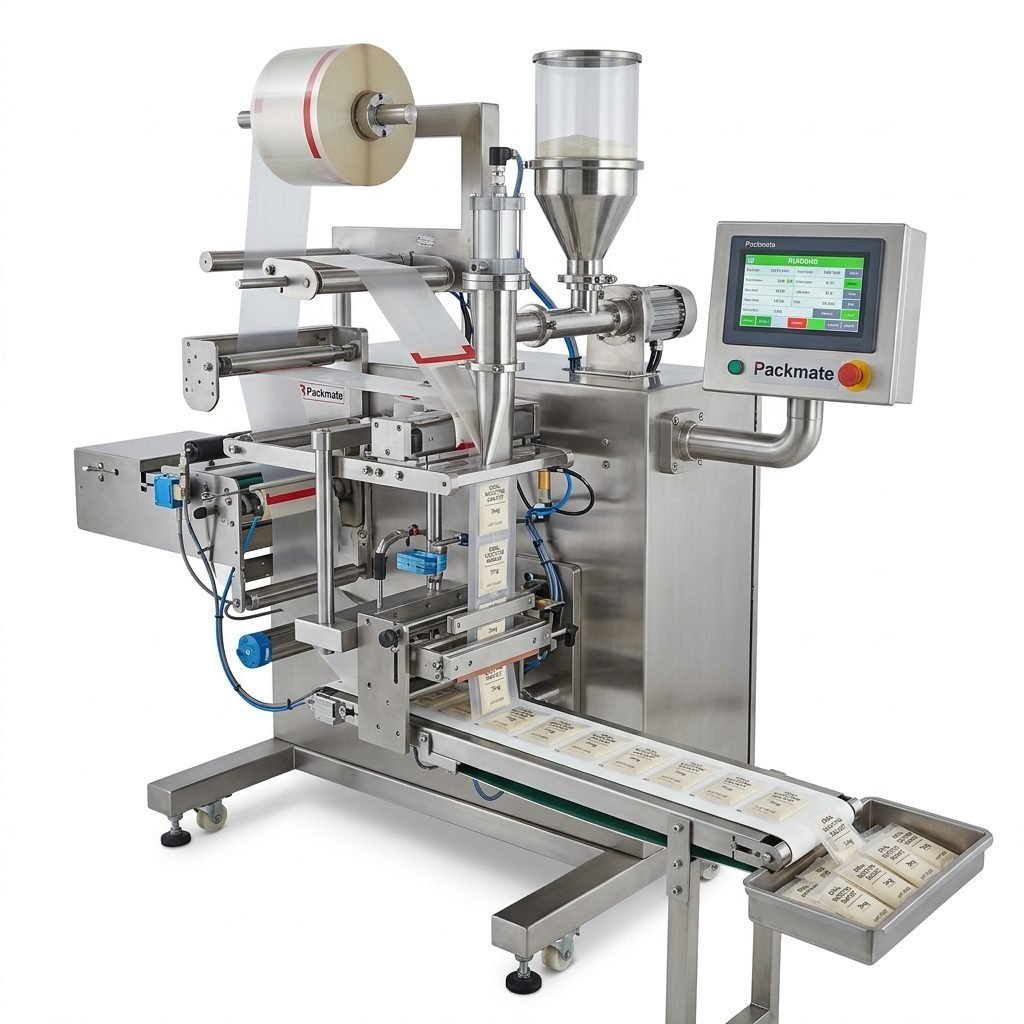
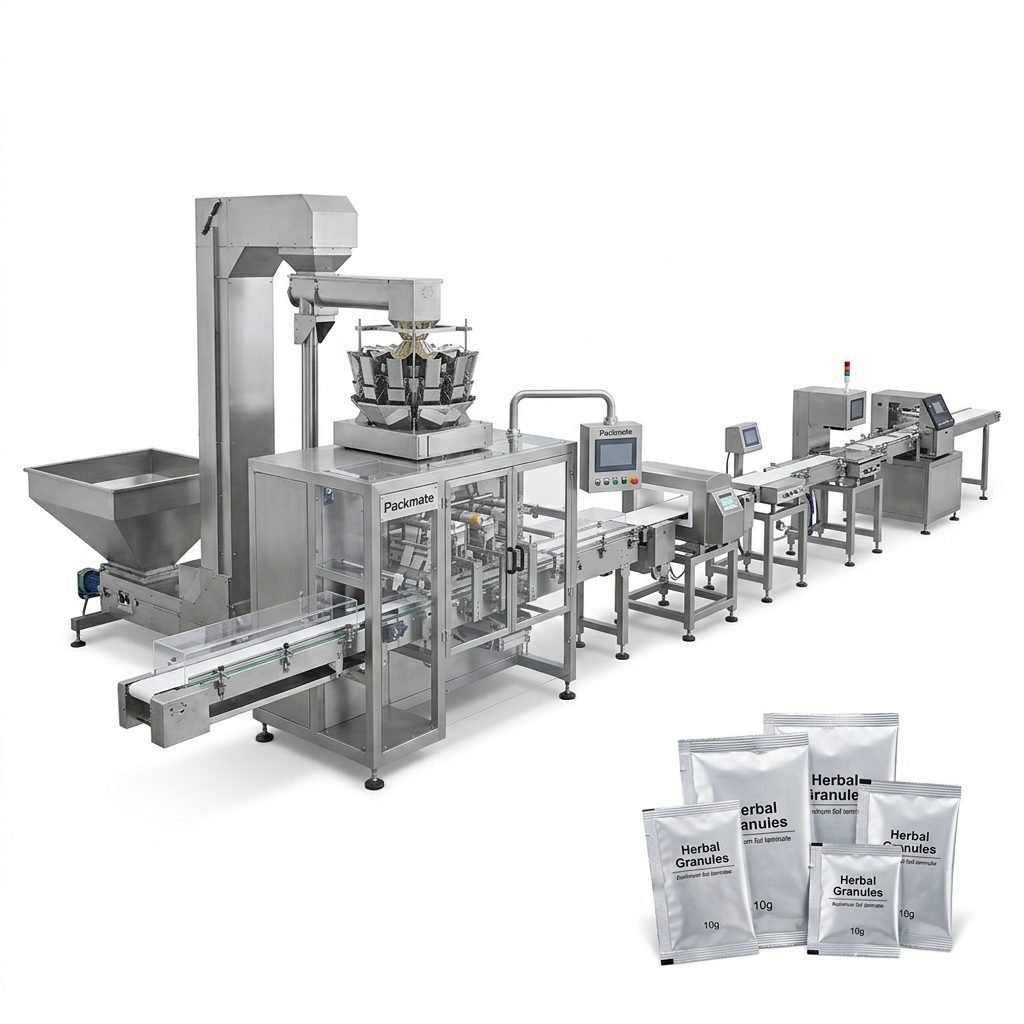
Choosing the right manufacturer for a nicotine packaging machine in Montenegro is a strategic decision that affects product quality, regulatory compliance, production efficiency, and long-term business growth. This guide walks you through the essential factors to evaluate, practical checklists to use during supplier assessment, and proven questions to ask before you commit to a purchase. Whether you are a startup launching nicotine pouches or an established brand scaling production, the right partner will minimize downtime, ensure safety, and deliver consistent packaging performance.
Understand the Market Context in Montenegro
Montenegro’s market for nicotine pouches and snus is evolving. Small-batch artisan producers and larger regional distributors are both seeking reliable packaging lines that can meet strict labelling requirements and maintain product integrity. Local regulations and customs procedures influence machine choices—compact, energy-efficient lines are often preferred in urban production sites, while multi-lane high-speed systems suit larger contract manufacturers. Before contacting suppliers, map out your expected monthly volume, product formats, and regulatory needs to narrow the field of suitable manufacturers.
Why manufacturer choice matters
A reliable manufacturer provides more than equipment: they deliver engineering expertise, spare parts availability, local service capability and compliance documentation. Selecting the wrong partner can lead to extended downtime, costly modifications, and delayed market launches. Look for a manufacturer that demonstrates real-world experience in nicotine pouch packaging and can provide references or case studies from similar projects.
🔧 Quick tip: Ask for documentation of past installations in similar markets. A manufacturer with multi-lane snus experience will reduce your technical risk.
Key Selection Criteria for Nicotine Packaging Machine Manufacturers
1. Industry Experience & Proven Track Record
Prior experience in the nicotine and snus segment is non-negotiable. Manufacturers with decades of focused development bring mature mechanical design, better material handling for fine powders or small pouches, and robust multi-lane technologies. For example, suppliers that evolved from small R&D workshops into full-scale factories—offering dozens of models and turnkey lines—typically provide better engineered solutions and long-term support.
2. Certifications & Compliance
Ensure the manufacturer complies with international standards such as CE and ISO. These certifications indicate attention to safety, build quality, and consistent manufacturing processes. Compliance documentation will also simplify import clearance and local certification steps in Montenegro.
3. Customization & Flexibility
Your product may require unique pouch shapes, dosing accuracy, or print-and-apply labelling. Select a manufacturer capable of customizing feeders, dosing systems, and control software. A flexible supplier supports format changes, future expansion to multi-lane production, and integration with upstream and downstream equipment.
4. Manufacturing Capacity & Precision Engineering
Evaluate the supplier’s factory capabilities—CNC machining centers, precision assembly lines, and 20,000㎡ class facilities signal the ability to produce complex machines to tolerances required for nicotine pouch dosing. Quality of parts, tight tolerances, and robust mechanical assemblies drive uptime and reduce variation between production runs.
✅ Must-have evidence: factory photos, assembly line descriptions, and a list of available machine models.
Machine Types & Which Fits Your Business
Manufacturers typically supply several machine families. Understand which machine type aligns with your product and throughput goals:
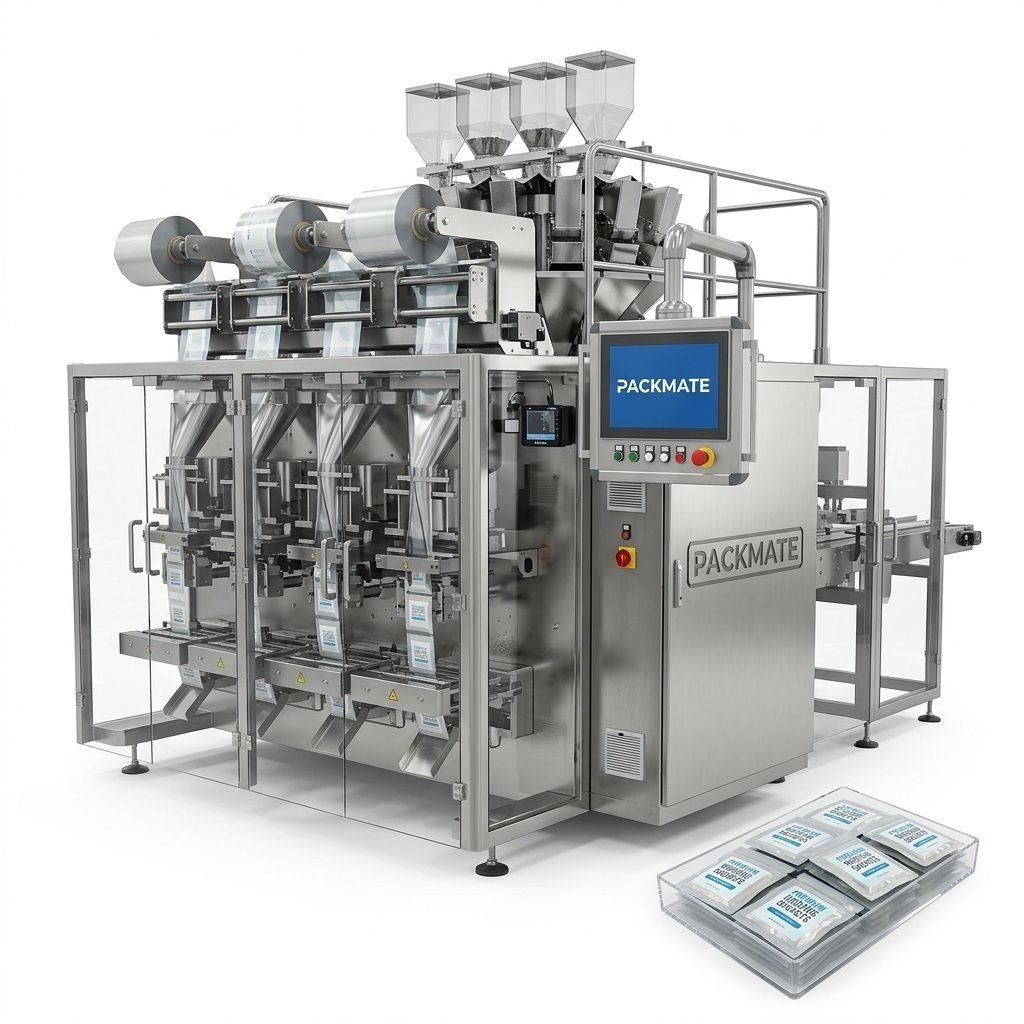
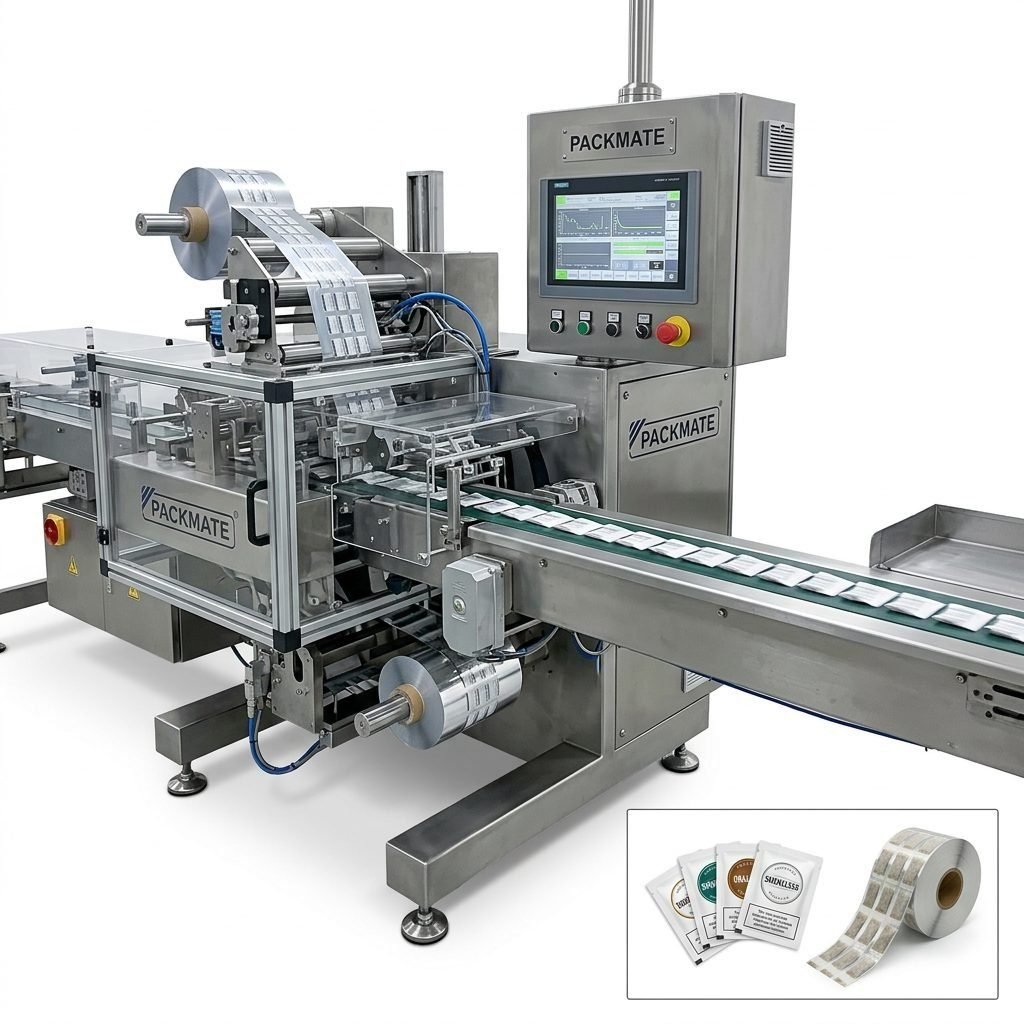
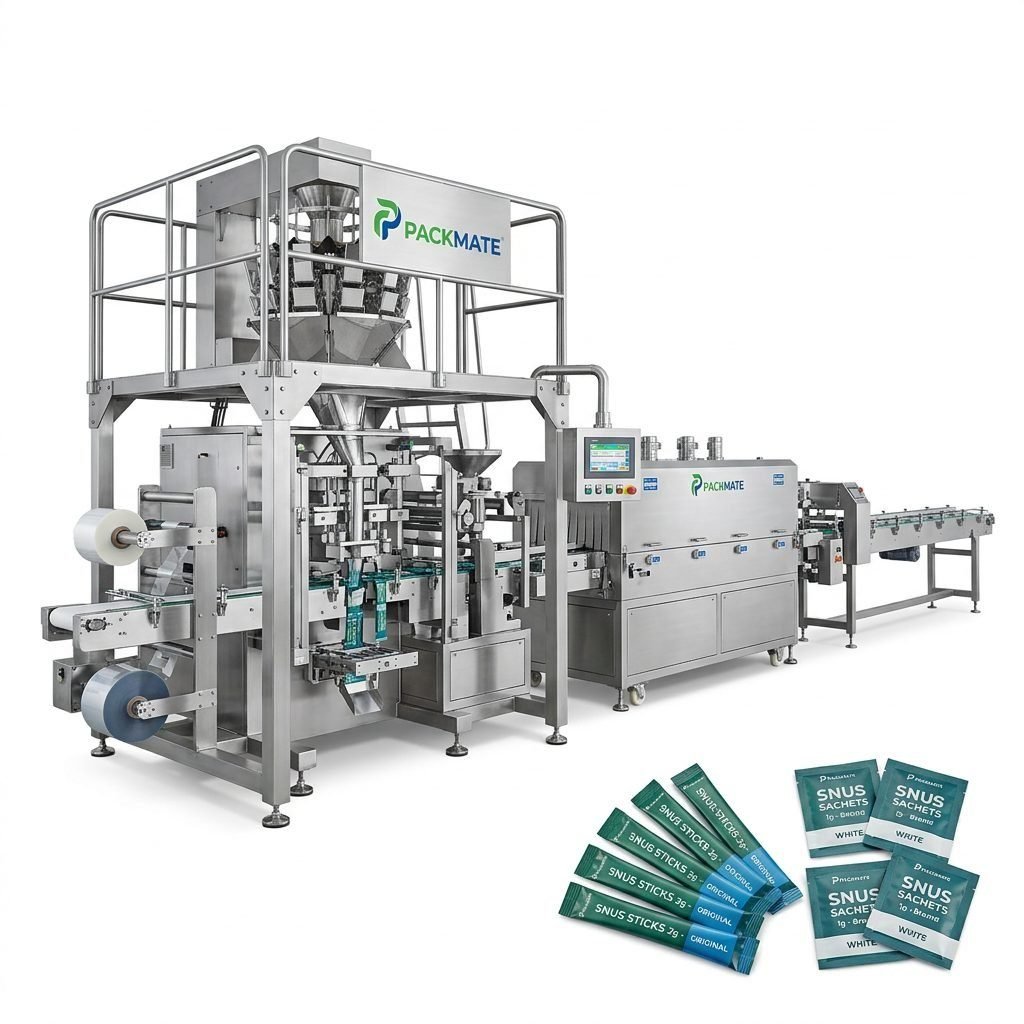
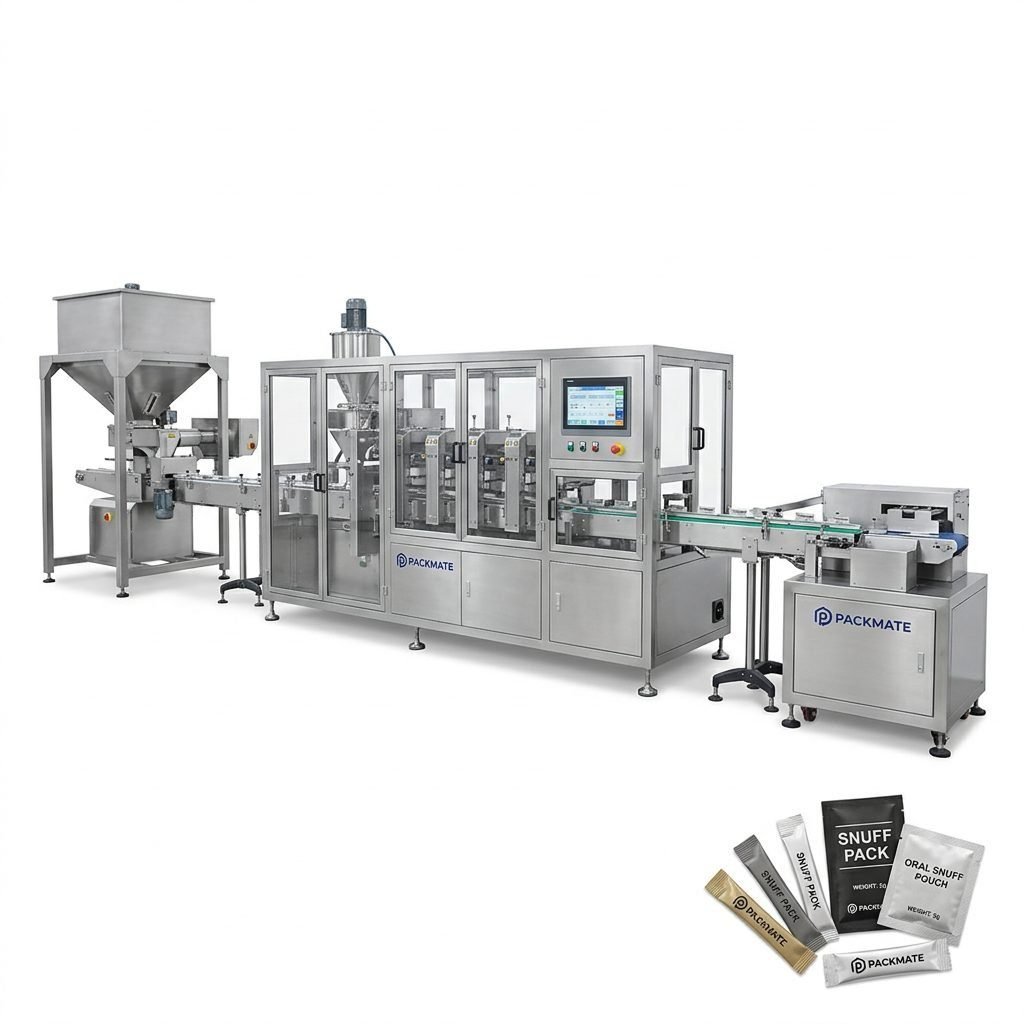
- Snus / Nicotine Pouch Packing Machines – ideal for small-dose pouches with strict weigh and sealing requirements.
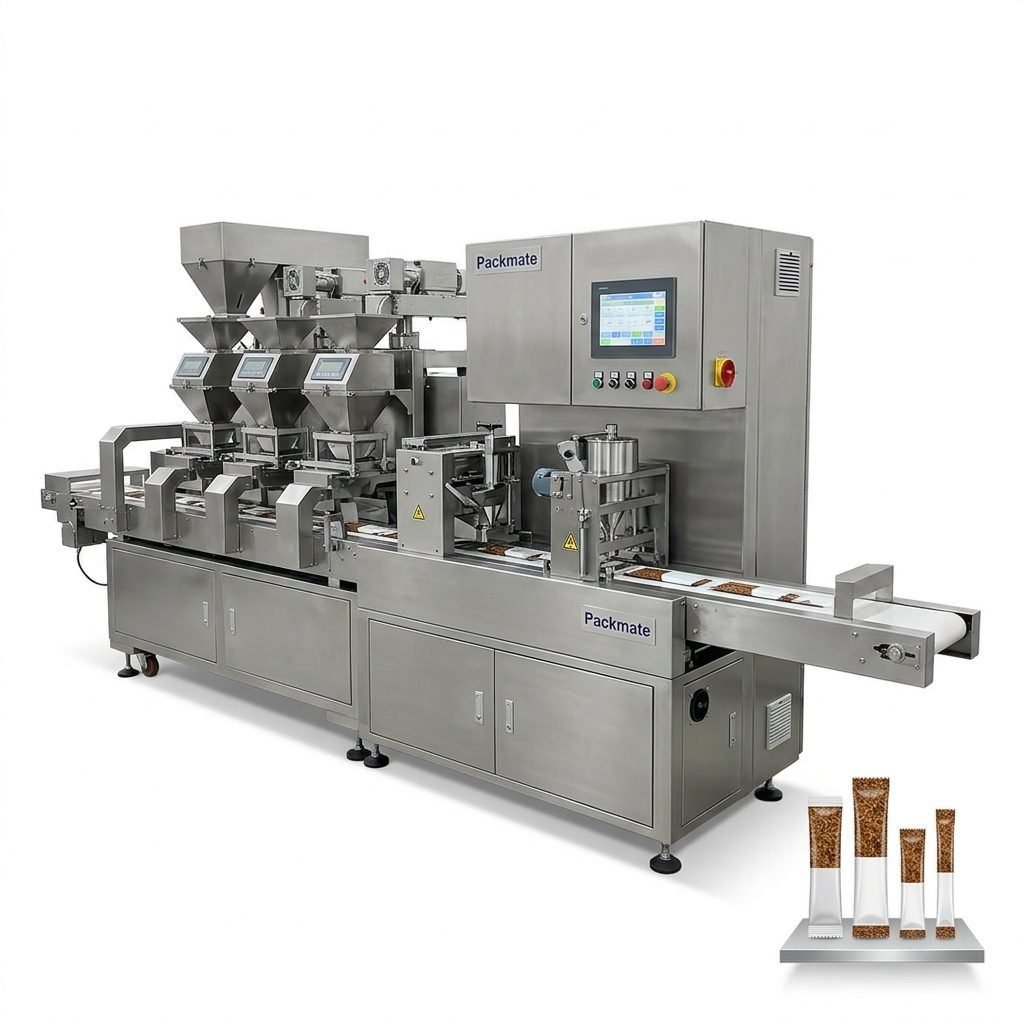
- Stick Pack Machines – suitable for elongated single-dose formats with fast changeovers.
- Sachet & Stick Pack Machines – flexible platforms that handle both sachets and stick packs with adaptable dosing modules. See examples at Sachet & Stick Pack Machines.
- Bag & Pouch Packaging Machines – for larger pouch formats and stand-up pouches; useful if you plan to diversify packaging styles. Explore Bag & Pouch Packaging Machines.
Factory Strength & After-Sales Support
A machine is only as good as the support behind it. Assess the manufacturer’s spare parts inventory, availability of remote troubleshooting, on-site installation teams, and training programs. A well-equipped supplier will have a documented production history, standard machine models, and the capacity to build turnkey lines that integrate with your weighing and filling equipment.
If possible, request case studies and customer references. Real-world case examples—especially from international markets—demonstrate the supplier’s ability to manage logistics, customs documentation and post-sale service. You can review examples of completed projects at the supplier’s case page: Case.
Sourcing Checklist: What to Request from Each Supplier
📋 Essential documents and evidence:
• Detailed machine specifications and electrical diagrams
• CE/ISO certificates and material compliance statements
• Video demonstrations of the machine running your or similar product
• Standard warranty terms and spare parts lead times
Technical Questions to Ask During Evaluation
When speaking with a manufacturer, be specific:
- What is the machine’s throughput at the required pouch size and dosing accuracy?
- How is dosing accuracy achieved and documented (e.g., load-cell, auger, volumetric)?
- What is the expected changeover time between formats and what tooling is required?
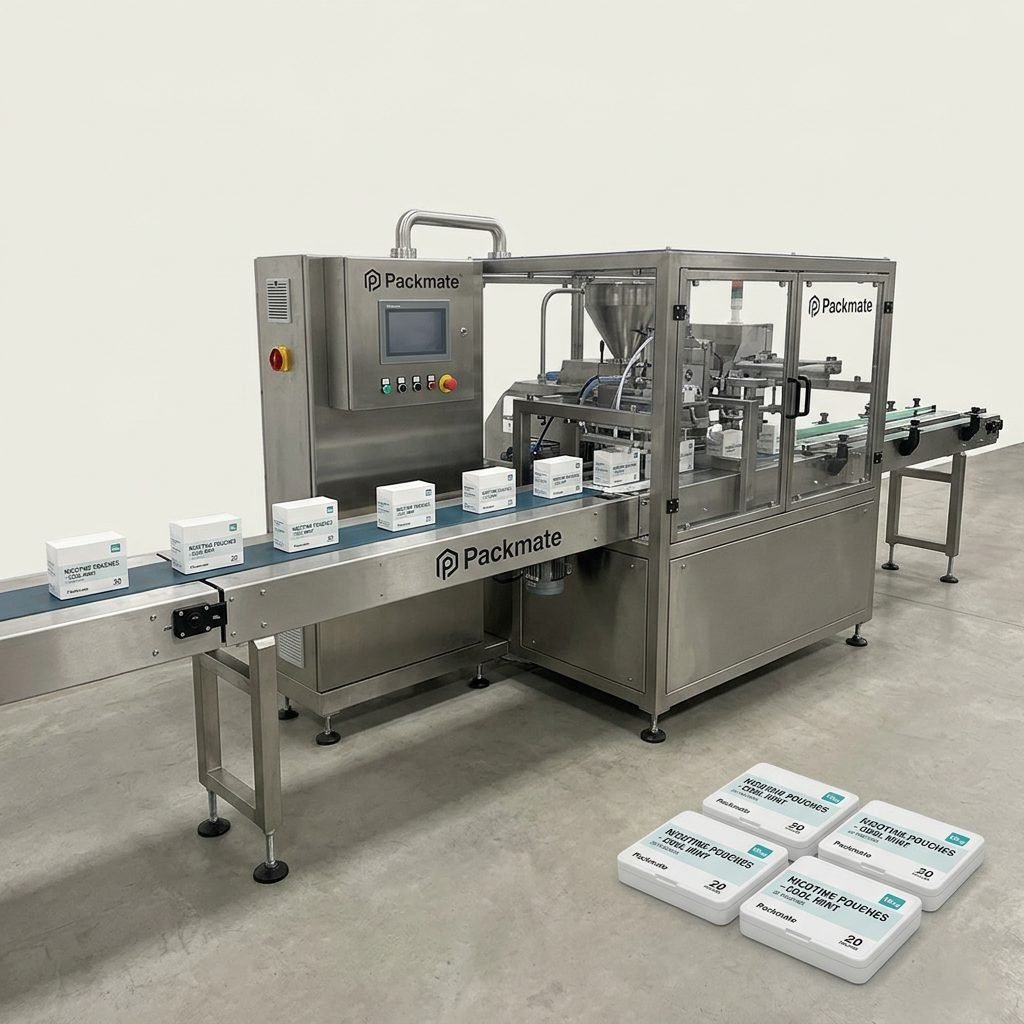
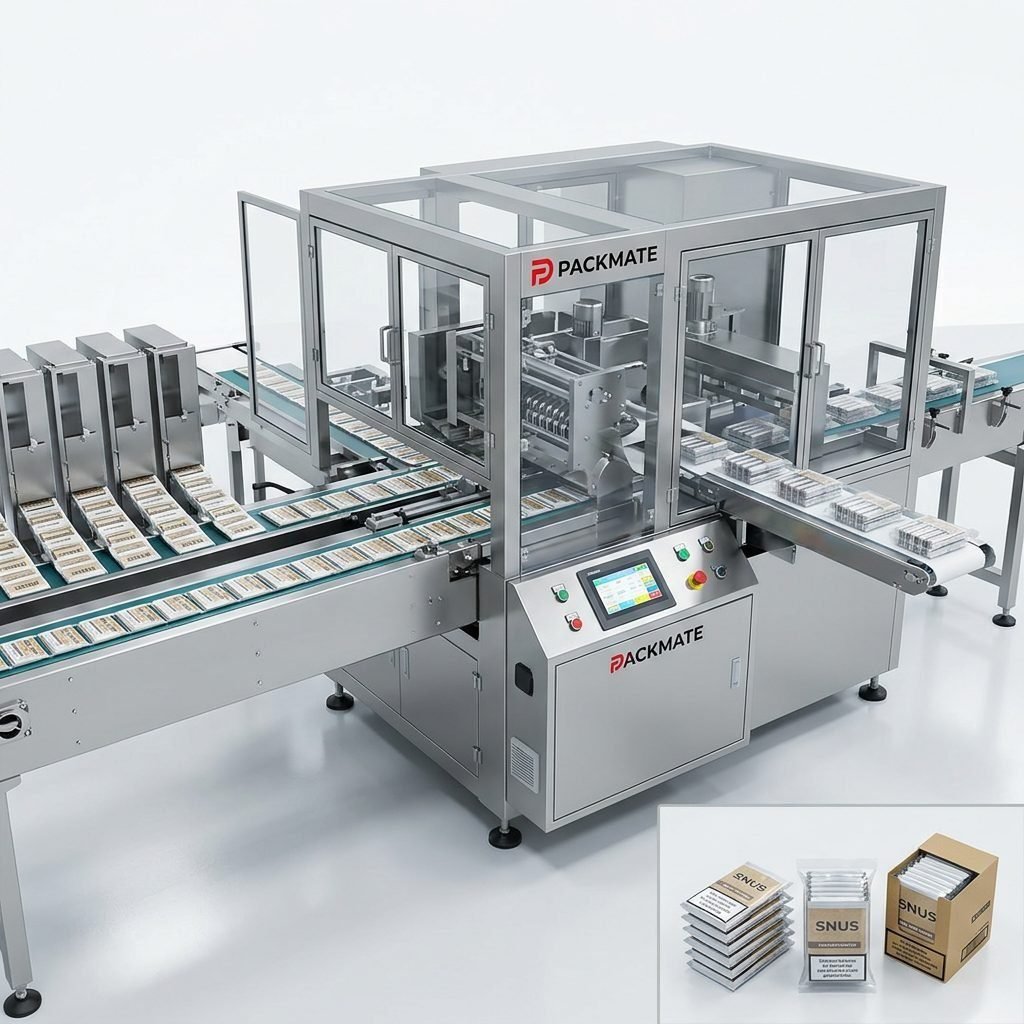
- Can the machine integrate upstream or downstream—such as feeding, weighing, cartoning or case packing?
- What diagnostics and remote-access capabilities are built into the control system?
Evaluating Total Cost of Ownership (TCO)
Purchase price is only part of the equation. Consider lifecycle costs: spare parts, consumables, energy consumption, routine maintenance, and software updates. A robust machine with high-grade components will often cost less per pouch over its lifetime due to reduced downtime and lower reject rates. Request a TCO estimate from the supplier and factor in shipping, customs duties, and installation in Montenegro.
⚠️ Cost warning: Low initial quotes often hide high spare parts cost and limited service availability.
Factory Visit, Factory Acceptance Test (FAT) & Commissioning
Factory visits and FATs are critical. During the FAT you should witness the machine running with your product or a close simulant. Confirm cycle rates, seal integrity, and packaging presentation. After shipment, on-site commissioning and operator training are essential—insist that these services are included or clearly priced. Manufacturers who operate demonstration centers or global exhibitions often provide smoother commissioning experiences. Learn more about supplier events at Our Exhibition.
Logistics, Installation & Local Support in Montenegro
Confirm freight terms, packaging for sea transport, and customs documentation. Some manufacturers offer door-to-door shipping, while others can coordinate local agents for clearance and final delivery. Ensure there is a reliable plan for spare parts stocking either through the supplier or local distributors. If the manufacturer has global partners or agents, find out if they provide training and maintenance support in the Montenegro region.
Assessing Manufacturer Transparency & Communication
Transparent communication during pre-sales is indicative of the post-sales relationship. Ask for clear timelines, delivery milestones and escalation contacts. Reliable suppliers will share spare parts lists, maintenance manuals, and offer options for remote troubleshooting. Check the supplier’s About page and mission statement to understand their values and longevity: About Packmate.
📈 Evaluation metric: Response time to technical inquiries, clarity in documentation, and willingness to arrange FATs are top indicators of a reliable partner.
Choosing Between Standard Models and Turnkey Solutions
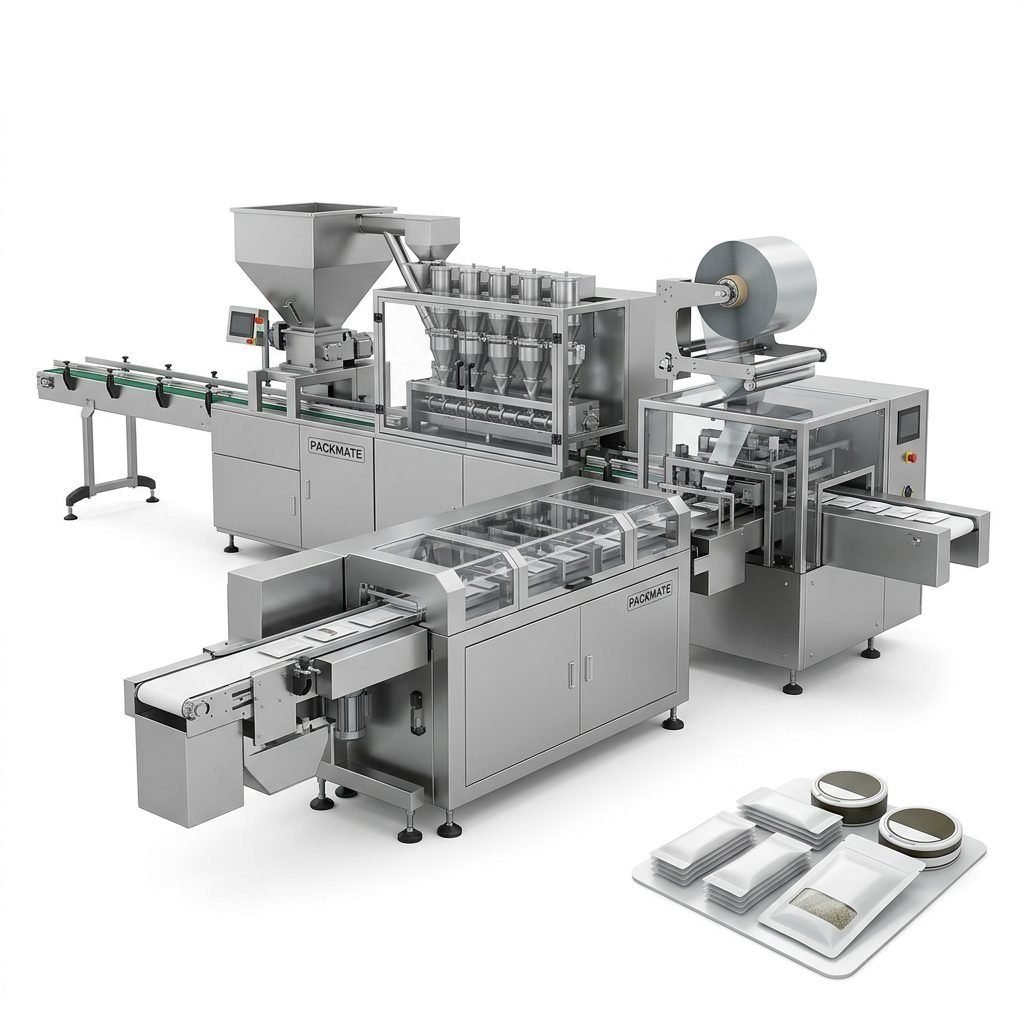
Standard machine models reduce lead time and cost; turnkey solutions deliver an end-to-end production line tailored to your product. If you need multi-stage automation including weighing, filling, and cartoning, prioritize suppliers who offer integrated lines and can deliver a validated production workflow. Review product families and auxiliary systems at the supplier’s product pages, such as Snus & Nicotine Packaging Machines and Weighing & Packaging Systems.
Final Selection Checklist
Before signing, confirm each of the following:
- Factory capacity and quality evidence (photos, videos, certifications).
- Detailed scope of supply and clear warranty terms.
- Spare parts availability and recommended inventory.
- Training, FAT, and commissioning included or clearly priced.
- References and case studies from similar installations. Browse practical examples at Case.
Contact & Next Steps
When you’re ready to get quotes, provide suppliers with precise product samples, target throughput, and packaging formats. Ask for a full proposal with machine specifications, delivery timeline, and a breakdown of services. For direct inquiries and to request brochures or catalogs, reach out to the manufacturer’s contact channels: Contact Us and view downloadable materials at Catalog.
📦 Next step: prepare a one-page specification sheet for suppliers listing product dimensions, pouch material, target speed, and required integrations.
Summary
Selecting the best nicotine packaging machine manufacturer for Montenegro involves careful evaluation of technical capability, factory strength, certifications, after-sales service, and total cost of ownership. Prioritize manufacturers with proven snus and nicotine pouch experience, transparent communication, and strong support networks. With the right partner, you will reduce risk and accelerate product rollout while ensuring consistent packaging quality.
Common Questions (FAQs)
Q1: How long does it take to receive a nicotine packaging machine?
Lead times vary by model and customization level. Standard models may ship within 8–12 weeks, while turnkey systems or heavy customization can take 16–24 weeks. Always confirm manufacturing schedules and shipping timelines during quotation.
Q2: What certifications should I require from the manufacturer?
At minimum request CE and ISO certifications. Additionally, ask for material compliance documents and any other certificates relevant to your local regulatory environment in Montenegro.
Q3: Can the machine handle different pouch materials and fillings?
Most modern machines are designed to work with a range of materials and fillings, but confirm dosing system compatibility for powders, granules, or moist formulations. Ask for trials or video proof with your material.
Q4: What after-sales support is typically offered?
Good manufacturers offer installation, commissioning, operator training, spare parts supply and remote diagnostics. Verify warranty terms and response times for on-site service, especially for shipments to Montenegro.
Q5: How can I verify a manufacturer’s claims?
Request FATs, customer references, factory photos/videos, and certificates. Visiting the factory or attending an exhibition demonstration provides direct validation—see the manufacturer’s exhibition schedule and events at Our Exhibition.