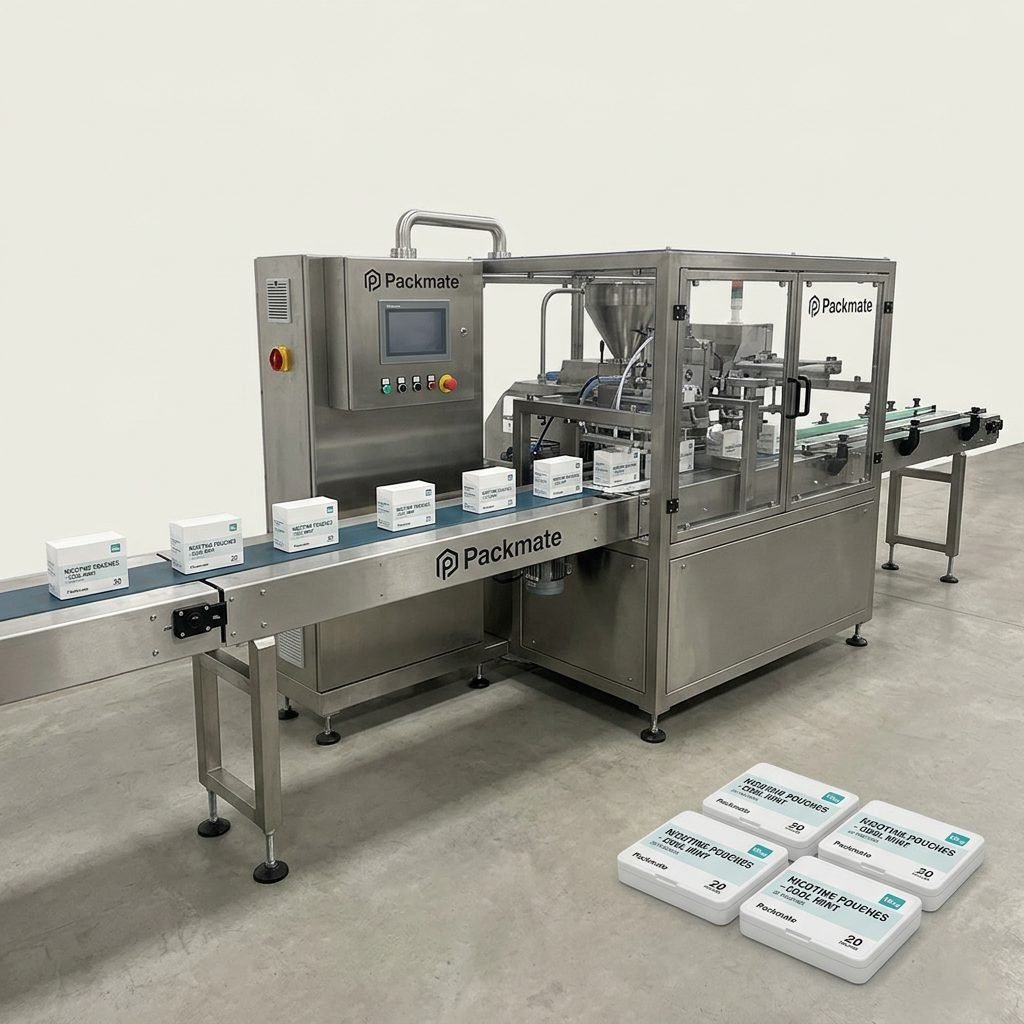
Choosing a reliable nicotine packaging machine supplier in Tajikistan requires balancing technical performance, regulatory compliance, and strong after-sales support. This guide walks Tajikistan-based manufacturers, importers, and entrepreneurs through practical steps to evaluate suppliers, optimize procurement, and ensure that the chosen snus or nicotine pouch packaging line fits local market realities and business customs.
Understand Local Context in Tajikistan
Tajikistan’s market environment is shaped by regional trade dynamics, import procedures, and cultural preferences. Business relationships often rely on trust and long-term cooperation; therefore, suppliers who demonstrate transparency, local support capability, and respect for local business etiquette are preferred. Before contacting suppliers, confirm local regulations on nicotine products and packaging, including labeling, health warnings, and customs requirements. When in doubt, consult local legal counsel or customs brokers.
Quick checklist for Tajikistan buyers
📌 Verify import rules and nicotine product regulations.
📌 Confirm machine voltage and power compatibility with local supply.
📌 Ask about documentation language (Tajik/Russian/English) and user training on-site or remote.
📌 Prioritize suppliers with clear CE/ISO certificates and export experience.
Evaluate Technical Capabilities and Machine Types
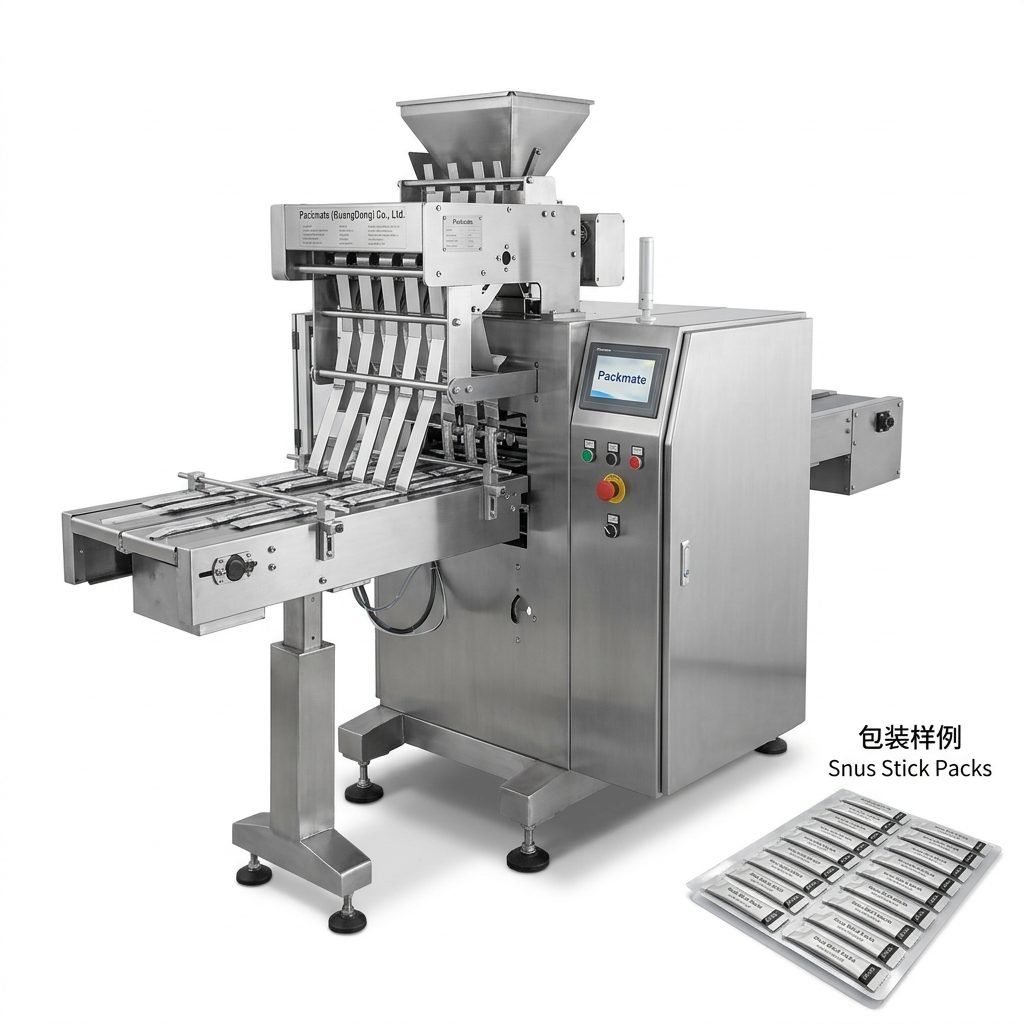
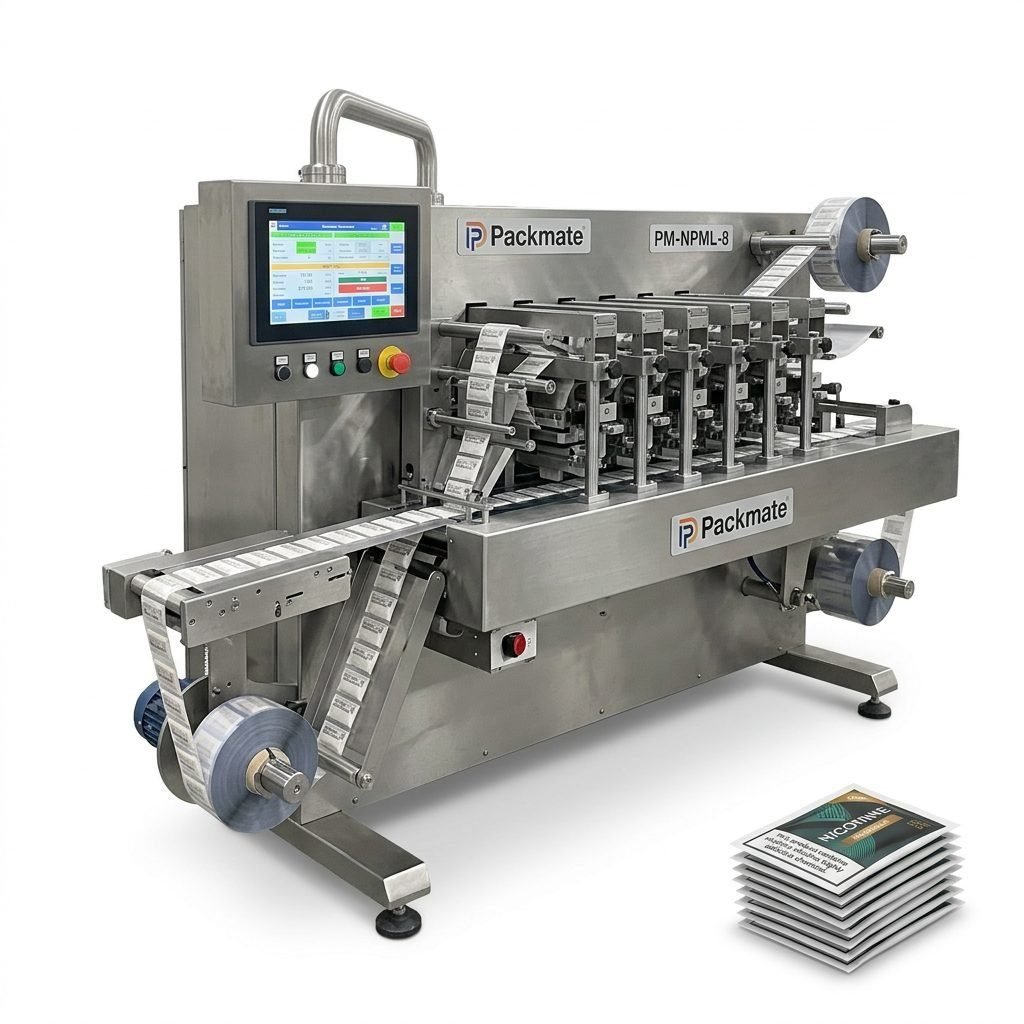
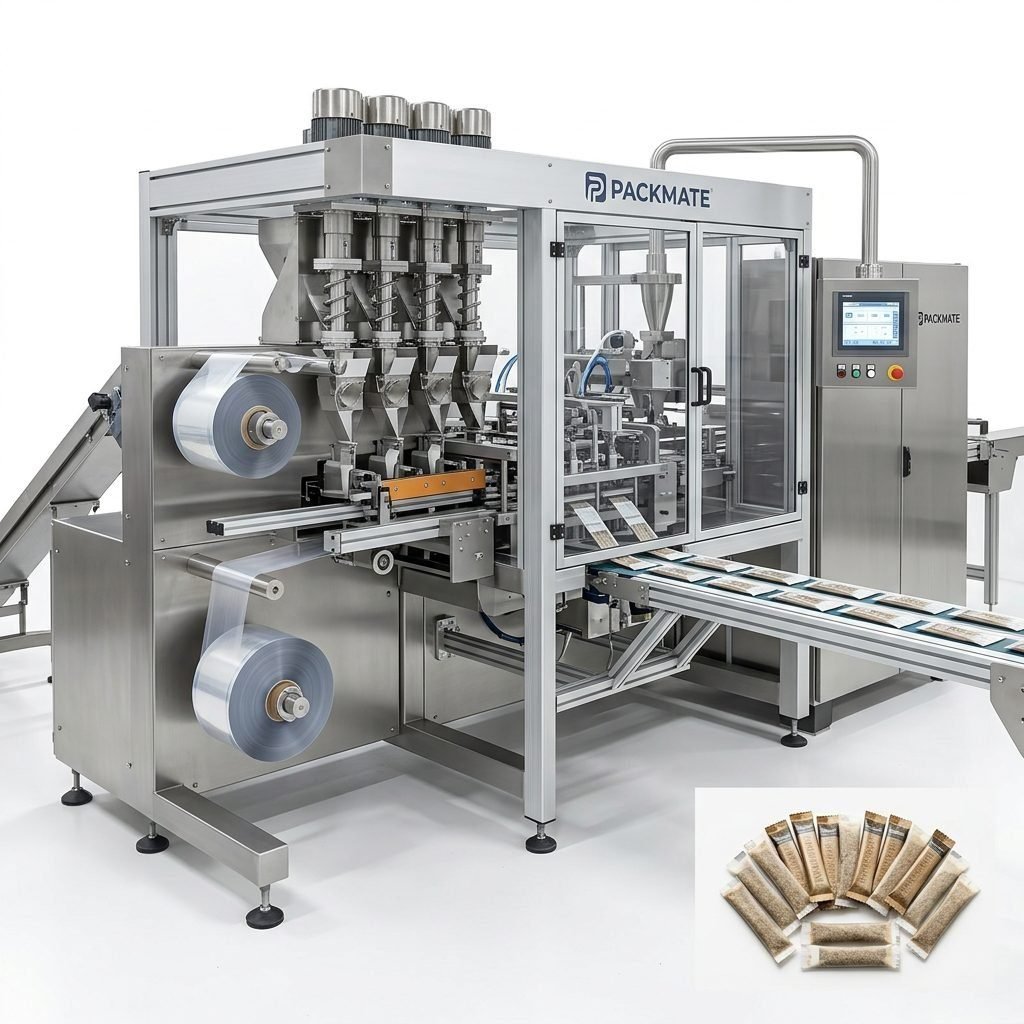
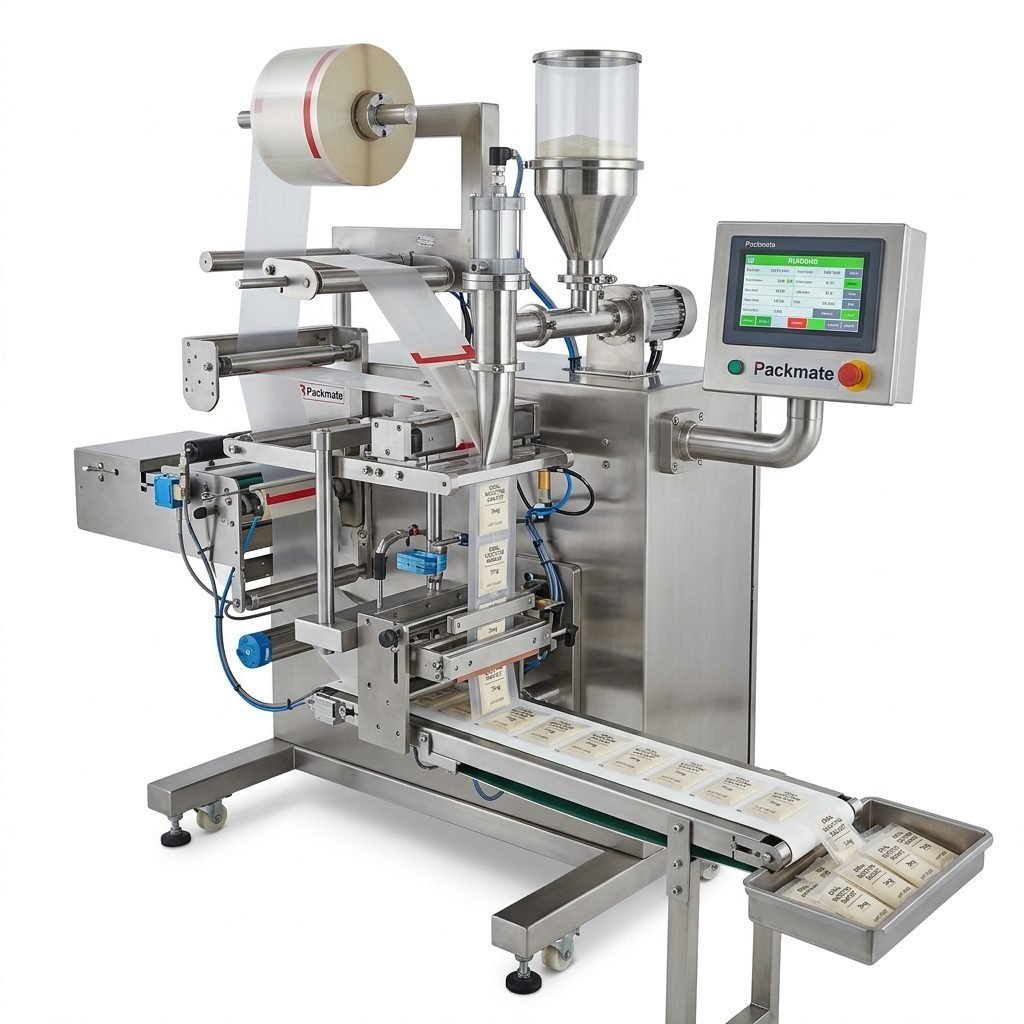
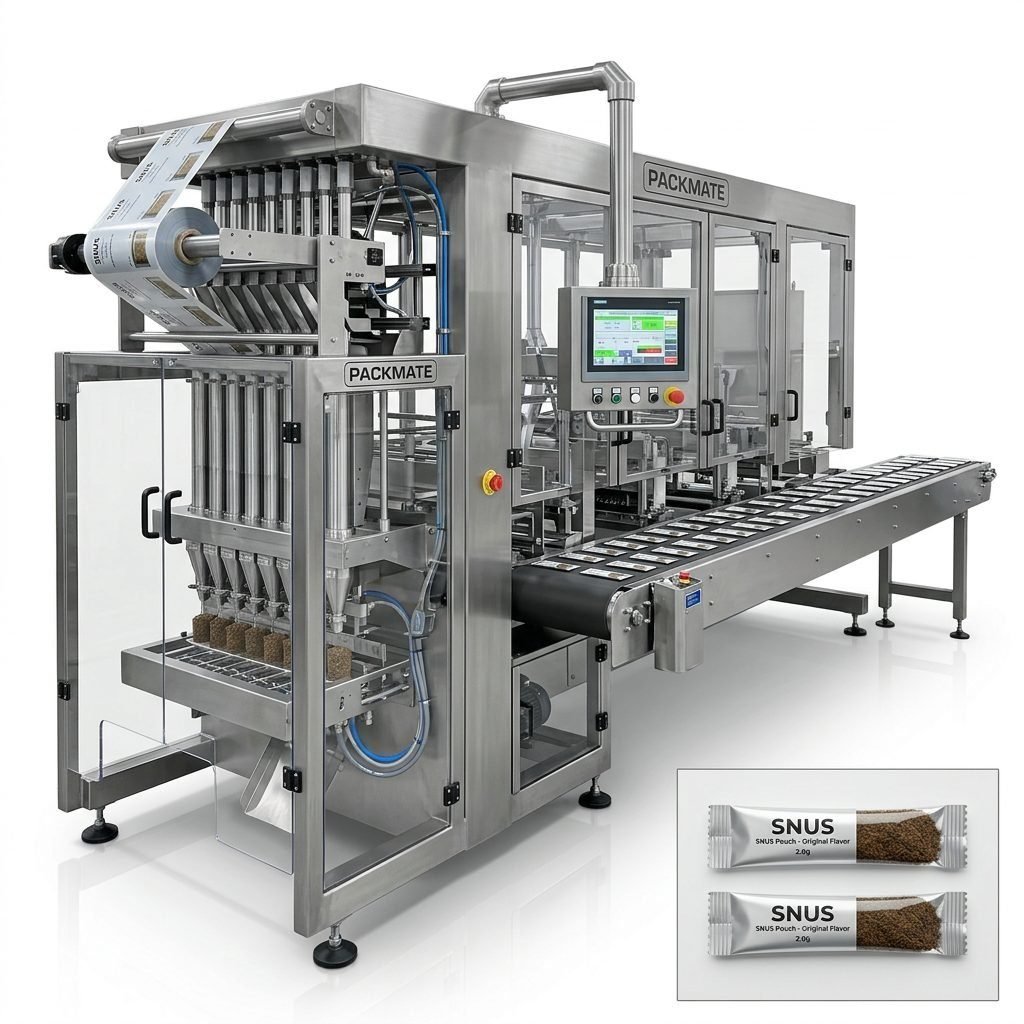
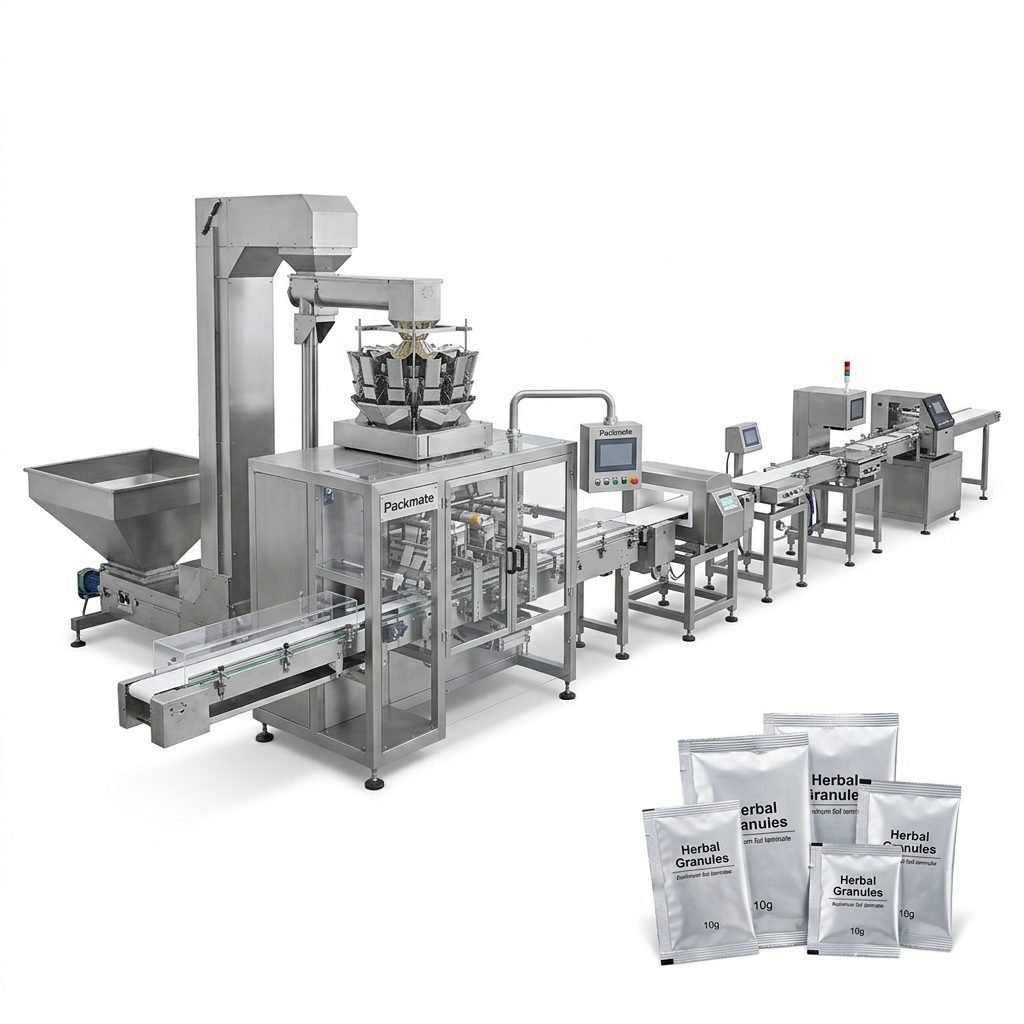
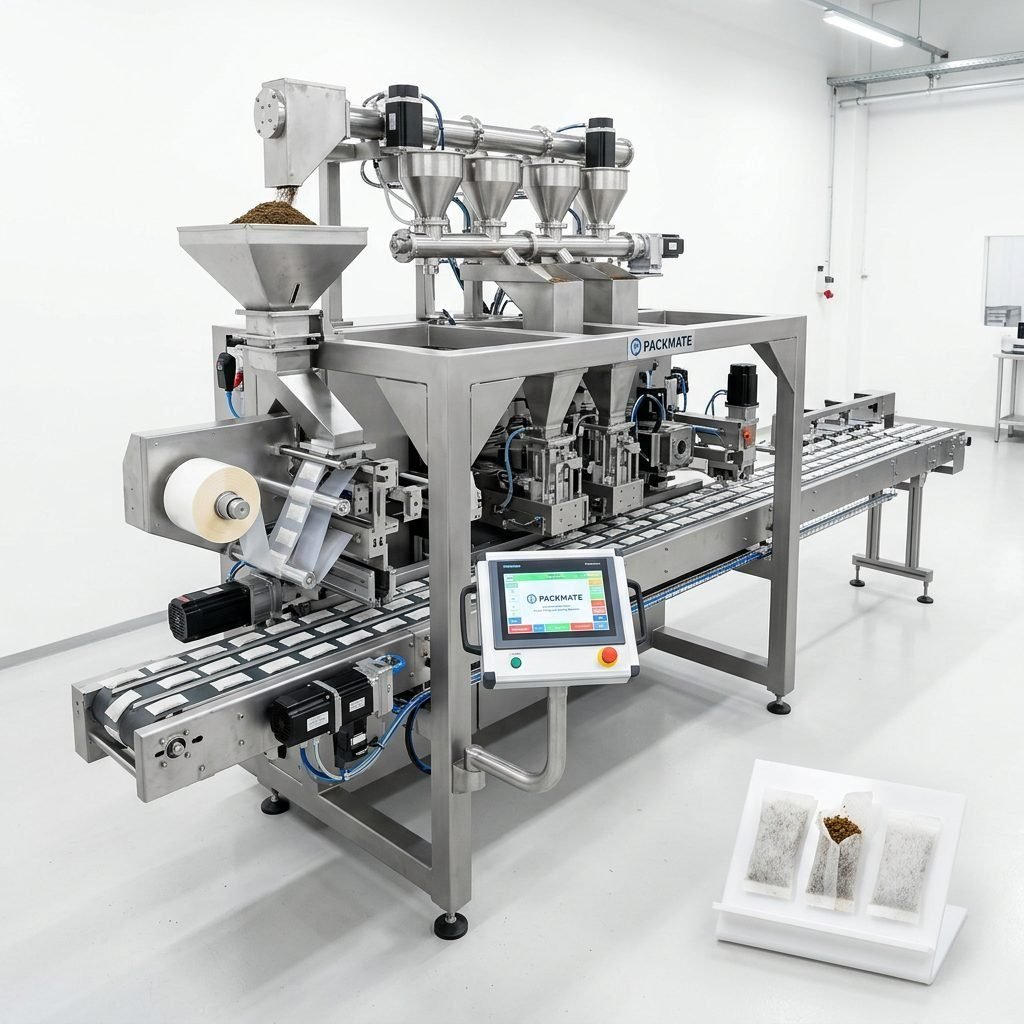
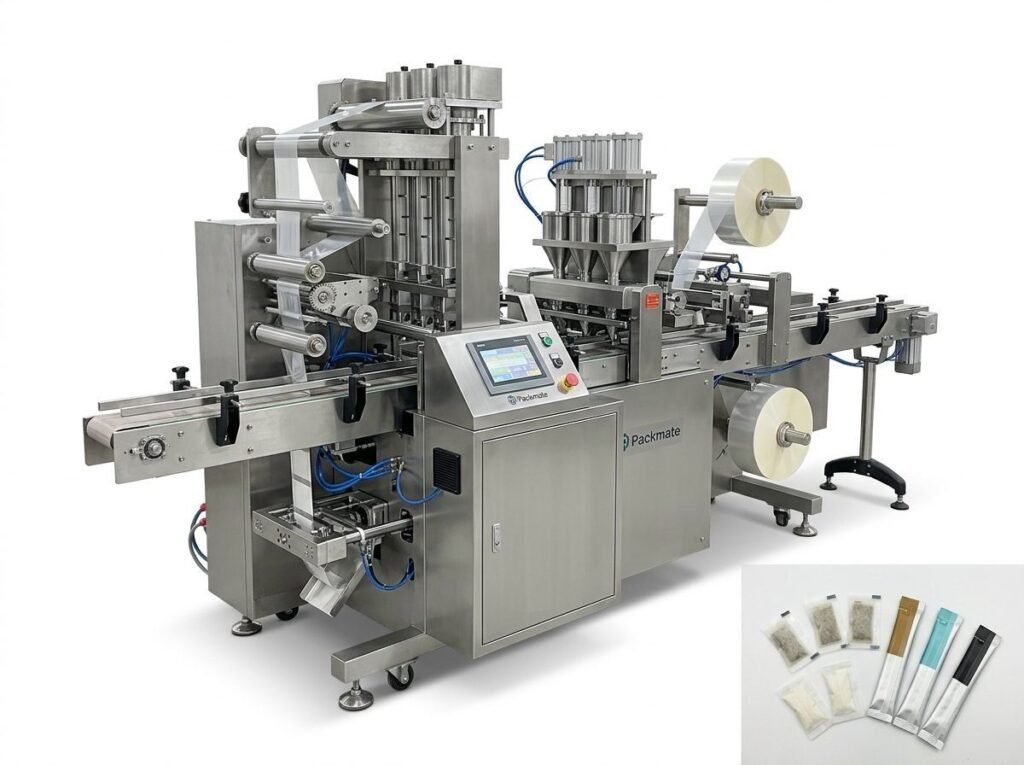
Nicotine pouch and snus packaging can use different technologies depending on product format and throughput targets. Common machine types include stick pack, sachet, multi-lane snus pouch machines, and complete filling and packaging lines. Look for suppliers with a proven track record in small-dose pouch production and flexible multi-lane solutions.
What to compare technically
- Production speed and lanes (single vs. multi-lane) to match your target output.
- Filling accuracy and consistency for small-dose nicotine pouches.
- Material compatibility (paper, PE/PA laminates, foil) and sealing methods.
- Integration ability with weighing systems and downstream cartoning or case packing.
- Ease of changeover between sizes/formats and spare parts availability.
Assess Supplier Credibility and Experience
Choose suppliers with long industry experience and documented case histories. A manufacturer with 20+ years and a sizable factory footprint often reflects stability, but verify specifics: production capacity, CNC machining capability, and quality control processes. Ask for references, video demonstrations, or virtual factory tours if travel is difficult.
🔧 Example of strong credentials to request:
• Factory area and production lines (e.g., 20,000㎡ with precision CNC centers).
• Number of machine models and customization capabilities (50+ models is a good sign).
• International certificates such as CE and ISO.
Verified documentation
Always request scanned certificates and commercial export documents. Certified suppliers typically provide CE/ISO documentation, inspection reports, and quality control checklists. If the supplier claims wide global experience, ask for customer cases in similar climates or markets; this proves adaptability.
Factory Visit, Demonstration & Acceptance Testing
Whenever possible, inspect the supplier’s production facility or witness a live demonstration. If travel is constrained, request a live video test using your specific nicotine pouch formula and packaging materials. A professional supplier will support acceptance testing, provide installation guidelines, and share performance data under real production conditions.
Key acceptance criteria
- Filling accuracy within your tolerance levels.
- Sealing integrity under temperature/humidity conditions similar to Tajikistan’s climate.
- Consistent output across specified production runs.
- Clear documentation: manuals, spare parts lists, and maintenance schedules.
After-Sales Support and Spare Parts
In Tajikistan, response times and communication are key. Prioritize suppliers that offer:
- Remote support via video call and clear troubleshooting guides in Russian or English.
- Fast spare parts shipping channels and local stocking alternatives if possible.
- Optional on-site installation and commissioning with operator training.
- Extended warranties and clearly defined service agreements.
✓ Tip: Ask for a spare parts kit and consumable list during negotiation. Confirm lead times for critical parts like sealing jaws and PLC components.
Commercial Terms, Warranty & Pricing Transparency
Transparent pricing that itemizes machine cost, tooling, packaging accessories, spare parts, shipping, customs, and installation helps you evaluate total landed cost. Compare warranty coverage and what constitutes regular maintenance vs. warranty exceptions. Be cautious of unusually low initial quotes that exclude essential components.
Negotiation points
- Payment terms and channel (L/C vs. T/T) – match to your risk tolerance.
- Delivery Incoterms (FOB, CIF, DDP) — pick what suits customs handling in Tajikistan.
- Training and commissioning costs.
- Acceptance testing metrics and penalties if machine fails to meet agreed performance.
Quality Control and Production Reliability
Reliable machines minimize downtime and reduce the risk of product waste or regulatory non-compliance. Confirm the supplier’s quality control process, including final inspection, load testing, and life-cycle testing data. A well-documented machine handover package should include test reports and traceability of key components.
Supplier Case Studies and References
Ask for recent case studies or references of installations in similar markets. Suppliers who exhibit global presence and have participated in international exhibitions often provide better long-term support. For more information about suppliers and product ranges, review product pages and company profiles such as Snus & Nicotine Packaging Machines and Sachet & Stick Pack Machines to understand the technology options.
Useful links for deeper research:
- Snus & Nicotine Packaging Machines
- Sachet & Stick Pack Machines
- About Packmate
- Service & After-sales
Practical Steps to Finalize Your Supplier
- Shortlist 3–5 suppliers with relevant machine types and export experience.
- Request detailed specifications, factory tour videos, and reference contacts.
- Perform sample runs with your product and packaging material.
- Negotiate a clear contract covering performance metrics, warranty, spare parts, and training.
- Plan logistics, customs clearance, and on-site commissioning with local partners.
⚠️ Cultural note: In Tajikistan, building a relationship through reliable communication and occasional on-site visits will strengthen long-term cooperation. Prioritize suppliers who respect this business style and can provide local-language support or documentation.
Final Considerations
Ultimately, the best supplier balances machine performance with strong after-sales service, clear documentation, and experience exporting to similar markets. A trustworthy partner will help you navigate compliance, reduce operational risk, and scale production as your business grows.
Where to start next
Begin by compiling a list of your production targets, packaging materials, local regulatory constraints, and budget. Reach out to suppliers with this brief and request tailored proposals—clearly stating acceptance criteria and support expectations. For an overview of product ranges and company capabilities, consider reviewing Packmate’s product categories and company information.
Helpful resources
• Packmate product pages and case studies can provide insight into machine types and real installations: Case and Catalog.
• Contact the supplier early to discuss certification and export documentation: Contact Us.
Frequently Asked Questions
Q1: How can I verify a supplier’s machine performance remotely?
A1: Request live video demonstrations using your materials, ask for machine test reports, and obtain references from similar customers.
Q2: What documentation should I demand before purchase?
A2: Commercial invoice, packing list, CE/ISO certificates, test reports, spare parts list, wiring diagrams, and clear installation and training plans.
Q3: How important is local language support?
A3: Very important. Russian or Tajik-language manuals and troubleshooting support reduce downtime and accelerate operator training.
Q4: What are common pitfalls to avoid when buying packaging machines for nicotine pouches?
A4: Hidden costs (spare parts, tooling), insufficient acceptance testing, lack of spare parts availability, and unclear warranty terms.
Q5: Do suppliers help with customs and shipping to Tajikistan?
A5: Many experienced suppliers can assist with documentation and shipping terms, but confirm whether they offer CIF/DDP options or only FOB. Work with a trusted freight forwarder familiar with Tajikistan customs to minimize delays.