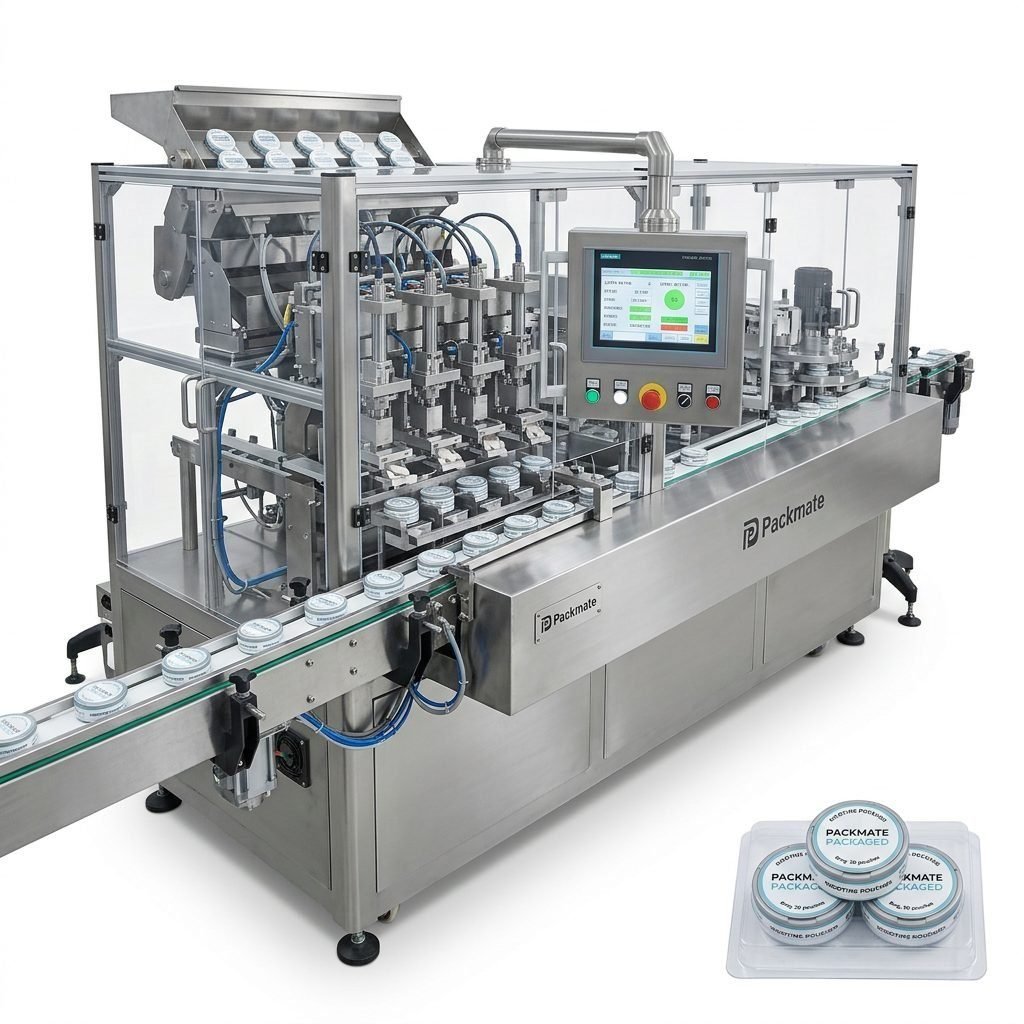
Entering or expanding nicotine pouch production in Chad requires more than a good formula and packaging material — it demands the right packaging machinery partner. Choosing a supplier who understands nicotine pouch (snus) packaging specifics, local market conditions, and after-sales reliability can be the difference between steady production and costly downtime. This guide walks you through how to choose the best nicotine packaging machinery supplier in Chad for your production needs, with practical criteria, local considerations, and action steps you can apply immediately.
Why the Supplier Choice Matters for Nicotine Packaging in Chad
Nicotine pouch packaging involves precision dosing, hygienic handling, and consistent sealing. In Chad — with variable electricity supply, hot dry seasons, and evolving regulatory environments — even small machine reliability differences become amplified. A quality supplier reduces time-to-market, helps meet regional compliance, and supports adaptation to local logistics and labor conditions.
Key Outcomes from Picking the Right Supplier
📌 Consistent product quality: Accurate dosing and uniform sealing reduce waste and complaints.
🔧 Reliable uptime: Machines built to withstand dusty or hot environments help maintain output in Chad.
🌍 Regulatory support: Suppliers familiar with international certifications and export documentation simplify customs clearance and market compliance.
Top Criteria to Evaluate a Nicotine Packaging Machinery Supplier
1. Proven Product Portfolio and Technology
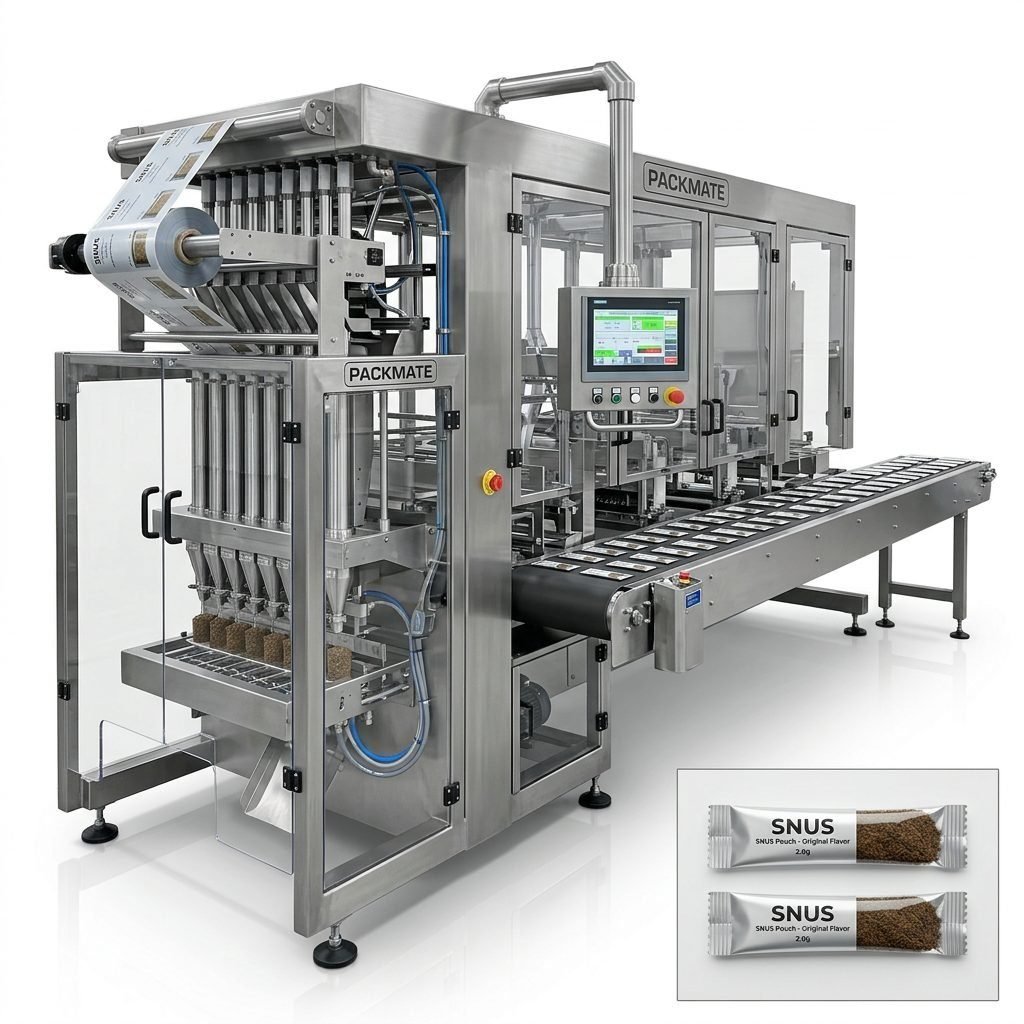
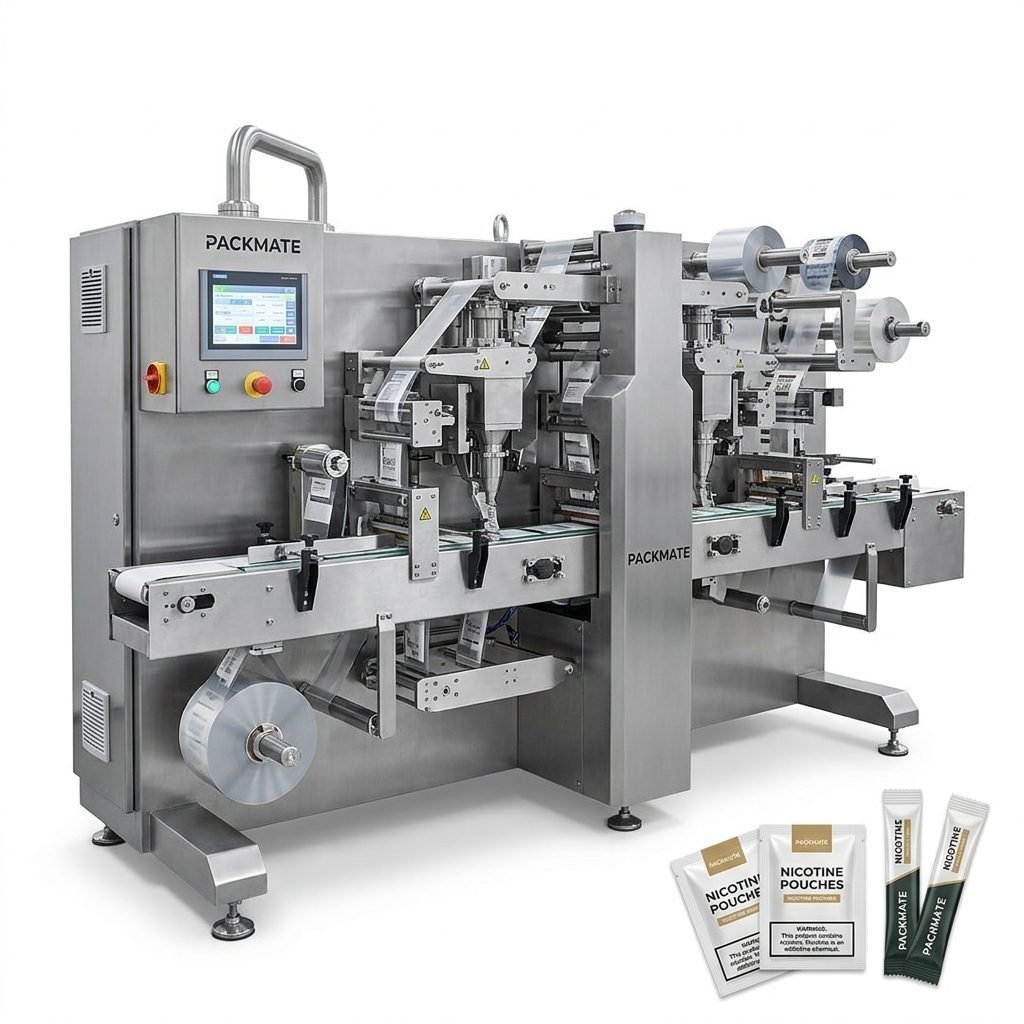
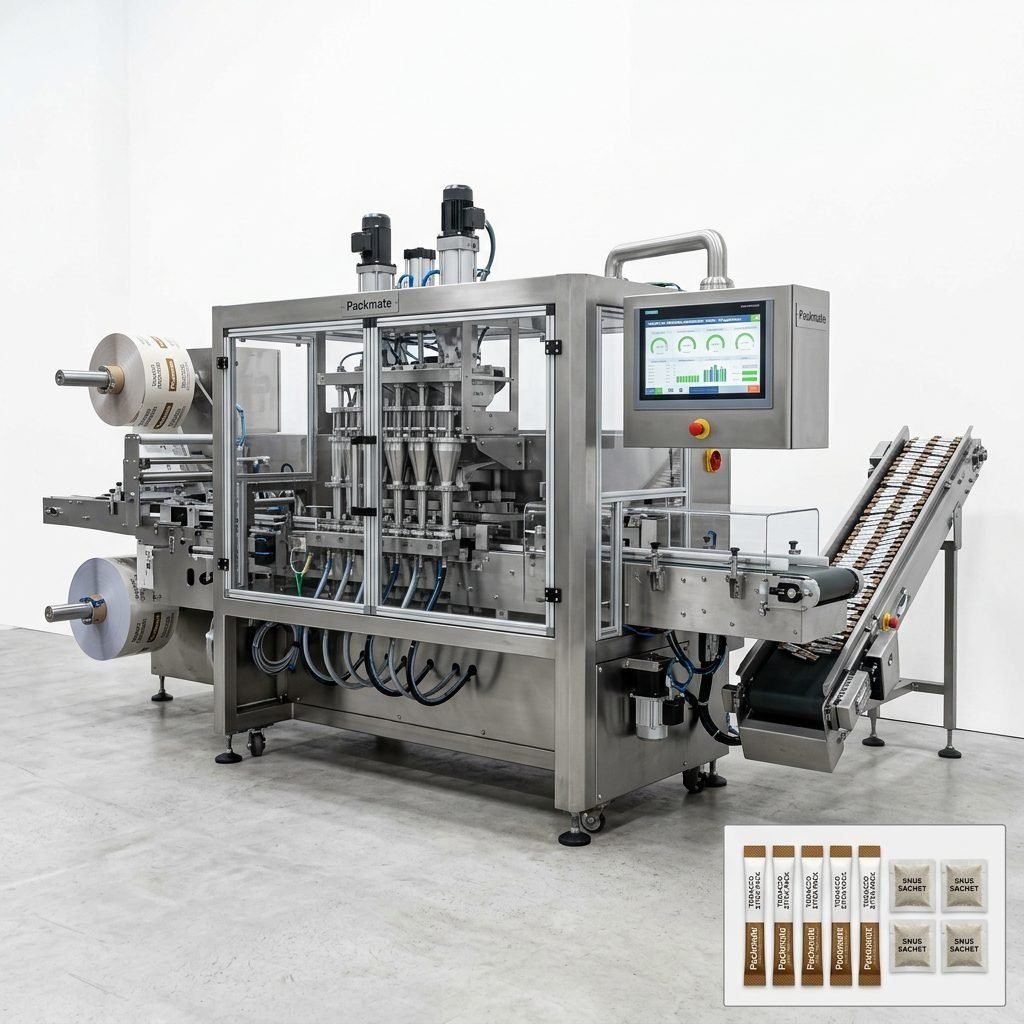
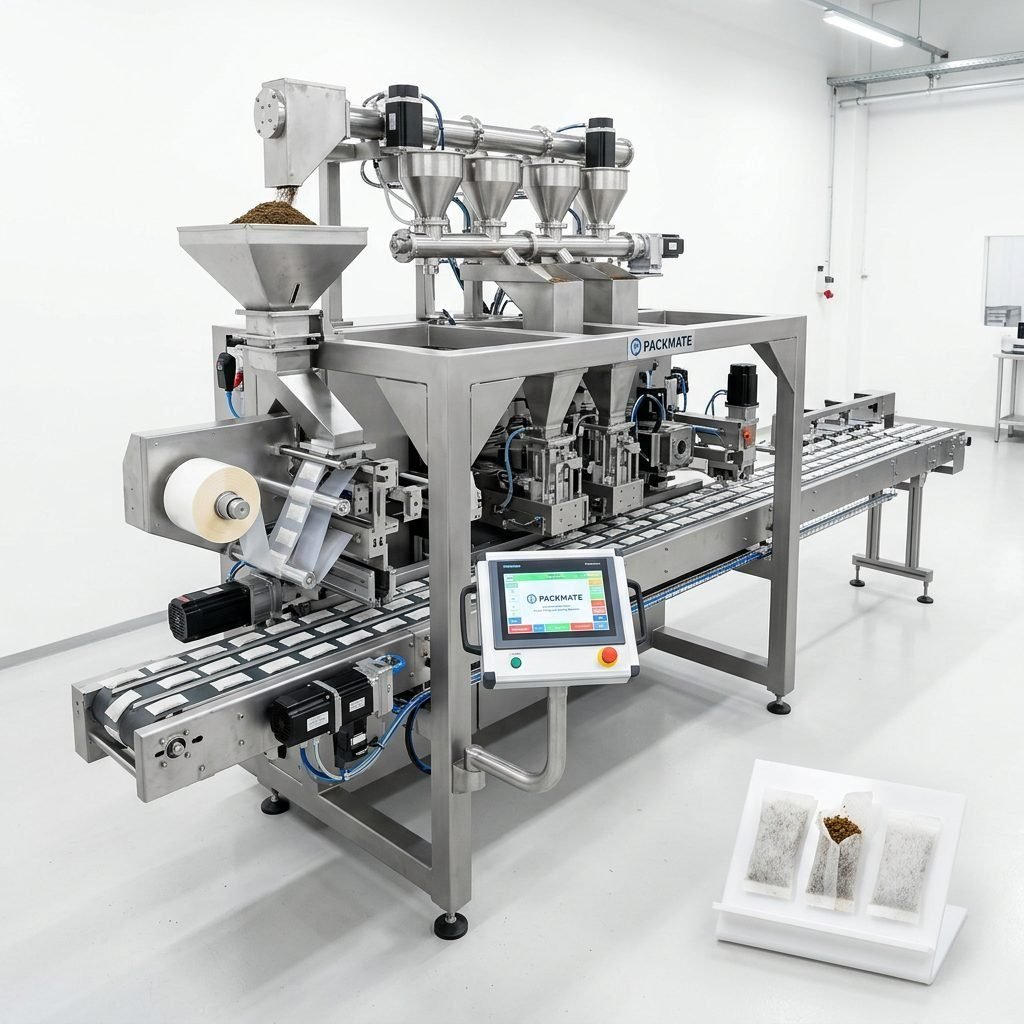
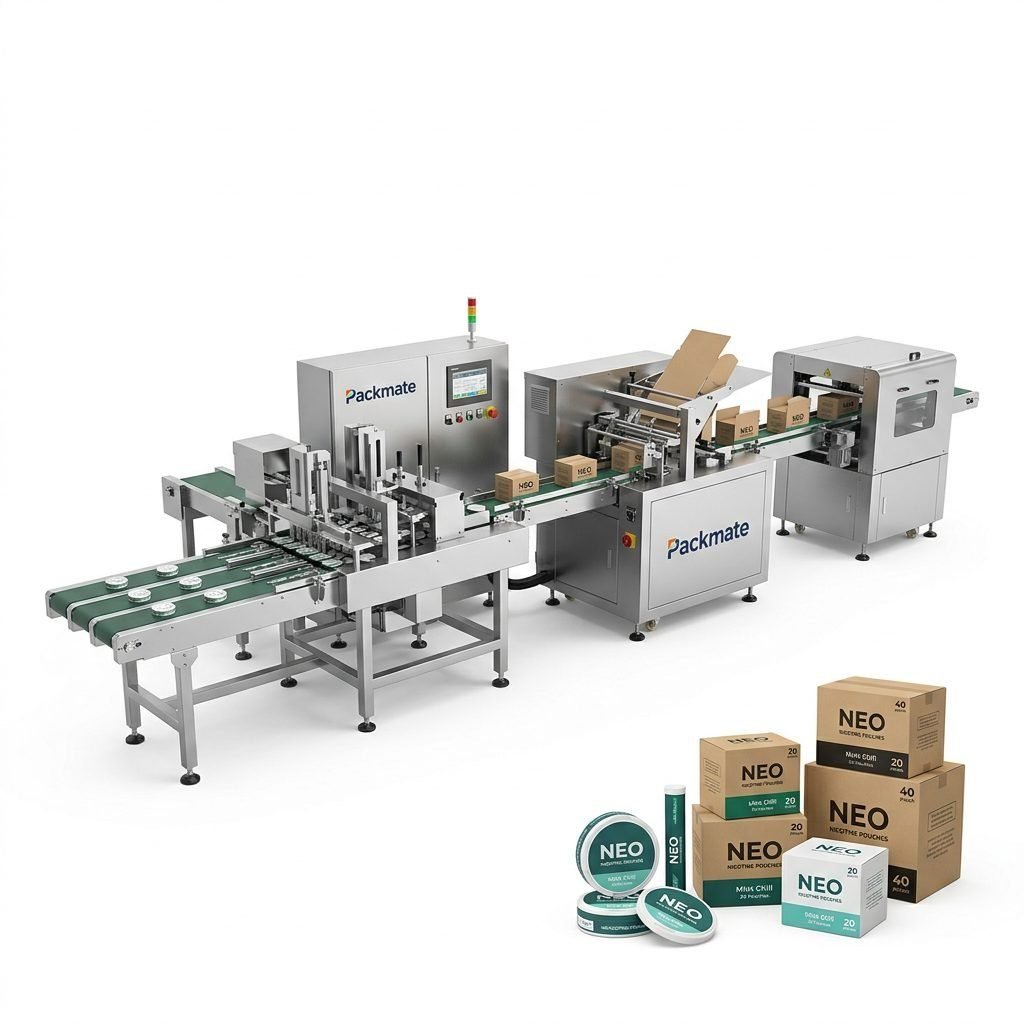
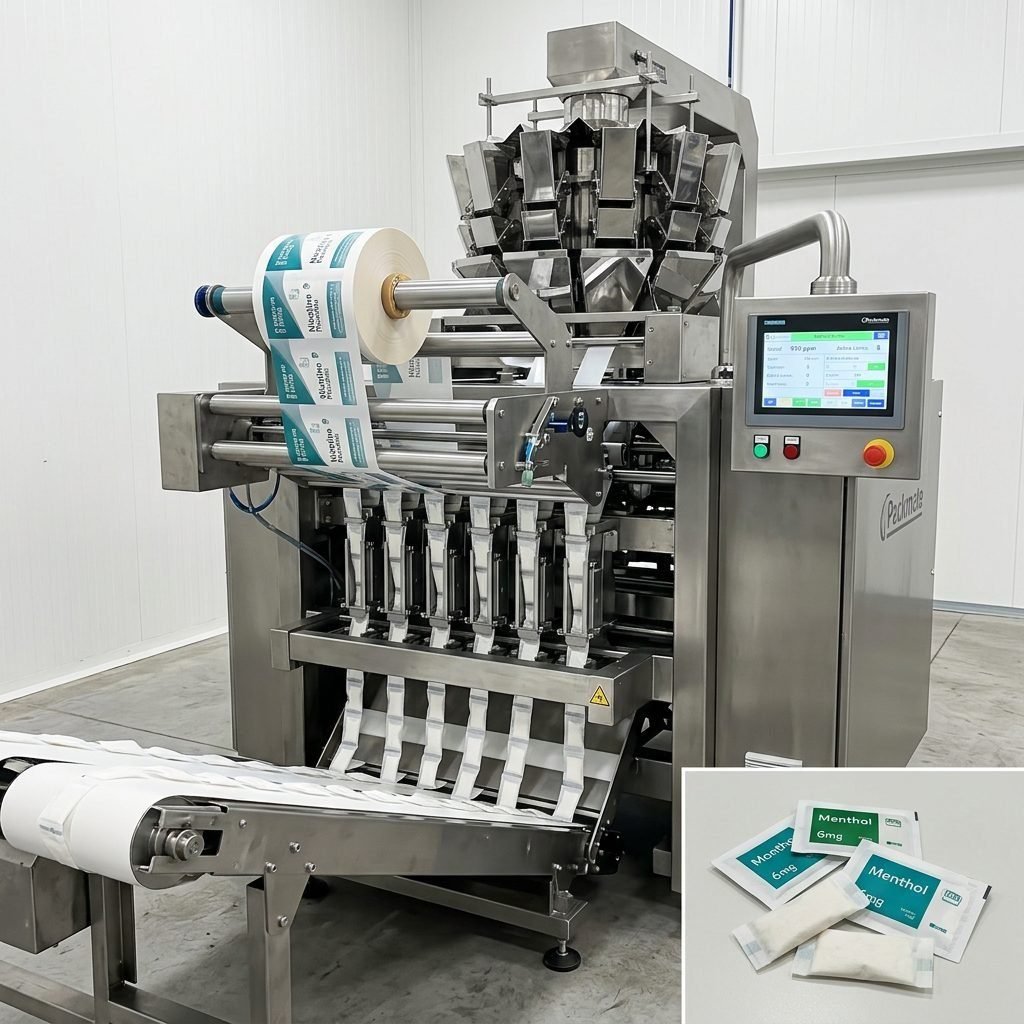
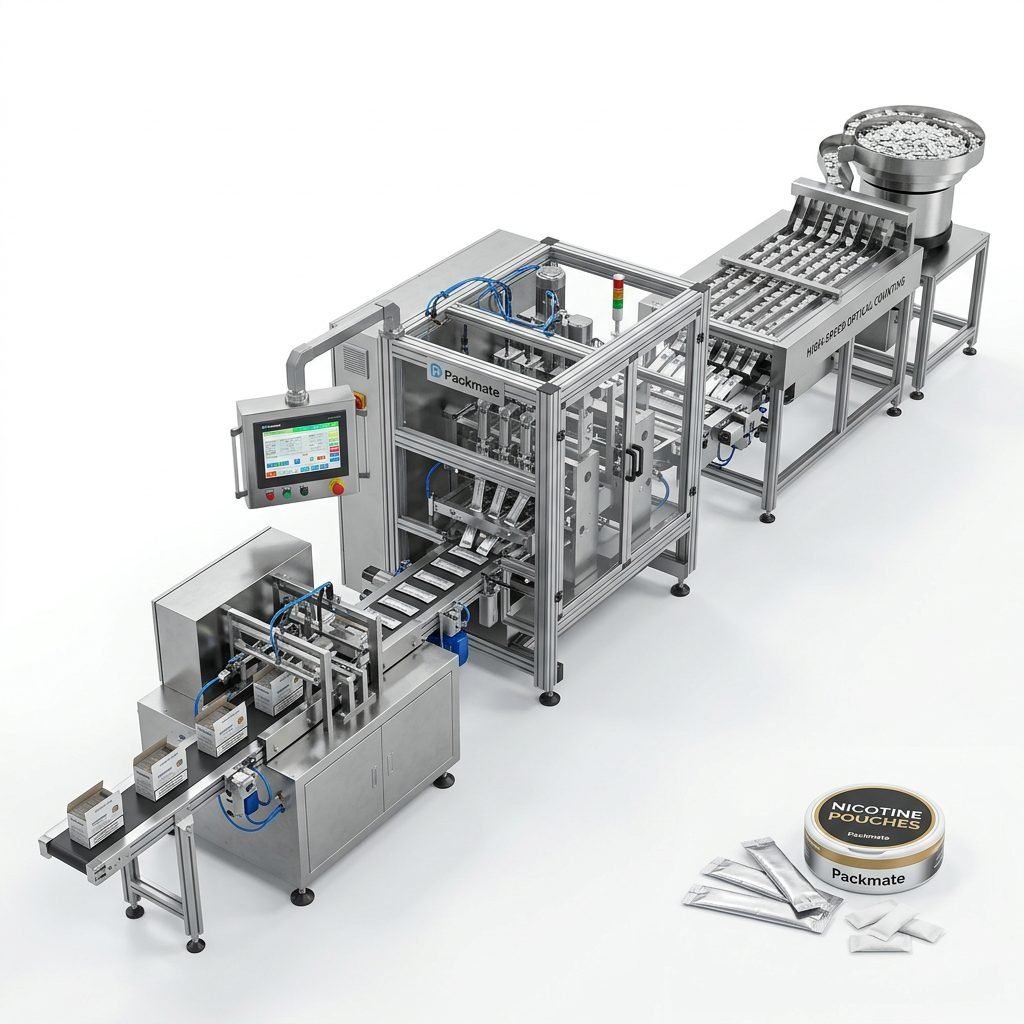
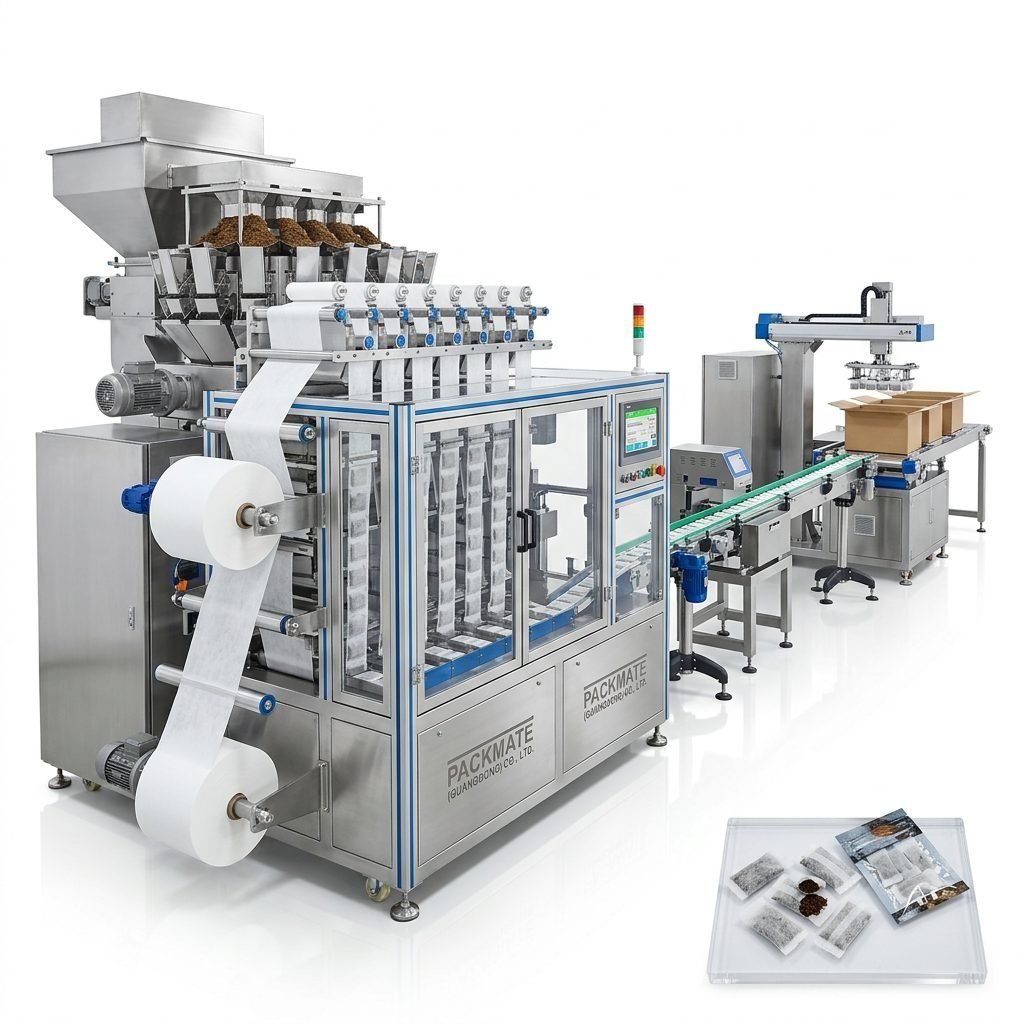
Look for a supplier offering machines specifically for nicotine pouches and snus — not just generic pouch machinery. Suppliers like Packmate specialize in snus and nicotine pouch packaging lines, including stick pack, sachet, and multi-lane systems. Having multiple machine models and turnkey capabilities means easier scaling when demand grows.
2. Manufacturing Strength, Certifications, and Quality Control
A strong factory with advanced CNC machining and precision assembly indicates stable quality. Certifications such as CE and ISO show the supplier meets international standards, which is useful when exporting finished products or seeking financing. Ask for quality testing records and performance data from the factory.
3. Customization and Turnkey Solutions
Nicotine pouch formats vary by market. A supplier who can offer customization — multi-lane pouch formats, stick pack options, or integrated weighing and filling — simplifies your line design. Turnkey suppliers provide conveyors, counting, labeling, and packing integration to deliver a ready-to-run production line.
4. After-Sales Service, Spare Parts, and Training
In Chad, on-site technical support may take longer due to distance. Ensure your supplier offers prompt spare parts supply, remote technical support, and training for local technicians. Contracts should specify lead times for critical parts and escalation procedures for emergencies.
5. Local Adaptation: Power, Climate, and Labor
Evaluate how machines handle voltage fluctuations, high ambient temperatures, dust, and limited air conditioning. Ask for recommendations on local filtration, protective enclosures, and dust seals. Also, check how easy the machine is to operate and maintain with available local skills; modular designs and clear documentation in French (Chad’s official language) are advantages.
6. References, Case Studies, and Exhibition Presence
Reliable suppliers can provide international customer references, factory visit arrangements, and case studies showing similar installations. Participation in global exhibitions indicates an active presence and confidence in product demonstration. Reviewing past projects helps predict real-world performance.
🔎 Tip: Review supplier case studies and video demonstrations, and request references from customers in similar climates or logistic conditions to Chad.
How to Vet a Supplier Step-by-Step
Step 1 — Compile a Shortlist
Start with suppliers known for nicotine pouch equipment and turnkey lines. Include manufacturers with a large factory footprint and diverse product lines. Online product pages and catalogs help sort contenders quickly.
Step 2 — Request Detailed Technical Documentation
Ask for machine specifications, electrical requirements, production capacity curves, and sample sealing tests. Request certificates (CE/ISO) and manufacturing facility photos. Evaluate whether machine tolerances meet your pouch weight and sealing standards.
Step 3 — Ask for a Factory Acceptance Test (FAT) or Video Demo
A FAT or live video demonstration proves the machine runs reliably on your product type. Confirm cycle rates, changeover time, and cleaning procedures. If feasible, witness a FAT in person — it’s the best way to verify quality.
Step 4 — Negotiate Terms: Warranty, Training, Shipping, and Installation
Ensure warranty coverage, spare part packages, technician training, and defined installation support. Because Chad’s logistics can be complex, clarify shipping terms (Incoterms), customs documentation, and local vs. supplier responsibilities for installation and commissioning.
Considerations Specific to Chad and the Sahel Region
Understanding local customs, infrastructure, and regulatory sensitivities helps tailor supplier choice:
📍 Language & Documentation — French is widely used in formal business; request manuals and training in French where possible.
⚡ Power Stability — Plan for voltage stabilizers, UPS systems, or generator integration to protect sensitive PLCs and servo systems.
🌡 Climate — Machines should have dust protection and components rated for high ambient temperatures common in the Sahel.
🛃 Import & Customs — Suppliers experienced in African exports can provide correct HS codes and export docs to ease customs in N’Djamena.
Questions to Ask Potential Suppliers
When speaking with a supplier, use a standard checklist to compare offers objectively. Important questions include:
• What are the exact production rates for my pouch format and target weight?
• Can you demonstrate product runs with similar materials during a FAT or video demo?
• What are the recommended spare parts and their lead times to Chad?
• Do you provide installation and on-site commissioning, and what is the typical duration?
• Can you adapt the machine to operate with local power conditions or provide recommended electrical packages?
How Packmate (Example Supplier) Aligns with Chad Market Needs
Consider suppliers with 30+ years of engineering experience and factory capabilities such as Packmate, which focuses on snus and nicotine pouch packaging with a 20,000㎡ facility, advanced CNC machining, and 50+ machine models. Such suppliers offer:
• Multi-lane systems for small-dose pouches that maximize throughput and reduce footprint.
• Turnkey lines including weighing, filling, sachet/stick pack units, and auxiliary equipment.
• International certifications (CE/ISO) that assist with cross-border compliance and financing.
Learn more about Packmate’s product range and turnkey solutions via their product pages for Snus & Nicotine Packaging Machines, Bag & Pouch Packaging Machines, and Filling & Packaging Lines.
Useful links:
• Snus & Nicotine Packaging Machines
Logistics, Installation, and Local Partnerships
Plan for shipping to N’Djamena or a regional port. Suppliers with export experience can provide consolidated packaging, special crates, and documentation to facilitate customs. Also consider local partner companies for installation and maintenance: a local engineering firm or machine shop can reduce downtime by stocking critical spares.
Budgeting: Total Cost of Ownership (TCO)
Evaluate machines by TCO rather than initial price alone. TCO includes energy consumption, spare parts, downtime costs, installation, training, and consumables. A slightly higher initial investment in more robust machines often pays off in a harsher operating environment.
Preparing Your Facility in Chad
Before shipment, prepare your production area:
• Electrical layout with stabilizers and backup power options.
• Dust control and HVAC considerations to maintain product integrity.
• Receiving area for crates and a secure storage location for spare parts.
• Trained staff scheduled for installation and commissioning days.
Negotiation and Contract Tips
Insist on clear milestones: delivery date, FAT completion, shipping, installation start and acceptance tests. Include clauses for penalties or remedies for missed timelines. Secure a spare parts kit and at least one year of remote support in the contract.
Final Checklist Before You Sign
✔ Machine specs validated for your pouch format and target yield.
✔ FAT or real run video verified with your materials.
✔ Clear warranty, spare parts, and support agreements.
✔ Logistics and customs plan for import to Chad finalized.
Conclusion: Steps to Move Forward
Selecting the right nicotine packaging machinery supplier for Chad combines technical verification with practical local planning. Prioritize suppliers with nicotine-specific expertise, strong factory capabilities, clear after-sales commitments, and export experience. Conduct FATs, validate spare parts logistics, and prepare your facility to receive and run the line reliably. With the right partner, your nicotine pouch production will scale efficiently while meeting quality and regulatory demands.
Common Questions (FAQs)
Q1: What basic documentation should I request before ordering a line?
A1: Request machine drawings, electrical requirements, FAT report or demo video, CE/ISO certificates, spare parts list, and a proposed installation plan.
Q2: How long does it typically take to install and commission a nicotine pouch line in Chad?
A2: Typical installation and commissioning take from 2 to 6 weeks depending on line complexity, customs clearance time, and local site readiness.
Q3: What spare parts should I stock locally to minimize downtime?
A3: Stock belts, sealing jaws, PLC fuses, sensors, servo motor controllers, and small mechanical wear parts. Your supplier can recommend a starter kit tailored to your machine.
Q4: Can machines run reliably with Chad’s power conditions?
A4: Yes, with proper electrical protection (stabilizers, UPS, or generator integration) and supplier guidance on voltage tolerances. Choose machines with robust electronics and enclosed components for dust protection.
Q5: How do I verify the supplier’s claims about nicotine packaging experience?
A5: Ask for customer references, FAT videos with nicotine/similar products, and documented case studies. Visiting the supplier or attending an exhibition where they present machines is highly recommended.