Choosing the right nicotine packaging machinery supplier for your factory in Syria is a strategic decision that affects production efficiency, regulatory compliance, and long-term profitability. This guide walks you through practical, locally-aware steps to evaluate suppliers, compare machines, and secure after-sales support—so your line starts reliably and stays productive through seasonal, logistical, and regulatory challenges unique to the Syrian market.
Why choosing the right supplier matters in Syria 🔎
A reliable supplier delivers more than just machines: they provide local adaptation, spare parts access, timely technical support, and compliance documentation. In Syria, where logistics and import procedures can be complex, having a supplier experienced in cross-border shipments and customs requirements can be the difference between smooth installation and prolonged downtime.
Key local considerations: delivery timelines, Arabic documentation, electrical compatibility, and Ramadan/workflow scheduling.
Understand the product & machine types you need 📦
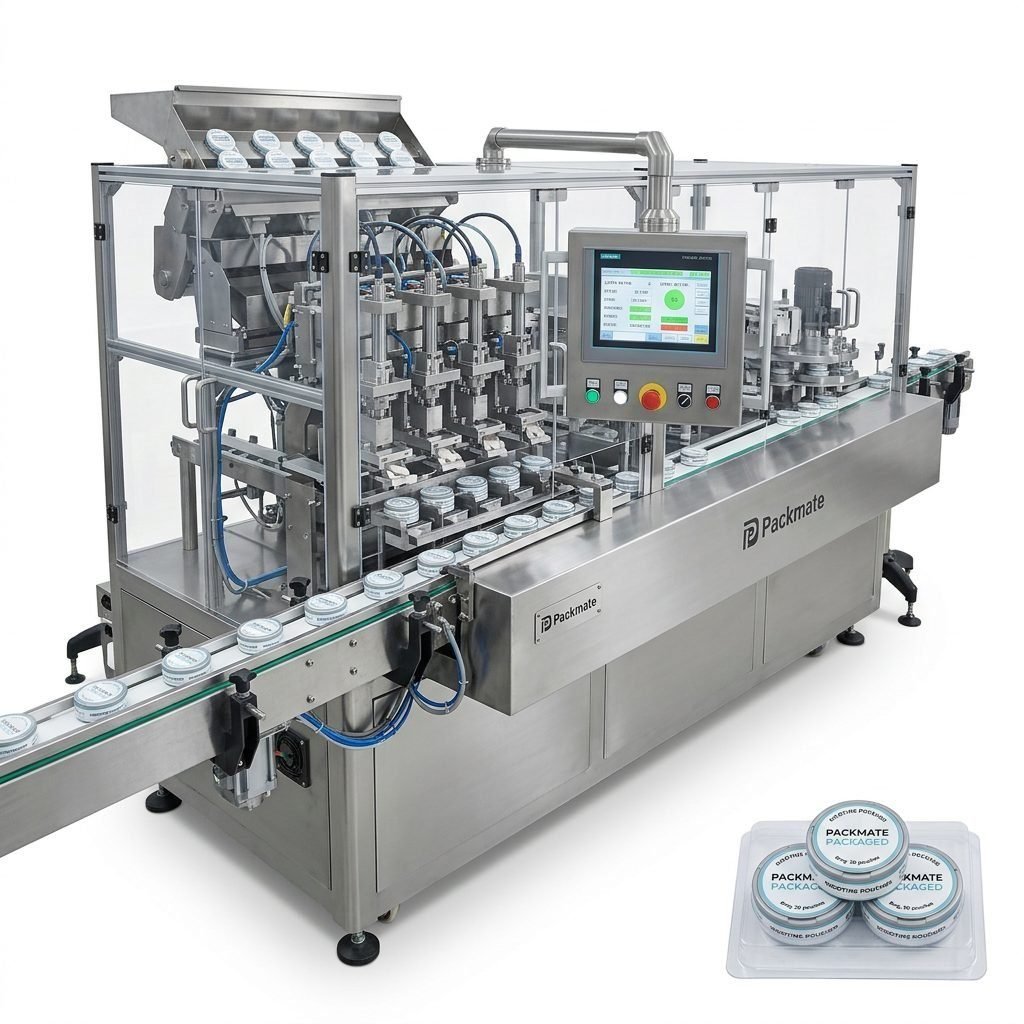
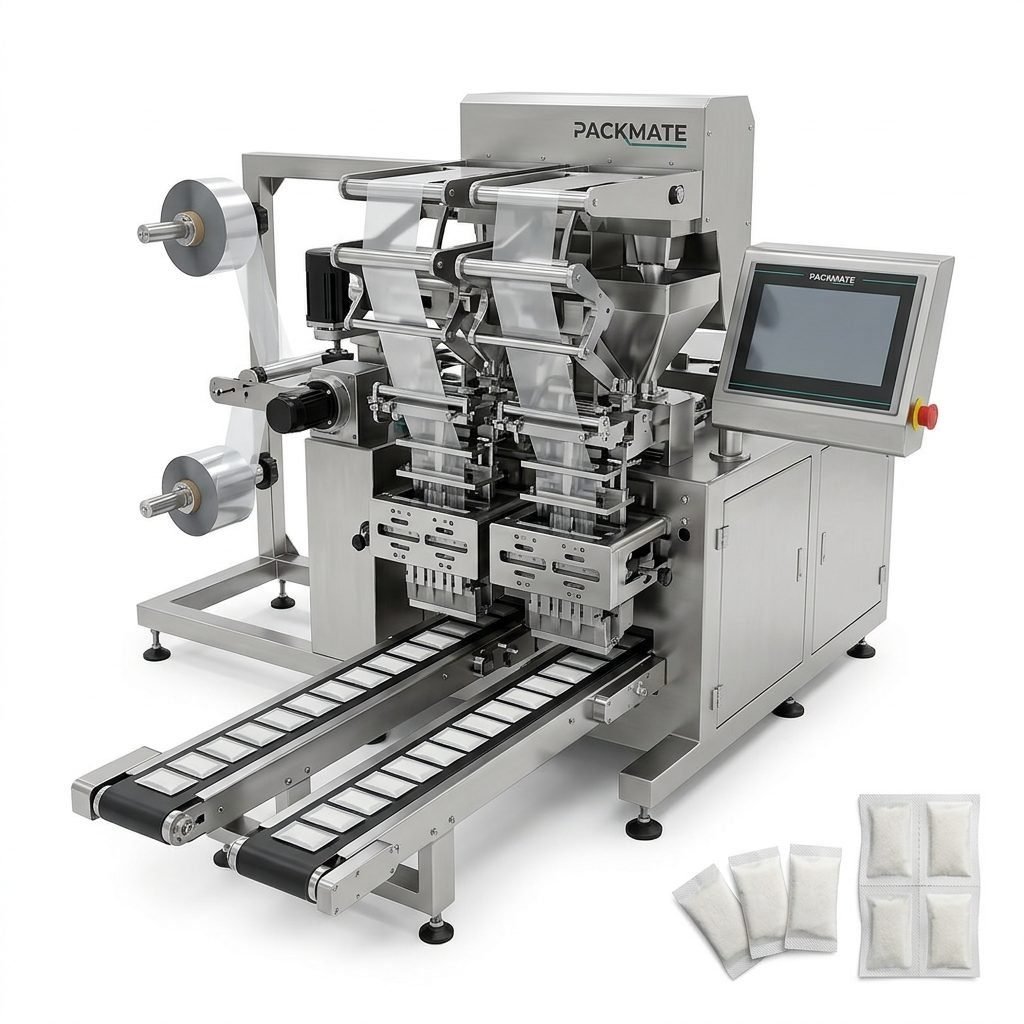
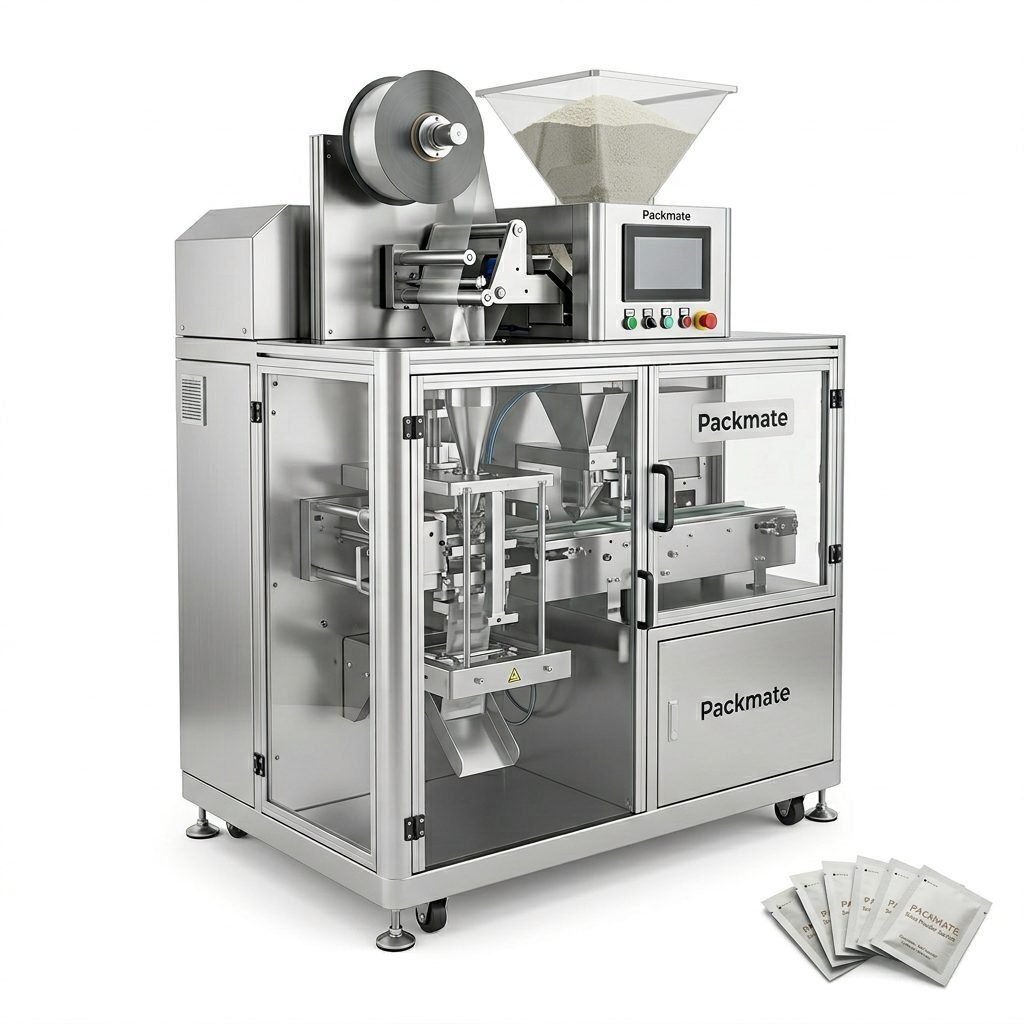
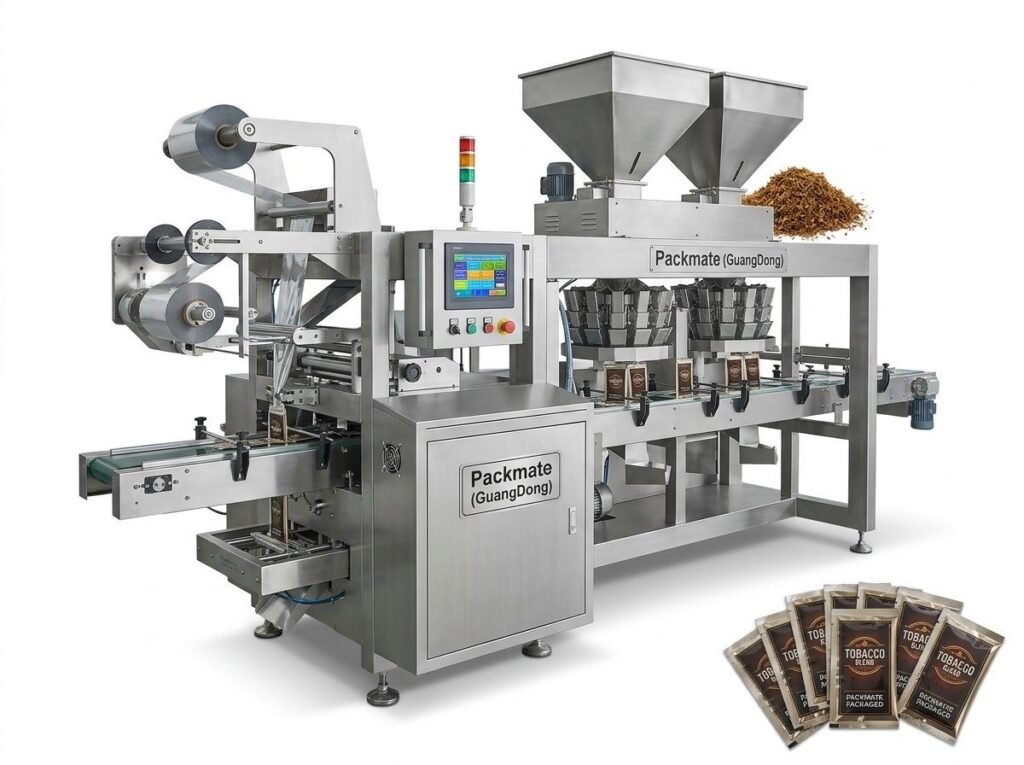
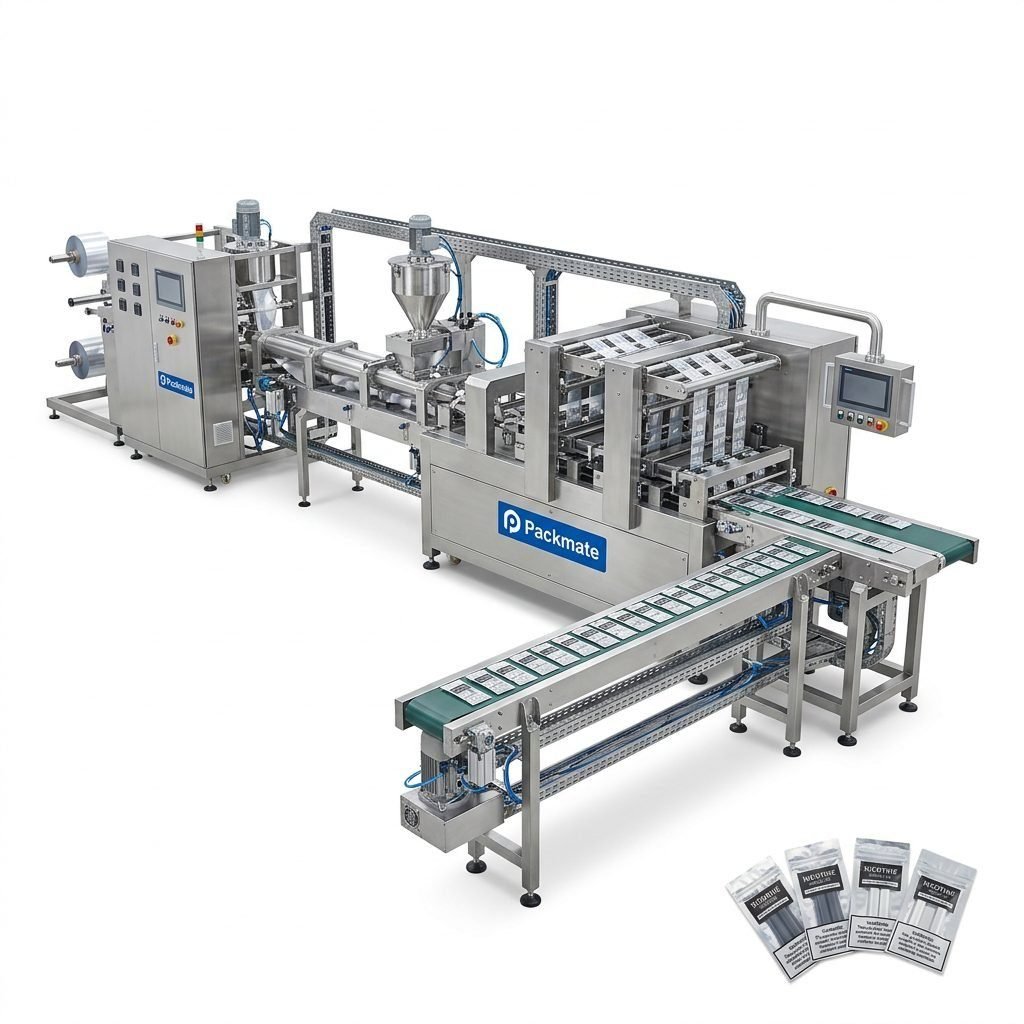
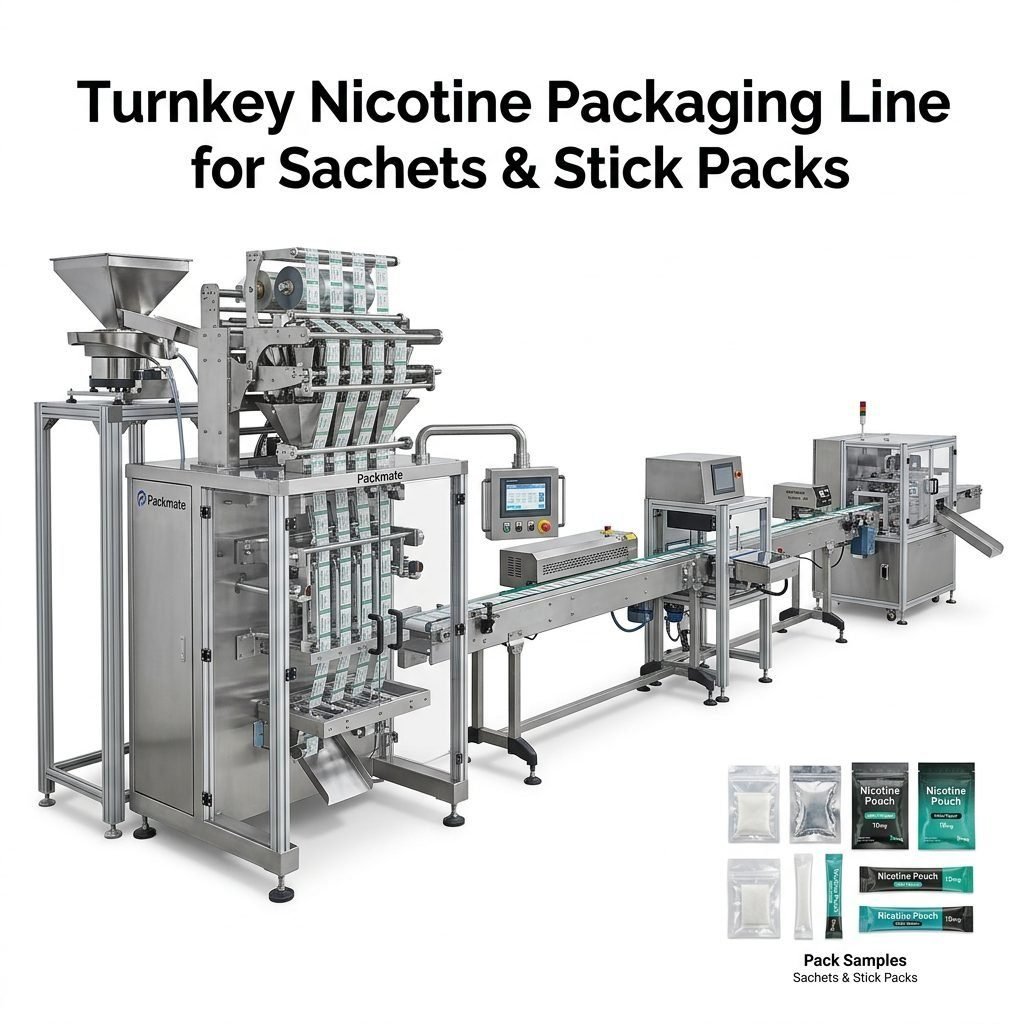
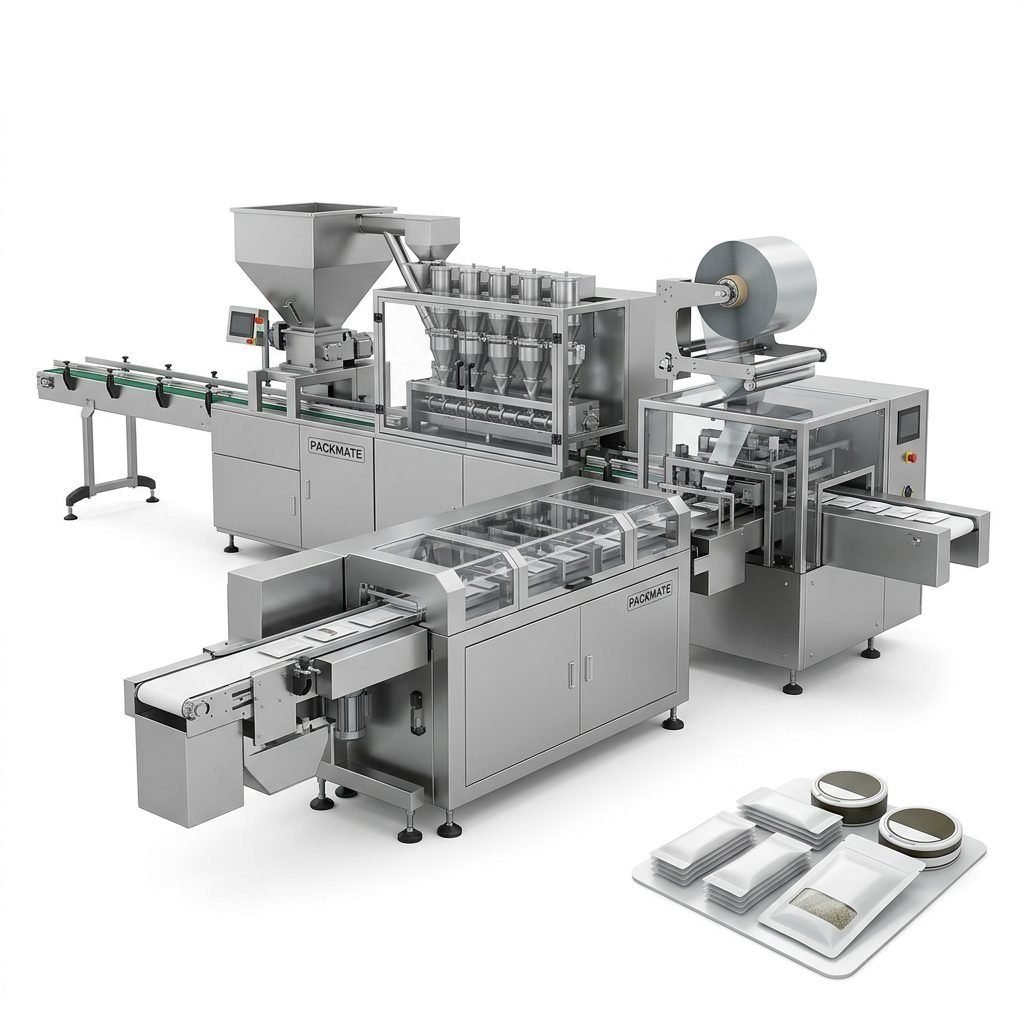
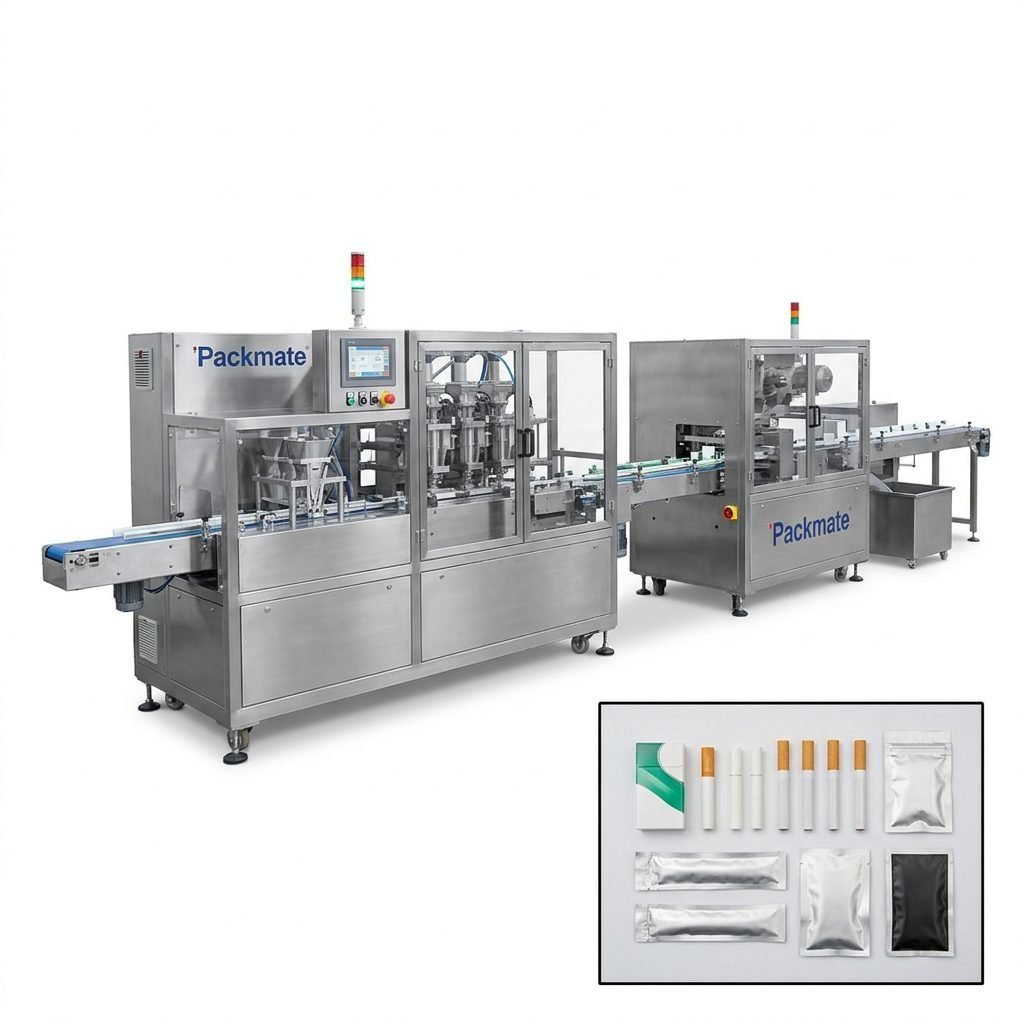
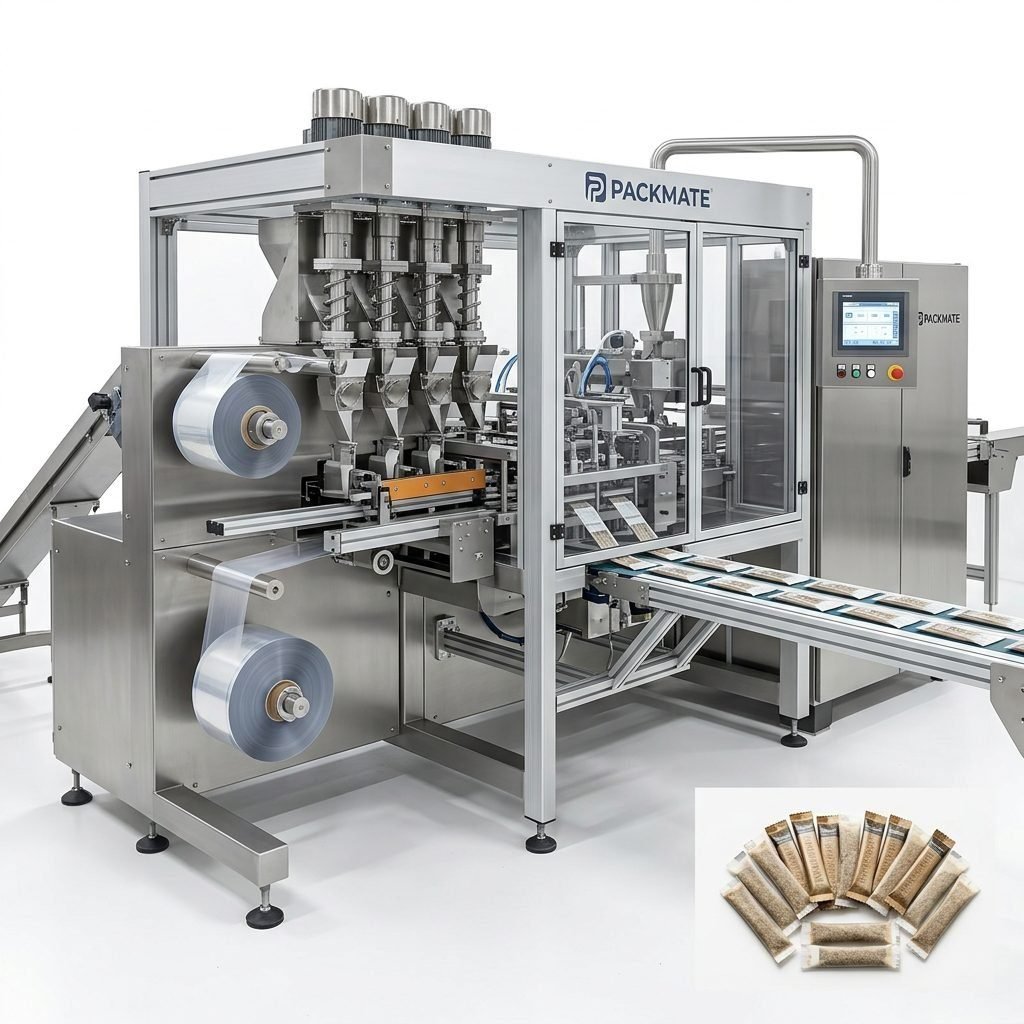
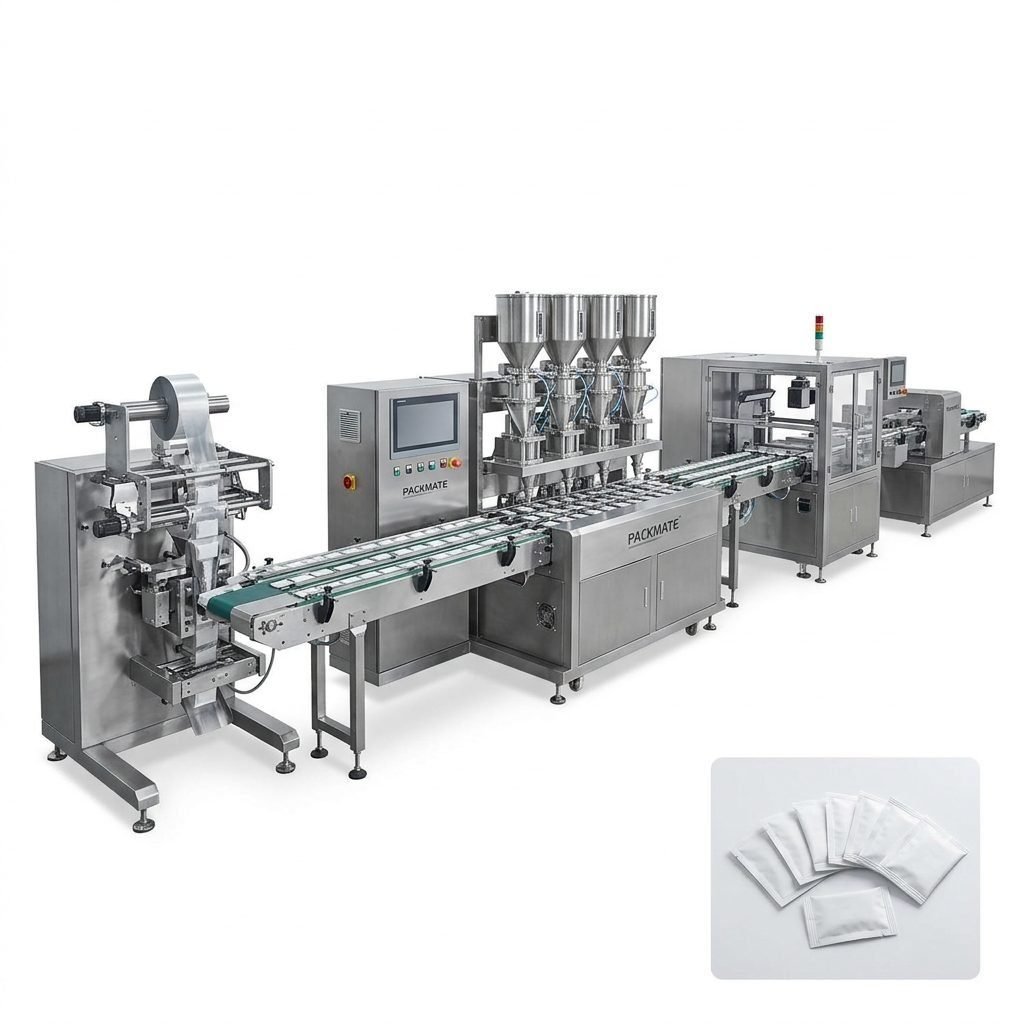
Nicotine pouch and snus packaging can be done on a range of equipment: stick pack, sachet, multi-lane pouch machines, and specialized snus pouch lines. Match the machine type to your product format and target market. For example, small-dose nicotine pouches and snus products often require high-precision multi-lane systems to keep labor and unit cost low.
Learn about specific machine categories and options before contacting suppliers: Snus & Nicotine Packaging Machines, Sachet & Stick Pack Machines, and Bag & Pouch Packaging Machines.
Technical checklist: what to evaluate ⚙️
Use this checklist when assessing machines and proposals:
🔹 Capacity & speed: sachets per minute, lanes, and expected uptime under real operating conditions.
🔹 Accuracy & dosing: weighing or volumetric filling accuracy for nicotine doses—critical for product safety and compliance.
🔹 Material compatibility: foil, laminated films, biodegradable options; ensure the machine supports your chosen materials.
🔹 Automation level: infeed, outfeed, labeling, and integration with weighing systems—higher automation reduces labor but increases upfront cost.
🔹 Footprint & utilities: factory floor space, electrical phase and voltage, compressed air, and environmental conditioning required for reliable operation in Syria’s climate.
Supplier capability & credibility ✅
Evaluate the supplier’s factory, certifications, and track record. Suppliers that produce machines in a modern factory with CNC machining centers and formal quality systems are more likely to deliver consistent equipment. Request evidence: factory photos, certification documents (CE, ISO), and references from similar projects.
Check the supplier’s case studies and exhibition participation to gauge global presence and after-sales footprint: Case and Our Exhibition.
Quality assurance & certifications
Prefer suppliers whose machines comply with international standards and come with test certificates. CE and ISO compliance is a good baseline; also ask for factory acceptance test (FAT) reports and material certificates. Suppliers often provide pre-shipment video demos and test packs—review these carefully.
After-sales service, spare parts & training 🛠️
A strong service package should include:
🔸 Rapid spare parts supply channel and clear parts catalog.
🔸 Remote troubleshooting via video or PLC remote access, especially important when international travel is restricted.
🔸 On-site installation and commissioning, plus operator and maintenance training—ask whether training materials are available in Arabic and English.
For service offerings and warranty details, review supplier pages such as Service.
Commercial terms: price vs value 💰
Price is important but should be weighed against total cost of ownership. Consider energy consumption, downtime risk, spare parts pricing, training costs, and integration needs. Negotiate an inclusive package: machines, FAT, spares kit, documentation, training, and a clear warranty.
Ask about payment terms suitable for Syrian importers—letters of credit, staged payments tied to milestones (FAT, shipment, installation) help manage risk.
Logistics, customs & installation in Syria 🚚
Plan logistics carefully—heavy machinery shipments require correct HS codes, complete packing lists, and proper insurance. Ensure the supplier provides:
• Detailed export documentation and assistance with customs clearance.
• Advice on local electrical compatibility and environmental controls for hot, dry summers and dusty conditions common in parts of Syria.
• Recommendations for local installation partners or on-site engineers if international travel faces delays during certain seasons or holidays.
Cultural & business etiquette in Syria 🇸🇾
Building trust is central to business in Syria. Prioritize clear communication, respect for local holidays (Ramadan, Eid), and consider providing Arabic-language technical documents. Face-to-face meetings (or reliable video calls) and transparent timelines strengthen relationships. Local partners often value long-term collaboration over one-off transactions—position agreements as ongoing support and partnership.
Factory visits and supplier audits 🏭
If possible, conduct a factory audit or request a live demonstration during an exhibition. Seeing the supplier’s manufacturing capabilities and quality control in person reduces risk. For remote audits, ask for high-resolution videos of production, assembly lines, and test runs, and ask for customer references you can speak with directly.
Integration with your production line & scalability 🔗
Evaluate how the new machine will integrate with upstream and downstream processes: filling, weighing, secondary packaging, and case packing. Suppliers who offer complete turnkey solutions—including weighing & packaging systems—simplify integration: Weighing & Packaging Systems.
Red flags to watch for ⚠️
• Vague after-sales commitments or missing spare parts lists.
• No factory or FAT evidence, or refusal to provide machine operation videos.
• Excessively long lead times without a clear schedule or milestone payments tied to progress.
Sample procurement & pilot runs 🧪
Before committing to a full production line, request sample packs produced on a candidate machine to verify seal quality, dose accuracy, and aesthetic consistency. Some suppliers will run pilot production at their factory; these pilot runs are invaluable for tuning settings and confirming consumables compatibility.
Consider contractual terms that allow acceptance based on trial production results and provide remedies if the machine fails to meet agreed KPIs.
How Packmate (example supplier) supports global customers 🌍
Suppliers like Packmate Snus Machine combine decades of engineering with modern production facilities. With a 20,000㎡ factory, advanced CNC centers, and a portfolio of snus and nicotine packaging solutions, they provide customizable lines and worldwide technical support. If you want to explore more about such providers, check their detailed company information: About Packmate and their product catalog: Catalog.
Step-by-step selection summary ✔️
1. Define product format, target yield, and material specs.
2. Shortlist suppliers with proven machines and verifiable references.
3. Request FAT, sample packs, and transparent quotations with spares and service included.
4. Negotiate commercial terms tied to milestones and confirm logistics support for Syria.
5. Plan installation, training, and a spare parts stock for the first year of operation.
Final tips for Syrian buyers 📝
Build a relationship-oriented partnership with your supplier. Ask for Arabic manuals where possible, align installation dates outside major holidays, and ensure spare parts kits are shipped with the first consignment. Local partners or agents can simplify customs clearance and provide in-country support during warranty periods.
For quick access to product lines and technical resources, visit the supplier’s product pages and contact channels, such as their Contact Us page.
Frequently Asked Questions (FAQs)
Q1: What documentation do I need to import packaging machines into Syria?
A1: You typically need a commercial invoice, packing list, bill of lading, certificate of origin, machine manuals, and any applicable certificates (CE/ISO). Work with your supplier and customs broker to confirm current requirements and HS codes.
Q2: How long does it take to receive and commission a nicotine pouch packaging line?
A2: Lead times vary by model and customization. Standard delivery may range from 8–20 weeks including manufacturing and shipping. Add 1–4 weeks for customs clearance and 1–2 weeks for on-site commissioning—always confirm with your supplier.
Q3: What spare parts should I stock for the first year?
A3: Essential items include sealing jaws, belts, sensors, PLC spare modules, and wear parts for dosing and cutting. Suppliers usually provide a recommended spare parts kit—purchase this alongside the machine.
Q4: Can I get training in Arabic for my operators?
A4: Many suppliers offer bilingual documentation and training. Request Arabic-language manuals and on-site or remote training tailored to your team’s skill level before finalizing the order.
Q5: How do I verify a supplier’s performance before buying?
A5: Ask for FAT videos, factory audits, references in your region, and sample packs. Visiting exhibitions or the supplier’s factory (when possible) provides direct validation of manufacturing capability and quality control.