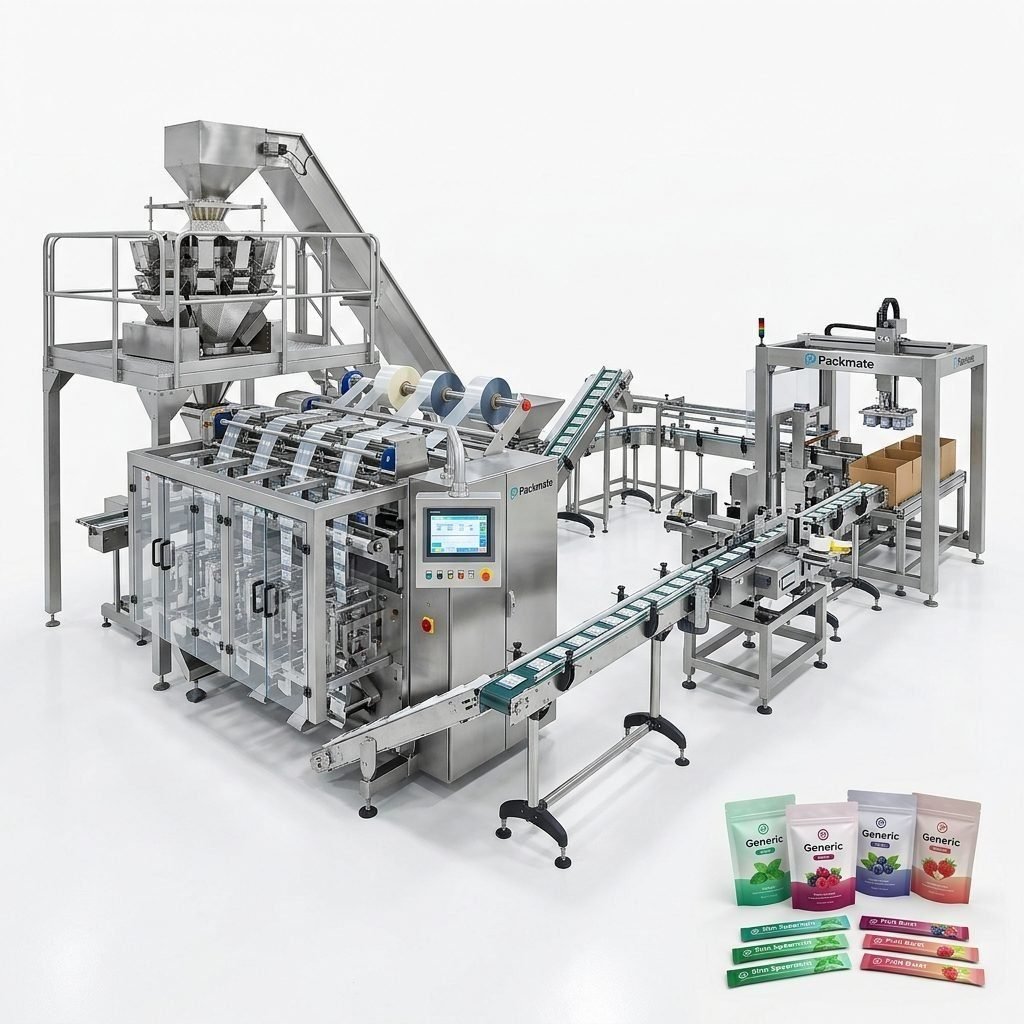
Understanding the real cost of a snus production line is crucial whether you are launching a new nicotine pouch brand or upgrading existing packaging capacity. This guide breaks down one of the most common investment decisions in the snus packaging industry: how much does a complete snus production line cost, what drives that cost, and how to plan for long-term returns.
🔍 Major Cost Components of a Snus Production Line
A typical snus or nicotine pouch production line includes multiple modules. Knowing the cost of each module helps you build accurate budgets and compare suppliers effectively:
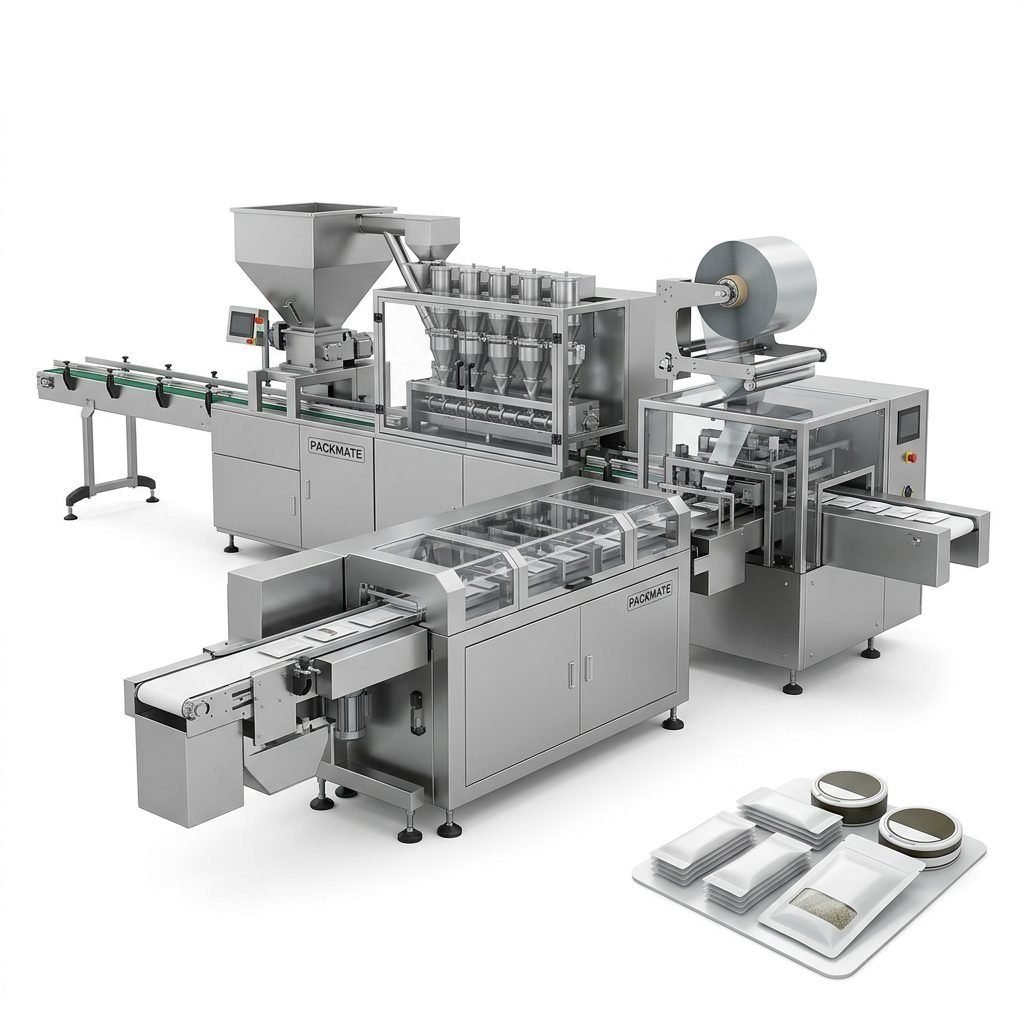
Primary modules: feeding & weighing systems, pouch forming/filling/sealing units (stick, sachet, or multi-lane), date/printing units, case/carton packing machines, and auxiliary equipment (conveyors, metal detectors, checkweighers). Each module contributes a sizeable portion of the total investment.
💰 1. Core Machines
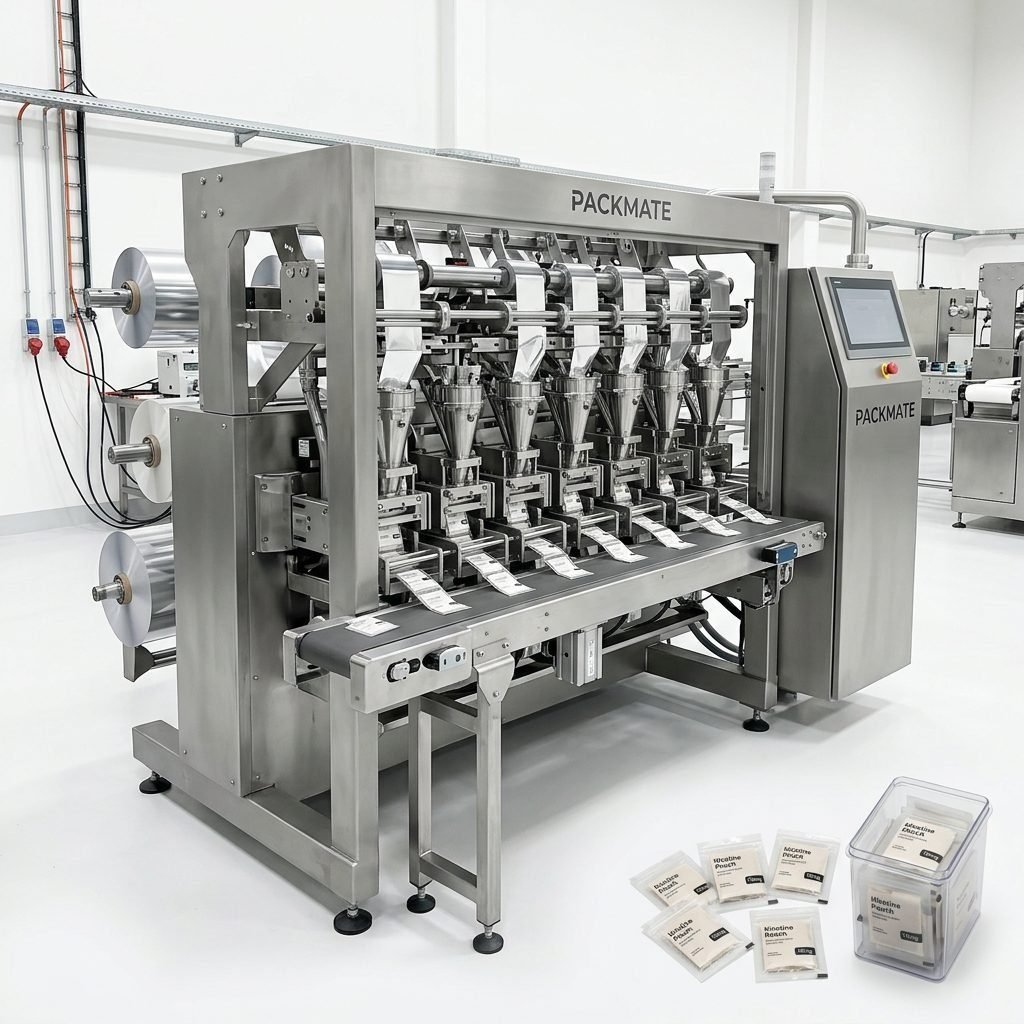
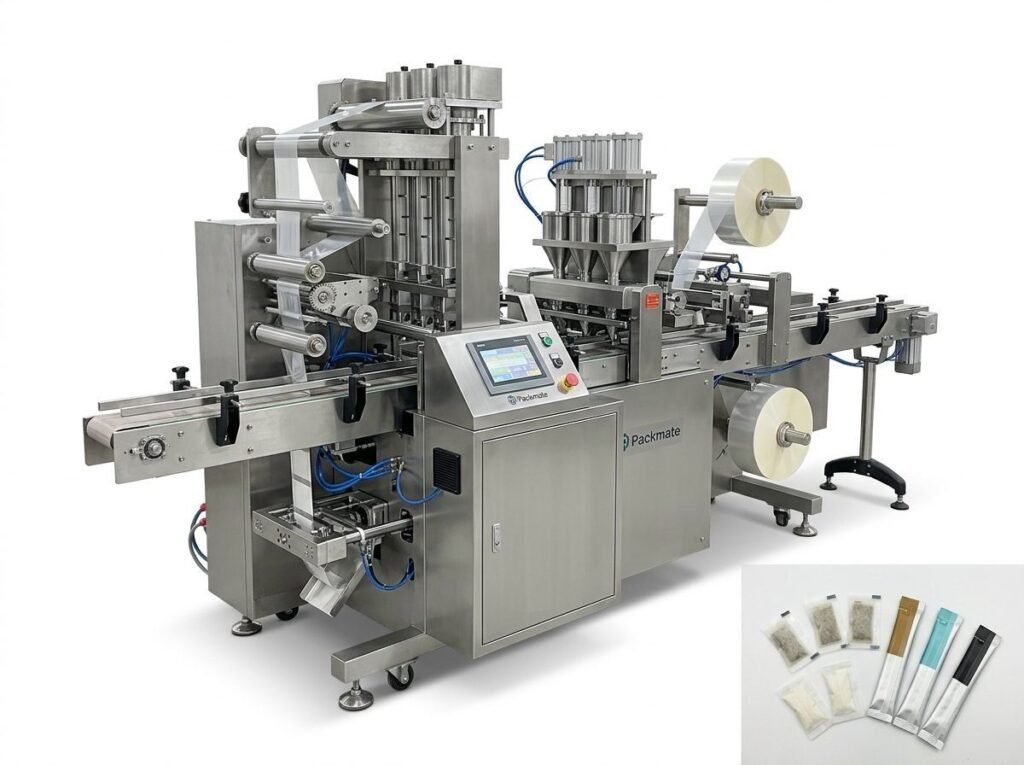
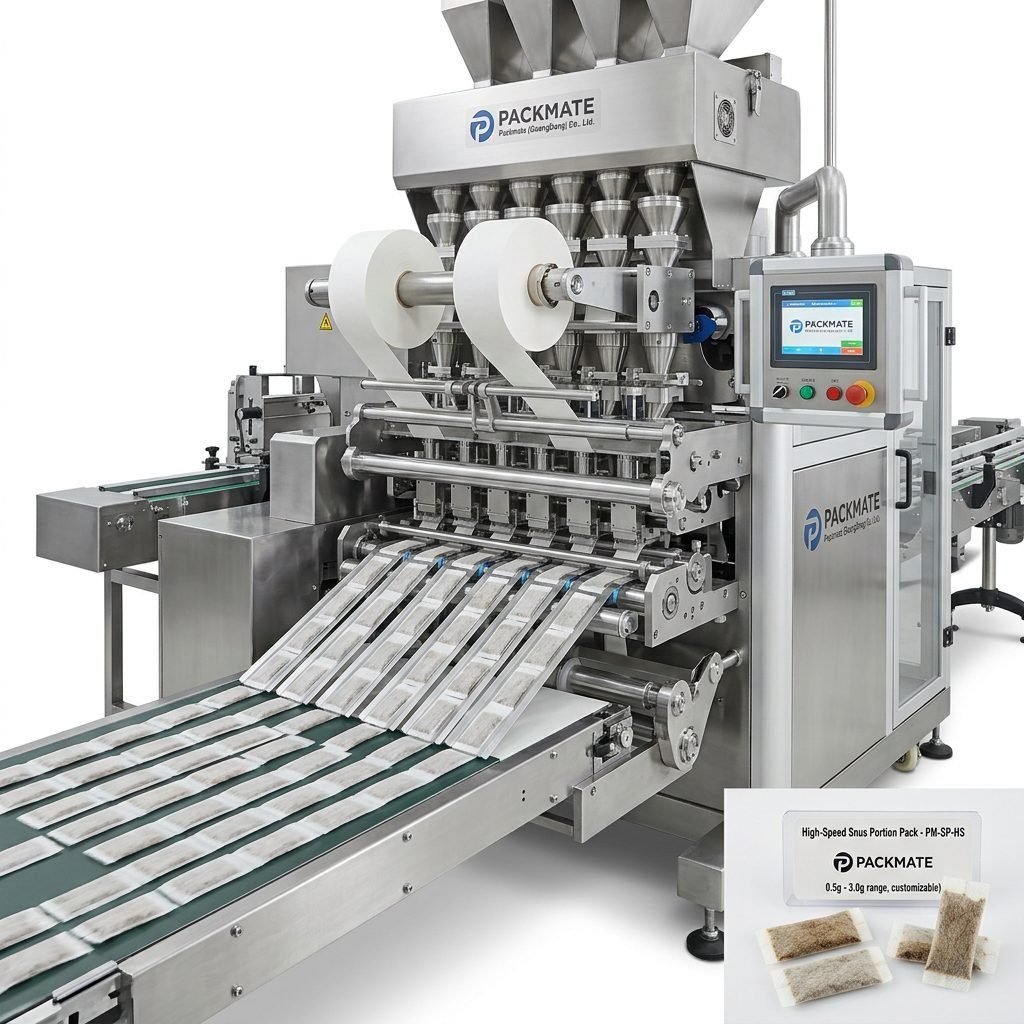
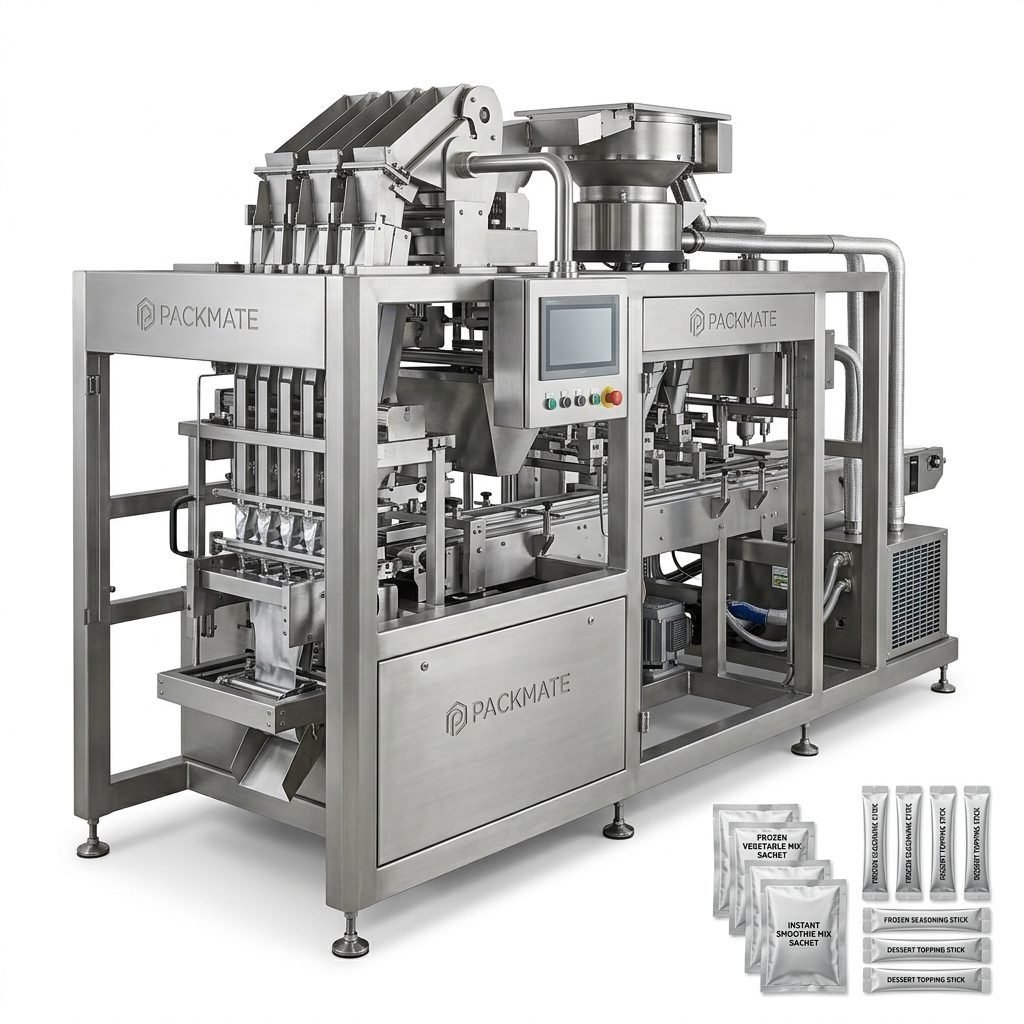
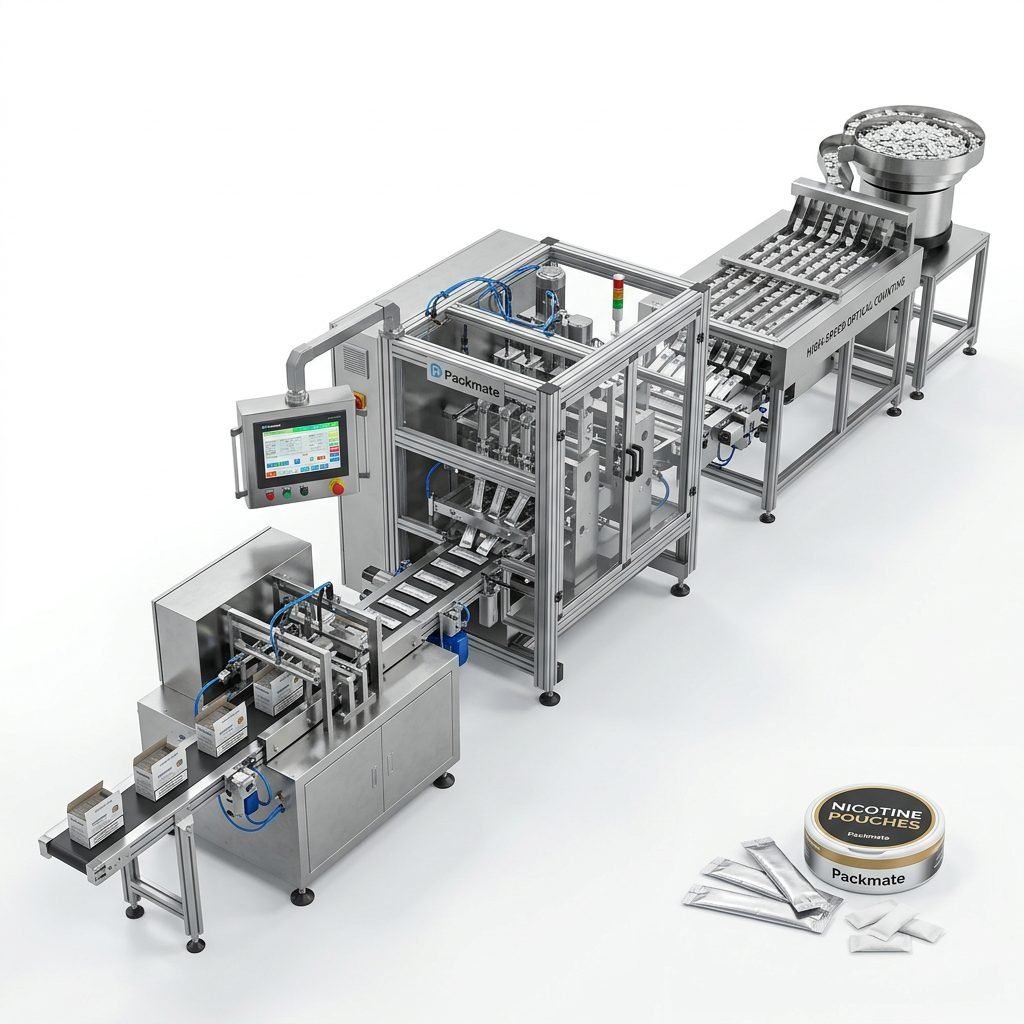
Core equipment includes the snus pouch packing machine (stick pack, sachet, or multi-lane nicotine pouch machine). Prices vary dramatically by capacity, automation level, and precision. Entry-level single-lane machines start at a lower price point, while high-speed multi-lane systems designed for small-dose pouches command a premium.
Typical range: from modest systems (suitable for startups) to advanced lines for large OEMs. Expect tens of thousands to several hundred thousand USD for core machines depending on configuration.
🔧 2. Weighing, Filling & Upstream Equipment
Accurate dosing is essential for nicotine pouch products. Electronics-grade weighers, auger fillers, and feed systems increase both product quality and capital cost. Integrated multi-head weighers and high-precision feeders are more expensive but reduce material waste and ensure regulatory compliance.
Note: investing in reliable weighing systems lifts overall yield and can lower cost-per-unit over time due to reduced giveaway and rework.
📦 3. Downstream & Packaging Integration
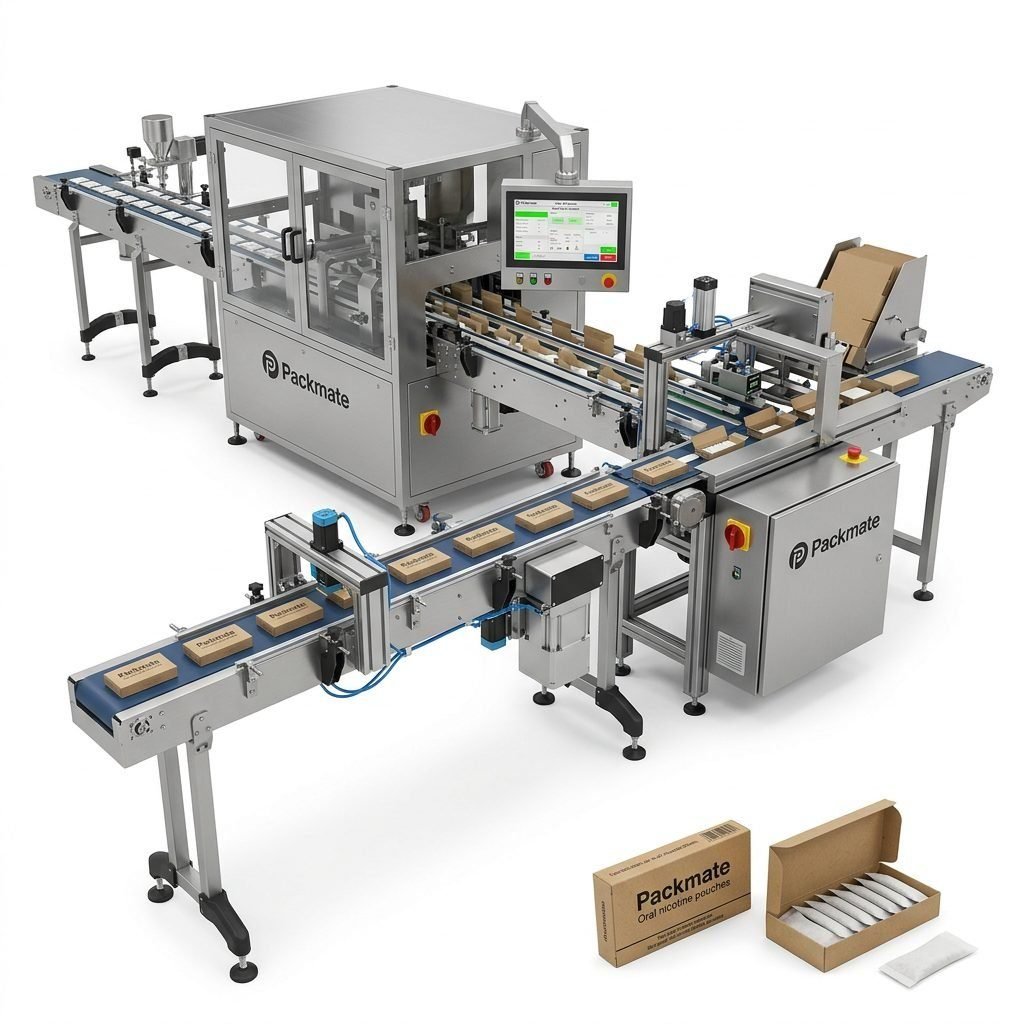
Cartoning, case packing, and palletizing systems add substantial cost but are required for a truly automated line. Seamless integration and synchronized speed between upstream and downstream modules are crucial to avoid bottlenecks.
Factors That Drive Price Variation
Not all production lines are created equal. Price variations stem from several factors:
● Capacity & Speed: Higher throughput requires more robust components, additional lanes, and stricter synchronization—each increasing cost.
● Precision & Tolerance: Small-dose pouches require high-precision dosing and filling systems, which are pricier.
● Material Handling: Custom feeders for powders, granules, or tobacco blends can increase engineering costs.
● Automation Level: Turnkey lines with robotics and fully automated cartoning will cost more than semi-automatic setups.
● Regulatory & Certification Requirements: Compliance (CE, ISO) and specialized sanitation or containment features add to cost.
Estimated Price Band: Real-World Benchmarks
While precise pricing requires a quotation based on your product and capacity, the following bands serve as a helpful starting point for budgeting:
Entry-level setup (startup): basic stick or sachet packaging machine plus small-scale filler and basic downstream equipment — typically in the lower tens of thousands to low six-figures USD.
Mid-level turnkey line: integrated weighing, multi-lane packing (moderate speed), cartoner and QC — typically mid-to-high six-figures USD.
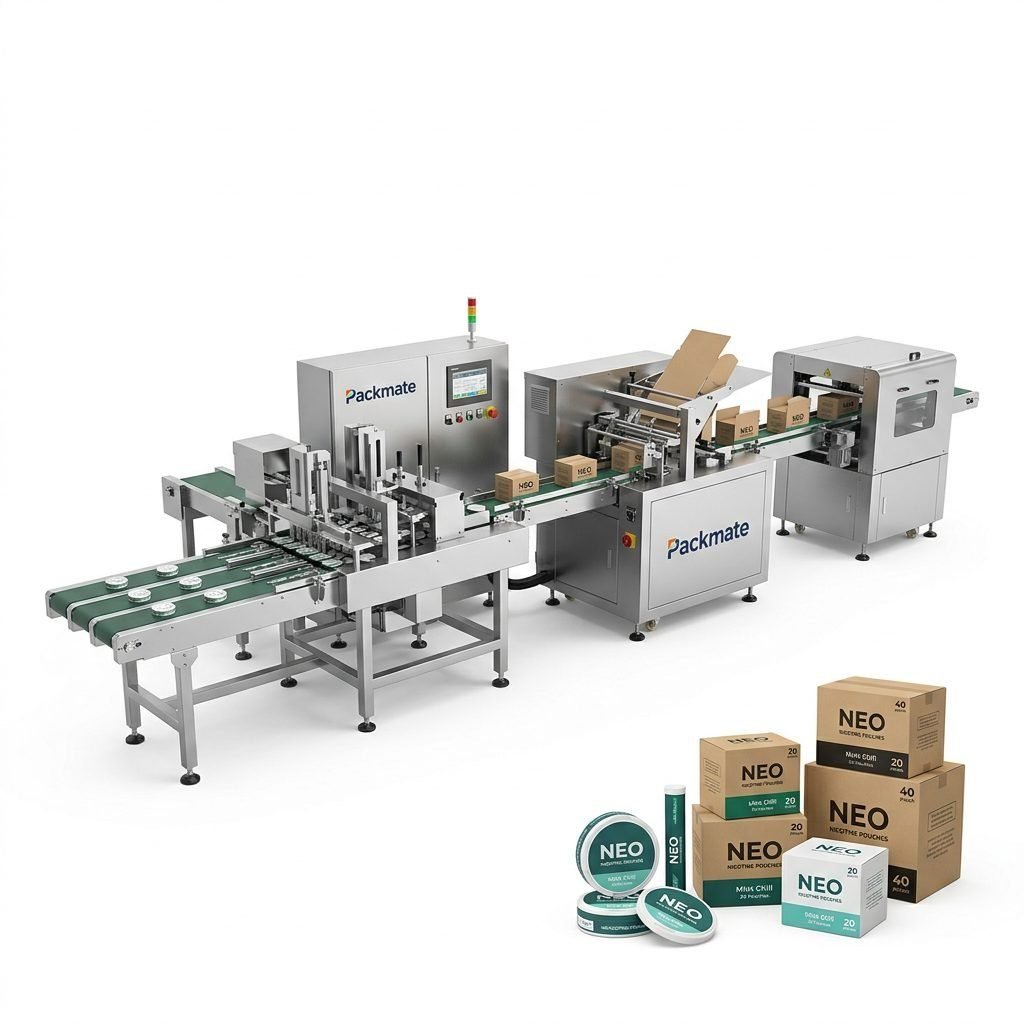
High-capacity turnkey production line: advanced multi-lane systems (high-precision small-dose snus/nicotine pouch production), full automation, and heavy-duty downstream — can reach seven-figure investments depending on features.
Operational Costs & Total Cost of Ownership
Purchase price is only part of the investment equation. Consider operational expenses to determine the true long-term cost:
Operating costs include: labor, utilities, spare parts, maintenance contracts, calibration and validation, consumables (films, seals, adhesives), and compliance testing. These typically add 5–20% annually of capital value, depending on automation and local labor costs.
📈 ROI Considerations
Return on investment depends on production efficiency, product pricing, yield, and uptime. Higher initial capital for precision equipment often pays back through reduced material waste, increased throughput, and lower labor cost per unit.
Rule of thumb: calculate expected units per month, expected margin per unit, and downtime estimates. A reliable supplier will help model expected payback periods under conservative and optimistic scenarios.
Why Choose Experienced Manufacturers?
Partnering with an experienced manufacturer reduces hidden costs and deployment risk. Look for providers with proven snus machine expertise, robust shop floor capabilities, and global service reach.
Packmate Snus Machine, with over 30 years of engineering experience and a 20,000㎡ manufacturing facility, offers a range of snus packaging solutions from single machines to complete turnkey lines. Explore their product offerings for specifics: Snus & Nicotine Packaging Machines, Bag & Pouch Packaging Machines, and Weighing & Packaging Systems.
✅ Value-Added Services to Look For
When comparing suppliers, prioritize those that provide:
• Turnkey integration and FAT/SAT testing
• On-site installation and commissioning
• Training, spare parts packages, and maintenance contracts
• Compliance documentation (CE/ISO) and validation support
Practical Steps to Get an Accurate Quote
To obtain realistic quotes, prepare key details for suppliers:
• Desired monthly throughput (units/month)
• Product specifications (weight range, pouch type, dimensions)
• Target automation level and downstream requirements
• Materials to be used (film type, pouch material) and regulatory constraints
• Budget range and expected timeline
Case Examples & Real Deployments
Reviewing real case studies helps set realistic expectations for cost and performance. You can view deployment examples and project references to benchmark solutions and past outcomes.
Visit the manufacturer’s project gallery for specific case studies: Case.
Negotiation Tips & Financing Options
Good negotiation and financing strategies can make advanced systems accessible:
• Ask for modular proposals that allow phased investment.
• Request long-term spare-parts pricing or guaranteed uptime contracts.
• Explore leasing or equipment financing to spread capital expenditure.
• Negotiate training, commissioning, and initial spare parts in the purchase package.
Checklist Before Purchasing
Use this quick checklist to evaluate potential suppliers and proposals:
Essential items: production capacity, equipment footprint, energy requirements, spare parts availability, service network, certifications (CE/ISO), references, and total installed cost including shipping and installation.
Next Steps: Contact & Further Resources
For a tailored quotation, reach out with your production requirements. Explore the manufacturer’s About page to better understand capability and history, which supports confident purchasing decisions.
Learn more about the company background and capabilities: About Packmate. For product catalogs and detailed offers, check the product categories: Sachet & Stick Pack Machines and Filling & Packaging Lines.
🔔 Key Takeaways
• The purchase price varies widely: entry-level to high-capacity turnkey lines.
• Consider total cost of ownership: maintenance, spare parts, and downtime.
• Invest in precision weighing/filling for small-dose snus to protect margins.
• Choose experienced suppliers with proven turnkey capabilities to reduce risk.
❓ Frequently Asked Questions
Q1: How long does it take to install a turnkey snus production line?
A1: Typical lead and installation times vary. From factory acceptance testing (FAT) to site commissioning, allow several weeks to a few months depending on complexity and shipping.
Q2: Are there significant differences in maintenance costs between single-lane and multi-lane machines?
A2: Multi-lane and high-speed machines have higher maintenance demands due to complexity and precision parts, but their higher throughput often offsets per-unit maintenance cost.
Q3: Can I phase my investment and scale the line later?
A3: Yes. Many suppliers provide modular designs that allow phased upgrades—start with core packing machines and add upstream/downstream modules as volume grows.
Q4: Where can I see real-world examples before buying?
A4: Review manufacturer case studies and exhibition demos to validate machine performance. Visit the Case page for project examples: Case.
Q5: What certifications should I expect for exported equipment?
A5: Common certifications include CE and ISO compliance. Confirm the supplier provides necessary documentation to meet local regulatory and safety standards.