The nicotine pouch market is growing rapidly, and choosing the right manufacturing equipment is critical to maintain product quality, production efficiency, and regulatory compliance. This guide walks you through the most important machine types, essential features to look for, practical buying tips, and how to evaluate suppliers so you can select the best nicotine pouch manufacturing equipment for your operation.
Why equipment choice matters for nicotine pouch production
Nicotine pouch production combines delicate dosing, hygienic packaging, and high-speed automation. The right equipment impacts yield, consistency, and compliance. Machines that deliver precise dosing, stable pouch formation, and reliable sealing reduce waste and ensure consistent mouthfeel and nicotine delivery — which is essential for consumer satisfaction and regulatory adherence.
✓ Key outcome: Invest in equipment that balances high throughput with precise dosing and hygienic design to protect product integrity and brand reputation.
Core machine types for nicotine pouch lines
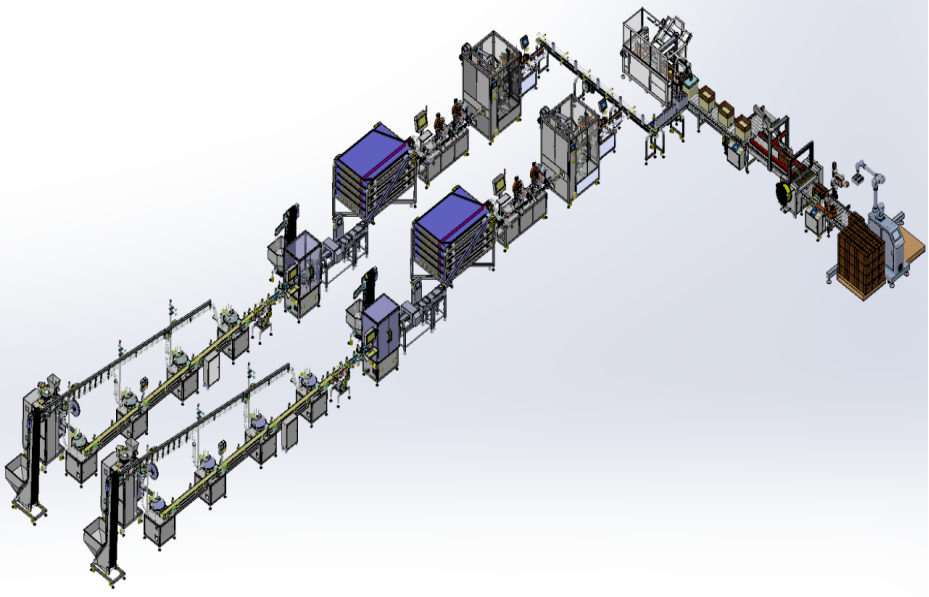
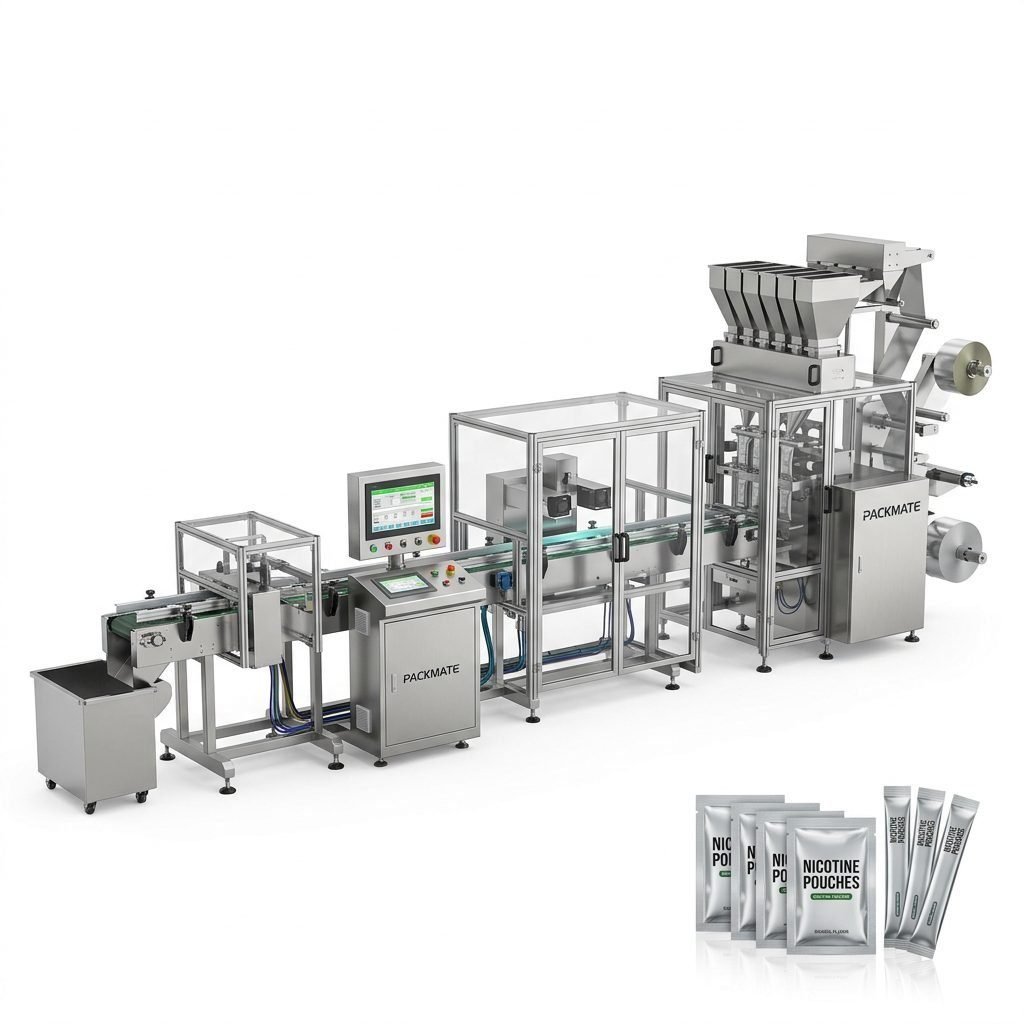
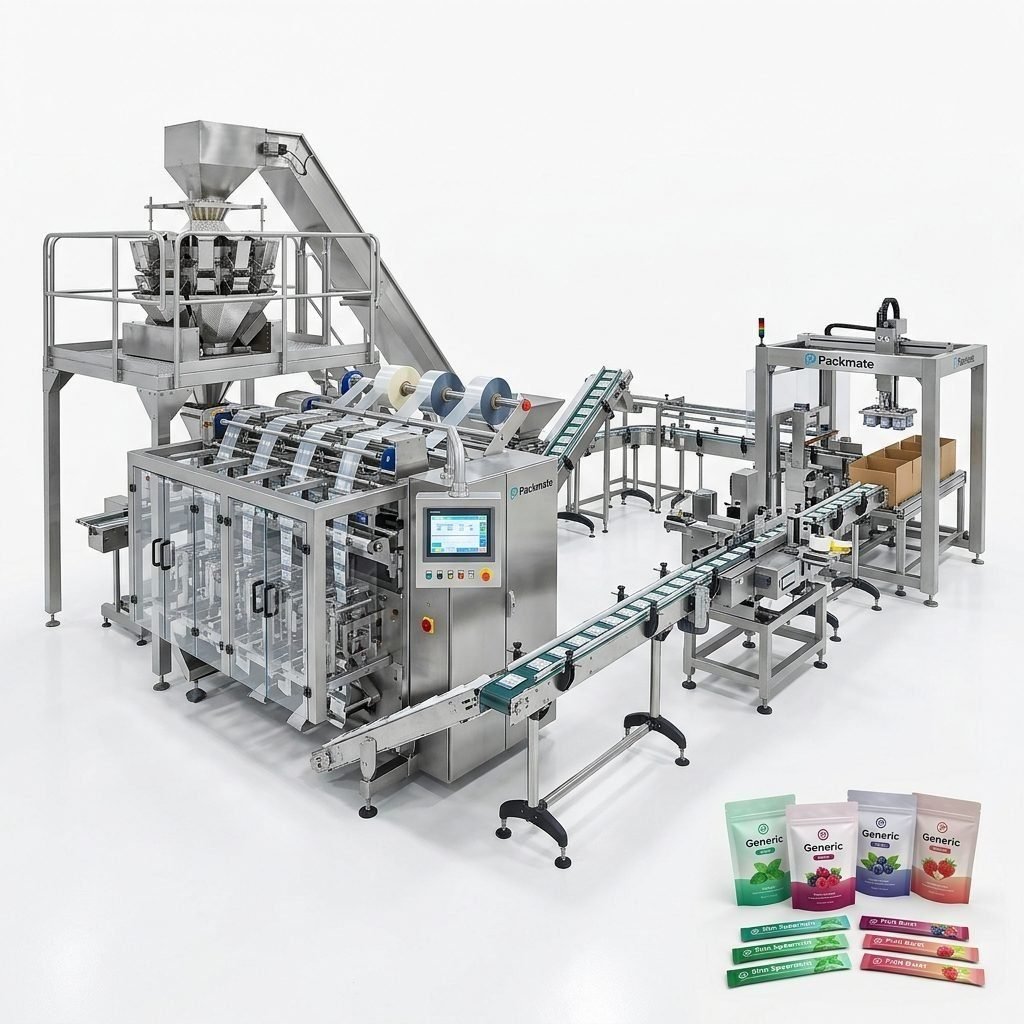
A complete nicotine pouch production line typically includes upstream feeding and weighing, pouch forming/filling/sealing machines, auxiliary equipment, and downstream inspection and packing. Below are the machine categories and what each contributes.
1. Multi-lane pouch forming and filling machines
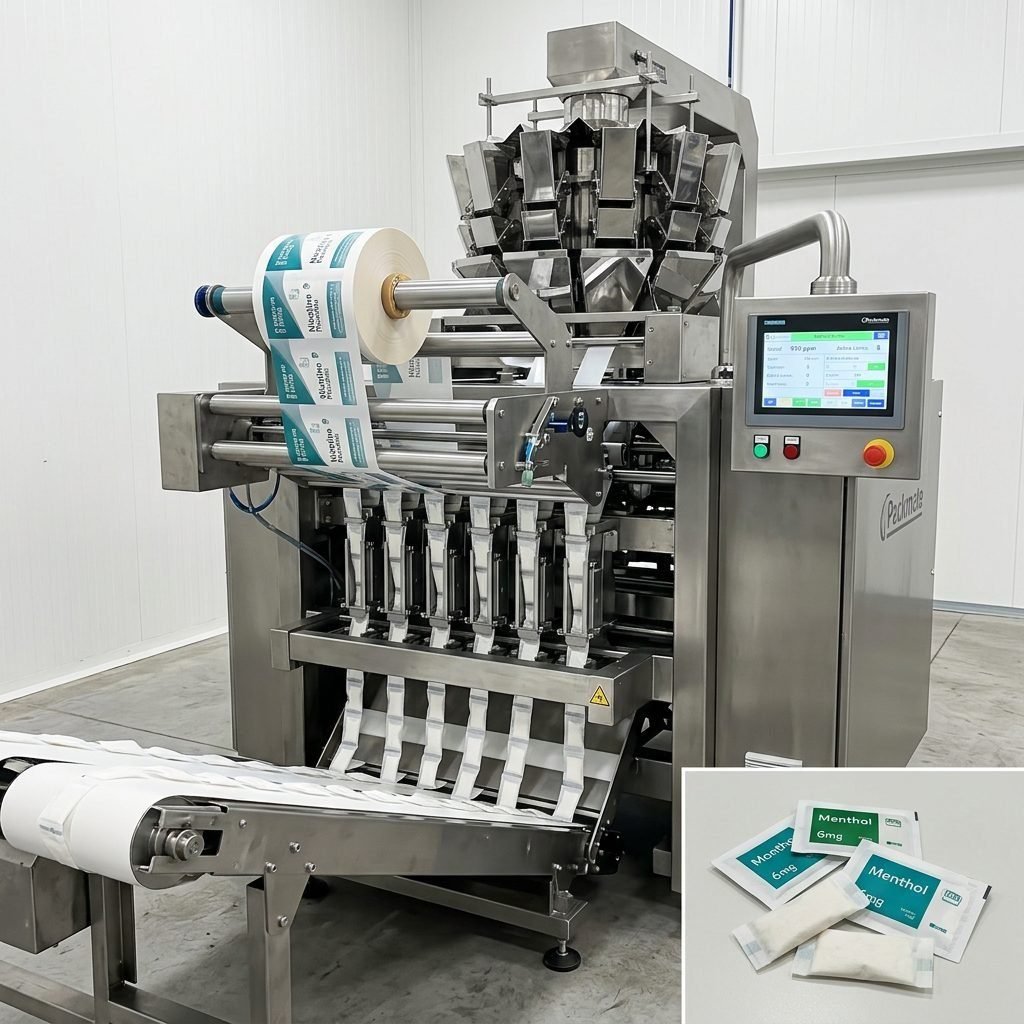
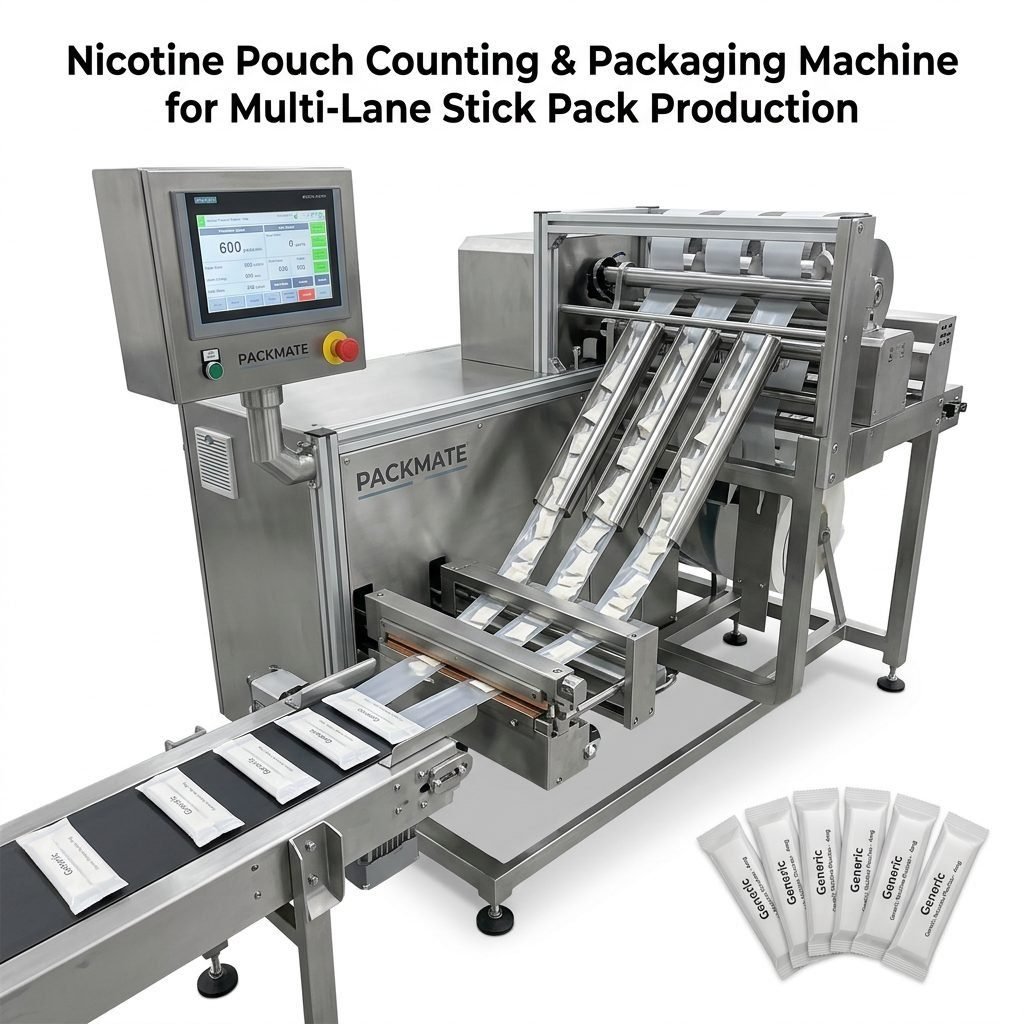
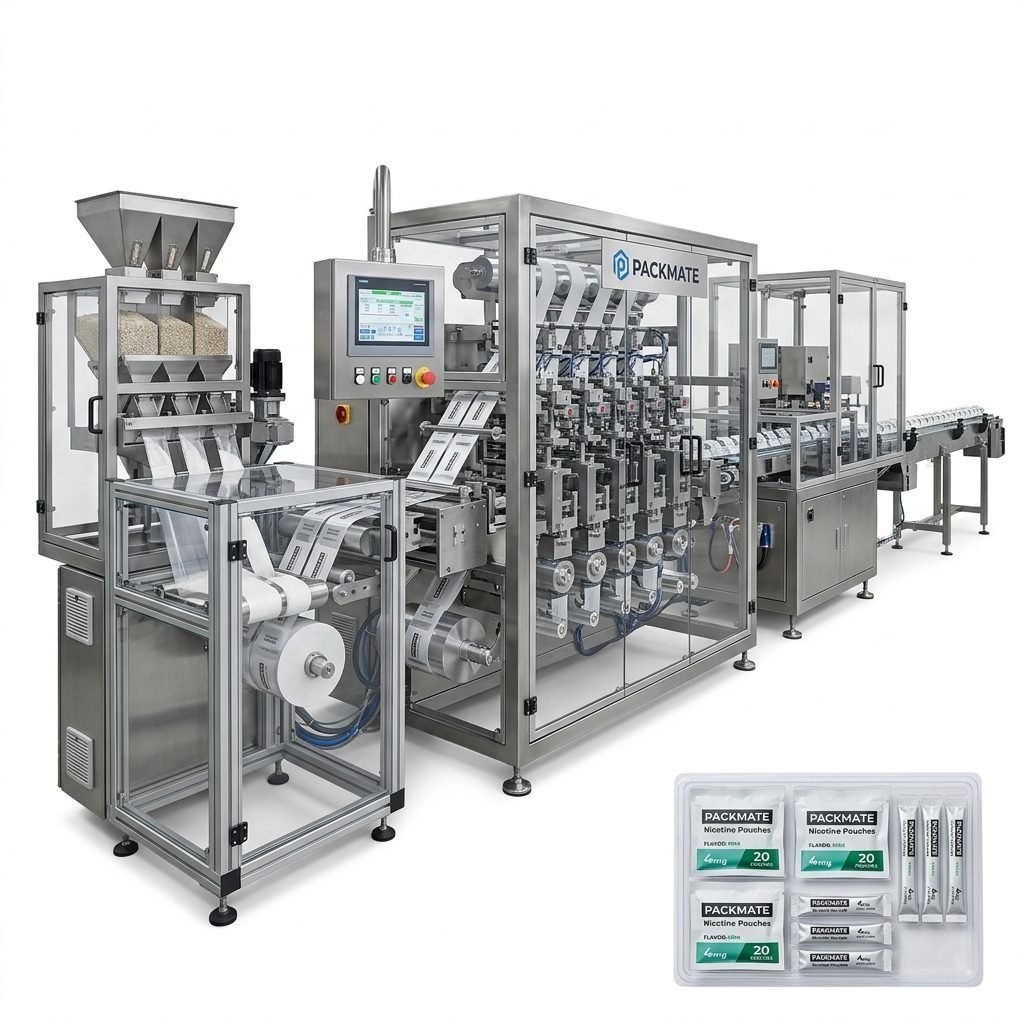
Multi-lane systems are the backbone of modern small-dose pouch production. They allow multiple pouches to be formed and filled simultaneously, increasing throughput without sacrificing dose accuracy. Look for servo-driven controls, modular lane design, and easy lane changeover to support different pouch widths and materials.
2. Stick pack and sachet machines
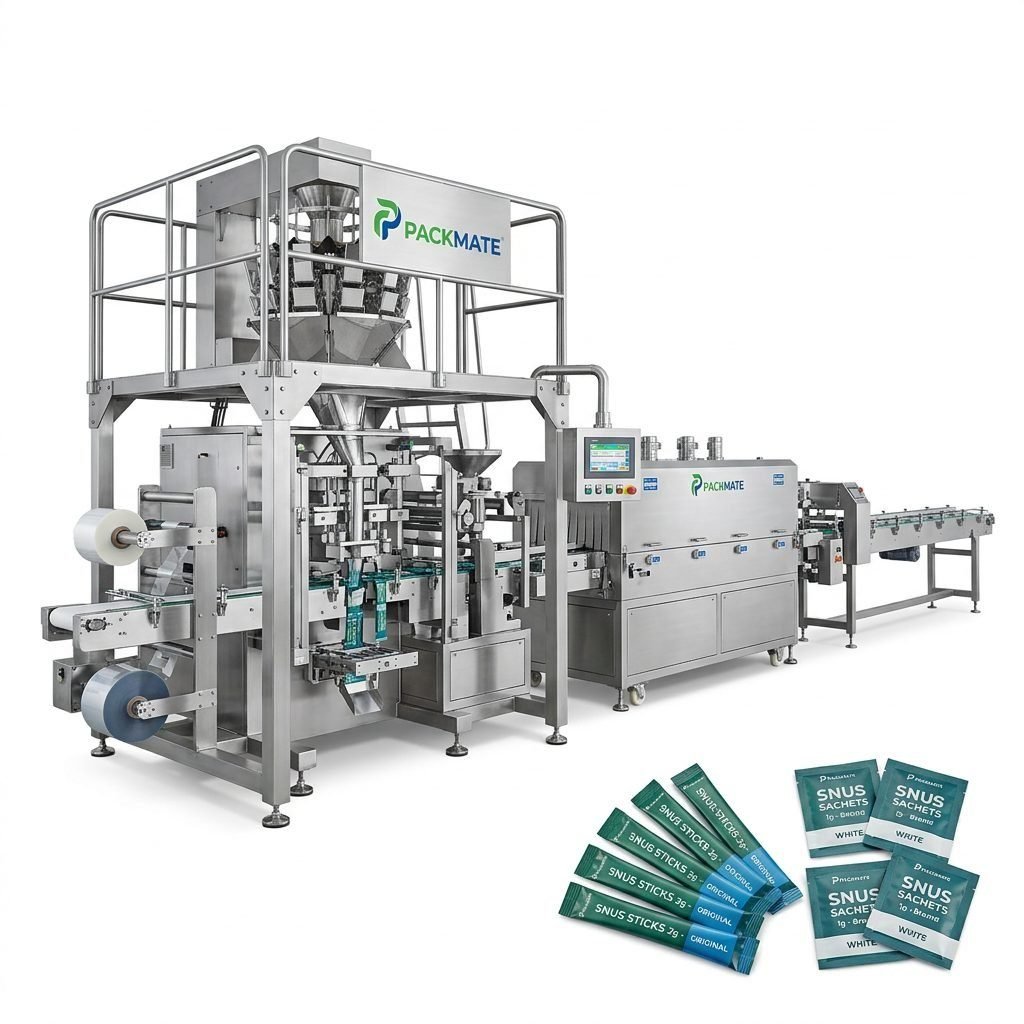
For single-dose stick packs or sachets, dedicated stick pack machines deliver slim, easy-to-open packaging ideal for on-the-go nicotine pouches. Precision cutting, consistent sealing, and robust film handling are critical features to prevent leakage and product deformation.
3. Weighing & dosing systems
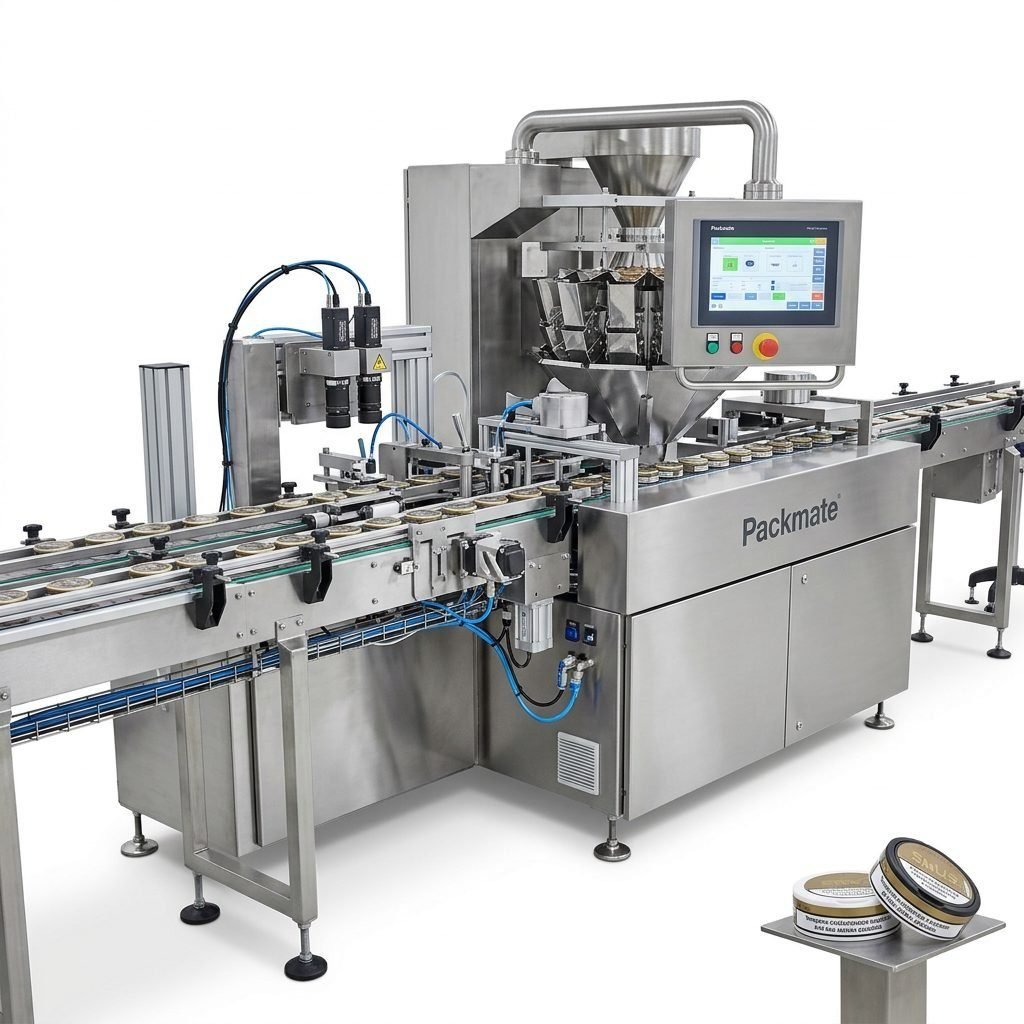
High-precision multi-head weighers and auger or vibratory dosing systems control nicotine pouch weight and filler composition. Accuracy at low weights is essential; choose systems with high-resolution load cells and closed-loop feedback to minimize variation.
4. Filling & liquid dosing lines (for wet/rehydrated blends)
If your product uses moisture or additives applied post-filling, choose hygienic, CIP-capable liquid dosing units with stainless steel wetted parts and sanitary pumps to prevent contamination.
5. Auxiliary equipment
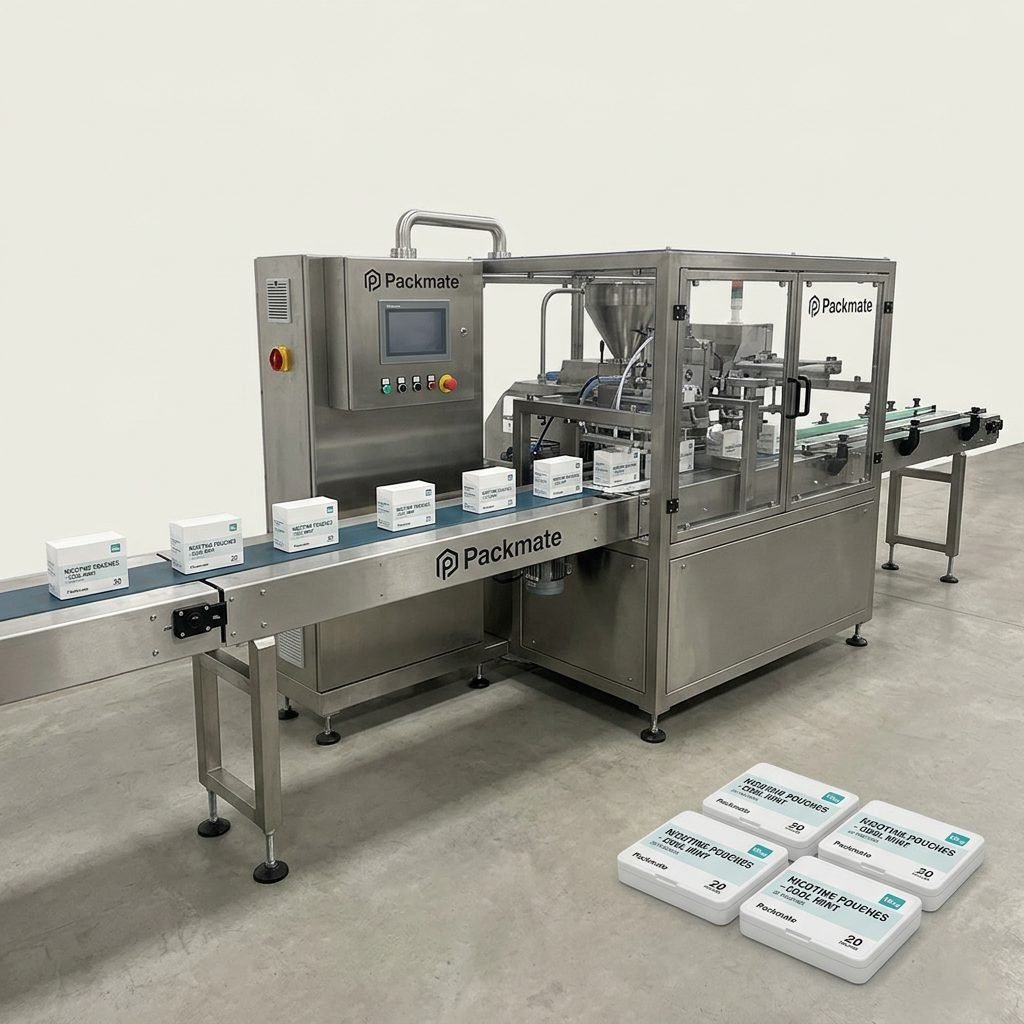
Conveyors, checkweighers, metal detectors, and automated case packers are often required to complete a compliant production line. Ensure these units integrate via common PLC/HMI protocols for smooth line control.
⚙️ Tip: Choose machines that can be configured into turnkey lines. This saves time and ensures compatibility between dosing, forming, sealing, and downstream inspection modules.
Top features to evaluate when buying nicotine pouch machinery
Not all machines are created equal. Below are prioritized features that separate high-performance production lines from mediocre ones.
Precision dosing and weight control
Accurate dosing reduces raw material waste and ensures consistent nicotine content. Look for multi-head weighing with high-resolution load cells, rapid feedback loops, and the ability to fine-tune fill parameters for different blends.
Hygiene and cleanability
Stainless steel construction, sloped surfaces, quick-disassembly parts, and CIP-ready components are essential for maintaining product safety and speeding batch changeovers.
Automation and control
Modern PLCs, recipe management, HMI touchscreens, and remote diagnostics allow faster troubleshooting and consistent production. Servo motors provide accurate motion control for pouch indexing and sealing.
Build quality, serviceability, and certification
Choose manufacturers with proven factory capabilities and international certifications (CE, ISO). A strong spare-parts policy and global service network reduce downtime and protect long-term ROI. Companies with large manufacturing facilities and decades of engineering experience often provide more reliable support and customization.
📌 Must-have: CE / ISO compliance and access to certified spare parts for long-term reliability.
Buying guide: how to specify and compare suppliers
Having a clear specification framework helps you compare offerings objectively. Follow these steps to create a shortlist and negotiate effectively.
1. Define production targets
Establish daily output (pouches per minute and shift hours), pouch size variations, and expected SKU mix. This defines lane count, machine speed, and format-change requirements.
2. List product constraints
Note moisture content, filler particle size, desired pouch materials, and sealing temperature tolerances. Machines must handle your product physics reliably.
3. Ask for performance data and references
Request performance curves, OEE figures, and client references or case studies. Visiting a live demo in the manufacturer’s facility or at an exhibition is invaluable.
4. Evaluate after-sales and spare parts
Confirm warranty terms, spare-part lead times, remote support options, and availability of field technicians in your region.
Why Packmate Snus Machine is a typical example of a strong supplier
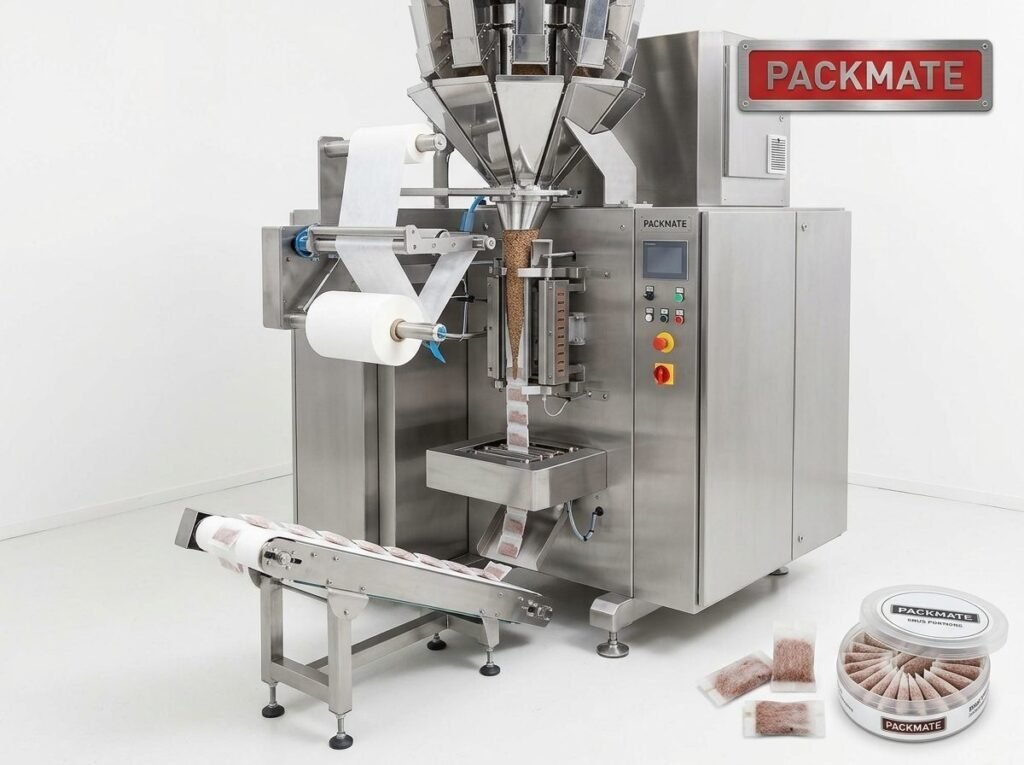
With over 30 years of engineering experience and a 20,000㎡ manufacturing facility, Packmate demonstrates the core strengths buyers should seek: deep packaging expertise, extensive CNC and assembly systems, and a broad portfolio of machines tailored to nicotine pouch production. Their multi-lane systems and turnkey lines are widely used across continents.
Learn more about specialized models and product lines on their Snus & Nicotine Packaging Machines page: Snus & Nicotine Packaging Machines. For a broader view of line options, check the Bag & Pouch Packaging Machines and Sachet & Stick Pack Machines pages: Bag & Pouch Packaging Machines and Sachet & Stick Pack Machines.
📎 Fast reference: Visit Packmate’s About page for company background and global reach: About Packmate.
Practical checklist before purchase
Use the checklist below during supplier evaluation and site planning.
ℹ️ Throughput: Confirm pouches/min and multi-lane scalability.
ℹ️ Dosing accuracy: Request sample reports at target weights.
ℹ️ Hygiene: Cross-check materials, surface finish, and CIP capability.
ℹ️ Support: Verify spare parts availability and regional service options.
Integration, commissioning and training
Proper installation and staff training are key to reaching promised performance. Ask for on-site commissioning, process optimization support, and operator plus maintenance training. Many suppliers also offer remote monitoring and fast-response support plans to minimize downtime.
For examples of delivered projects and live demos at exhibitions, view the Packmate Case and Exhibition pages: Case and Our Exhibition.
Budgeting and ROI considerations
Initial capital cost should be weighed against throughput efficiency, yield improvement, and ongoing service costs. A higher-spec multi-lane system can often pay back quickly through lower labor costs, reduced material waste, and higher uptime.
💡 ROI tip: Calculate ROI using realistic uptime, reject rate reduction, and labor savings over a 3–5 year horizon to compare proposals accurately.
Final considerations and next steps
Start with a clear technical brief, arrange machine demonstrations, and request references. Confirm compliance with local regulations and secure a robust service contract. If you need turnkey solutions, many suppliers can deliver integrated lines combining weighing, forming, sealing, and packing modules as a single project.
When you’re ready to discuss machine models and configurations, check product categories for detailed specs: Weighing & Packaging Systems and Filling & Packaging Lines. For direct inquiries, use the Contact page: Contact Us.
Frequently Asked Questions
Q1: How do I determine the right lane count for my production?
A1: Estimate your daily output target (pouches per hour) and match it with each machine’s per-lane throughput. Higher lane counts increase speed but require more complex changeover — balance flexibility and volume.
Q2: What certifications should I require from a supplier?
A2: Require CE and ISO compliance as baseline. If you target specific markets, verify any regional standards or testing requirements ahead of purchase.
Q3: Can machines handle different pouch materials and sizes?
A3: Many modern systems are modular and support a wide range of films and formats. Confirm maximum/minimum pouch sizes, sealing methods, and whether quick-change parts are supplied.
Q4: How important is after-sales service?
A4: Critical. Fast access to spare parts, remote diagnostics, and local service technicians minimize downtime and protect production targets.
Q5: What are common upgrade paths?
A5: Typical upgrades include adding more lanes, integrating automated case packing, upgrading HMI/PLC for Industry 4.0 connectivity, and installing advanced inspection systems like x-ray or vision systems.