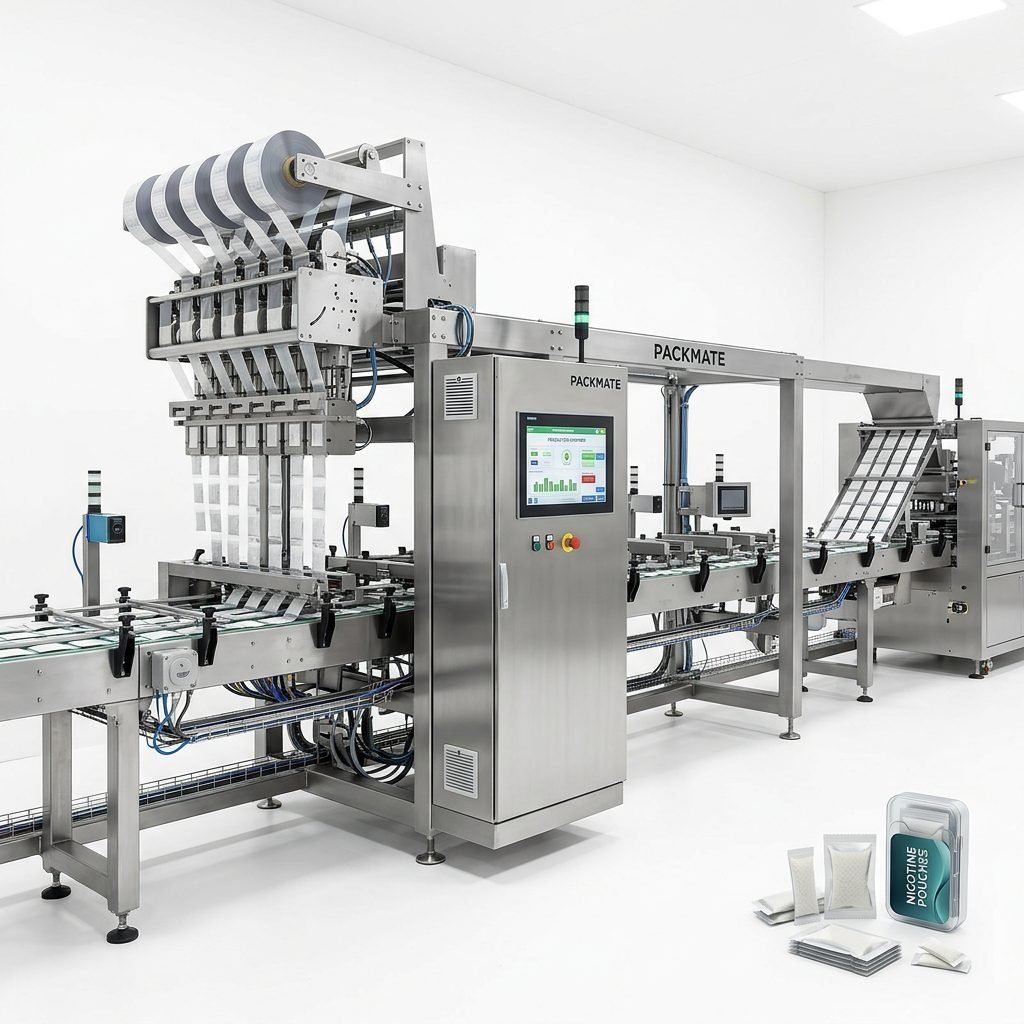
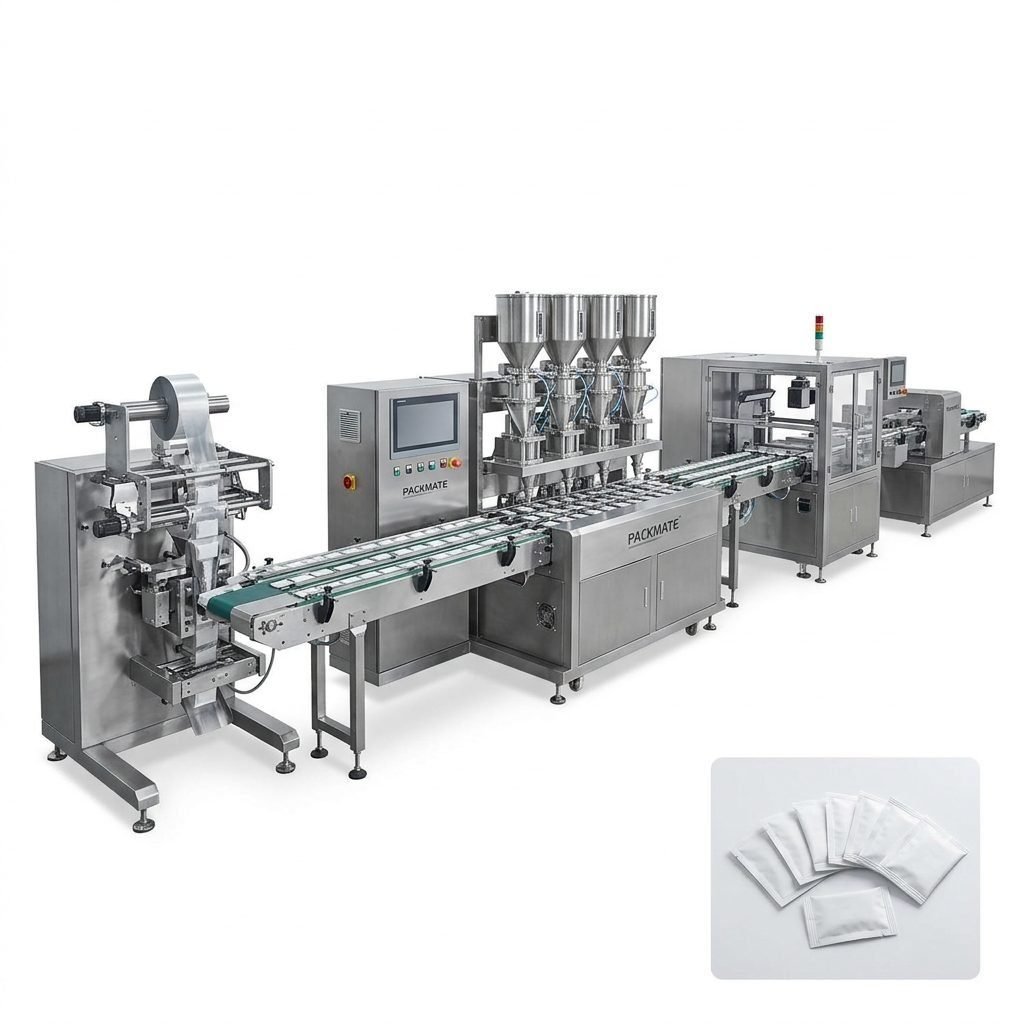
Affordable snus packaging machines are reshaping how small and medium enterprises enter the booming nicotine pouch and snus markets. When budgets are tight but product quality and regulatory compliance cannot be compromised, selecting a cost-effective automatic solution becomes essential. This guide walks you through practical machine choices, return-on-investment considerations, production planning, and how Packmate Snus Machine supports compact operations with reliable, scalable packaging equipment.
Why Low-Cost Automatic Snus Packaging Matters for SMEs
Small and medium producers face unique constraints: limited capital, smaller production runs, tight floor space, and the need for quick market entry. Manual packing is labor-intensive and inconsistent; semi-automatic solutions reduce labor but can still bottleneck throughput. An affordable automatic snus packaging machine helps bridge the gap by delivering consistent package quality, higher throughput, and predictable operating costs while keeping initial investment manageable.
Key benefits of choosing a low-cost automatic solution:
✓ Improved consistency and seal integrity
⚙️ Reduced per-unit labor costs and faster shift scalability
📈 Easier capacity planning for growth
Common affordable configurations
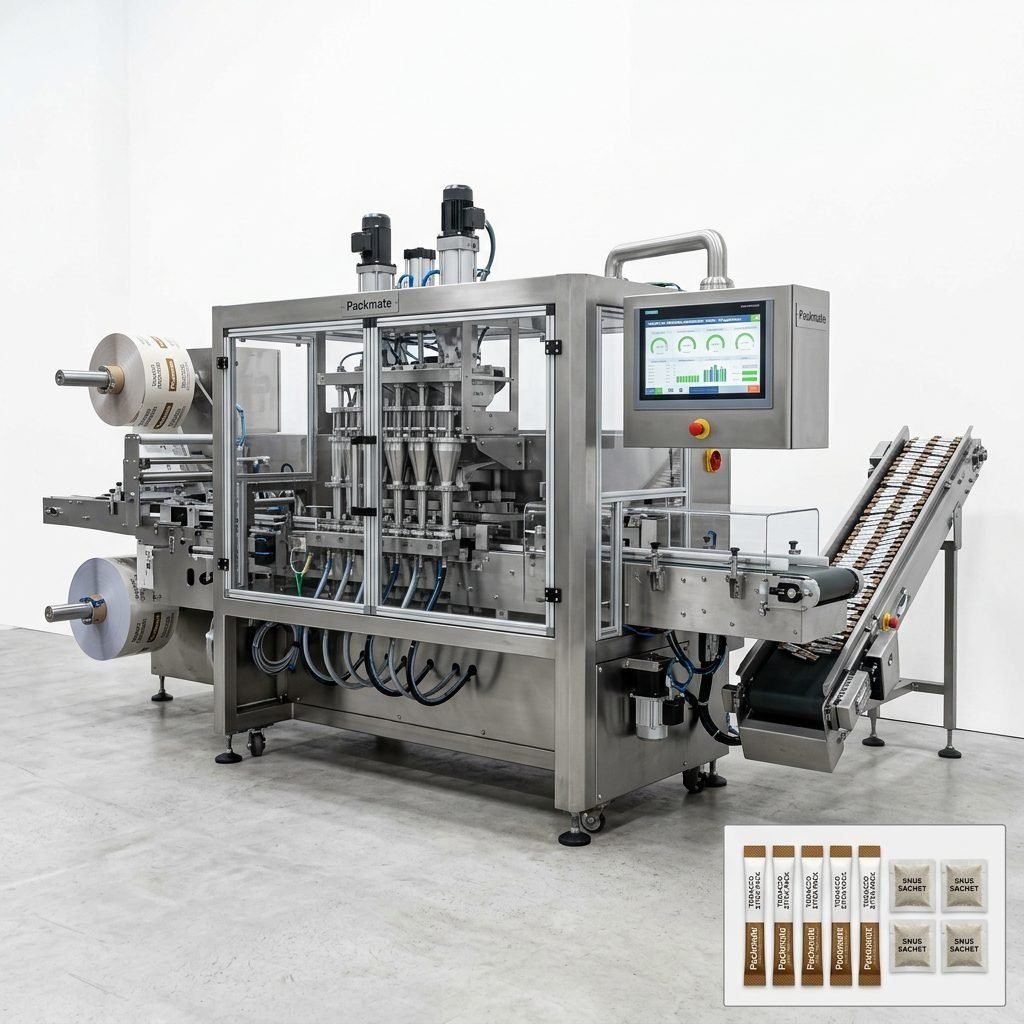
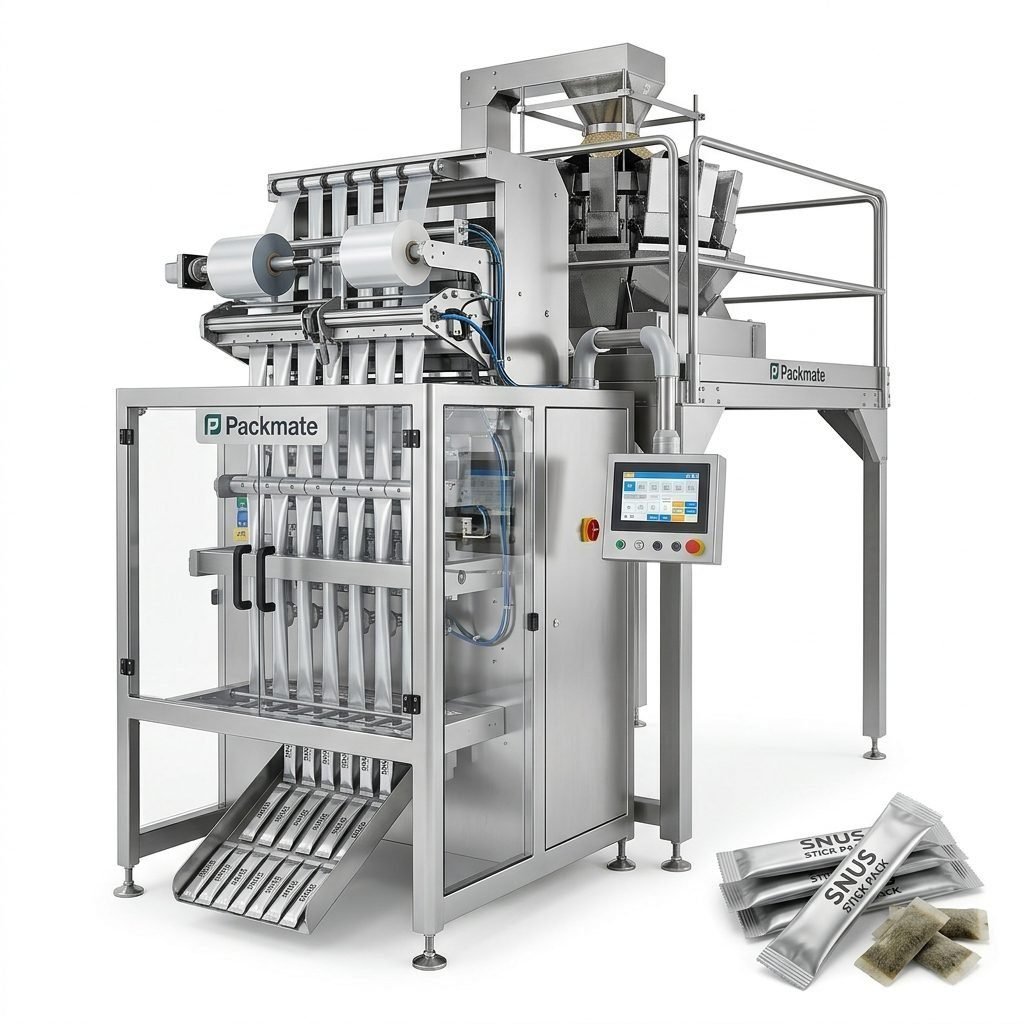
Machines for SMEs typically include compact stick packers, single- or dual-lane pouch machines, and basic multi-head weighing combinations. These models prioritize a minimal footprint, simple user interfaces, and modular upgrades so that you can start small and upgrade as demand increases.
How to Evaluate Total Cost of Ownership (TCO)
Purchase price is only part of the financial picture. For an accurate comparison, calculate:
Initial capital: machine cost, tooling, installation.
Operating costs: energy, maintenance, spare parts, operator wages.
Flexibility & downtime: how quickly the line can switch formats, availability of local support, and mean time between failures (MTBF).
Practical ROI example
Imagine a small producer replacing manual labor with an entry-level automatic machine that increases output by 4x and reduces labor hours by 50%. Labor savings plus improved yield often recover equipment cost within 12–24 months. Factoring in minimal maintenance and low-energy design further shortens payback time.
Choosing the Right Machine Type
Matching the machine to your product and production goals is crucial. Consider these popular options:
Stick pack machines
Ideal for single-dose pouches and narrow format snus; compact, fast, and cost-effective. Choose models with easy bag length adjustments and reliable cutting/sealing systems.
Sachet & multi-lane pouch machines
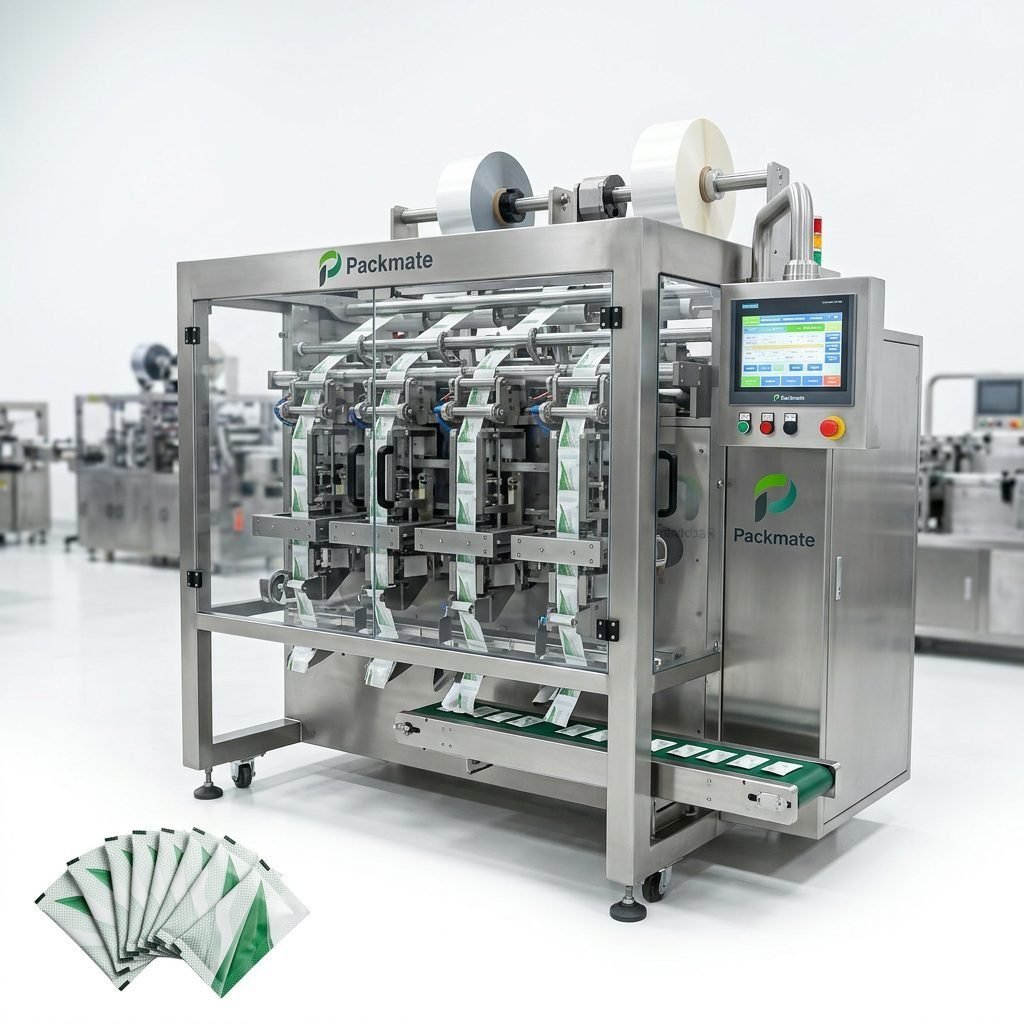
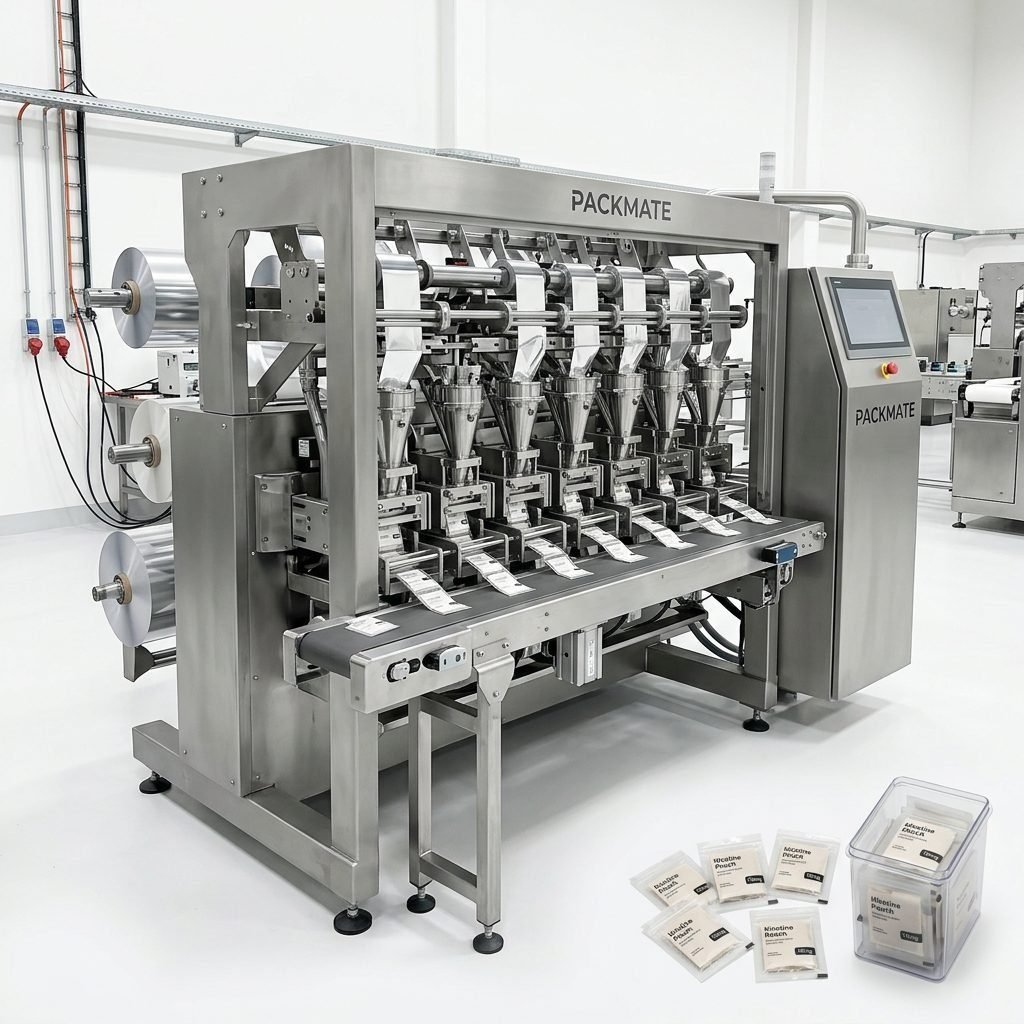
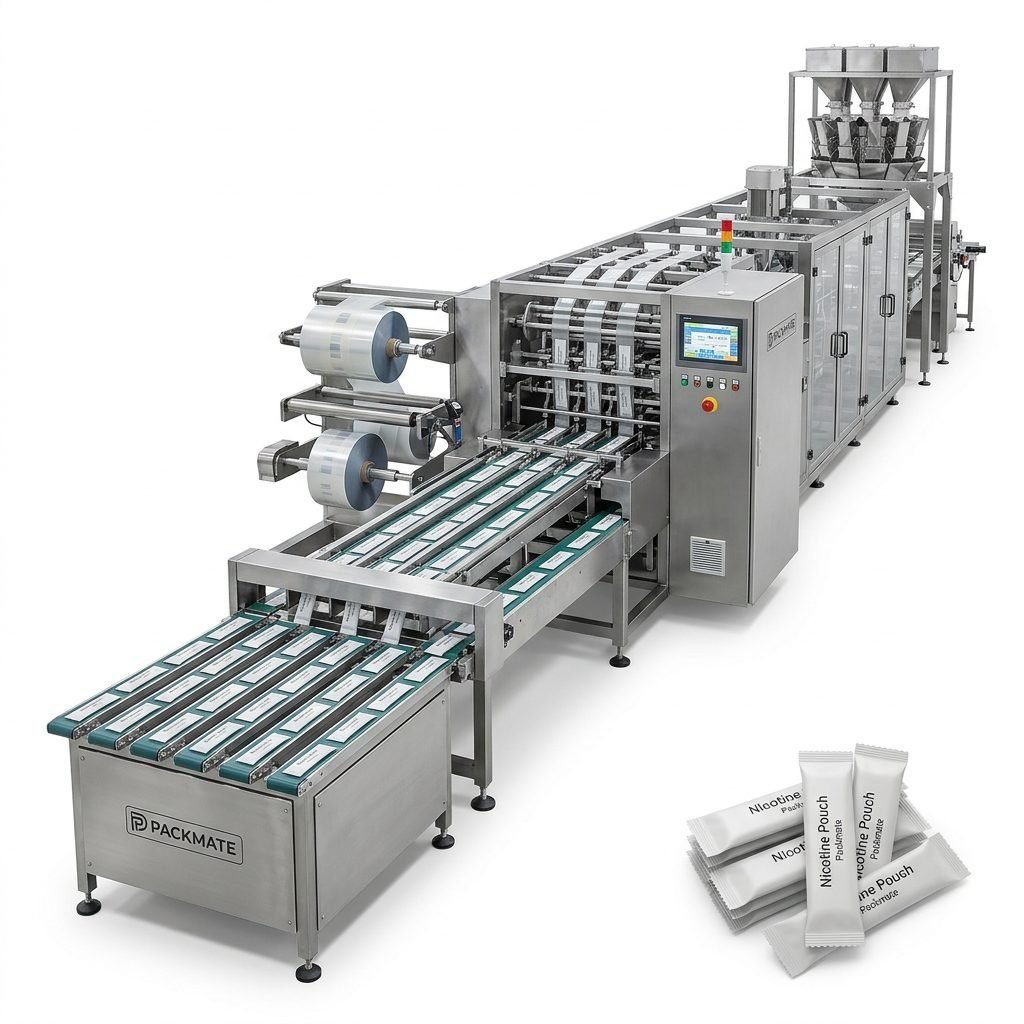
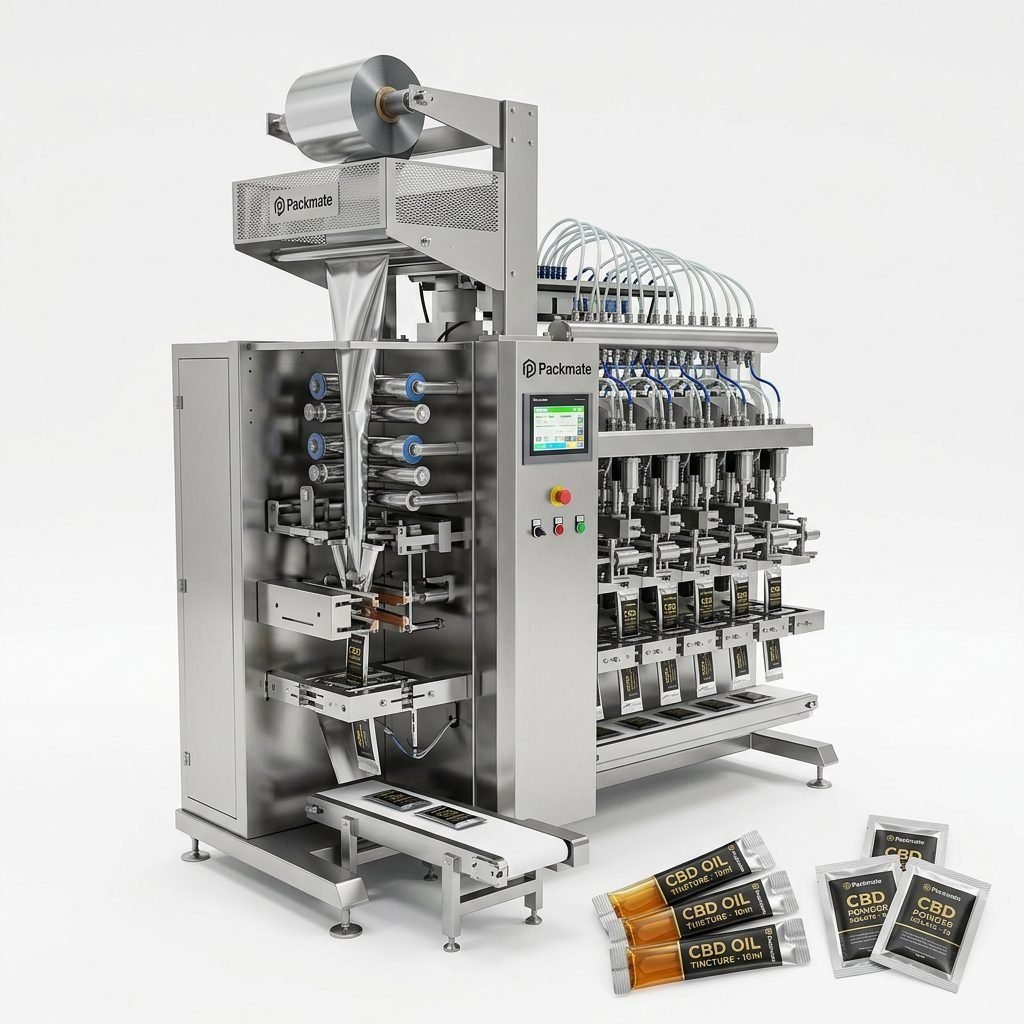
If you need higher throughput without expanding footprint dramatically, multi-lane systems allow parallel filling of identical pouches. These are especially suitable for nicotine pouches where speed and uniform dosing are critical. (See multi-lane options on our Sachet & Stick Pack Machines page.)
For a direct look at machine categories and specifications, visit the Snus & Nicotine Packaging Machines collection and Bag & Pouch Packaging Machines for detailed models and capabilities.
Essential features to look for in low-cost machines
Even budget models should not skimp on features that affect output and compliance:
🔧 Servo-driven control for accurate pouch length and consistent sealing.
⚡ Low-energy design and efficient motors to keep operating costs down.
🧩 Tool-less changeover options for rapid format switches and reduced downtime.
🛡️ Built-in safety features and compliance-ready documentation (CE/ISO) for exporters.
Automation scale and add-ons
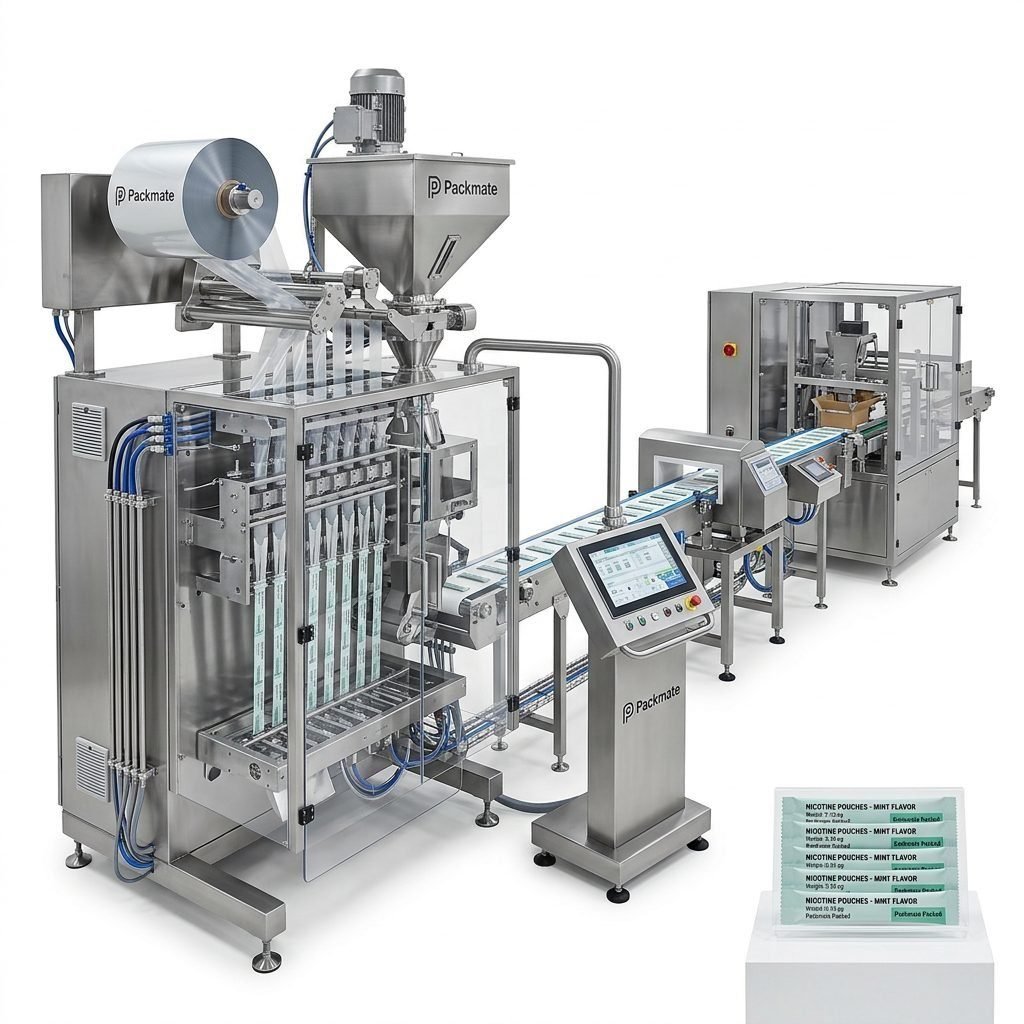
Start with a simple filler/sealer and add a compact labeling station, conveyor, or basic vision check system when budget permits. Modular design is a hallmark of cost-effective machines — it reduces immediate expenditure while preserving future upgrade paths.
Production Planning: Batch Size, Line Speed, and Layout
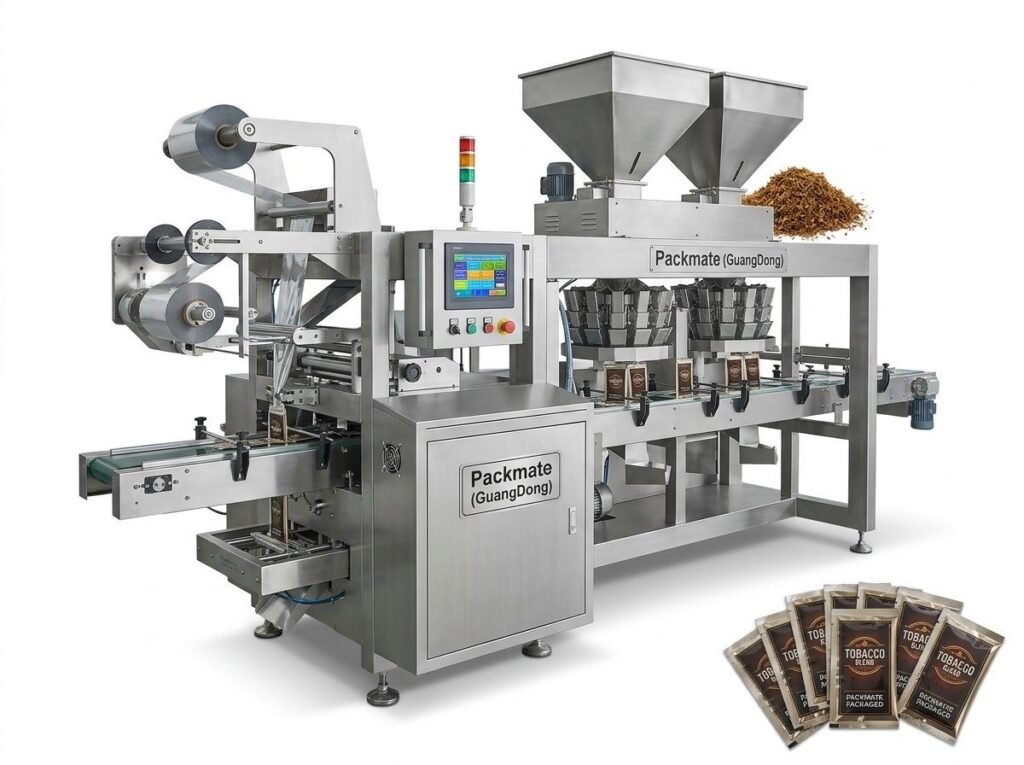
Evaluate your typical batch size and the number of SKUs. For many small producers, shorter runs with frequent SKU changes favor compact machines with rapid changeover. If you plan steady single-SKU production, multi-lane machines and automated weighing feeders deliver the best throughput per footprint.
➤ Layout tip: keep operator control panels and maintenance access clear on the front and one side to accelerate troubleshooting.
➤ Footprint tip: choose vertical integration of infeed systems when floor space is limited.
Quality Control and Compliance for Nicotine Pouch Packaging
Nicotine products face strict labeling and safety requirements in many regions. Even for compact lines, ensure your machine supports:
- Accurate dosing systems to meet nicotine content specifications.
- Consistent sealing to prevent moisture ingress and maintain shelf life.
- Traceability and easy integration with labeling and inspection modules.
Packmate’s equipment comes with CE and ISO documentation, and local support channels for paperwork and validation when exporting to regulated markets. Explore Certificates and our Service offerings for more details.
Customization and After-Sales Support
One of the biggest advantages for SMEs is the ability to customize a base machine to exact needs without paying for unnecessary features. Whether you need specific pouch shapes, custom dosing heads, or a unique conveyor layout, modular manufacturers can offer cost-effective adaptations.
🔧 Packmate offers tailored solutions and turnkey production lines — see our Filling & Packaging Lines for integration examples.
📞 Local support and spare parts availability shorten downtime and keep operating costs predictable.
Why supplier reputation matters
With 30+ years in packaging machinery and a 20,000㎡ facility, Packmate emphasizes reliability and long-term partnerships. Buying from a reputable manufacturer reduces risk — warranty, spare parts, and technical assistance are crucial when production issues arise.
Practical Tips for Reducing Upfront Costs
Follow these steps to keep initial investment low without sacrificing capability:
- Start with a single-lane or entry-level multi-lane model and plan modular upgrades.
- Lease or finance equipment to preserve working capital.
- Opt for standard industry components for easier maintenance and lower spare part costs.
- Train operators in preventive maintenance to maximize machine uptime.
How Packmate Supports Small and Medium Producers
Packmate Snus Machine combines decades of engineering experience with compact, efficient machine designs. From compact stick pack units to tailored multi-lane pouch lines, our product portfolio allows businesses to select the right balance of cost and capability. Learn more about our company history and mission on the About Packmate page.
📌 Quick resources
– Product catalog: Snus & Nicotine Packaging Machines
– Multi-format solutions: Sachet & Stick Pack Machines
– Packaging lines & integration: Filling & Packaging Lines
Final Checklist Before Purchase
Before placing an order, confirm the following:
- Clear understanding of throughput requirements and SKUs.
- Verification of spare parts lead times and service availability.
- Assessment of upgrade paths (add labeling, vision inspection, additional lanes).
- Complete documentation for regulatory compliance and export.
Next steps
If you’re evaluating affordable automatic snus packaging machines, request a tailored quote and layout plan. See case studies for real-world implementations and reach out for a consultation on the best compact solution for your business: Contact Us.
Common Questions
Q1: How much space does a typical entry-level snus packing machine require?
A1: Most compact stick pack or single-lane pouch machines fit within a small footprint (roughly 2–5 m²). Allow additional space for infeed conveyors, operator access, and maintenance clearance.
Q2: Can a low-cost machine meet regulatory packaging requirements?
A2: Yes — reputable manufacturers supply CE/ISO-compliant equipment and documentation. Ensure the machine supports required labeling, dosing accuracy, and traceability for your target markets.
Q3: What is the typical lead time for delivery and installation?
A3: Lead times vary by model and customization level. Standard compact machines may ship within weeks, while tailored lines can require several months. Confirm timelines with your supplier and consider local spare parts stocking to reduce downtime.
Q4: How do I estimate the ROI for switching from manual to automatic packing?
A4: Calculate current labor and material waste costs, projected throughput increases, and maintenance expenses. Entry-level automatic solutions often pay back within 12–24 months for moderately scaled operations.
Q5: Where can I see examples of installed machines and references?
A5: Review real implementations and client stories in the Case section or request site visits and machine demos at exhibitions. For curated examples, visit our Case page and Our Exhibition listings.