Choosing the right snus packaging machine for your business in Bangladesh requires more than price comparison — it calls for a clear understanding of product types, production capacity, local regulatory needs, and long-term service support. This guide walks you through practical criteria, machine types, cost factors, and installation and maintenance tips so you can make an informed investment that scales with demand and ensures packaging integrity for nicotine pouches and related products.
Why selecting the correct snus packaging machine matters
⚙️ A properly chosen machine reduces waste, boosts yield, and protects product quality. In markets like Bangladesh where nicotine pouch demand is evolving, machine reliability directly affects uptime and revenue. The best equipment balances throughput, accuracy, and compliance with international standards such as CE and ISO.
Key business impacts
📦 Faster response to market trends — switch SKUs quickly and run multiple formats on the same line. Lower operating costs — reduced changeover time and less material waste. Improved product protection through precise sealing and hygienic design also preserves shelf life and brand reputation.
Understand snus packaging machine types
Different products and business models require different machines. Choose a type based on pouch format, fill type, and speed requirements.
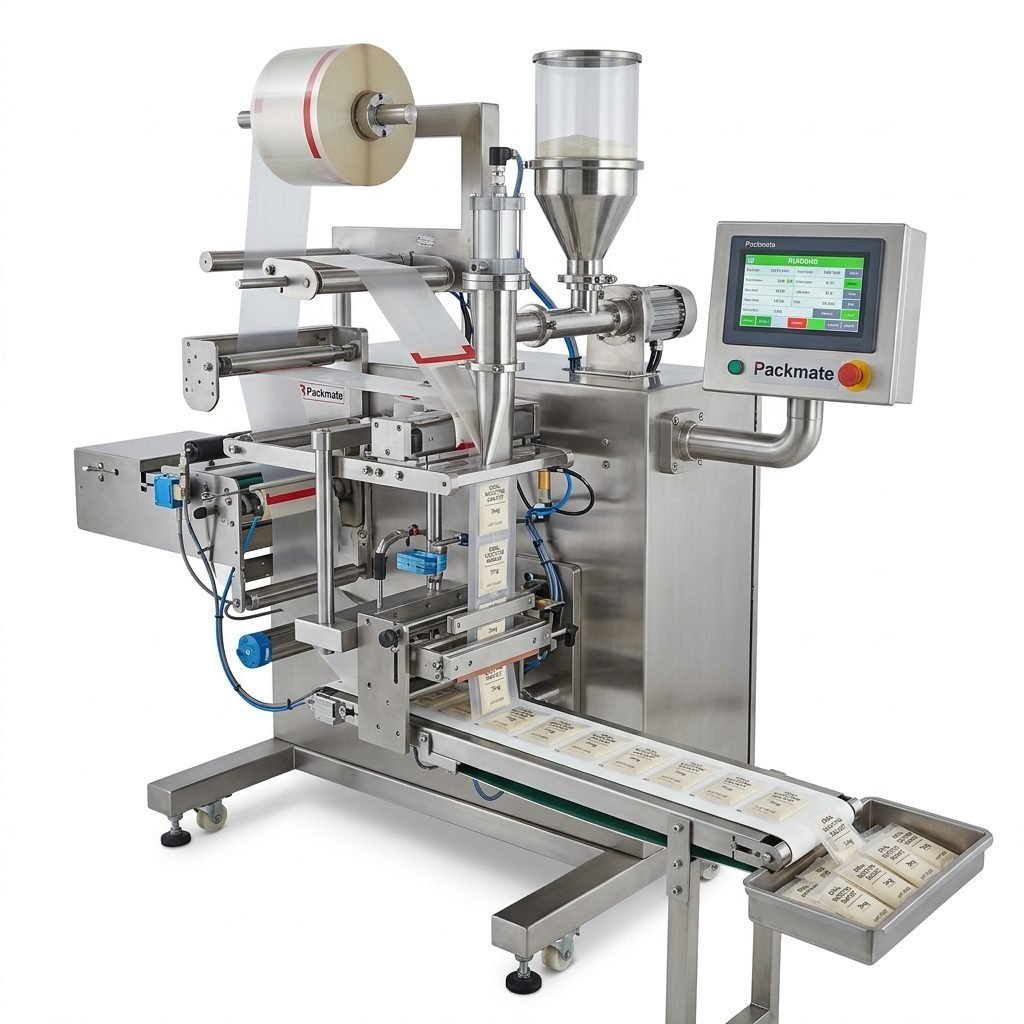
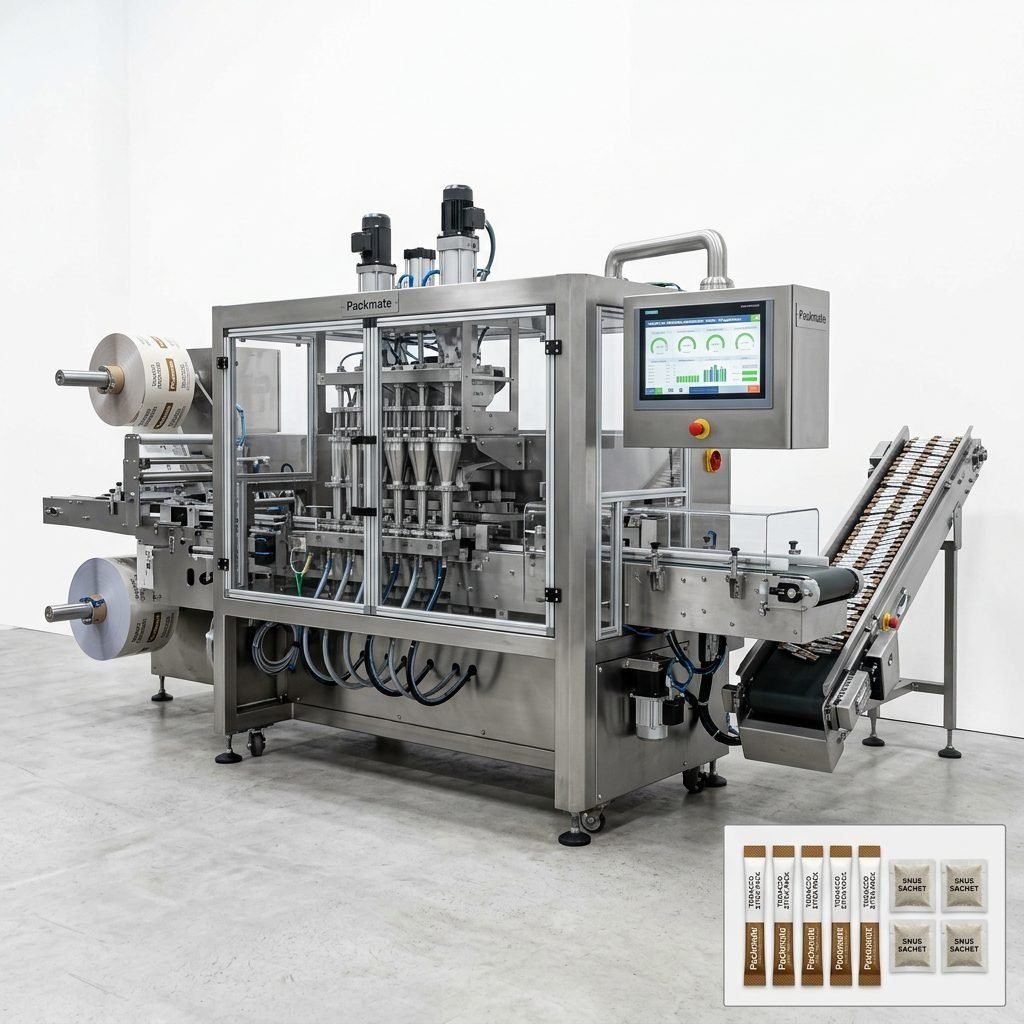
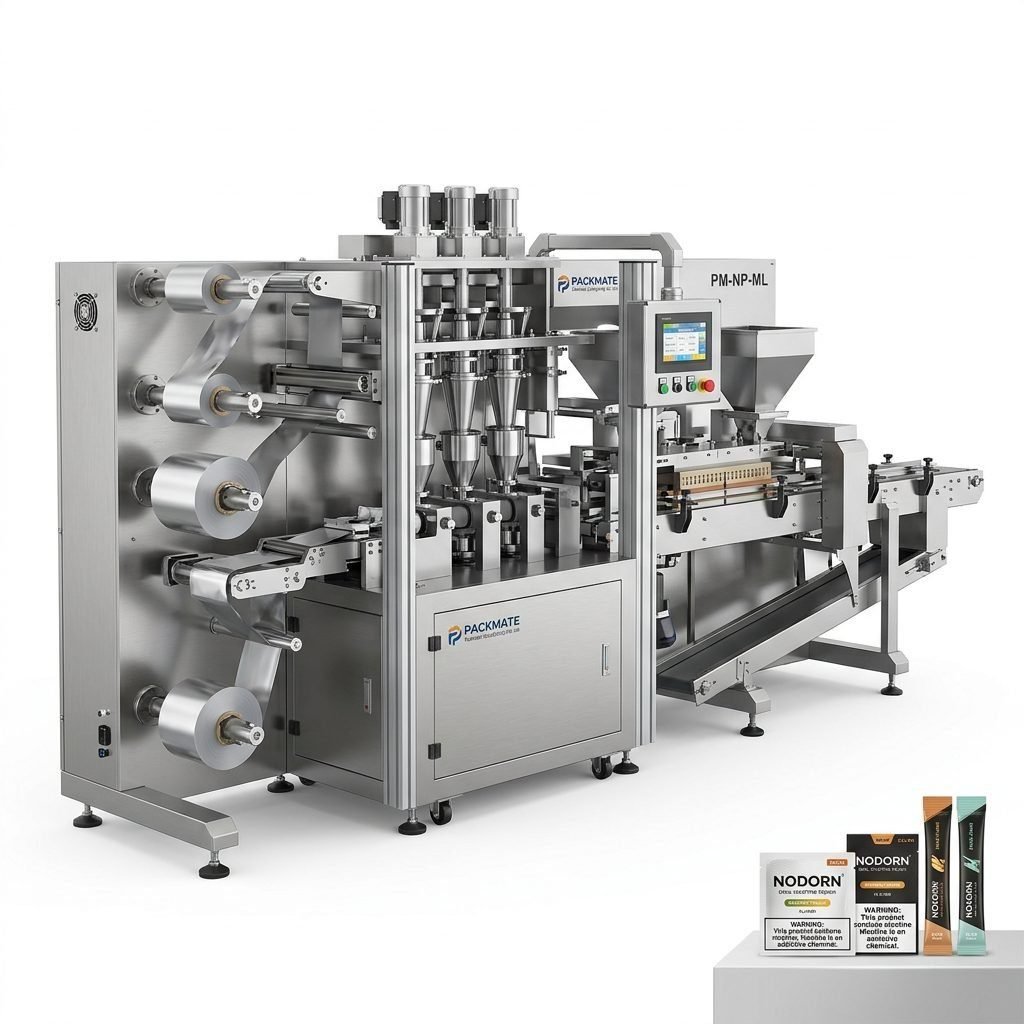
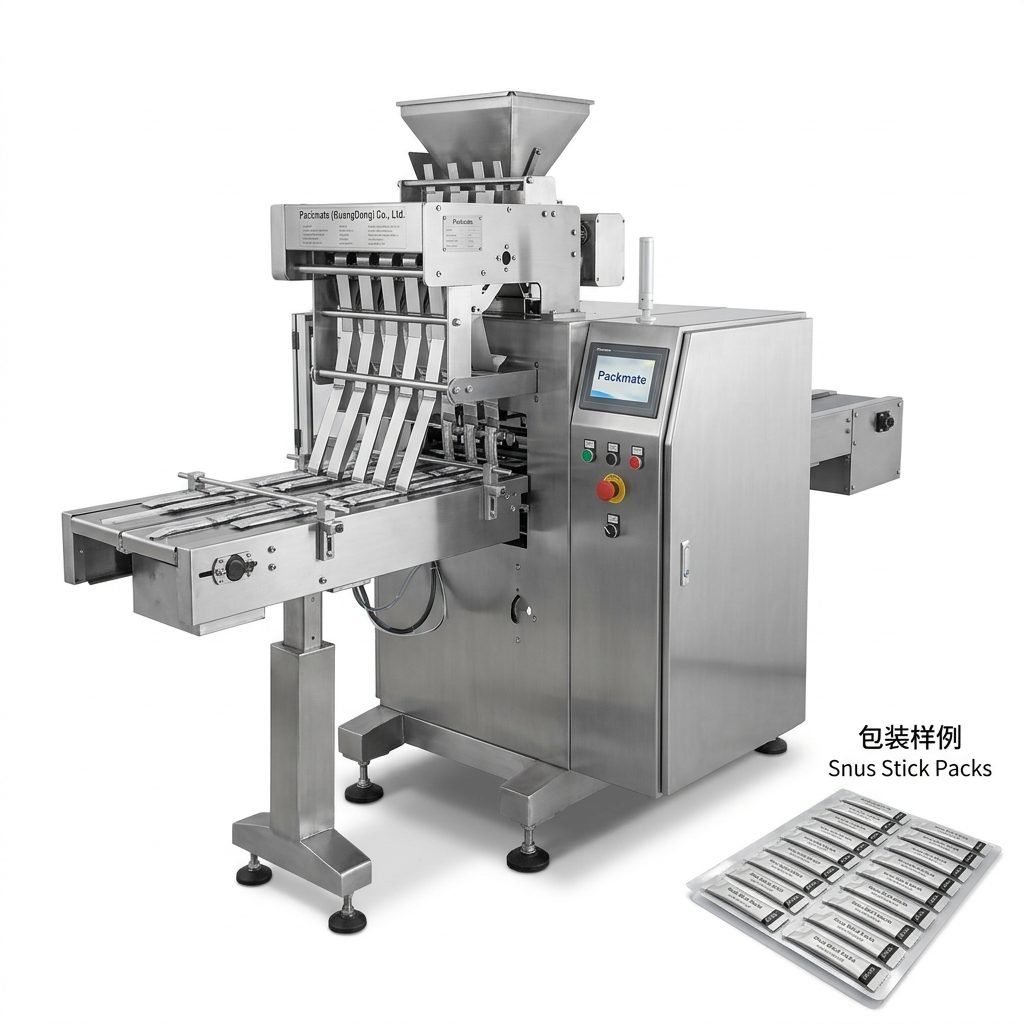
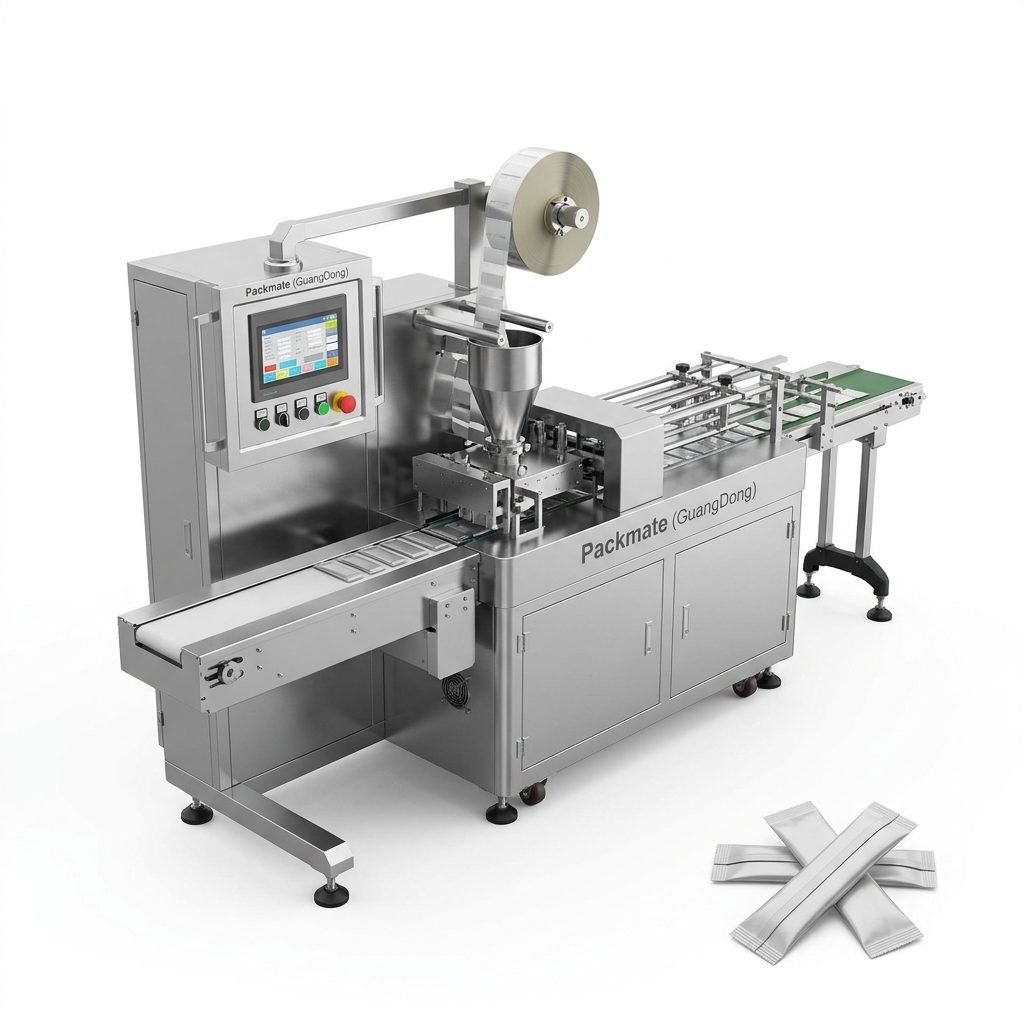
Stick pack and sachet machines — ideal for single-dose nicotine pouches and tea-style formats. They are compact and versatile for various lengths and seal styles.
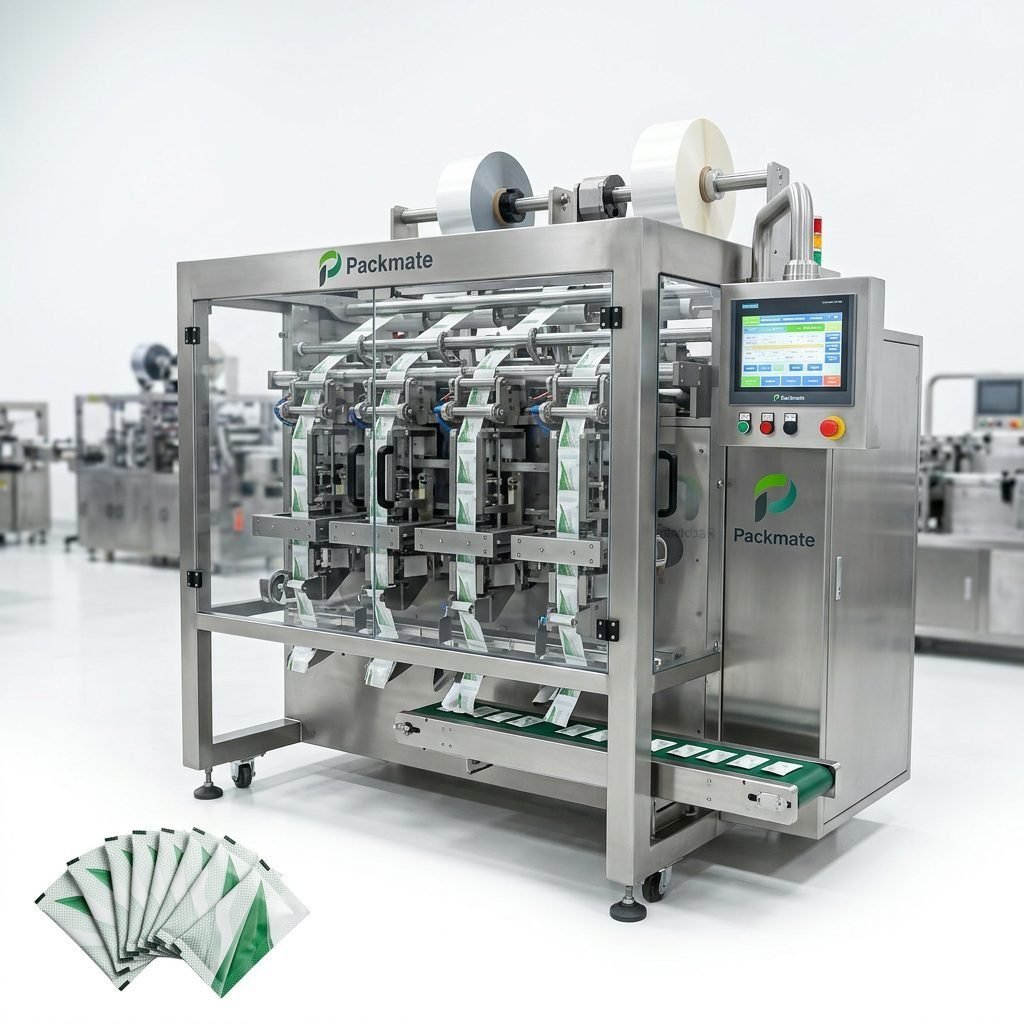
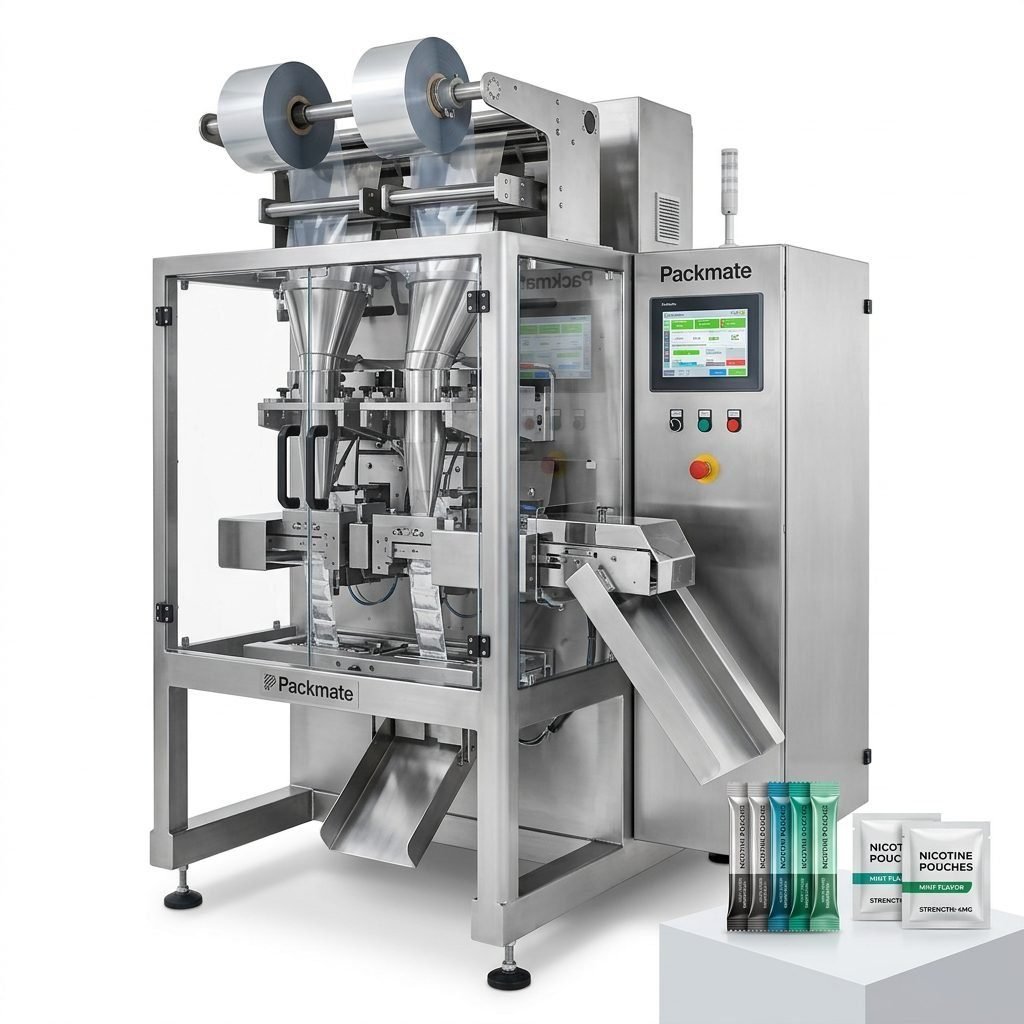
Multi-lane systems — engineered for high output, producing several pouches simultaneously across multiple lanes for small-dose products. They maximize throughput while keeping footprint efficient.
Filling & dosing options
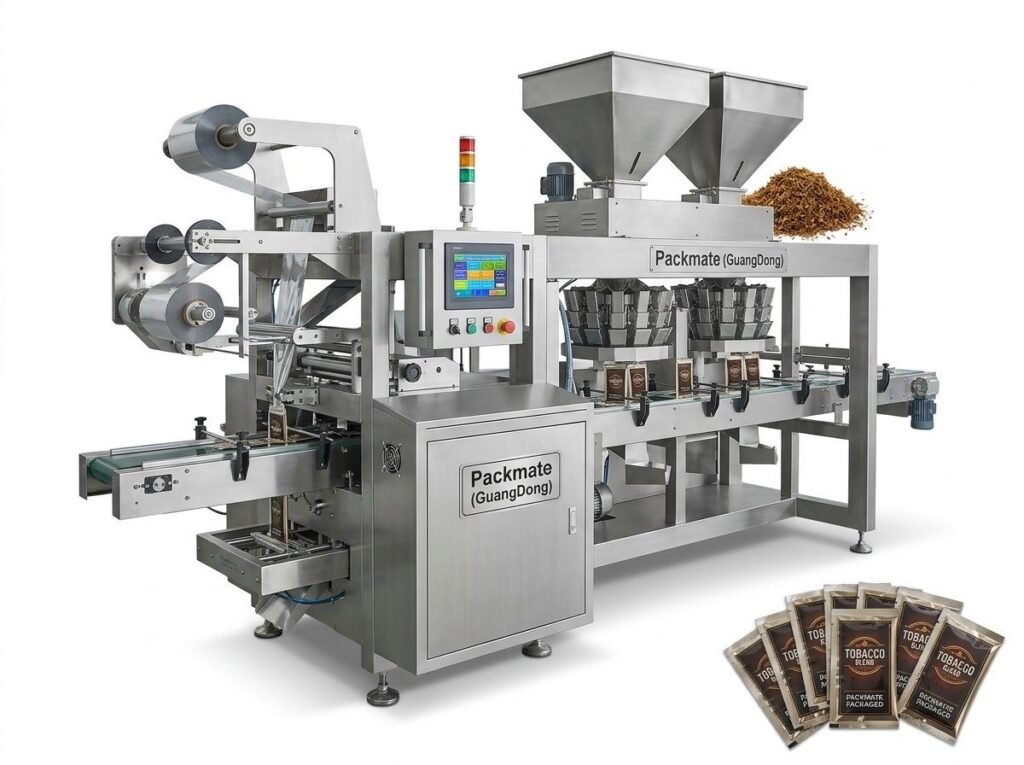
🔍 The product inside the pouch determines dosing technology. For powders and blends, precision auger or screw fillers are common. For moist tobacco or paste-like fillings, volumetric pumps or custom metering systems may be required. Always validate dosing accuracy (mg tolerance) to maintain consistent nicotine dosage and customer trust.
Capacity and speed considerations
Production forecasts drive the decision on single-lane vs multi-lane lines. If you expect rapid growth or plan to supply large distributors, opt for a multi-lane line to reduce per-unit cost. If your focus is low-volume artisan or regional brands, a single-lane stick pack might be more cost-effective.
Capacity tip: Aim for a machine that offers 20-40% more capacity than your one-year production forecast to allow for growth and peak demand.
Efficiency metrics to compare
Compare overall equipment effectiveness (OEE), changeover time, scrap rates, and mean time between failures (MTBF). A lower initial price can be negated by high downtime or poor parts support.
Material compatibility and packaging formats
Packaging material affects sealing performance and barrier properties. Choose machines that handle a range of films (single-layer, laminates, foil, barrier films) and can seal reliably at different temperatures. Consider future flexibility — can the machine switch between pouch, sachet, or stick formats without major retrofit?
Sustainability considerations
Environmental regulations and brand positioning may push you toward recyclable or mono-material pouches. Verify machine compatibility for thicker or recycled films and whether sealing parameters are adjustable to prevent leaks or weak seals.
Regulatory and compliance needs in Bangladesh
Nicotine products often face strict labeling, child-resistant packaging, and quality control regulations. Choose machinery that supports tamper-evident seals, accurate weight checks, and inline inspection options. Working with a manufacturer who understands global certifications such as CE and ISO can streamline export compliance.
For manufacturers seeking proven snus packaging solutions, view product lines such as Snus & Nicotine Packaging Machines and Sachet & Stick Pack Machines, which illustrate variant options and technical capabilities.
Automation, integration, and turnkey solutions
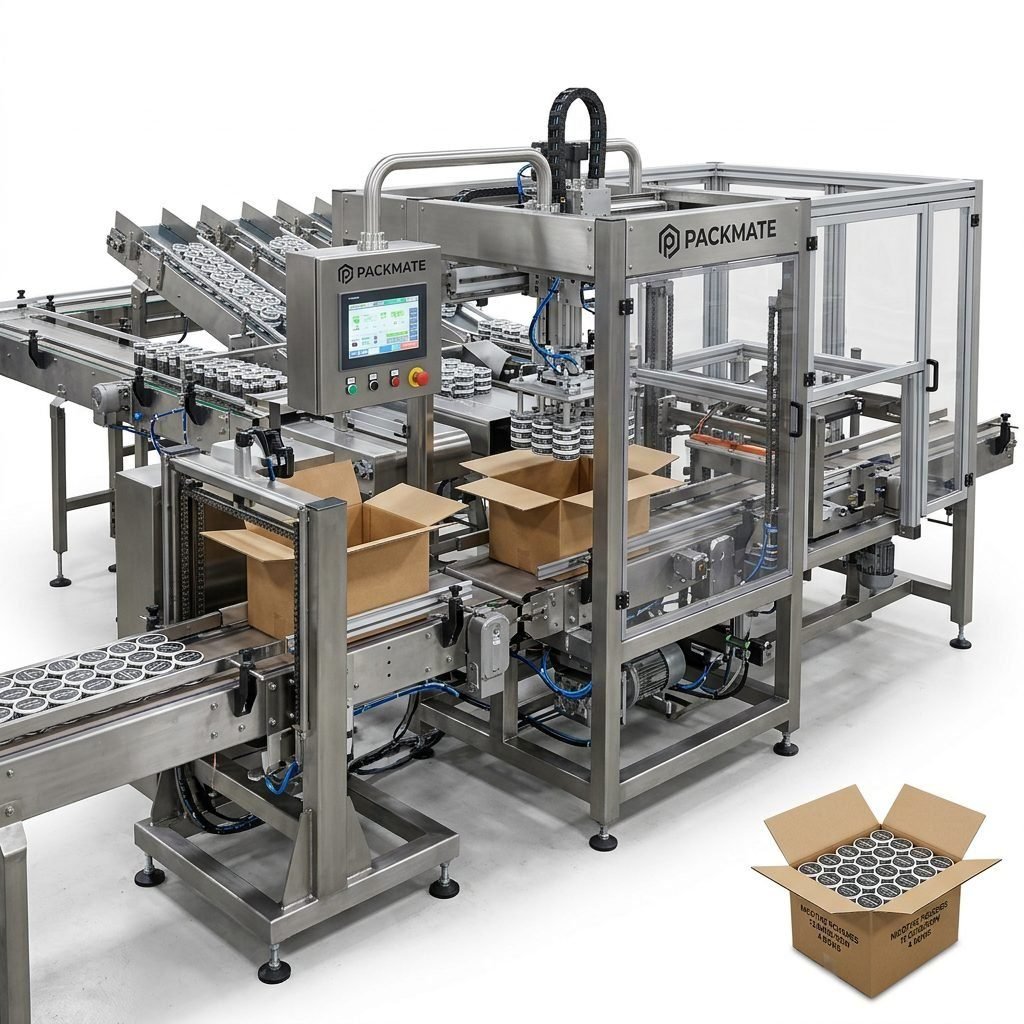
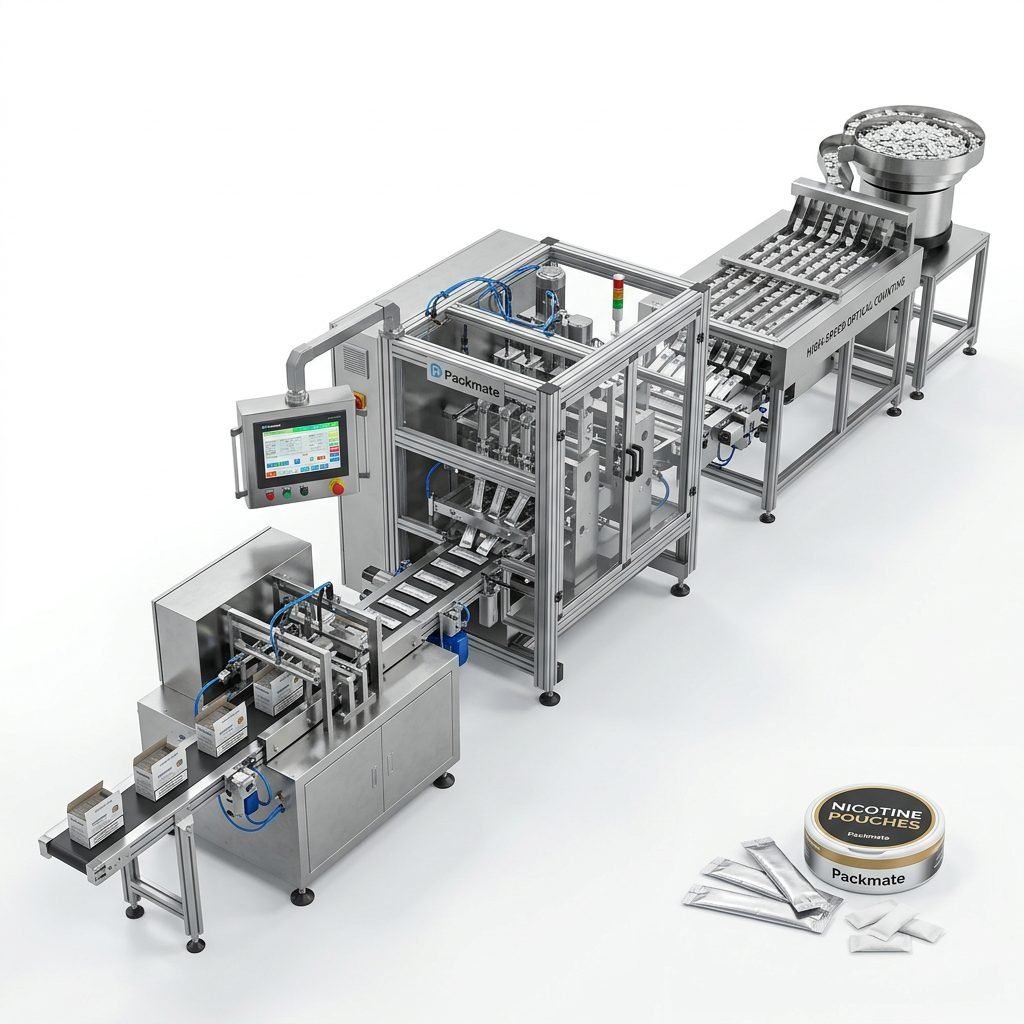
Look beyond the primary packaging machine. A full production line includes feeding systems, weighing, metal detection, picking, cartoning, and palletizing. Turnkey suppliers who offer system integration reduce project complexity and accelerate commissioning. Ask for a reference production flow and timeline from order to start-up.
Integration point: Ensure PLC and HMI platforms are standard and support remote diagnostics for quick troubleshooting and software updates.
Automation benefits
Automation improves consistency, reduces manual labor, and enhances traceability. For nicotine pouches where dosing precision is critical, integrate inline checkweighers and camera inspection systems to reject non-conforming units automatically.
After-sales service, spare parts, and training
Reliable local service is essential in Bangladesh to minimize downtime. Prioritize suppliers that provide:
✔️ Spare parts availability with short lead times
✔️ Technical training for operators and maintenance teams
✔️ Remote support and on-site commissioning services
Packmate Snus Machine’s factory capabilities and decades of experience can be reviewed in their company overview for trust and capacity validation: About Packmate.
Total cost of ownership and ROI
Initial purchase price is only part of the investment. Factor in installation, operator training, energy consumption, spare parts, expected scrap rate, and maintenance hours. A higher-quality machine with robust components often yields faster ROI through reduced downtime and lower per-unit costs.
Calculate ROI: Estimate annual production volume × contribution margin per unit, subtract annual operating costs (including labor, energy, and maintenance), then compare that to capital outlay to estimate payback period.
Financing and phased upgrades
Consider staged investments: start with a flexible single-lane system, then add lanes or a multi-lane head as demand rises. Many suppliers offer financing options or leasing to preserve working capital.
Factory capabilities and supplier vetting
Inspect supplier facilities or request virtual tours to verify machining centers, assembly lines, and quality control processes. A manufacturer with advanced CNC machines and a structured assembly environment increases the likelihood of consistent machine quality and spare parts interchangeability.
For real-world examples of deployed lines and customer feedback, check the supplier case studies: Case.
Installation, commissioning, and ramp-up strategy
Well-planned installation reduces delays. Your supplier should provide a clear timeline, site preparation checklist (power, compressed air, floor load, environment), and qualified engineers for commissioning. Train operators during commissioning and run pilot production to validate settings and packaging parameters.
Ramp-up tip: Start with a limited SKU set and proven film grade; expand SKUs after stabilizing line OEE and establishing changeover SOPs.
Maintenance best practices
Preventive maintenance schedules, spare parts lists, and operator checklists extend machine life. Keep critical spares like sealing jaws, belts, and sensors in stock locally to reduce downtime. Use logbooks and digital maintenance tracking to find recurring issues and address root causes promptly.
Training and documentation
Request complete manuals, electrical schematics, spare parts lists, and training videos. A supplier that provides multilingual documentation and on-site training accelerates knowledge transfer and reduces operator errors.
If you need direct inquiries about models, specifications or local service, contact the supplier through their official channel: Contact Us.
Final checklist before purchase
Before signing a purchase order, confirm these items to avoid costly surprises:
• Verified production capacity and acceptance testing criteria
• Detailed spare parts list and lead times
• Warranty terms and scope of on-site commissioning
• Compatibility with intended packaging films and formats
• Local service plan and training schedule
Why many manufacturers choose Packmate Snus Machine
With a 20,000㎡ facility, over 30 years of engineering experience and an extensive range of 50+ machine models, Packmate specializes in snus and nicotine pouch packaging, offering turnkey solutions that combine multi-lane systems, filling lines, and auxiliary equipment. Their global track record and exhibition presence demonstrate proven performance and continuous innovation. Learn more about their product range in Snus & Nicotine Packaging Machines and related systems such as Filling & Packaging Lines.
Choosing your partner
Select a partner that offers not only hardware but also engineering support, local service capability, spare parts logistics, and documented case studies relevant to your market. Strong R&D and quality systems reduce the likelihood of production issues and ensure a sustainable partnership.
Common questions (FAQs)
Q1: What machine type is best for a startup producing 50,000 pouches/month?
A1: Typically a flexible single-lane stick pack or sachet machine with a precision dosing system will be ideal. Choose one with provisions to upgrade lanes or add automation as volumes grow.
Q2: How important is local spare parts availability?
A2: Extremely important. Local parts reduce lead time for repairs and minimize downtime. Confirm which parts are stocked locally and typical replenishment times for others.
Q3: Can one machine handle multiple pouch sizes and formats?
A3: Many modern machines are designed for quick changeovers and multiple format handling, but always validate format change time and tool costs. Modular designs offer the best flexibility.
Q4: What certifications should I request?
A4: Ask for CE and ISO compliance documents, electrical safety reports, and if applicable, documentation for hygiene and materials handling suitable for tobacco or nicotine products.
Q5: How do I evaluate total cost of ownership?
A5: Include capital cost, installation, training, spare parts, expected energy use, and downtime risks. Compare suppliers based on OEE, MTBF, and references rather than only purchase price.