In a market where consistency, speed, and regulatory compliance are non-negotiable, a Custom Snus Packaging System transforms raw production into a dependable supply chain. Manufacturers of snus and nicotine pouches must combine precision dosing, air-tight sealing, clear labeling, and user-friendly design to compete globally. This article outlines complete automated solutions for filling, sealing and labeling snus products, focusing on equipment capabilities, turnkey line design, quality control, and long-term service considerations.
Overview: What a Complete Snus Packaging Line Includes
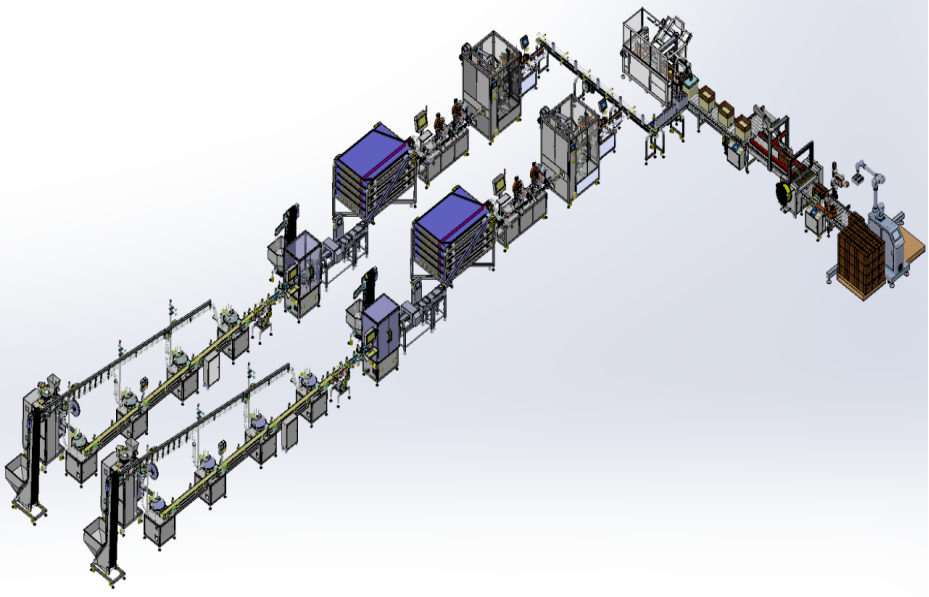
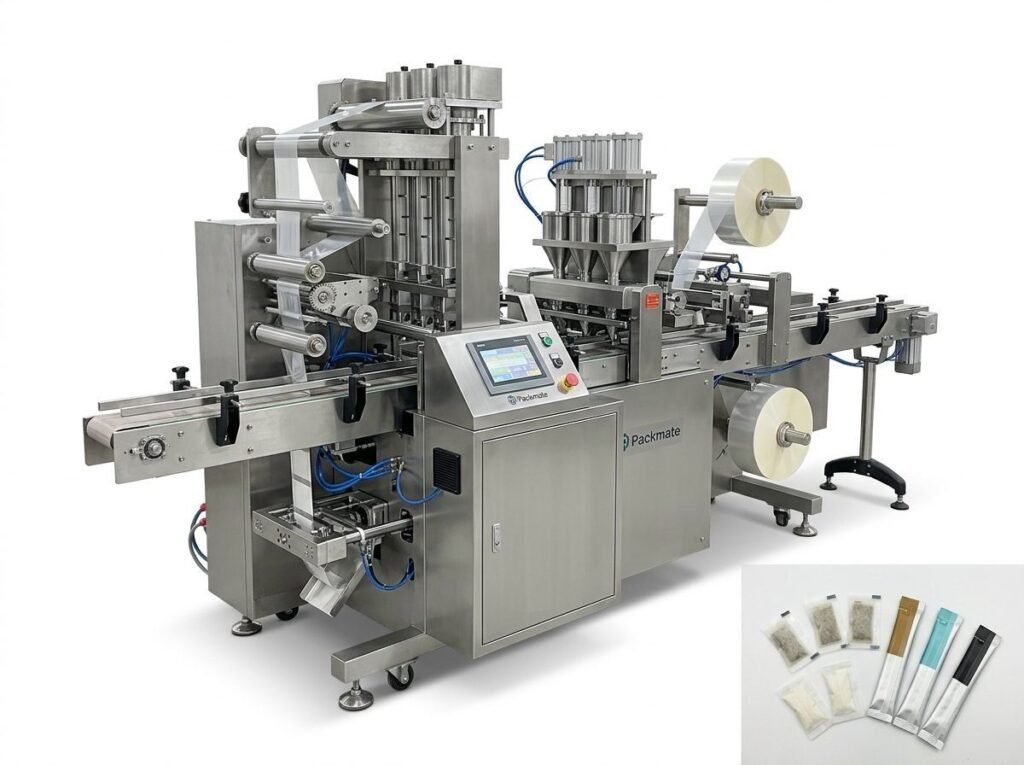
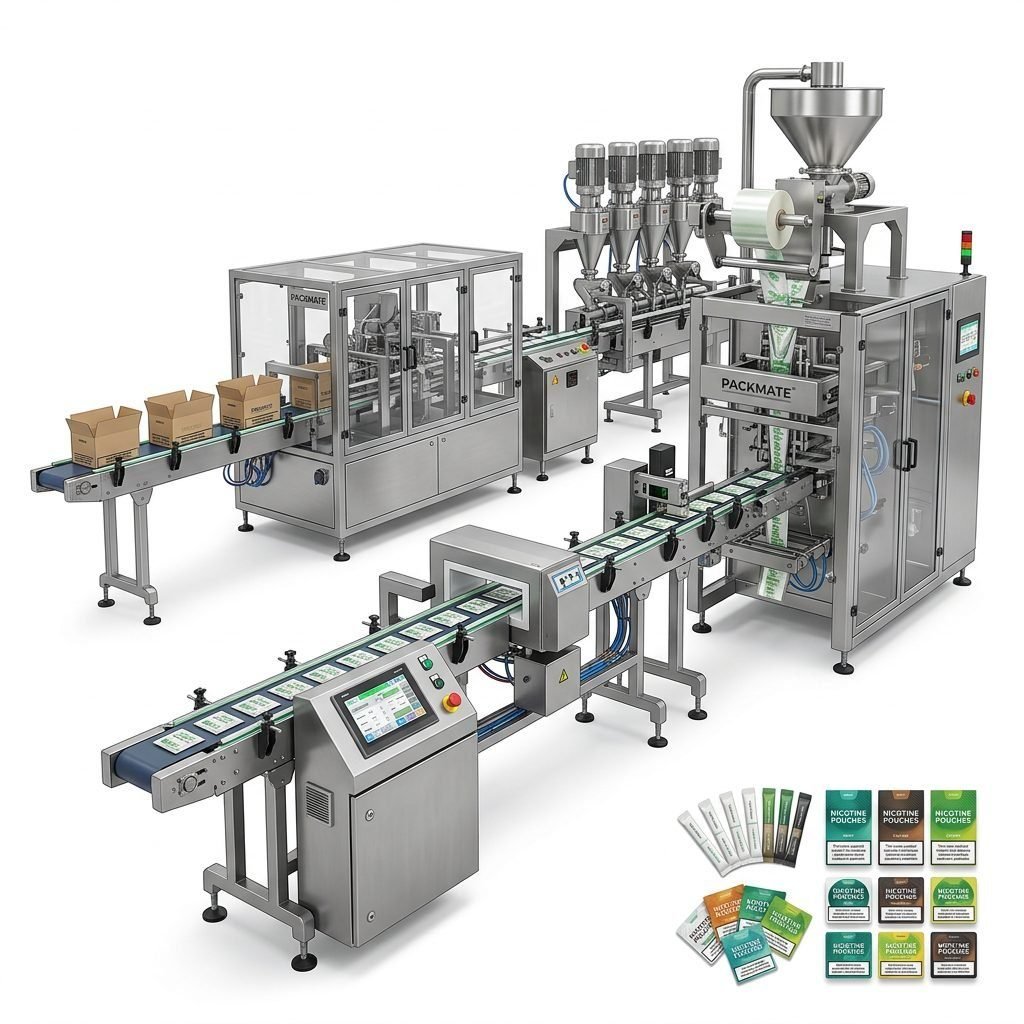
A full snus packaging line typically integrates multiple subsystems that work together seamlessly. Core modules include the dosing and filling unit, pouch forming or pouch loading station, heat-sealing or ultrasonic sealing system, conveyance and indexing mechanisms, thermal or digital printing for lot codes, and automated labeling and carton packaging. Modern lines add multi-lane capability, in-line metal detection, and automated case packing for higher throughput.
Key benefit: Integrating all these functions into one automated system reduces handling, minimizes contamination risk, and ensures uniform dose distribution across every pouch.
Core Components Explained
Below are the core modules you will find in a purpose-built snus packaging solution:
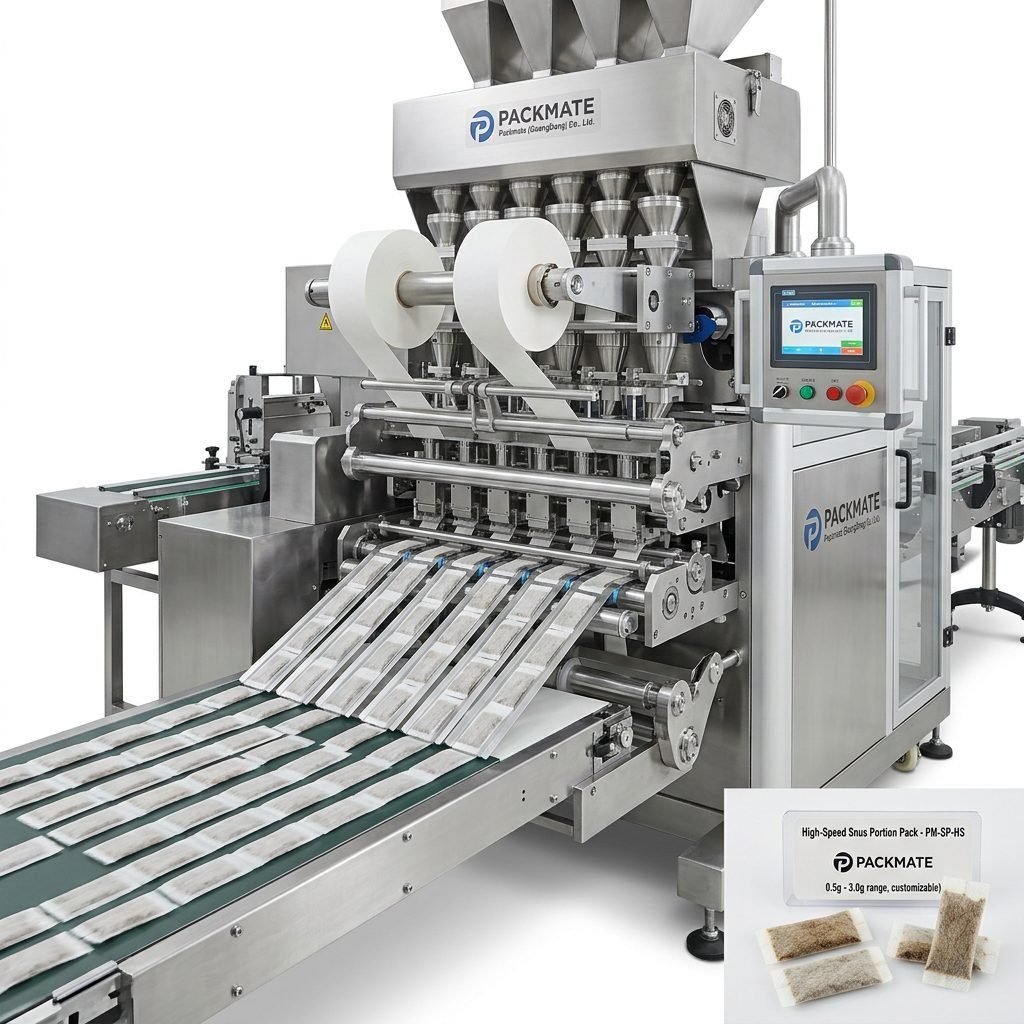
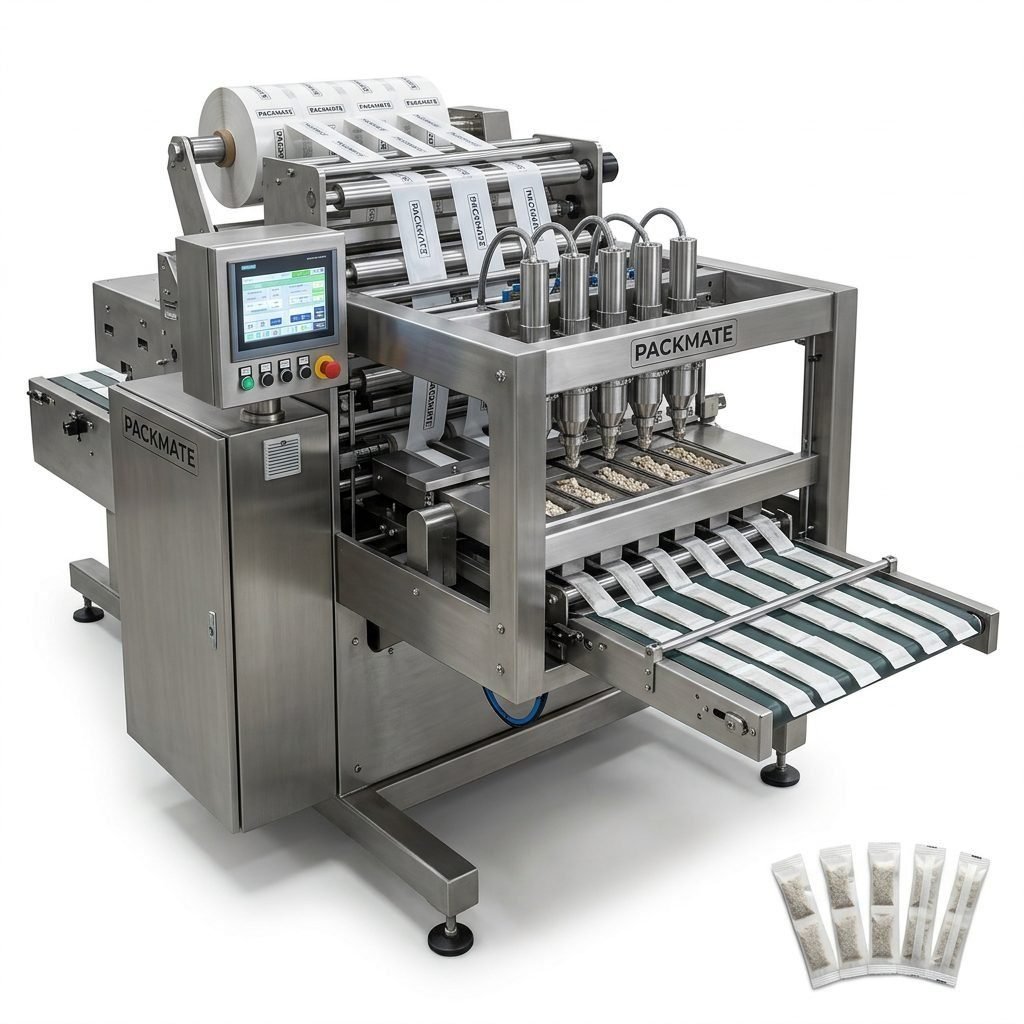
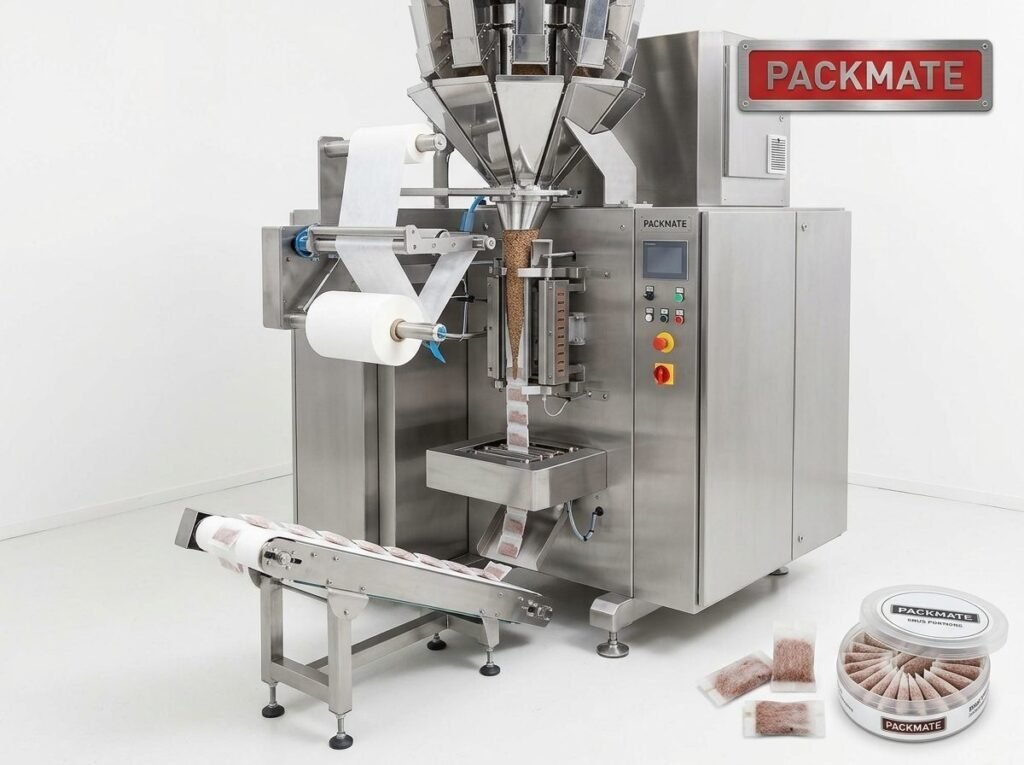
⚙️ Filling & Dosing: High-precision volumetric or auger dosing systems are used depending on product physicals (powder, granular or paste). For nicotine pouches, micro-dosing accuracy is essential to meet regulatory and consumer expectations.
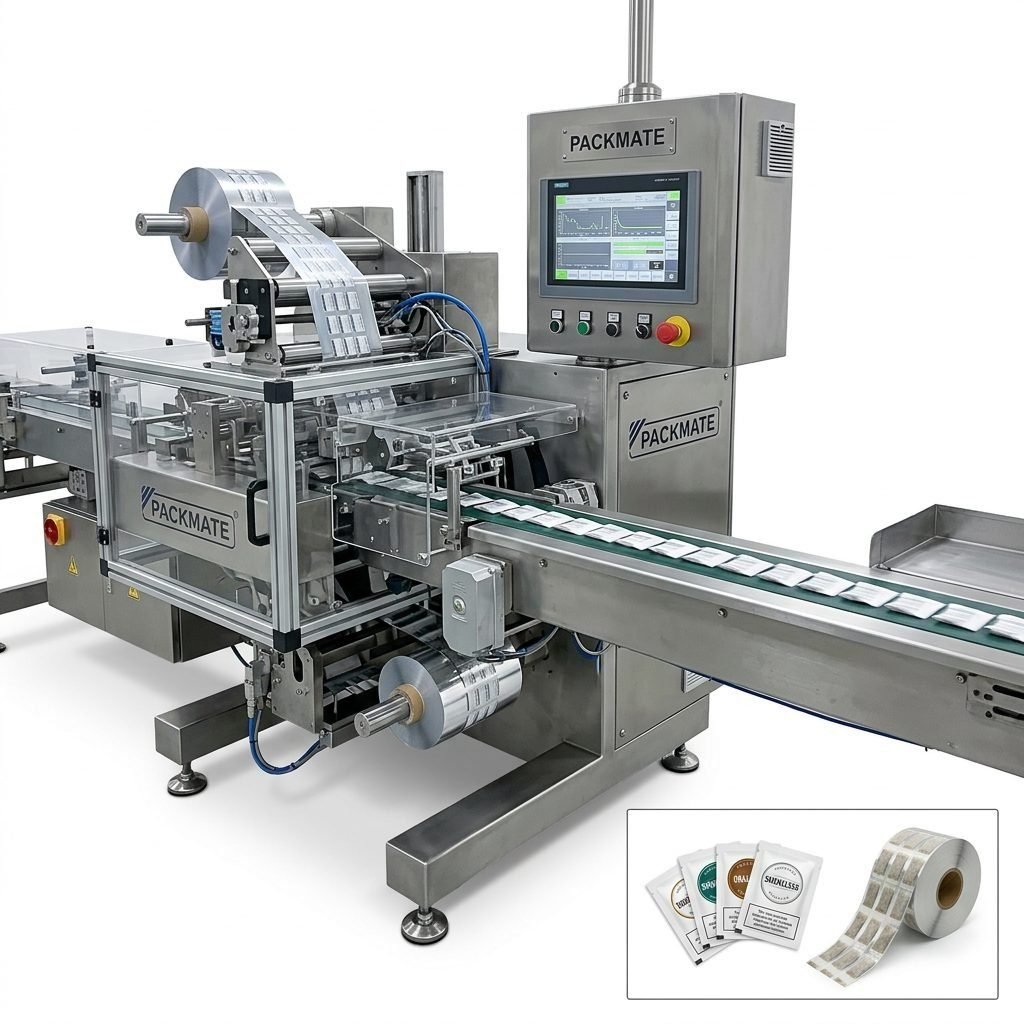
🔒 Sealing: Heat sealing, impulse sealing or ultrasonic sealing methods create hermetic seals to preserve freshness and control moisture migration. Seal integrity testing is often included in-line.
🏷️ Labeling & Coding: Automated label applicators and thermal inkjet or laser coders apply brand labels, batch numbers, and expiry dates. Label positioning systems ensure consistent look across every pack.
📦 Secondary Packaging: Collating, tray packing, and case packing units prepare product for logistics while reducing manual labor and packaging errors.
Multi-Lane Systems for High-Volume Production
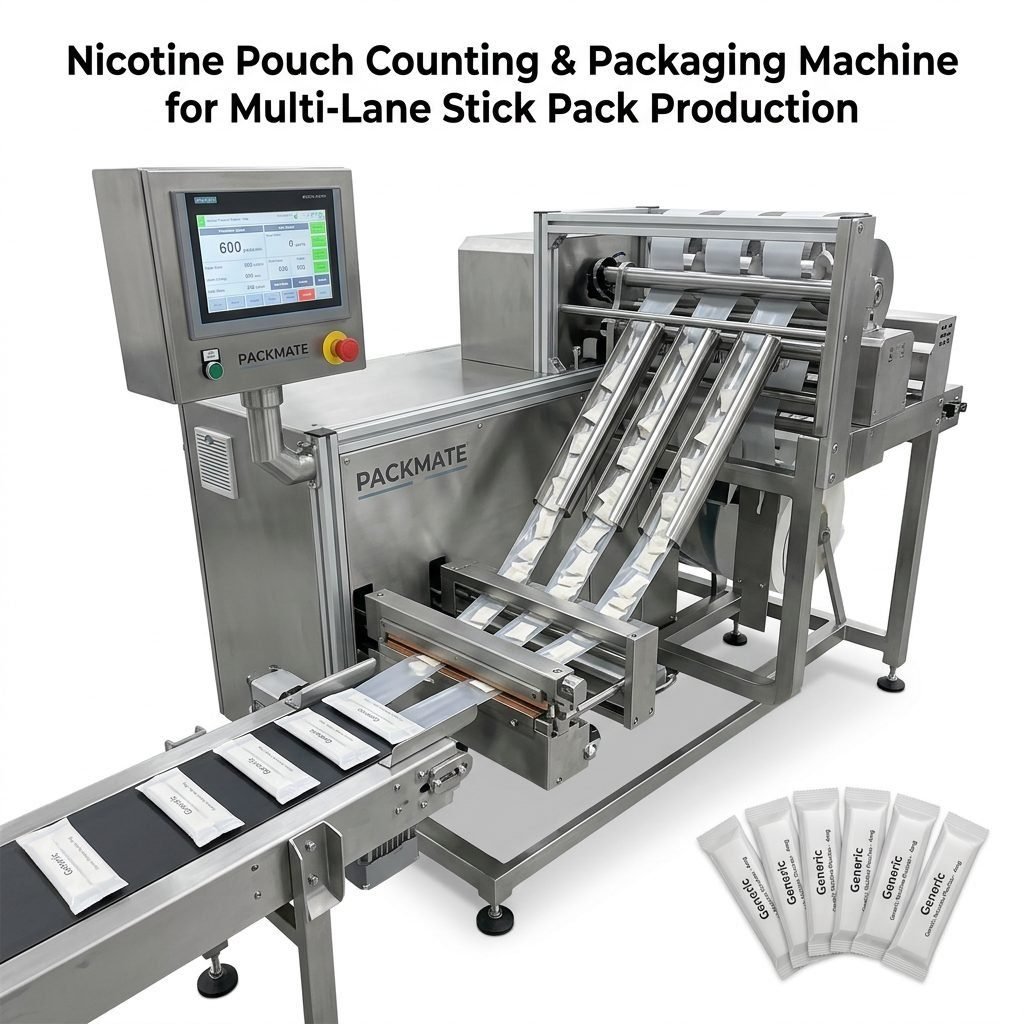
Multi-lane snus packaging machines increase output without proportionally increasing floor space. A 4- or 8-lane machine can dramatically raise throughput, especially for small-dose pouches used in nicotine and snus markets. Synchronization between lanes, precise product feeding channels, and centralized control are critical to keep downtime minimal and ensure uniform pouch quality.
Tip: Choose a modular multi-lane design to scale capacity easily while using the same footprint.
Material Handling & Weighing Integration
Accurate weighing eliminates batch variability. Integrated weigh systems and checkweighers reject under- or overweight pouches. For hygroscopic materials, conditioned feed hoppers and closed transfer systems prevent moisture uptake and cross-contamination.
Design Considerations for Nicotine Pouches & Snus
Nicotine pouches and snus present unique challenges: small pouch size, high filling precision, tight seal requirements, and variable moisture content. Machines must be configurable to handle different pouch dimensions, fill weights, and packaging materials (foil-laminates, paper pouches, or sachets). Cleanability, GMP-compliant surfaces, and minimal product dead zones are essential for regulatory compliance.
Material Compatibility and Changeover
Quick and tool-less changeovers, adjustable sealing jaws, and recipe-based PLC controls help transition between SKUs rapidly. A well-designed system supports rapid mold or forming-tool swaps and automatic memory for parameters like temperature, conveyor speed, and dosing profile.
Quality Assurance, Testing & Compliance
Compliance with international standards such as CE and ISO is a baseline. Additional in-line checks—seal leak detectors, vision systems for label verification, metal detection, and sample testing ports—help maintain product integrity. Factory acceptance testing (FAT) and site acceptance testing (SAT) validate machine performance under real production conditions.
Compliance highlight: Equipment that carries CE and ISO marks ensures smoother regulatory acceptance for export markets.
Traceability Features
In-line serialization, batch coding and remote log storage are valuable for recalls and traceability. Integrating PLC data and SCADA dashboards allows operations teams to capture production metrics and deliver actionable insights.
Turnkey Solutions: From Concept to Commissioning
Purchasing a turnkey packaging line simplifies project management: equipment selection, factory layout, electrical and pneumatic integration, software integration, and staff training are handled by a single supplier. Reputable manufacturers offer layout proposals, OEE (Overall Equipment Effectiveness) forecasts, and ROI calculations to support capital investment decisions.
When evaluating vendors, ask for references and case studies that demonstrate similar installations. Packmate Snus Machine, for example, provides full line solutions and has a global footprint—details and project examples can be found on their mission and case pages.
Explore product families and case examples:
Snus & Nicotine Packaging Machines,
Filling & Packaging Lines,
Case Studies,
About Packmate.
Installation, Commissioning & Training
Proper installation requires coordinated electrical and mechanical hookup, control wiring and network integration. Commissioning tests ensure speed, weight accuracy, and seal integrity. On-site training for operators and maintenance staff reduces start-up issues and builds internal expertise. Look for suppliers who provide remote support and spare parts kits to minimize downtime.
Manufacturing Strength & After-Sales Support
Manufacturing quality underpins long-term equipment reliability. Facilities with advanced CNC machining centers, precision assembly lines and robust QA workflows deliver machines that stay in service longer. Also consider the supplier’s global service reach—fast response times for parts and certified technicians reduce production risk.
For more information on service offerings and certificates, refer to the supplier’s service and certificate pages:
Service,
Certificate.
Sustainability & Material Efficiency
Material optimization minimizes waste and lowers cost per pouch. Accurate dosing, intelligent film tracking, and scrap collection systems all contribute to eco-efficiency. Many manufacturers now support recyclable or mono-material pouch structures—discuss material compatibility with your supplier early in the project.
ROI Considerations: Cost vs. Benefit
Investment in a custom snus packaging line should be assessed by lifetime throughput, reduced labor costs, lower material waste, and improved quality consistency. Include maintenance contracts, spare parts forecasts, and expected energy consumption in your TCO (Total Cost of Ownership) analysis. A properly sized multi-lane machine often recoups investment in a shorter timeframe due to increased yield and lower per-unit labor.
Quick calculation: Estimate your annual production volume, compare single-lane vs multi-lane output, and calculate labor savings to find payback period.
How to Select the Right Supplier
Choose suppliers with deep industry experience, proven case studies, and transparent project management. Ask about spare-part lead times, availability of local technicians, and upgrade paths for future automation. A partner with turnkey capabilities can supply everything from primary filling to palletizing, shortening implementation time.
If you want to see real-world demonstrations and compare technologies, visiting international exhibitions or scheduling factory visits is highly recommended:
Our Exhibition.
Customization & Future-Proofing
Require modular architectures and software-based recipe management so new SKUs can be added with minimal hardware changes. Future-proof designs include spare IO, Ethernet-based control, and remote monitoring capabilities to enable predictive maintenance and data analytics.
Final Thoughts
Selecting a custom snus packaging system is a strategic decision that affects product quality, regulatory compliance, and production economics. Focus on precision dosing, robust sealing, reliable labeling, and strong after-sales support. Working with experienced manufacturers who provide turnkey solutions and proven multi-lane machines helps accelerate time-to-market while safeguarding product integrity.
Learn More & Next Steps
For tailored recommendations, factory tours, or to request a quotation, contact the supplier’s sales and technical team:
Contact Us.
Frequently Asked Questions
Q1: What throughput can I expect from a multi-lane snus packaging line?
Typical throughput depends on lane count, pouch size, and fill speed. Multi-lane systems range from several thousand to tens of thousands of pouches per hour. Providers can model expected output based on your SKU mix.
Q2: How do you ensure dosing accuracy for small nicotine pouches?
Dosing accuracy is maintained via precision auger or volumetric feeders, closed-loop control with load-cells, and frequent in-line sampling with checkweighers. Recipe-based PLC control helps retain consistency across shifts.
Q3: What hygiene standards do these machines meet?
Machines are built with GMP principles: smooth stainless-steel surfaces, minimal crevices, easy disassembly for cleaning, and sanitary material contacts. Certifications such as CE and ISO indicate compliance with international standards.
Q4: How long is the lead time for a custom turnkey line?
Lead times vary by complexity and customization but typically range from a few months to several months. Early-stage technical discussions and clear specifications help shorten delivery schedules.
Q5: Can I upgrade an existing line to increase capacity?
Many systems are designed to be modular. Upgrades like adding lanes, faster dosing units, or improved control systems are common. Discuss upgrade paths with your supplier to ensure compatibility and minimal disruption.