Choosing the right snus packaging machine supplier in the Czech Republic is a strategic decision for any company entering or expanding in the nicotine pouch market. This guide explains practical steps, local considerations, and technical checkpoints to help procurement managers, production engineers, and business owners make an informed decision. It covers supplier verification, machine selection, compliance, logistics, and after-sales support—presented with clear visual cues for faster scanning and decision-making.
Understand Local Market Context and Regulations
The Czech Republic operates within the EU regulatory environment, meaning EU product safety, machinery directives, and packaging waste rules apply. At the same time, local consumer habits matter: Czech customers tend to favor discreet, mid-sized packages and increasingly prefer nicotine pouches with varied flavors and nicotine strengths. When selecting a supplier, evaluate whether their machines can produce popular local formats—multi-lane sachets, stick packs, or small pouches—at competitive speeds and with flexible dosing options.
🔶 Tip: Confirm the supplier’s experience with EU-compliant equipment and ask for examples of deliveries to European customers. Suppliers with CE and ISO certifications are preferable.
Key Regulatory Checks
Verify CE marking, machine safety documentation, and conformity declarations. Also verify that packaging materials and machine processes align with any Czech/EU labeling, waste, and chemical regulations. If you intend to export across the EU, insist on documentation in English and, if possible, Czech translations for local approvals or customs clearance.
Technical Requirements: Match Machine Capability to Product Needs
Before contacting suppliers, document your product specifications: pouch dimensions, average pouch weight, target output (pieces/minute), acceptable weight tolerance, intended packaging material, and secondary packaging needs (cartons, boxes, bundling). Suppliers should be able to produce sample runs and demonstrate accuracy, stability, and uptime for your exact pouch type—whether powder, granular, or moist snus-like formulations.
Machine Types to Consider
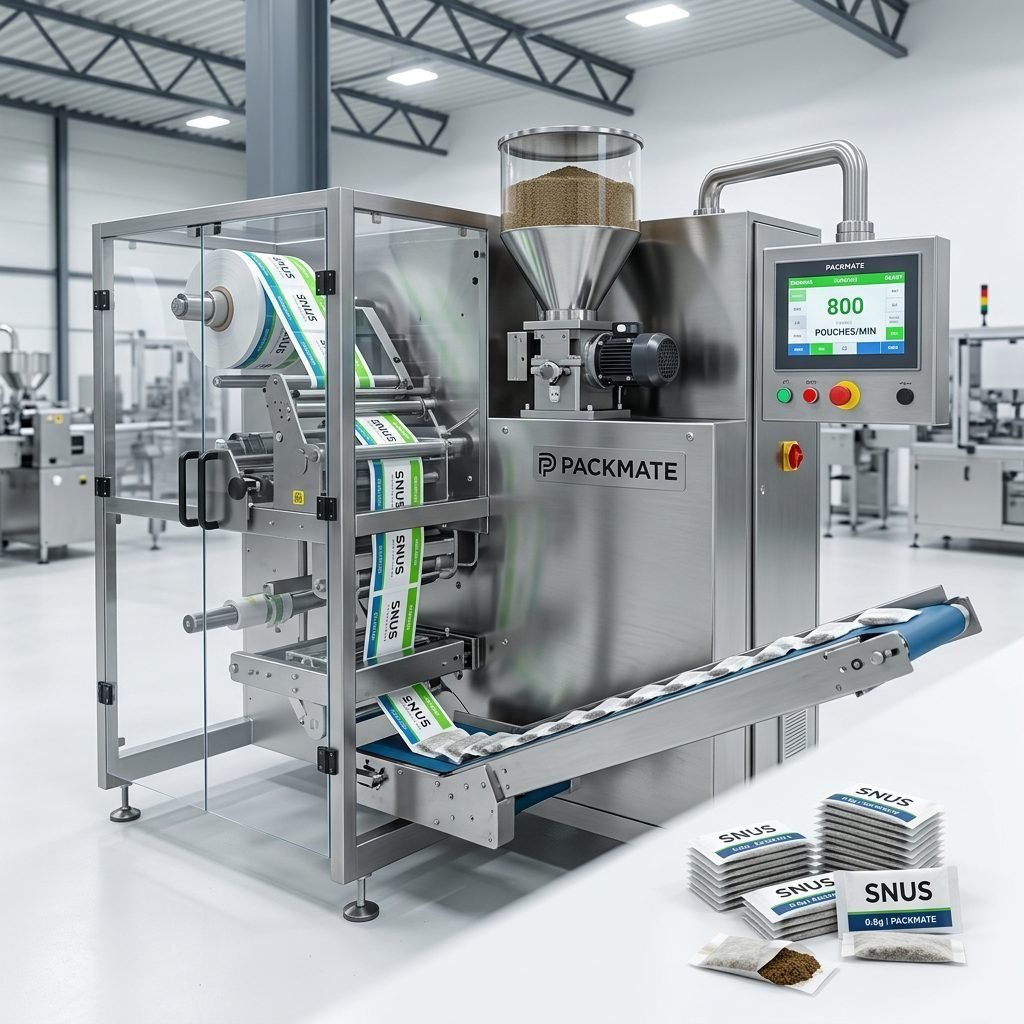
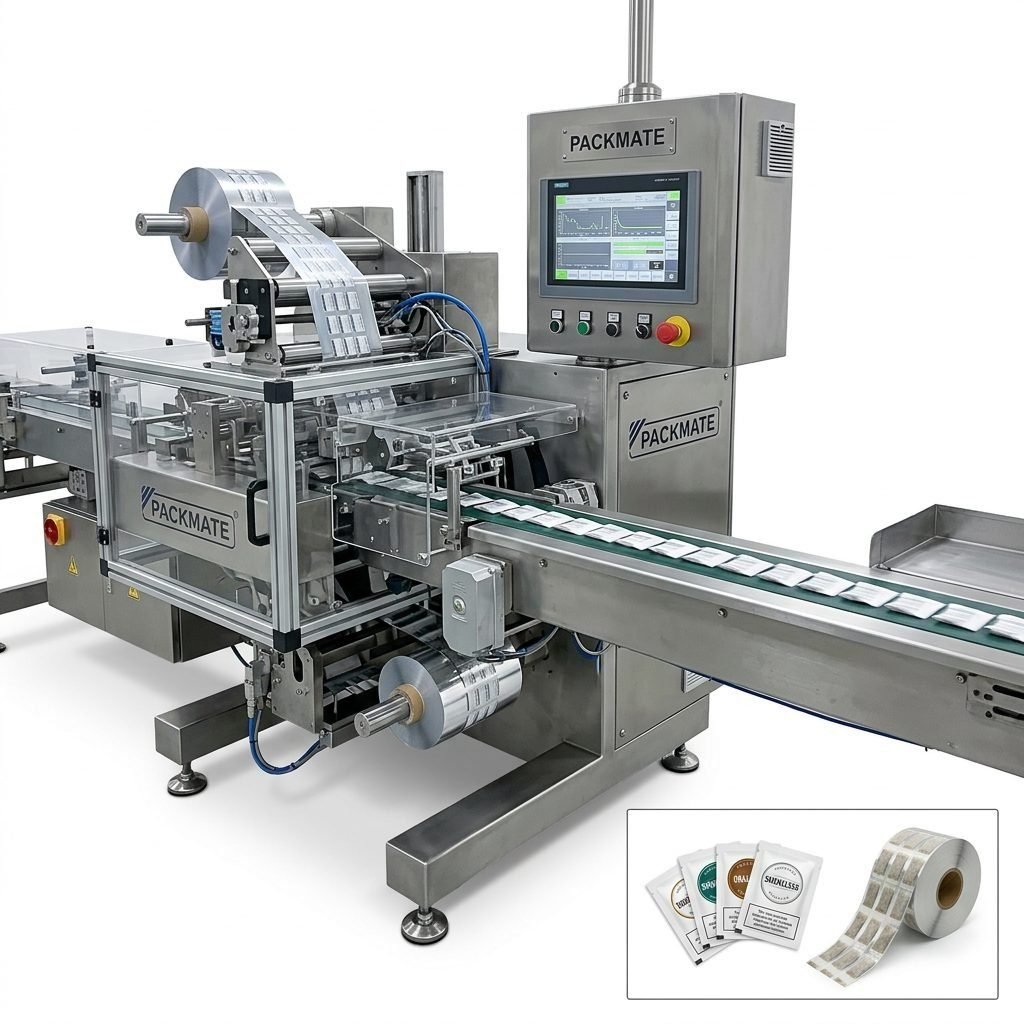
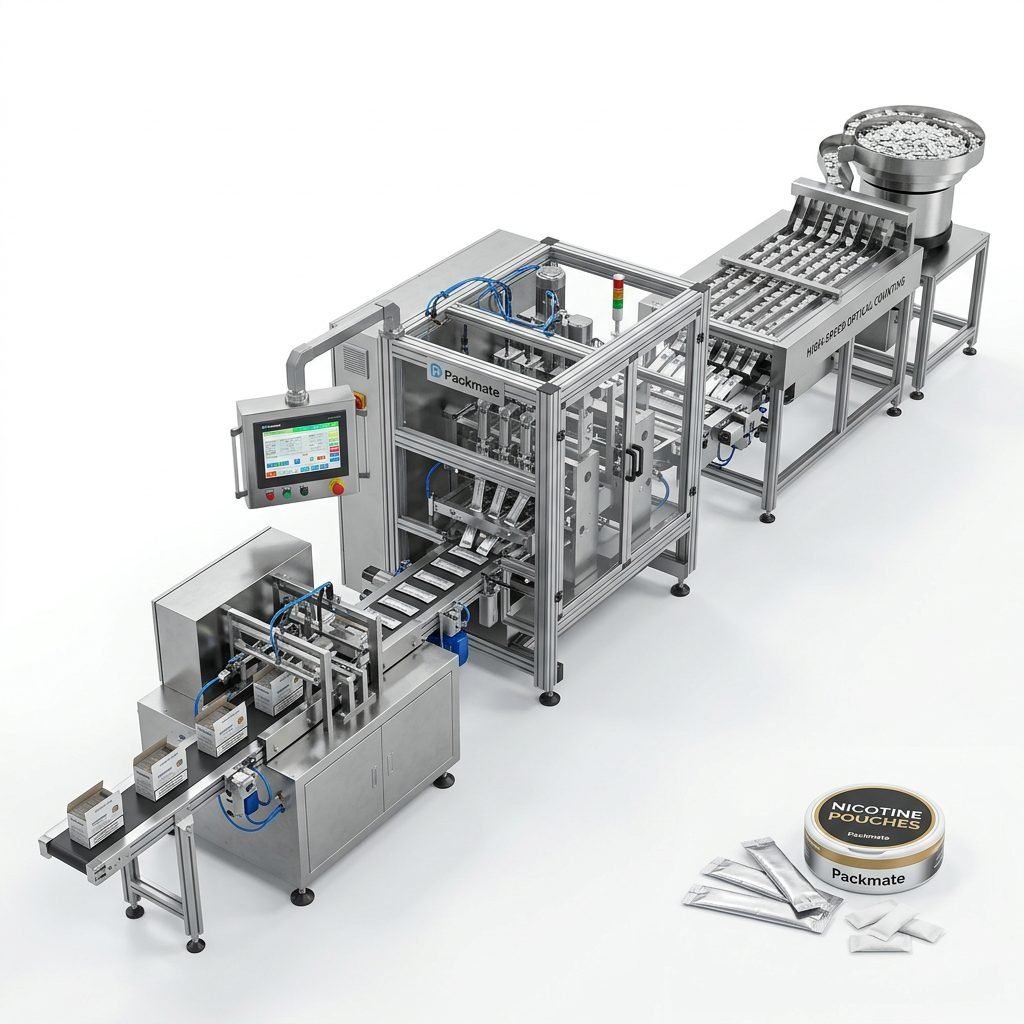
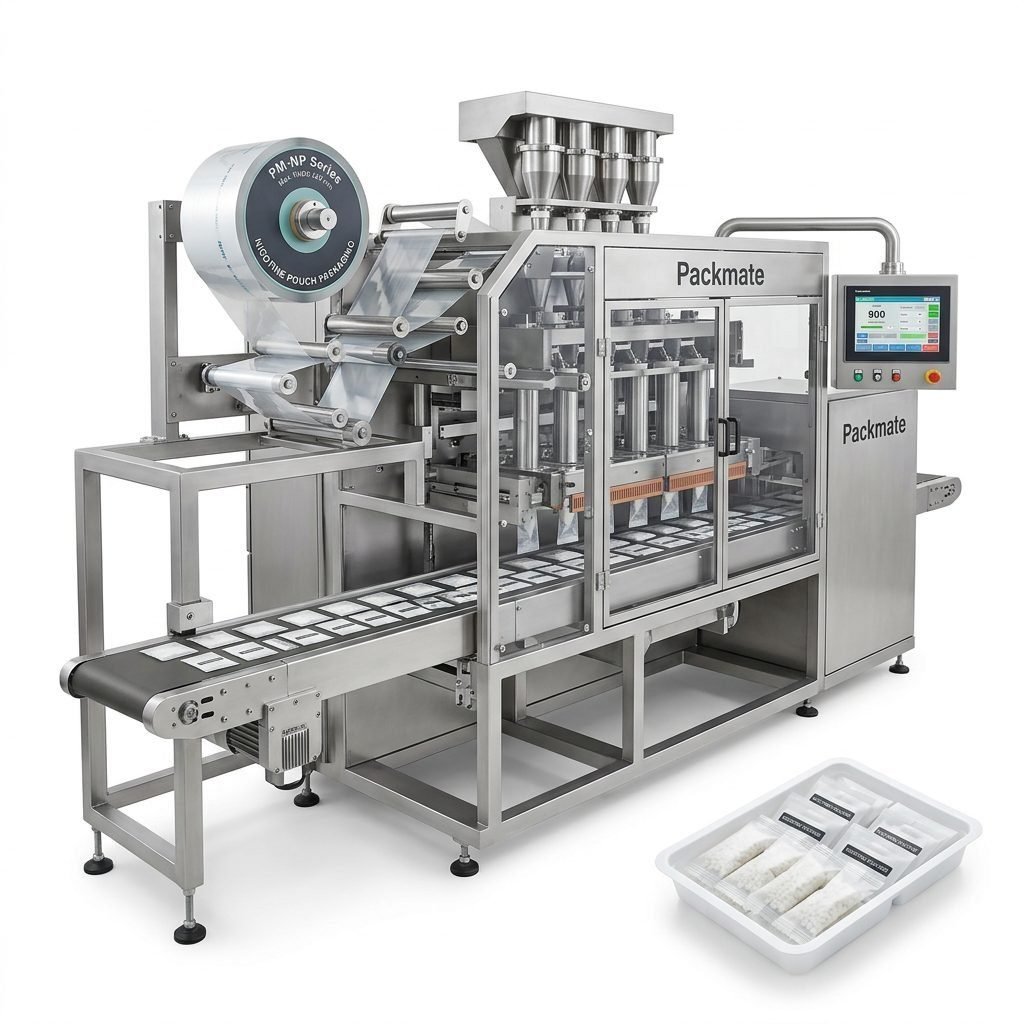
– Multi-lane pouch machines for high throughput and efficient small-dose production.
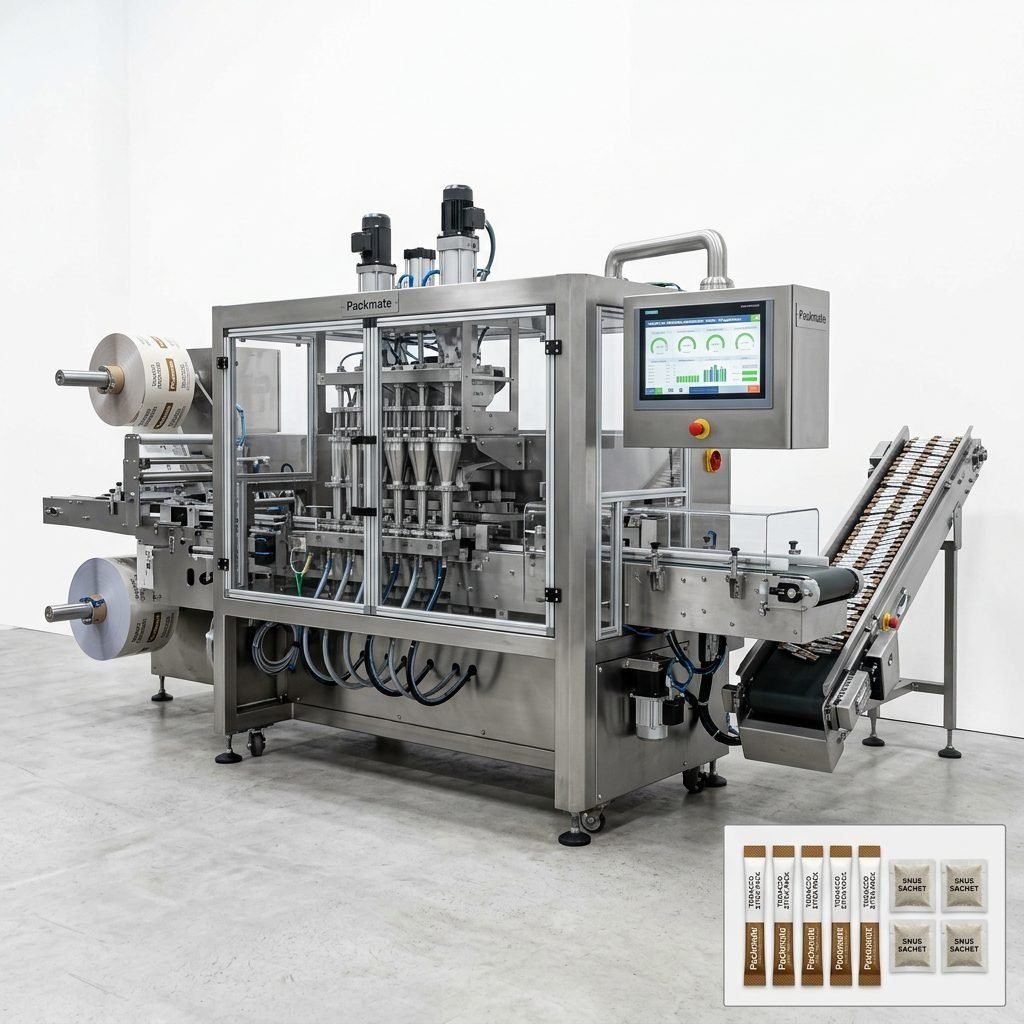
– Sachet and stick pack systems for single-dose formats.
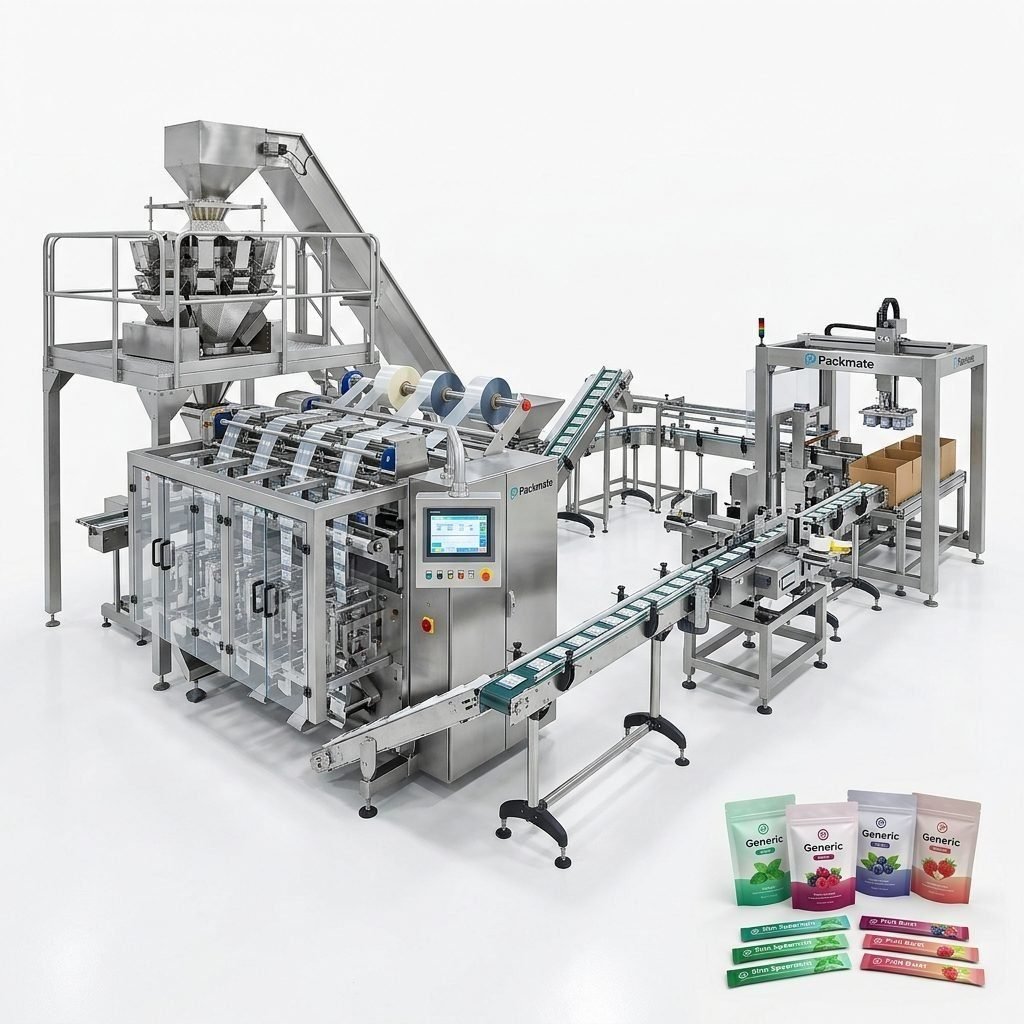
– Integrated weighing and filling lines if you require precise dosing (see weighing solutions below).
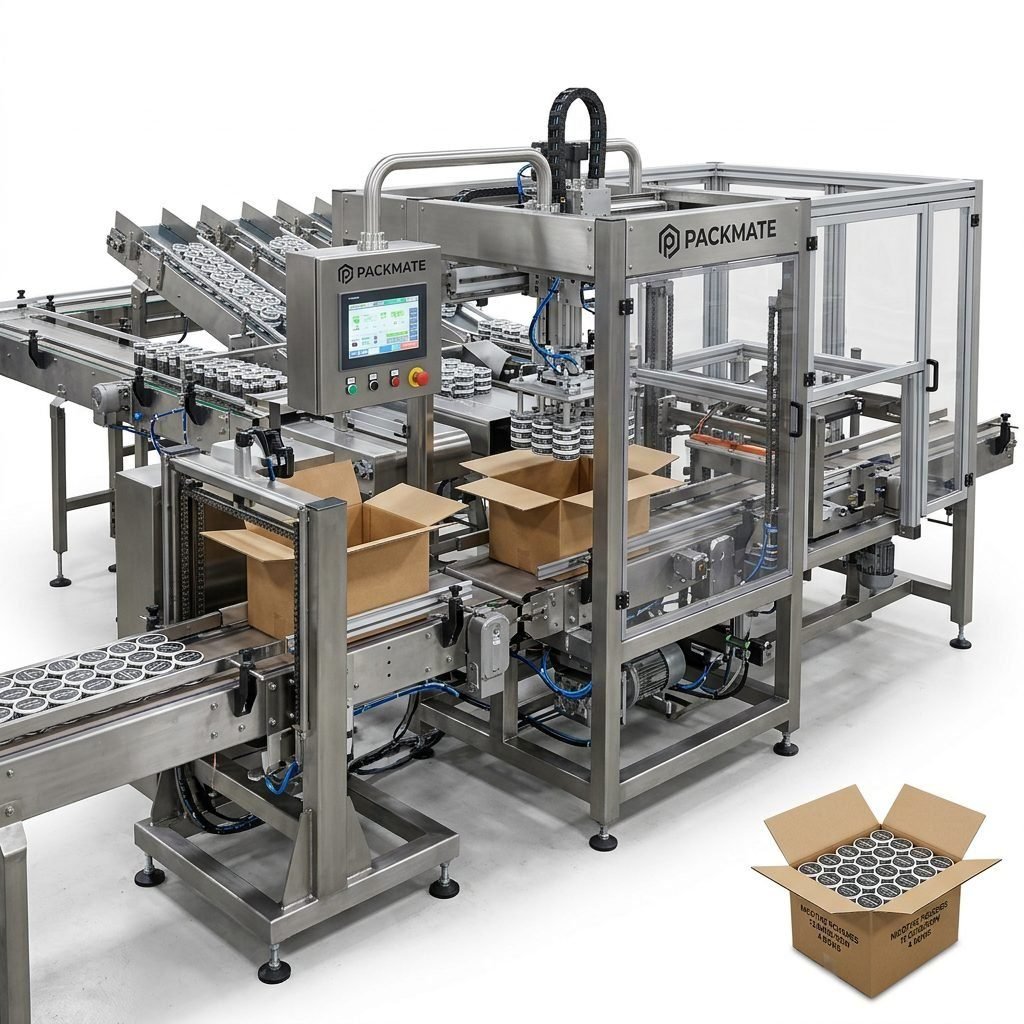
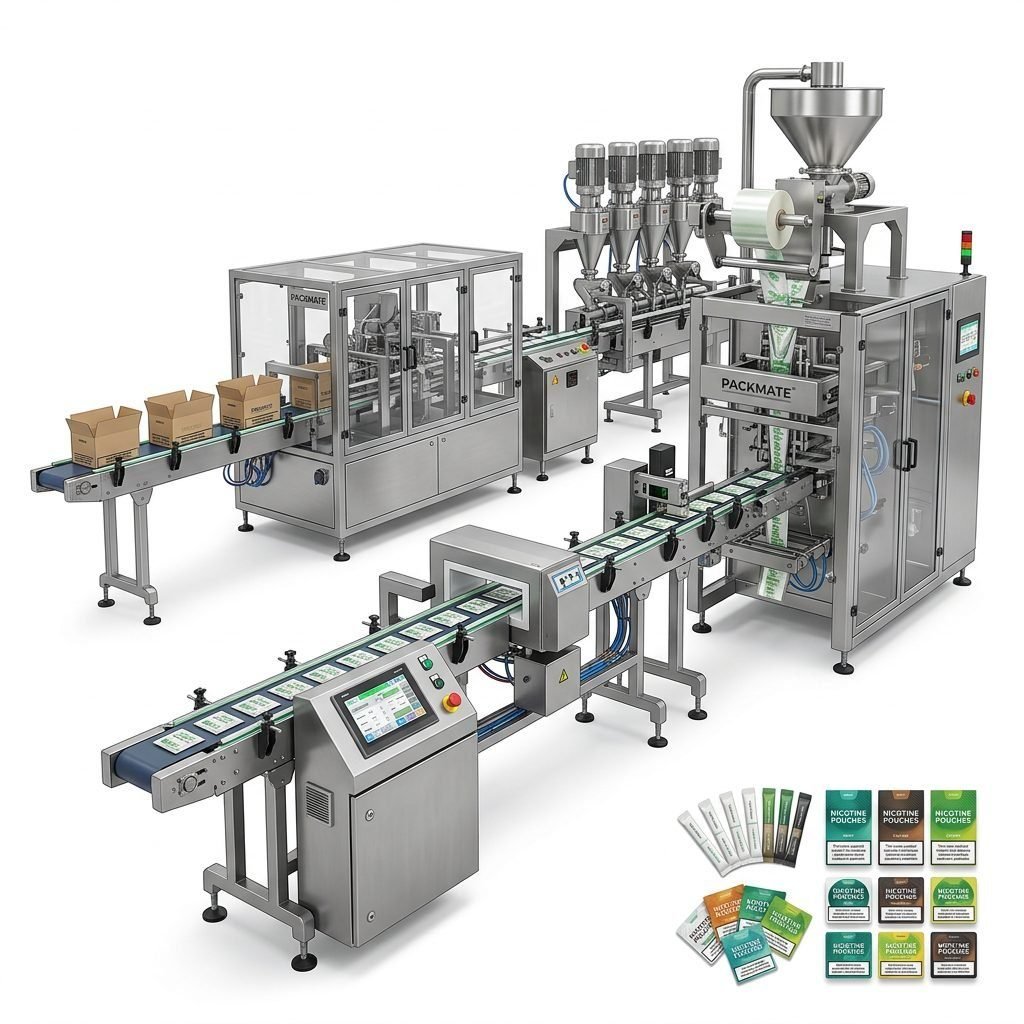
– Auxiliary equipment (labelers, checkweighers, metal detectors) for a full production line.
For direct machine references and product pages, consider reviewing supplier catalogs such as Snus & Nicotine Packaging Machines, Bag & Pouch Packaging Machines, and integrated Weighing & Packaging Systems.
Supplier Verification and Factory Assessment
A thorough supplier vetting process reduces risk. Key areas to evaluate include manufacturing capacity, quality control, R&D capabilities, and spare-parts provisioning. Ask for factory photos, videos, and ideally an in-person or virtual factory tour—Packmate, for example, highlights a 20,000㎡ manufacturing facility with CNC centers and precision assembly lines. For Czech buyers, consider a supplier who can coordinate customs documentation and understands EU logistics.
✅ Checklist: Factory size, certifications (CE/ISO), number of machine models, R&D experience, and references in Europe.
Ask for Case Studies and References
Request case studies, especially those in European markets. Review production case examples to assess how the supplier handled installations, training, and ongoing support. You can review global usage examples and exhibitions on supplier pages such as their Case and Our Exhibition pages.
Customization and Flexibility
The ideal supplier offers modular machines and customization options to meet evolving product lines. For the Czech market, flexibility to adjust pouch sizes, lane counts, and secondary packaging styles is advantageous as consumer preferences shift. Confirm the supplier’s ability to adapt software controls, recipe management, and quick-change tooling for multi-format runs.
Software and Integration
Modern packaging lines rely on programmable logic controllers (PLCs), HMI recipe systems, and data logging for traceability. Ensure compatibility with your local MES/ERP or ask whether the supplier provides data interfaces. This is crucial for scaling operations and meeting Czech/EU traceability requirements.
Performance Metrics and Quality Assurance
Evaluate machines on real performance, not just vendor specs. Request factory acceptance tests (FATs), performance data from existing installations, and sample outputs. Pay attention to:
- Net output (pieces/min or pouches/min) under real-world conditions.
- Weight accuracy and filling tolerances for nicotine pouch products.
- Changeover times between formats.
- Average downtime and common failure modes.
- Parts availability and mean time to repair (MTTR).
⚠️ Warning: Machines tested only in ideal lab settings can underperform in continuous production—insist on FAT with your materials.
Service, Training, and Spare Parts
After-sales service is critical. Confirm the supplier offers installation support, operator and maintenance training, clear documentation in English (and Czech if possible), and spare parts supply. Prefer suppliers who provide extended warranty options and local technical support networks or third-party service partnerships in Europe.
Packmate’s service offerings often include commissioning, on-site training, and a global spare-parts strategy—details you should request during negotiation. See the supplier’s Service and Contact Us pages for support options.
Logistics, Delivery and Installation in the Czech Republic
International shipping for large packaging equipment requires careful planning: consider transit insurance, customs clearance, VAT implications, and on-site installation requirements (power, compressed air, floor load, ceiling height). Coordinate with local freight forwarders and ensure the supplier provides detailed packing lists, machine dimensions, and installation schematics.
Local Support Options
If the supplier cannot maintain local technicians in the Czech Republic, ensure fast remote diagnostics, spare parts kits, and clear escalation procedures. Some suppliers maintain European warehouses for spare parts—this can dramatically reduce downtime.
Commercial Terms and Risk Management
Clarify payment terms, lead times, penalties for late delivery, and acceptance criteria. A clear contract should cover performance guarantees, warranty length, spare-parts pricing, and intellectual property for any customized tooling. Negotiate milestones for deposits, factory acceptance testing (FAT), and site acceptance testing (SAT) in the Czech facility.
🔍 Commercial reminder: Always include clear KPIs for machine efficiency and quality in the purchase agreement.
Sustainability and Packaging Waste Considerations
EU consumers and regulators increasingly emphasize recyclable packaging and reduced waste. Ask suppliers about film-saving technology, recyclable film compatibility, and options for reduced material usage. Machines that support lightweight films and optimized sealing can help minimize material costs and environmental impact—an important selling point in Czech and wider EU markets.
Why Choose an Experienced Supplier: Packmate Example
Established suppliers with decades of engineering experience often provide better stability and long-term support. For instance, Packmate Snus Machine brings 30+ years of experience with over 50 machine models and a 20,000㎡ factory with advanced CNC and assembly lines—attributes that matter when you need reliable performance, spare parts, and turnkey solutions.
Learn more about company credentials and certifications on their About Packmate and Certificate pages.
Final Checklist Before Signing a Contract
Use this compact checklist to avoid common pitfalls:
- Confirm CE/ISO and request copies of certificates.
- Test machine with your actual material and complete a FAT.
- Clarify spare parts lead times and local support options.
- Agree delivery, installation, and training milestones (FAT & SAT).
- Lock in warranty terms and performance guarantees.
- Check for references and case studies in EU markets.
🏷️ Pro tip: Reserve a clause allowing a short provisional run period after installation to ensure final acceptance aligns with agreed KPIs.
Negotiating with Suppliers as a Czech Buyer
Czech buyers often value clear timelines, transparent pricing, and after-sales reliability. Use clear, measurable KPIs in negotiations and request local-language documentation where possible. Establish communication channels with named technical contacts to streamline commissioning and ongoing maintenance.
Cultural Note
Business in the Czech Republic emphasizes professionalism and punctuality. Suppliers that respond promptly, provide structured documentation, and offer clear project management tend to earn stronger trust and longer partnerships.
Conclusion
Selecting the best snus packaging machine supplier in the Czech Republic requires careful attention to regulatory compliance, technical capability, factory maturity, and after-sales service. By focusing on certified suppliers with proven European experience, demanding FATs with your materials, and negotiating clear commercial and service terms, you can minimize risk and secure a packaging solution that supports growth and compliance in the Czech and broader EU markets.
Frequently Asked Questions
Q1: How important is CE certification for packaging machinery in the Czech Republic?
A1: CE certification is essential because it demonstrates conformity with EU machinery and safety directives—without it you may face import or compliance issues.
Q2: Should I insist on factory acceptance testing (FAT) before payment?
A2: Yes. FAT with your materials and agreed acceptance criteria reduces the risk of receiving machines that do not meet your production needs.
Q3: How can I ensure fast spare-part replacement in the Czech Republic?
A3: Choose suppliers with European spare-parts warehouses or quick shipping options, and order a spare-parts starter kit when purchasing the machine.
Q4: Are turnkey solutions recommended for new entrants to snus production?
A4: Turnkey solutions simplify setup and regulatory compliance. They are especially useful for new entrants who need integrated systems, training, and vendor accountability for performance.