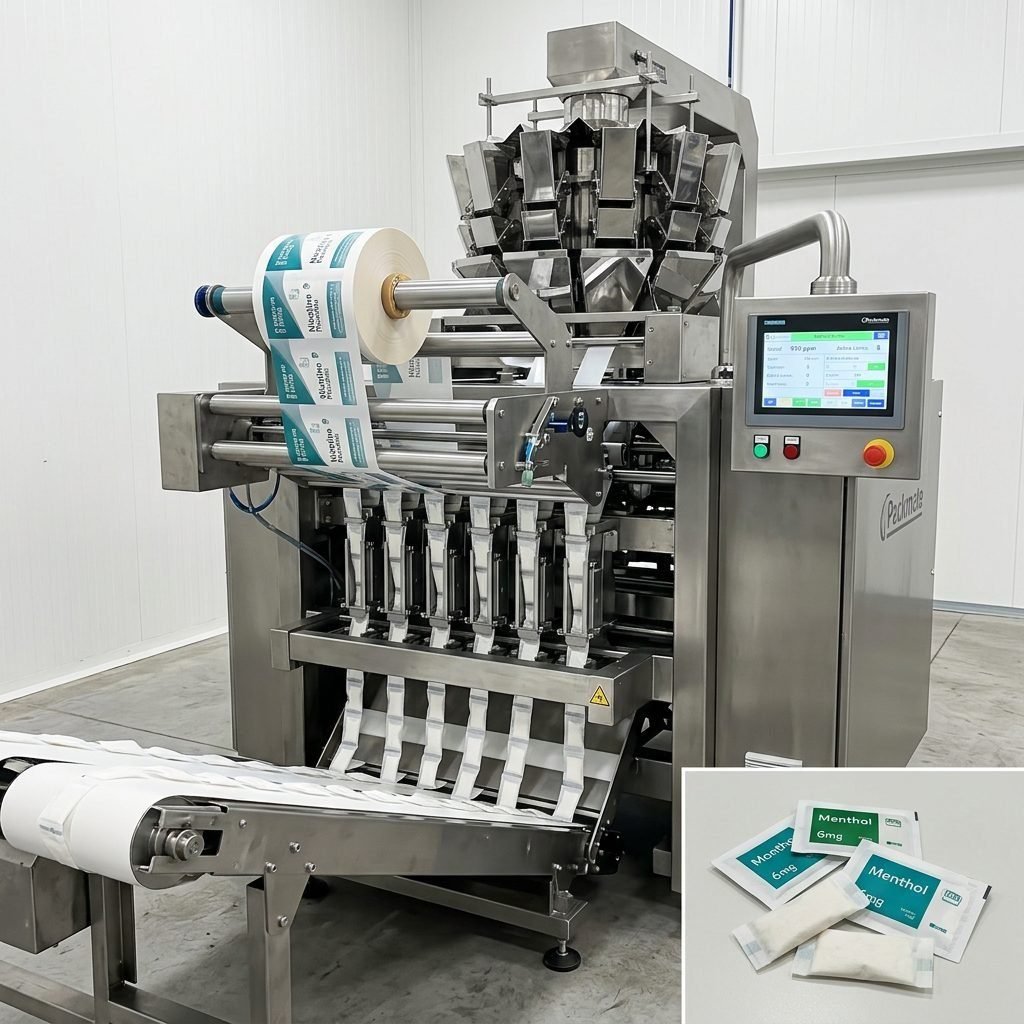
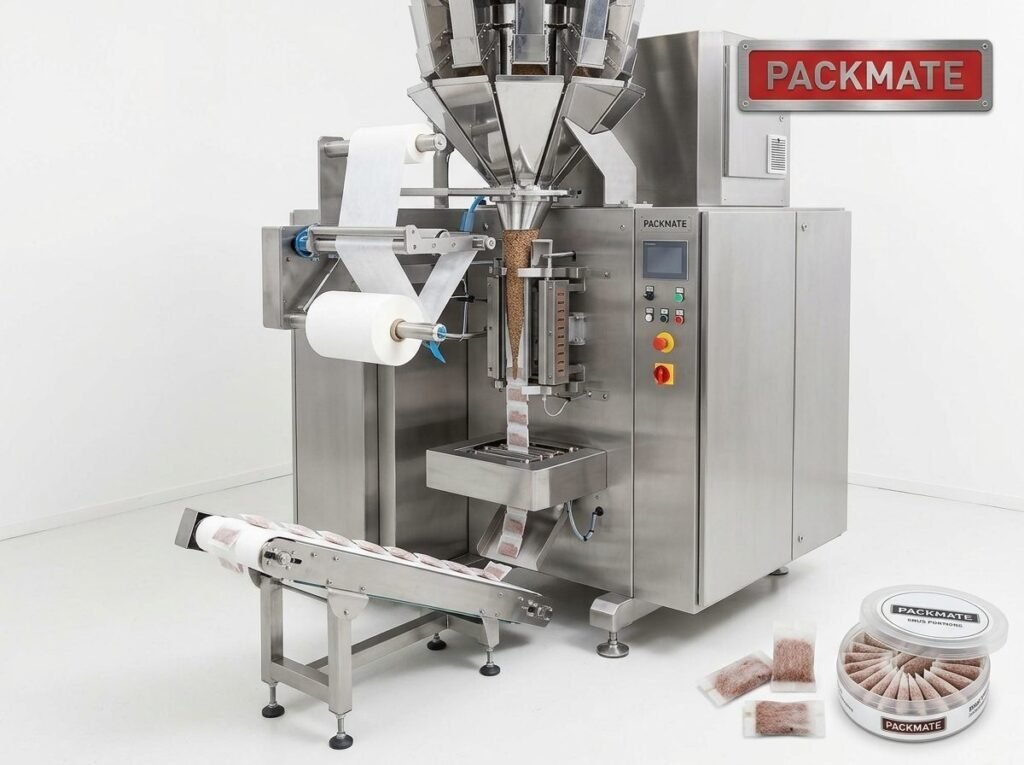
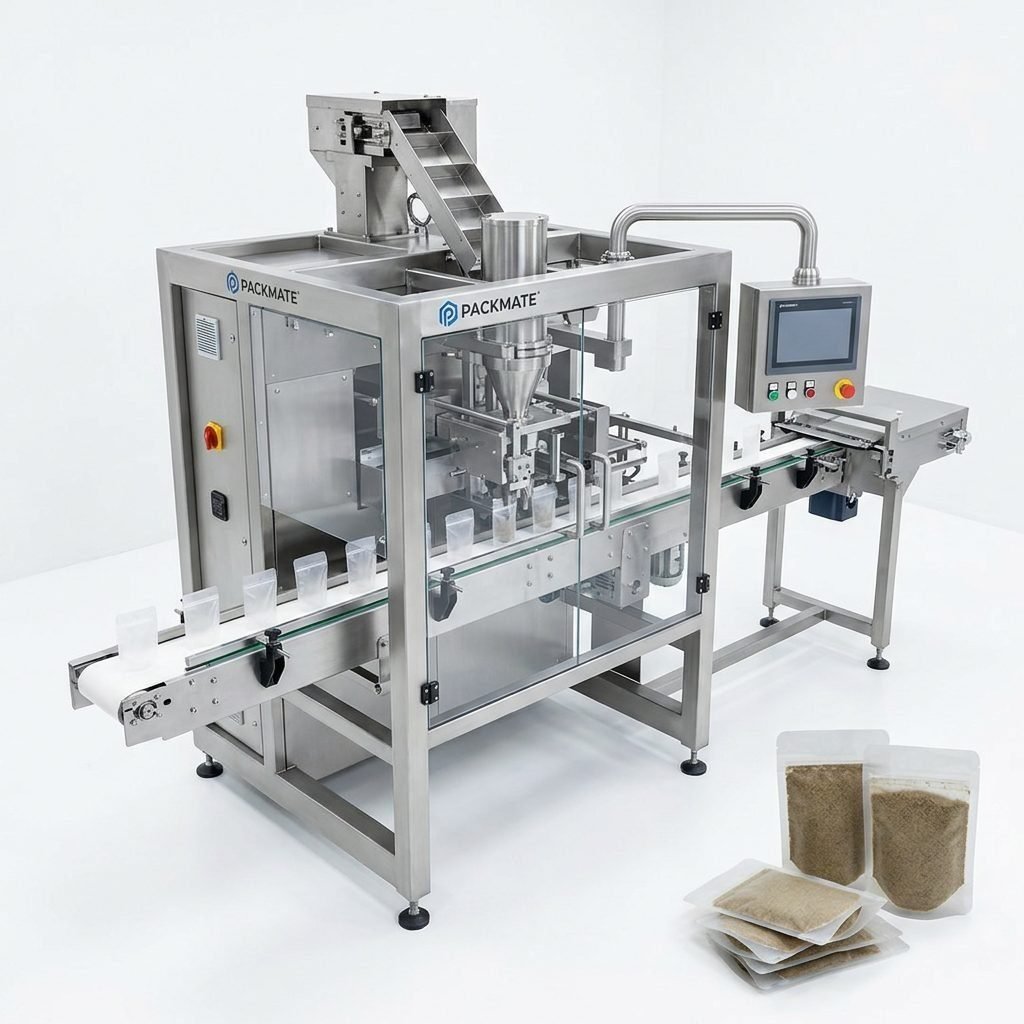
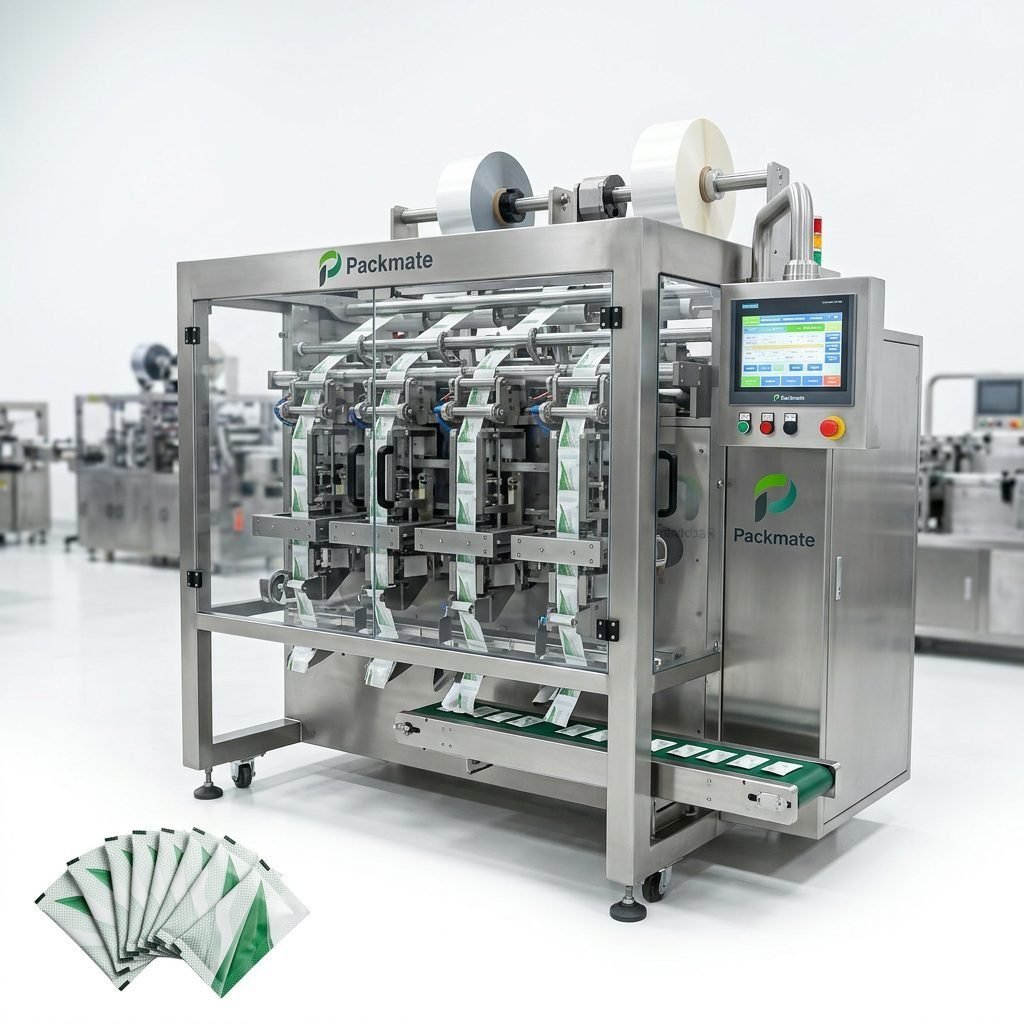
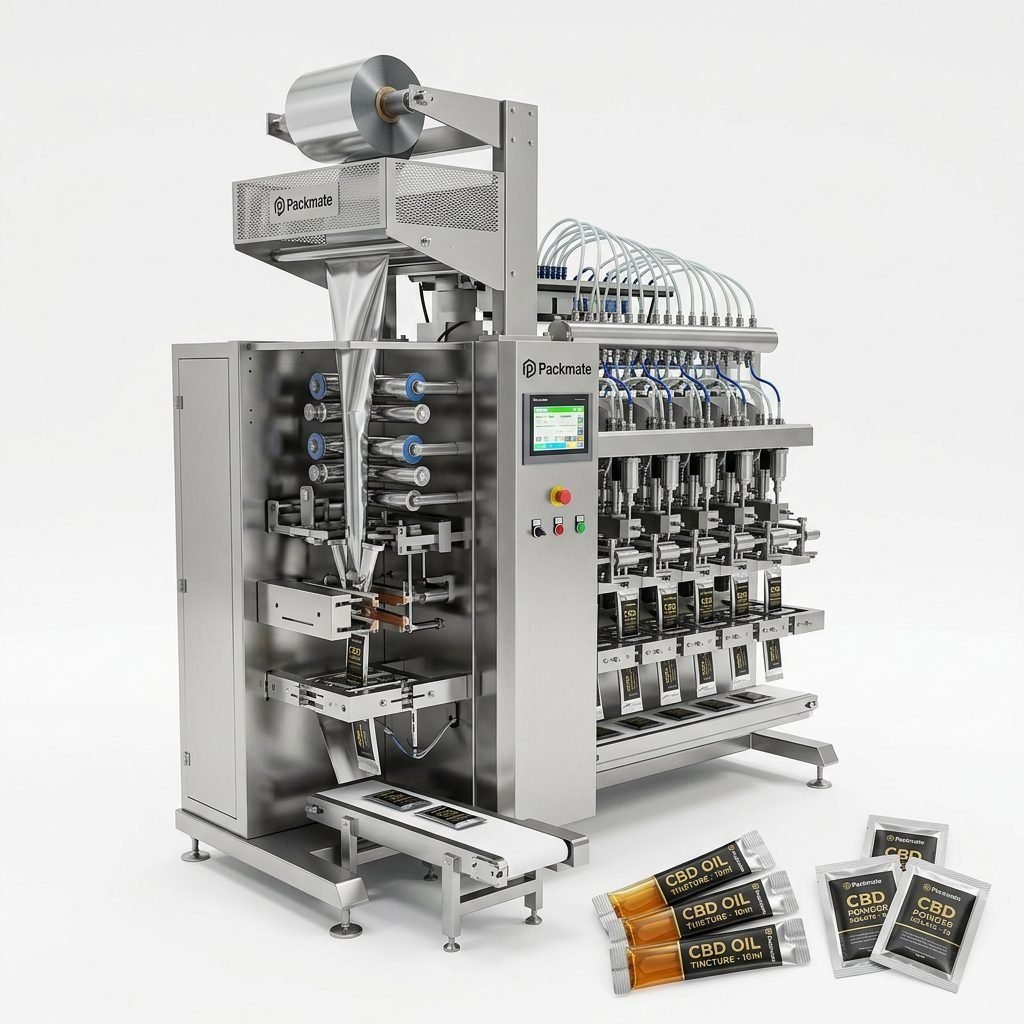
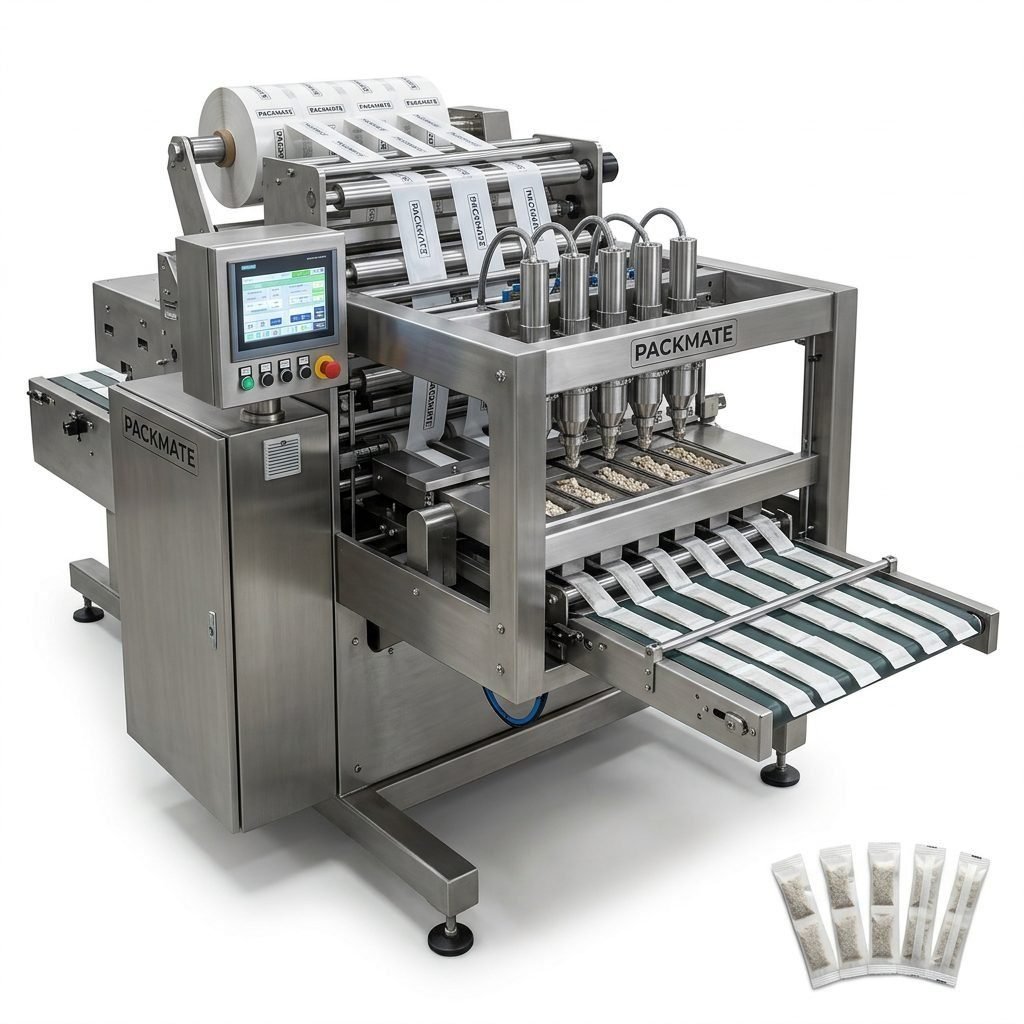
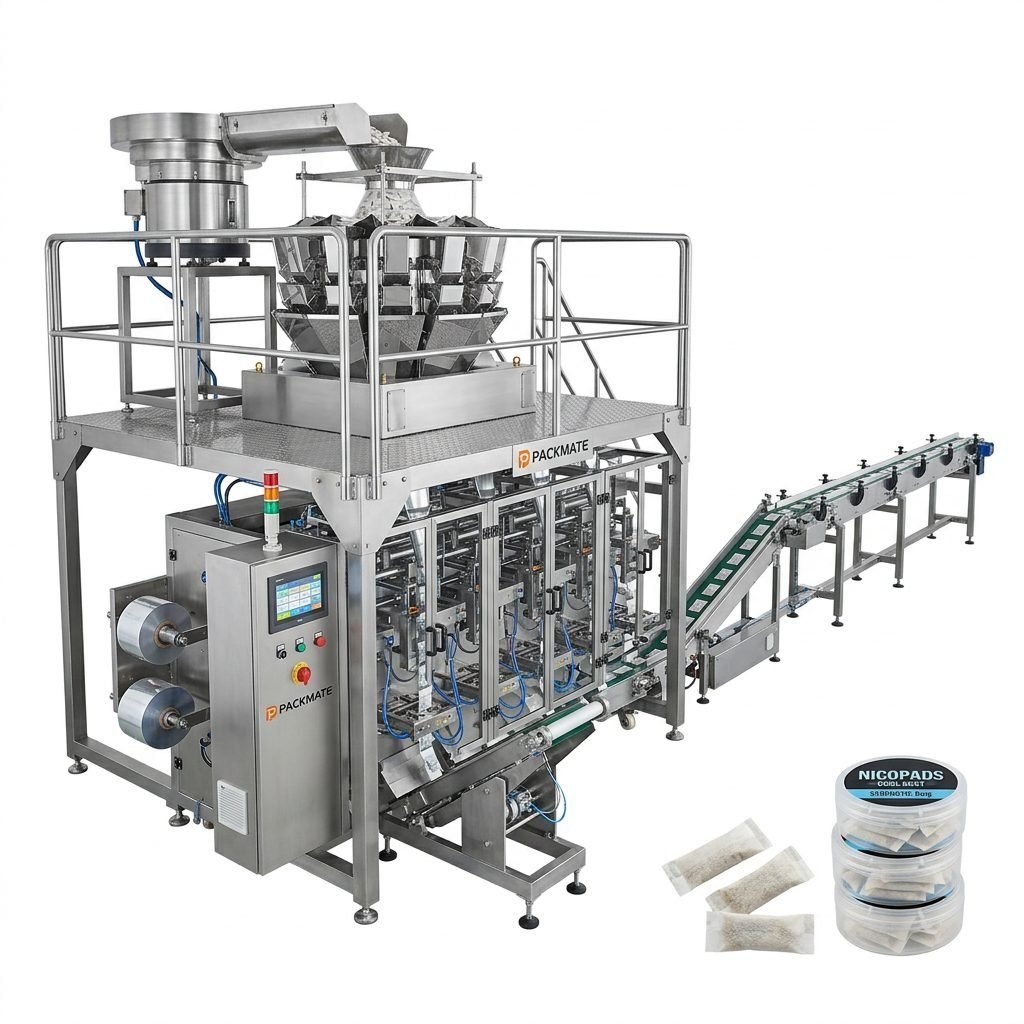
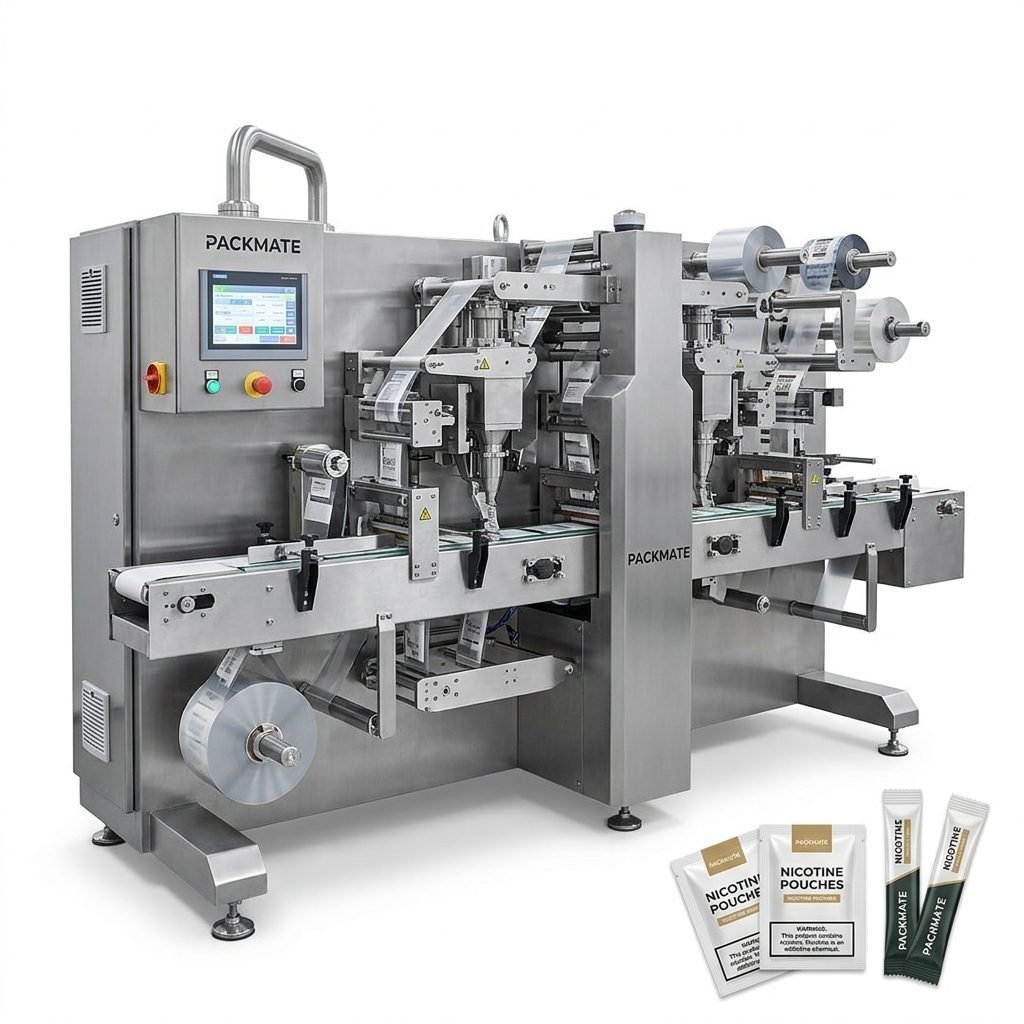
The modern oral nicotine pouch market demands precision, hygiene, and high throughput. A complete automated snus production line combines multiple specialized machines into one synchronized system that turns raw materials into shelf-ready nicotine pouches with repeatable quality. This article explains the architecture, advantages, and operational best practices for a smart snus production solution—covering machine modules, production workflow, compliance, and how a manufacturer with decades of experience delivers turnkey lines for global customers.
Why Invest in a Complete Automated Line?
High consistency — Automated lines eliminate many manual variables, delivering uniform pouch weight, seal integrity, and labeling every shift. Scalability — multi-lane systems allow flexible capacity increases without compromising footprint. Hygiene and traceability — integrated cleaning, recording, and inspection modules support regulatory compliance and product safety.
Core Components of a Smart Snus Production Line
1. Feeding and Weighing Systems
Accurate dosing starts with robust feeding and weighing equipment. Modern systems provide multi-head weighing options, screw or vibratory feeders, and gentle conveying solutions that preserve product texture. Precision dosing reduces wastage and ensures each pouch meets label claim.
2. Pouch Forming and Filling
Pouch forming modules can be configured for various pouch types, including nicotine pouches, sachets, and stickpacks. Multi-lane forming enables dozens of pouches per stroke, increasing throughput without multiplying operators.
3. Sealing, Cutting and Finishing
Consistent seals are critical to product shelf life and consumer safety. Advanced sealing heads use controlled temperature zones and servo-driven pressure to maintain integrity across production runs. Integrated cutting and finishing stations ensure neat edges and correct pouch geometry.
4. Inspection and Quality Control
✅ Vision systems detect print errors, misalignments, and foreign particles.
✅ Checkweighers verify pouch weight inline.
✅ Metal detectors and other sensors ensure product safety before secondary packaging.
5. Secondary Packaging and End-of-Line
After pouch production, automated collating, cartoning, and case-packing systems take over. These modules are synchronized with upstream equipment to minimize buffer zones and optimize floor space. Automated labeling, coding, and palletizing complete the integrated solution.
Operational Advantages and KPIs
A well-designed automated line improves several key performance indicators: higher Overall Equipment Effectiveness (OEE), reduced labor costs, faster changeovers, and better yield. Typical benefits include reduced downtime through predictive maintenance, repeatable quality, and enhanced regulatory traceability.
Engineering and Factory Strength
Suppliers with deep engineering experience bring critical advantages. A company with over 30 years in packaging equipment design offers a mature component library, refined control systems, and a track record for reliability. A large manufacturing footprint with CNC machining and precision assembly ensures consistent build quality and faster lead times.
Customization and Turnkey Delivery
Turnkey projects should include design, installation, commissioning, and operator training. Customization options often include pouch formats, lane counts, integrated weighing systems, and GMP-compliant materials. A complete service offering simplifies project management and shortens time-to-market.
🔧 Turnkey scope example: layout engineering, machine supply, PLC/HMI integration, electrical cabinets, onsite installation, validation support, and operator certification.
Regulatory Compliance and Certifications
Equipment must comply with international standards like CE and ISO. Compliance helps when exporting packaged nicotine products and ensures safety for operators. Additionally, integrated record-keeping supports batch traceability and audit-readiness.
Workflow: From Raw Material to Packaged Product
Step 1 — Material Preparation
Blending and conditioning of base materials is critical. Moisture control and particle size distribution are set here to ensure downstream fill consistency.
Step 2 — Accurate Dosing
Multi-head weighers or volumetric dosing systems portion the product into pouches. Integration with upstream scales reduces variation and waste.
Step 3 — Form, Seal, and Cut
Pouches are formed, filled, sealed, and cut with coordinated mechanical and control systems to ensure every pouch is identical.
Step 4 — Inspection and Sorting
Vision inspection, checkweighers, and metal detection automatically reject non-conforming units, ensuring only compliant products proceed.
Step 5 — Secondary Packaging
Collating and cartoning machines organize pouches into retail packs or bulk cartons. Case packing and palletizing finalize logistics-ready units.
Maintenance, Training and After-sales Support
Preventive maintenance plans, spare parts kits, remote support, and operator training reduce downtime. Suppliers that provide clear documentation, toolkits, and lifecycle service options improve long-term reliability.
📘 Good practice: implement daily start/stop checks, monthly preventive replacements, and annual full calibrations to protect uptime and product consistency.
Economic Considerations and ROI
Investment in an automated snus line is offset by labor savings, yield improvements, and faster throughput. Evaluate total cost of ownership by comparing initial CAPEX with recurring savings: lower scrap rates, lower labor, and higher production flexibility.
Global Deployment and Case Studies
Real-world deployments demonstrate how multi-lane systems help brands scale across markets. For examples of deployed systems and successful projects, see the supplier’s case gallery.
Relevant product resources:
Snus & Nicotine Packaging Machines,
Filling & Packaging Lines,
Case.
Exhibitions, Demos and Customer Engagement
Attend live demonstrations to evaluate machine behavior, changeover, and ease of maintenance. Most seasoned manufacturers participate in international exhibitions—book a demo or factory visit to validate performance in person. See the exhibition schedule for upcoming events.
Learn more about the company and services:
About Packmate,
Our Exhibition,
Contact Us.
Choosing the Right Supplier
Select a partner with experience in snus and nicotine pouch equipment, a proven factory setup, and a global service network. Look for suppliers offering CE/ISO compliance, turnkey project capabilities, and flexible customization for pouch formats and output rates.
Final Thoughts
A complete automated snus production line is an investment in reliability, compliance, and growth. With the right engineering partner, manufacturers can scale production, reduce risk, and maintain consistent product quality across markets.
Common Questions
1. What throughput can I expect from a multi-lane snus line?
Throughput depends on lane count, pouch format, and dosing technology. Multi-lane systems can scale from a few thousand to tens of thousands of pouches per hour—consult a supplier for a tailored capacity study.
2. How long is the typical lead time for a turnkey line?
Lead time varies with customization and component availability. A standard line often takes several months from order to factory acceptance tests; turnkey projects including layout and installation may extend timelines—plan with your supplier early.
3. What support is provided after installation?
Reputable suppliers provide commissioning, operator training, spare parts, and remote troubleshooting. Extended service contracts can include preventive maintenance visits and priority support.
4. Are these machines compliant with international standards?
High-quality equipment is typically CE and ISO compliant; suppliers should provide certificates and documentation for all relevant standards to support regulatory needs and exports.
5. How can I view real-world examples and technical specs?
Review case studies and product pages for detailed specs and performance reports. For technical inquiries or to arrange a factory visit, use the supplier’s contact channels or request on-site demonstrations.