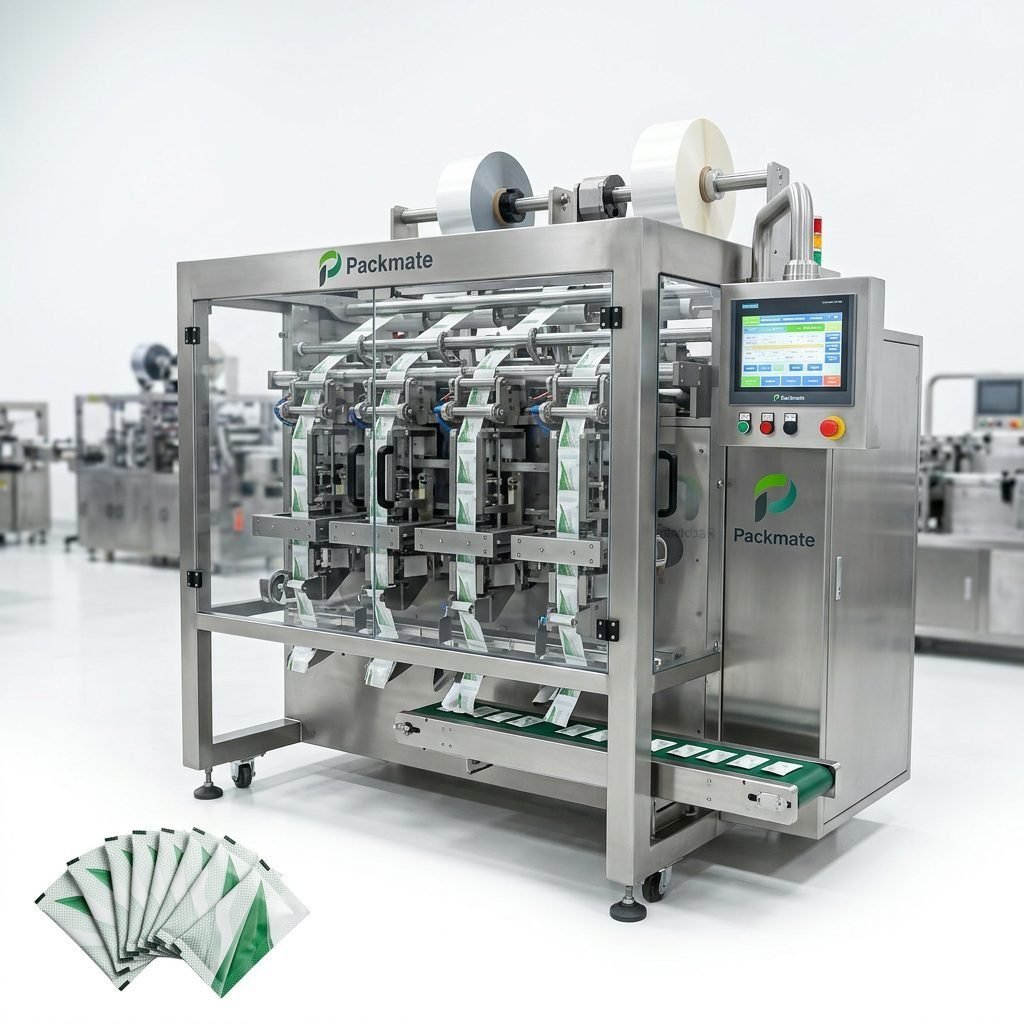
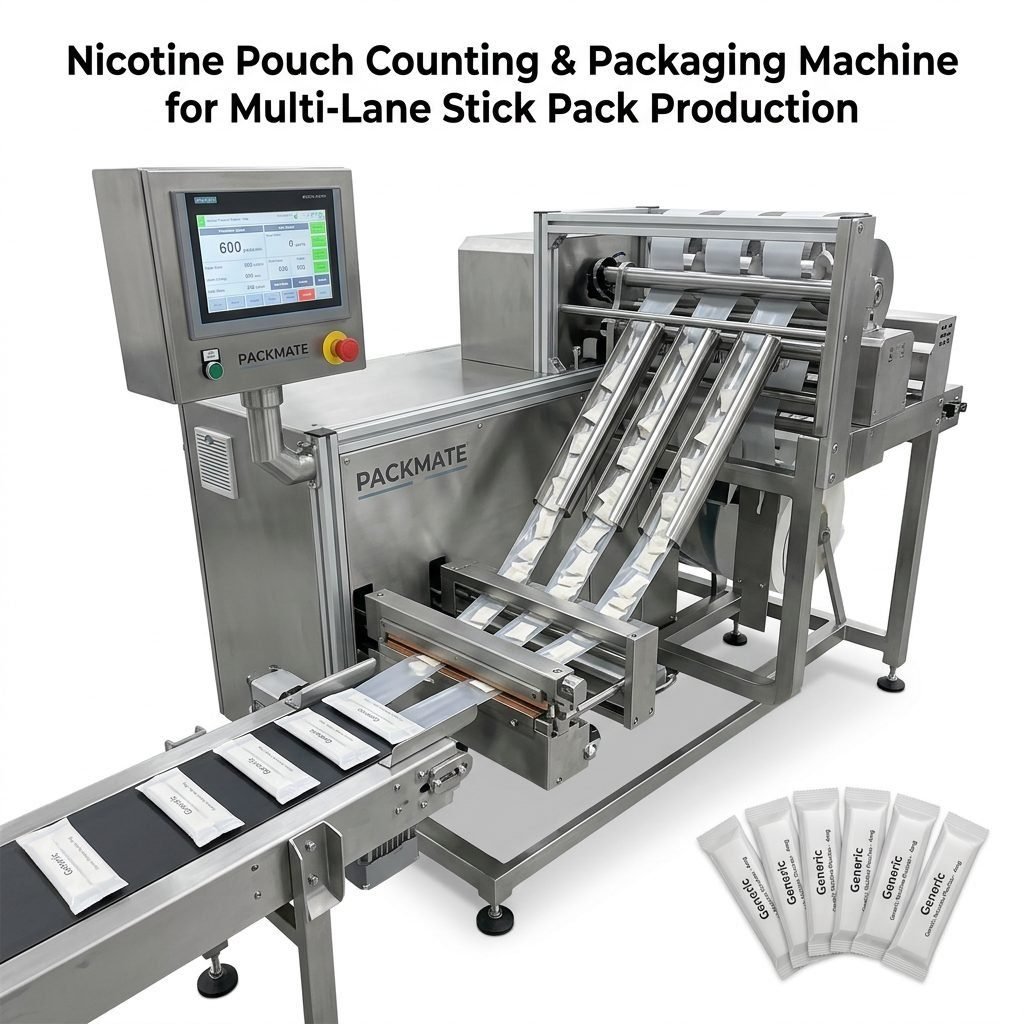
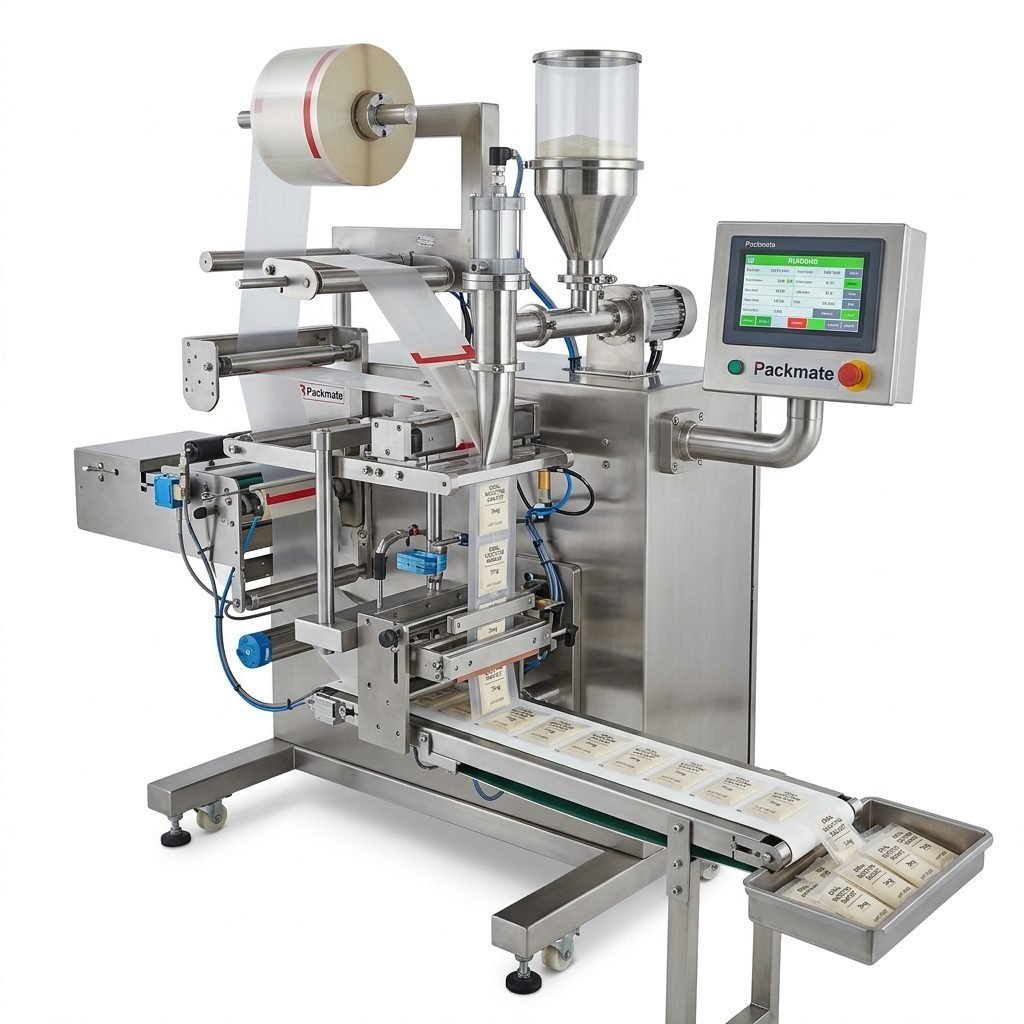
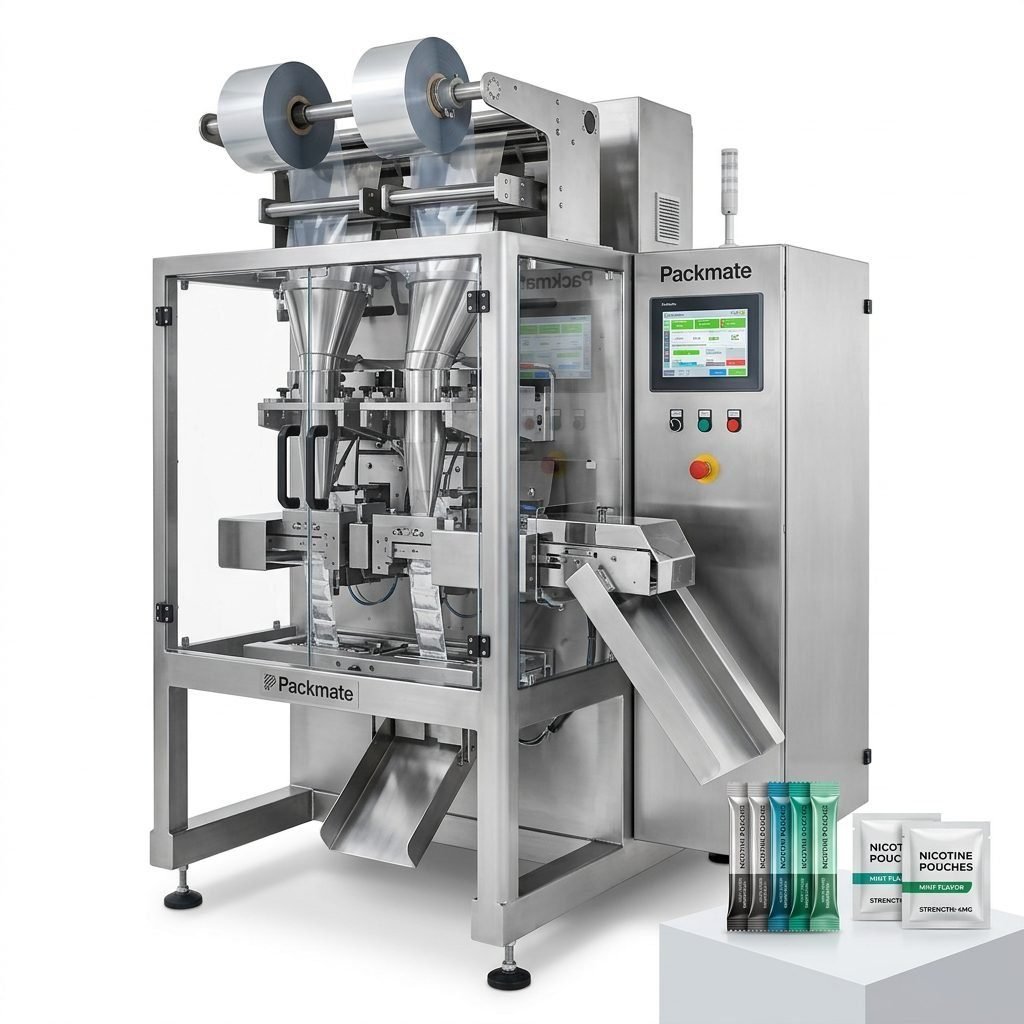
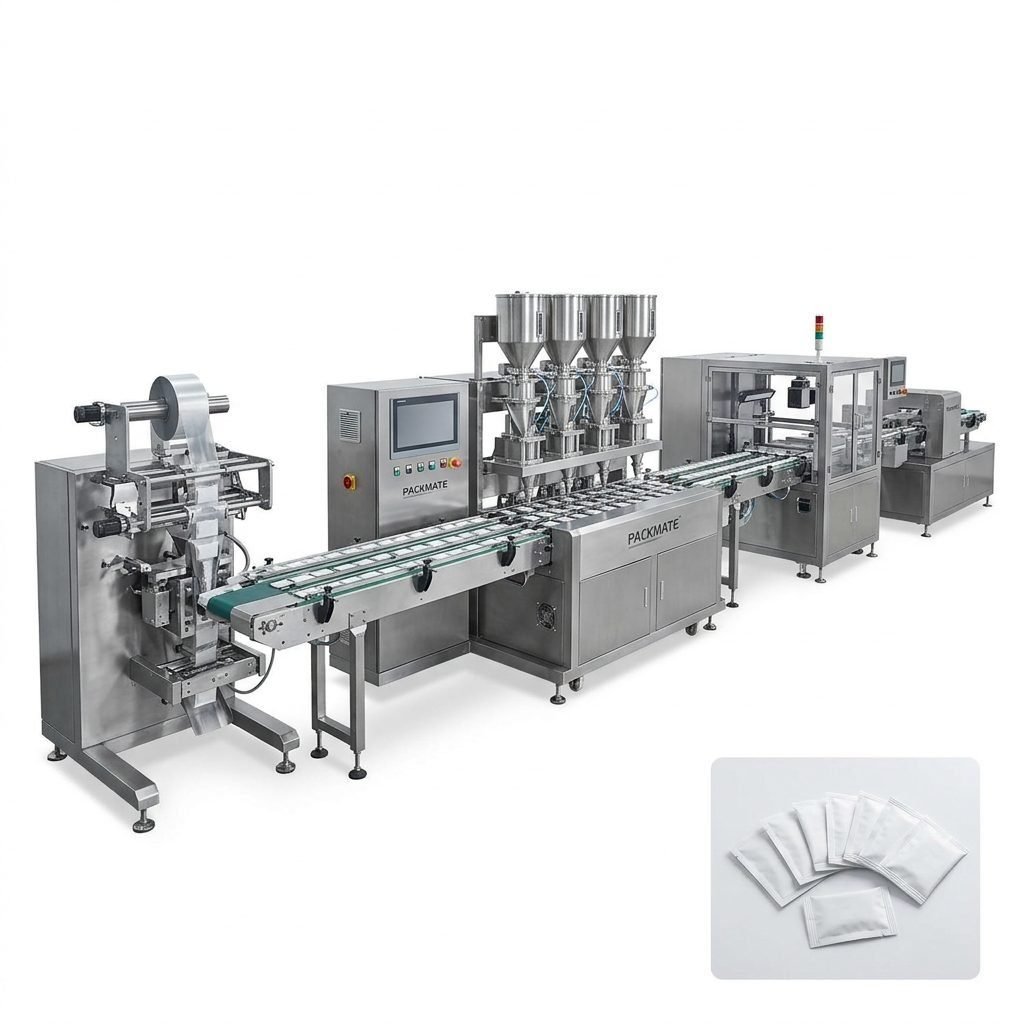
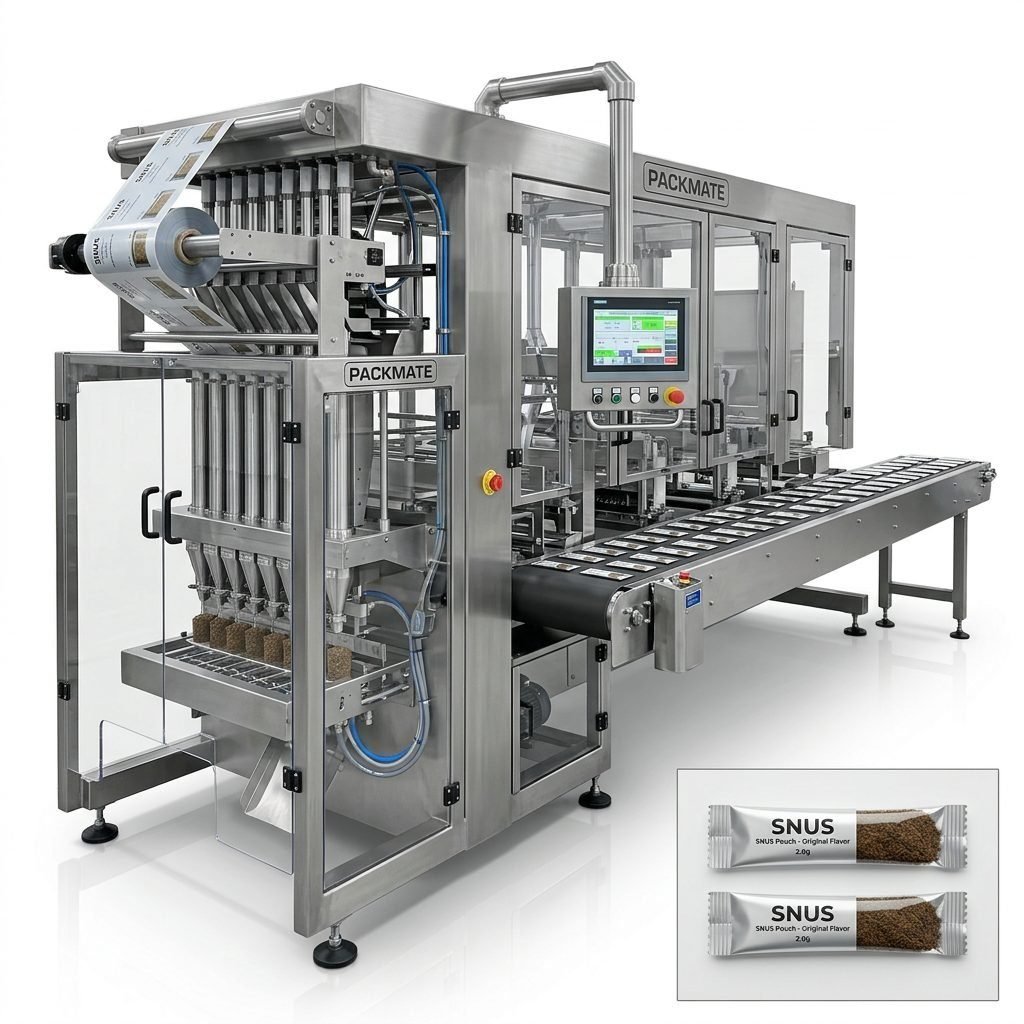
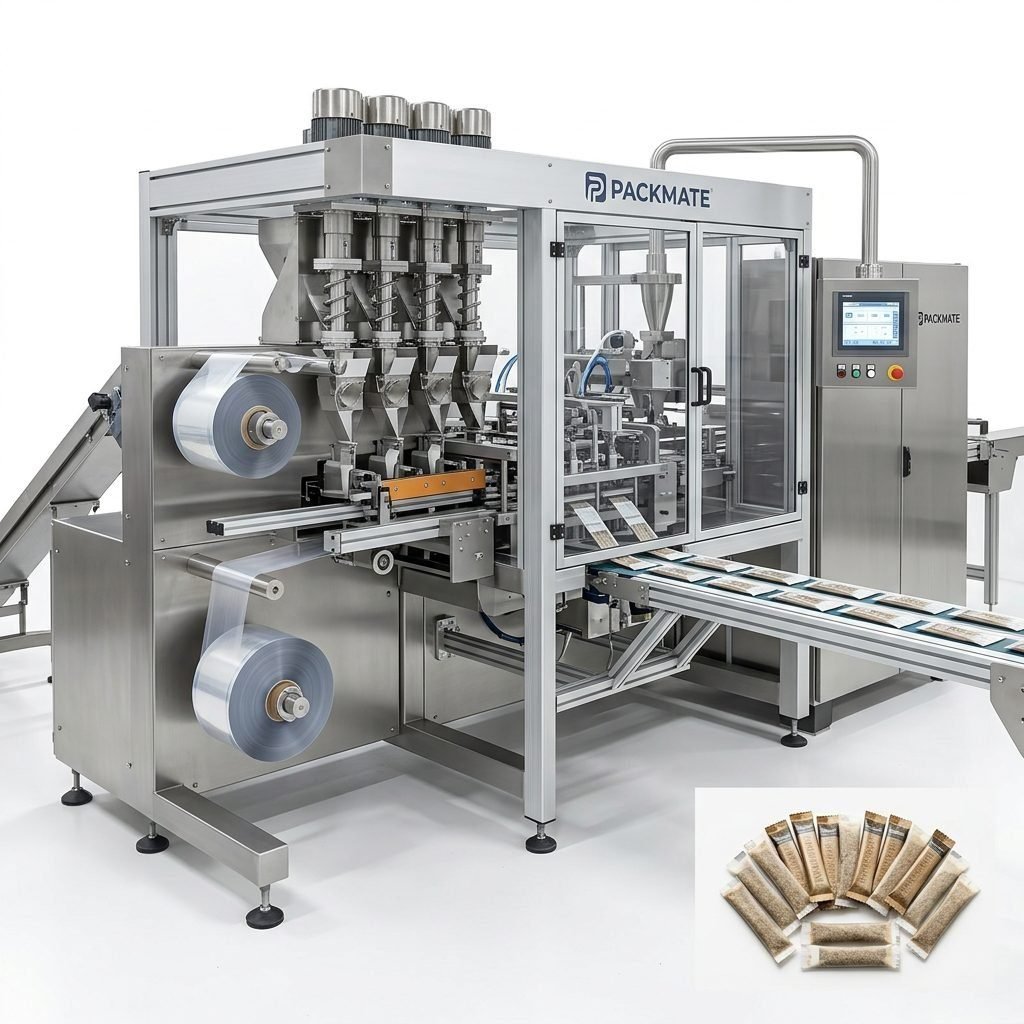
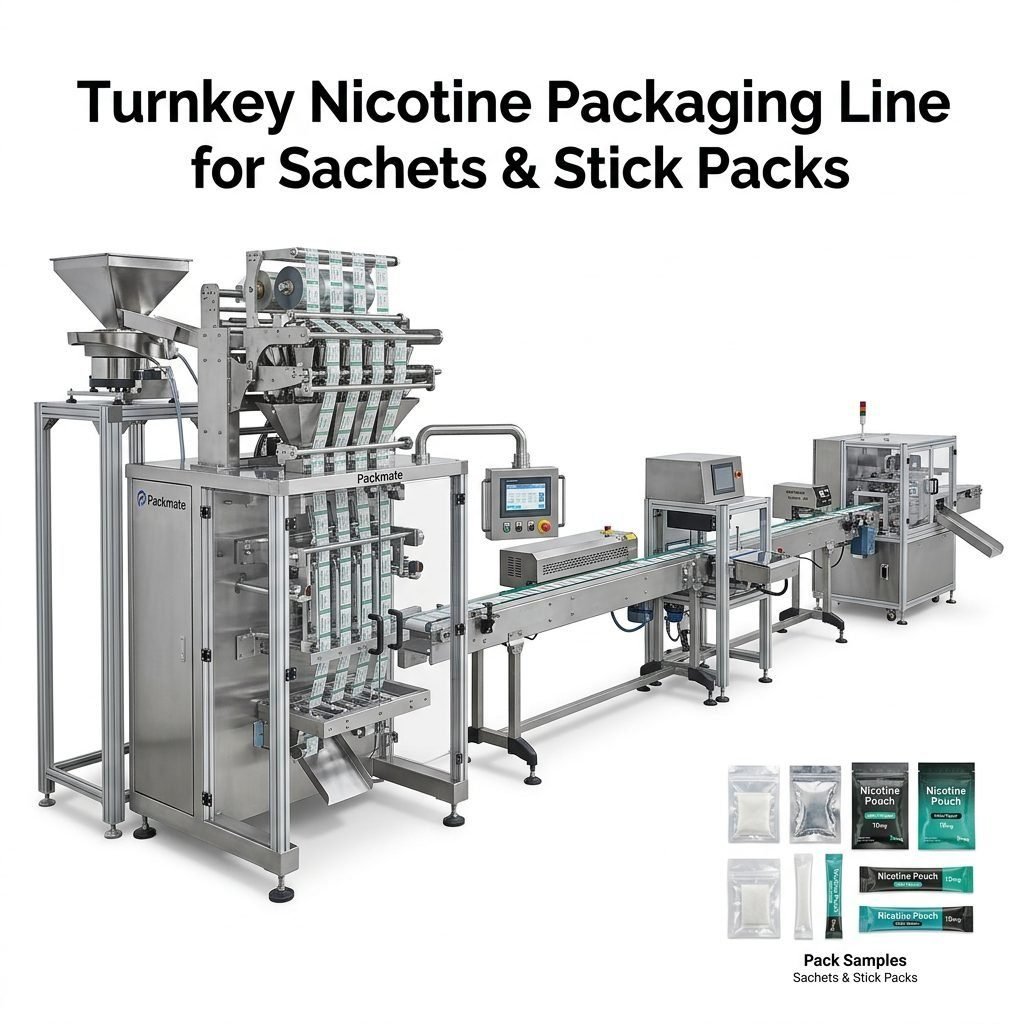
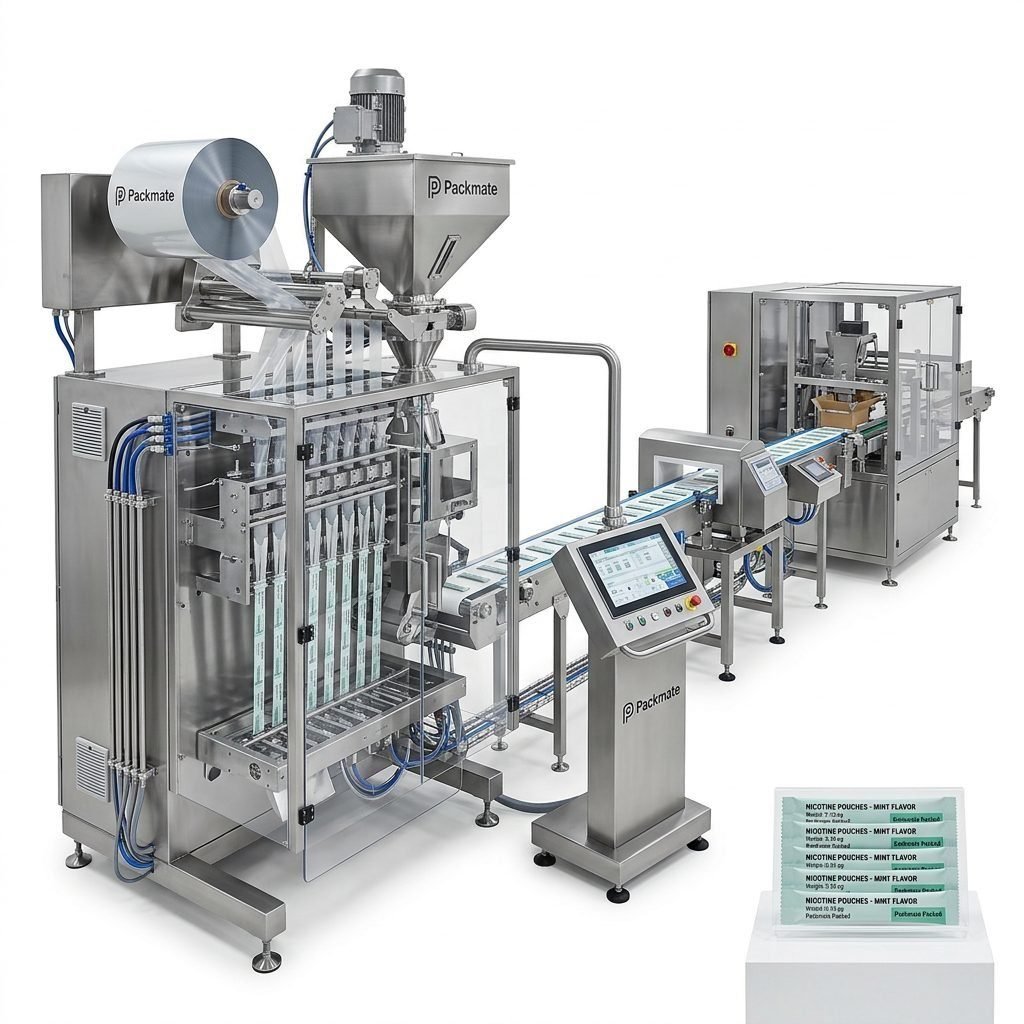
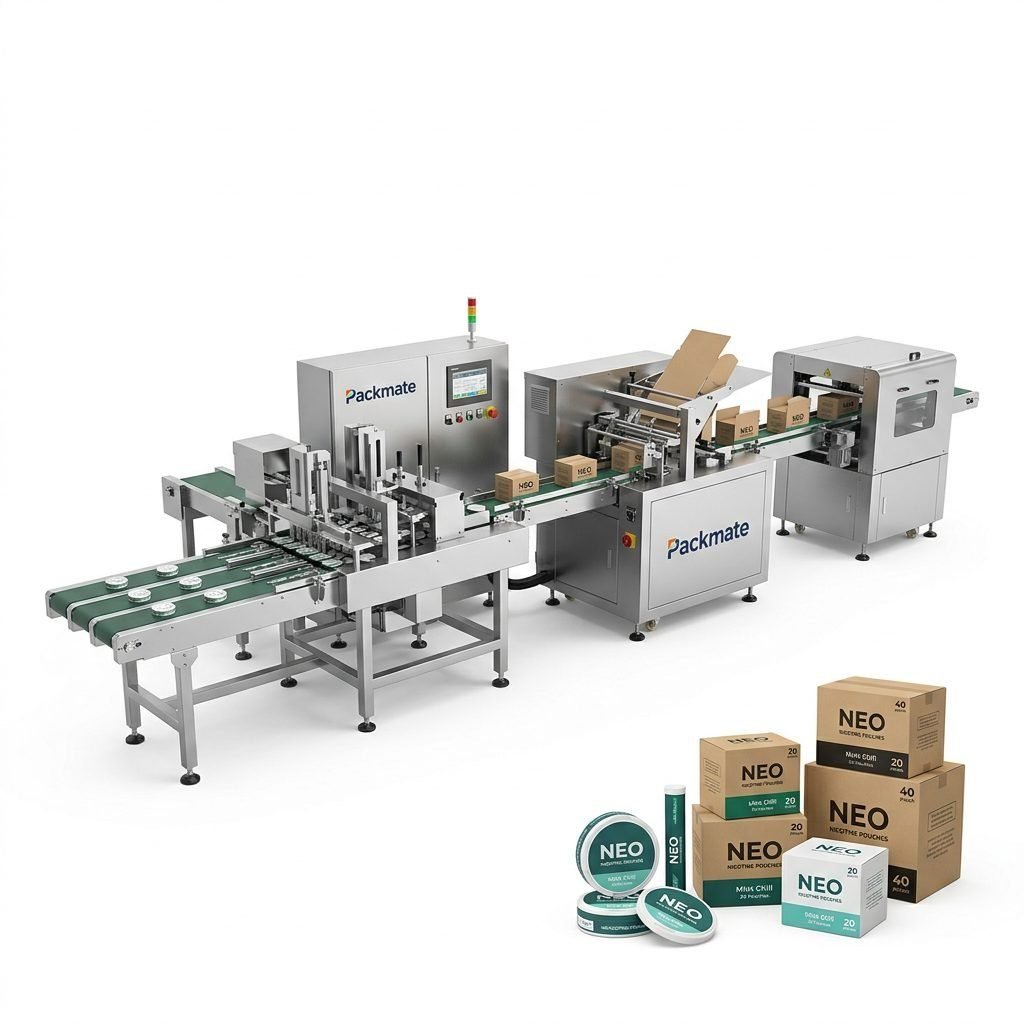
In the fast-growing nicotine pouch and snus industry, choosing the right packaging equipment is a decisive factor for cost control, regulatory compliance, and market agility. For manufacturers pursuing high output, consistent pouch quality, and flexible formats, a proven snus and nicotine pouch packaging machine supplier can transform production. This article explains how an experienced manufacturer like Packmate Snus Machine designs and delivers high-efficiency packaging lines, and how you can select, implement, and optimize machines for reliable long-term performance.
Why specialized snus and nicotine pouch packaging matters
Traditional pouch or sachet equipment does not always meet the strict dosing, sealing, and multi-lane throughput requirements of modern snus products. Snus and nicotine pouches demand extremely consistent fill weights, gentle handling to preserve texture, and precise sealing to maintain shelf life and aroma. A purpose-built packaging machine avoids common issues like weight drift, uneven seals, and lane synchronization errors. Higher first-pass yield and automated quality control translate to lower labor costs and faster time to market.
Core benefits of investing in a high-efficiency snus packaging line
🔧 Performance consistency: Modern multi-lane filler and sealing systems maintain accurate dosing across dozens of lanes, keeping variation within tight tolerances for regulatory and consumer safety.
⚡ Throughput & scalability: High-speed stick pack, sachet, or multi-lane pouch machines can scale with demand, enabling manufacturers to add lanes or lines without re-engineering the product process.
🛠 Low maintenance & modularity: Robust mechanical design and modular spare-part packages reduce downtime and make preventive maintenance predictable and efficient.
Packmate’s engineering advantages and factory strength
With over 30 years of packaging engineering experience and a 20,000㎡ factory, Packmate combines advanced CNC machining centers and precision assembly lines to produce equipment with high repeatability and durability. The company’s engineering emphasis on multi-lane synchronization, servo-driven dosing, and machine control ensures stable production at scale. For technical teams, this translates into predictable integration, fewer process deviations, and simplified validation.
Key technical features to look for
✓ Multi‑lane synchronization: Accurate servo control to keep each lane synchronized even at high speeds.
✓ Gentle product handling: Designs that avoid product compaction and preserve pouch integrity.
✓ Advanced IO & HMI: Intuitive HMI screens, recipe management, and data logging for traceability and quick format changeovers.
Product portfolio and format flexibility
Leading manufacturers offer a wide portfolio covering single-lane stick pack, multi-lane sachet, and fully automated pouch systems. Packmate, for example, supports more than 50 models and custom turnkey solutions for nicotine pouches, snus, powders, granules, and liquids. Choosing the right machine depends on product form, target speed, and future expansion plans. For a quick exploration of compatible machines, view the Snus & Nicotine Packaging Machines and Bag & Pouch Packaging Machines pages to match your format needs.
When to choose multi‑lane systems vs single‑lane equipment
Single-lane machines are ideal for low-volume, highly specialized products or pilot runs. Multi-lane systems are best for commercial-scale runs where throughput and footprint efficiency matter. If your product roadmap includes line extensions or private-label contracts with varying SKUs, a multi-lane machine with easy lane add-ons reduces capital expense per throughput unit.
Compliance, safety and international standards
Compliance with CE, ISO, and local regulations is essential for global distribution. Equipment must support hygienic design, easy cleaning, and electronic traceability. Packmate’s machines are certified to international standards and can be customized for specific regulatory environments. Integrating validated weighing systems and error-proofing features minimizes recalls and improves consumer confidence.
Automation & integration into your production ecosystem
A high-efficiency packaging line is more than a filler and sealer. It includes upstream feeders, inline metal detection, automated cartoning or outer packaging, and downstream palletizing. Packmate provides Filling & Packaging Lines and Weighing & Packaging Systems to create harmonized lines that communicate via standard industrial protocols, enabling Industry 4.0 readiness and centralized performance monitoring.
How to evaluate return on investment (ROI)
Calculating ROI for packaging equipment should include direct and indirect benefits: increased throughput, reduced labor, lower material waste, improved shelf life, and fewer customer complaints. Important KPIs include first-pass yield, OEE (Overall Equipment Effectiveness), changeover time, and maintenance man-hours. Investing in higher-quality machinery often shortens payback periods through sustained uptime and lower total cost of ownership.
📦 Example ROI drivers: Increased speed (+30% throughput), reduced rework (-60%), and automated downstream packaging that eliminates manual packing shifts.
🌍 Global support: Localized spare parts, training, and remote troubleshooting mean fewer extended downtimes for international operations.
Installation, validation and operator training
Reliable equipment suppliers offer full commissioning, IQ/OQ support, and operator training to ensure a smooth production ramp-up. Training should cover GMP-compatible cleaning, basic troubleshooting, and preventive maintenance schedules. When you partner with a manufacturer that provides comprehensive service and documentation, line validation becomes dependable and repeatable.
Service & after-sales considerations
After-sales service is a differentiator. Evaluate spare-part lead times, availability of local technicians, and remote monitoring capabilities. Good suppliers maintain a catalog of common replacement parts and offer maintenance contracts tailored to your production cadence. Packmate’s Service and Contact Us resources provide direct access to technical support for global customers.
Real-world case studies and exhibitions
Live demonstrations at trade shows and documented case studies reveal true machine performance under production conditions. Packmate regularly participates in global exhibitions and shares customer Case studies to show how multi-lane lines handle varied product characteristics while maintaining consistent output. Watching live demonstrations is recommended before committing to a turnkey purchase, as you can evaluate sealing quality, lane stability, and format changeover speed in person.
Selecting the right partner: questions to ask
❓ Can the supplier deliver a turnkey solution? Integration of feeding, dosing, sealing, and downstream equipment reduces project risk.
❓ Are spare parts and service available locally? Consider lead times and local support networks for continuity.
❓ Does the supplier provide validation and documentation? Proper IQ/OQ/PQ packages simplify regulatory approvals.
Tips for maximizing production efficiency
Maximize uptime by implementing preventive maintenance schedules, operator cross-training, and standardized changeover kits. Monitor line data daily to identify bottlenecks and trending part wear. Use recipe management on the machine HMI to store format parameters for quick changeovers between SKUs. Introducing a continuous improvement program that tracks OEE improvements encourages cross-functional ownership of line performance.
Common upgrade paths for existing lines
Typical upgrades include replacing mechanical feeders with servo-driven dosing, adding automatic reel splicers for film continuity, retrofitting vision systems for seal inspection, and integrating inline metal detectors. These upgrades can often be performed without a full line replacement and can extend the useful life of older assets while improving output and quality.
Where to learn more and request a quote
For specific machine models and turnkey solutions, explore Packmate’s product pages: Snus & Nicotine Packaging Machines, Bag & Pouch Packaging Machines, and Filling & Packaging Lines. You can also review certifications and the company story on the About Packmate page to understand manufacturing capabilities and commitment to quality before requesting a customized quote or scheduling a factory visit.
📌 Quick links: Snus & Nicotine Packaging Machines • Bag & Pouch Packaging Machines • About Packmate • Contact Us
Conclusion
Choosing a specialized snus and nicotine pouch packaging machine manufacturer is an investment in product quality, regulatory compliance, and business scalability. By prioritizing multi-lane accuracy, modular design, and strong after-sales support, manufacturers can achieve high-efficiency production that adapts to market demand. Whether you are launching a new product or upgrading an existing line, a reliable partner with proven engineering, certification, and global support helps minimize risk and maximize long-term value.
Frequently Asked Questions
Q1: How quickly can a multi-lane snus packaging line be commissioned?
Typical commissioning takes between 4 and 8 weeks depending on line complexity, validation requirements, and availability of custom tooling. Emergency lead times and expedited installation may be available with prior agreement.
Q2: What are typical maintenance needs for high-speed pouch machines?
Routine maintenance includes lubrication, belt and seal checks, sensor cleaning, and periodic calibration of dosing systems. A structured preventive maintenance plan and stocked spare-parts package minimize unplanned downtime.
Q3: Can machines be customized to accommodate product changes?
Yes. Most reputable manufacturers offer modular solutions and custom tooling to support new pouch sizes, materials, and filling characteristics. Early collaboration during the design phase reduces rework and accelerates market launch.
Q4: What certifications should I expect for export-ready equipment?
Look for CE, ISO, and documentation that supports local regulatory compliance. Suppliers should provide machine certificates, electrical and control documentation, and traceability records as part of a complete delivery.
Q5: How can I see live demonstrations or customer case studies?
Suppliers often showcase machines at international exhibitions and maintain a Case page with production stories. Contact the manufacturer to arrange a factory visit, online demo, or to request reference customers.