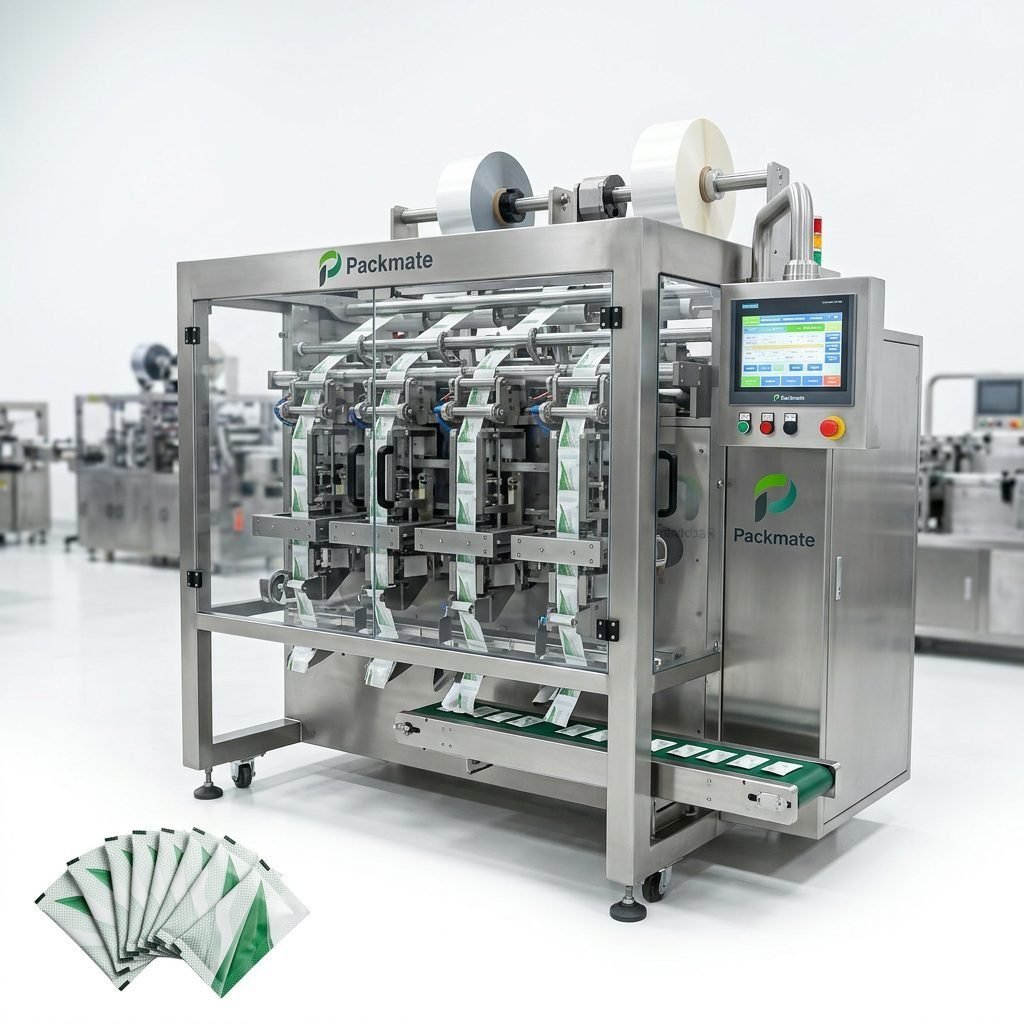
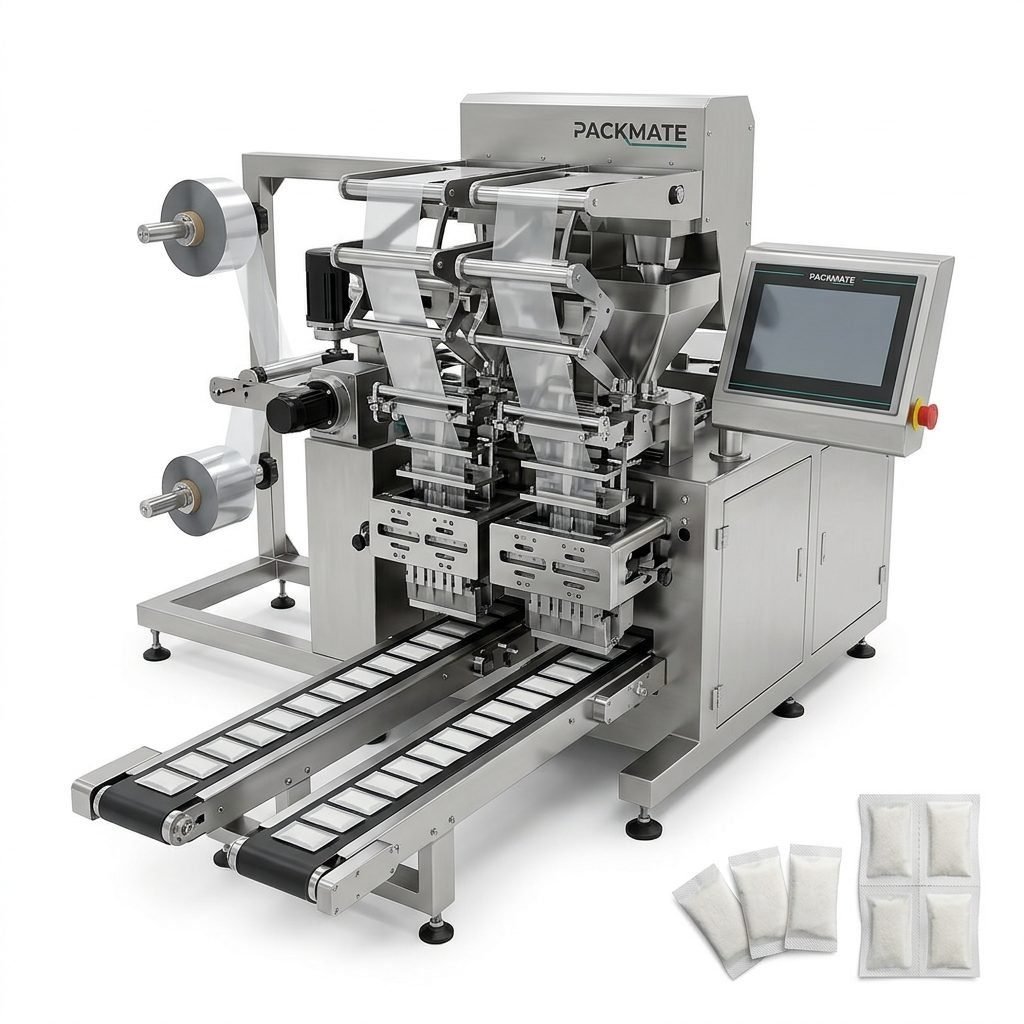
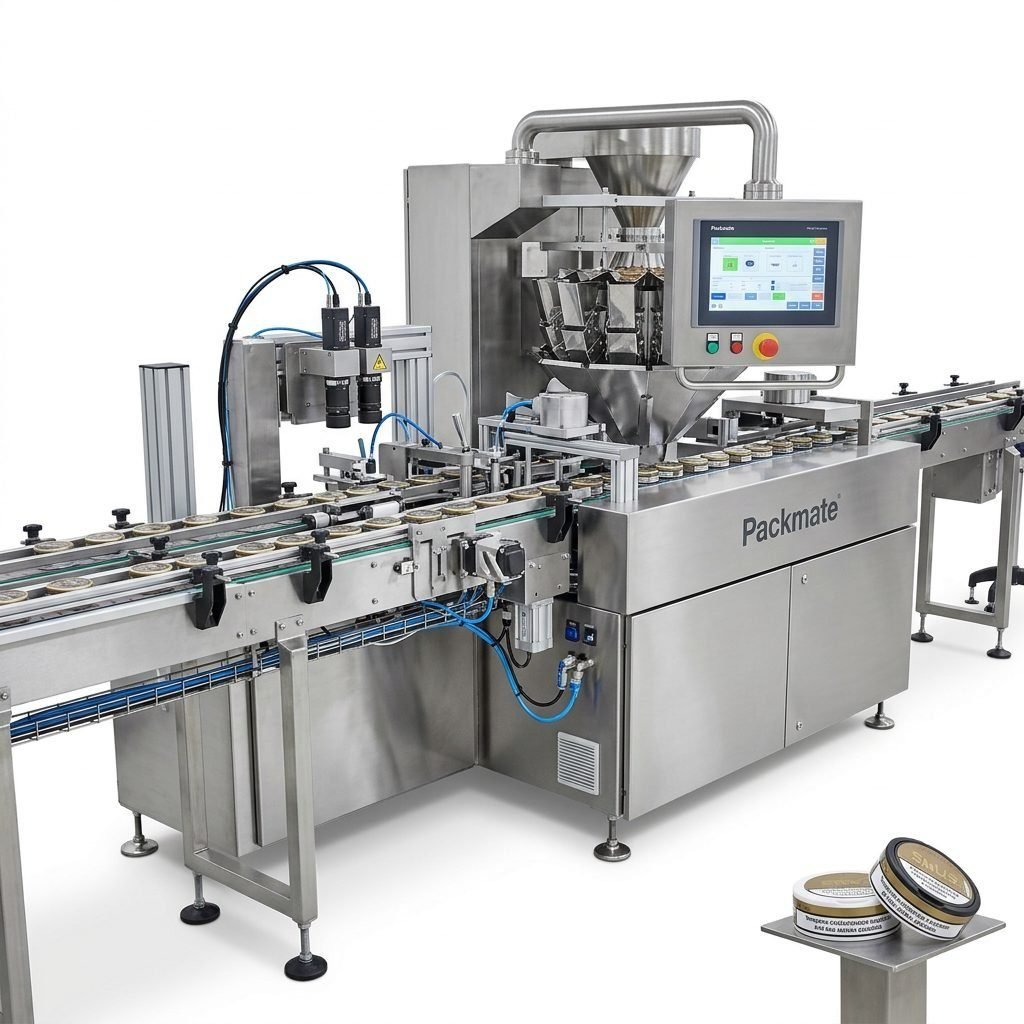
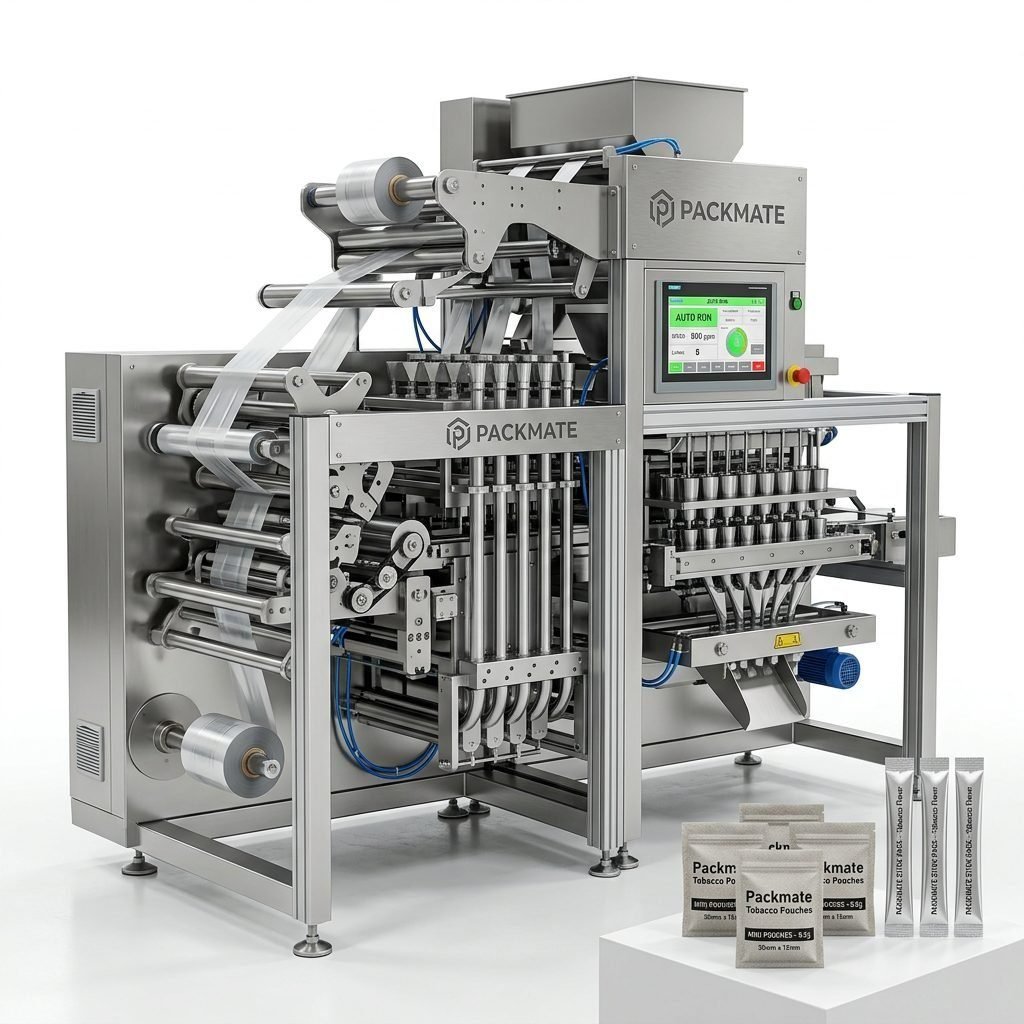
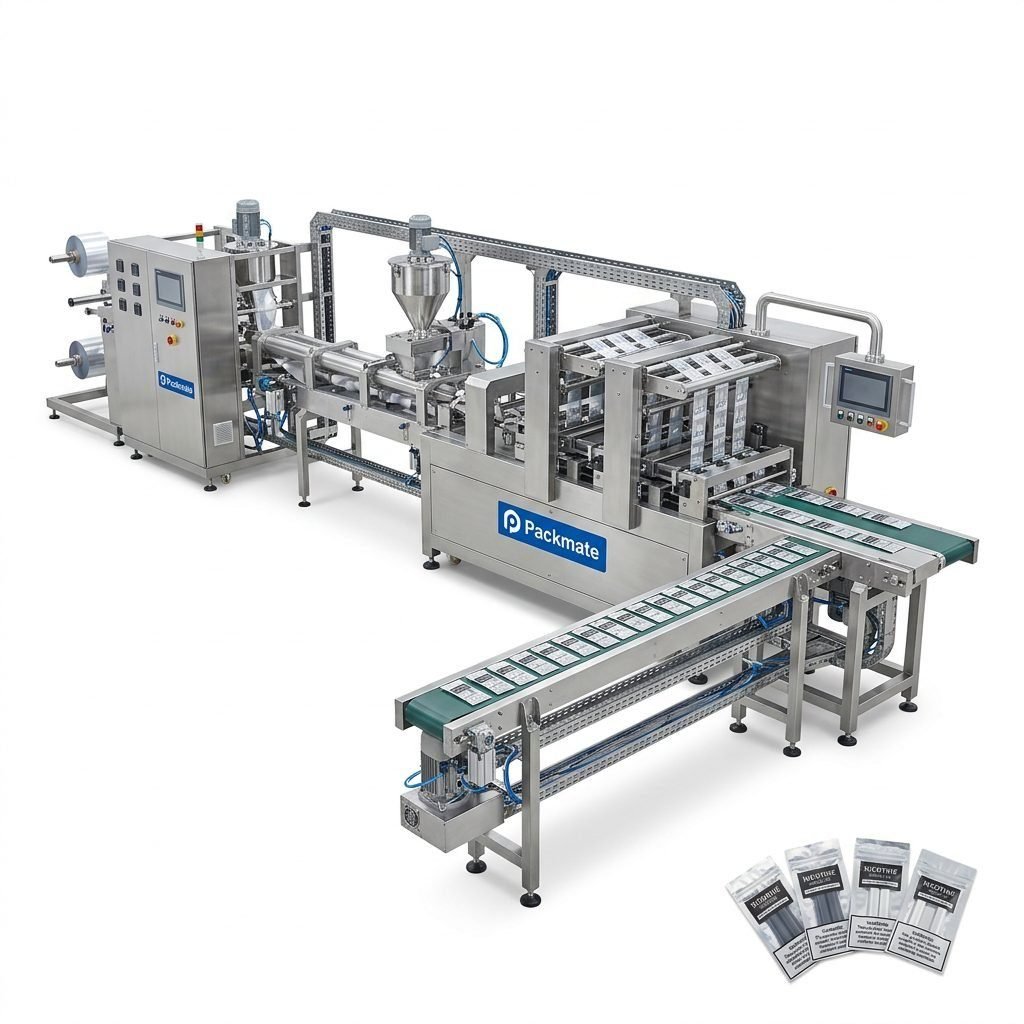
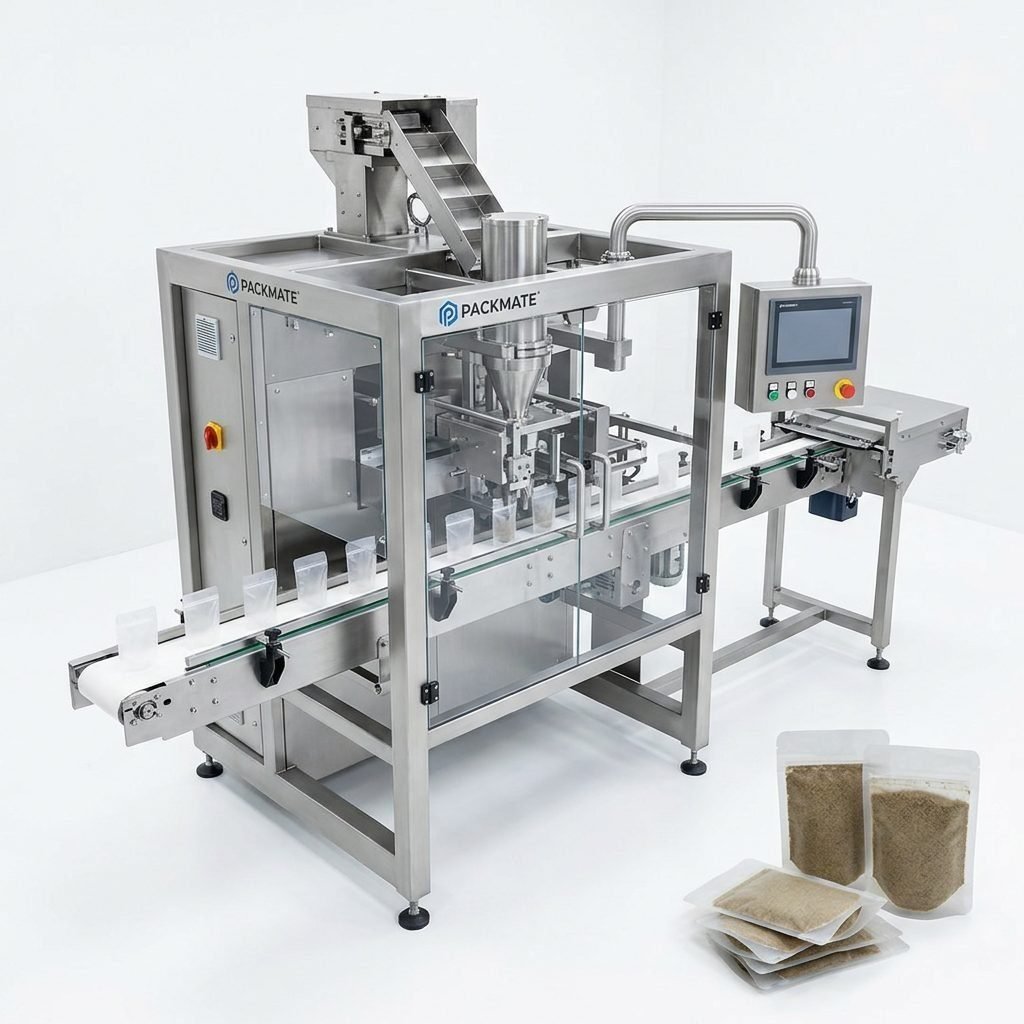
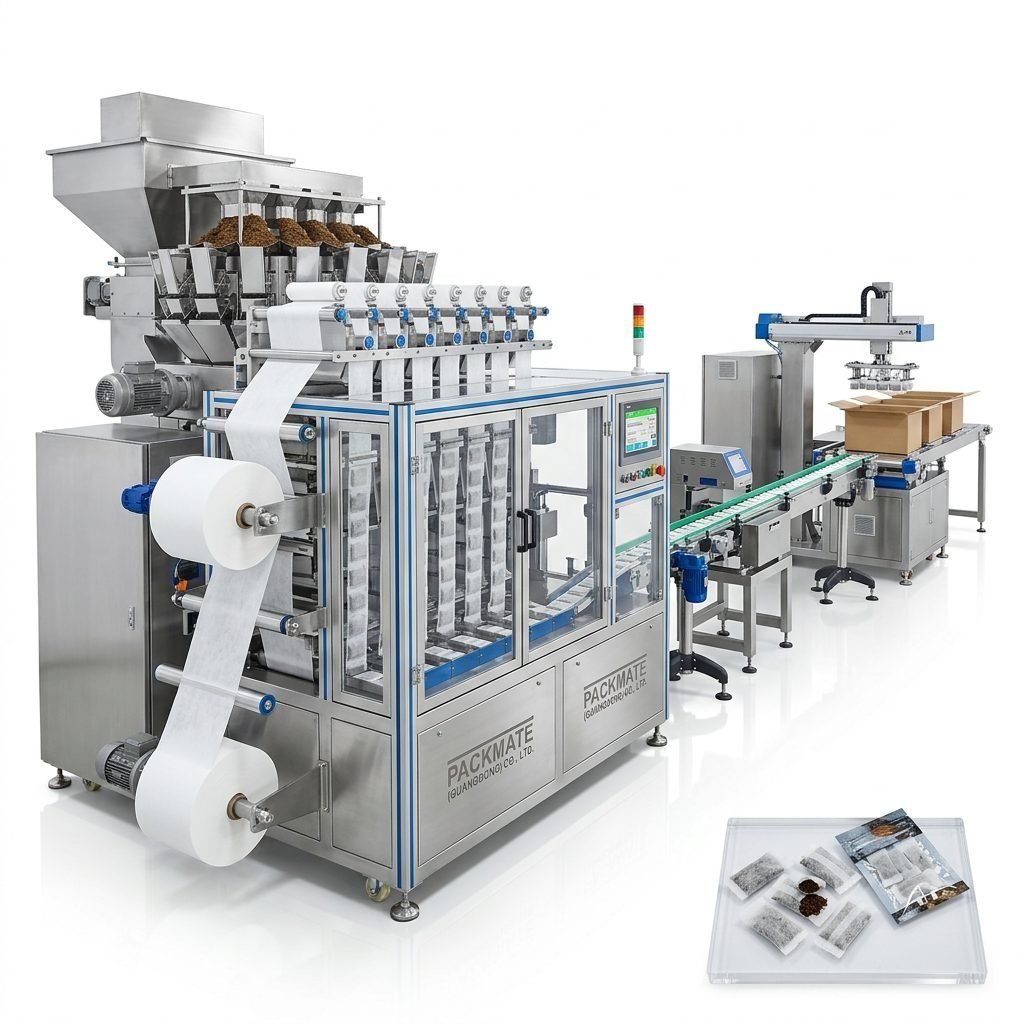
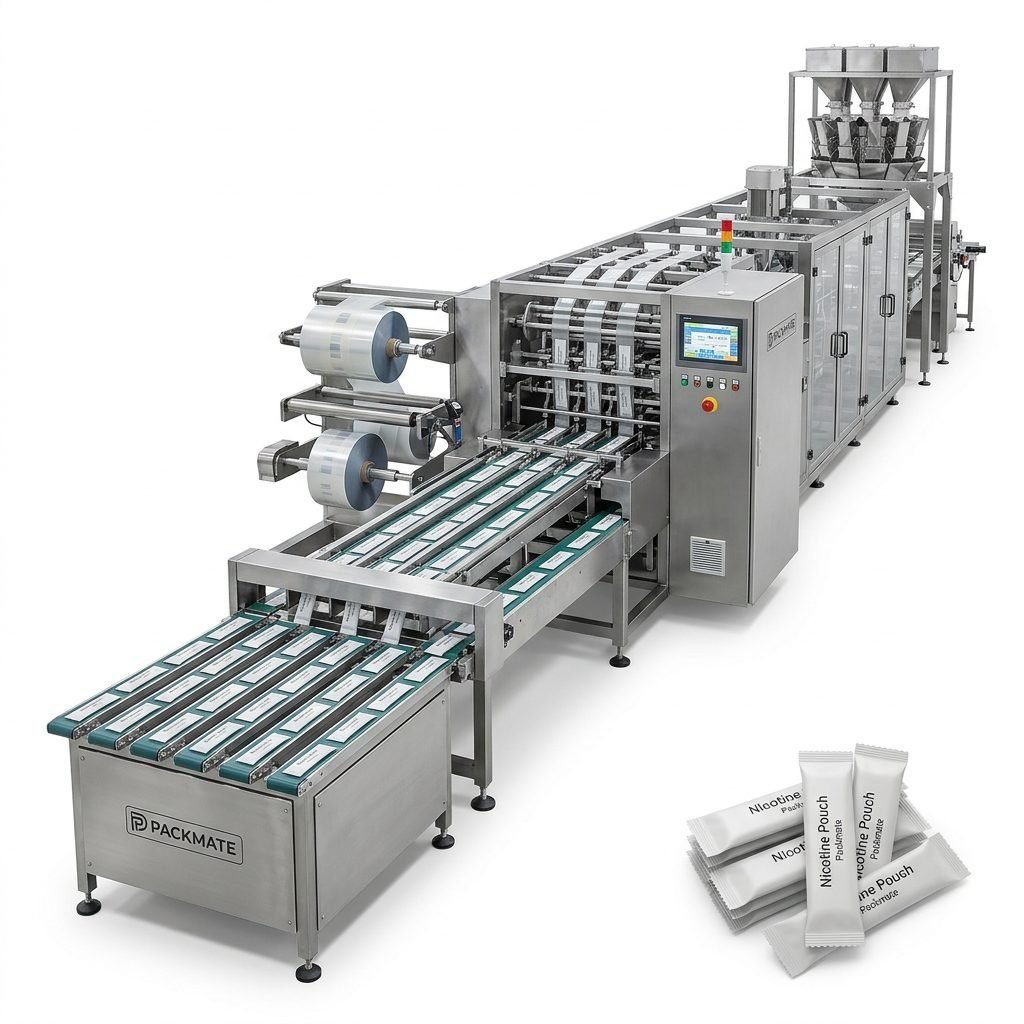
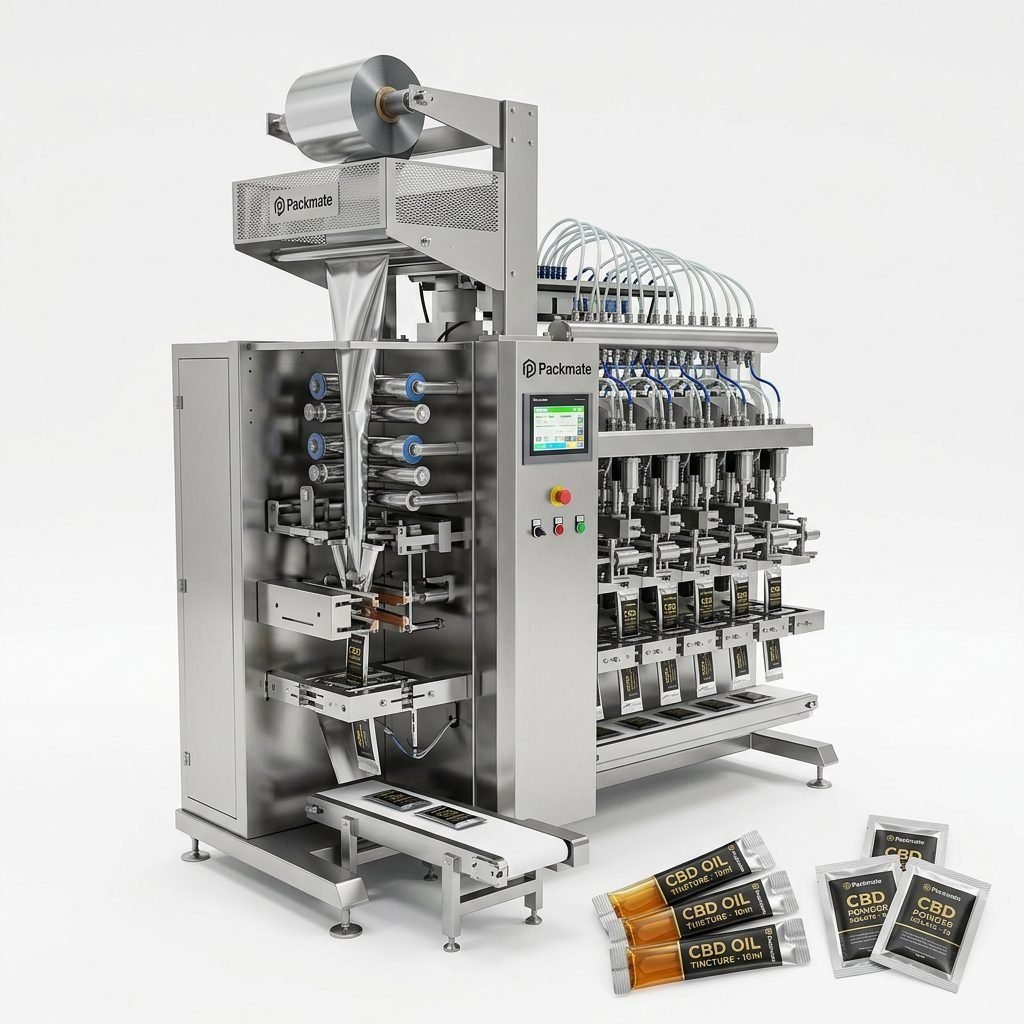
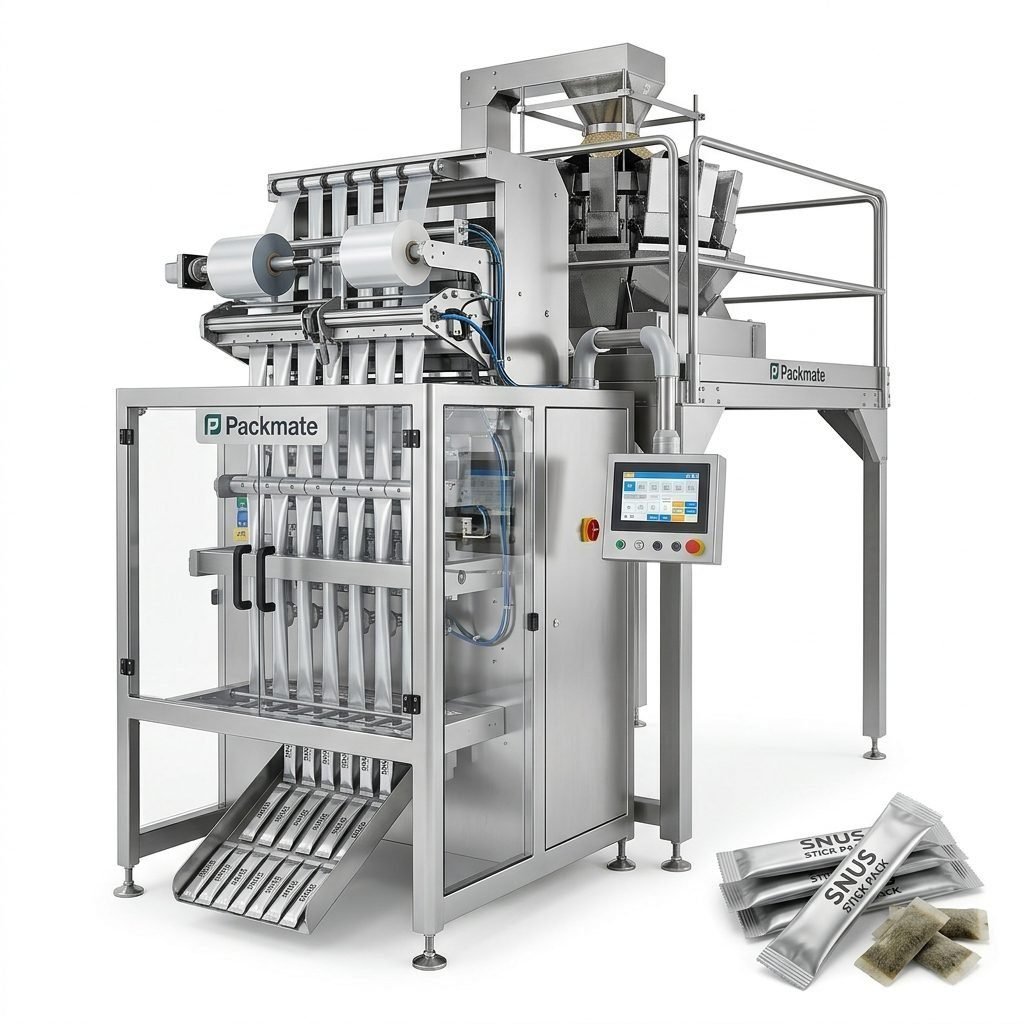
The nicotine pouch market is evolving rapidly: consumers demand discreet, consistent, and well-packaged products while manufacturers need packaging systems that deliver speed, stability, and compliance. A smart nicotine pouch packaging system brings together high-speed automation, precision dosing, hygienic handling, and flexible packaging formats to meet these market pressures. This article explains the core technologies, operational advantages, and practical considerations for deploying an automated nicotine pouch packing line in modern production environments.
Why Smart Nicotine Pouch Packaging Matters
Nicotine pouches are small-dose products that require exact filling, gentle handling, and reliable sealing to ensure consistent product performance and shelf life. Manufacturers face three main challenges: maintaining high throughput, ensuring dose accuracy, and protecting product integrity. A tailored packaging system resolves all three by combining precise filling modules, synchronized multi-lane transport, and intelligent control systems.
Key Market Drivers
• Growing demand for smoke-free nicotine alternatives from diverse demographic groups.
• Stringent regulatory and labeling requirements worldwide.
• Need for efficient production to reduce cost per pouch and increase margins.
• Consumer preference for consistent portion sizes and attractive packaging.
Quick note: For manufacturers looking for purpose-built machines, explore industry-specific equipment such as Snus & Nicotine Packaging Machines to evaluate machine models designed for pouch formats and multi-lane throughput.
(Snus & Nicotine Packaging Machines)
Core Components of a Smart Packaging Line
A high-performance nicotine pouch line is a system of integrated modules. Understanding each component helps you select the right configuration for speed, dosing accuracy, and maintainability.
1. Feeding & Dosing Units
Feeding systems supply raw pouch material and nicotine blend to the filling station. Dosing can be weight-based or volumetric depending on product particle size and moisture. Advanced systems include:
✅ High-precision electronic weighers for micro-dose accuracy.
✅ Vibratory or screw feeders optimized for powder or granule flow.
✅ Closed-loop controls to auto-correct dosing deviations.
2. Pouch Forming & Filling Module
This module forms the pouch (if using roll stock) or positions pre-made pouches for filling. For nicotine pouches, gentle handling is critical to preserve texture and composition. Many manufacturers rely on multi-lane sachet & stick pack machines to scale output efficiently.
Learn about compatible machines like Sachet & Stick Pack Machines for small-dose configurations and multi-lane filling strategies.
3. Sealing & Packaging Station
Seal integrity ensures a stable shelf life. Modern lines employ heat-sealing, ultrasonic sealing, or combination sealing depending on film type and barrier requirements. The sealing station synchronizes with filling to prevent pouch collapse and to maintain appearance.
4. Inspection & Quality Control
Inline inspection systems are crucial: metal detectors, vision systems for print and label verification, and check-weighers confirm dose weights and detect anomalies. These systems reduce rework and strengthen regulatory compliance.
Pro tip: Combine vision inspection with data logging to create a traceability record, easing audits and recalls.
Automation & Throughput: How Speed Meets Precision
The hallmark of a smart system is achieving high throughput without sacrificing accuracy. Multi-lane setups, synchronized indexing, and servo-controlled axes enable speeds of several hundred pouches per minute while maintaining dose tolerances within tight specifications.
Multi-Lane Advantages
Multi-lane machines parallelize production, multiplying output from a single machine footprint. Advantages include:
⚙️ Efficient floor utilization — same machine supports higher SKU volumes.
⚙️ Reduced per-unit cost due to shared feeding and sealing infrastructure.
⚙️ Easier scale-up: add lanes or shift to different lane counts for new SKUs.
Intelligent Control Systems
Modern PLCs and HMI panels provide recipe management, real-time alarms, and remote connectivity for diagnostics. Features to look for:
• Recipe recall for quick SKU changeovers.
• Remote troubleshooting access to minimize downtime.
• Data capture for production analytics and predictive maintenance.
Design Considerations for Product Quality and Safety
Designing a nicotine pouch line is not only about machines; it’s about hygiene, operator safety, and regulatory compliance. Material contact surfaces must be stainless steel with sanitary finishes, and dust control systems are essential for handling dry nicotine blends.
Hygiene & Contamination Control
• Enclosed filling areas and local extraction reduce airborne particulate.
• CIP-friendly components and quick-disconnects speed cleaning.
• Smooth surfaces and minimal crevices prevent build-up of residues.
Operator Safety
Nicotine is a bioactive compound; safe handling protocols and machine guarding are mandatory. Integrate lockout-tagout, interlocked doors, and clear operator ergonomics to minimize exposure and fatigue.
Compliance highlight: Packmate Snus Machine equipment aligns with CE and ISO standards, offering documented traceability and safety certification support for global markets.
(Certificate)
Customization & Turnkey Solutions
Every nicotine pouch product has unique requirements — pouch dimensions, nicotine blend rheology, and packaging artwork vary. Turnkey suppliers deliver integrated lines combining filling, packaging, case packing, and palletizing with single-point control. These solutions minimize the engineering burden and accelerate time-to-market.
If you need a complete line, consider suppliers that provide modular options and end-to-end systems, including weighing & packaging systems and auxiliary equipment.
(Weighing & Packaging Systems)
(Auxiliary Packaging Equipment)
Turnkey Implementation Steps
1. Requirements analysis and SKU profiling.
2. Pilot testing and sample runs to validate dosing and sealing.
3. Factory acceptance testing (FAT) and on-site installation.
4. Operator training, documentation handover, and maintenance plans.
Operational Efficiency & Maintenance Best Practices
A smart packaging system should minimize unplanned downtime and simplify maintenance. Practical measures include spares inventory, preventive-maintenance schedules, and operator training programs that emphasize quick changeover techniques.
Maintenance checklist:
• Keep critical spare parts (seals, sensors, belts) on site.
• Schedule weekly visual inspections and monthly functional checks.
• Use logged machine data to forecast wear and replace components proactively.
Choosing the Right Supplier
Selecting a supplier is as important as selecting the machine. Look for experience in snus and nicotine pouch equipment, a robust manufacturing facility, and a proven track record of global deployments. Packmate Snus Machine offers decades of engineering, a 20,000㎡ factory, and a range of machine models suitable for small-dose pouch production.
(About Packmate)
Questions to Ask Potential Vendors
• Can you provide case studies or references from similar nicotine pouch installations?
• What is your standard lead time and installation support package?
• How do you handle software updates, spare parts, and training?
• Do you offer customization for multi-lane or micro-dose requirements?
Real-World Case Examples and Exhibition Presence
Manufacturers often validate equipment at trade shows and through factory acceptance tests. Many suppliers exhibit at international events where live demonstrations prove machine speed, sealing quality, and format changeover capabilities. Visiting an exhibition or watching live demos helps stakeholders make informed decisions.
To review real deployments and exhibition schedules, view vendor case studies and events pages for detailed insights.
(Case)
(Our Exhibition)
Sustainability & Packaging Material Choices
Sustainability is becoming a decisive factor for many brands. Packaging materials with recyclable barrier films or reduced material thickness lower environmental impact. Packaging lines must be able to handle new film types without compromising seal quality — so validate machine capability for alternative substrates during qualification trials.
Material Handling Tips
• Test new film samples on full-speed production runs.
• Adjust sealing temperature profiles to maintain hermeticity.
• Monitor film tension and feed systems to prevent misprints and wrinkles.
Final Considerations Before Purchase
Before committing, finalize your product portfolio, define target throughput, and request a full demonstration with your actual product. Factory acceptance testing should include stress runs that mimic daily production loads and changeover exercises that confirm practical operability.
Next steps: If you are exploring full-line solutions including filling and case packing, investigate integrated solutions like Filling & Packaging Lines to get a complete picture of floor layout and total cost of ownership.
(Filling & Packaging Lines)
Support & Service
After-sales service is essential. Strong vendors provide remote troubleshooting, on-site engineers, spare parts programs, and operator training. Confirm service response times, warranty terms, and preventive maintenance packages prior to purchase.
(Service)
Summary: Delivering Competitive Advantage with Smart Packaging
A smart nicotine pouch packaging system is a strategic investment that lifts production capacity, ensures product consistency, and strengthens regulatory readiness. By selecting multi-lane, high-precision equipment with integrated inspection and robust service support, manufacturers can confidently scale production while protecting product quality and brand reputation.
Frequently Asked Questions
Q1: How do I determine the right machine speed for my product?
A1: Evaluate your desired annual output, typical run lengths, and allowable changeover time. Run pilot tests with your product to confirm dosing accuracy at target speeds.
Q2: What regulatory certifications should the equipment support?
A2: Ensure the supplier can provide CE and ISO documentation; also verify the machine’s sanitary design and traceability features for market-specific requirements.
Q3: Can one line handle multiple pouch sizes and formulations?
A3: Yes — with modular tooling and recipe-based controls, many lines handle multiple SKUs. Confirm quick-change tooling and recipe management capabilities during vendor evaluation.
Q4: What are common maintenance items to stock onsite?
A4: Stock wear parts such as seals, belts, sensors, and spare nozzles. Maintain a small inventory of critical electronics and pneumatic components to minimize downtime.
Q5: How do I validate a new material like recyclable film?
A5: Run full production trials to test sealing integrity, print registration, and feed stability. Adjust sealing temperatures and feed tension, and document results for regulatory records.