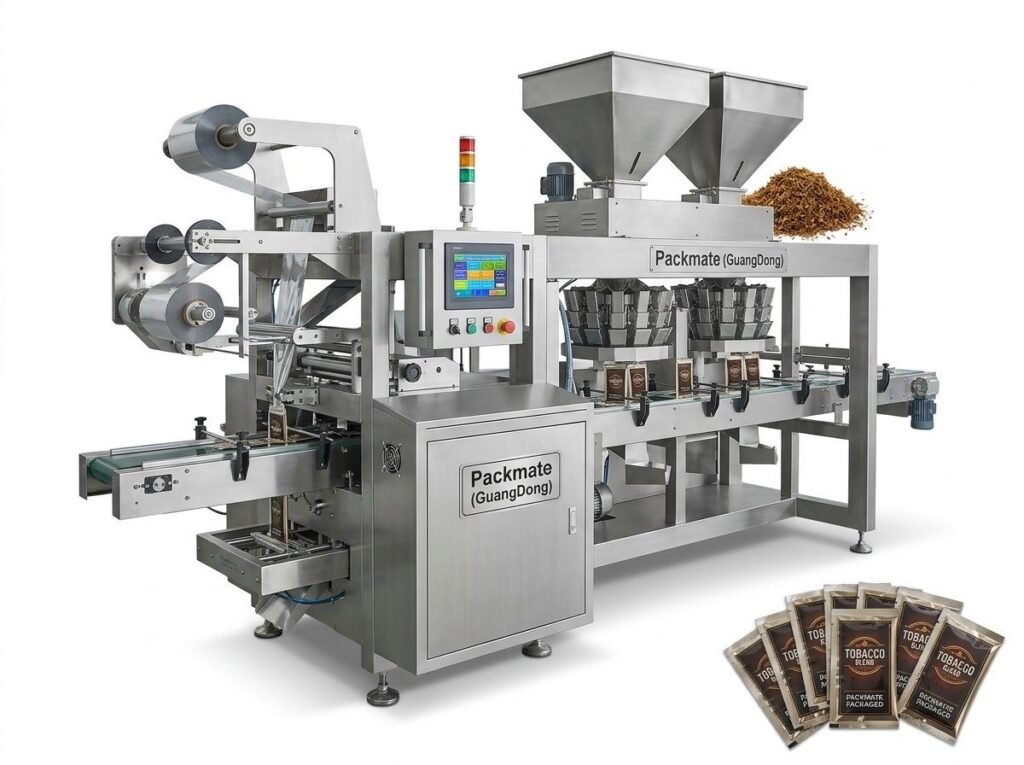
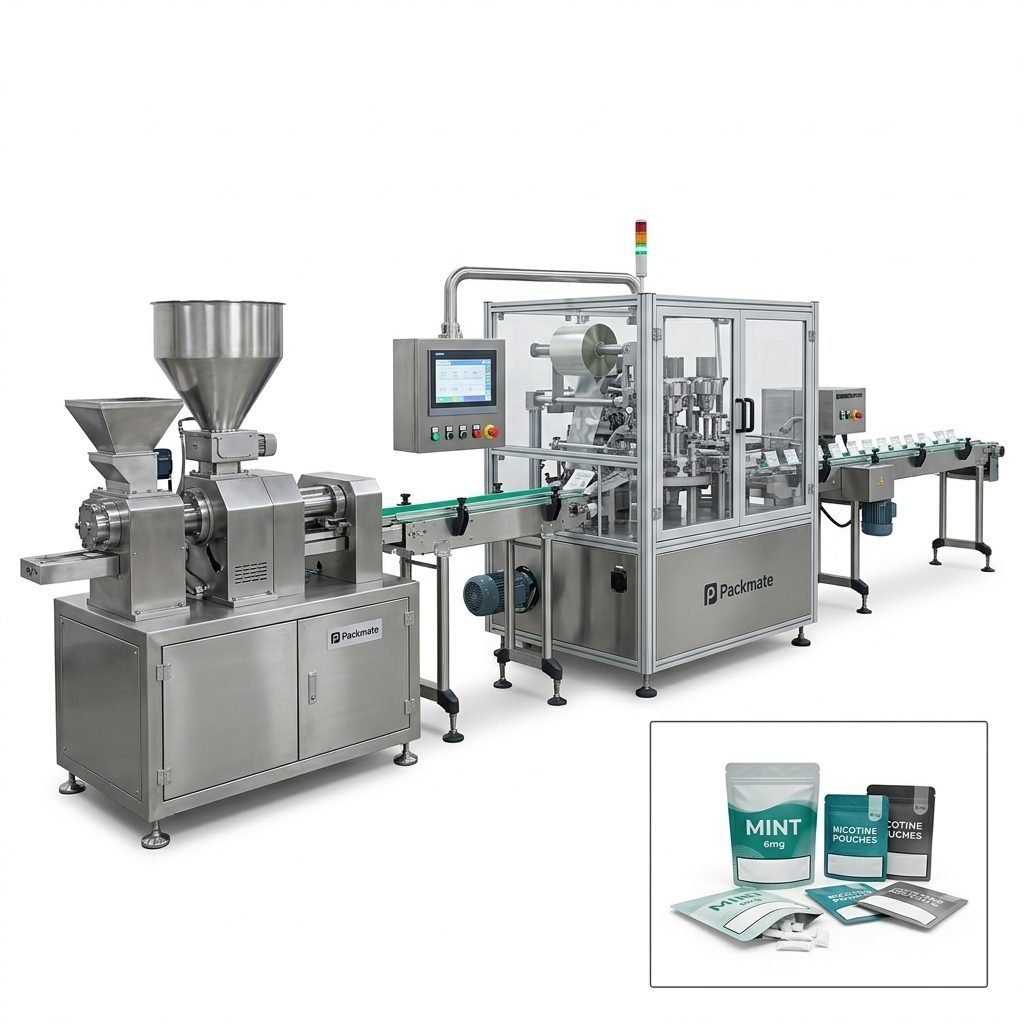
The snus and nicotine pouch industry is evolving rapidly, driven by stricter regulations, shifting consumer preferences, and continuous innovation in packaging technology. For OEMs, contract packers, and brands seeking high-efficiency production, choosing the right snus packaging machine is critical to staying competitive. This article explores future technology trends, automation, and smart solutions in snus packaging machines, and offers practical guidance for selecting, integrating, and optimizing equipment for long-term success.
🚀 Market Context & Why Packaging Innovation Matters
Global demand for tobacco alternatives like nicotine pouches and snus has spurred an arms race in packaging innovation. Manufacturers need machines that deliver high throughput, consistent portioning, tamper-evident seals, and flexible format handling. Beyond speed, key differentiators include gentle handling for delicate pouches, multi-lane capability for small-dose products, and smart controls that support traceability and regulatory reporting. Investing in modern equipment reduces waste, lowers labor costs, and shortens time-to-market for new SKUs.
🔧 Core Drivers: Compliance, Flexibility & Efficiency
Regulations and labeling requirements force manufacturers to adopt machines with integrated inspection and serialization. Meanwhile, brand owners demand flexible lines that can switch between sachets, stick packs, and multi-lane snus pouches without lengthy downtime. Efficiency gains come from automation in upstream feeding, weighing, and downstream cartoning — all supported by centralized PLC/HMI platforms and predictive diagnostics.
🧩 Key Technologies Shaping the Future of Snus Packaging
Several technologies are redefining what a modern snus packaging system can do. These include high-speed multi-lane forming, precision dosing for micro-portion fillings, servo-driven synchronization, machine vision, and IIoT connectivity. Integrating these components creates lines that can adapt to multiple formats while maintaining hygiene and repeatability.
Highlight: Modern lines combine servo motion control, automatic format change capabilities, and vision-based quality inspection to deliver consistent pouch shape, accurate weight, and secure sealing — all at high speeds.
⚙️ Multi-Lane & Micro-portion Filling
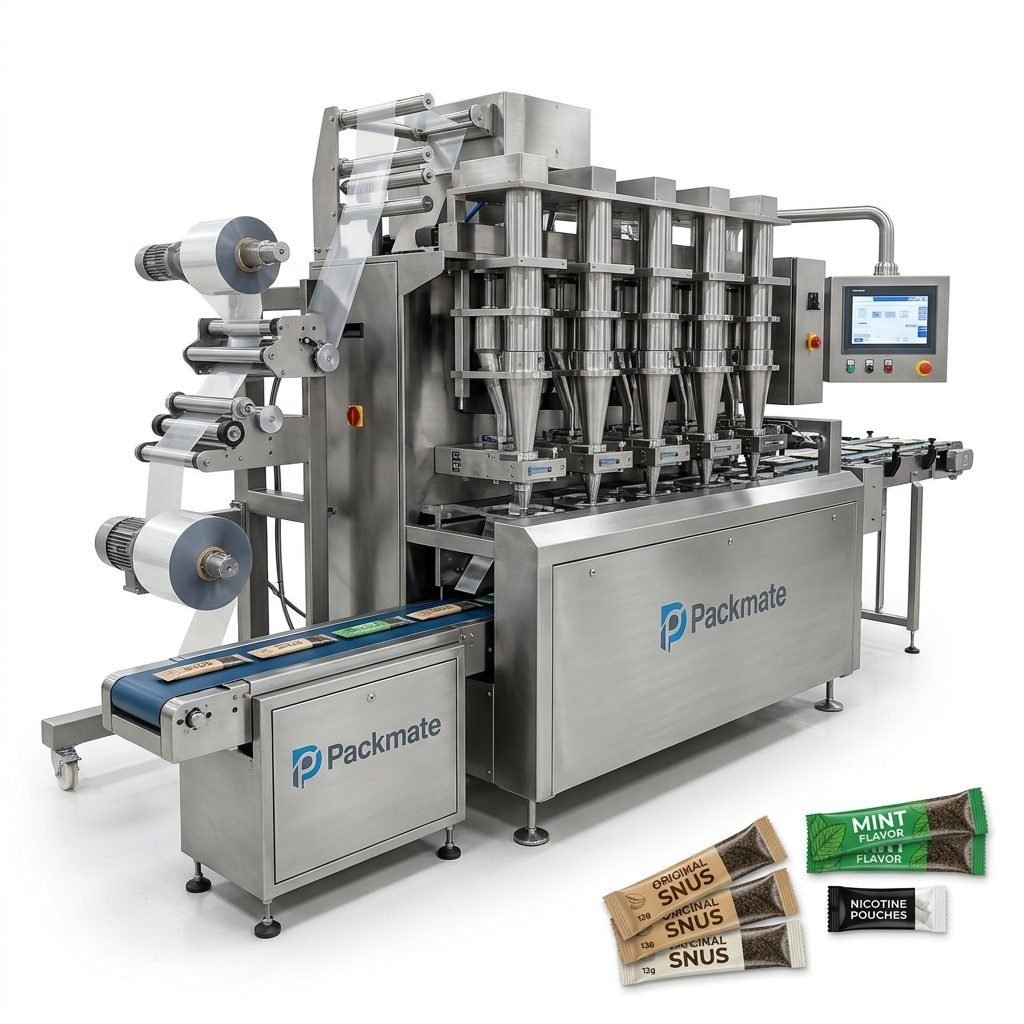
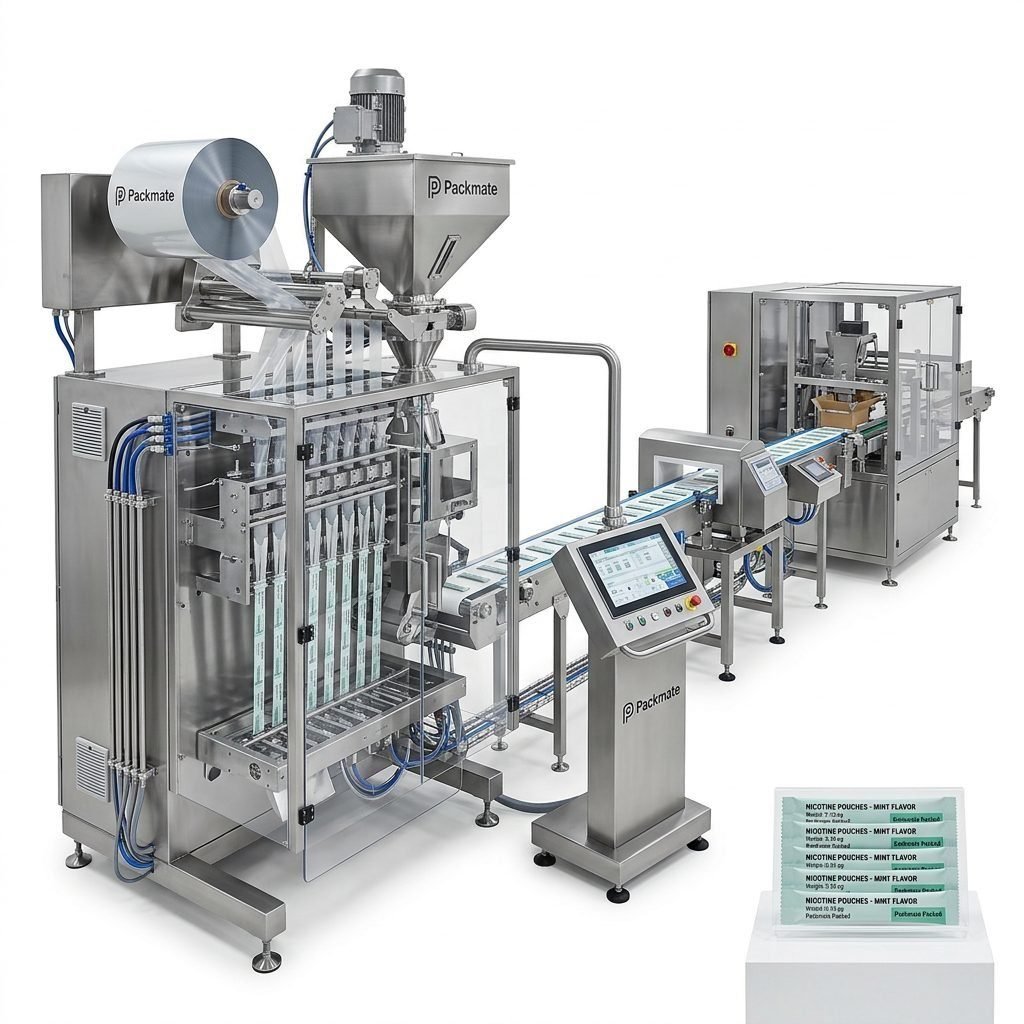
For small-dose nicotine pouches, multi-lane systems multiply output without requiring proportionally more floor space. Precision micro-dosing technologies (vibration feeders, loss-in-weight systems) maintain accurate fill weights across lanes. This is especially valuable for producers targeting diverse markets with multiple flavors and nicotine strengths.
🎯 Machine Vision & Inline Inspection
Inline cameras detect fill anomalies, misaligned pouches, seal defects, and missing labels. Advanced algorithms can flag deviations in real time, enabling immediate rejection and reducing downstream contamination risks. Vision systems also support traceability by reading printed codes and matching them with batch records.
📡 IIoT, Data Analytics & Predictive Maintenance
Smart machines stream production metrics to cloud dashboards (OEE, downtime reasons, cycle counts). Predictive maintenance models use vibration, temperature, and servo current trends to forecast component wear before failure. The result is fewer unplanned stoppages and better planning for spare parts.
🏭 Types of Snus Packaging Machines & Typical Configurations
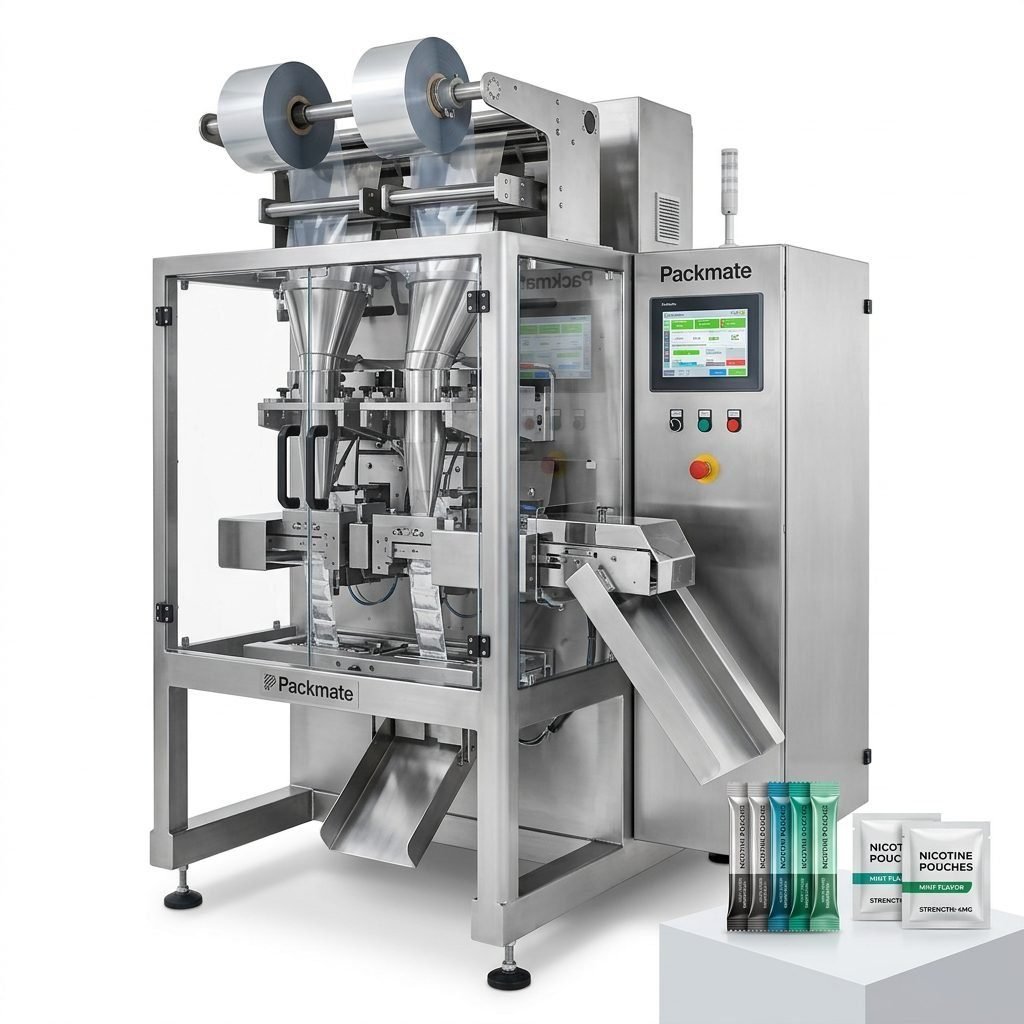
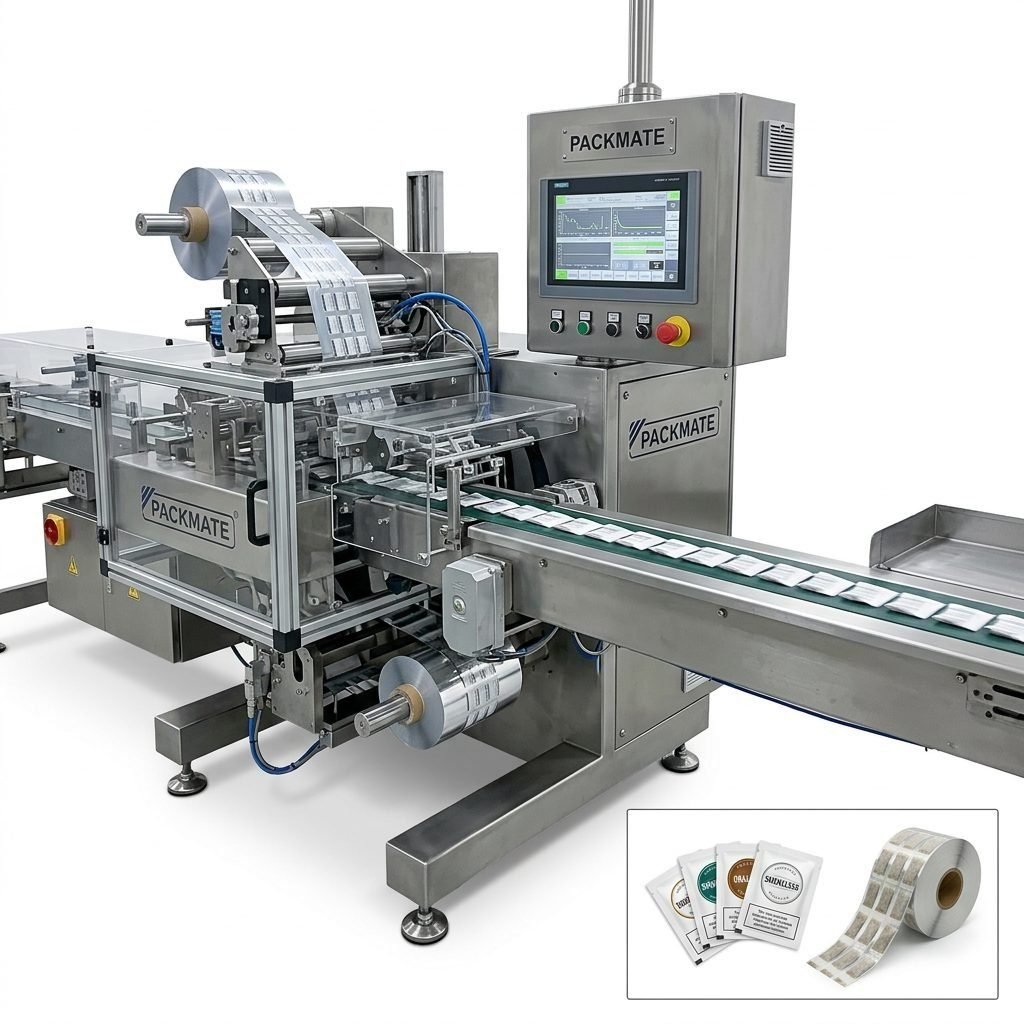
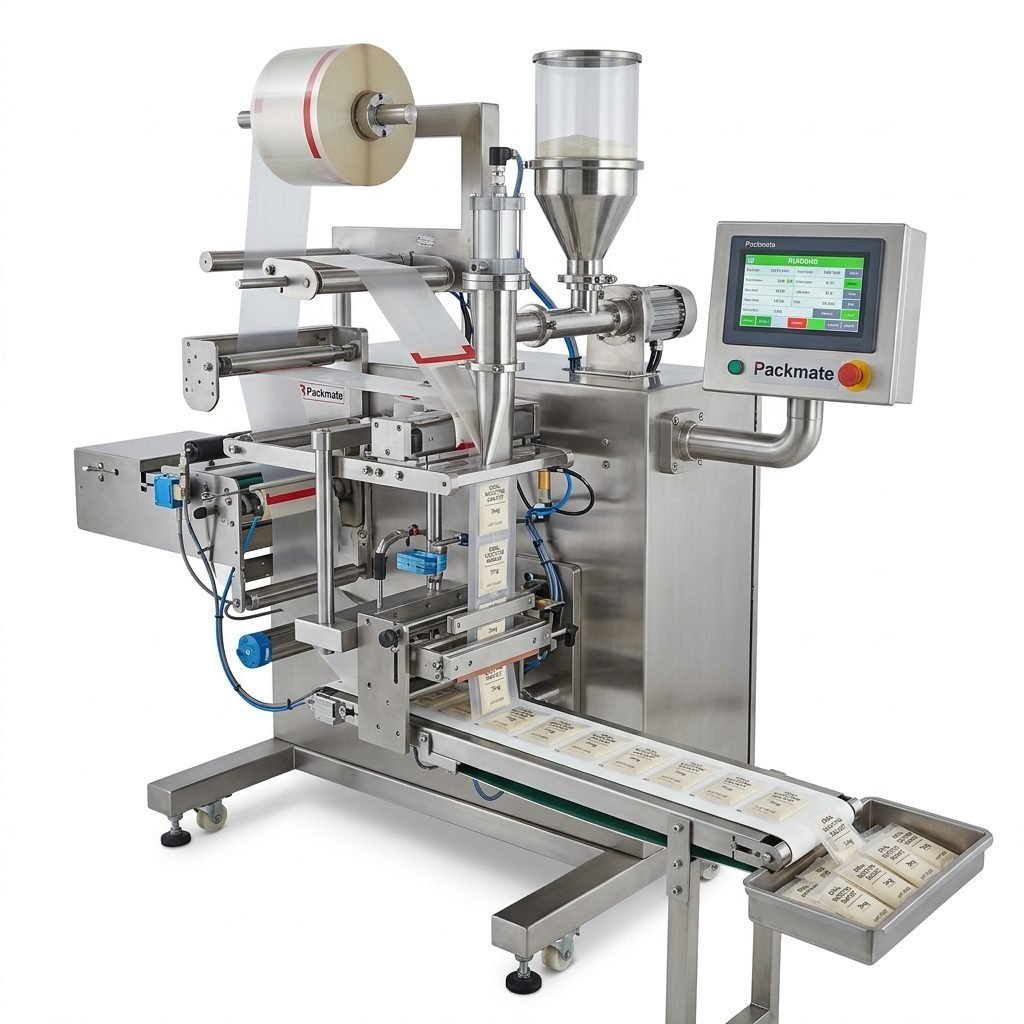
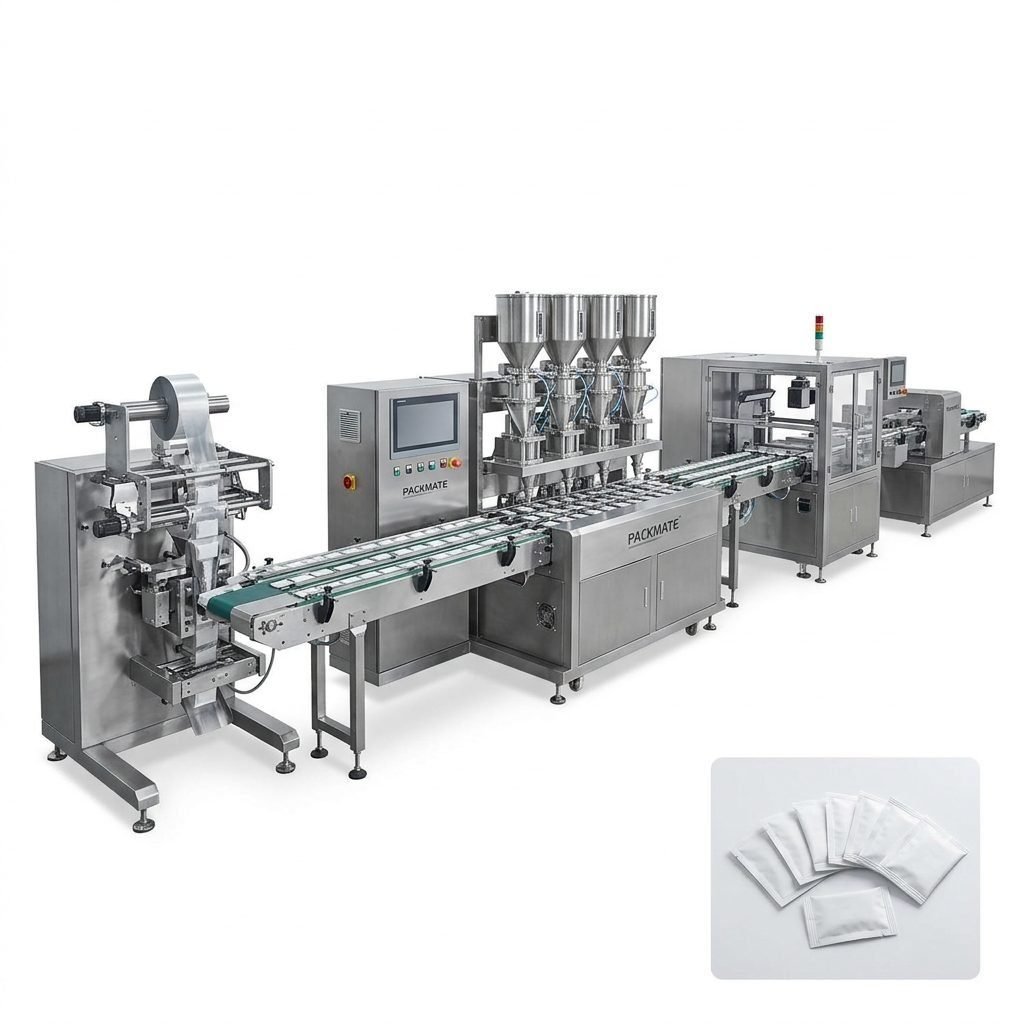
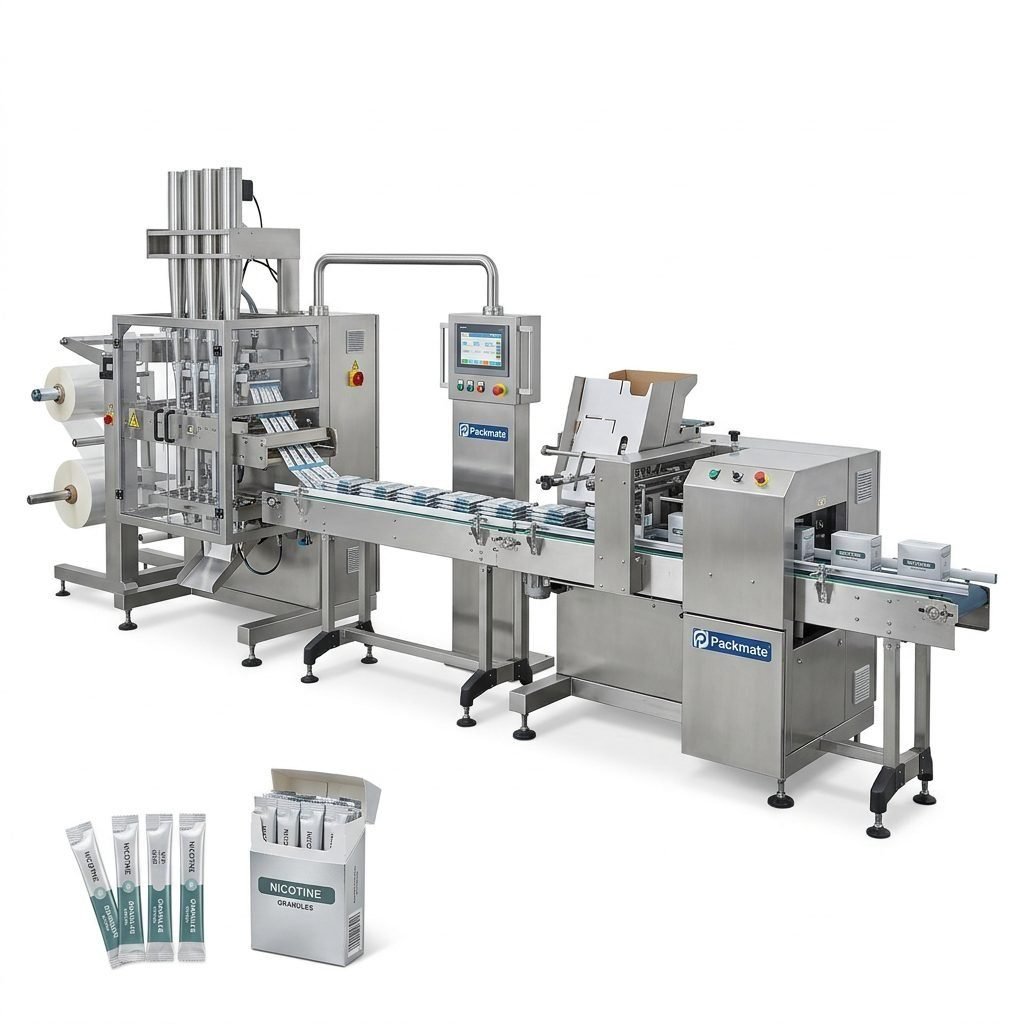
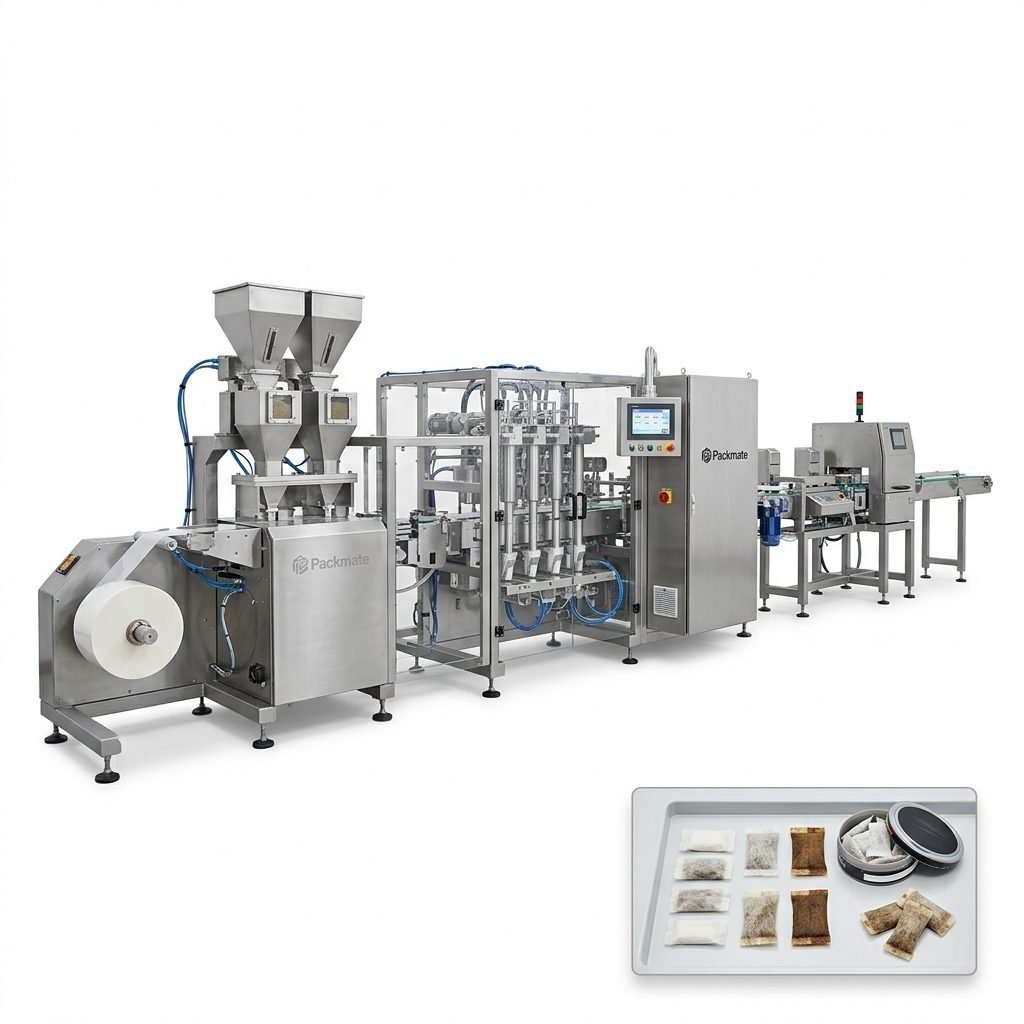
There are several main machine classes used across the snus and nicotine pouch industry: stick pack machines, sachet machines, multi-lane pouch formers, and fully integrated filling & cartoning lines. Many suppliers also offer modular auxiliary equipment (weighers, metal detectors, conveyors) to create turnkey solutions.
For detailed product categories and model options, consider reviewing dedicated product pages such as Snus & Nicotine Packaging Machines, Sachet & Stick Pack Machines, and Bag & Pouch Packaging Machines.
Tip: Selecting a modular system simplifies future upgrades: start with a proven filling platform and add lanes, inspection, or cartoning as volumes grow.
🔎 Selecting the Right Machine: Questions Every Buyer Should Ask
Choosing equipment is a strategic decision. Make sure to evaluate throughput (pouches per minute), format flexibility (pouch sizes and materials), fill accuracy, CIP/COP cleaning features, changeover time, and total cost of ownership. Additionally, confirm compliance with local regulations and international standards like CE and ISO.
Essential Buyer Checklist
✔️ Maximum lanes and expected throughput per lane
✔️ Supported pouch/substrate materials (paper, laminate, film)
✔️ Fill technologies and tolerance levels (grams/mg)
✔️ Ease of cleaning and hygienic design
✔️ Integration options for checkweighers, metal detectors, and cartoners
✔️ After-sales support, spare parts availability and training
🔧 Factory Capability & Custom Turnkey Solutions
When considering vendors, evaluate their manufacturing footprint, machining capabilities, and R&D experience. A factory with advanced CNC centers and precision assembly lines is better positioned to deliver durable machines and rapid customization. Companies with turnkey expertise can integrate weighing systems, filling lines, and auxiliary equipment into a single validated production line.
Packmate Snus Machine’s background in building multi-lane systems and full production lines is an example where 30+ years of engineering and a 20,000㎡ facility help ensure robust, high-precision solutions for clients worldwide. For examples of implemented projects, see their Case studies.
✅ Certifications & Global Exhibition Presence
Certified equipment (CE, ISO) simplifies market entry and compliance across regions. Participating in international exhibitions also demonstrates a supplier’s commitment to transparency and customer engagement. Visiting live demos can reveal practical aspects like noise levels, accessibility for maintenance, and operator ergonomics.
💡 Automation Strategies: From Partial to Full Lines
Automation can be introduced gradually: automate feeding and filling first, then add sealing and inspection, and finally implement automatic case packing and palletizing. This staged approach reduces risk while allowing teams to adapt processes, refine quality control, and quantify ROI at each step.
Business Insight: Partial automation often yields quick labor savings; full automation unlocks consistent quality and the best cost-per-unit at high volumes.
🛠️ Maintenance, Training & After-Sales Service
A reliable service network and detailed spare parts strategy minimize downtime. Choose vendors offering onsite training, remote troubleshooting, and documented maintenance schedules. Many manufacturers provide service contracts that include predictive support and prioritized spare parts shipment.
What to Expect from a Good Service Partner
– Comprehensive training for operators and maintenance staff
– Quick-response technical support (remote and onsite)
– Clear spare parts catalogs and recommended stocking levels
– Firmware upgrades and continuous improvement programs
📈 Measuring ROI: Metrics That Matter
Calculate ROI using metrics like throughput increases, yield improvement, labor cost reduction, material savings from accurate dosing, and reduced rework/reject rates. Track OEE improvements and pay attention to soft benefits like faster changeovers and improved brand consistency.
🌍 Global Considerations & Market Nuances
Different regions have unique user preferences, regulatory frameworks, and supply chain realities. For instance, Nordic countries have long-standing snus traditions with premium packaging expectations, whereas emerging markets may prioritize cost-effectiveness and higher throughput. When selecting a solution, align machine features with target market expectations and compliance demands.
📞 How to Engage with Suppliers & Next Steps
Start with a clear brief: required formats, target throughput, product specifications, and quality requirements. Request factory acceptance tests (FAT) and site acceptance tests (SAT), and verify lead times for customization and spare parts. For direct contact and detailed consultation, manufacturers typically provide contact portals and catalogs—review their About and Contact pages for tailored support (About Packmate, Contact Us).
🔎 Final Buying Tips
– Validate machine performance with real product trials
– Ask for references in similar product categories and regions
– Confirm documentation for maintenance and validation
– Negotiate spare parts packages and initial training as part of the sale
📦 Recommended Integrated Solutions & Accessories
Complementary equipment such as precision weighing systems, metal detectors, labelers, and automatic cartoners create fully automated lines. Browse categories like Weighing & Packaging Systems and Filling & Packaging Lines to plan a comprehensive layout.
Reminder: A well-integrated line not only increases capacity but protects product integrity and brand reputation by ensuring consistent packaging quality.
🔚 Conclusion: Investing in a Smart Snus Packaging Future
The future of snus packaging lies in flexible, connected, and precise packaging systems that balance speed with quality and compliance. Manufacturers who invest in multi-lane precision machines, robust inspection systems, and IIoT-enabled predictive maintenance will thrive. Evaluate suppliers for manufacturing capability, global support, and proven turnkey experience to ensure your line meets both current and future needs.
Frequently Asked Questions
Q1: How do I choose between a stick pack, sachet, or multi-lane pouch machine?
A1: Prioritize the formats your brand will sell most, projected volumes, and desired production footprint. Multi-lane systems are ideal for high-mix, high-volume small-dose products; sachet/stick pack machines fit single-format high-speed runs.
Q2: What is the typical lead time for a customized snus packaging line?
A2: Lead times vary by customization level and spare parts availability. Standard models may ship in weeks; fully customized turnkey lines can take several months. Request a factory timeline and FAT schedule when negotiating.
Q3: Are multi-lane machines harder to maintain?
A3: Not necessarily. Well-designed multi-lane systems balance complexity with accessibility. Ensure your supplier includes clear maintenance procedures and spare parts lists; training and remote support reduce downtime risks.
Q4: Can I retrofit existing lines with inspection or IIoT capabilities?
A4: Yes. Many vendors offer retrofit kits for vision inspection, data logging, and remote monitoring. Retrofitting is a cost-effective way to add capabilities without full equipment replacement.
Q5: How can I see real-world machine performance before buying?
A5: Request on-site demonstrations at exhibitions or vendor factories, review case studies, and arrange FAT with your product. Visiting exhibitions and supplier facilities provides practical insight into machine behavior and service responsiveness. For exhibition schedules and live demos, see the supplier’s exhibition page: Our Exhibition.