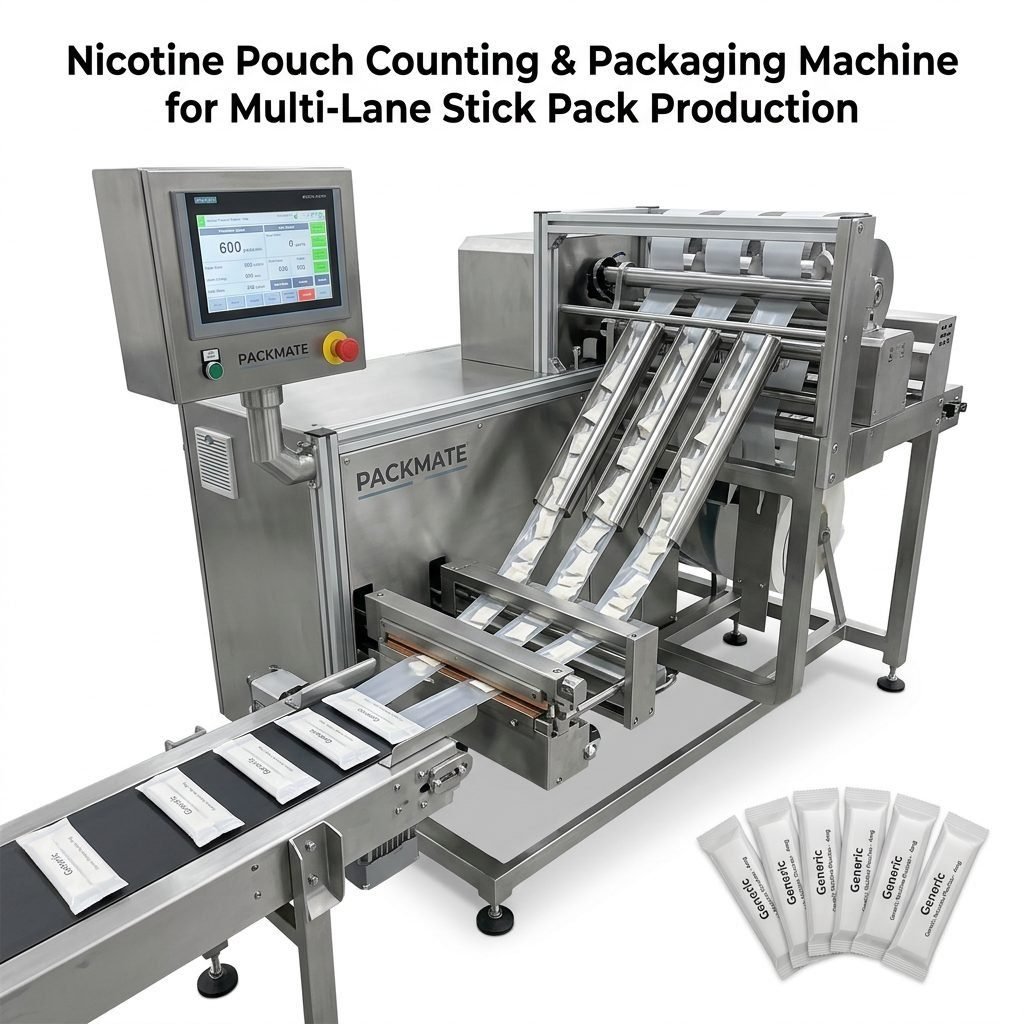
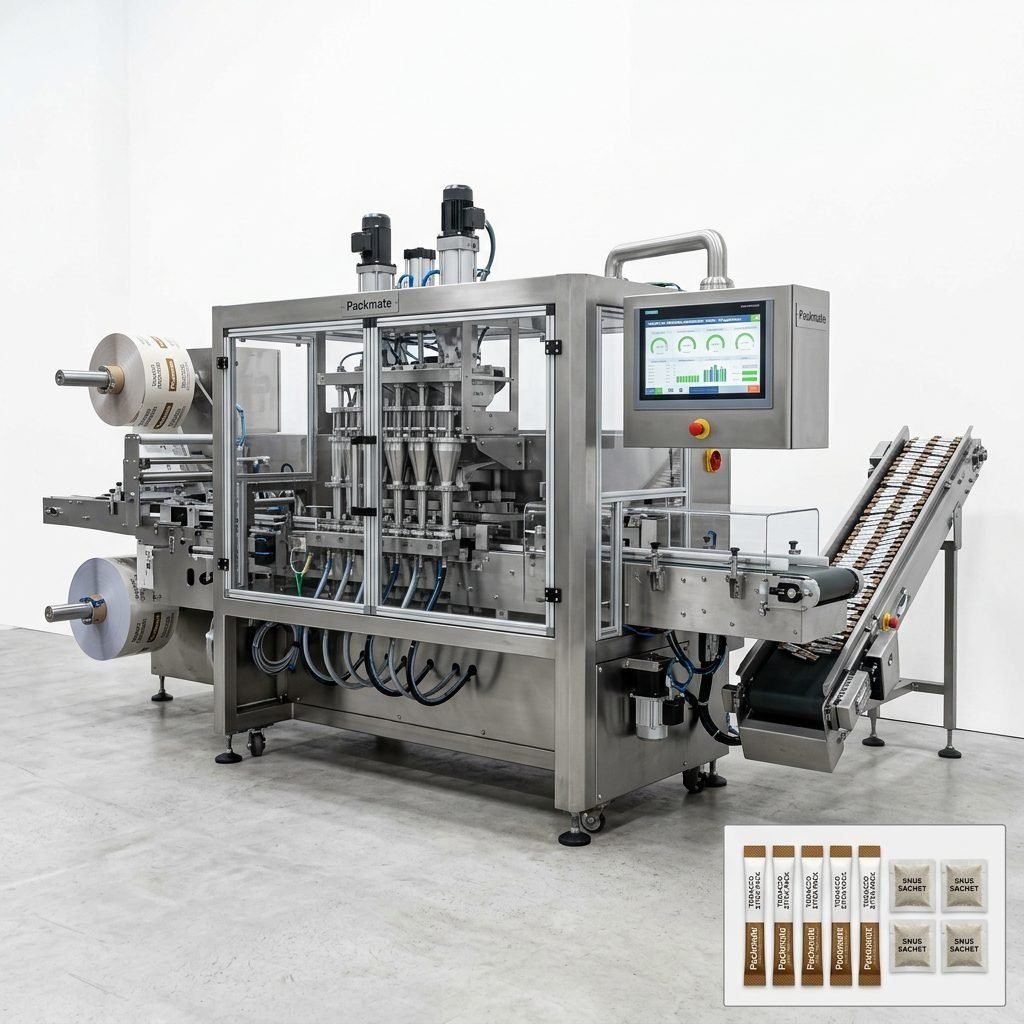
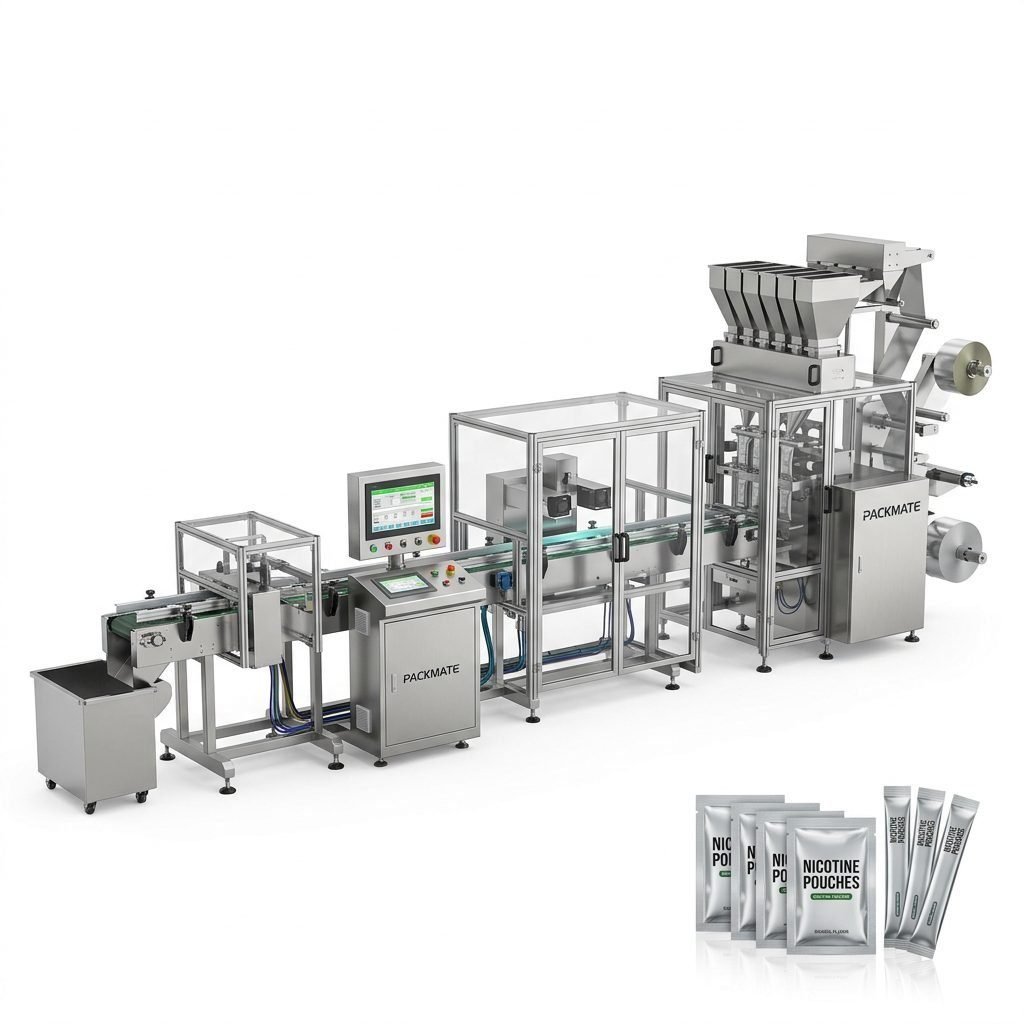
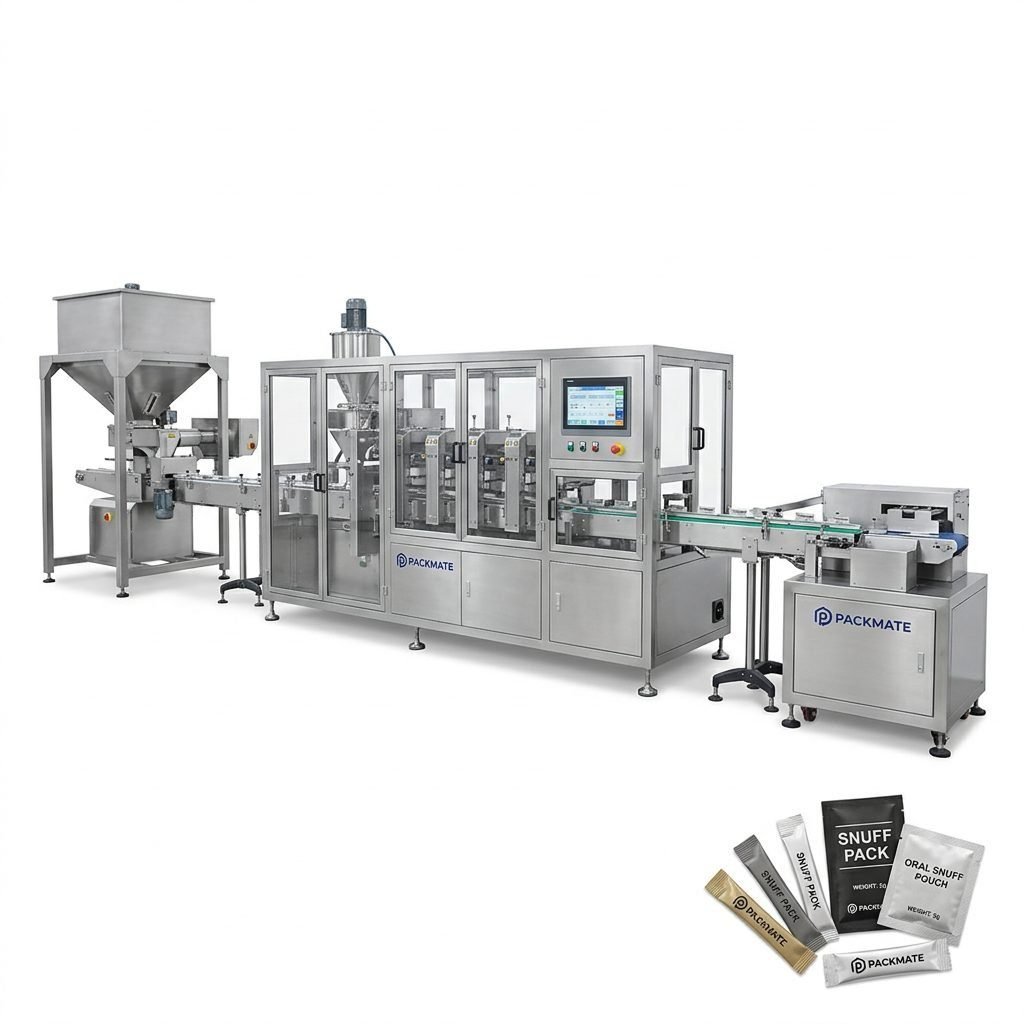
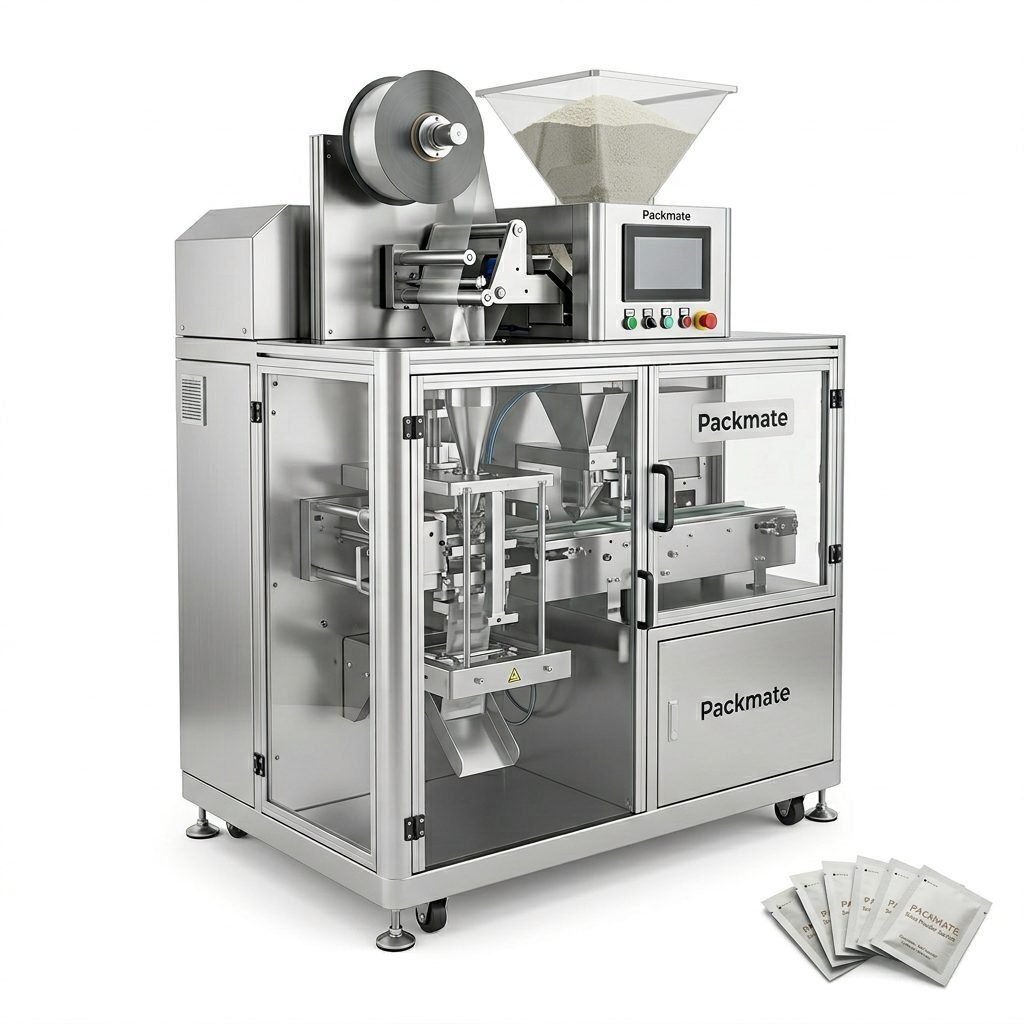
Choosing the right automatic snus filling and sealing line is a strategic decision for manufacturers who want to scale production, maintain consistent product quality, and meet international compliance standards. This guide walks you through the core components, selection criteria, and practical tips for buying and operating a high-performance snus production line. Whether you produce nicotine pouches, traditional snus, or other small-dose pouches, the right equipment reduces waste, improves yield, and accelerates time-to-market.
Why invest in a dedicated snus filling & sealing line?
Modern snus and nicotine pouch markets demand precision dosing, hygienic handling, and flexible packaging formats. Manual or semi-automatic processes cause inconsistent weights, higher labor costs, and slower throughput. An integrated automatic line delivers:
⚙️ Consistent dosing and weight accuracy for regulatory compliance and customer satisfaction.
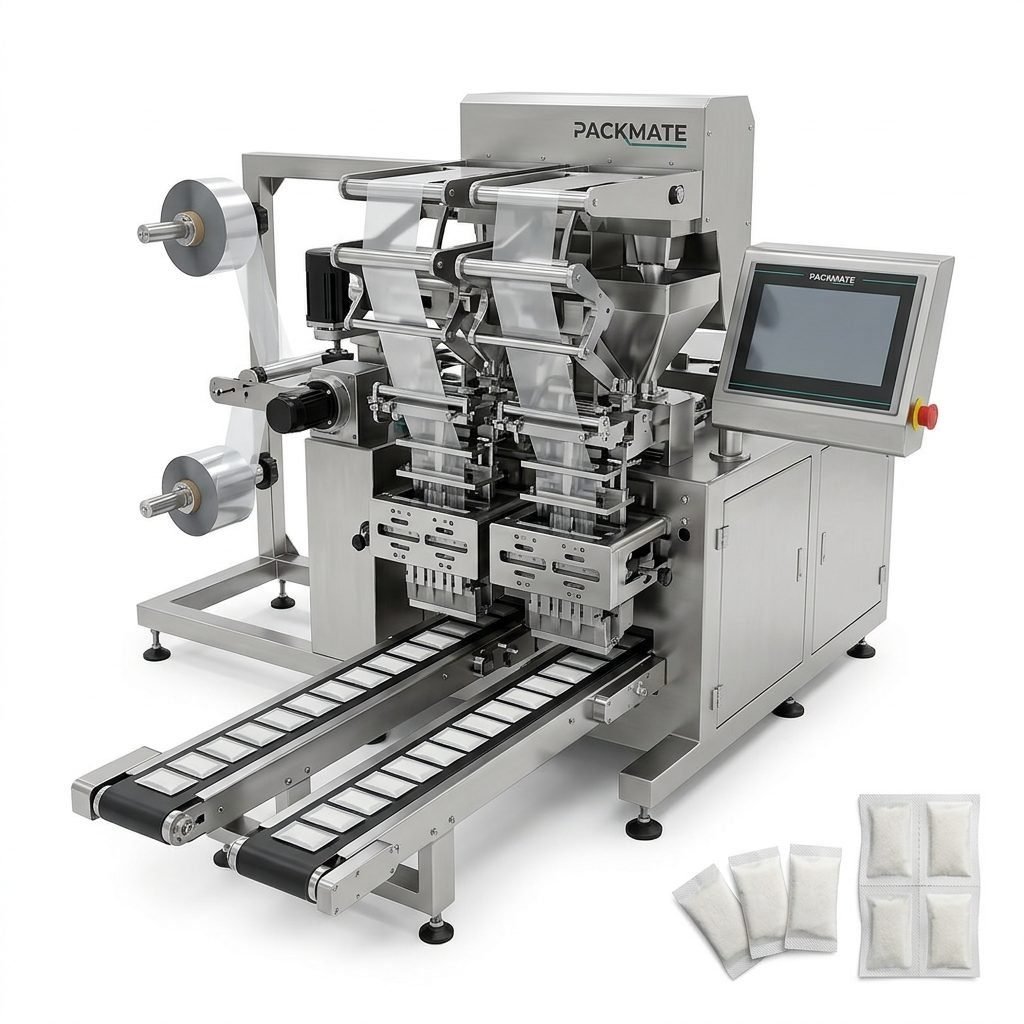
📈 Higher throughput with multi-lane filling systems that multiply output without increasing floor space proportionally.
🔒 Improved sealing technology for stronger packaging integrity and longer shelf life.
🛠️ Reduced labor and waste through automation and integrated check-weighing and reject systems.
Core components of a complete snus packing line
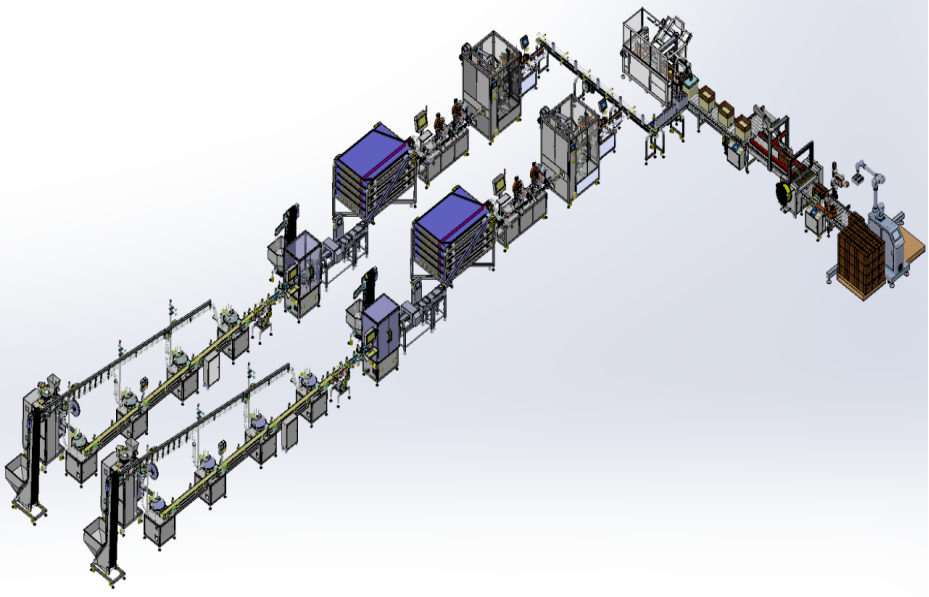
A full production solution typically comprises several coordinated modules. Understanding each helps you match machine capabilities to product attributes and production goals.
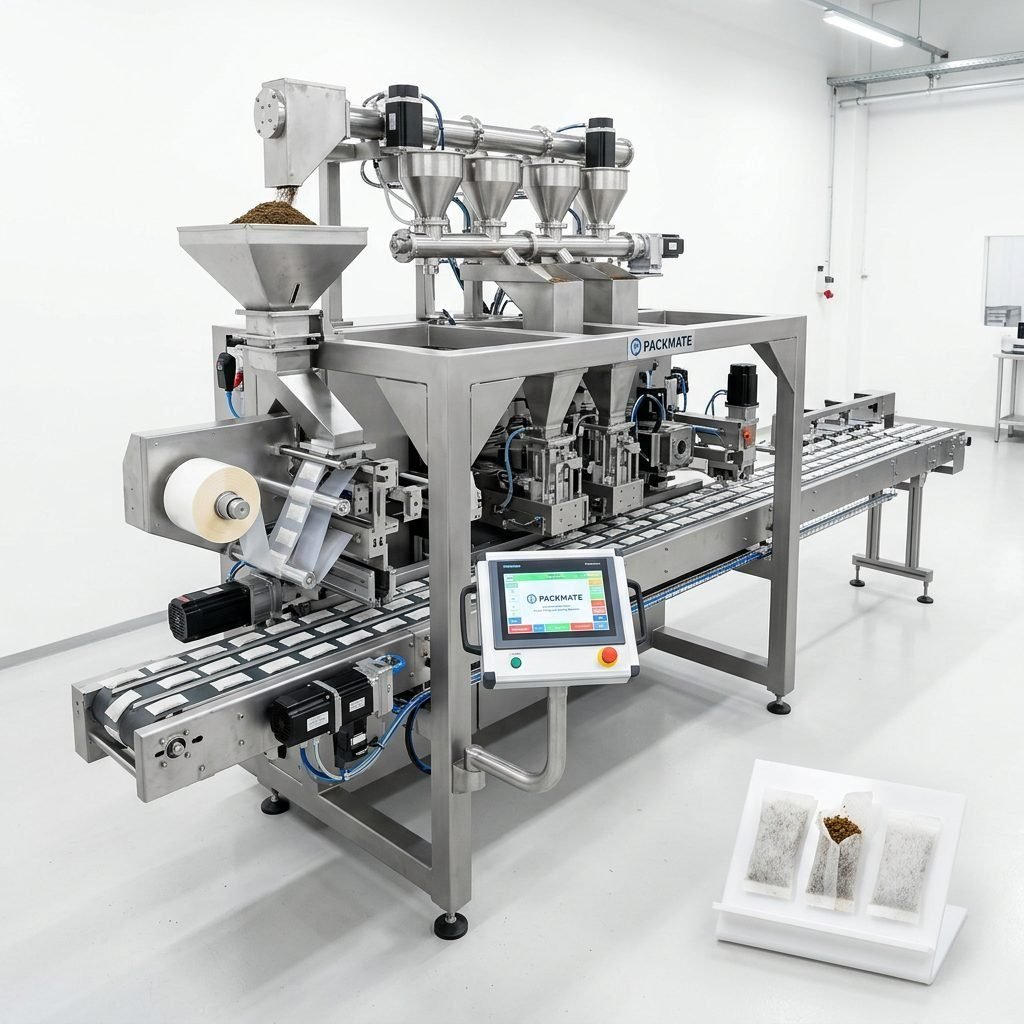
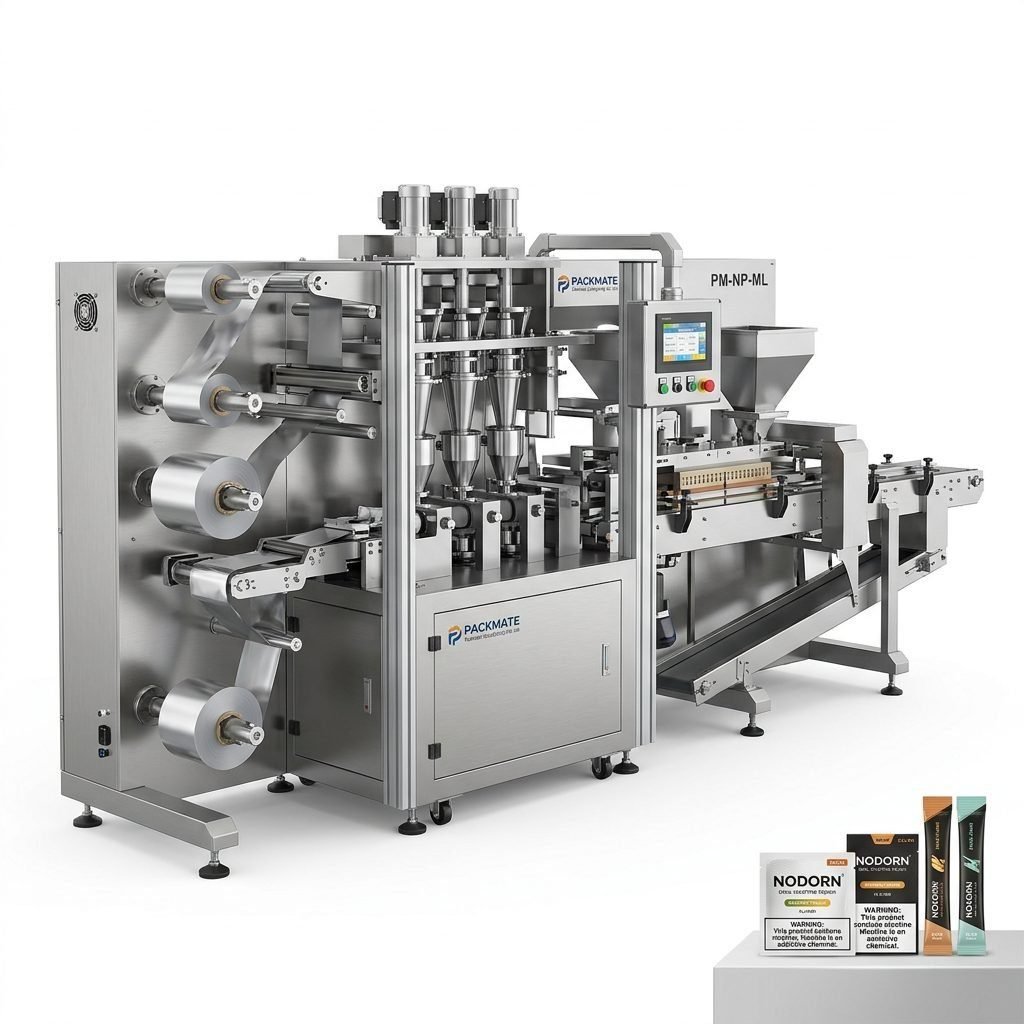
📦 Feeding & dosing system – gravimetric or volumetric feeders, auger fillers, multi-head weighers for blended materials.
🔗 Form-fill-seal (FFS) unit – stick pack, sachet, or multi-lane pouch forming stations tailored to snus formats.
🔒 Sealing & cutting module – high-speed heat-seal units with crimp or lap sealing options.
✅ Inspection & weighing – in-line check weighers, metal detectors, and vision systems for quality control.
🤝 Conveying & end-of-line – accumulation conveyors, cartoners, and case packers for finished product handling.
Linking components to suppliers and solutions
When assessing suppliers, review full-line capabilities and compatibility. Many manufacturers provide modular machines and turnkey solutions—review product pages and technical catalogs to compare models and specifications. For example, review specialized machines here:
Snus & Nicotine Packaging Machines
Filling & Packaging Lines
Weighing & Packaging Systems
Certificate
About Packmate
Key selection criteria: What to evaluate
📌 Throughput (pieces/min) – calculate target output and consider multi-lane models for higher volumes.
📌 Dose accuracy – choose gravimetric or multi-head weighers for tight tolerances (±0.5–1% typical for snus).
📌 Hygiene & materials – stainless steel contact surfaces (SUS304/SUS316), CIP-friendly designs for strict cleaning regimes.
📌 Format flexibility – the ability to switch pouch sizes and materials quickly for SKU agility.
📌 Integration & automation – PLC/HMI control, recipe management, and connectivity for Industry 4.0 monitoring.
📌 Service & spare parts – local support network, spare parts availability, and installation support.
Capacity planning: single-lane vs. multi-lane systems
Single-lane machines are cost-effective for low-to-medium volumes and allow easier setup and cleaning. Multi-lane systems, however, multiply output and maximize space efficiency — ideal for high-demand nicotine pouch production. When sizing, estimate:
– target daily output (units/day) and planned growth over 12–36 months.
– expected changeover frequency for SKUs and the impact on effective production time.
– downstream handling: accumulation, buffer zones, and packaging speed to avoid bottlenecks.
Dosing & weigher selection
Material characteristics determine dosing technology. Fine, free-flowing powders may suit vibratory or screw feeders, while blends or sticky materials may require specially coated augers or multi-head weighers. For blending small doses typical of nicotine pouches, consider: gravimetric feeders for accuracy and multi-head weighers for high-speed multi-lane lines.
Sealing technology & film compatibility
Sealing methods include heat-seal, ultrasonic, and lap-seal, depending on film composition. Films with barrier layers (aluminum, EVOH) or heat-sealable laminates require adjustable temperature control and consistent pressure. Ask suppliers for film compatibility charts and conduct trials with your chosen lamination to validate seal strength and appearance.
🔧 Tip: Always request sample runs with your exact powder/blend and film. Production trials are the most reliable way to verify yield, dosing precision, and sealing integrity.
Automation, controls & Industry 4.0 features
Modern pack lines come with advanced PLCs, color HMIs, recipe management, and remote diagnostics. Key features to prioritize:
– centralized recipe control for fast format changes.
– remote access for troubleshooting and performance analytics.
– in-line quality checks (vision systems, weight checks) integrated into the control logic.
– OEE dashboards that track uptime, throughput, and reject rates.
Regulatory compliance, safety & certifications
Equipment used for nicotine products must meet international safety and hygiene standards. Look for CE, ISO certification and construction that supports GMP-like cleaning routines. Confirm electrical, mechanical, and safety documentation for each machine and ensure traceability of materials and batch records if required by your jurisdiction.
Manufacturer capability: what to verify
Selecting a reputable manufacturer reduces long-term risk. Evaluate:
– production facility scale and CNC/assembly capabilities,
– years of specialized experience in snus/nicotine machinery,
– global references and case studies, and
– availability of turnkey line integration and commissioning support.
Learn more about a proven supplier and their factory capabilities at About Packmate.
Cost drivers & calculating ROI
Major cost drivers include machine complexity, multi-lane capability, integration of inspection systems, and installation support. To calculate ROI:
– estimate annual production volume and labor cost savings from automation;
– account for material savings from improved fill accuracy and lower rejects;
– include spare parts, maintenance contracts, and expected uptime.
A properly sized automatic line often pays back within 18–36 months for mid-to-high volume manufacturers.
Installation, validation & after-sales support
Turnkey suppliers typically handle installation, FAT/SAT (Factory/ Site Acceptance Tests), operator training, and initial validation. Confirm the scope of after-sales service: remote diagnostics, local spare parts inventory, and long-term service contracts. Ask for client references and visit an installed line or an exhibition demo where possible.
Discover real-world implementations and exhibitions to see machines in action: Case studies and live demos are invaluable before purchase.
Common installation checklist
✅ Factory floor layout and space for conveyors and buffers.
✅ Power supply, air quality and consumption requirements.
✅ Access for maintenance and cleaning (SOPs for hygiene).
✅ Operator training schedule and documentation handover.
✅ Spare parts kit and recommended service intervals.
Maintenance best practices
Regular maintenance keeps production stable: daily cleaning, weekly lubrication, monthly checks on sensors and belts, and scheduled calibration for weighing modules. Maintain a log of downtime events and replace wear parts proactively. Keep critical spares on-site: sealing jaws, belts, sensors, and fuses.
Practical tips for trial runs and acceptance tests
– Run full-day trials using your actual materials and films.
– Measure fill accuracy, rejects, and sealing defects over several shifts.
– Validate cleaning procedures and document cycle times for format changes.
– Establish acceptance criteria for FAT/SAT including tolerance bands, uptime, and throughput.
Why Packmate is often chosen for snus lines
Packmate Snus Machine brings over 30 years of focused experience in pouch and snus packaging engineering, offering a wide range of models, advanced CNC manufacturing, and global turnkey solutions. Their product range covers everything from single-lane sachet machines to high-output multi-lane snus packaging systems that integrate weighing, filling, sealing and inspection. Learn more about the company’s credentials and certifications through their official resources.
For technical specifications and product models consult the Snus & Nicotine Packaging Machines overview: product page.
Sustainability & material choices
Packaging sustainability is increasingly important. Explore recyclable laminate options and mono-material films compatible with your sealing technology. Discuss recyclability and material sourcing with both film and machine suppliers to ensure your chosen film runs reliably on the sealing heads without compromising seal integrity.
Final considerations before purchase
Before signing, confirm: lead times, warranty terms, training commitments, spare parts delivery times, and on-site support during ramp-up. A reliable supplier will walk you through FAT, provide documented performance guarantees, and offer an implementation plan that minimizes production disruption.
📌 Key action steps: Arrange a sample trial, request a site visit or video demo, review FAT documentation, and confirm spare parts availability before delivery.
Additional resources
For further technical data and product catalogs, visit the manufacturer’s information pages and catalog downloads. If you require integrated weighing systems or auxiliary equipment, check product families that support seamless integration with your chosen snus line.
Explore complementary systems: Weighing & Packaging Systems and detailed line solutions at Filling & Packaging Lines.
Conclusion
Selecting the right snus filling and sealing line means matching machine capability to your product profile, throughput goals, and compliance needs. Prioritize dosing accuracy, sealing reliability, and supplier support. Conduct real-world trials, verify certifications, and plan for integration and maintenance. With the right partner and clear acceptance criteria, an automatic snus production line becomes a foundation for consistent quality and profitable scaling.
Frequently Asked Questions
Q1: What is the typical lead time for a complete snus packaging line?
A1: Lead times vary by configuration and customization; standard models may ship in 8–16 weeks, while turnkey multi-lane systems and custom integrations can take longer. Confirm lead times during quotation.
Q2: How do I ensure dose accuracy for nicotine pouches?
A2: Use gravimetric dosing (weigh feeders) or multi-head weighers and run validation trials with your exact formula. Regular calibration and environmental control (humidity, vibration) are also essential.
Q3: Can one line handle multiple pouch formats?
A3: Many modern lines offer format change kits and recipe-based setups for rapid changeover. For frequent SKU changes, request quick-change tooling and user-friendly HMI recipes.
Q4: What certifications should I expect from the equipment manufacturer?
A4: CE and ISO certifications are common. For nicotine products, look for hygienic design, documentation for GMP-compatible cleaning, and electrical and safety compliance certificates.
Q5: Where can I see installed systems or request demonstrations?
A5: Ask suppliers for case studies, exhibition schedules, or on-site visits. Many manufacturers provide demo videos and FAT reports; schedule a live demo when possible to observe machine performance.