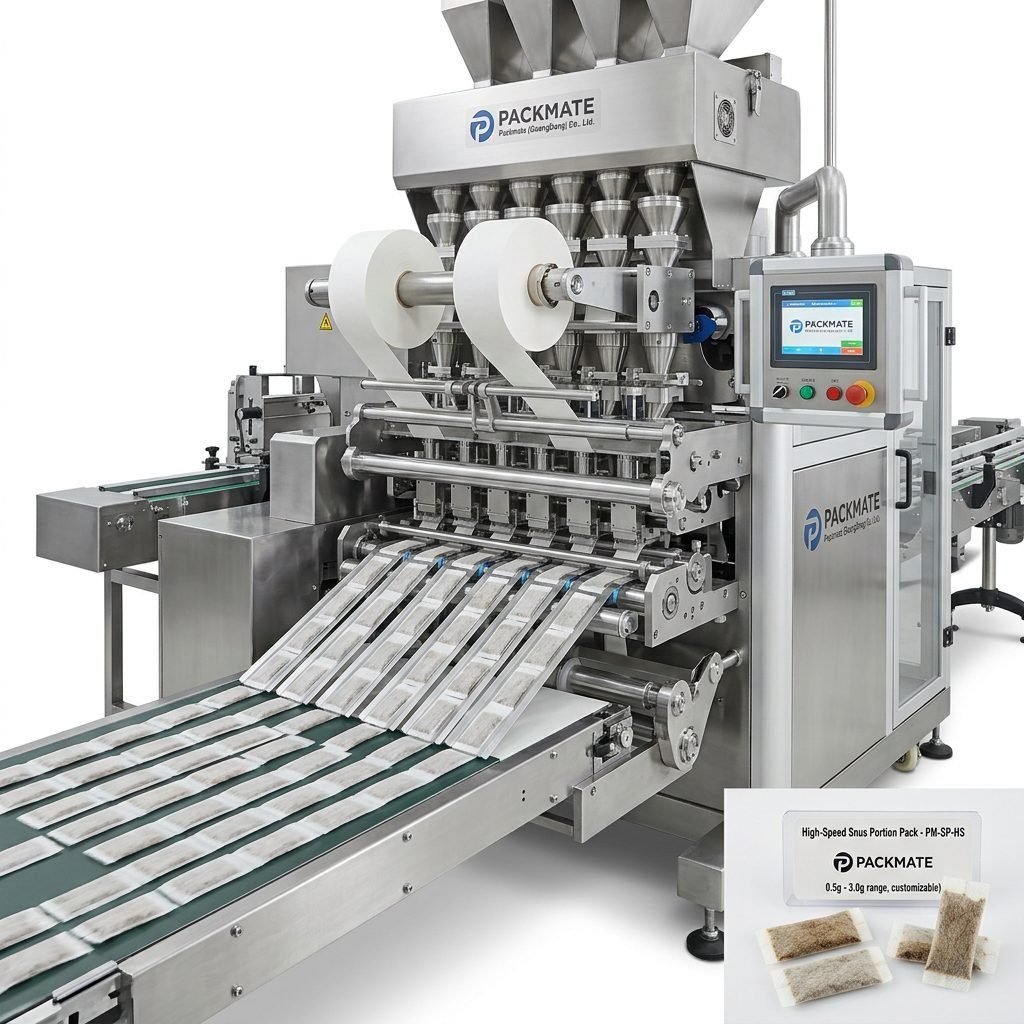
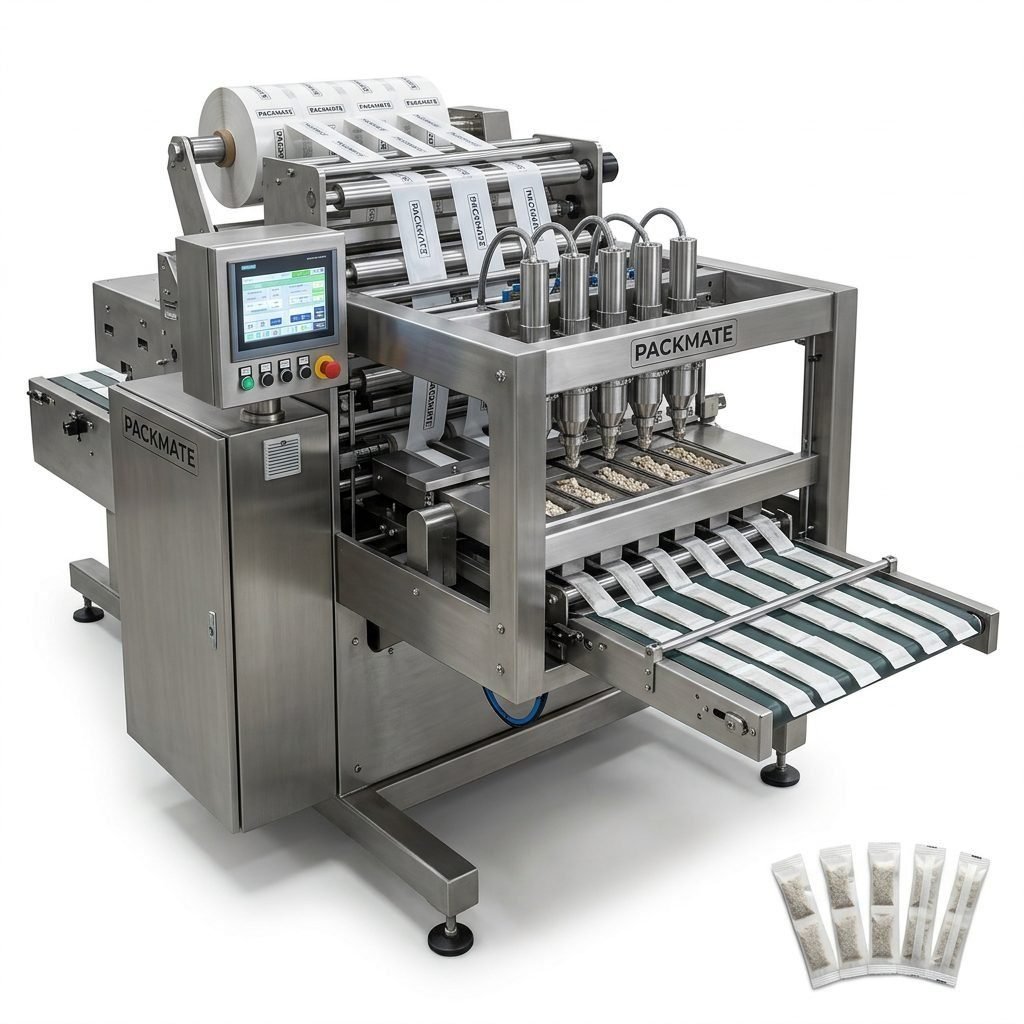
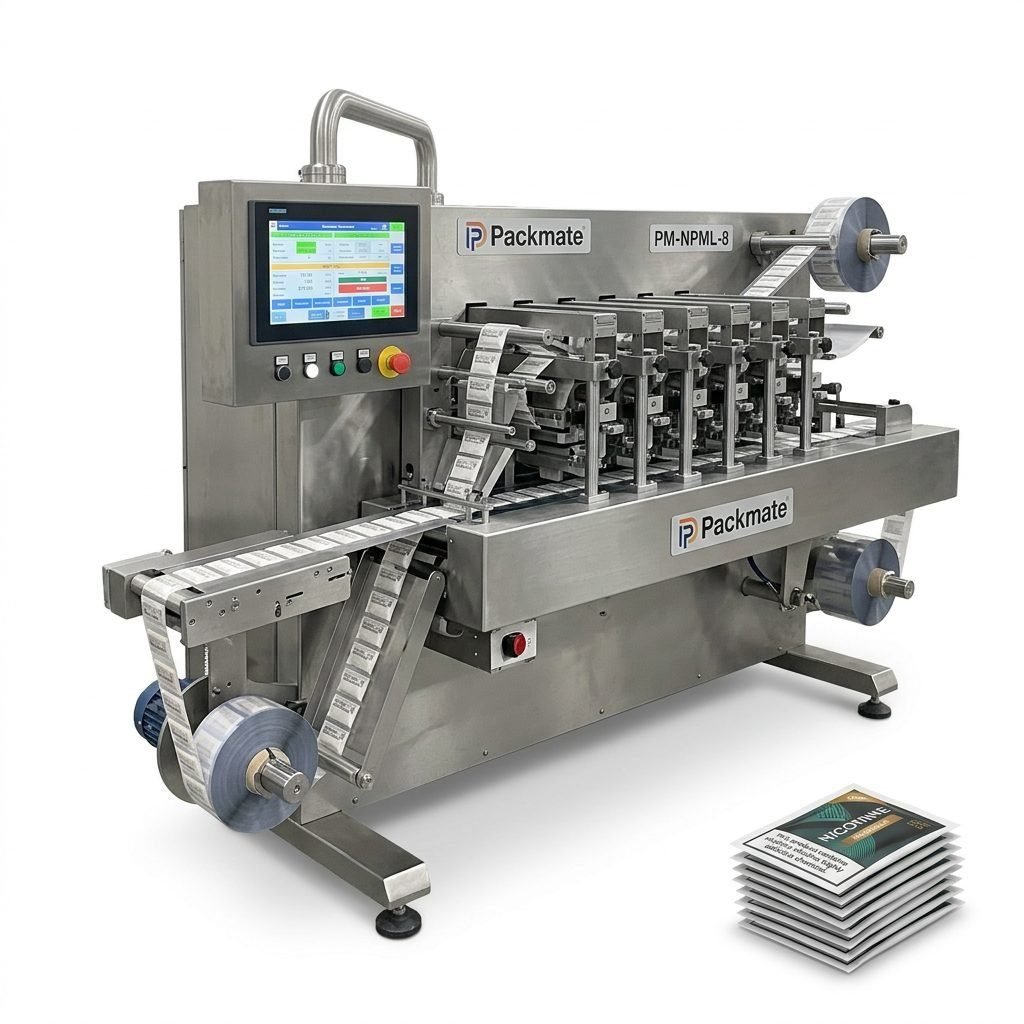
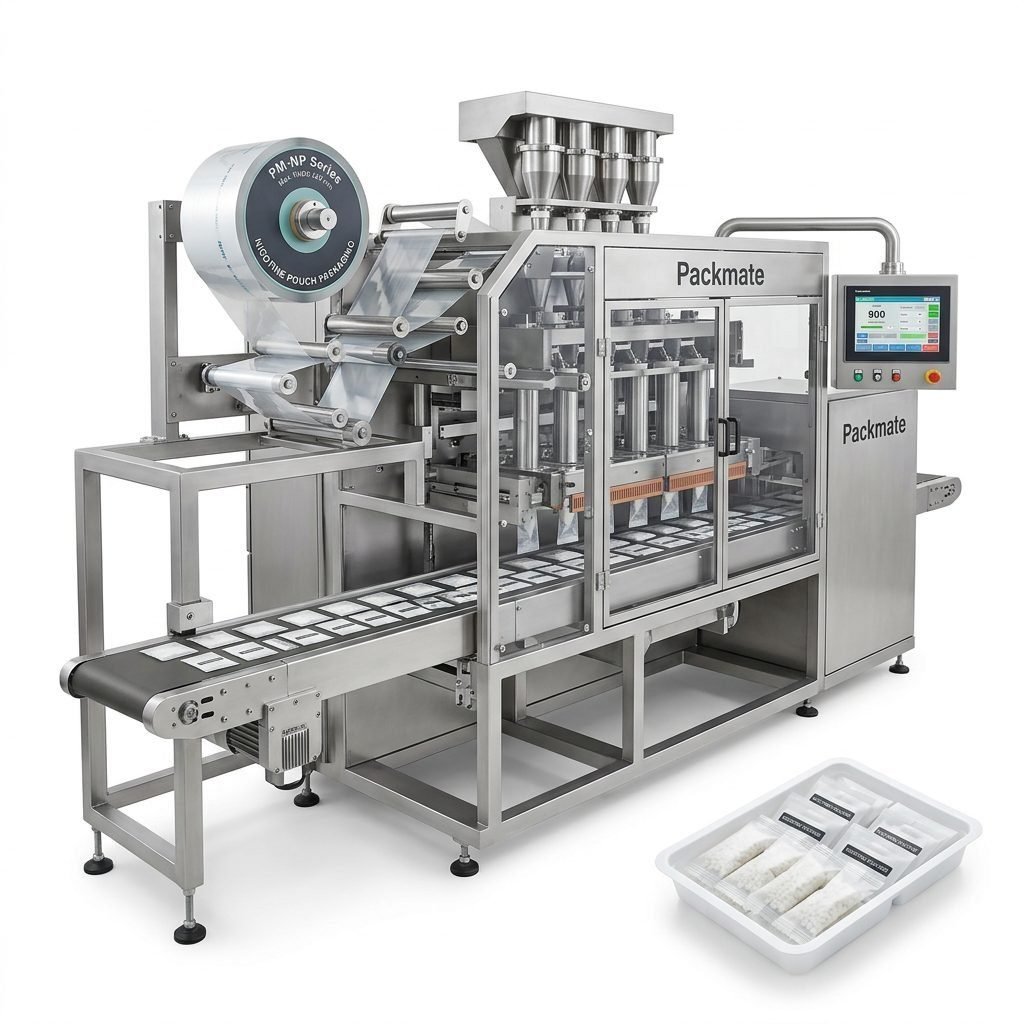
In the evolving world of snus and nicotine pouch products, packaging is more than a container — it is the guardian of freshness, the shield of compliance, and a strategic touchpoint for brand experience. This guide walks through the best snus packaging solutions for manufacturers and brand owners who want to protect product quality, comply with international regulations, and create shelf-appeal that converts. We highlight machine options, materials, process flows, and selection tips for businesses at every scale.
Why packaging matters for snus: Freshness, safety, and perception
Snus and nicotine pouches are moisture-sensitive, aroma-rich products. Effective packaging must deliver three core benefits:
✔ Freshness Preservation — Oxygen and humidity control are essential. The right film laminate and sealing technology prevent oxidation and moisture loss, keeping flavor and texture intact.
✔ Product Protection — Barrier materials, tamper-evident features and robust sealing guard against contamination and leakage during transport and shelf life.
Key packaging requirements for snus production
A practical packaging line must handle precise filling, reliable sealing, and packaging integrity testing. Typical requirements include: precise dose filling for small pouches, multi-lane throughput for higher capacity, and flexible bag formats to support different brand styles.
Packaging formats: Choose the right style for your brand
Popular snus packaging formats each bring unique benefits in terms of shelf presence, portion control, and production complexity:
- Pouches & Sachets — Single-portion convenience, ideal for precise dosing and on-the-go usage.
- Stick Packs — Sleek, narrow packs that emphasize convenience and single-serve hygiene.
- Multi-unit Bags — Retail packs for multiple portions, balancing cost-efficiency and shelf impact.
Material choices and barrier performance
Film laminates, foil barriers and specialty coatings determine oxygen, light, and moisture transmission. High-barrier films combined with heat-sealable layers are the industry standard for snus packaging. For brands targeting premium positioning, metallized films or foil laminates offer both barrier performance and visual appeal.
Important: Always validate barrier performance under expected storage and distribution conditions. Accelerated aging tests and oxygen transmission rate (OTR) measurements help quantify real shelf-life benefits.
Machine technologies for reliable snus packaging
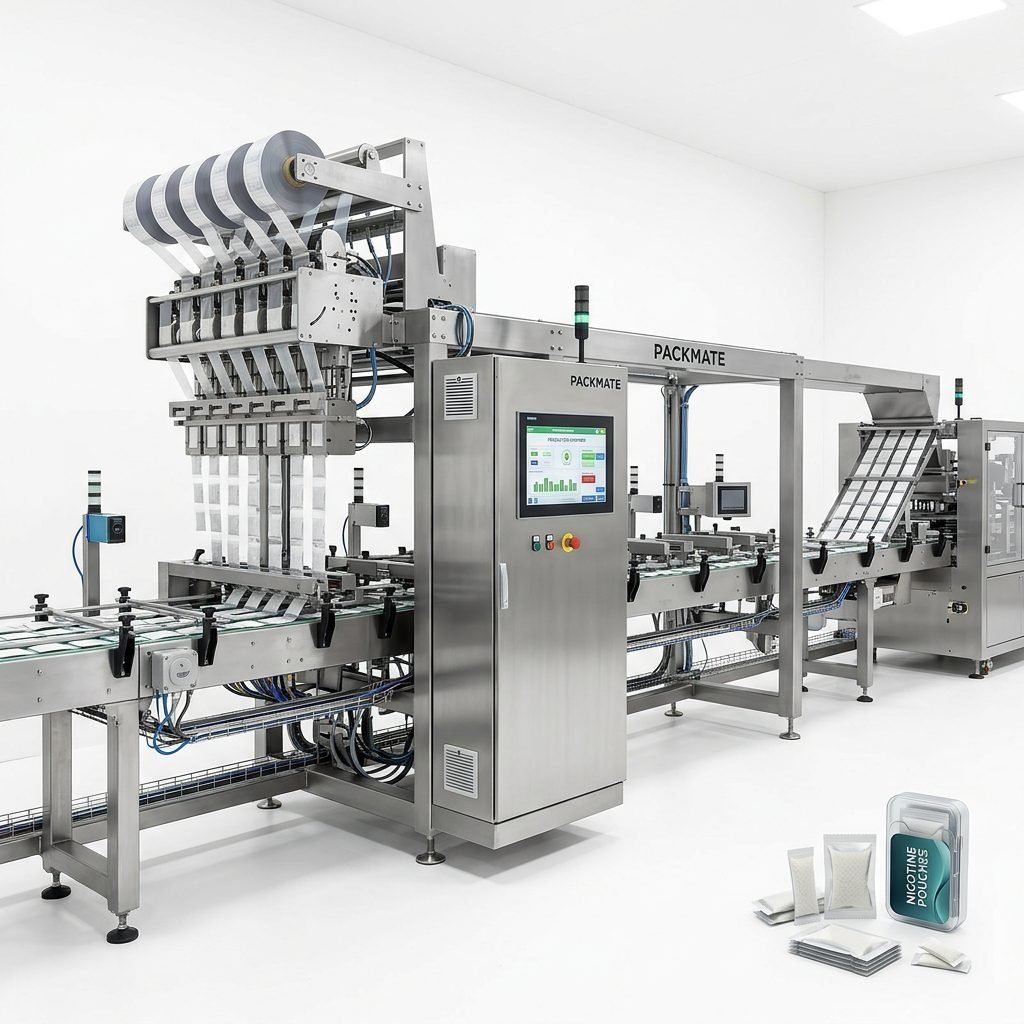
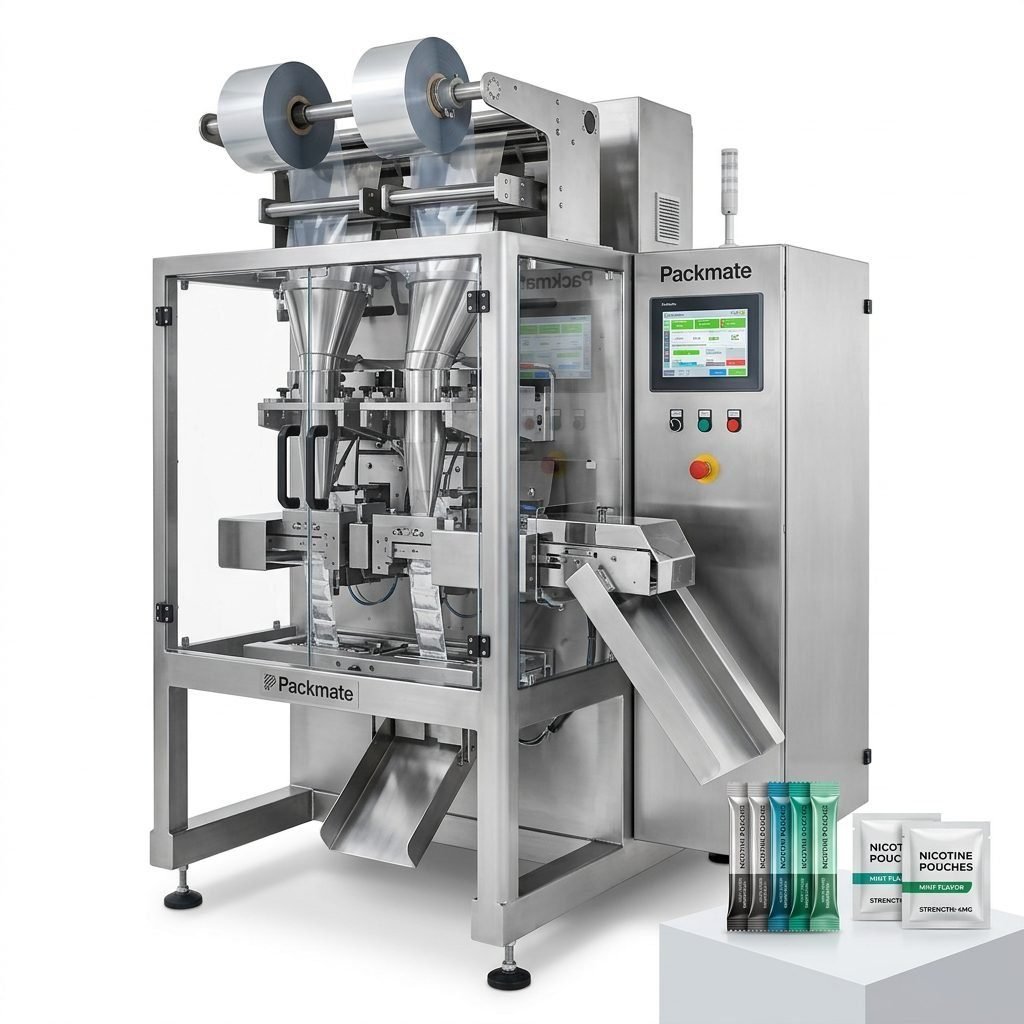
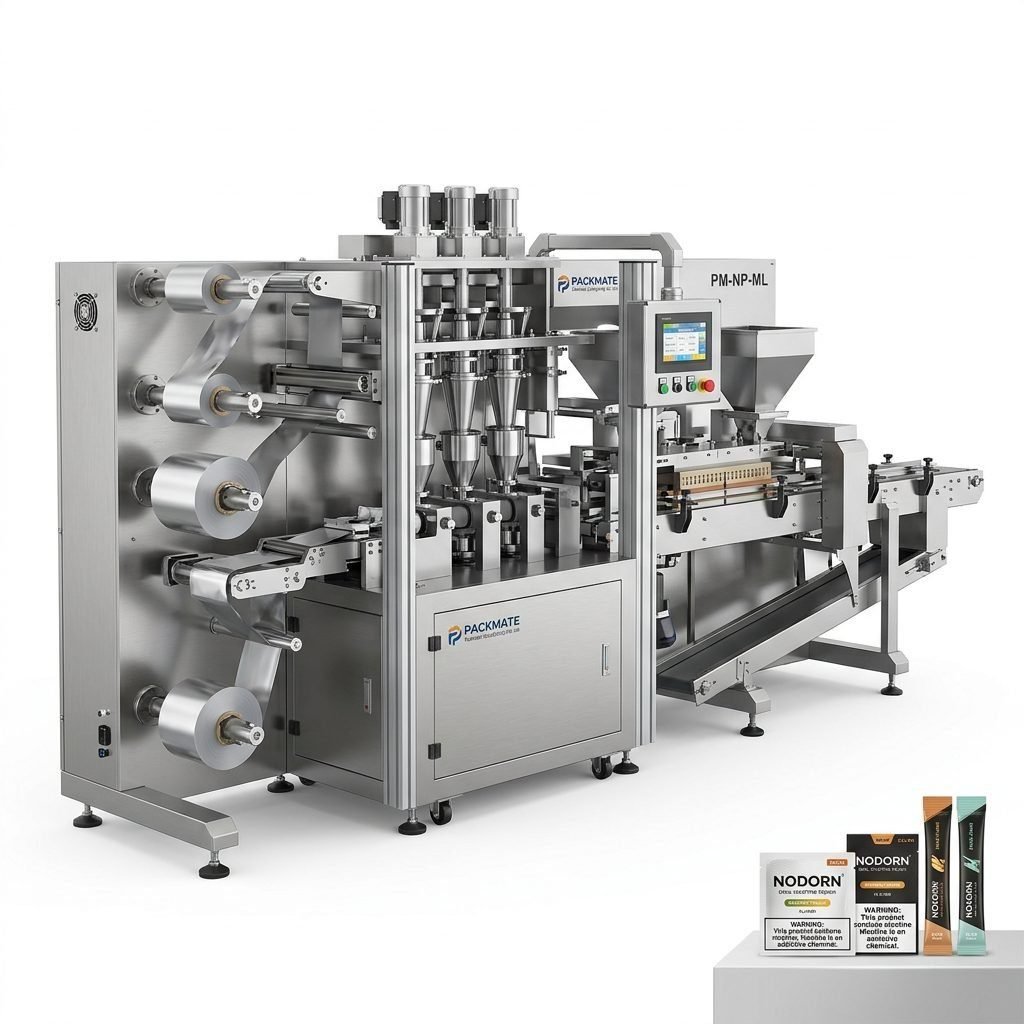
Leading manufacturers provide dedicated solutions for snus, including single-lane and multi-lane machines. Key capabilities to evaluate:
- Precision Filling Systems — Gravimetric or auger dosing for small, consistent doses.
- High-Integrity Sealing — Continuous or intermittent sealing methods adapted to chosen film.
- Multi-Lane Production — Parallel lanes to maximize throughput without increasing footprint.
- Automatic Film Registration & Printing — Enables variable data, batch codes, and branding alignment.
Example solutions and where to find them
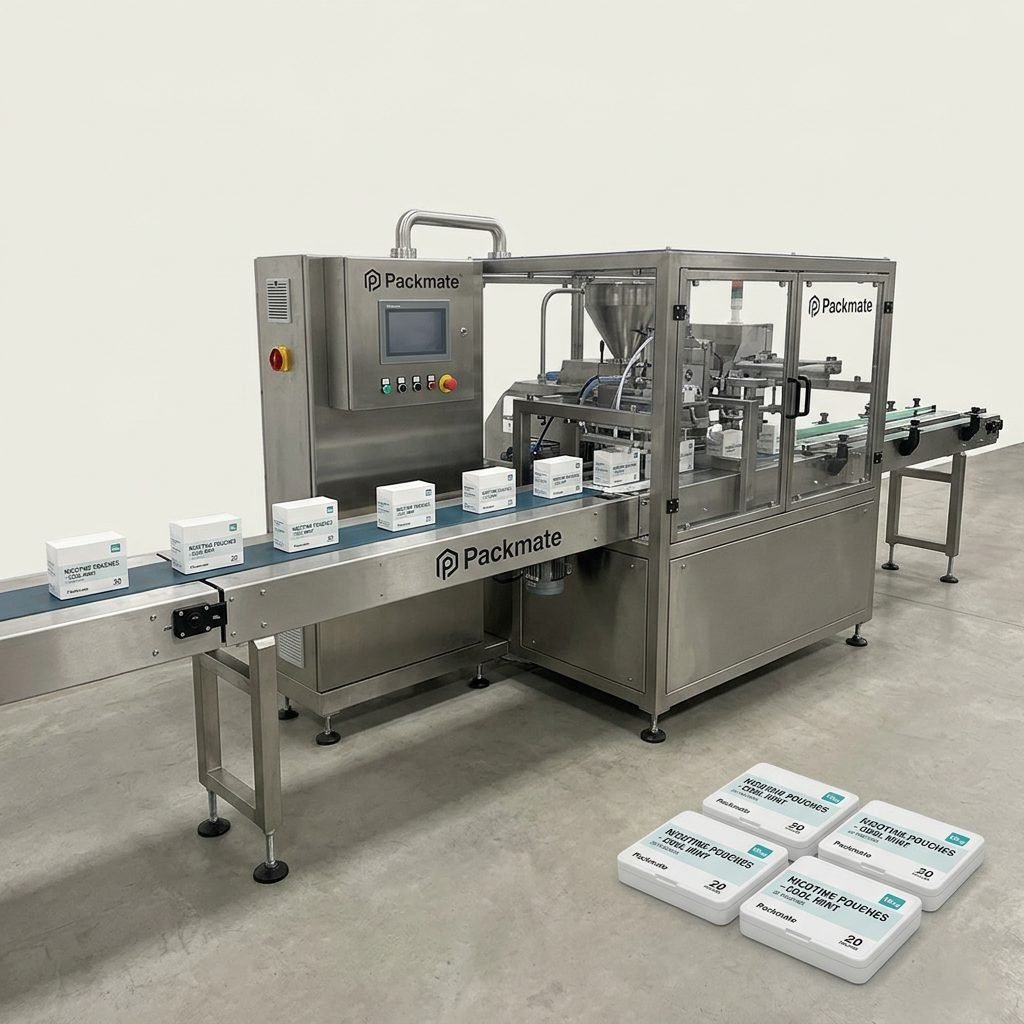
Packmate offers a comprehensive range including stick pack machines, sachet machines, and multi-lane snus packaging machines. Explore specific equipment for different production goals:
• See the full selection of Snus & Nicotine Packaging Machines for high-precision pouch solutions.
• For flexible formats and retail bags consider Bag & Pouch Packaging Machines.
• If single-serve formats drive your business, check the Sachet & Stick Pack Machines.
Designing a production line for snus: from raw material to packed product
A robust production line integrates upstream handling with precise dosing and downstream quality control. Typical modules include:
- Raw material feeding and pre-conditioning to control moisture and particle size.
- Weighing and dosing system calibrated for small-dose accuracy (<0.1g tolerance available on high-end systems).
- Form-fill-seal station tailored to pouch size and barrier film.
- In-line inspection (weight checks, seal integrity, visual print alignment).
- Batch coding and secondary packaging for pallets and distribution.
Throughput considerations and multi-lane advantages
Multi-lane machines deliver scale with fewer operators and smaller footprints than multiple single-lane machines. For startups, single-lane systems offer lower CAPEX and faster payback, while established brands often invest in 4- or 8-lane lines to meet high demand.
Tip: Match lane count to realistic SKU forecasts. Over-investing in lanes can increase complexity and reduce flexibility for new flavors or packaging revisions.
Regulatory compliance, certification, and traceability
Compliance varies by region. Manufacturers should ensure machines and processes meet hygiene, safety and record-keeping standards such as GMP, CE, and ISO where applicable. Packmate’s equipment aligns with international certifications to help customers meet local regulatory requirements.
Traceability — batch codes, production timestamps and serialized labeling — is essential for recall readiness and consumer transparency.
Sustainability and material choices
Sustainability is an increasing priority. Brands often balance barrier performance with recyclability by selecting mono-material films suitable for circular streams or incorporating recyclability-friendly coatings. Discuss recyclable options early with packaging engineers to avoid late-stage redesigns.
Brand impact: packaging as a marketing asset
Packaging is the most tactile brand touchpoint. Effective visual design communicates product positioning — premium, clinical, natural, or lifestyle. Consider:
- Labeling & Artwork Integration — Ensure machines support high-resolution print registration and variable data for batch and regulatory text.
- Tactile Finishes — Matte, soft-touch or embossing elevate perceived value.
- User Experience — Easy-open features, resealable closures, and portion dispensers enhance consumer satisfaction.
Localization: adapting to regional customs
Local laws and consumer habits influence pack sizes and messaging. For example, in Scandinavian markets where snus originated, discreet matte finishes and minimalistic design resonate with traditional users, while other regions may prefer bold, colorful branding targeted at modern lifestyle consumers. Align on legal warnings, language requirements and cultural cues early in the packaging design process.
Selecting a machinery partner: what to ask
Choose a vendor experienced in snus and nicotine pouch lines. Key considerations:
- Technical expertise — Look for decades of engineering experience and a track record with similar products.
- Customization — Can the partner adapt formats and integrate ancillary equipment like metal detectors and checkweighers?
- After-sales support — Rapid spare parts availability and field service reduce downtime.
- Certifications — Compliance to CE/ISO standards demonstrates global readiness.
Learn more about Packmate’s company history and manufacturing strengths on the About Packmate page, and explore case studies to see real-world line implementations on the Case page.
Installation, validation and operator training
A successful commissioning includes site pre-checks, FAT/SAT processes, operator training and SOP development. Prioritize predictive maintenance plans and spare parts packages to minimize unplanned downtime.
ROI checklist: Evaluate cost-per-pouch, labor reduction, material waste rates and shelf-life improvements to calculate total line ROI.
Common operational challenges and solutions
Many production lines face similar hurdles. Below are frequent issues and practical mitigations:
- Seal failures — Improve temperature control, use compatible films and implement in-line seal inspection.
- Dose inconsistency — Calibrate dosing systems regularly and use high-precision feeders for small weights.
- Print misregistration — Ensure reliable film tracking and use servo-driven film transport systems.
When to upgrade or expand capacity
Consider upgrades when downtime frequency rises, product rejects increase, or SKU variety demands more changeover flexibility. Modular machines and scalable multi-lane options allow phased investment aligned to sales growth.
How Packmate supports snus manufacturers
With over 30 years of engineering experience and a 20,000㎡ manufacturing facility, Packmate provides tailored snus packaging lines that combine high-precision dosing, multi-lane throughput, and rigorous quality controls. Packmate machines come with CE/ISO compliance and global technical support to shorten time-to-market and sustain production uptime.
For product inquiries or to plan an equipment tour, contact the Packmate team via Contact Us.
Final considerations before procurement
Define product specs and projected volumes, validate barrier film choices with accelerated shelf testing, and request reference visits to suppliers’ installations. Ask for a full line layout and OEE estimates to ensure your investment aligns to production targets.
Quick checklist before signing: performance guarantees, spare parts lead time, training scope, warranty terms, and integration with existing packaging or secondary packing equipment.
Conclusion
Choosing the best snus packaging solution requires balancing barrier performance, machine precision, production throughput and brand presentation. By aligning material selection, machine capabilities, and regulatory requirements, manufacturers can ensure product freshness, protect consumers, and create impactful packaging. With experienced partners like Packmate, brands can implement scalable, compliant and high-performance lines that support growth.
Frequently Asked Questions
Q: What packaging format best preserves snus freshness for premium products?
A: High-barrier foil laminates with hermetic heat seals and nitrogen-flush options offer the best protection for premium snus lines.
Q: How do I choose between single-lane and multi-lane machines?
A: Base the decision on current and forecasted volumes. Startups often benefit from single-lane simplicity, while high-volume brands gain efficiency from multi-lane systems.
Q: Can my packaging be both recyclable and high-barrier?
A: Yes — mono-material films designed for recycling can be engineered to deliver acceptable barrier properties; consult material specialists to balance recyclability and shelf-life.
Q: What certifications should I expect from a snus packaging machine supplier?
A: Look for CE and ISO compliance, plus documented safety and electrical standards relevant to your market.
Q: Where can I see real-world examples of snus packaging lines?
A: Visit supplier case pages and request on-site demonstrations or virtual tours to evaluate performance and support capabilities.