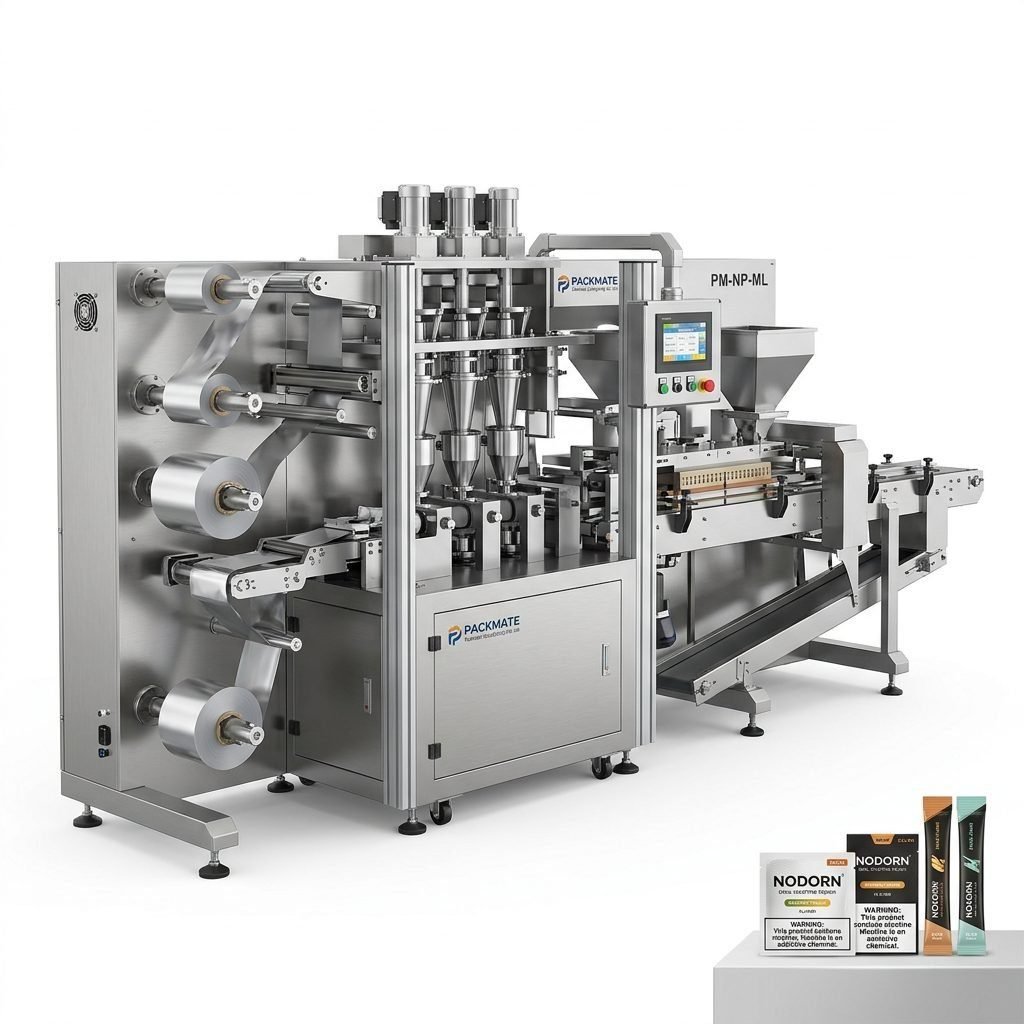
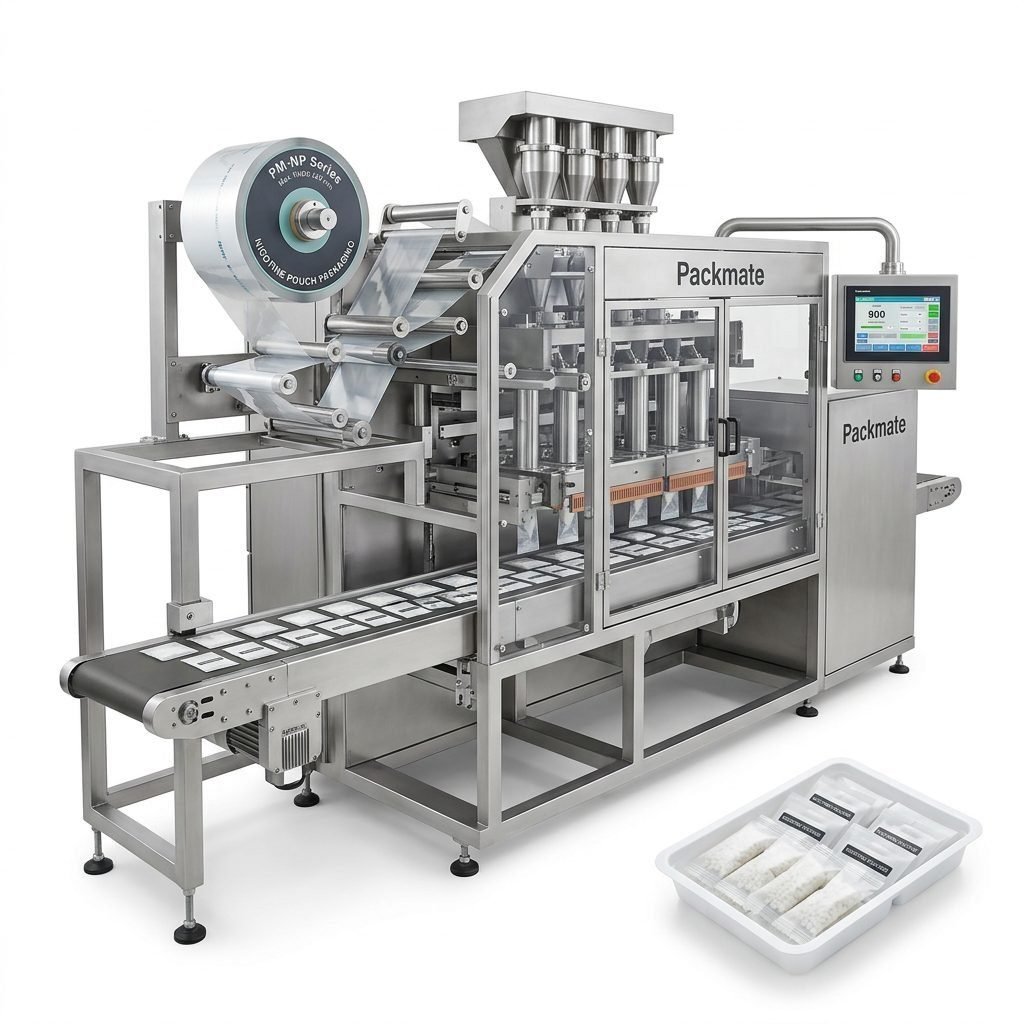
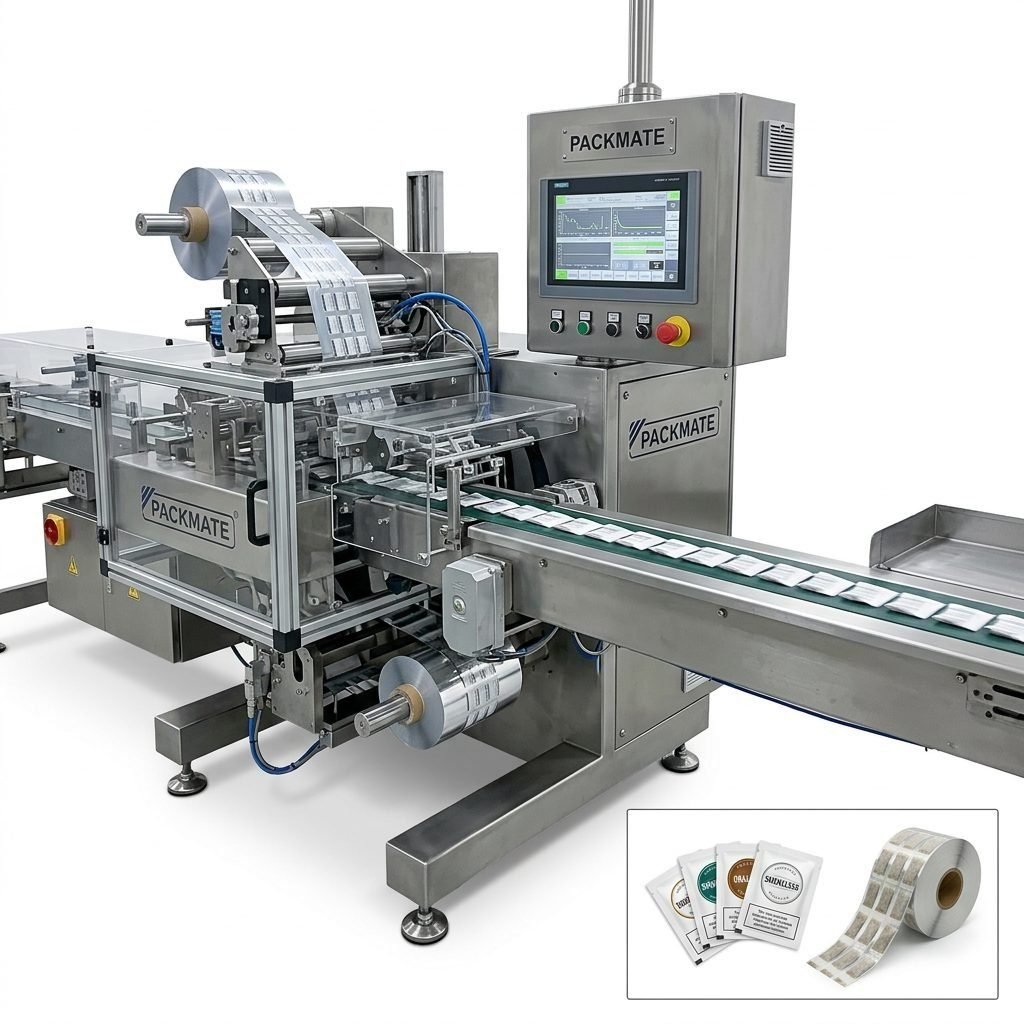
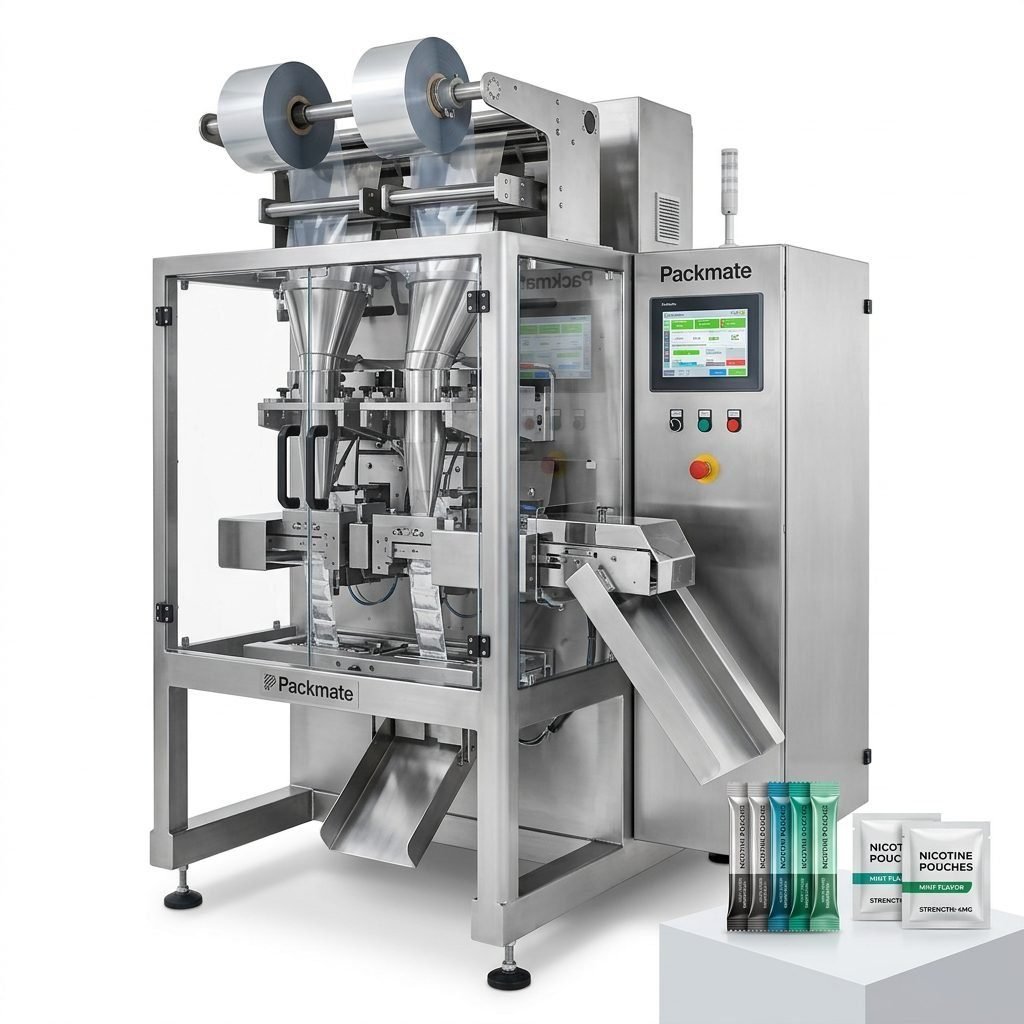
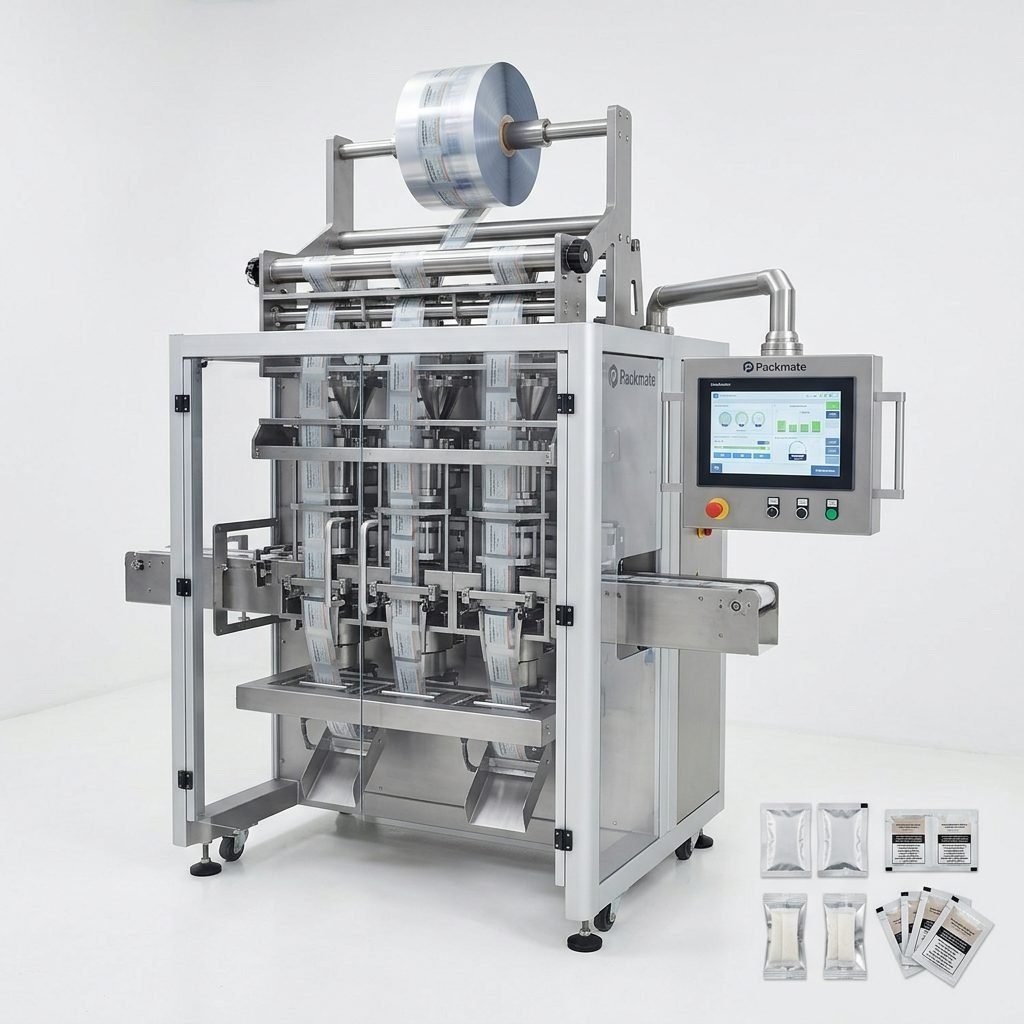
Choosing the right snus bag packaging machine is a business-defining decision for manufacturers of nicotine pouches, snus and other small-dose sachet products. This guide walks you through everything from core machine types and line configurations to production speed, automation, material compatibility, and supplier selection so you can buy with confidence and scale efficiently.
Why a Dedicated Snus Bag Packaging Machine Matters
Modern snus packaging requires precision dosing, accurate pouch forming, and consistent sealing to meet regulatory and consumer expectations. A dedicated snus bag packaging system minimizes waste, improves product presentation, and allows stable, high-speed production runs. Choosing a purpose-built solution rather than retrofitting general pouch equipment reduces downtime and ensures better return on investment.
Key Business Benefits
✔️ Efficiency: Accurate dosing and high-speed multi-lane options cut labor and per-unit costs.
✔️ Consistency: Repeatable pouch size, weight and seal quality protect brand reputation and regulatory compliance.
✔️ Flexibility: Modular lines handle powders, granules, and small wet fills across different pouch types.
Types of Snus Bag Packaging Machines
Manufacturers typically choose between stick pack, sachet, or multi-lane pouch systems based on product format, output targets and downstream packaging. Below are core machine types and ideal applications.
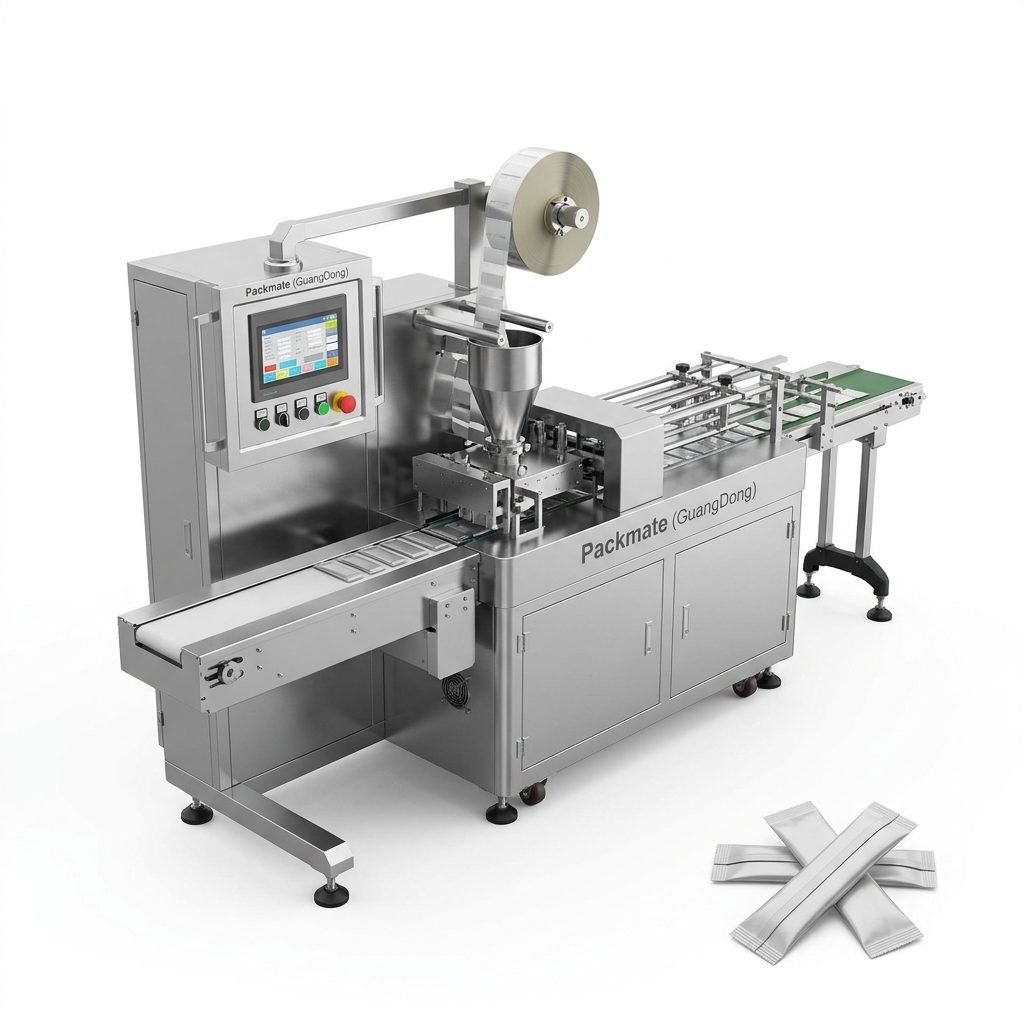
Stick Pack Machines
Stick packs are narrow, single-portion sachets commonly used for powdered or particulate nicotine pouches. These machines excel in linear, high-speed production and are easy to integrate with horizontal or vertical dosing systems.
(Great for single-dose consumer portions)
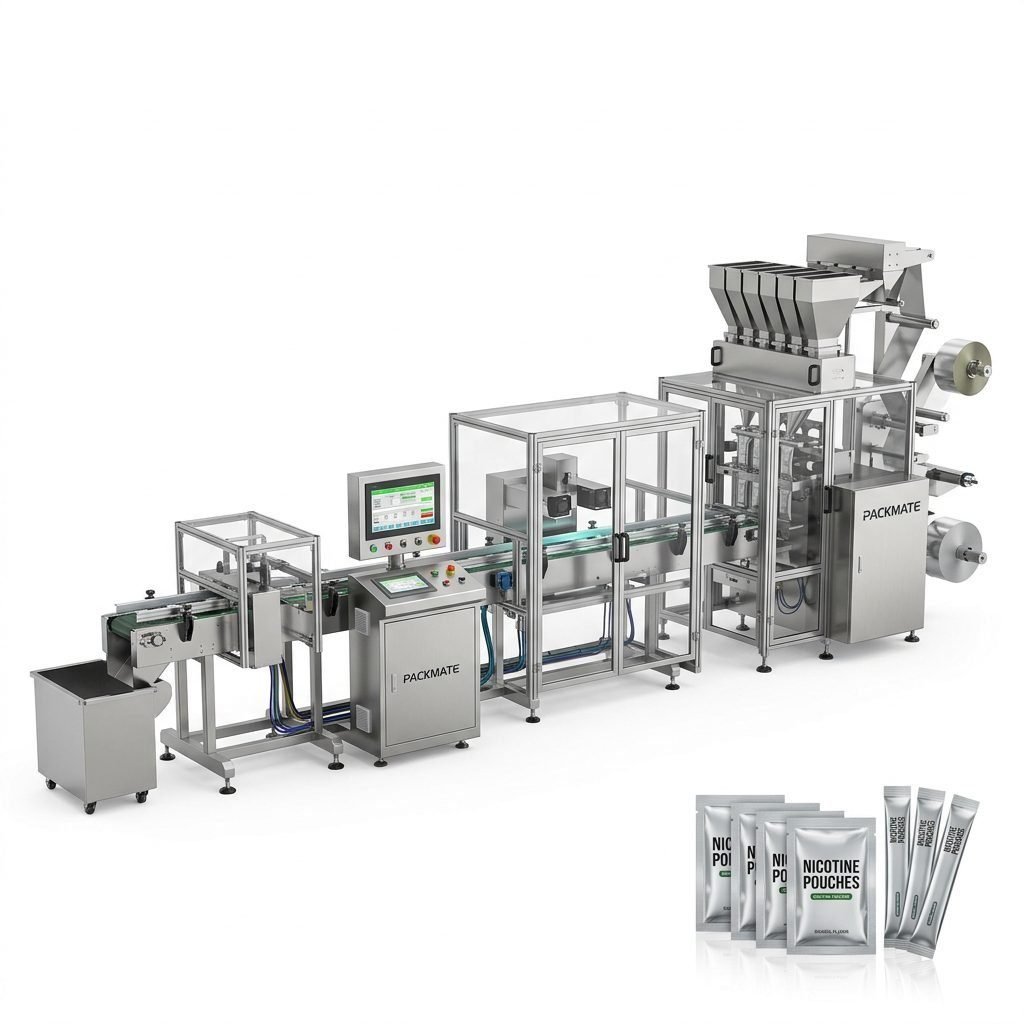
Sachet & Pillow Pouch Machines
These produce classic pillow-style or three-side-seal sachets suitable for both dry and humid products. They offer robust sealing and customizable pouch dimensions. See more examples of related equipment at
Sachet & Stick Pack Machines.
Multi-Lane & Multi-Track Systems
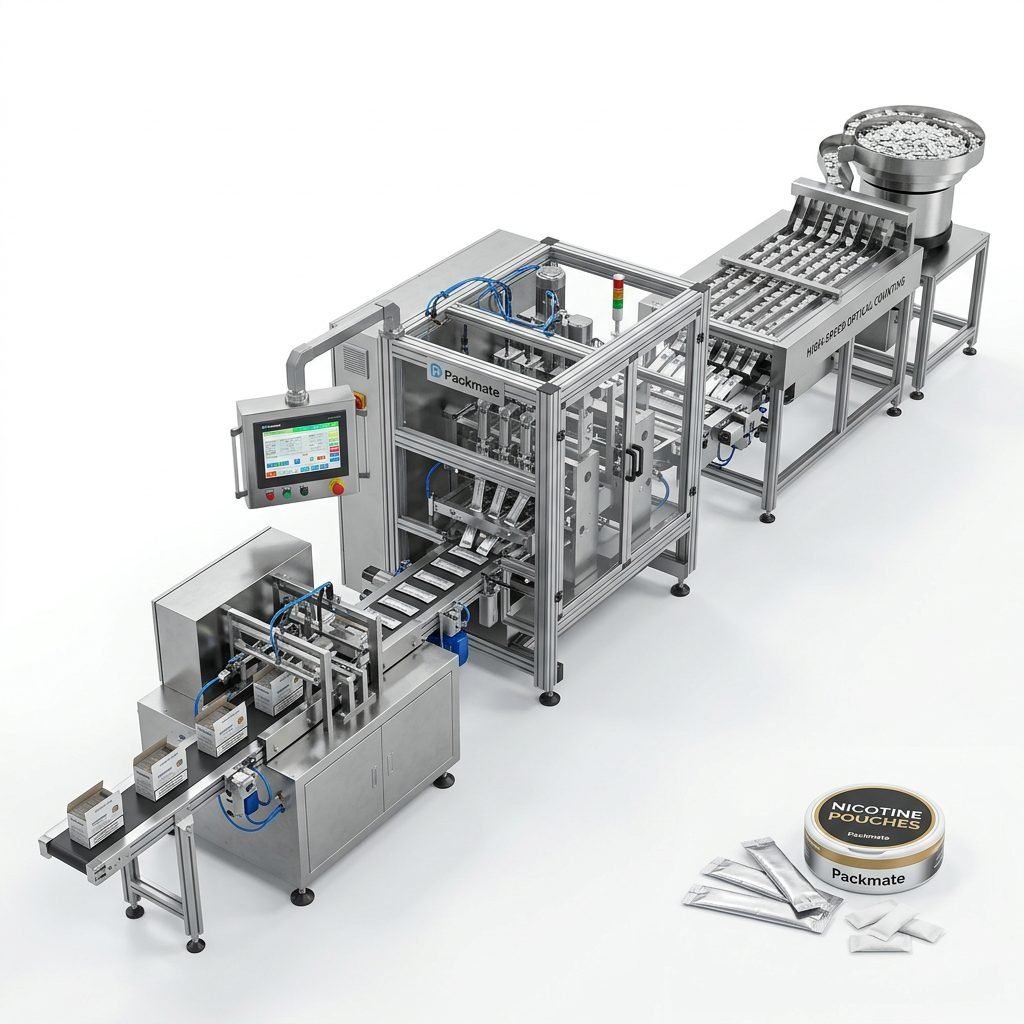
For high-capacity production, multi-lane snus packaging machines run several lanes simultaneously, multiplying output without proportionally increasing floor space. These are ideal when demand requires tens or hundreds of thousands of pouches per shift.
Core Technical Features to Compare
⚙️ Dosing Accuracy: Look for precision augers, vibratory feeders or multi-head weighers depending on product characteristics.
🔁 Changeover Ease: Quick-change tooling and recipe-based HMI reduce downtime between SKUs.
📈 Speed & Throughput: Evaluate per-lane speeds and available lane counts—multi-lane systems scale output efficiently.
🧰 Maintenance & Accessibility: Stainless steel frames, hygienic design and easy access panels simplify cleaning and servicing.
Production Capacity & Performance Metrics
When comparing machines, use consistent metrics: pouches per minute per lane, pouch weight range, and overall packaging line throughput. Consider not only peak speed but sustained, reliable rates under realistic conditions (including changeovers and cleaning).
Sample Evaluation Matrix
• Single-lane stick pack: up to 120 pouch/minute (typical)
• 4-lane multi-track: 300–600 pouch/minute depending on pouch size
• High-capacity 8+ lane systems: scalable to >1,000 pouch/minute for small-dose products
Materials, Films & Seal Types
Compatible films include laminated barrier films, heat-sealable papers and biodegradable options where regulatory pressure or brand positioning requires it. Ensure the machine supports your preferred seal method (fin seal, three-side seal, back seal) and has temperature control for consistent hermetic closure.
Automation, Integration & Smart Controls
Modern snus packaging lines are built around PLC/HMI systems that store recipes, manage servo axes and provide diagnostics. Look for remote support, data logging for traceability, and Industry 4.0-ready connectivity to aggregate performance metrics across shifts.
Connectivity & Monitoring
Systems with built-in event logging, OEE dashboards and remote diagnostic access reduce mean time to repair and accelerate continuous improvement programs.
Quality, Safety & Certification
Choose machines that comply with international safety and quality standards. CE marking, ISO processes and documented factory testing give assurance. Reputable manufacturers will provide FAT (Factory Acceptance Testing), IQ/OQ documents and certification packs to streamline regulatory audits.
Selecting a Supplier: What to Ask
Supplier selection is as important as machine spec. Ask for references, a tour of manufacturing facilities (if possible), and a clear support plan. Packmate Snus Machine, for example, highlights long-term engineering experience, a large factory footprint and turnkey capabilities — attributes to look for when vetting vendors. Learn more about the company at
About Packmate.
Questions to validate:
• Installation timeline and on-site support scope
• Spare parts lead times and recommended spares list
• Performance guarantees and acceptance tests
Customization & Turnkey Solutions
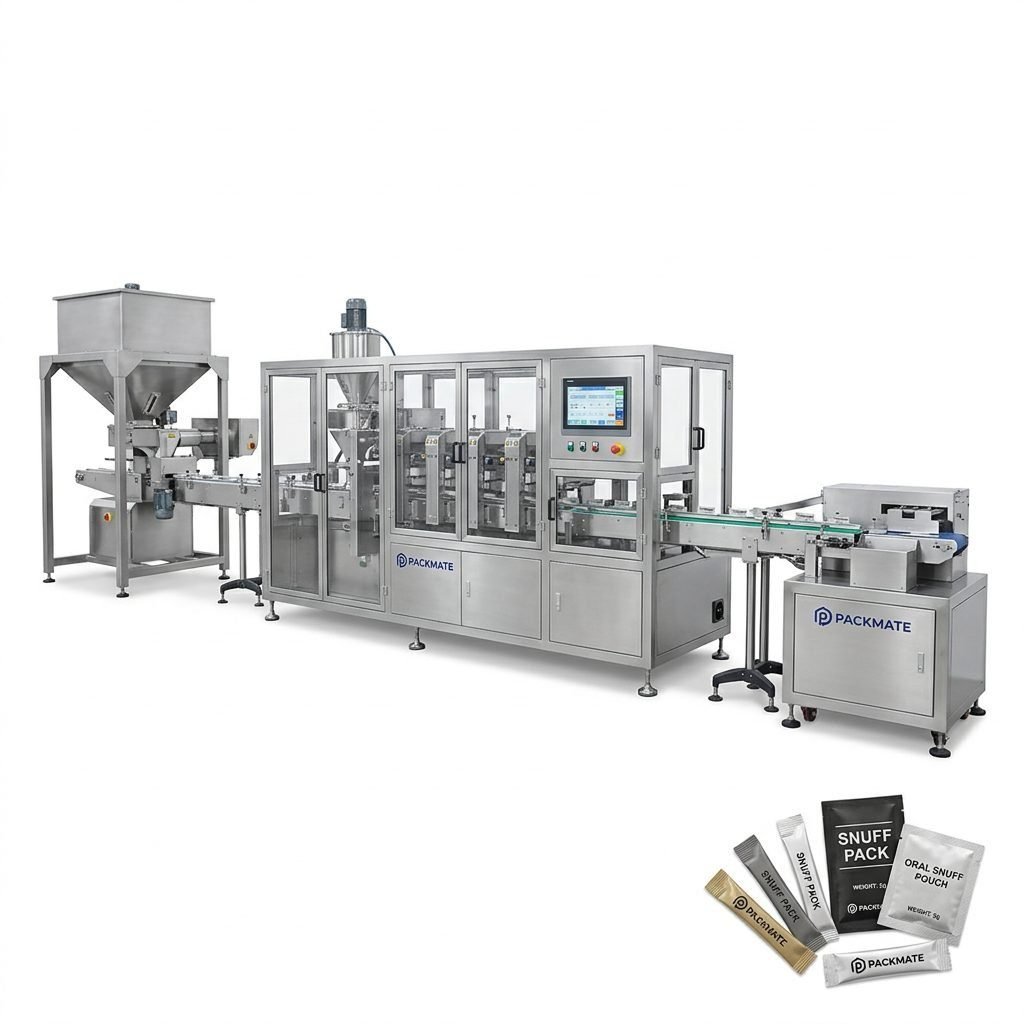
Many producers require bespoke layouts integrating upstream filling, dosing and downstream cartoning, case packing or pouch-counting systems. Verify your supplier’s ability to deliver complete lines: from auxiliary feeders to weighers and final packaging. Examples of full-line services can be viewed at
Filling & Packaging Lines and
Bag & Pouch Packaging Machines.
Turnkey Considerations
Ensure the supplier documents scope, electrical and compressed air requirements, layout drawings and commissioning steps. A staged delivery plan reduces integration risk and helps align validation and regulatory work.
Installation, Training & After-Sales
Machines must be installed by trained technicians and operators trained on routine maintenance, troubleshooting and safety protocols. A robust after-sales program includes remote support, on-site service contracts, preventive maintenance schedules and spare parts kits.
Case Examples & Global Reach
Leading manufacturers with global service networks supply equipment used across Europe, the Americas and Asia. Visiting exhibitions or reading case studies helps assess real-world performance; many vendors post detailed case pages online — see
Case.
Total Cost of Ownership (TCO) & ROI
When evaluating price, include installation, commissioning, validation, consumables (film and seals), energy use and spare parts. Higher initial cost for a robust multi-lane system is often offset by lower labor and material waste, faster throughput and reduced downtime.
Checklist Before Purchase
🔧 Confirm dosing accuracy and weight tolerances
✓ Verify film and seal compatibility
📈 Compare real-world throughput figures
📝 Request FAT documents and spare parts list
How to Get a Quote & Next Steps
Prepare a specification sheet including product type, pouch style, target output, film specs and desired line integration. Contact shortlisted suppliers for a site survey and a formal quote. For those researching reputable machine vendors, additional product categories and services are detailed at
Snus & Nicotine Packaging Machines and
Contact Us.
Final Considerations
Investing in the right snus bag packaging machine is a strategic step that influences product quality, compliance and profitability. Prioritize proven engineering, global support capabilities, and a long-term supplier relationship. A well-chosen system helps you scale, innovate packaging formats and protect brand integrity in competitive markets.
Frequently Asked Questions
1. What is the typical lead time for a snus packaging machine?
Lead times vary by customization level and current factory schedule. A standard single- or multi-lane machine may take several weeks to a few months; fully customized turnkey lines can take longer. Confirm delivery and FAT timelines before purchase.
2. Can one machine handle multiple pouch formats?
Many modern machines are designed for format flexibility with quick-change tooling and programmable recipes. However, highly different pouch geometries or materials might require dedicated tooling or auxiliary modules.
3. What after-sales support should I expect?
Expect commissioning, operator training, preventive maintenance plans, spare parts availability and remote troubleshooting. Strong suppliers provide documentation such as IQ/OQ and performance test records.
4. How do multi-lane systems impact product changeover?
Multi-lane lines significantly increase throughput but may require more involved changeovers if lanes need different formats. Design lane symmetry into your SKUs to minimize complexity, and ask your supplier about quick-change lane modules.
5. Where can I review real-world case studies and certifications?
Reputable manufacturers publish case studies, certifications and exhibition records. For example, explore published case materials and certificates at the manufacturer’s
Certificate and
Our Exhibition pages to evaluate proven performance.