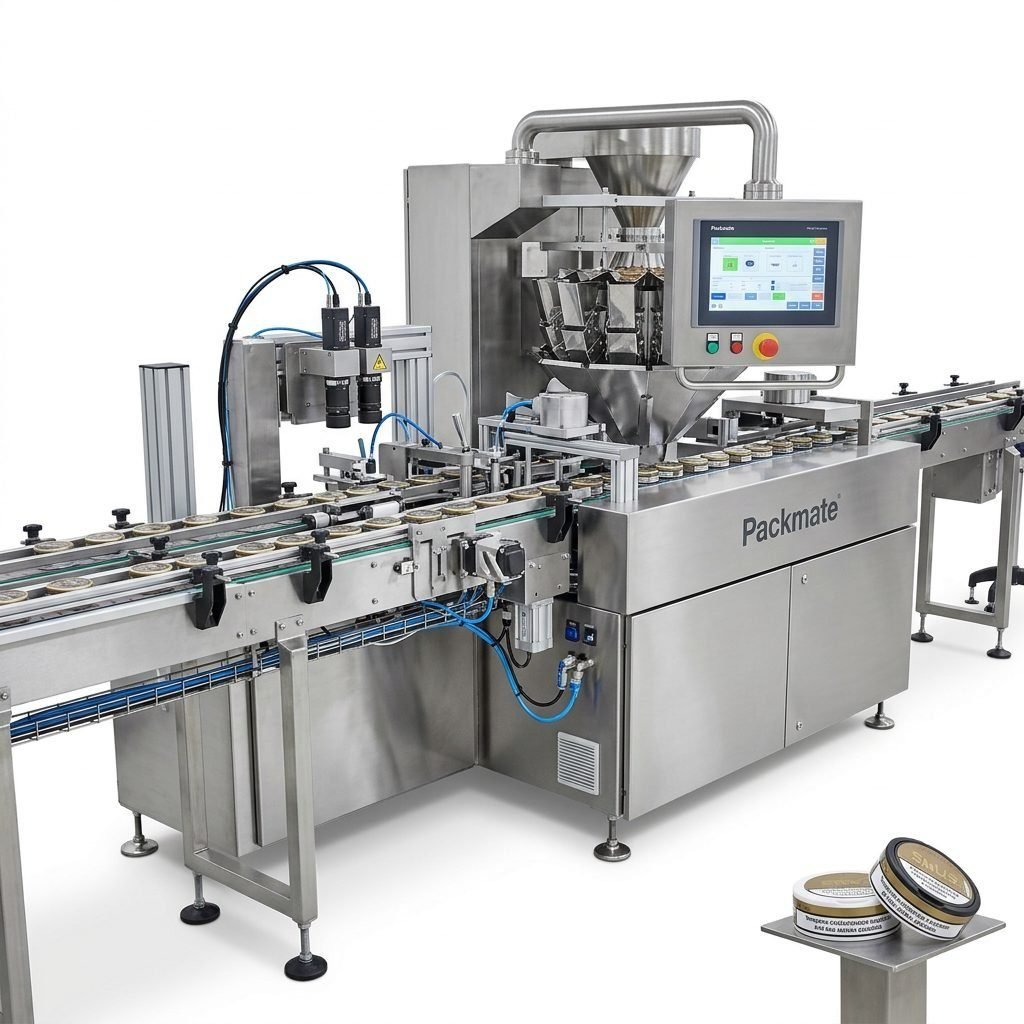
In the modern snus and nicotine pouch industry, automation is no longer optional — it’s essential. Manufacturers seeking higher throughput, improved safety, and consistent product quality are turning to integrated packaging lines that combine precision mechanics, intelligent controls, and modular design. This article explores the best snus packaging automation solutions available today, outlines how to evaluate machines and lines, and highlights practical steps to achieve faster, safer, and more efficient production.
Why Automation Matters for Snus Production
Manual packaging remains vulnerable to variability, contamination risks, and slow cycle times. Automation addresses these issues by:
- 🔶 Increasing throughput through continuous, high-speed feeding and sealing methods.
- 🔶 Reducing human error and cross-contamination risks in nicotine handling.
- 🔶 Ensuring uniform pouch weights and sealing integrity for regulatory compliance.
- 🔶 Enabling multi-lane systems to scale production without proportionally increasing floor space.
Core Machine Types for Snus & Nicotine Pouch Lines
A robust automated line commonly integrates several specialized machines. Key types include:
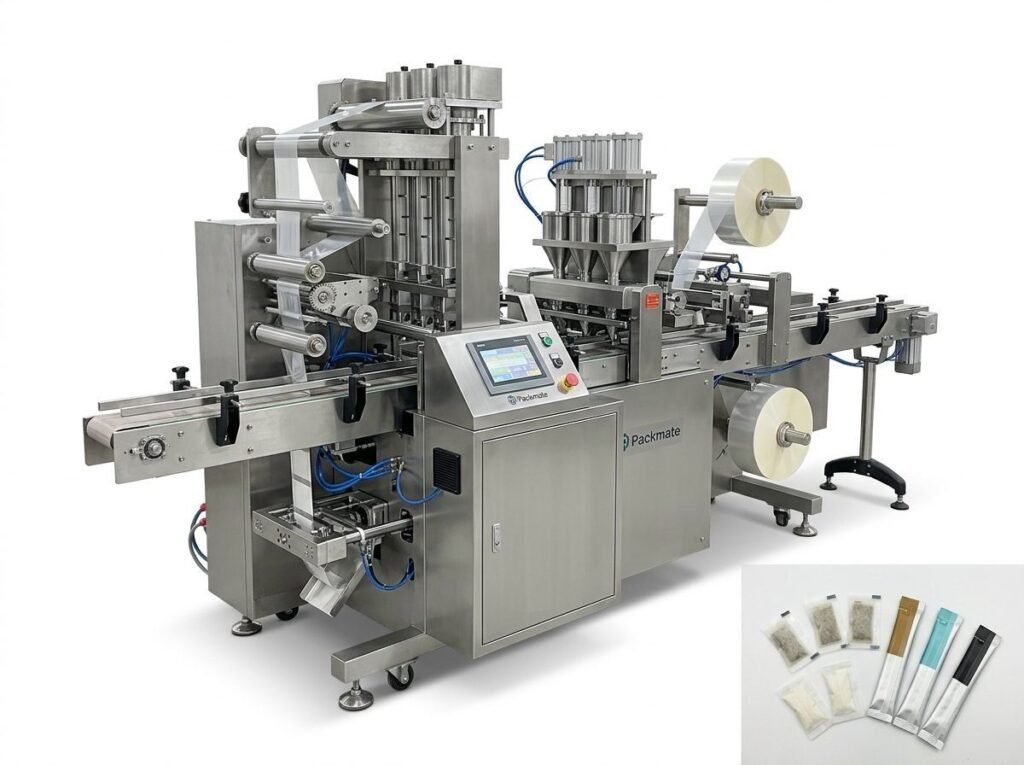
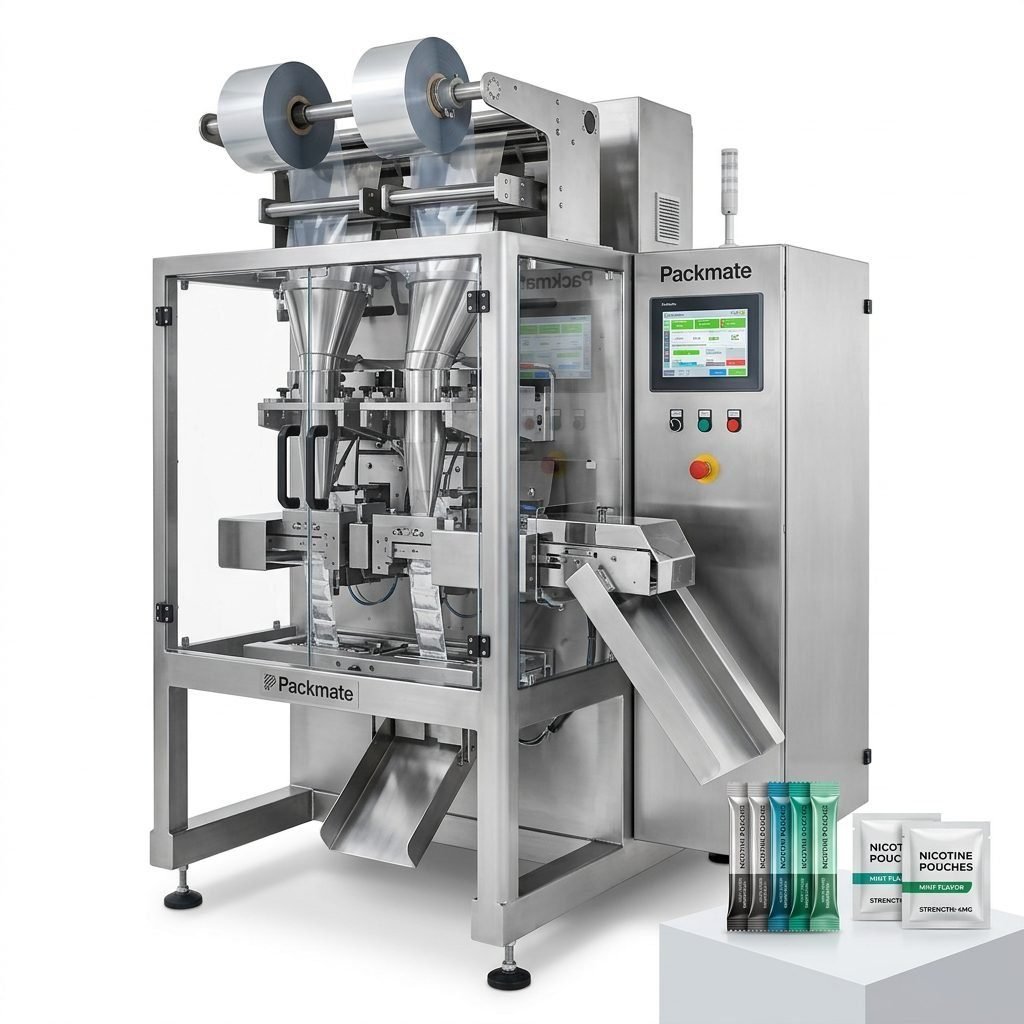
Sachet & Stick Pack Machines
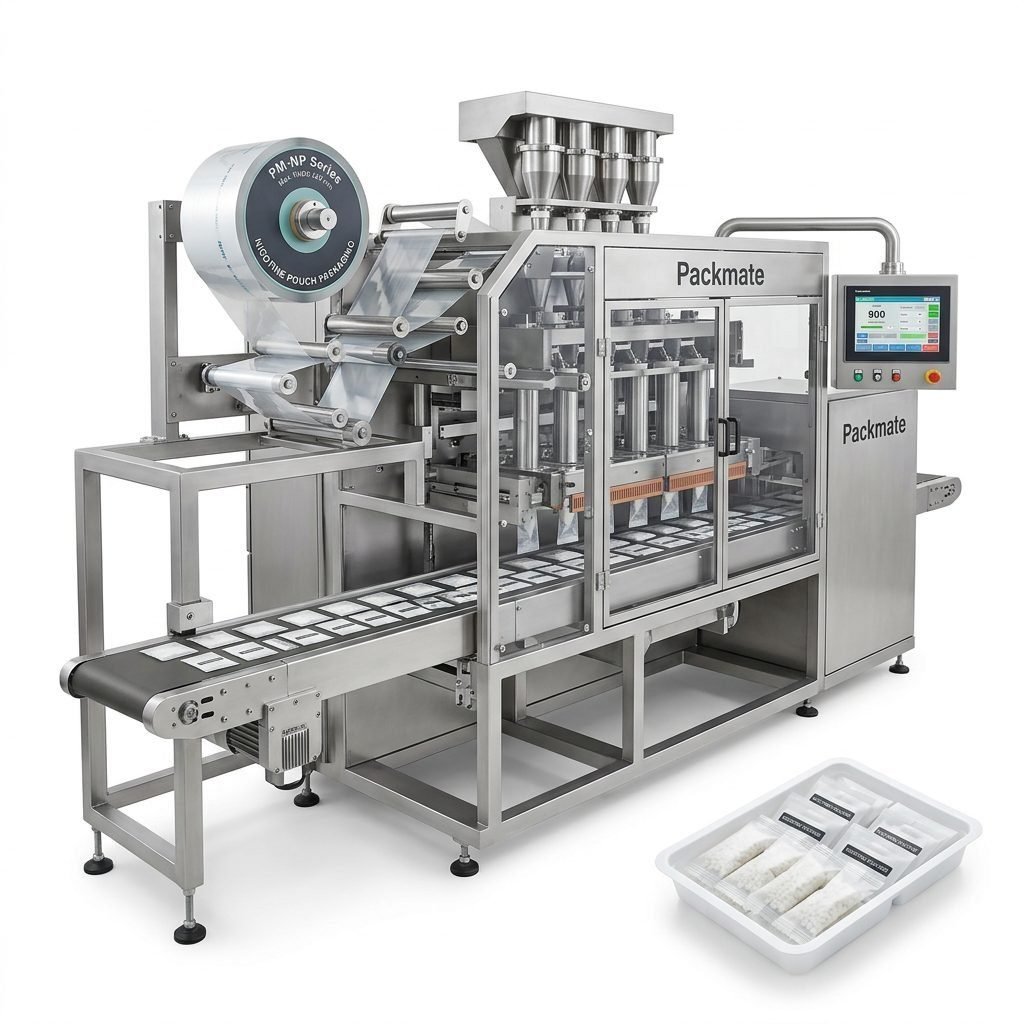
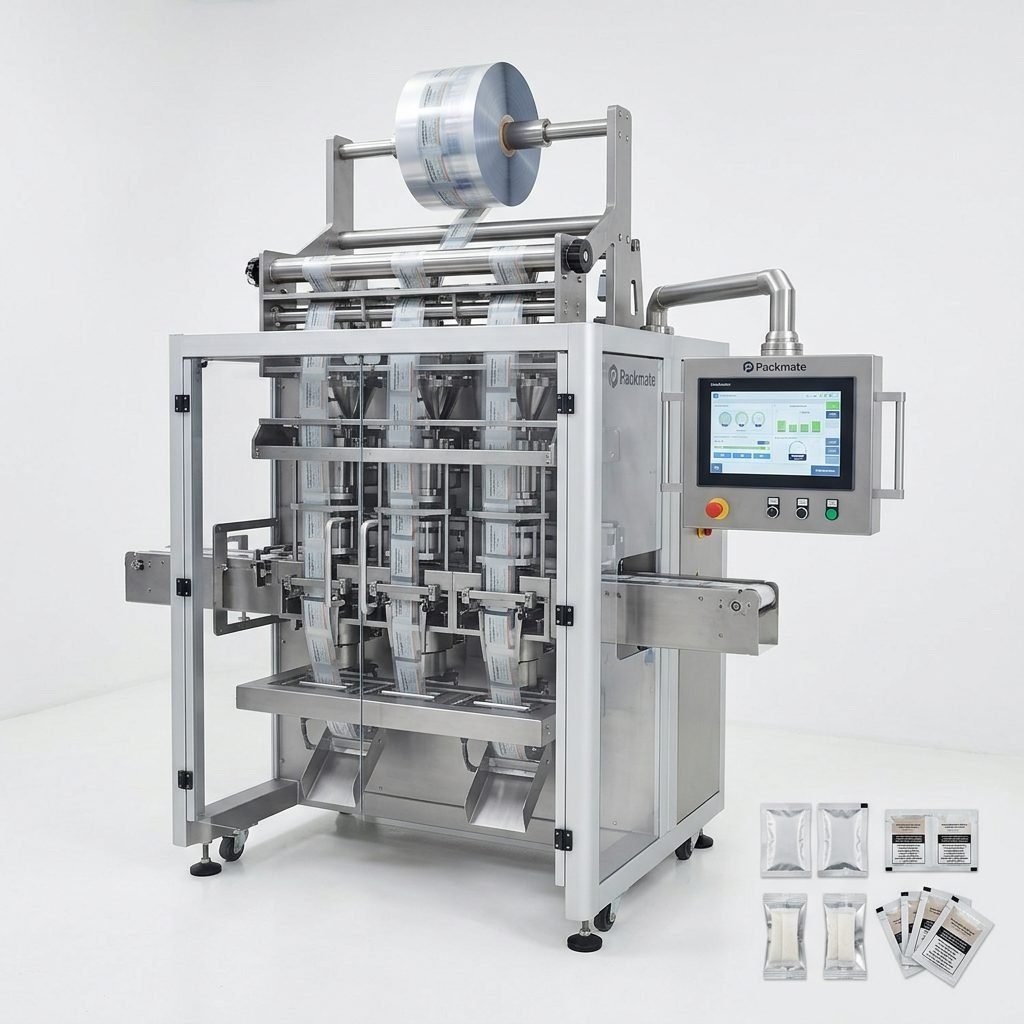
For single-dose sticks and sachets, precision forming and vertical sealing are crucial. These machines excel at fast changeovers and high-speed output, ideal for flavored single-serve snus formats. Explore professional options at the Sachet & Stick Pack Machines catalog.
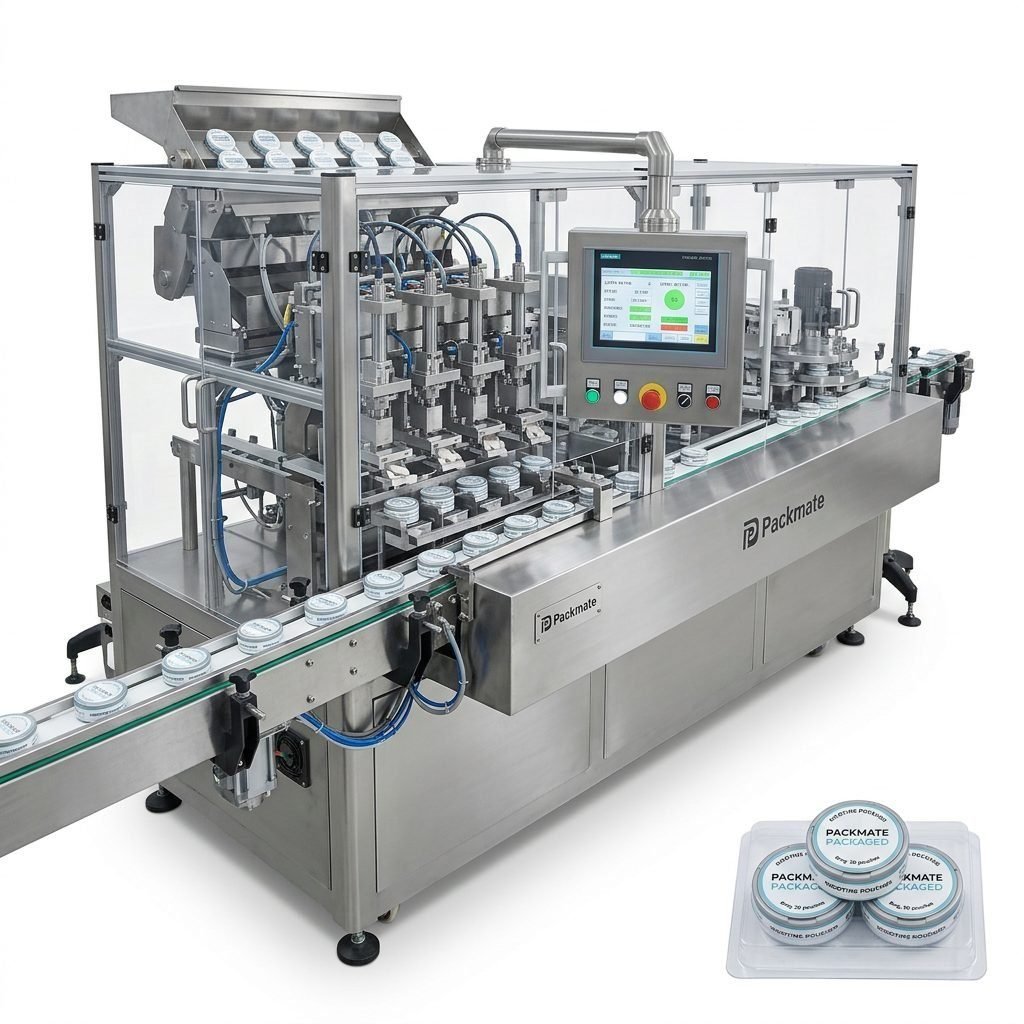
Snus & Nicotine Packaging Machines
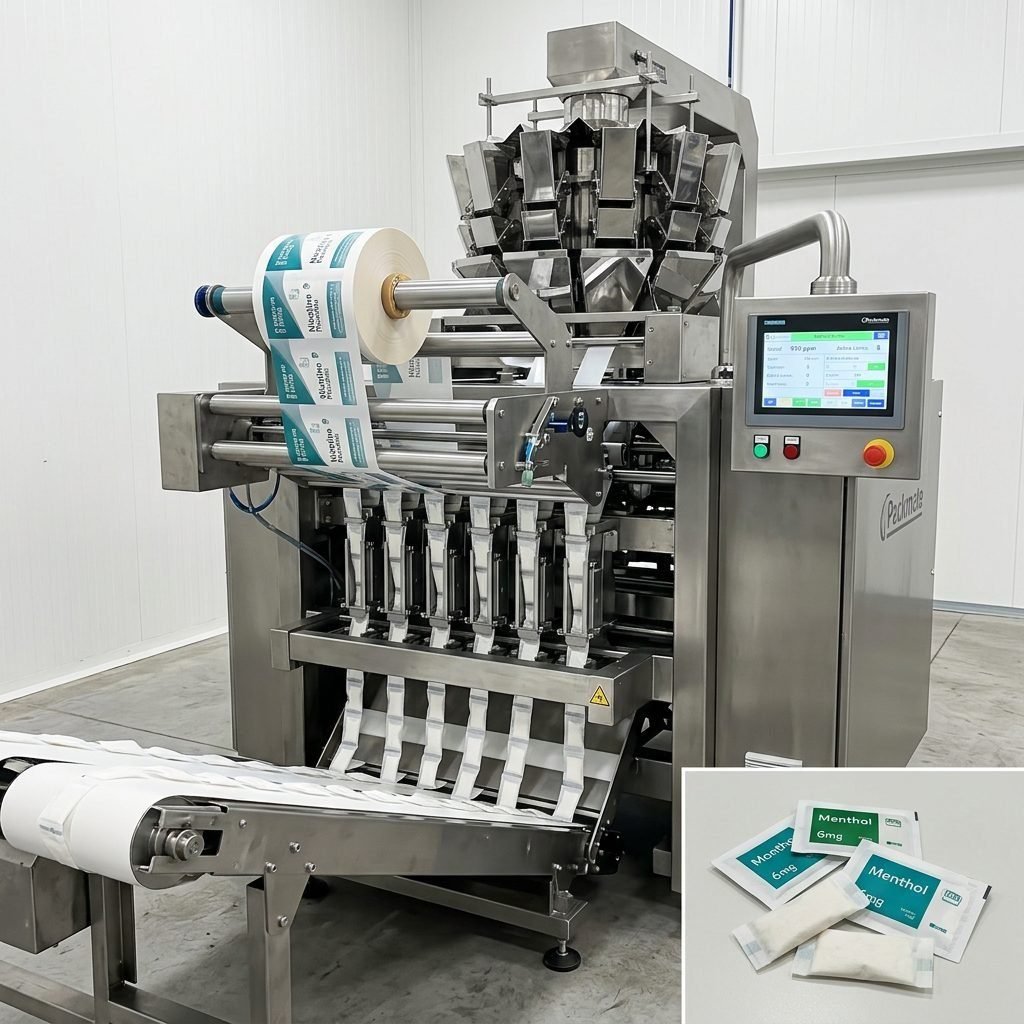
Dedicated snus machines are engineered for small-dose pouches and vary from single-lane to complex multi-lane formats that serve high-volume producers. These units often include integrated dosing, pouch formation, and advanced sealing technology — see the Snus & Nicotine Packaging Machines for technical specifications and model choices.
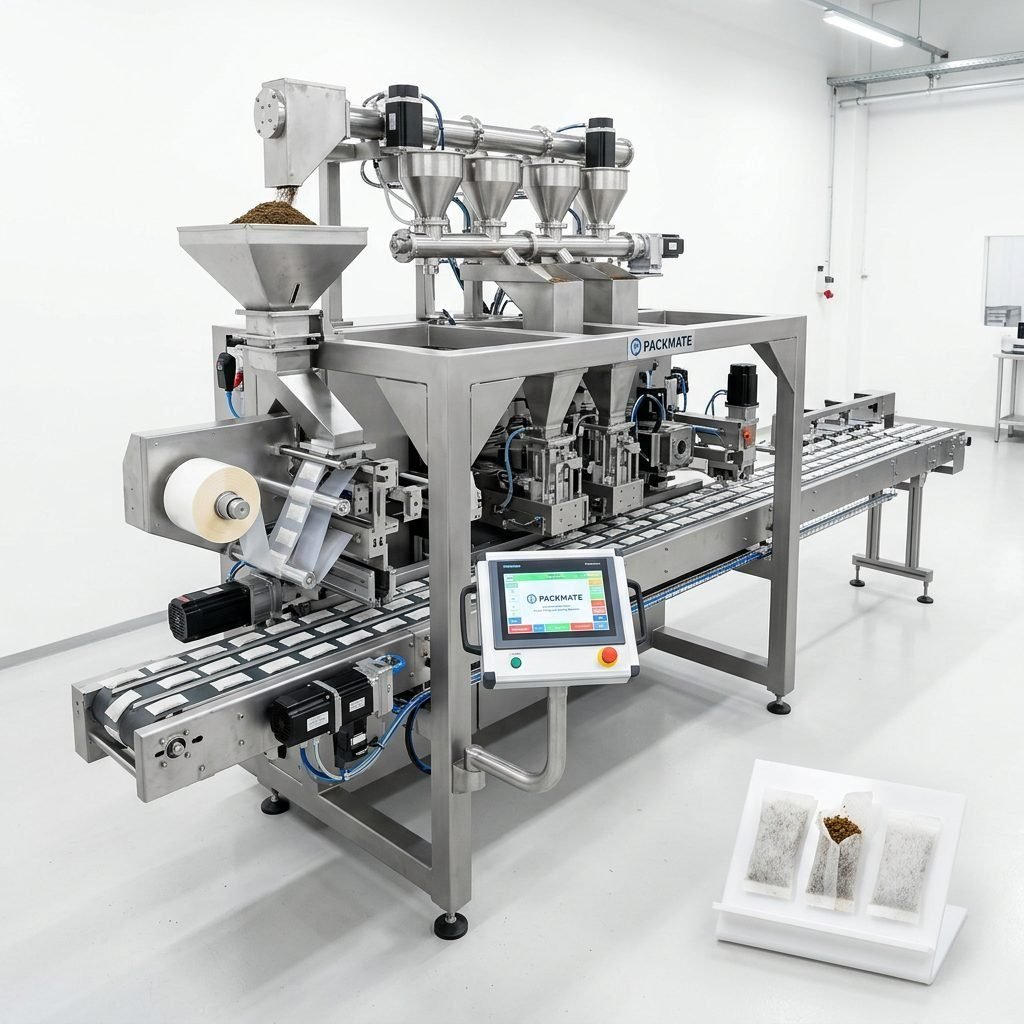
Bag & Pouch Packaging Machines
For secondary packaging (retail bags, multi-packs), bag & pouch machines provide automated grouping, packaging, and finishing. These systems can be synchronized with upstream lines to maintain continuous production flow. More details are available at Bag & Pouch Packaging Machines.
⚙️ Key integration tip: integrate weighing, dosing, and sealing stations with a central PLC for synchronized control and simplified troubleshooting.
Design & Performance Features to Prioritize
Selecting the right automation components is critical. Focus on features that deliver measurable improvements in speed, safety, and efficiency:
- ✅ High-precision dosing systems for consistent pouch weight and reduced giveaway.
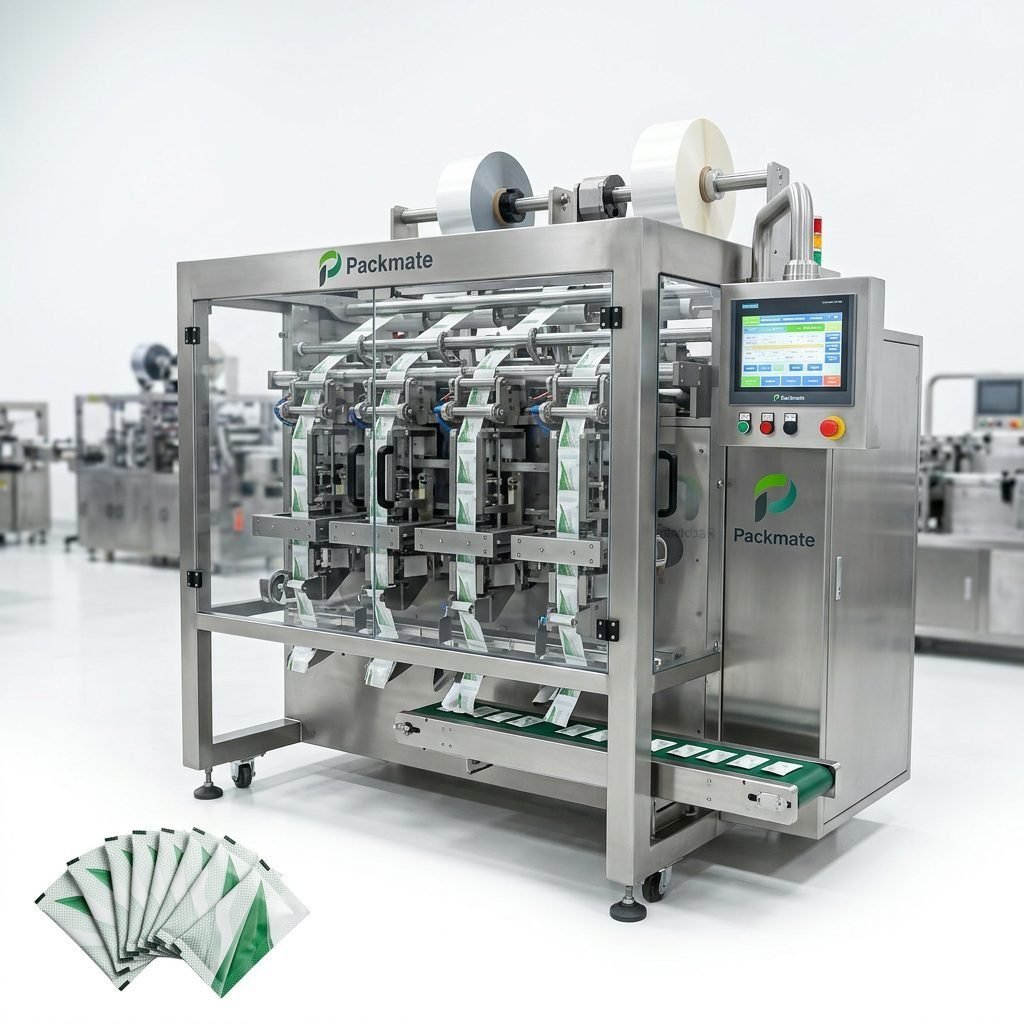
- ✅ Multi-lane forming modules to multiply throughput without doubling footprint.
- ✅ Servo-driven indexing and cutting for accurate, repeatable pouch formation.
- ✅ Clean-in-place (CIP) friendly surfaces and enclosed zones to minimize contamination risks when handling nicotine.
- ✅ User-friendly HMI with recipe management to accelerate changeovers and ensure reproducibility.
Safety & Regulatory Considerations
In many markets, nicotine products face strict safety and labelling rules. Automation helps companies comply by delivering controlled dosing, traceable batch records, and tamper-evident sealing. Key compliance strategies include:
- 🔶 Machine guarding and interlocks to protect operators.
- 🔶 Integrated checkweighers and metal detectors for quality assurance.
- 🔶 Batch data logging and recipe locks for auditability.
- 🔶 Modular design that allows hygienic cleaning and rapid parts replacement.
Why Multi-Lane Systems Are a Game Changer
Multi-lane systems allow manufacturers to multiply output by running several lanes in parallel on a single machine platform. Benefits include:
- 🔶 Up to 3–6x throughput increase in the same floor footprint.
- 🔶 Lower capital cost per pouch produced compared to duplicate single-lane machines.
- 🔶 Centralized maintenance and reduced spare parts complexity.
These systems are especially valuable for manufacturers scaling production for export markets where demand surges seasonally or regionally.
🚀 Production boost example: converting a single-lane sachet line to a 4-lane configuration can quadruple output while adding only ~30% to the original machine cost.
Case Studies & Real-World Applications
Leading manufacturers have implemented turnkey lines that include filling, multi-lane forming, sealing, inspection, and final packing. For reference and inspiration, view real-world implementations and success stories at Case.
Packmate’s multi-decade experience has enabled solutions across Europe, Asia, and the Americas with projects tailored to regulatory and consumer preferences in each region. Those seeking turnkey lines can consult the Filling & Packaging Lines portfolio to match capabilities to production goals.
Selecting a Supplier: What to Ask
Choosing the right OEM or integrator impacts long-term performance. Ask about:
- 🔶 Experience specific to snus and nicotine pouch packaging — does the supplier have a dedicated product line?
- 🔶 Factory capabilities: machining centers, assembly area, and test facilities.
- 🔶 Customization and modular options for future expansion.
- 🔶 Certifications and compliance such as CE and ISO.
- 🔶 Service, spare parts, and training packages for your region.
For an example of a comprehensive company profile and production capabilities, see About Packmate.
Return on Investment (ROI) and Cost Drivers
Automation requires capital, but ROI typically emerges through labor savings, reduced product giveaway, higher throughput, and fewer quality rejects. Consider these cost drivers:
- ✅ Initial equipment cost and financing options.
- ✅ Integration complexity and electrical/mechanical installation costs.
- ✅ Training and changeover time reduction potential.
- ✅ Ongoing service, spare parts, and consumables.
Ask suppliers for a modeled ROI based on your planned SKU mix and target outputs. Packmate’s long history and varied machine models can help project realistic throughput and cost-per-unit figures.
Installation, Commissioning & After-Sales Service
Smooth commissioning is pivotal. A good supplier will provide:
- 🔶 On-site installation support and FAT/SAT procedures.
- 🔶 Operator and maintenance training tailored to local staff.
- 🔶 Remote diagnostics and spare parts availability in your region.
Check the Service page for details on maintenance plans and technical support options.
Customization for Regional Preferences and Compliance
Different markets have unique packaging formats, labelling requirements, and consumer habits. Automation providers should be able to adapt to:
- 🔶 Label size and language variations for export markets.
- 🔶 Child-resistant or tamper-evident designs where required by local regulations.
- 🔶 Varied pouch shapes and materials preferred by specific consumer groups.
For tailored machine configurations, consult the product range and discuss local customs and regulatory needs with your supplier up front.
📌 Practical note: When launching in a new country, allocate time for packaging approval and user acceptance testing to ensure product presentation aligns with local expectations.
Sustainability and Material Efficiency
Environmental considerations influence consumer choices and regulatory frameworks. Automation contributes to sustainability by minimizing raw material waste, optimizing cuts and seals, and enabling accurate fill volumes that reduce scrap. When specifying equipment, ask about:
- 🔶 Material utilization rates and film savings per 1,000 packs.
- 🔶 Compatibility with recyclable or mono-material films.
- 🔶 Energy-efficient drives and intelligent standby modes.
Training, Efficiency & Workforce Transition
Introducing automation changes workforce roles rather than replacing value. Common transitions include:
- ✅ Operators shifting from manual tasks to machine supervision and quality control.
- ✅ Maintenance teams focusing on preventive programs and PLC troubleshooting.
- ✅ Production planners optimizing recipes and lot scheduling for increased uptime.
Plan a phased training program and involve the shop floor early to capture practical insights during commissioning.
Exhibitions, Demos & Factory Visits
Seeing machines in operation accelerates decision-making. Attend trade shows and arrange live demos or factory acceptance tests to:
- 🔶 Evaluate actual run speeds and product handling.
- 🔶 Verify hygiene and build quality in person.
- 🔶 Discuss custom options directly with engineering teams.
For upcoming events and demonstrations, check Our Exhibition to plan your visit.
How to Start: A Practical Roadmap
Follow a structured approach to implement automation successfully:
- 🔶 Define target throughput, SKU mix, and quality targets.
- 🔶 Audit current floor space, utilities, and regulatory requirements.
- 🔶 Shortlist suppliers with proven snus line experience and request FAT demonstrations.
- 🔶 Model ROI including installation, training, and spare parts.
- 🔶 Schedule phased implementation with clear acceptance criteria and training plans.
When you’re ready to evaluate equipment ranges and machine specs, the Weighing & Packaging Systems and Auxiliary Packaging Equipment pages are useful resources.
Summary of Benefits
Automation delivers tangible benefits across operations:
- 🔶 Faster output and consistent quality.
- 🔶 Safer handling of nicotine with enclosed, interlocked systems.
- 🔶 Better yields and lower cost-per-unit through precise dosing and reduced waste.
- 🔶 Scalable production capacity via multi-lane and modular solutions.
📞 Next step: Contact potential suppliers early for layout studies and budgetary quotes — many providers can offer factory-based demonstrations and detailed ROI calculations. Use the Contact Us page to request specific information and timelines.
Common Questions
Q1: How long does it take to commission a full snus packaging line?
A: Typical commissioning time depends on line complexity and site readiness; expect 4–12 weeks for installation and FAT/SAT activities for standard multi-lane lines.
Q2: Can existing lines be upgraded to multi-lane operation?
A: Some older platforms allow modular upgrades, but often a retrofit is less cost-effective than installing a purpose-built multi-lane machine. Request a site audit and upgrade feasibility study from your supplier.
Q3: What should I expect for after-sales support and spare parts availability?
A: Reputable manufacturers provide spare parts kits, remote diagnostics, and training. Confirm lead times for critical spares and whether regional stocking or on-demand shipping is offered.
Q4: How do automation systems handle regulatory traceability?
A: Modern lines include batch logging, recipe locks, and event history tracking integrated with MES or ERP systems for full traceability and audit readiness.
Q5: Where can I see machine demonstrations and real customer cases?
A: Visit supplier exhibition pages or case study sections to view live demos and documented implementations. Packmate showcases global projects in their case studies and participates in major industry exhibitions.
For more detailed product listings and technical brochures, explore the product pages for Snus & Nicotine Packaging Machines, Bag & Pouch Packaging Machines, and Filling & Packaging Lines. When you are ready to discuss requirements, reach out via the Contact Us page.