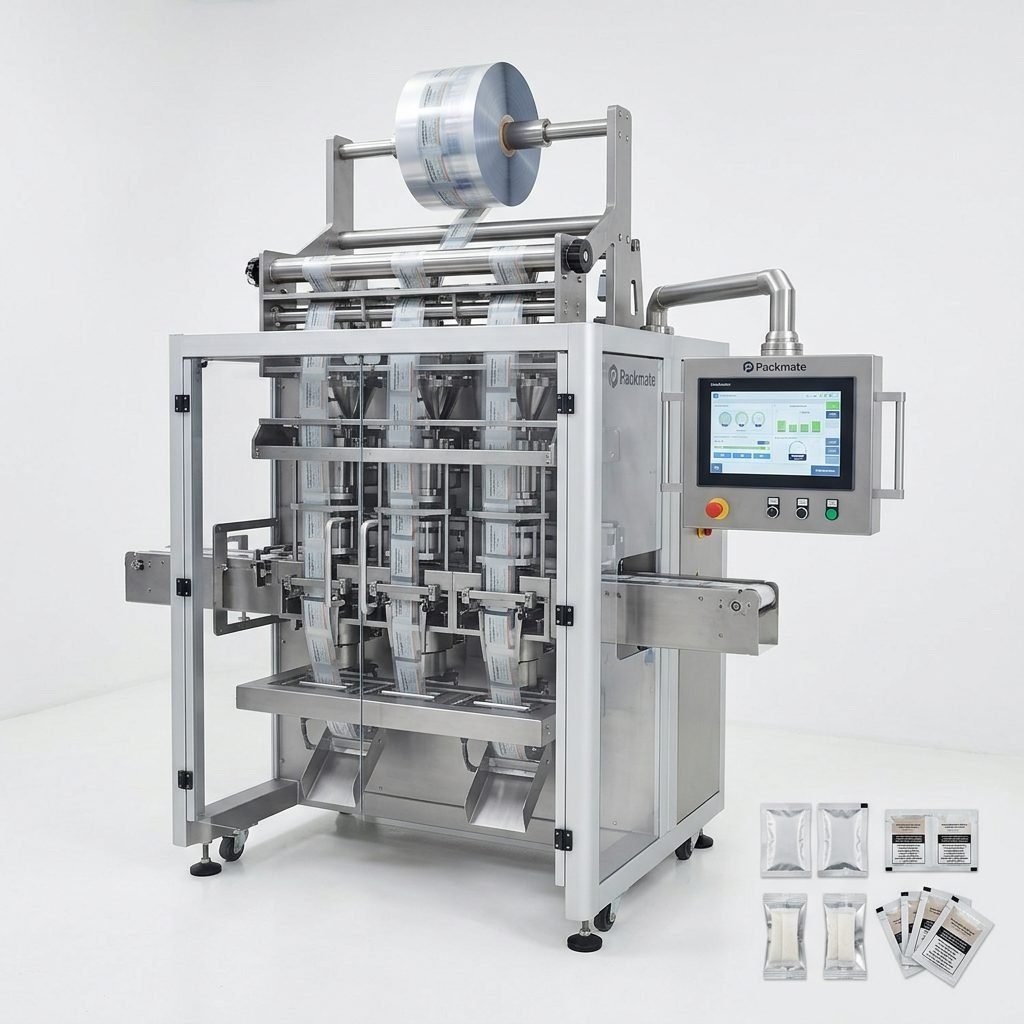
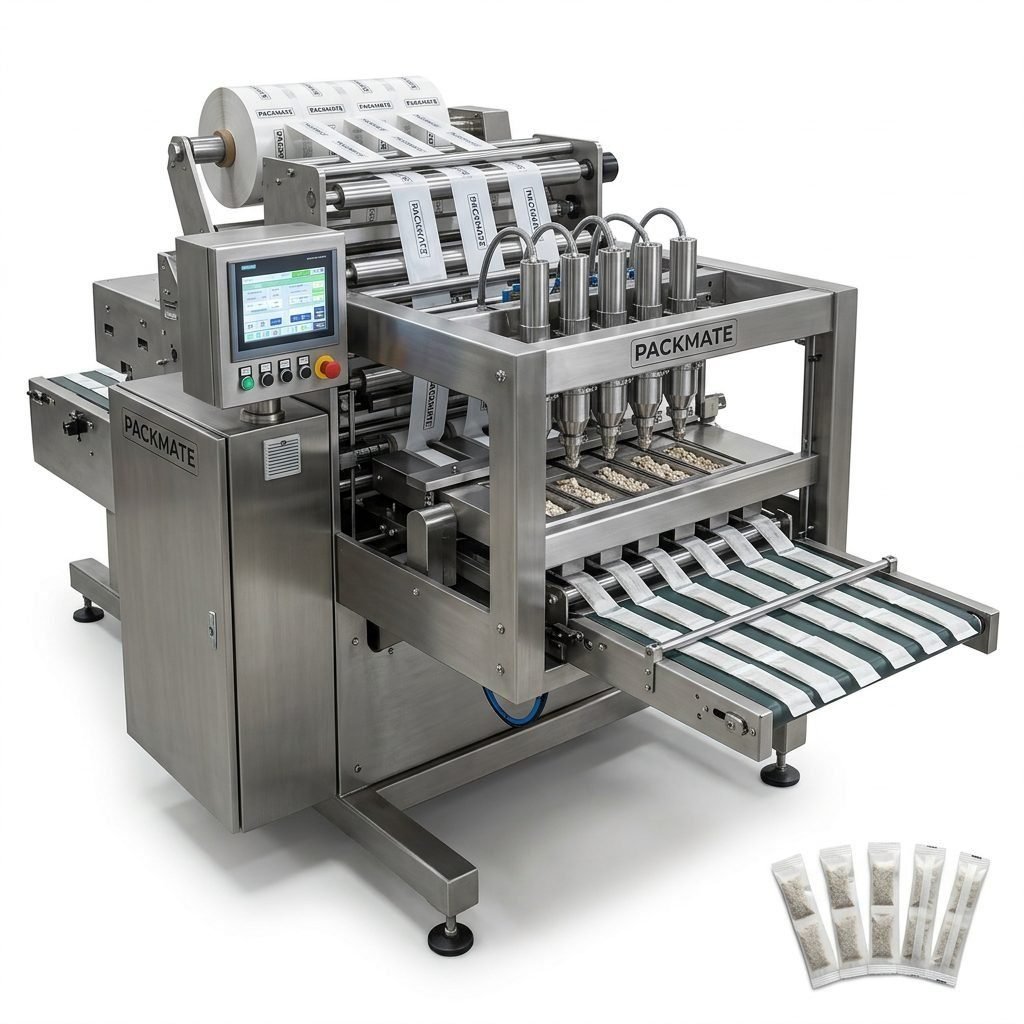
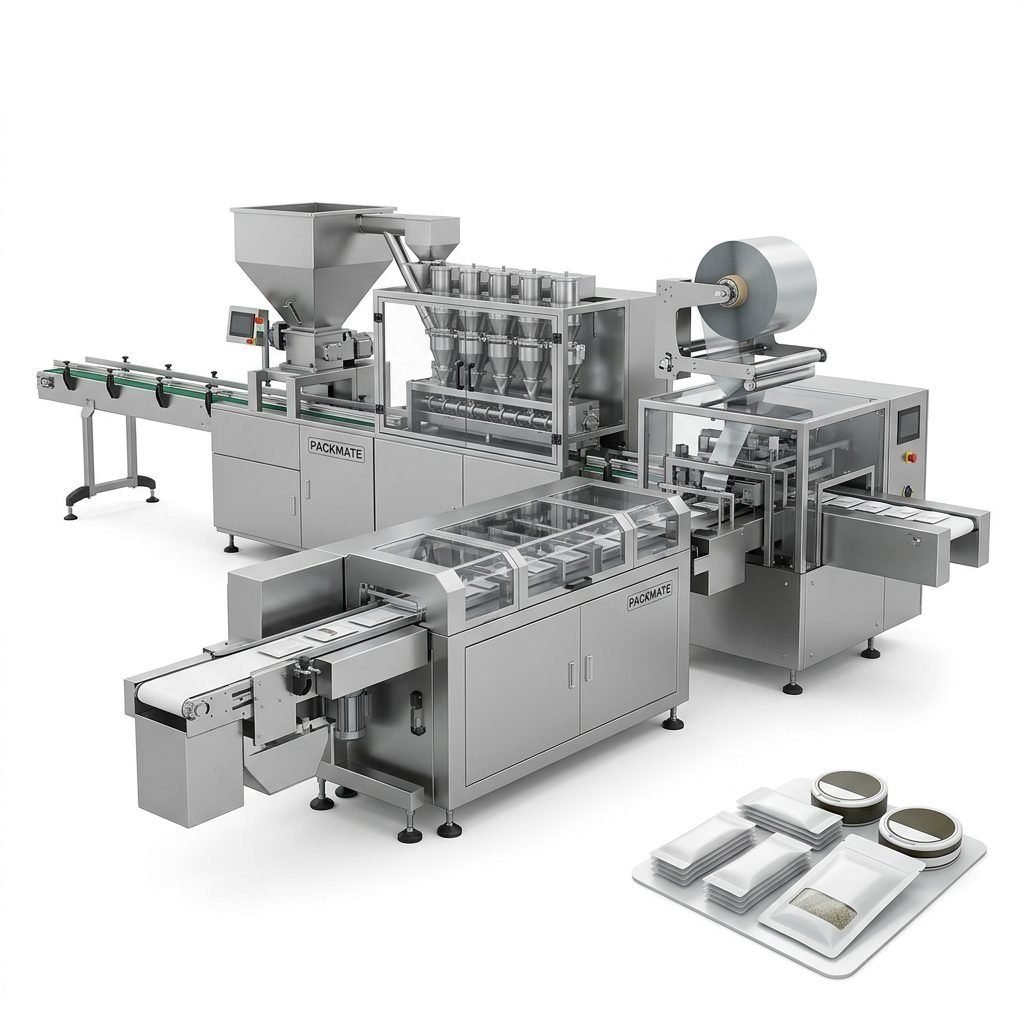
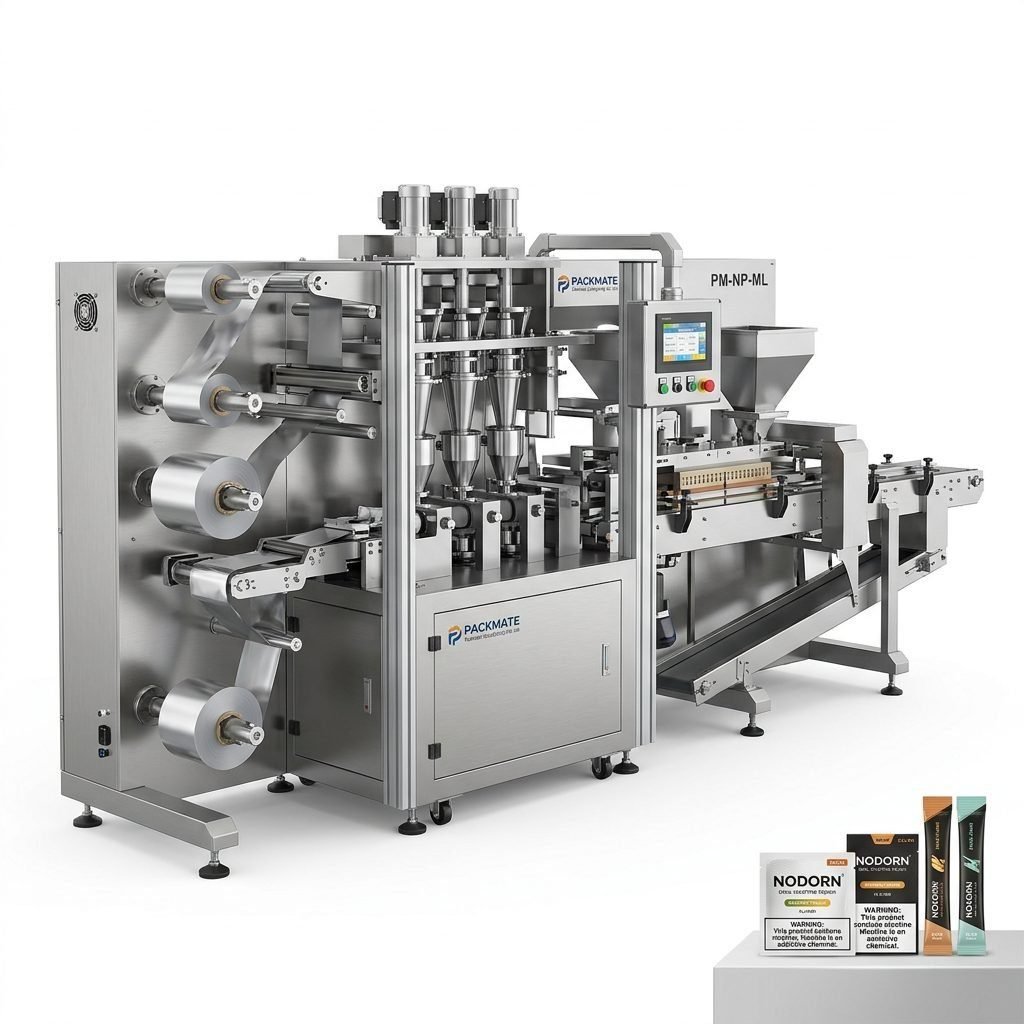
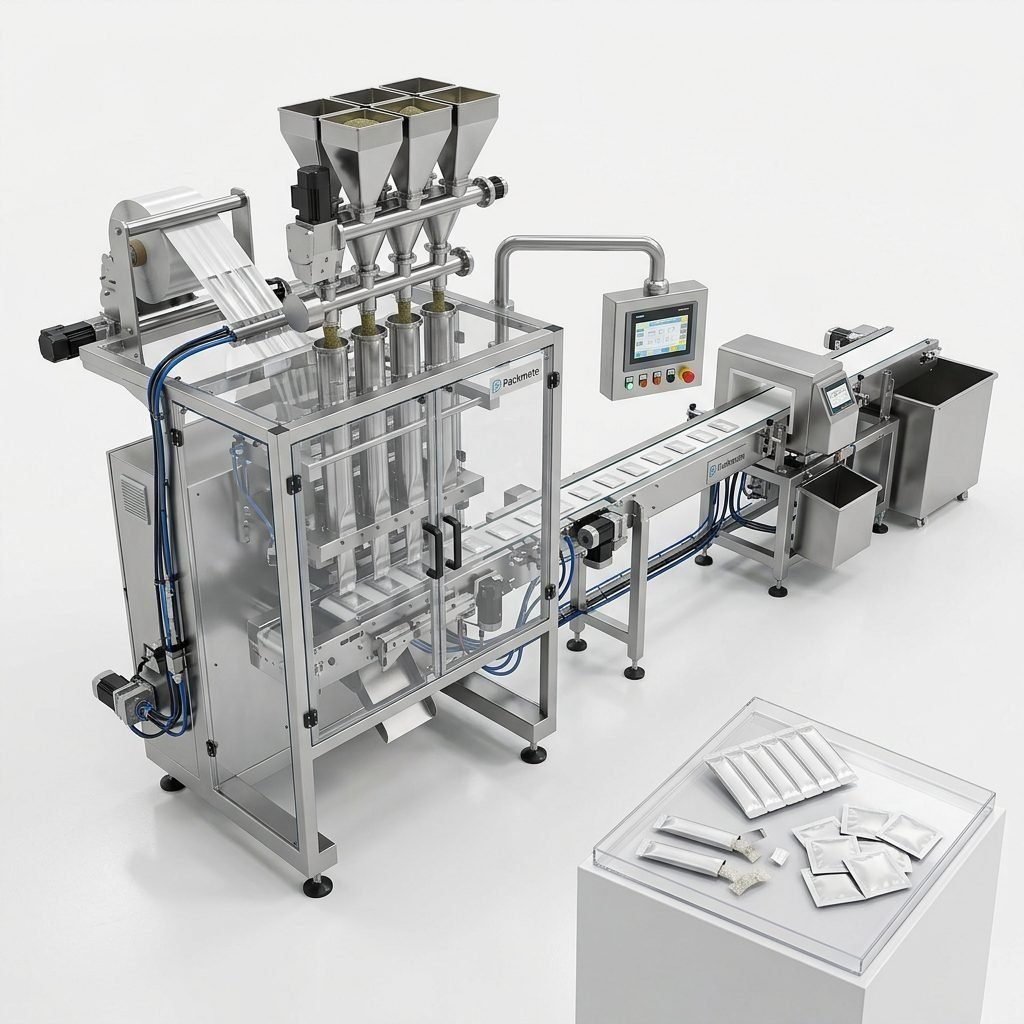
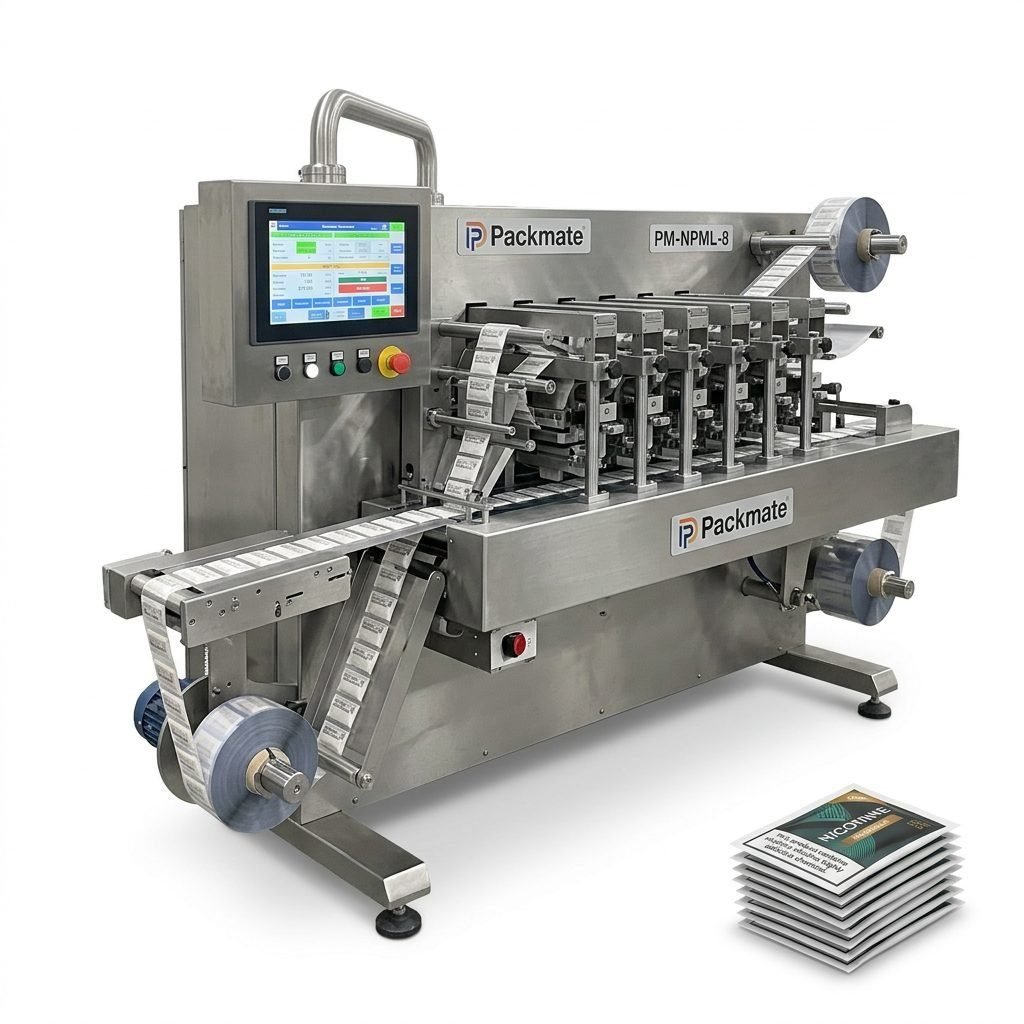
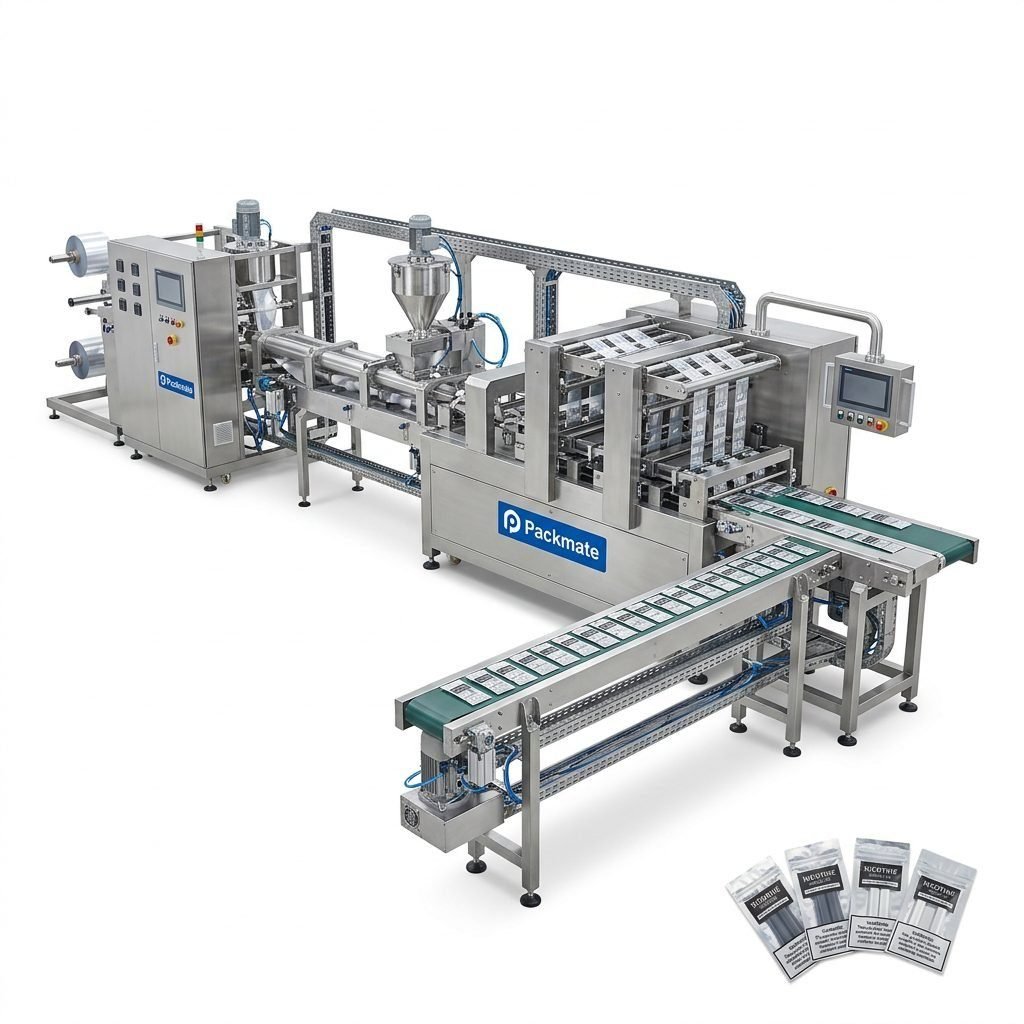
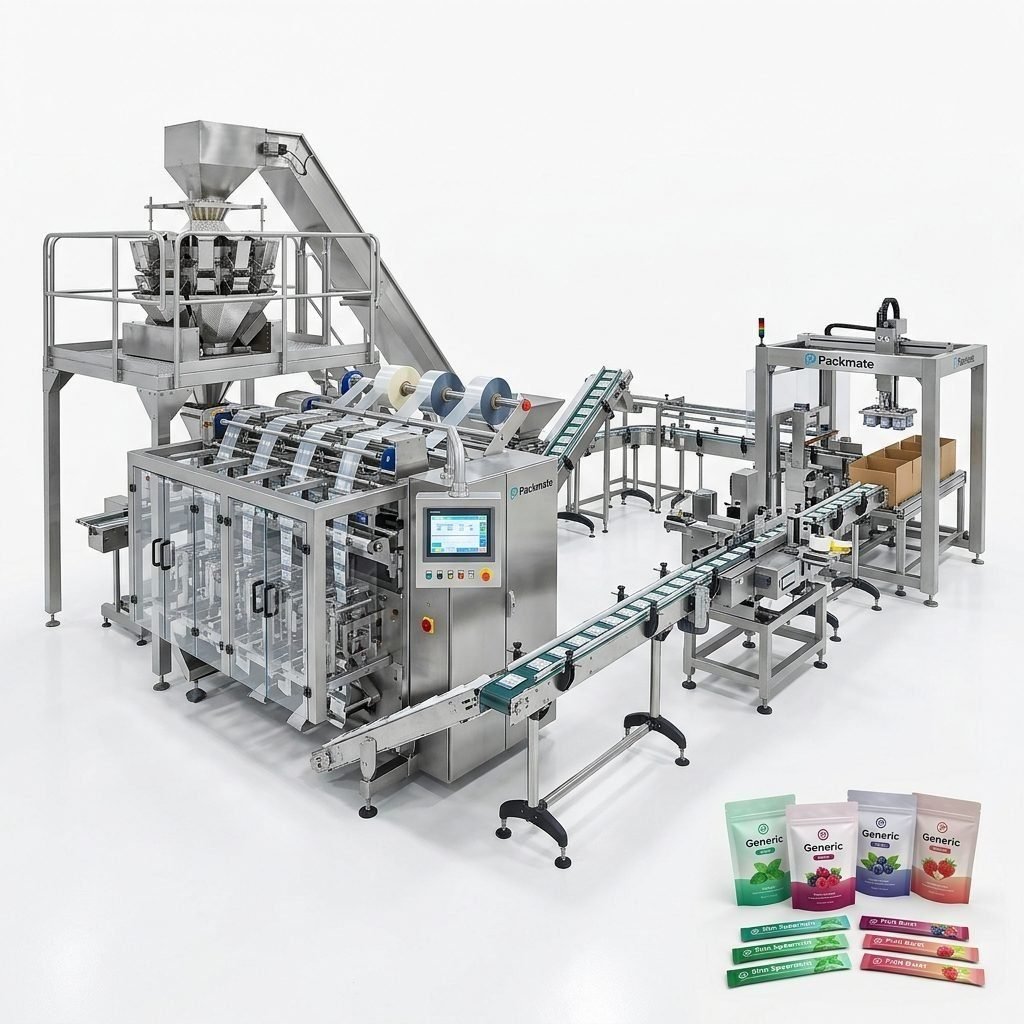
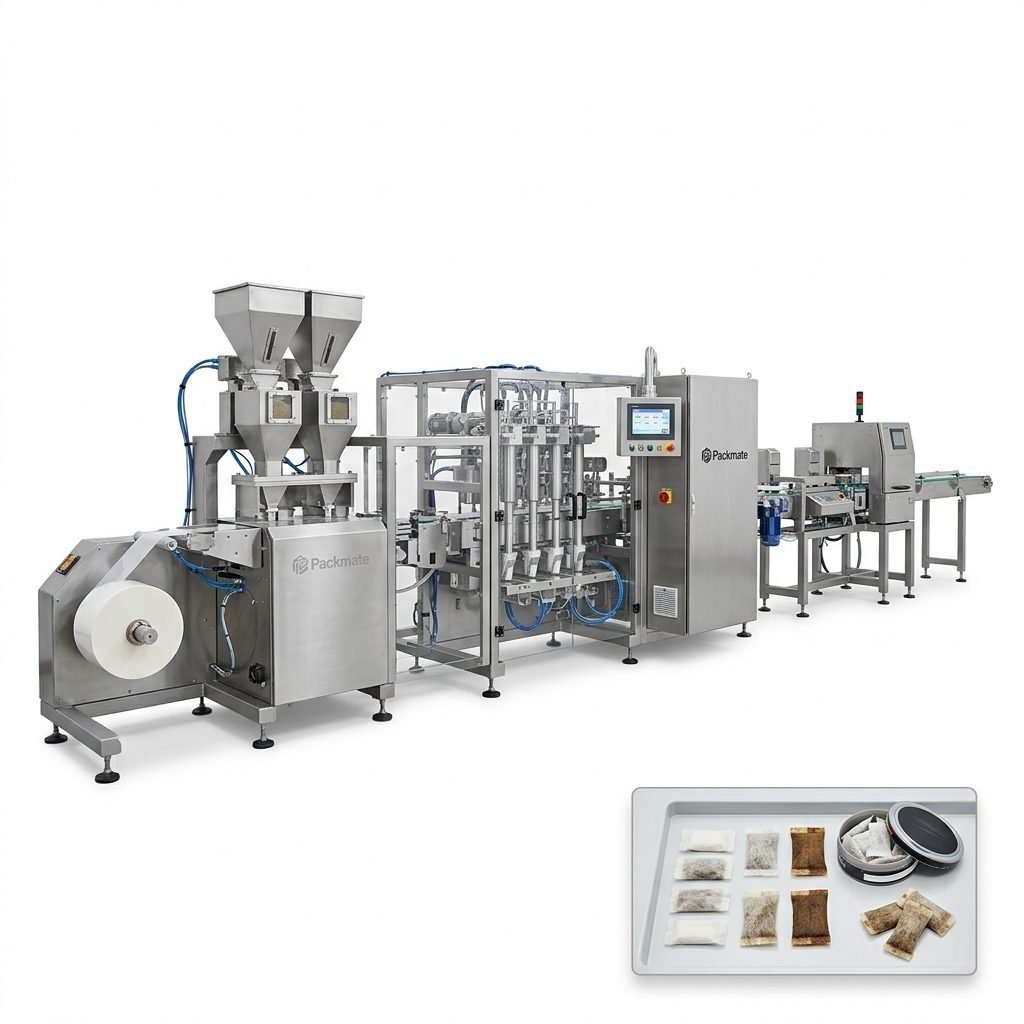
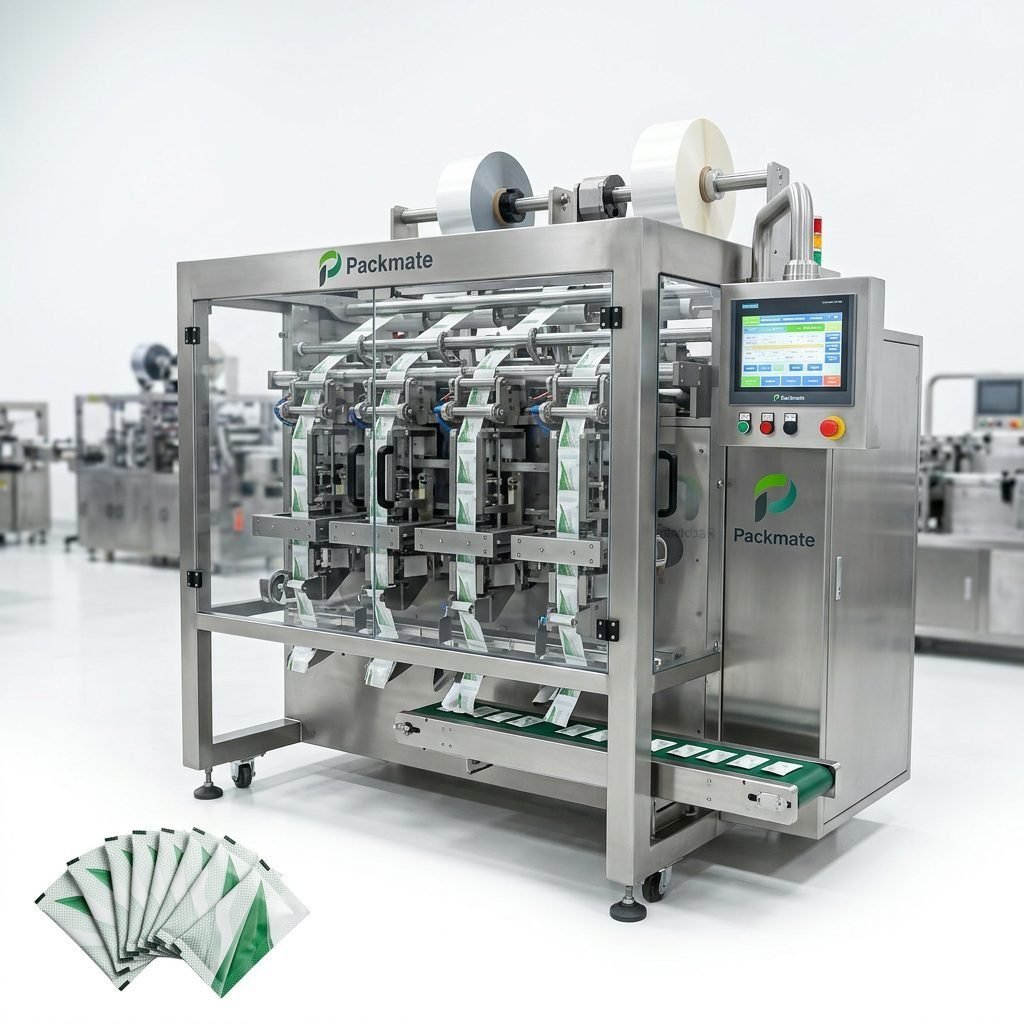
Choosing the right industrial snus packing machine is a critical step for manufacturers who want to scale production, improve product consistency, and meet strict regulatory and hygiene standards. This guide breaks down the most important technical, operational, and commercial factors you need to evaluate when selecting a high-capacity snus or nicotine pouch packaging solution for your factory. It is written for production managers, engineers, and procurement teams who must balance throughput, flexibility, cost, and long-term serviceability.
Understand the product and packaging formats
Snus and nicotine pouches come in many formats: loose pouches, sachets, stick packs, multi-pouch strips, and resealable pouches. The first step is to map your product characteristics — powder fineness, humidity, flowability, pouch size and format, and any special ingredients (e.g., metal oxides or flavor encapsulates). Machines optimized for sachets or stick packs differ from those built for multi-lane small-dose pouches. A flexible production plan may require modular equipment that can switch formats with minimal changeover time.
Key format considerations
🔶 Capacity per pouch vs. lanes: Higher lane counts (multi-lane systems) multiply throughput but increase complexity in feeding, weighing, and synchronized sealing.
🔶 Sealing method: Heat-seal, ultrasonic, or cold-seal options affect film selection and cycle speed.
🔶 Upstream & downstream integration: Filling, weighing, pouch forming, and secondary packaging must be matched to avoid bottlenecks.
Why format matters for ROI
Choosing the wrong format or machine family can reduce effective output by 20%–40% and increase consumable costs. Capacity planning based on realistic uptime and product mix is essential for accurate ROI projections.
Throughput, uptime and real-world performance
Manufacturers often quote theoretical maximum speeds (pouches per minute). What matters is sustainable throughput under production conditions — including changeovers, cleaning, and occasional faults. Ask vendors for documented run cards, OEE numbers, and references from similar customers. Look for features that improve uptime: quick-change format kits, automated film splicing, predictive fault detection, and easy access for cleaning and maintenance.
Questions to validate vendor claims
⚙️ Can the supplier provide a factory acceptance test (FAT) or on-site demonstration with your product?
⚙️ What is the Mean Time Between Failures (MTBF) and typical Mean Time To Repair (MTTR) for critical components?
⚙️ Are spare parts and technical support available regionally to minimize downtime?
Weighing and dosing accuracy
High-capacity snus production demands precise dosing to ensure product consistency, regulatory compliance, and cost control. Choose machines with integrated multi-head weighers or precision auger/volumetric systems depending on your material properties. For powder and blend dosages, high-speed multi-head weighers deliver excellent accuracy when properly matched to hopper design and vibration control.
Accuracy impact
Even a 1% dosing error scales dramatically at high volumes. Precision dosing reduces waste, maintains nicotine levels within spec, and protects brand reputation.
Materials, films and seal integrity
Material compatibility with sealing methods affects shelf life, moisture barrier, and printability. Discuss film structures (PET/ALU/PE laminates, mono-PE, etc.) with your packaging supplier and machine vendor. Testing seals under real environmental conditions (temperature and humidity) is essential — poor seals lead to product spoilage or customer complaints.
Practical tips
✅ Run accelerated shelf-life tests on chosen film and seal settings.
✅ Consider modified atmosphere packaging (if applicable) or desiccant strategies for moisture-sensitive blends.
✅ Ensure the machine has precise temperature control and consistent pressure distribution across sealers.
Hygiene, cleanability and regulatory compliance
Food-grade design principles apply to snus and nicotine pouch lines. Stainless steel frames, hygienic motor couplings, minimal horizontal surfaces, and CIP-friendly hopper designs simplify cleaning. Verify the machine can meet local regulations and international standards — CE and ISO certificates are baseline requirements. Maintain traceability and implement access controls for recipe and batch information.
Documentation and validation
🔶 Request material certificates, welding qualifications, and surface finish specs.
🔶 Ask for validation protocols and support for IQ/OQ/PQ (Installation/Operational/Performance Qualification) if needed for regulated markets.
Automation, controls and Industry 4.0 readiness
Modern snus lines use PLCs, HMIs, and optional MES integration for production monitoring. Features to prioritize include recipe management, fault logging, remote diagnostics, and data export capabilities for OEE analysis. A system that supports predictive maintenance via sensor data can reduce unexpected downtime and lower long-term operating costs.
Connectivity checklist
⚙️ Ethernet/OPC-UA support for SCADA/MES integration
⚙️ Remote technical support and secure VPN access
⚙️ Data logging for weight, reject rates, and maintenance events
Investing in intelligence
Smart features may cost more upfront but typically pay back through reduced labor, fewer stoppages, and improved product quality.
Operator ergonomics and maintenance access
High-capacity machines run long shifts; operator fatigue impacts quality. Evaluate access for cleaning, part replacement, and troubleshooting. Tool-less access panels, clearly labeled wear parts, and an organized spare-parts list simplify upkeep. Training and safety interlocks are non-negotiable for high-speed operations.
Service and spare-parts strategy
✅ Establish a local spare-parts inventory for critical items.
✅ Negotiate a service agreement with guaranteed response times.
✅ Choose vendors with documented global support if you plan to export or operate multiple sites.
Total cost of ownership and financing
Purchase price is only one part of the economics. Calculate energy consumption, maintenance labor, spare parts, consumables, downtime costs, and expected lifetime. If financing, compare leasing vs. CAPEX approaches and include depreciation impacts on your balance sheet.
ROI modeling tips
🔶 Use conservative uptime assumptions (e.g., 85% instead of theoretical 98%).
🔶 Include costs for film, desiccants, and labels.
🔶 Factor in speed losses during changeovers and initial ramp-up.
Customization, integration and turnkey lines
If you need a complete production line — from filling and weighing to pouches, secondary packaging, and case packing — seek a manufacturer with turnkey experience. Integrating upstream and downstream machines reduces risk and ensures synchronized throughput. Vendors with in-house design and CNC capabilities can also offer tailored solutions that off-the-shelf machines cannot.
For product families and integrated lines, explore Packmate’s range of solutions including dedicated Snus & Nicotine Packaging Machines and Bag & Pouch Packaging Machines. If your project needs upstream filling and weighing, review Filling & Packaging Lines for compatibility and integration options.
Vendor selection and factory acceptance
Choose a vendor with demonstrated experience in snus packaging, robust manufacturing facilities, and test records. Packmate (GuangDong) Co., Ltd. maintains a 20,000㎡ factory and offers FAT, on-site installation, and global service. Evaluate the vendor against these criteria: engineering experience, certifications, reference cases, and post-sale support.
Checklist for vendor evaluation
🔶 On-site FAT and test runs with your product
🔶 CE / ISO certificates and materials traceability
🔶 Clear warranty, spare parts list, and training plan
🔶 References and case studies — ask to see lines running in similar markets
A practical next step
Schedule a pilot run or FAT — this is the most reliable way to validate machine performance and uncover integration issues before committing significant capital.
After-sales service, training and spare-parts
Strong after-sales service minimizes production disruptions. A good supplier provides operator and maintenance training, rapid spare-part delivery, and remote troubleshooting. Confirm whether local partners or regional warehouses exist to support critical parts and service calls.
For detailed product lines, reference Packmate’s product pages and company information in your procurement documents: About Packmate and review real-world deployments on the Case page.
Common pitfalls and how to avoid them
• Underspecifying the upstream or downstream equipment, creating bottlenecks.
• Over-reliance on theoretical speeds without validating product-specific performance.
• Neglecting material compatibility and seal testing.
• Failing to plan for spare parts and regional service coverage.
Mitigation strategies
✅ Conduct an end-to-end line study including material trials.
✅ Require FAT with your actual product and packaging materials.
✅ Negotiate a spare-parts starter kit and structured training program.
Final selection roadmap
1. Define product specs and target throughput.
2. Shortlist vendors with proven snus/nicotine experience.
3. Request FAT and on-site demonstrations with your product.
4. Evaluate TCO and service agreements.
5. Validate integration and operator training before acceptance.
Need help?
If you need expert support evaluating options or want to explore turnkey packaging lines, contact the manufacturer through their Contact Us page for technical consultation and quotes.
Frequently Asked Questions
Q1: What is the typical lead time for a high-capacity snus packing machine?
A1: Lead times vary by customization level and factory schedule; standard machines can take 10–16 weeks, while turnkey multi-line projects may take 16–32 weeks including FAT and installation.
Q2: How can I validate a machine before purchase?
A2: Request a Factory Acceptance Test (FAT) using your actual product and films. Inspect performance metrics, sealing quality, dosing accuracy, and integration with upstream/downstream equipment.
Q3: What ongoing costs should I budget for?
A3: Include film and consumables, spare parts, routine maintenance, operator labor, and potential energy costs. Plan for an initial spare-parts kit and regular preventive maintenance.
Q4: Can machines be upgraded for higher lane counts later?
A4: Some manufacturers design modular systems that allow lane expansion; confirm upgrade paths and required changes to feeding, weighing, and control systems with the vendor.
Q5: Where can I find more information and product specifications?
A5: Visit the manufacturer’s product pages for detailed machine families and case studies: Snus & Nicotine Packaging Machines, and review integration options on the Filling & Packaging Lines page.