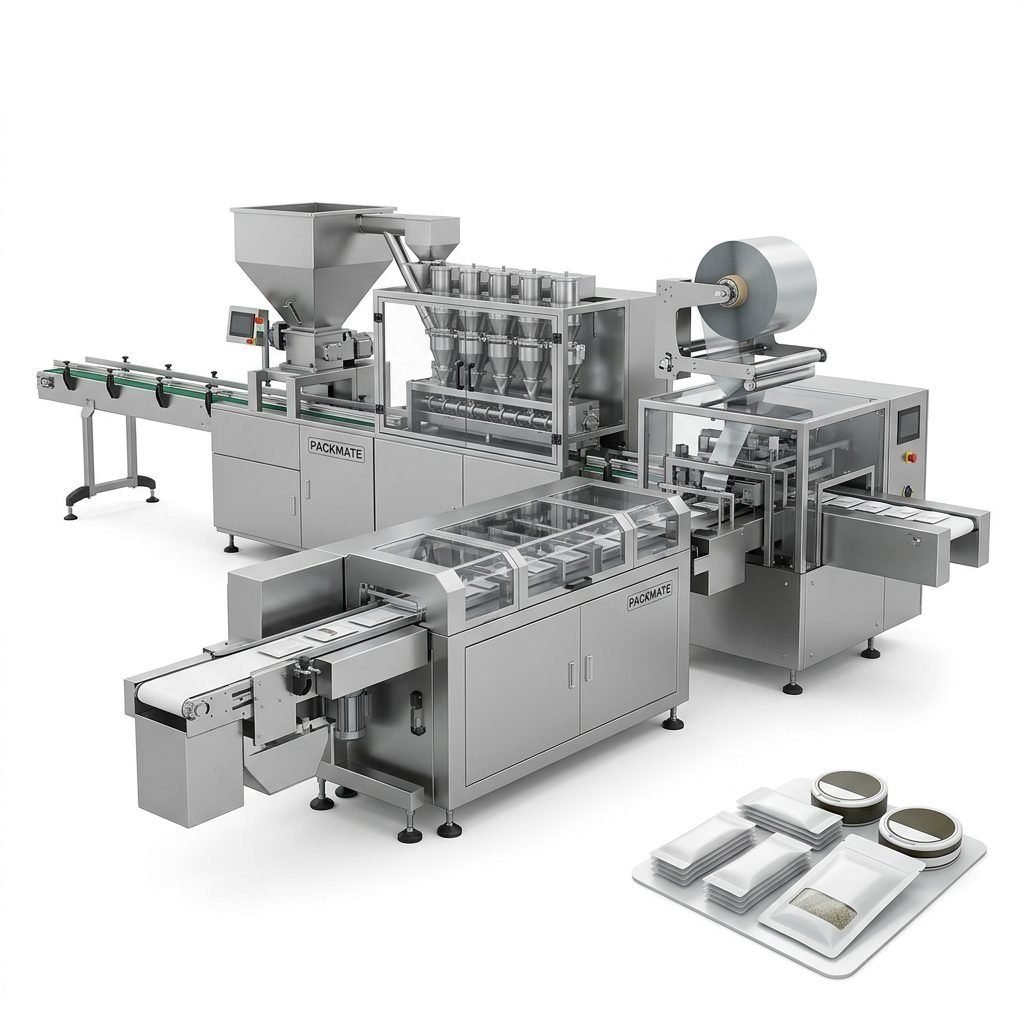
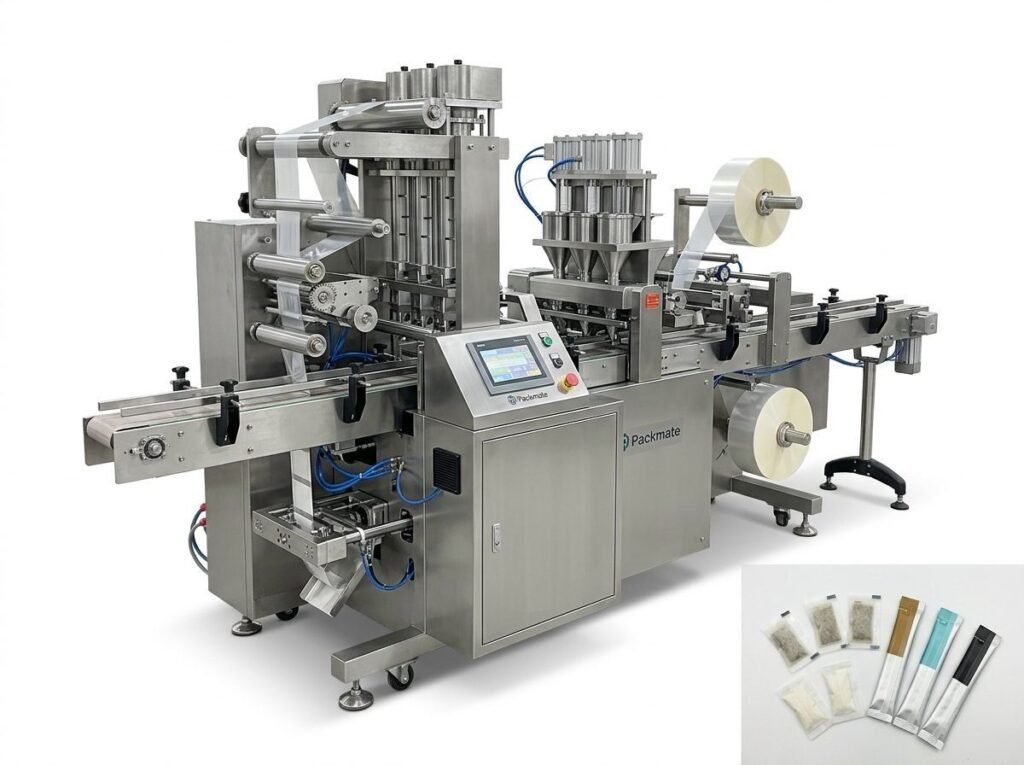
Operating in Burkina Faso’s growing nicotine pouch and snus market requires careful equipment selection to ensure regulatory compliance, consistent product quality, and cost-effective production. This guide walks you through the practical steps to choose the right nicotine packaging machine, compares technologies, highlights what to check in suppliers, and outlines the long-term considerations for a successful packaging line.
Understand the Local Market & Regulatory Environment
Before selecting any equipment, evaluate Burkina Faso’s legal and tax frameworks for nicotine products, import rules, labeling and packaging requirements, and any health or safety standards that affect manufacturing and distribution. Compliance influences machine choice, materials, printing capability, and traceability systems.
Key considerations include nicotine dosage labeling, child-resistant packaging needs, and any local environmental mandates for waste and material recyclability. Choosing a machine that supports variable print data and tamper-evident features will reduce rework and legal risks.
Why traceability and printing matter
Machines with integrated printing systems (thermal transfer, inkjet, or laser coders) and batch/lot control are essential when operating in regulated markets. If you plan exports, ensure codes and barcodes meet international standards.
Match Machine Type to Your Product Format
Nicotine and snus products come in multiple formats: pouches (loose), sachets, stick packs, or pre-formed cans and pouches. Each format demands different filling, sealing, and conveying technologies. Choose equipment designed for your primary product format with flexibility for future SKUs.
Quick format guide:
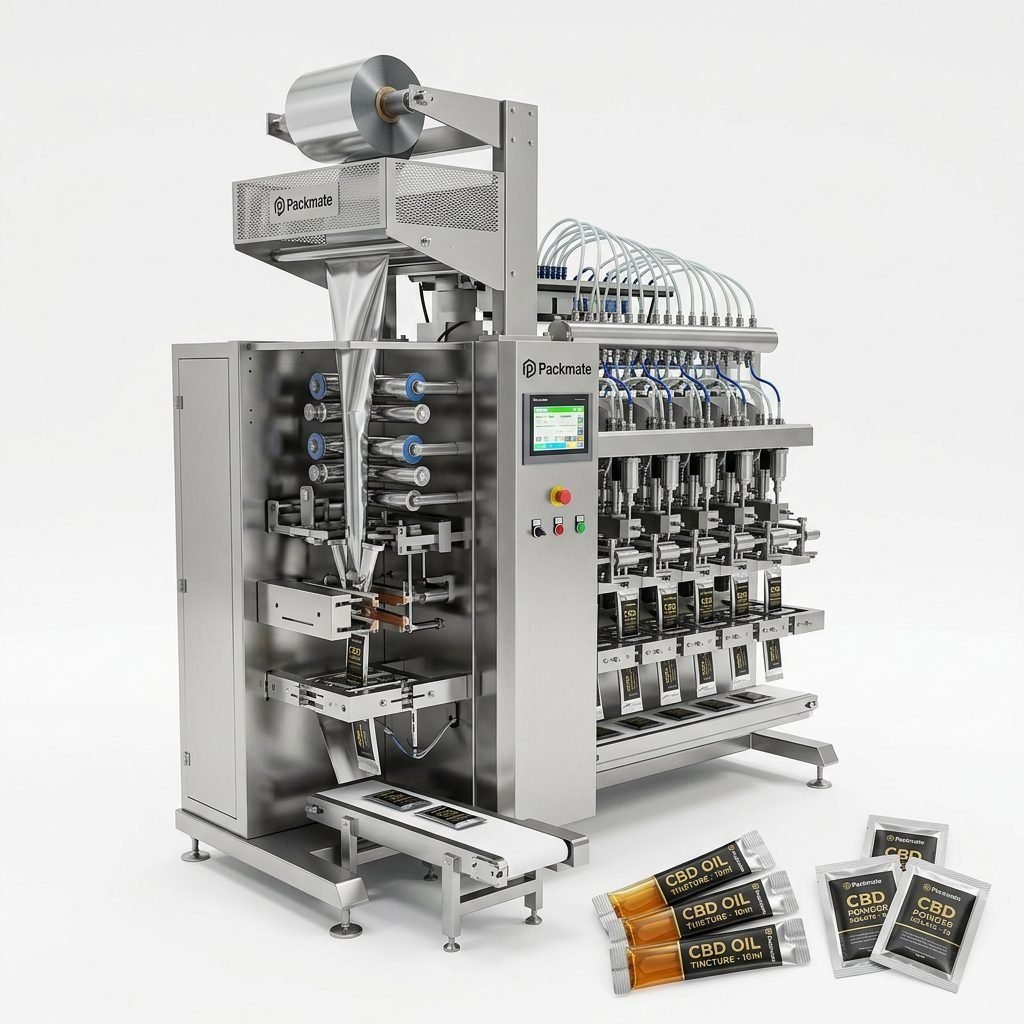
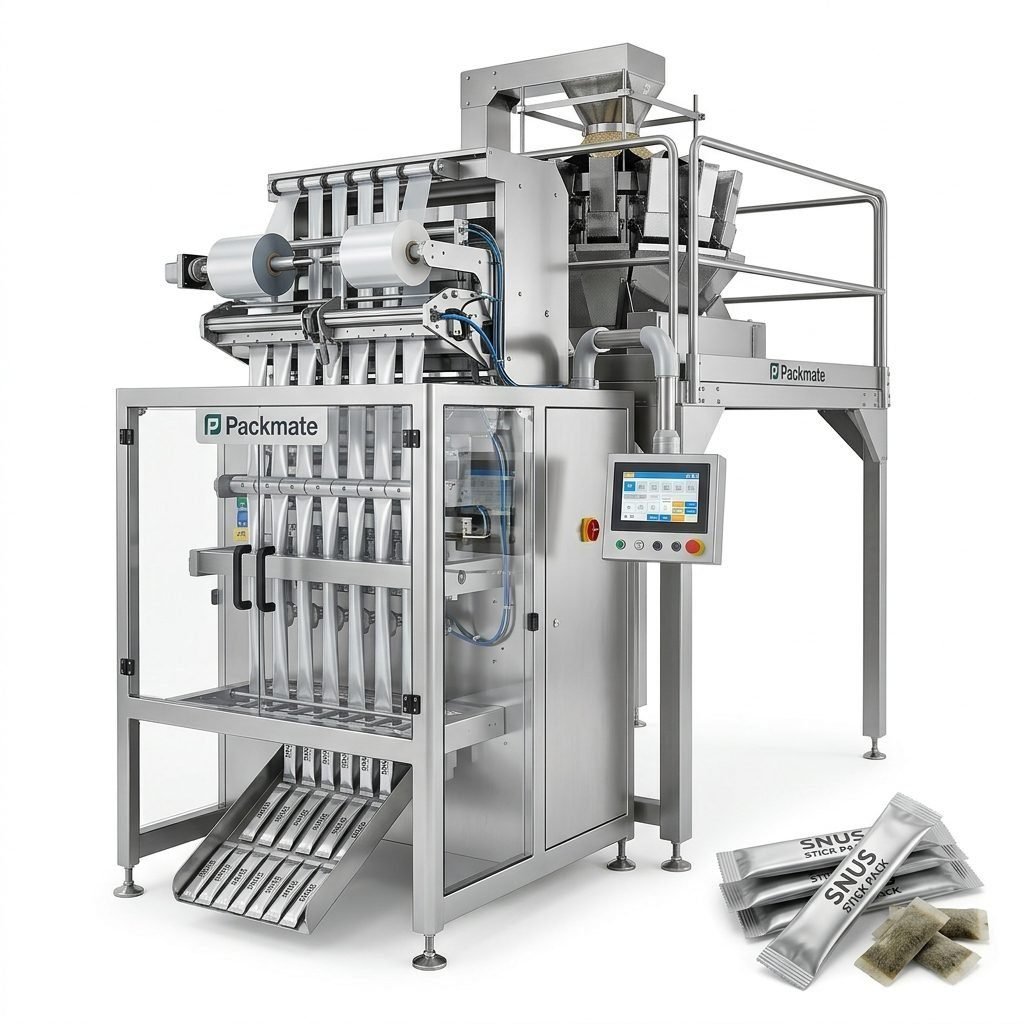
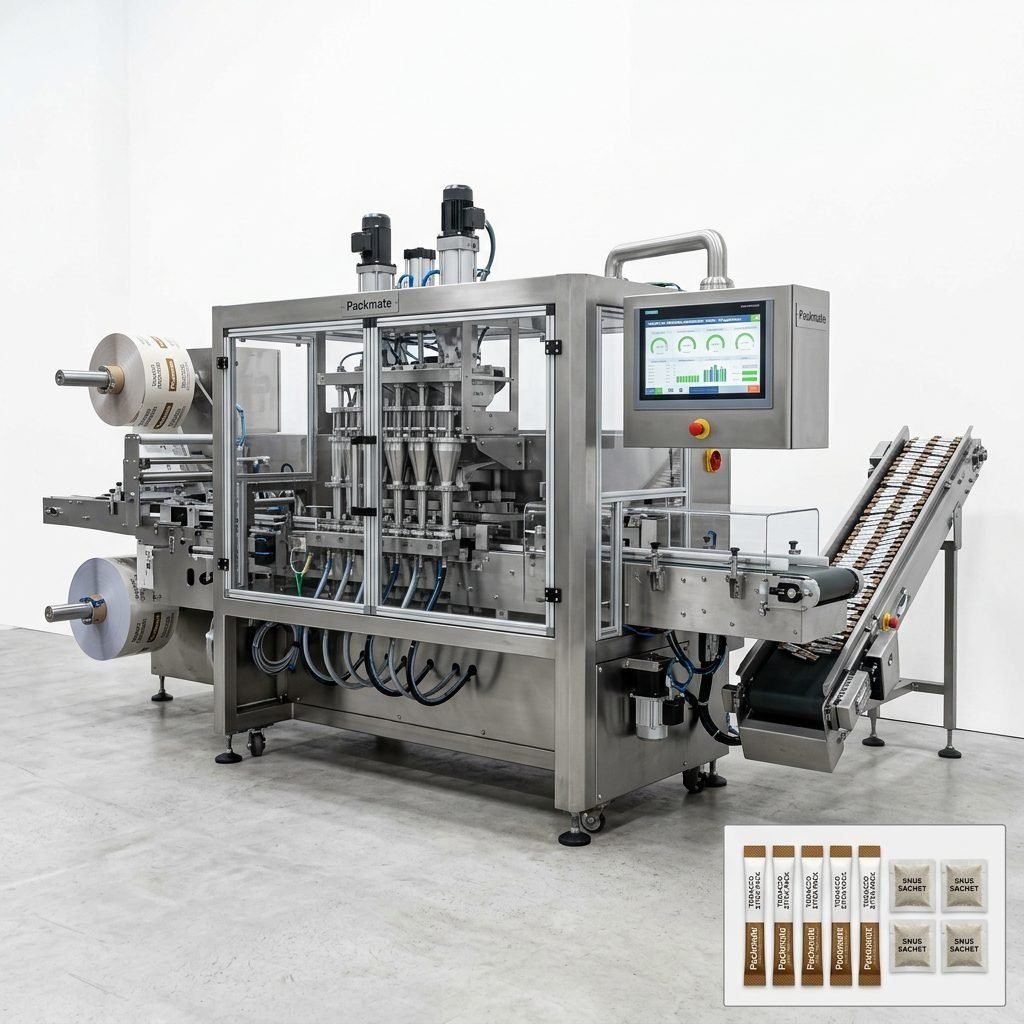
✔️ Stick pack machines: ideal for single-dose, elongated packs and high-speed output.
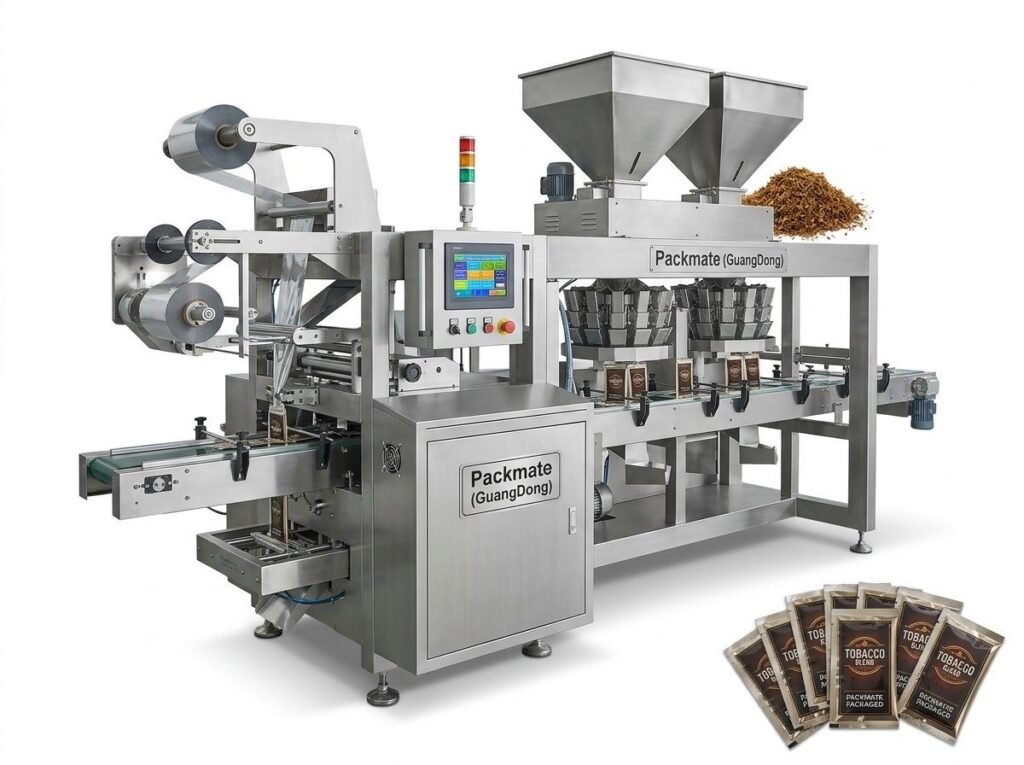
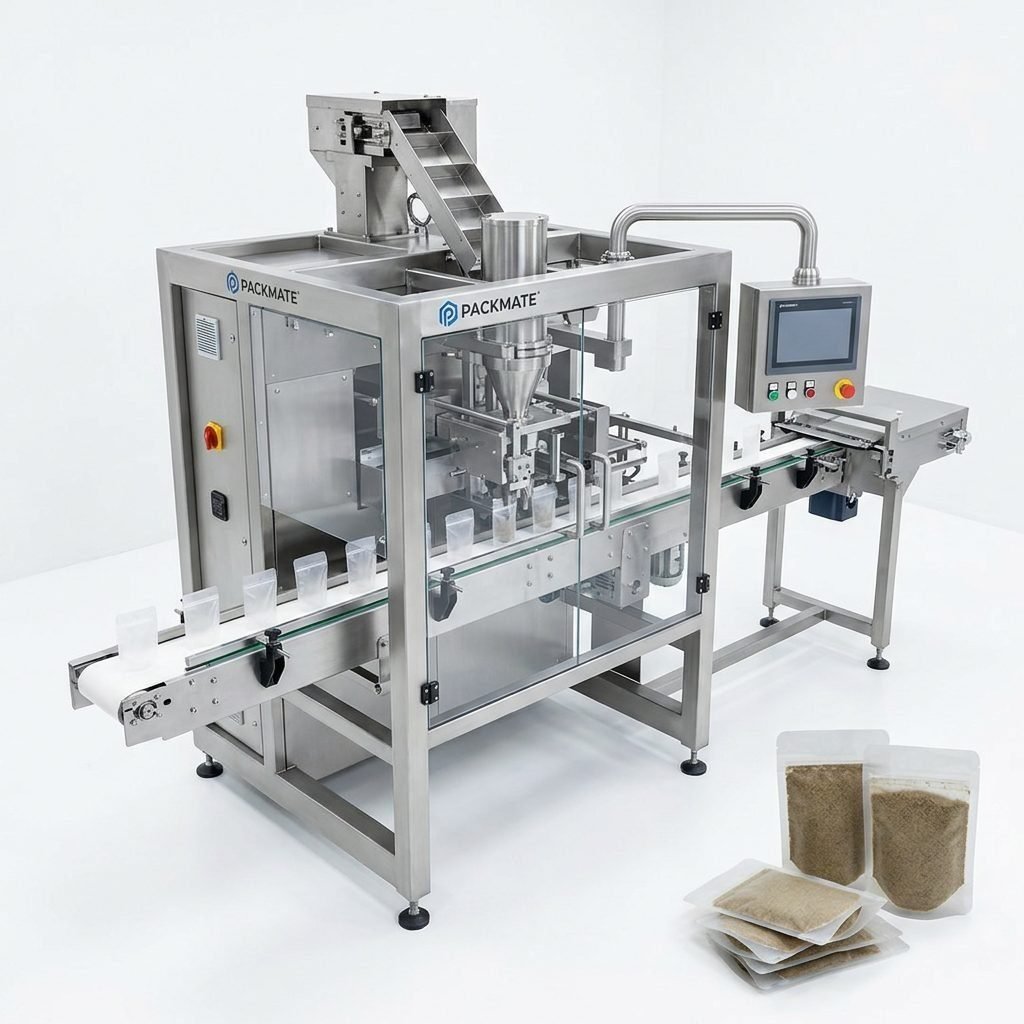
✔️ Sachet & pouch machines: best for flat/rectangular nicotine pouches and single-dose sachets.
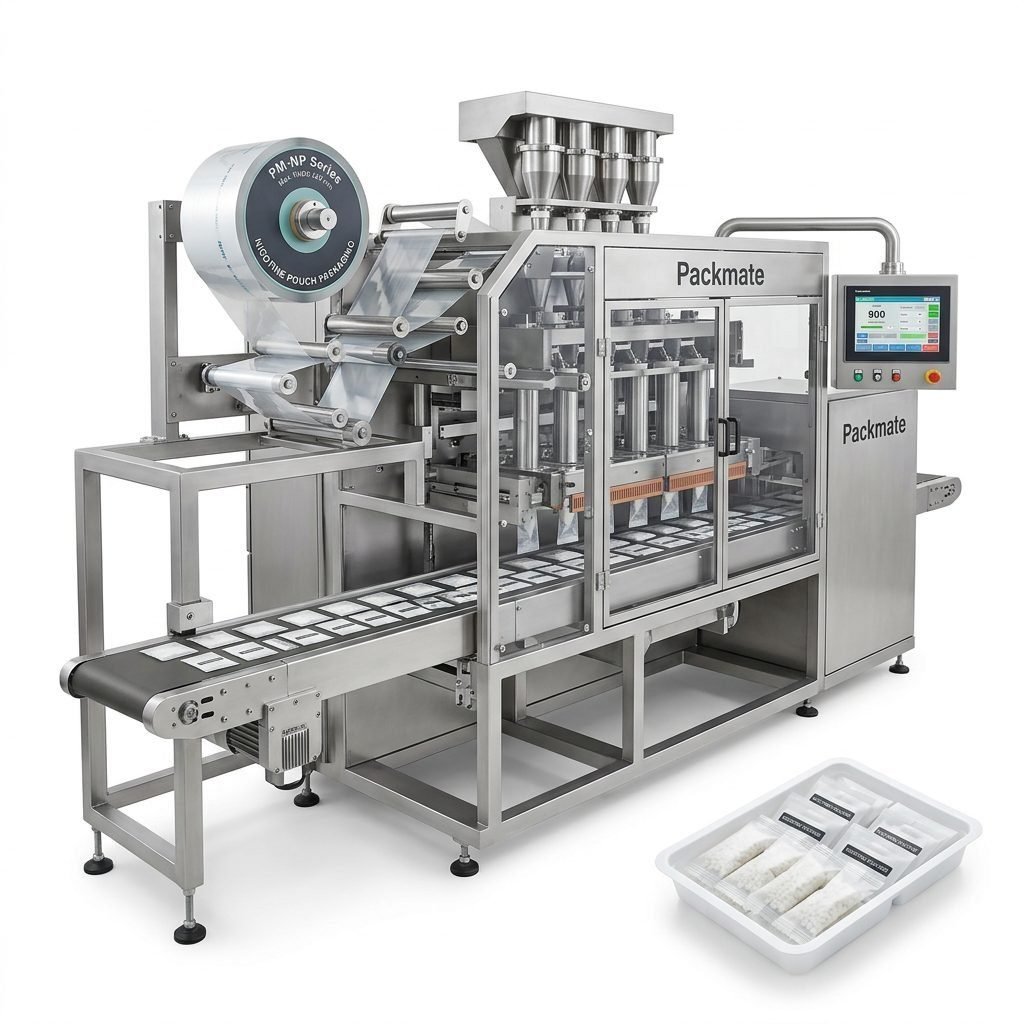
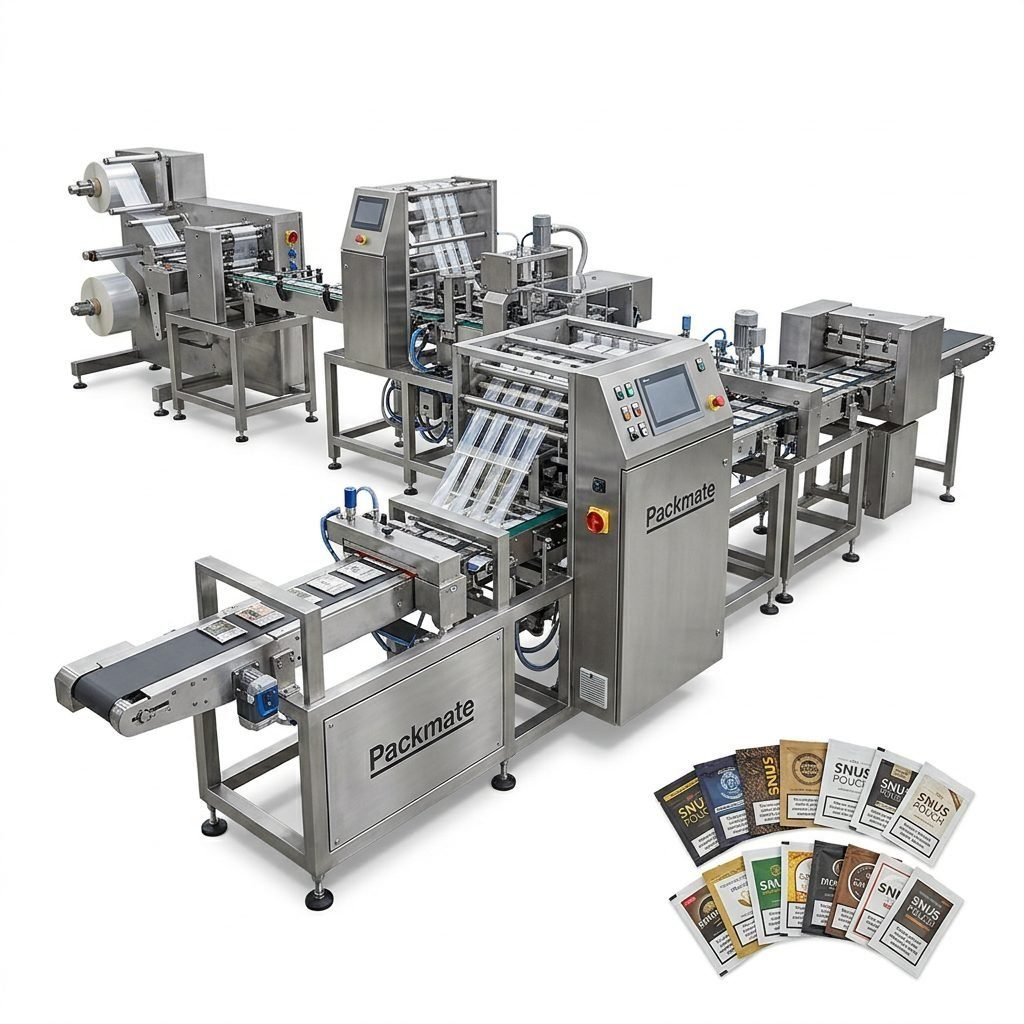
✔️ Multi-lane snus machines: designed for small-dose pouches with very high throughput per footprint.
Considerations for nicotine pouches (snus)
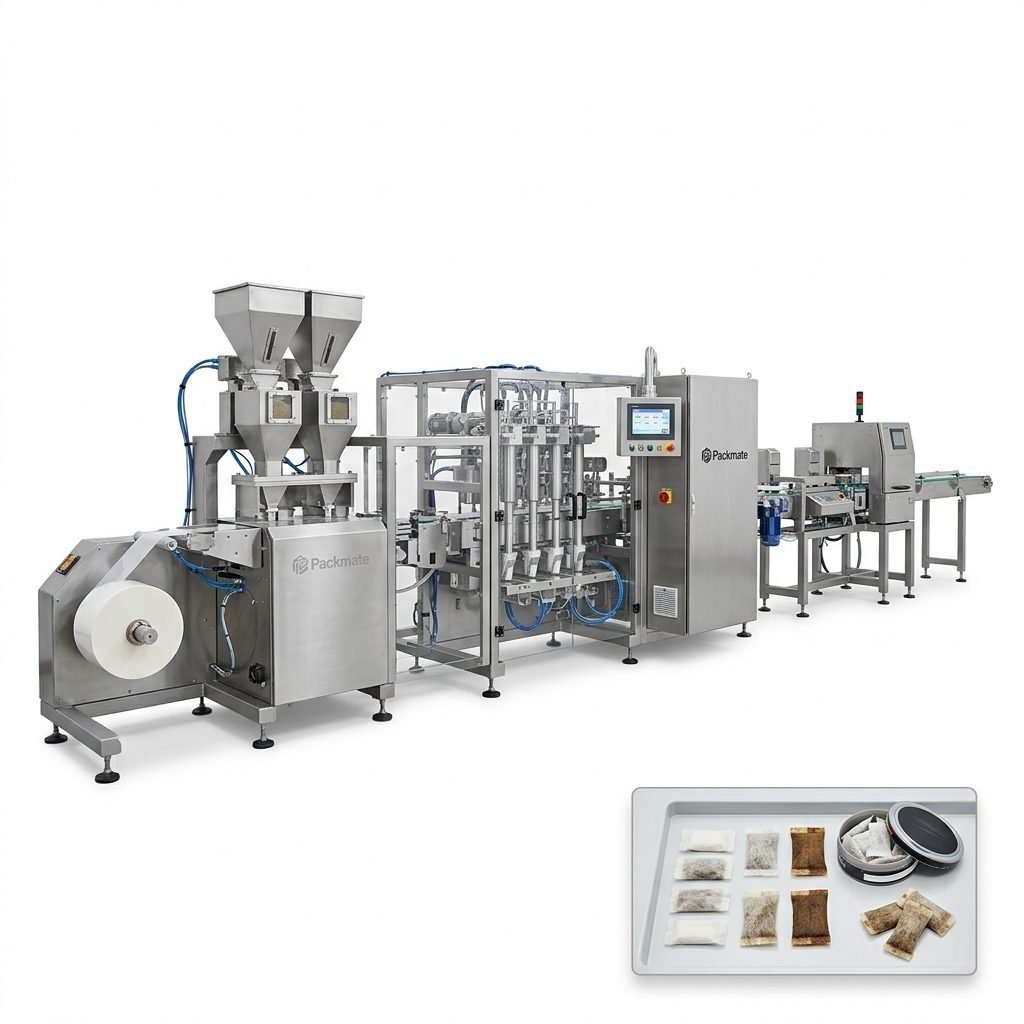
For snus and nicotine pouches, choose machines offering precise micro-dosing, minimal product degradation, and gentle handling to preserve the pouch integrity. Look for machines with specialized pouch forming, ultrasonic sealing options, and optional desiccant insertion if required.
Prioritize Accuracy, Speed & Scalability
Production targets determine the class of machine you need. Small batch startups can opt for single- or dual-lane machines; established manufacturers typically invest in multi-lane, continuous systems to reach higher throughputs with lower per-unit costs.
Focus on:
✔️ Accuracy — dosing systems with repeatability within tight tolerances to control nicotine content.
✔️ Speed — consider cycles per minute and overall capacity; faster machines should still preserve pouch quality.
✔️ Scalability — choose modular systems that can be upgraded from single-lane to multi-lane or integrated into automated lines.
Machine Reliability, Service & Certifications
Reliable equipment reduces downtime and production losses. Verify manufacturer experience, factory capabilities, and quality control. Packmate Snus Machine, for example, brings decades of engineering experience and a large manufacturing facility with CNC machining and precision assembly.
Ask for equipment certifications (CE, ISO), test reports, and references. A vendor that can demonstrate compliance with international standards and provide documentation is preferable for international supply chains.
Supplier checklist:
⚙️ Proven production facility and advanced machining (e.g., CNC).
⚙️ Clear certifications such as CE/ISO.
⚙️ After-sales support, spare parts availability, and training.
⚙️ Global installation and commissioning experience.
Why factory capability matters
Factories with comprehensive machining, quality testing and assembly lines can deliver consistent machine tolerances and faster lead times. Vendors with turnkey solutions can integrate filling, weighing, sealing and cartoning for smoother commissioning.
Automation & Line Integration
For efficiency, choose machines that integrate easily with upstream and downstream equipment: feeders, vibratory dosing, weighing systems, metal detectors, checkweighers, and cartoners. Integrated control systems and standardized protocols (e.g., Ethernet/IP) reduce integration time.
Investing in automation reduces labor needs and improves traceability, but balance complexity with local operator skill levels and maintenance capability.
Consider auxiliary equipment
Explore options such as precision weighing & multi-head systems, conveyors with gentle handling, and auxiliary filling machines. See product ranges like Weighing & Packaging Systems and Auxiliary Packaging Equipment for matching components.
Useful links:
Weighing & Packaging Systems,
Auxiliary Packaging Equipment.
Material Compatibility & Packaging Materials
Your chosen materials (laminated films, paper-based pouches, foils) determine sealing requirements and machine design. Ensure the machine supports the substrates and sealing technologies you plan to use, including heat-seal, ultrasonic or induction sealing.
If you plan to adopt biodegradable or specialty films, consult suppliers about temperature profiles and sealing parameters to avoid frequent maintenance or seal failures.
Total Cost of Ownership & ROI
Calculate not only the purchase price but also installation, training, spare parts, consumables, energy consumption, expected uptime, and depreciation. A slightly higher initial investment in a robust, efficient machine often delivers a better ROI through reduced waste and lower labor costs.
TCO tips:
✔️ Ask for energy consumption data and spare parts list.
✔️ Compare warranty lengths and what they cover.
✔️ Evaluate typical OEE (Overall Equipment Effectiveness) for installed machines.
After-Sales Support, Spare Parts & Local Service
After-sales support is critical. Confirm lead times for spare parts, whether the supplier provides remote diagnostics, and if they offer on-site commissioning and staff training. Vendors with established global service networks or clear export and installation experience will reduce project risk.
Packmate Snus Machine emphasizes global turnkey solutions and international exhibition presence—useful indicators of broad support capability. Learn more on their About page and Case studies if you want real-world examples.
Helpful links:
About Packmate,
Case,
Contact Us.
Installation, Training & Validation
Proper installation and operator training will determine your time-to-first-production and long-term performance. Insist on factory acceptance tests (FAT) and site acceptance tests (SAT), documented validation, and operation manuals.
Check if the supplier offers training for maintenance technicians and operators, and whether they provide consumable kits for startup to minimize initial stoppages.
Local Considerations in Burkina Faso
Consider local utilities, available floor space, and workforce skills when planning your line. Power stability, spare parts customs delays, and local climate can affect machine performance and maintenance cycles.
It’s prudent to plan for a small local stock of critical spare parts and ensure training documentation supports local languages and technical levels.
Choosing a Trusted Supplier
Evaluate suppliers on technical fit, manufacturing capability, references, and long-term relationship potential. Visit factory tours when possible or request virtual walkthroughs and video demos. Consider suppliers that provide customizable solutions and have experience in snus/nicotine pouch packaging.
For product selection, explore categories such as Snus & Nicotine Packaging Machines and Sachet & Stick Pack Machines to match your production goals.
Reference links:
Snus & Nicotine Packaging Machines,
Sachet & Stick Pack Machines.
Deployment Roadmap & Practical Checklist
Implement a phased approach:
1) Define product SKUs, packaging types and regulatory requirements.
2) Establish target output (units per hour/day) and budget.
3) Shortlist suppliers and request technical proposals, FAT videos, and references.
4) Validate sealing and dosing performance on your actual materials and product.
5) Plan installation, staff training and spare parts inventory for the first 12 months.
Final selection tips:
❗ Validate machines on real product samples rather than just specs.
❗ Prefer modular, upgradeable systems to protect future growth.
❗ Confirm spare part lists, lead times and warranty scope before purchase.
Summary
Choosing the right nicotine packaging machine in Burkina Faso requires balancing regulatory needs, product format, throughput goals, material compatibility, and supplier reliability. Prioritize machines that deliver accurate dosing, consistent sealing, and easy integration with auxiliary systems while ensuring strong after-sales support and spare parts availability. Use factory demonstrations and case studies to validate performance and protect your investment through modular, scalable solutions.
Frequently Asked Questions (FAQs)
Q1: What machine type is best for small-batch nicotine pouches?
A1: For small batches, single- or dual-lane pouch machines or sachet machines with manual/semiautomatic feeding are cost-effective, while still providing accurate dosing and good seal quality.
Q2: How important are CE/ISO certifications when importing machines to Burkina Faso?
A2: Certifications such as CE and ISO demonstrate compliance with international safety and quality standards, which helps with customs clearance, insurance, and buyer confidence. They are highly recommended.
Q3: How do I ensure accurate nicotine dosing on high-speed lines?
A3: Use precision dosing systems (e.g., multi-head weighers, vibratory feeders calibrated for small volumes), frequent in-line checks, and integrate checkweighers or in-line analytical sampling to monitor consistency.
Q4: Can machines be upgraded from single-lane to multi-lane?
A4: Many manufacturers offer modular systems that allow lane expansion or the addition of auxiliary modules. Confirm upgrade paths and mechanical/electrical compatibility before purchase.
Q5: Where can I find proven suppliers and case studies for snus packaging machines?
A5: Review manufacturer pages and case sections to see real installations and references. For example, explore product ranges and cases from reputable suppliers to compare offerings and past project experience.