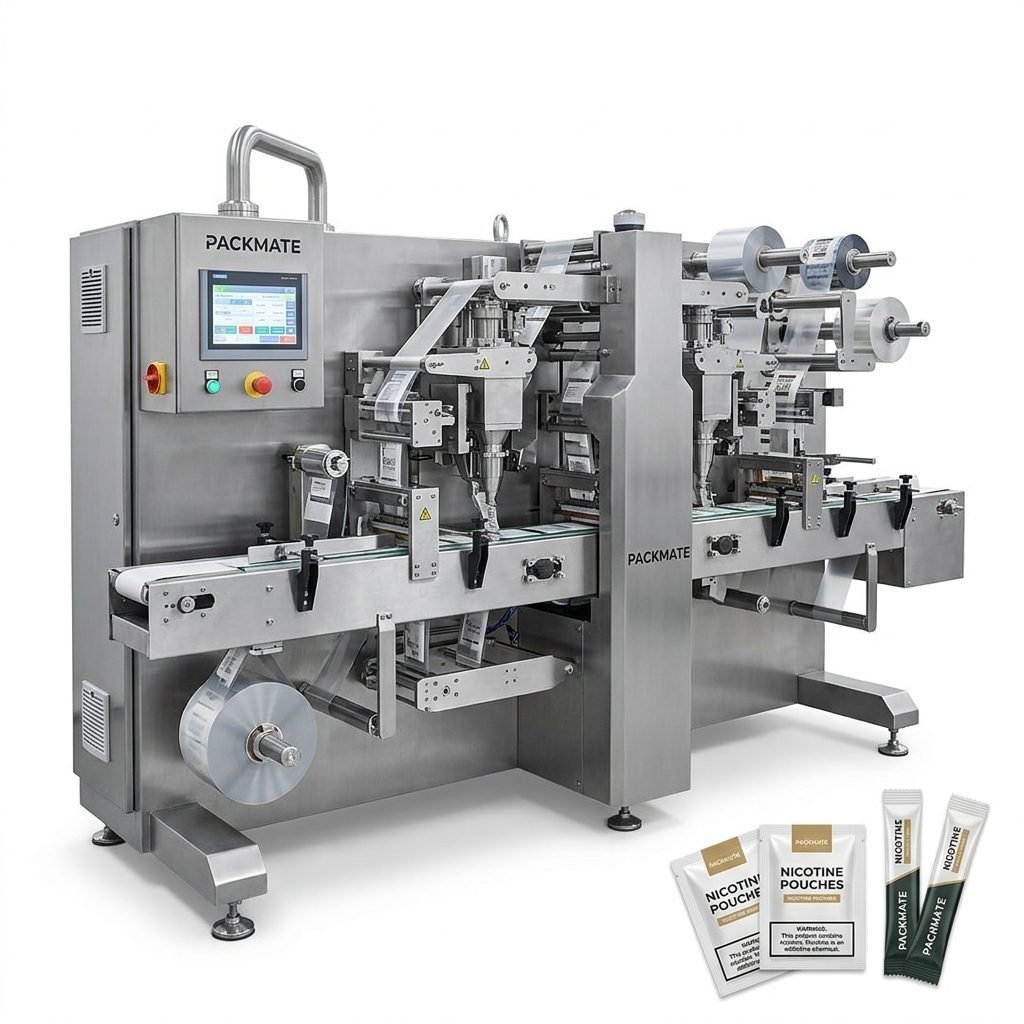
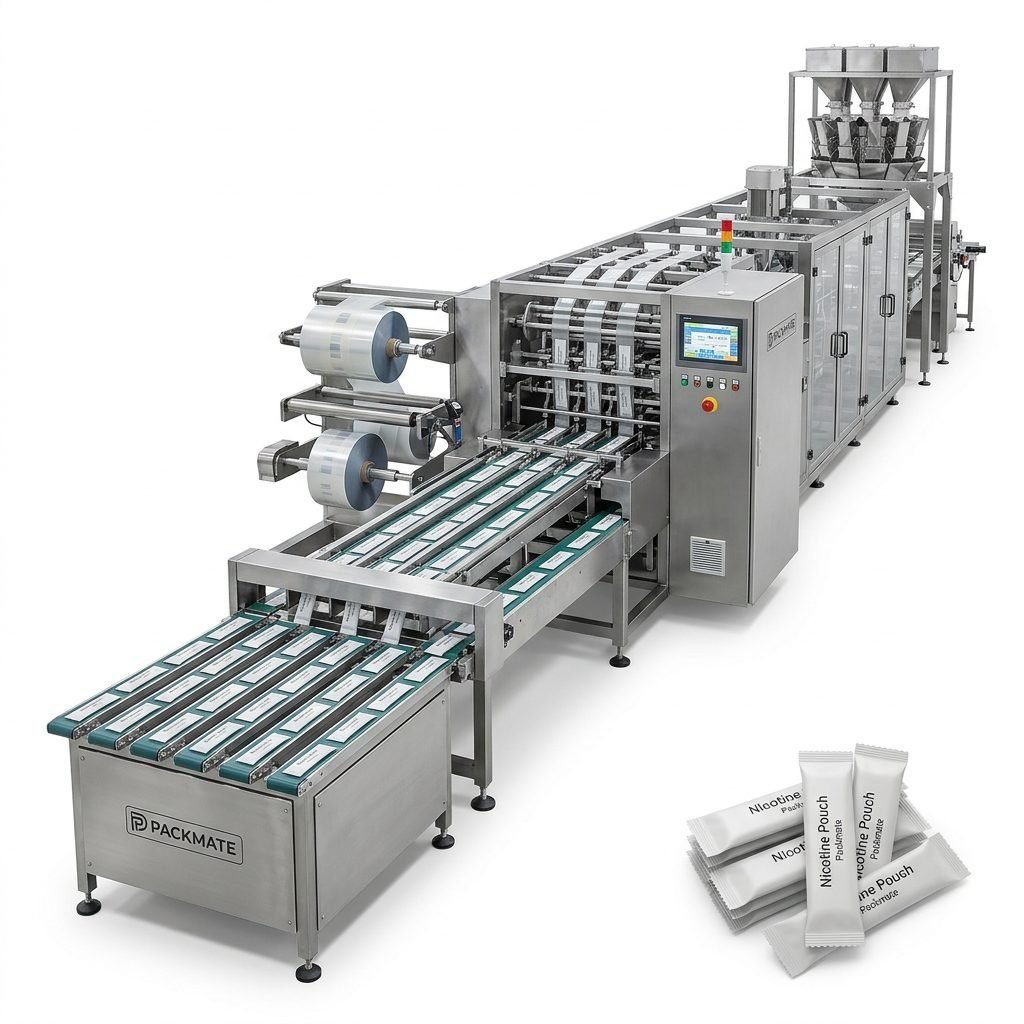
The modern snus and nicotine pouch market demands packaging that is fast, precise, and hygienic. Choosing the right snus packaging equipment is not just about speed — it is about scalability, operator safety, regulatory compliance, and long-term reliability. This guide walks you through practical selection criteria, machine types, production-line design tips, and how to evaluate suppliers so your factory can deliver consistent quality while controlling costs.
Why machine choice matters: performance, hygiene, and ROI
🔧 Key point: Packaging machines shape your product’s market competitiveness. A well-selected machine reduces waste, minimizes downtime, and protects product hygiene — all of which directly impact your return on investment. Consider throughput, filling accuracy, material compatibility, and cleaning protocols when comparing machines.
Typical performance metrics to evaluate
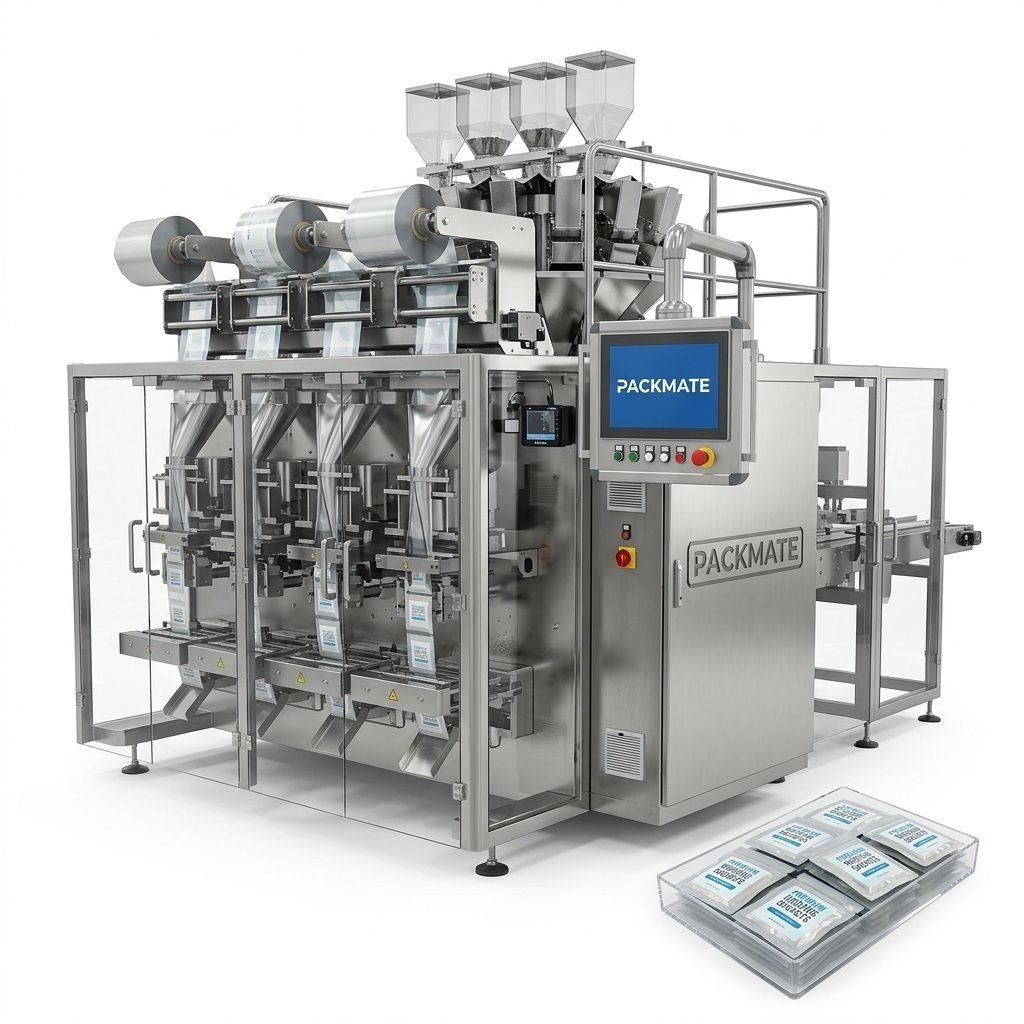
Production speed (pouches per minute), dosing accuracy (important for nicotine content control), changeover time between formats, overall equipment effectiveness (OEE), and the machine’s capability to integrate with upstream weighing and downstream cartoning are core metrics. Machines designed for multi-lane snus packing can dramatically raise throughput while keeping footprint smaller — but they require precise synchronization and high-quality components.
Common snus packaging machine types and when to use them
Understanding machine categories helps match equipment to your product format and production goals. Below are the most common types used in the industry:
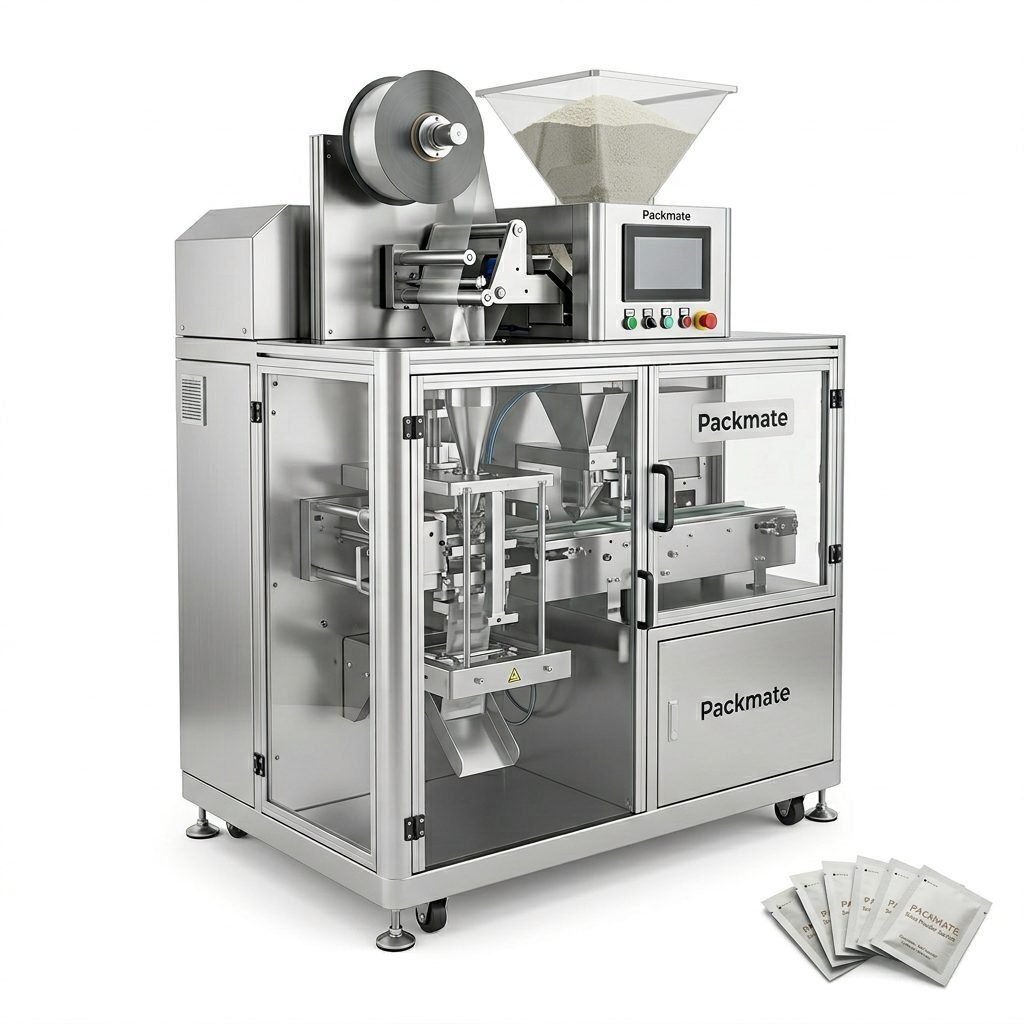
Stick pack and sachet machines
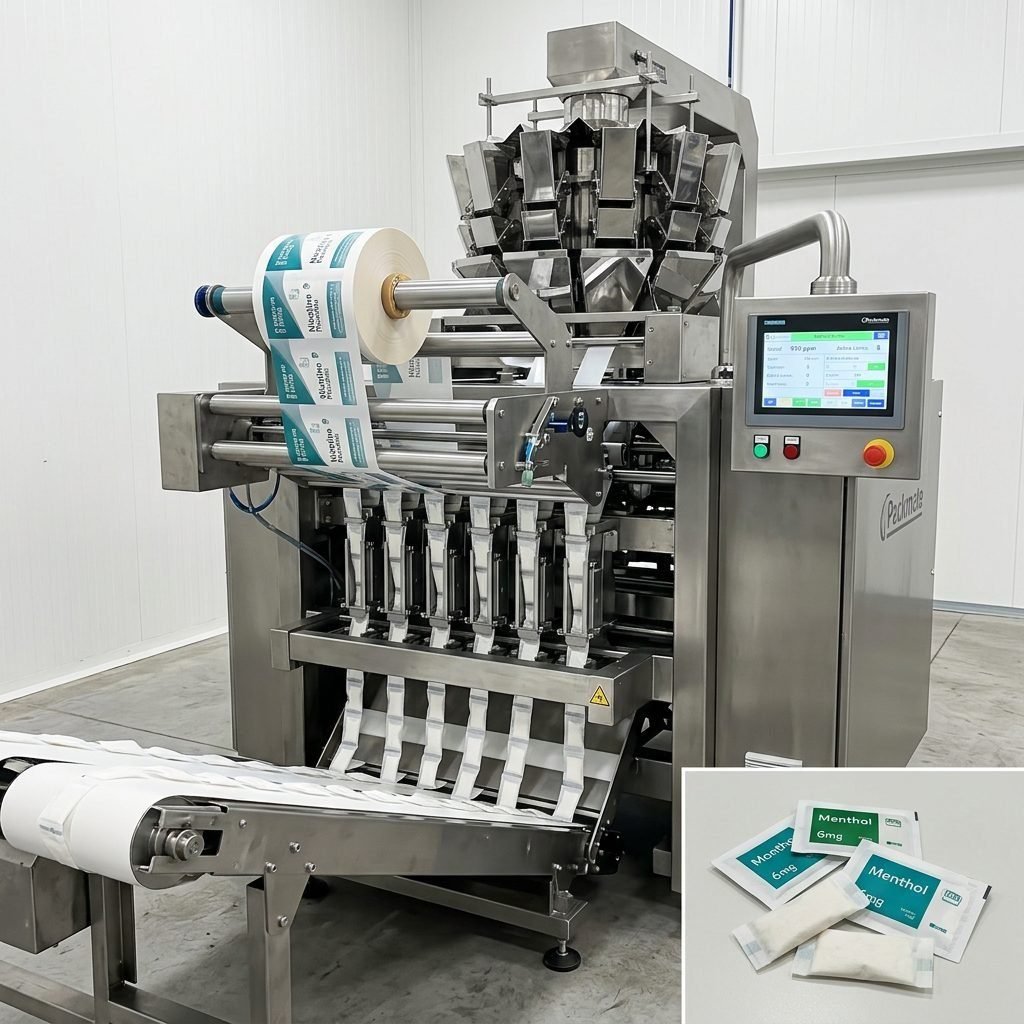
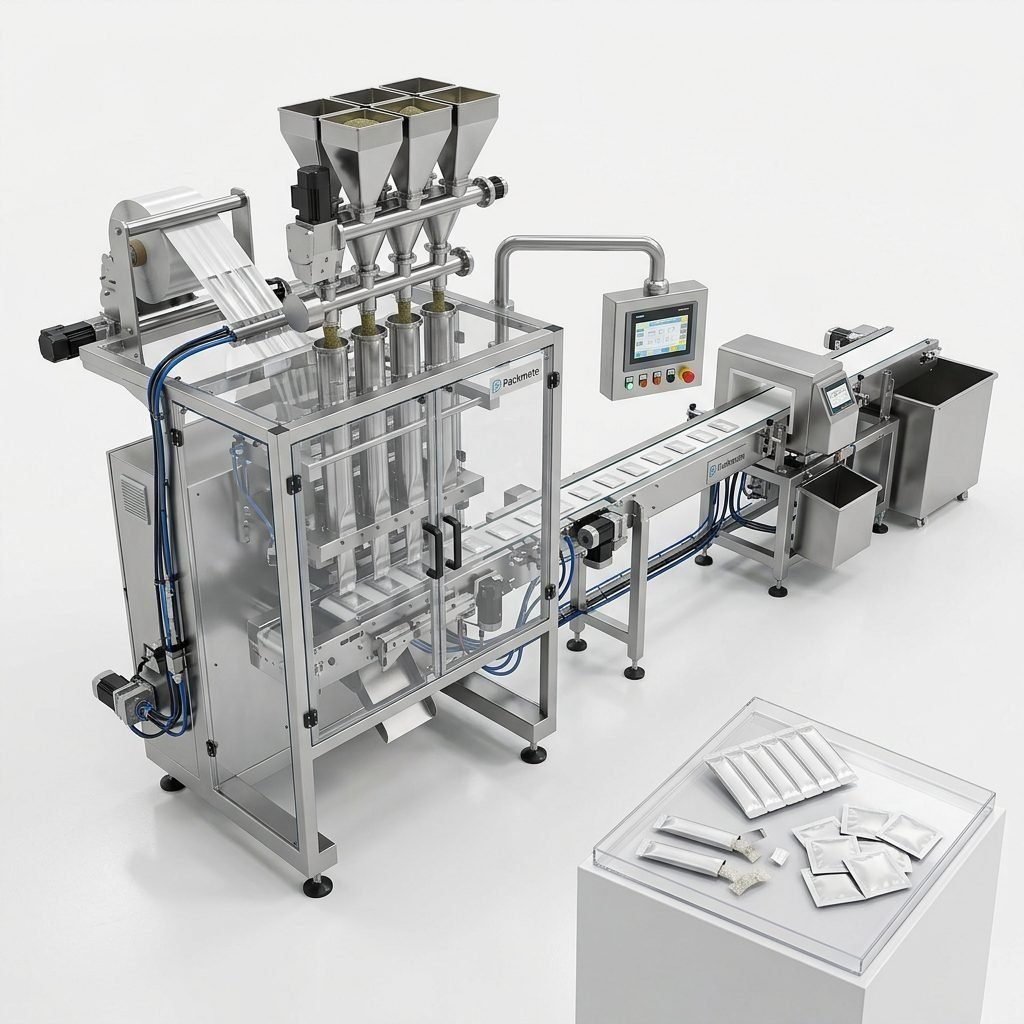
Stick pack and sachet machines are efficient for single-dose formats. They offer precise sealing and are favorable when compact retail presentation or single-use dosing is required. If your product requires powder or small granule filling with hermetic seals, these machines are a primary option. See related machine families: Sachet & Stick Pack Machines.
Multi-lane pouch systems for snus and nicotine pouches
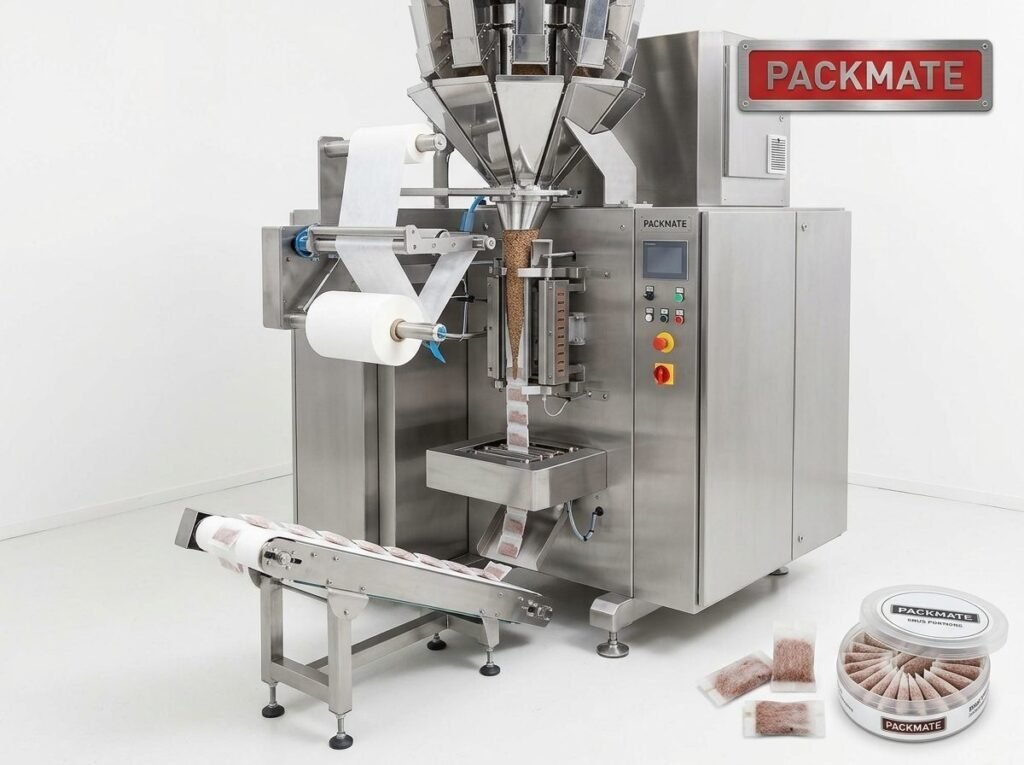
✔️ Advantage: Multi-lane systems multiply capacity without proportionally increasing floor space. They are ideal for manufacturers scaling up production of small-dose pouches. The complexity is higher, but modern control systems keep lane-to-lane accuracy within strict tolerances. Explore options under Snus & Nicotine Packaging Machines.
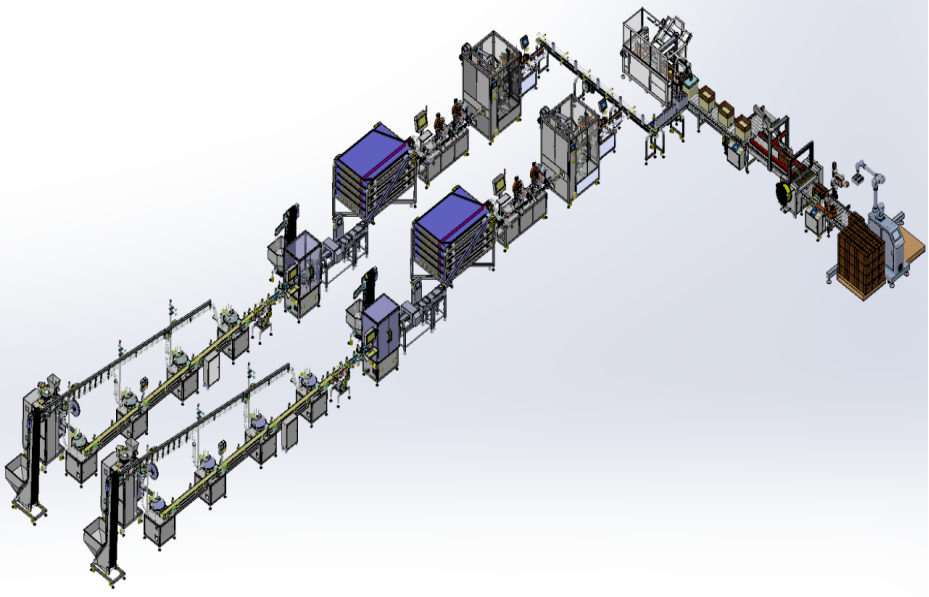
Integrated filling and packaging lines
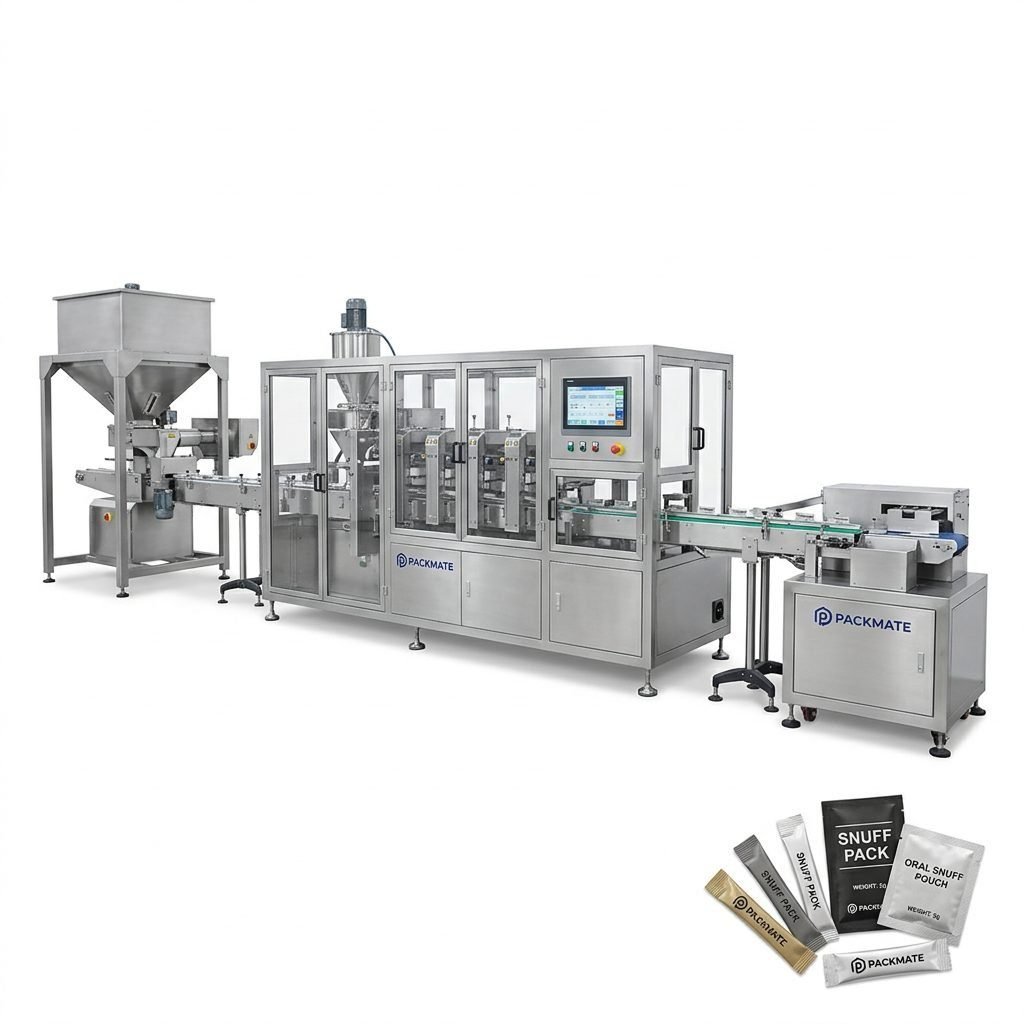
For turnkey production, integrated lines that combine weighing, dosing, filling, sealing, and cartoning provide the best automation and traceability. If you are building a new plant or upgrading capacity, consider a system that includes precise weighing systems and feedback loops to maintain dosing accuracy. Check related solutions: Weighing & Packaging Systems and Filling & Packaging Lines.
Hygiene and regulatory considerations
Snus and nicotine pouches are consumable products; therefore hygienic design is critical. Look for machines with stainless-steel contact parts, sanitary fast-change components, and CIP-compatible modules where applicable. Machines with enclosed filling areas and HEPA-filtered air supply reduce contamination risk and simplify GMP compliance.
⚠️ Compliance tip: Validate sealing integrity and aerosol containment if your process involves powders or nicotine blends. Documentation such as CE and ISO certificates ensures that the supplier follows recognized quality frameworks.
Materials and format flexibility
Packaging material — laminate films, paper-based pouches, or barrier foils — determines seal temperatures, cutting station requirements, and film handling features. Machines that can be quickly adapted to different film widths or pouch sizes reduce downtime for seasonal SKUs and custom orders. Evaluate the ease of format change (tool-less where possible) and available format kits for your desired pouch dimensions.
Supplier evaluation: engineering and after-sales support
A machine is only as good as the support behind it. Choose suppliers with strong manufacturing capabilities (advanced CNC, precision assembly), long-term experience in snus packaging, and documented global deployments. Packmate Snus Machine, for example, emphasizes 30+ years of engineering and a dedicated 20,000㎡ facility that produces specialized snus solutions.
When evaluating vendors, request references and case studies showing continuous operation in similar production environments. Look for suppliers that offer spare parts kits, remote diagnostics, and training to speed ramp-up. For more background, you can learn about the company profile and its mission: About Packmate and browse customer cases at Case.
Lifecycle costs and total cost of ownership (TCO)
Initial price is just one component of TCO. Factor maintenance intervals, spare parts availability, energy consumption, and average lifetime when comparing machines. High-quality components and precision machining reduce unscheduled downtime and extend service intervals, delivering lower costs over a 5–10 year horizon.
📈 Practical advice: Request sample production runs at the supplier’s test center and measure scrap rate, cycle stability, and changeover time. This empirical data helps calculate realistic TCO projections.
Automation, controls, and Industry 4.0 readiness
Modern PLC and HMI systems, remote access for diagnostics, and support for MES connectivity increase uptime and enable predictive maintenance. Machines that provide data logging for batch records and traceability are valuable for regulatory audits. Consider suppliers that offer modular software upgrades to extend the life of your control systems.
Integration with auxiliary equipment
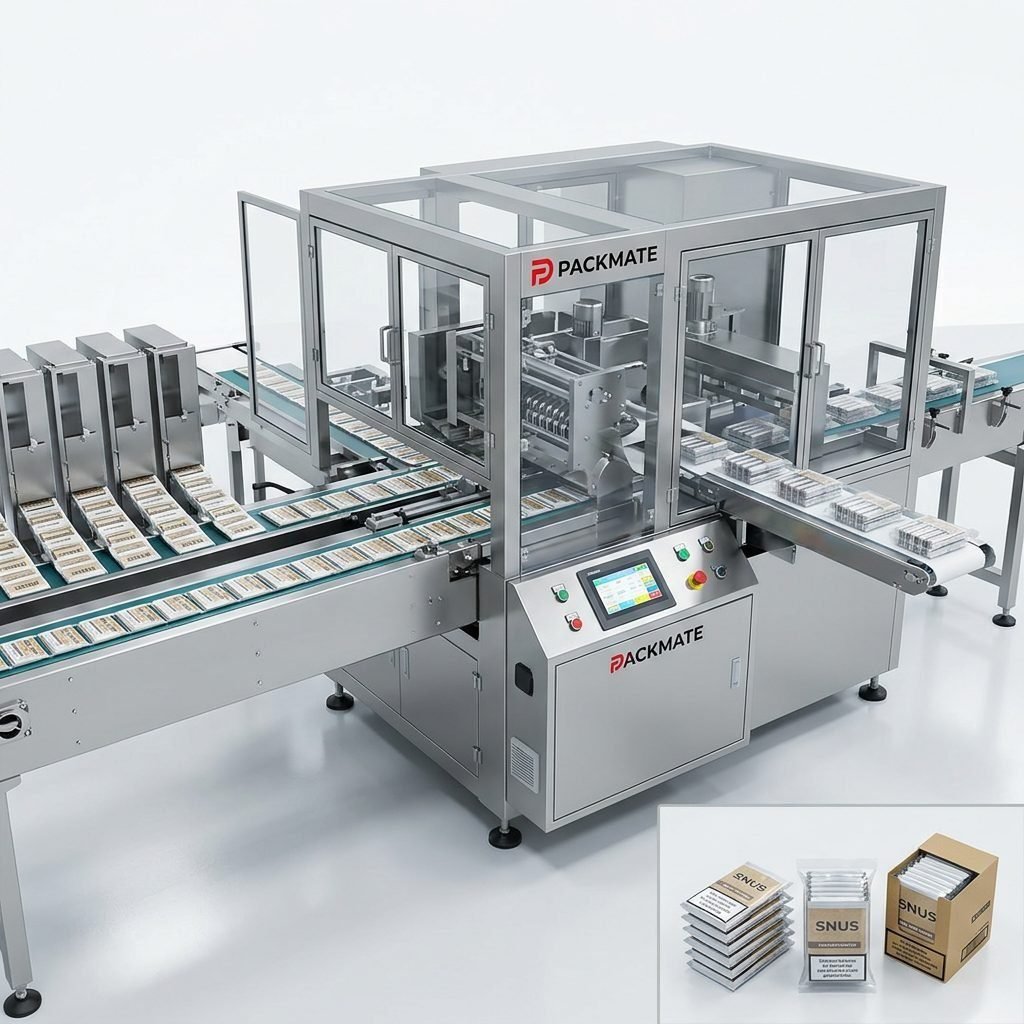
Successful packaging lines integrate conveyors, metal detectors, checkweighers, and cartoning. Confirm how the primary packaging machine interfaces with auxiliary equipment and whether the supplier can deliver a complete line. See related equipment categories: Auxiliary Packaging Equipment.
Installation, commissioning, and operator training
Plan for installation time, FAT/SAT procedures, and operator plus maintenance training. Experienced suppliers will provide on-site commissioning and an initial parts pack. A short knowledge transfer period significantly reduces the learning curve and improves the OEE in the first production months.
📌 Pro tip: Negotiate a service contract that includes a response time SLA for critical parts and remote troubleshooting.
Selecting the right partner for long-term growth
A reliable partner helps you evolve product ranges and meet new regulations. Look for manufacturers with demonstrable R&D, machine customization capabilities, and global exhibition presence so you can see working lines and request live demos. For contact and service details, consult the supplier’s service page: Service and Contact Us.
Local market and cultural considerations (when relevant)
When expanding into specific regions, understand local packaging preferences and regulatory norms. For example, northern European markets may prefer discreet, recyclable pouches and stringent labeling, while customers in other regions may prioritize cost and convenience. Adapt your machine configuration (e.g., printing modules, labeling, pack counts) accordingly.
Checklist: Final questions before purchase
Use this quick checklist to structure supplier discussions:
• What is guaranteed throughput at target fill accuracy?
• What are changeover times and format kit availability?
• What hygiene features and certificates are provided?
• What does the spare parts lead time and service network look like?
• Can the supplier provide sample runs and references in the snus sector?
Conclusion
Selecting the right snus packaging equipment requires balancing throughput, hygiene, format flexibility, and lifecycle costs. Prioritize suppliers with industry experience, solid manufacturing capabilities, and comprehensive after-sales support. By testing sample runs, verifying certificates, and assessing TCO, you’ll select a solution that supports fast, accurate, and hygienic production while enabling future growth.
Frequently Asked Questions
Q1: How do I choose between stick pack machines and multi-lane pouch systems?
A1: Choose stick pack or sachet machines for single-dose, low- to mid-volume runs with simple form factors. Choose multi-lane pouch systems when scaling high-volume production and when floor space efficiency and high throughput are priorities.
Q2: What are the must-have hygiene features for snus packaging equipment?
A2: Stainless-steel contact parts, enclosed filling modules, sanitary seals, easy-to-clean surfaces, and compatibility with validated cleaning procedures. Certificates like CE and ISO indicate adherence to recognized standards.
Q3: How important is supplier service and spare parts availability?
A3: Extremely important — fast access to parts and remote diagnostics reduce downtime and protect production continuity. Negotiate service contracts and response SLAs before purchase.
Q4: Can I get a turnkey solution including weighing and cartoning?
A4: Yes. Many suppliers deliver turnkey lines integrating weighing, filling, packaging, and cartoning. Review turnkey offerings under Filling & Packaging Lines to evaluate complete solutions.
Q5: How can I verify machine performance before buying?
A5: Request a factory acceptance test (FAT), live demonstration, and sample production runs. Evaluate scrap rates, sealing integrity, and dosing accuracy during these tests to validate performance claims.