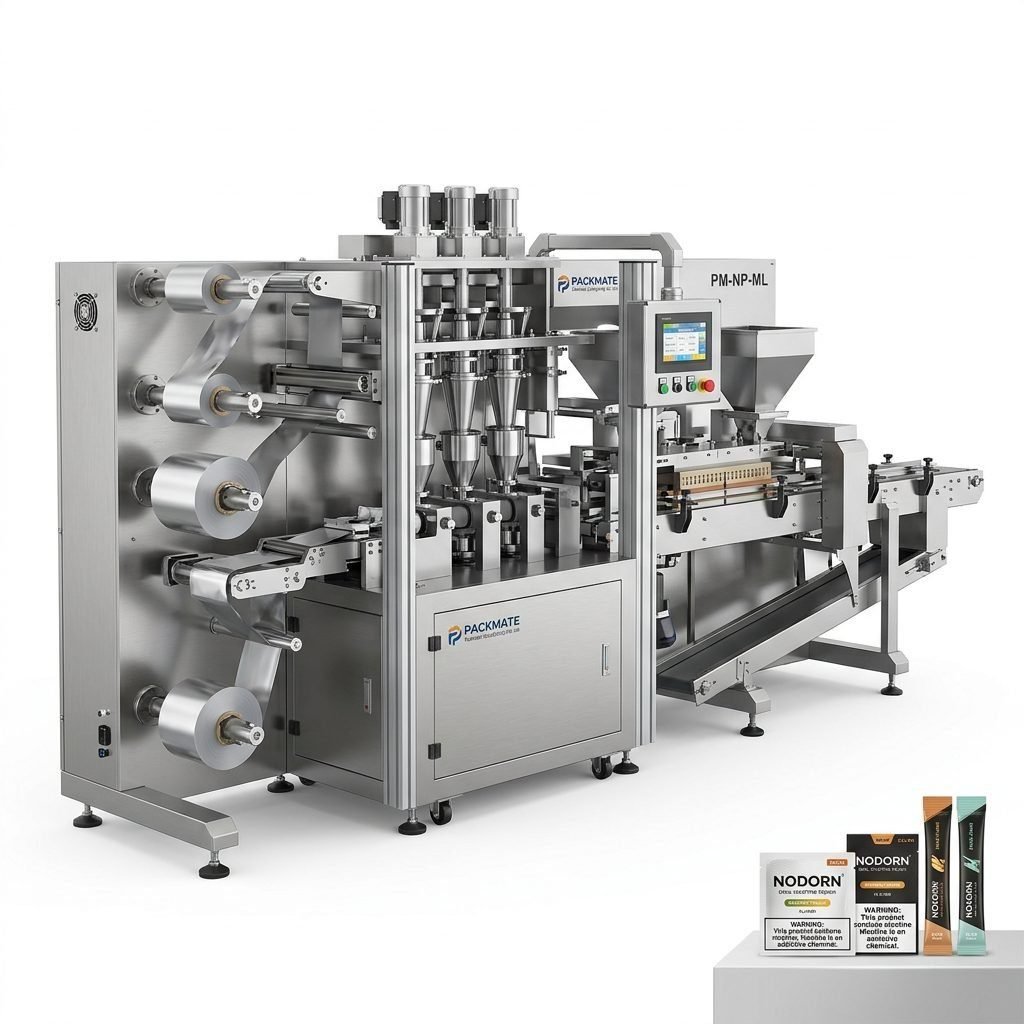
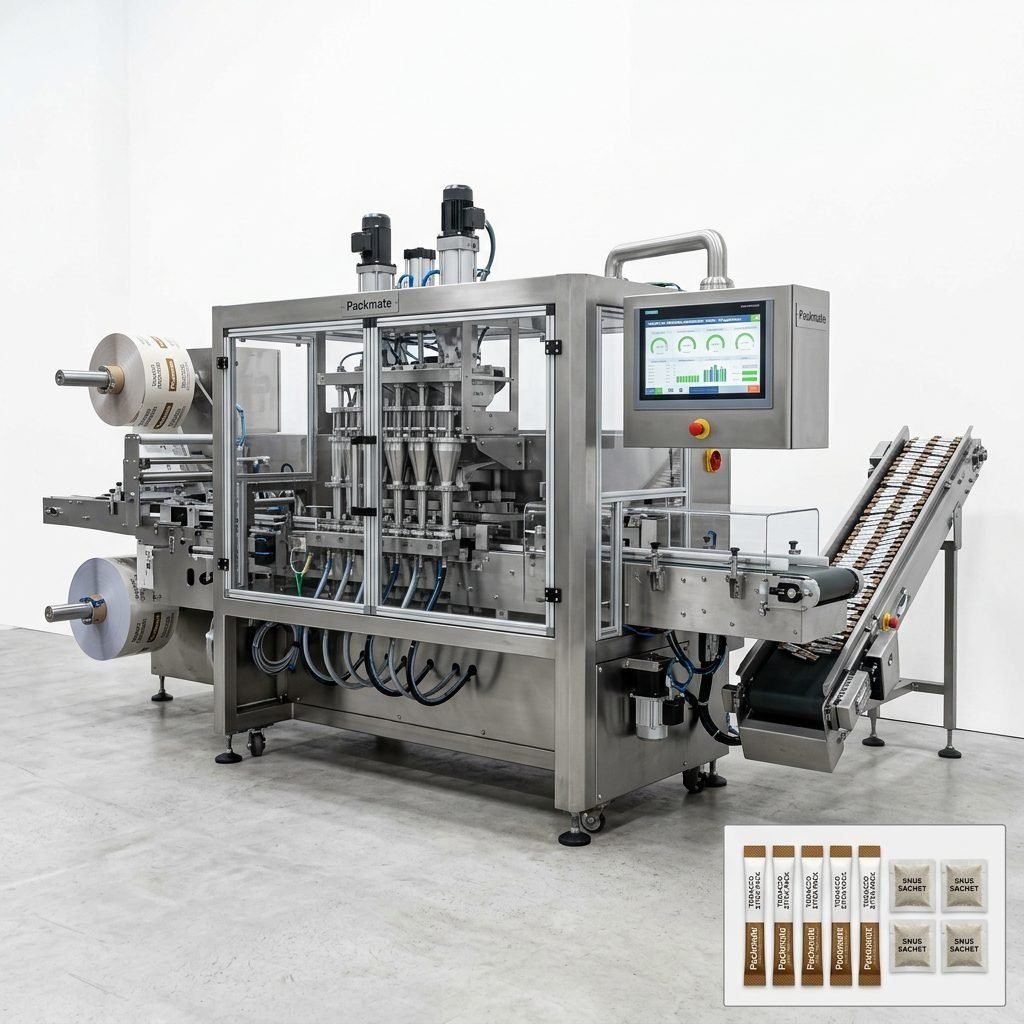
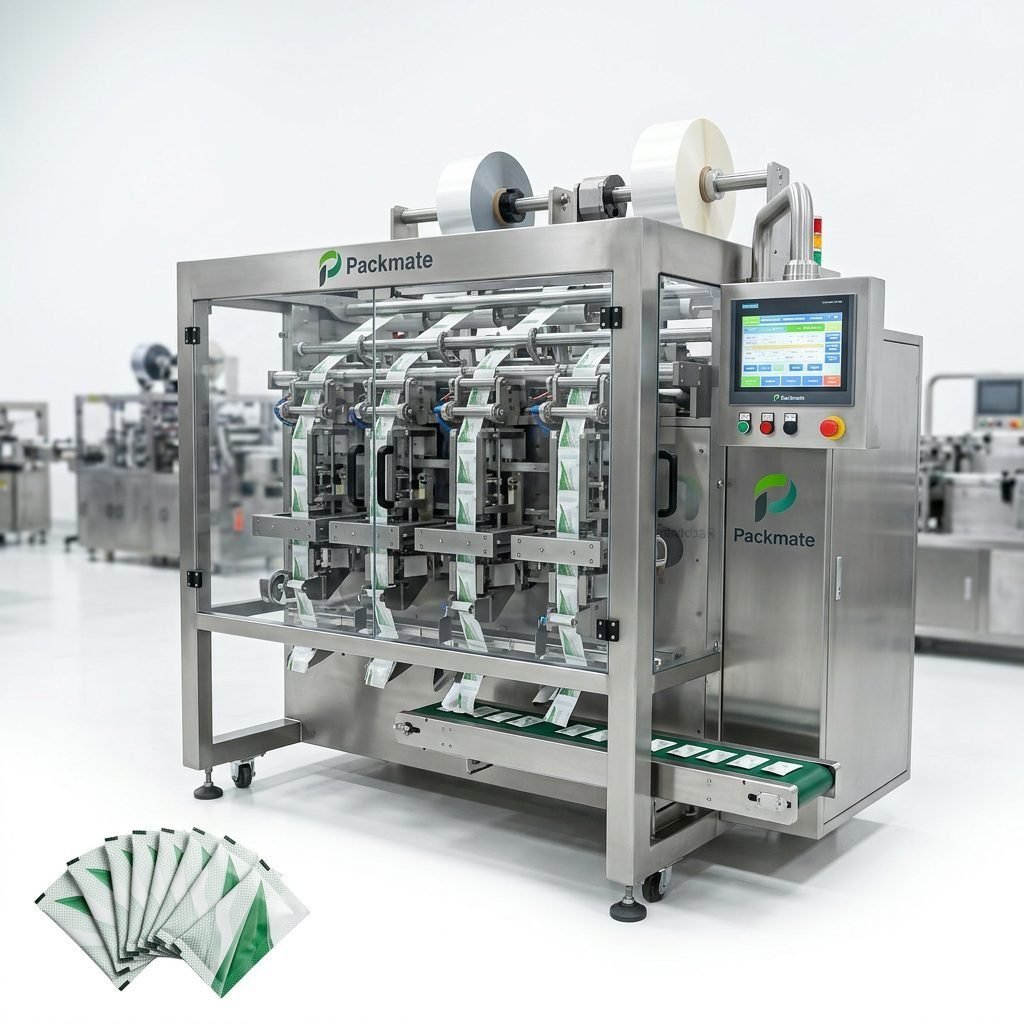
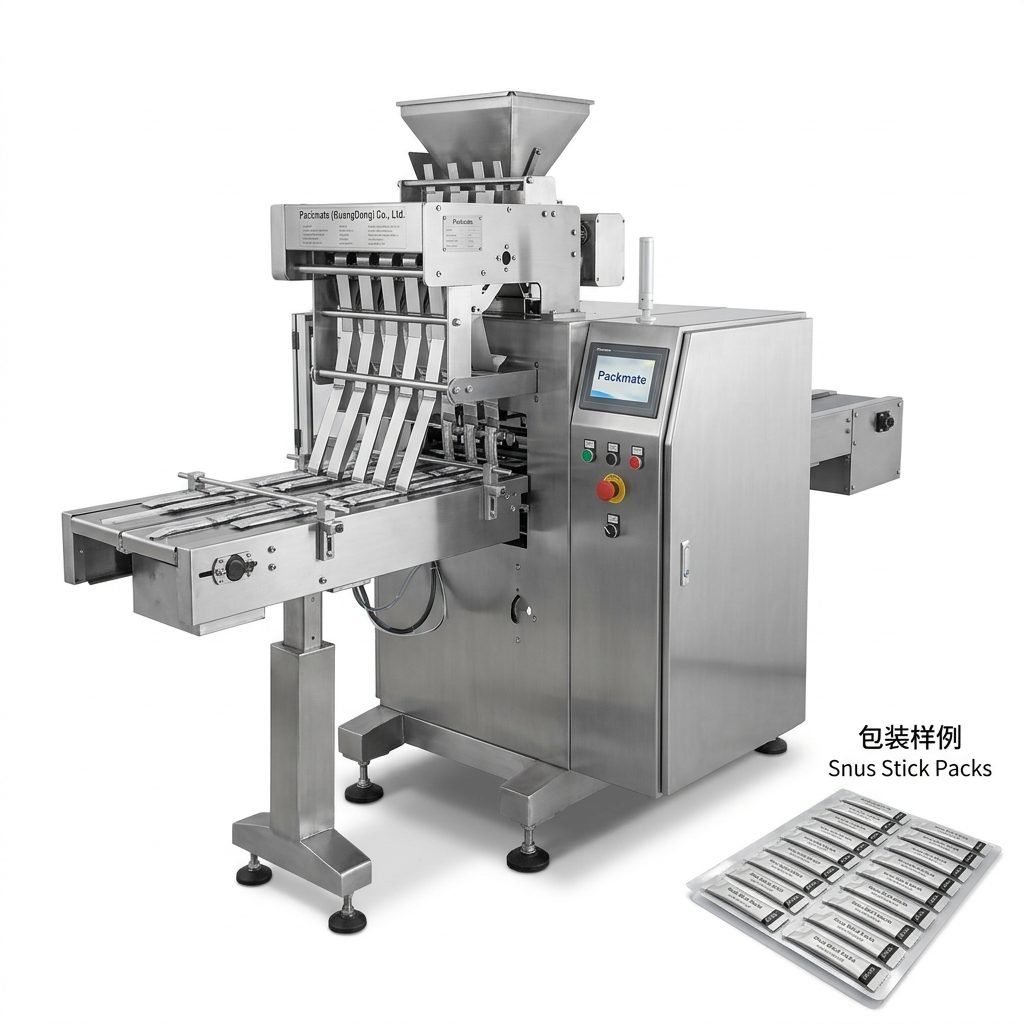
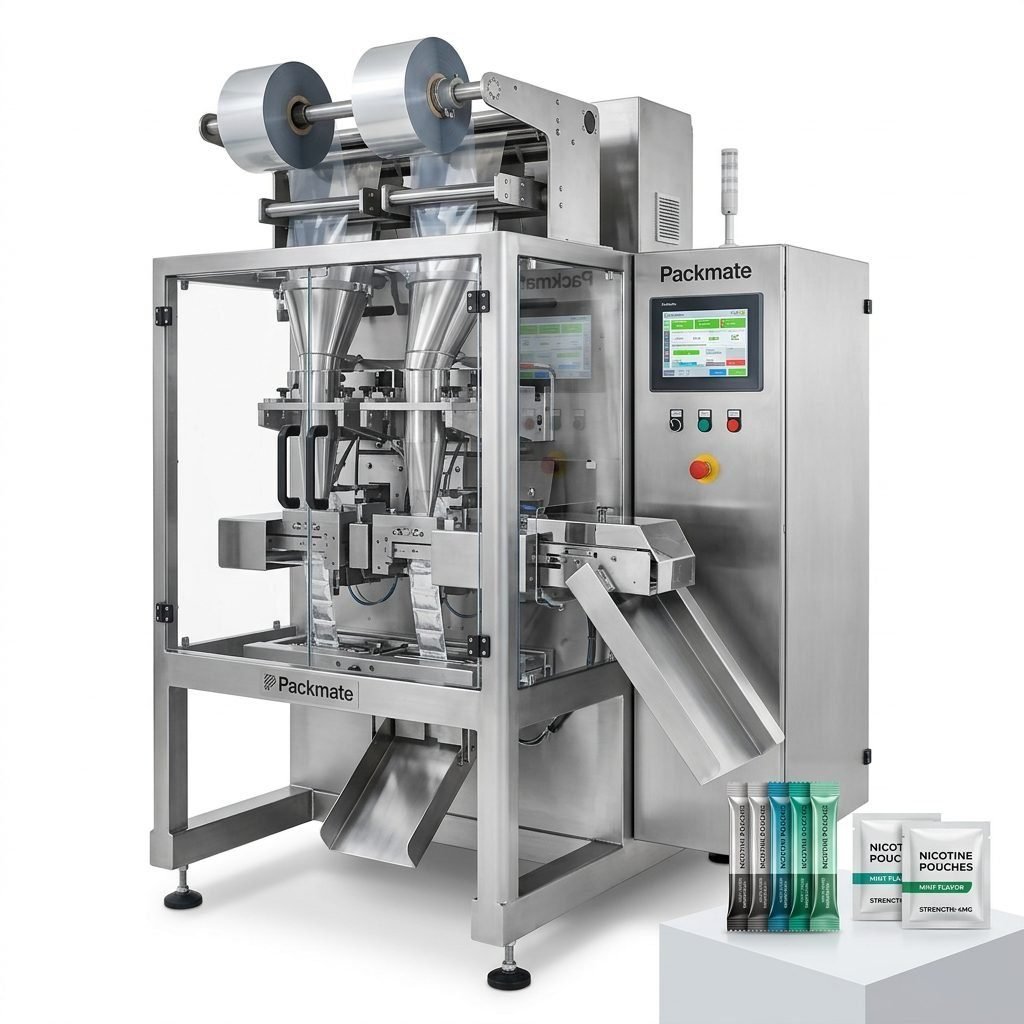
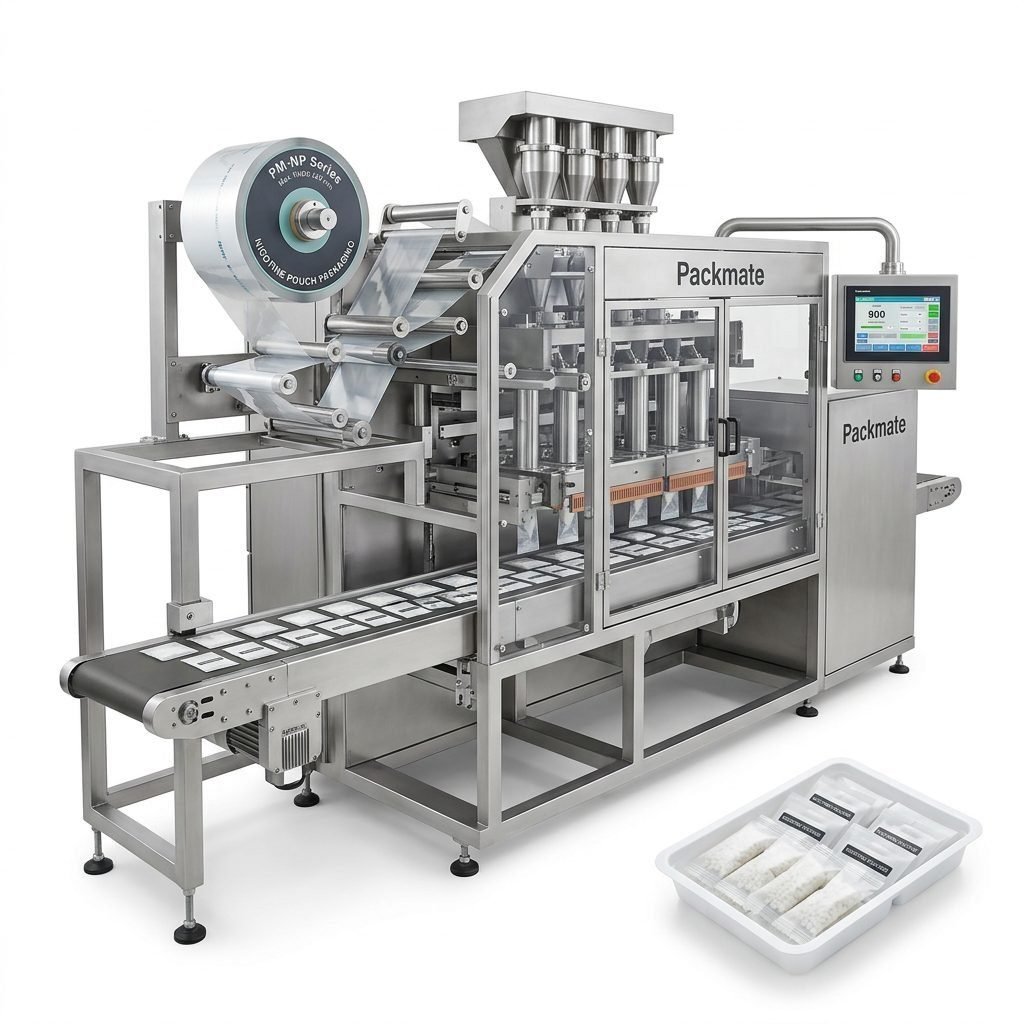
Finding a reliable snus packaging machine supplier in India requires more than price comparison. It involves understanding local market habits, regulations, machine technologies, supplier capabilities, after-sales support, and cost of ownership. This buyer’s guide walks you through everything you need to evaluate when sourcing snus and nicotine pouch packaging equipment in India, with practical checklists, negotiation tips, and key technical considerations to help you make a confident purchase.
Why India Matters for Snus & Nicotine Pouch Packaging
India is a large and diverse market with rapidly growing demand for convenient consumer formats. While traditional tobacco products are widely used, emerging nicotine pouch and oral nicotine alternatives are attracting interest among urban adults. When sourcing packaging equipment locally or from international suppliers for use in India, consider:
- 🔍 Regulatory environment — India’s tobacco and nicotine regulations vary by product and state; suppliers must ensure machines support compliant labeling and tamper-evident options.
- ✅ Packaging preferences — Indian consumers often favor compact, resealable formats for portability and freshness.
- 📦 Supply chain realities — Local warehousing, spare parts logistics, and technical support matter more in remote regions.
Quick Links for Product Reference
For reference, review product pages and company information when evaluating suppliers:
- • Snus & Nicotine Packaging Machines
- • Sachet & Stick Pack Machines
- • About Packmate — supplier background and capabilities
- • Contact & service — immediate communication channel
Step 1 — Define Your Production & Product Requirements
Before contacting suppliers, create a clear specification sheet. Suppliers will respond faster and more accurately when you provide details on:
- Product format: pouches, snus cans, sachets, stick packs, or multi-lane pouches.
- Target speed: pouches/min or packs/min — include peak and average planned outputs.
- Fill type & weight range: powder, granule, liquid, paste — include min/max fill weights.
- Packaging materials: laminated film, foil, recyclable films, and barrier requirements.
- Special features: nitrogen flushing, resealable zippers, tear notches, embossing, date coding.
- Layout constraints: factory floor height, power supply, and utility connections available in your Indian facility.
⚠️ Tip: If you plan to sell in multiple Indian states, verify state-level taxation and labeling rules. Some states have stricter restrictions on nicotine products — ensure your packaging supports variable labeling and local language printing.
Step 2 — Vet Supplier Credibility and Manufacturing Strength
A reliable supplier demonstrates manufacturing capacity, quality systems, certifications, and global track record. Key checkpoints:
- Factory scale and equipment — Do they have advanced CNC machining centers and precision assembly lines?
- Experience — Look for companies with decades of engineering experience in packaging equipment (e.g., 20–30+ years).
- Model range — A supplier offering multiple models and customizable turnkey lines signals engineering flexibility.
- Certifications — CE and ISO certifications are essential for safety and global compliance.
- Exhibition presence and case studies — Suppliers who demonstrate equipment at global shows or provide international case references often offer reliable performance.
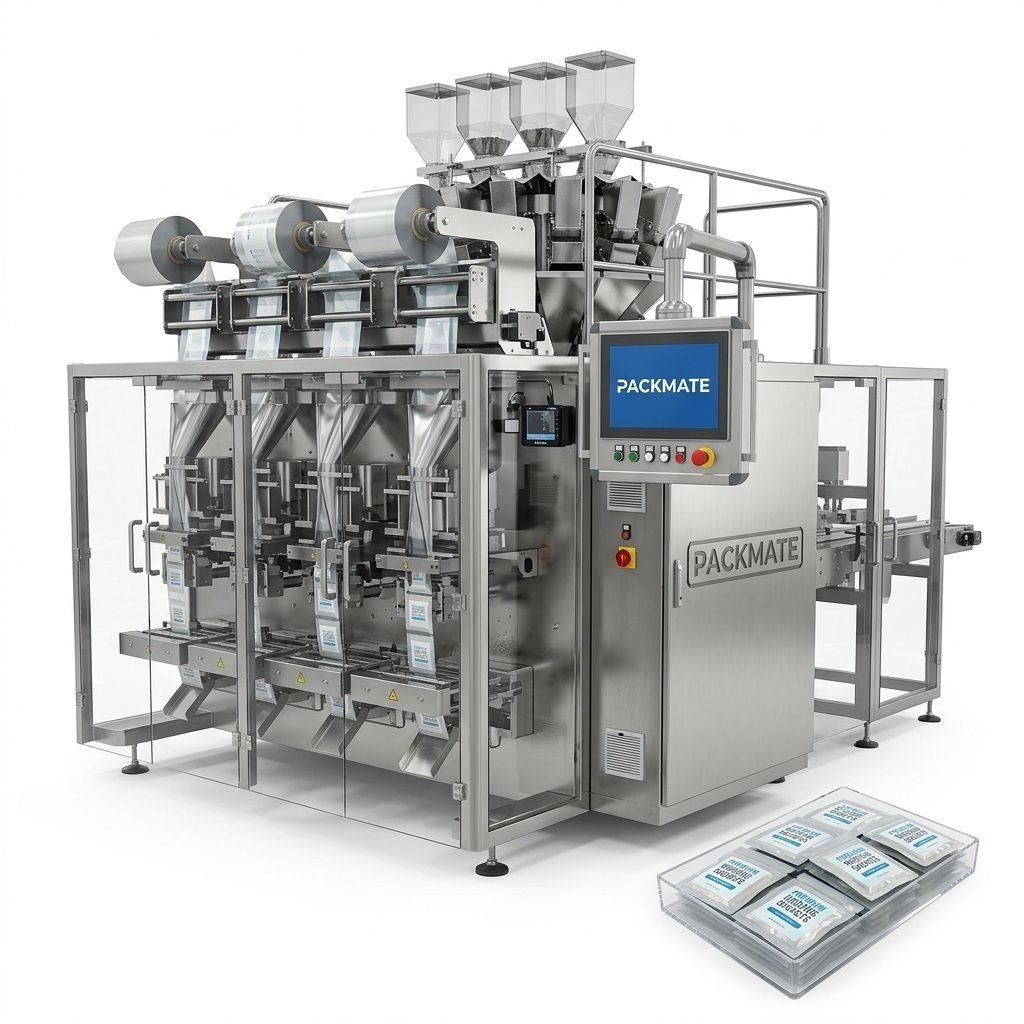
Packmate Snus Machine, for example, highlights a 20,000㎡ factory with advanced CNC and assembly systems, 50+ machine models, and CE/ISO certifications — all signs of manufacturing strength worth seeking in any supplier.
Factory Visit & Third-Party Audit
Whenever possible, arrange a factory visit or commission an independent third-party audit. During the visit, observe:
- Machining and assembly processes, quality checks, and test runs.
- Spare parts inventory and lead times.
- Quality documentation, testing reports, and traceability systems.
- Training facilities and assembly bay for pre-shipment testing.
Step 3 — Technical Specification Checklist
Use this checklist to compare technical offers side-by-side:
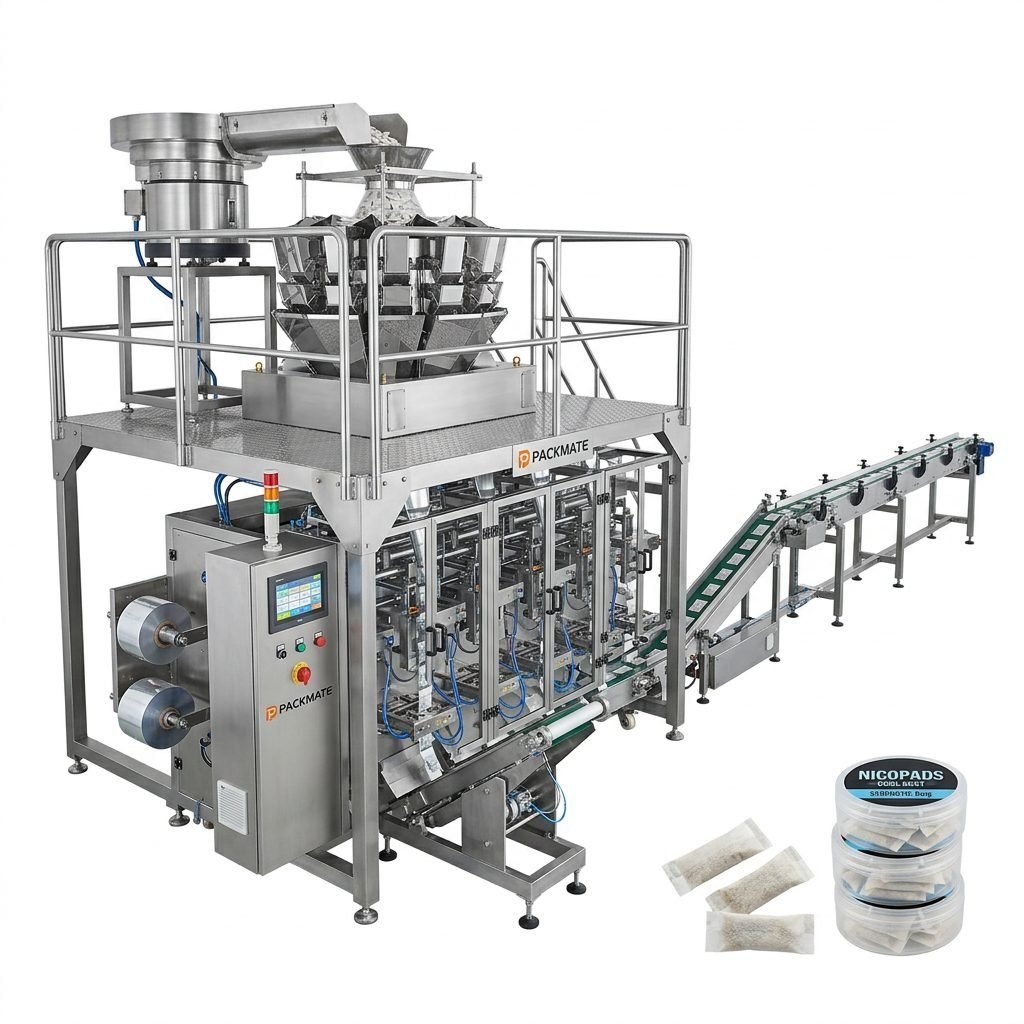
- Machine Type: single-lane, multi-lane, stick pack, sachet, or multihead weighing integration.
- Capacity: nominal speed and maximum guaranteed speed with your product mix.
- Accuracy: filling accuracy and weight control tolerances.
- Material compatibility: film thickness, laminated structures, and reel width.
- Control systems: PLC brand, HMI language options (include local language support if needed for Indian operators).
- Changeover time: tool-less or quick-change features for rapid SKU switching.
- Hygiene design: easy-to-clean surfaces and food-grade contact materials.
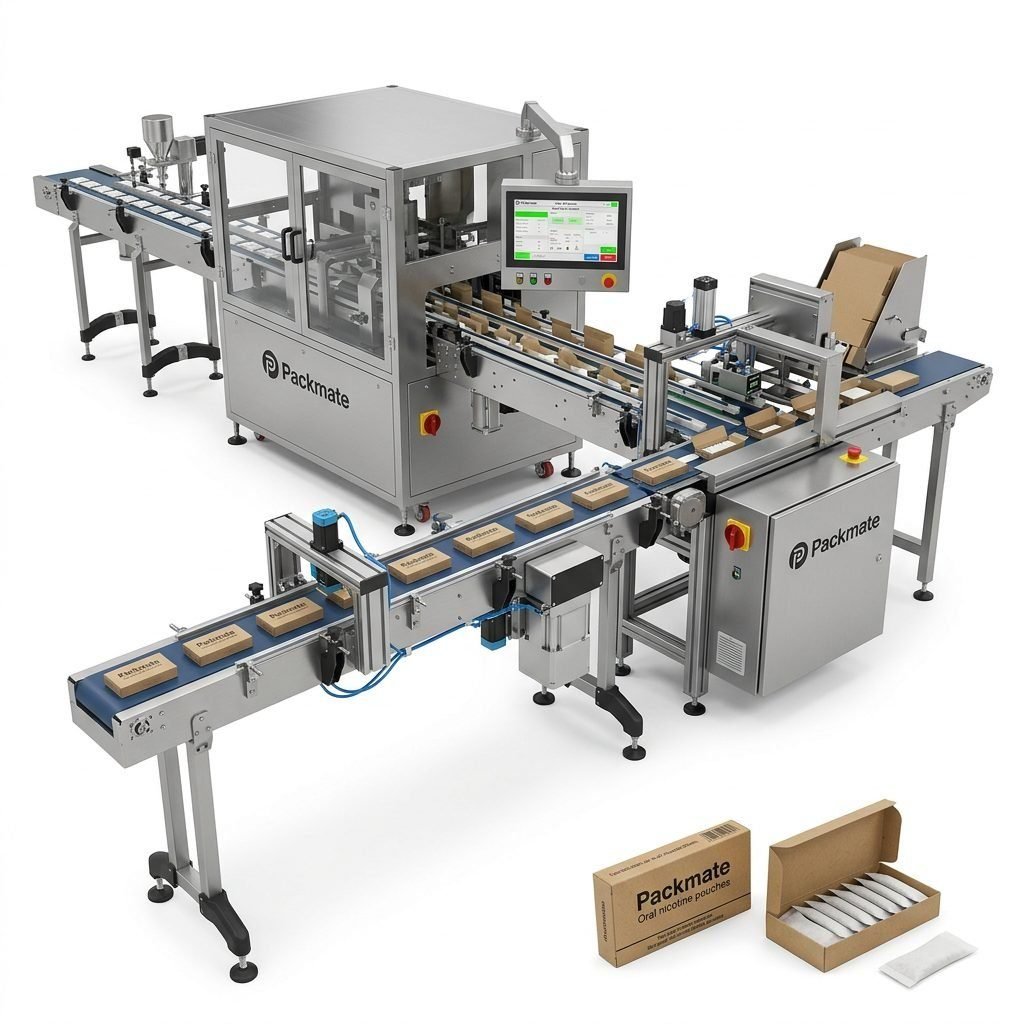
- Options: nitrogen flushing, date coder, printer, tray/pouch collating, and inline cartoning.
🛠️ Must-have: Request an on-site demonstration video with your exact material and product sample. A genuine supplier will test-run your product before shipment.
Step 4 — Quality, Certification & Compliance
Ensure machines and supplier processes comply with global and Indian standards:
- CE and ISO certifications for safety and quality management.
- Electrical and control system standards suitable for Indian power grids (voltage/frequency adaptations).
- Documentation: FAT (Factory Acceptance Test), IQ/OQ, spare parts lists, and machine manuals in English (and optionally local language).
- Local approvals — if packaging nicotine, ensure labeling and material meet Indian regulatory expectations.
Step 5 — After-Sales Support, Training & Spare Parts
After-sales support is the difference between a short-lived purchase and a long-term productivity investment. Key support items:
- Training: on-site commissioning, operator and maintenance training tailored to Indian staff.
- Spare parts: guaranteed availability, local stocking options, and clear lead times.
- Remote support: PLC screen sharing, spare part diagnostics, and video support for rapid troubleshooting.
- Warranty: clear warranty scope and response time commitments for Indian service calls.
Look for suppliers that offer packaged service agreements and local partners or agents in India who can provide faster response times.
Financing, Leasing & Total Cost of Ownership
Beyond the purchase price, calculate TCO: installation, spare parts, consumables, energy usage, downtime costs, operator labor, and training. Some suppliers offer leasing or stepped payment plans suited to Indian businesses — negotiate bundled service and spare kits to reduce long-term costs.
Step 6 — Logistics, Installation & Commissioning in India
Plan logistics early. Consider:
- Shipping options: FOB, CIF, DDP — confirm customs handling and import duties for packaging machinery in India.
- Onshore handling: local crane or forklift requirements, installation footprint, and utility hookups.
- Commissioning: ensure supplier includes FAT reports and pre-shipment testing, and schedule on-site run-in and training days.
- Spare parts kit: a recommended spare parts package should accompany first shipment for the initial 6–12 months of production.
📦 Note: Choose DDP (Delivered Duty Paid) if you have limited experience with importing heavy machinery to India — it shifts customs liability to the seller and simplifies delivery.
Step 7 — Customization & Local Preferences
Customization keeps your product relevant to Indian consumers. Discuss with suppliers:
- Local language printing and variable data printing for state-level labeling.
- Resealable pouch options and compact multi-pouch cartons for convenience-oriented buyers.
- Small-batch changeover capabilities for trial flavors and rapid market testing.
- Options for recyclable or mono-material films to position products for urban, eco-conscious consumers.
Supplier Comparison & Negotiation Tips
When comparing offers, evaluate on these dimensions rather than only sticker price:
- 📑 Deliverables: Are FAT, IQ/OQ, and training included?
- ⏱️ Lead times: Guaranteed production and delivery schedules.
- 🔧 Spare parts policy: included kits and replenishment lead times.
- 🧾 Warranty & service response: SLA for on-site visits in India.
- 💬 Communication: English proficiency, local agent presence, and responsiveness.
Contract Terms to Secure
Include clearly defined acceptance criteria, penalty clauses for missed delivery dates, payment milestones linked to FAT acceptance, and post-installation performance guarantees. Insist on spare parts pricing agreements for the first few years.
Real-World Case Considerations
Case studies from global suppliers show that multi-lane systems significantly raise throughput without proportionate increases in footprint — ideal for growing Indian operations where floor space is premium. Review documented cases and ask for references from clients with similar product types.
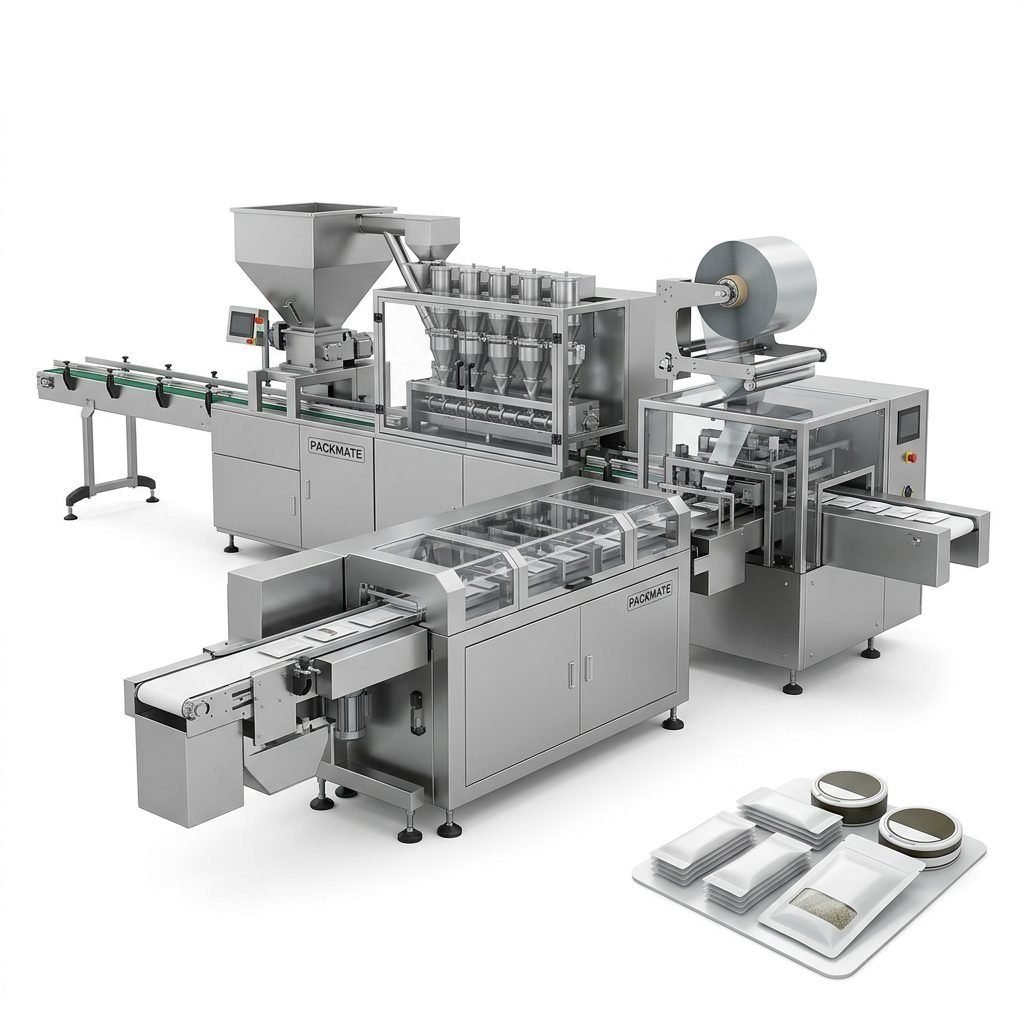
For more machine types and line integration options, explore Filling & Packaging Lines and consider additional equipment like weighing systems or auxiliary feed systems listed under Auxiliary Packaging Equipment.
Final Checklist Before You Commit
- ✔ FAT report and sample run with your materials
- ✔ Comprehensive spare parts list and kit supplied
- ✔ Training plan and operation manuals in English
- ✔ Clear warranty, SLA, and parts lead-time guarantees
- ✔ Local compliance and labeling support for Indian states
✅ Pro tip: Ask for a small pilot line or used machine demo if you’re uncertain about scale — it reduces risk for Indian market testing and allows practical operator training.
Where to Get Manufacturer & Service Information
For more details about suppliers who specialize in snus and nicotine packaging, their product catalogs, certifications, and exhibition schedules, review manufacturer pages and case studies. A notable example is the Packmate Snus Machine pages that document product lines, certifications, and exhibitions, which help validate supplier claims: Case, Certificate, and Our Exhibition.
Conclusion
Sourcing the right snus packaging machine supplier for India blends technical due diligence, local regulatory awareness, and practical logistics planning. Evaluate supplier capacity, request FATs with your materials, secure strong after-sales support, and ensure documentation and spare parts plans are in place. With careful planning and the right partner, you can build a scalable, compliant, and cost-effective packaging operation that meets the unique needs of Indian consumers.
Frequently Asked Questions
Q1: How can I verify a supplier’s machine performance before purchase?
A1: Request a Factory Acceptance Test (FAT) using your exact materials and product, obtain video evidence, and, if possible, visit the factory or arrange for a third-party inspection.
Q2: What certifications should I look for when buying packaging machines for India?
A2: Essential certifications include CE and ISO for quality and safety. Confirm electrical system compatibility with Indian voltage and that documentation such as FAT reports, IQ/OQ, and manuals are provided in English.
Q3: How important is local support in India?
A3: Very important — local agents or partners shorten response times for service, reduce downtime, and simplify spare parts logistics. Negotiate service-level agreements and local stocking where possible.
Q4: Should I buy a multi-lane system or several single-lane machines?
A4: Multi-lane systems offer higher throughput in a smaller footprint and lower per-unit labor, but single-lane machines may provide flexibility for diverse SKUs. Base the decision on your production forecast and changeover needs.
Q5: Where can I find detailed product lines and support resources?
A5: Review supplier product pages, catalogs, and case studies — for example, explore product categories like Snus & Nicotine Packaging Machines and Bag & Pouch Packaging Machines for specific equipment options.