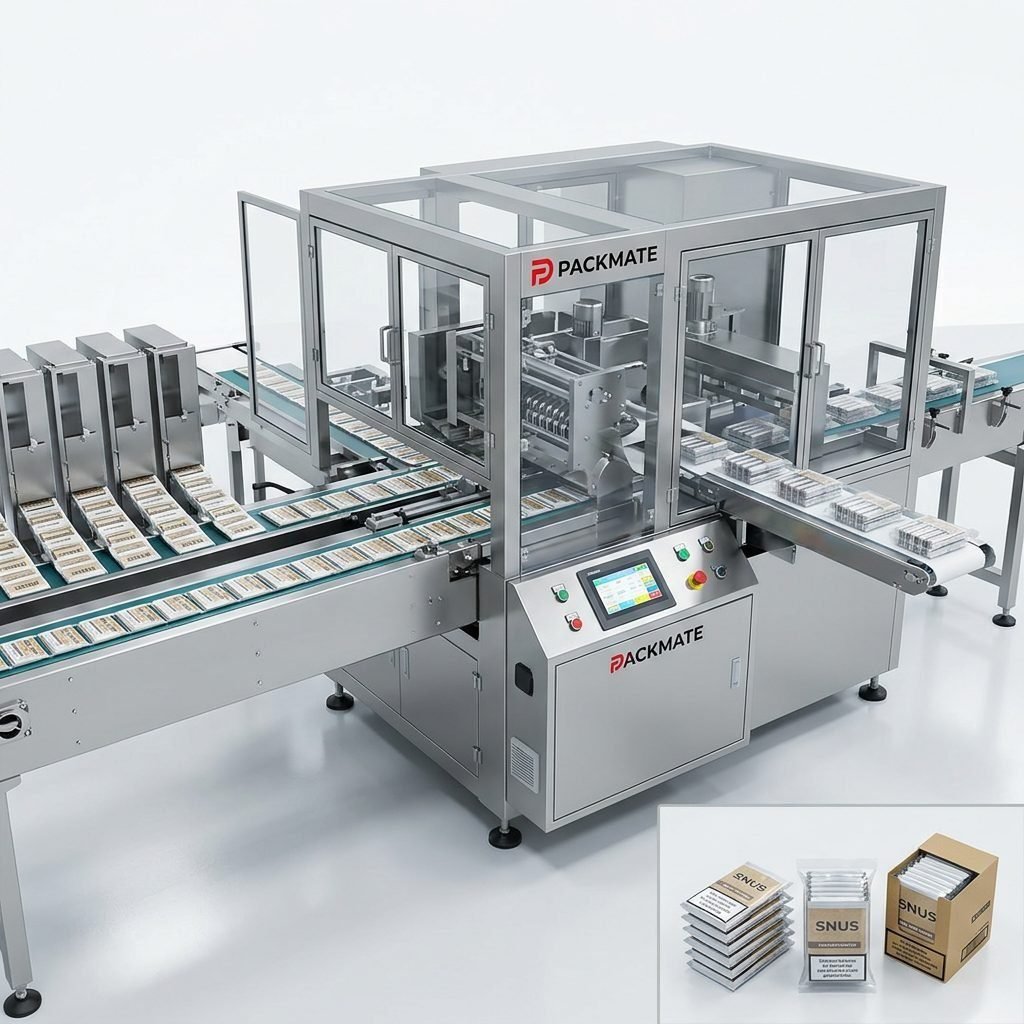
Choosing a reliable snus packaging machinery supplier in China is a critical decision for any manufacturer or brand entering the nicotine pouch or snus market. This guide walks you through practical steps, cultural considerations, technical checkpoints and negotiation strategies to help you select a supplier who delivers quality, compliance, and long-term service. Whether you’re buying a single stick-pack machine or a complete multi‑lane production line, the right partner reduces risk and speeds time-to-market.
Understand Your Production Needs First
Start by defining your product format (snus pouch, nicotine pouch, stick pack, sachet), target output (pieces per minute), and required levels of automation. Different machines target different product characteristics: sachet machines for tea-like pouches, multi‑lane systems for high-volume small-dose pouches, and stick pack lines for sachet-style delivery. Having a clear specification helps suppliers respond with accurate proposals and prevents costly misunderstandings.
Quick checklist:
⚙️ Production volume target (hourly/daily)
📐 Pouch dimensions and materials
🔧 Need for dosing systems (weighing, volumetric, auger)
🧰 Integration with upstream/downstream equipment (filling, cartoning, case packing)
Know the Types of Snus Packaging Machines
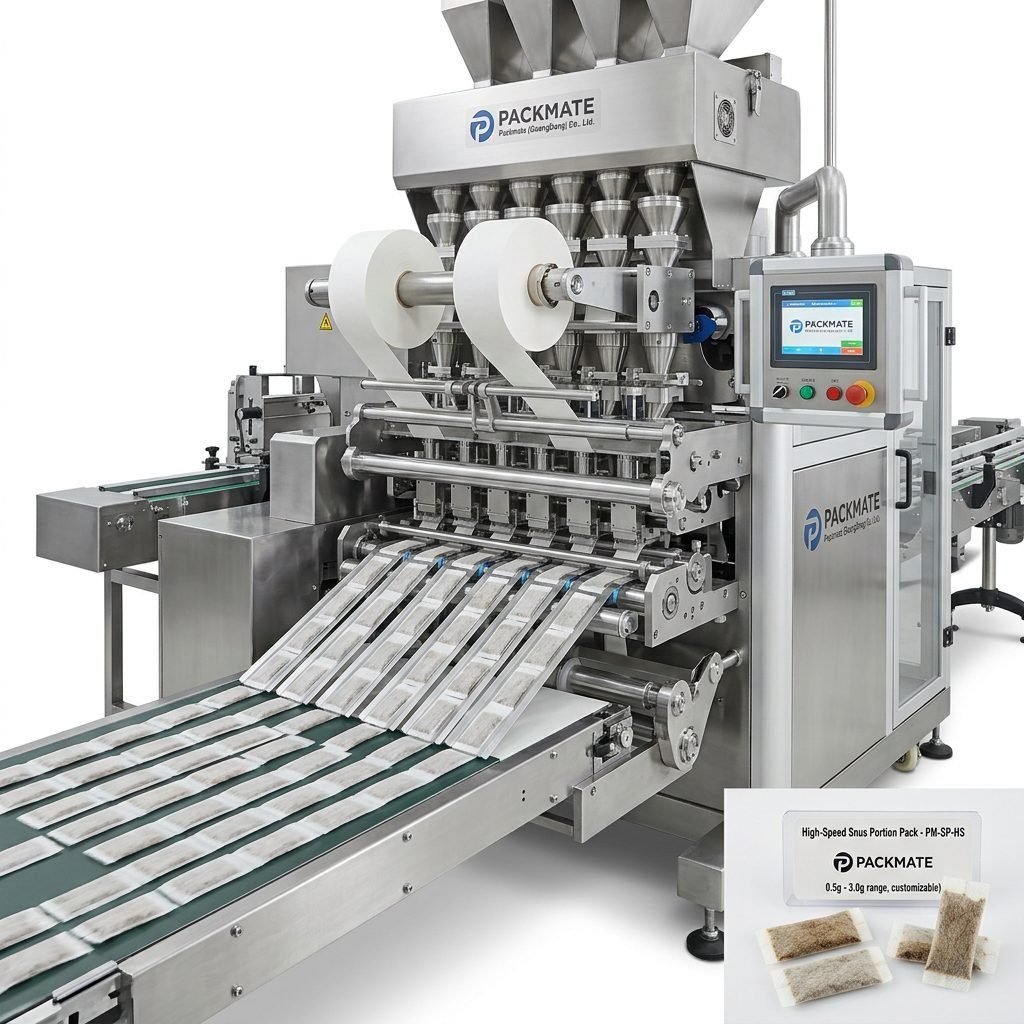
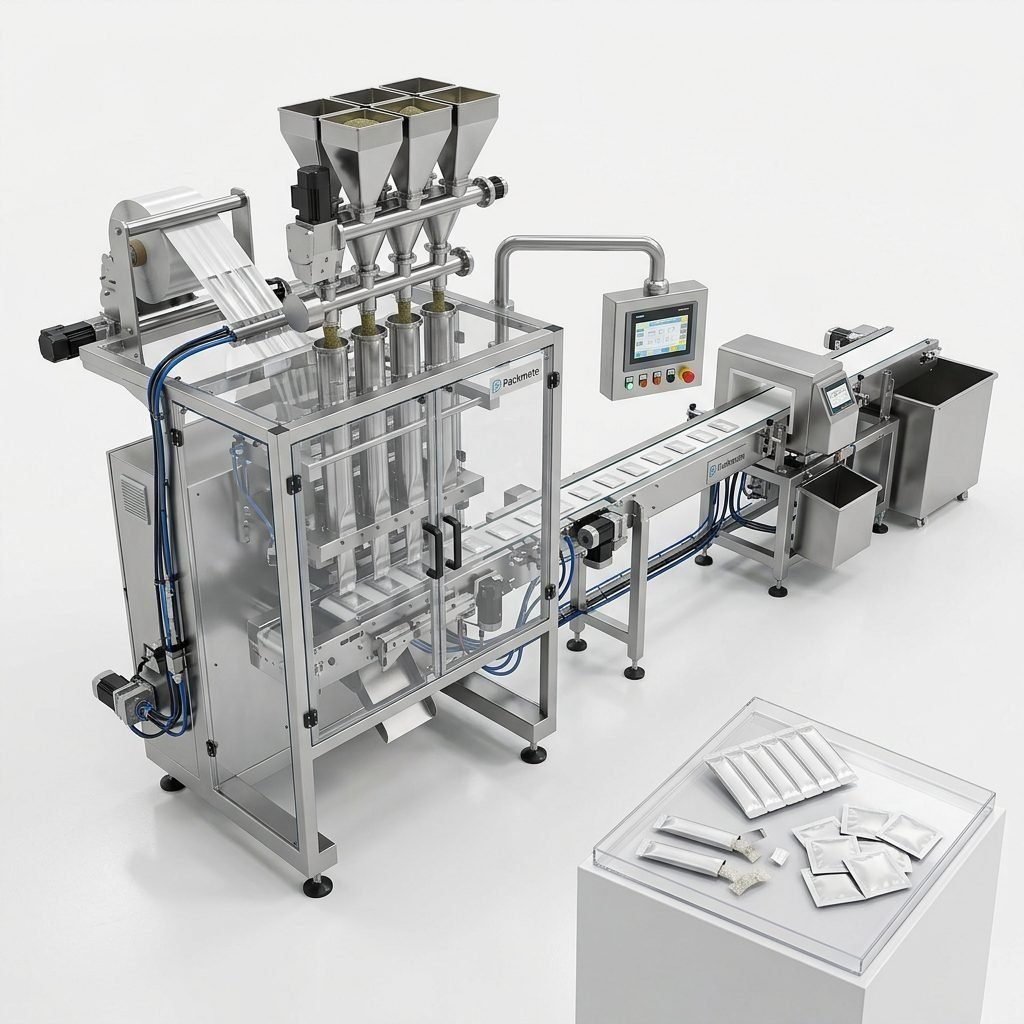
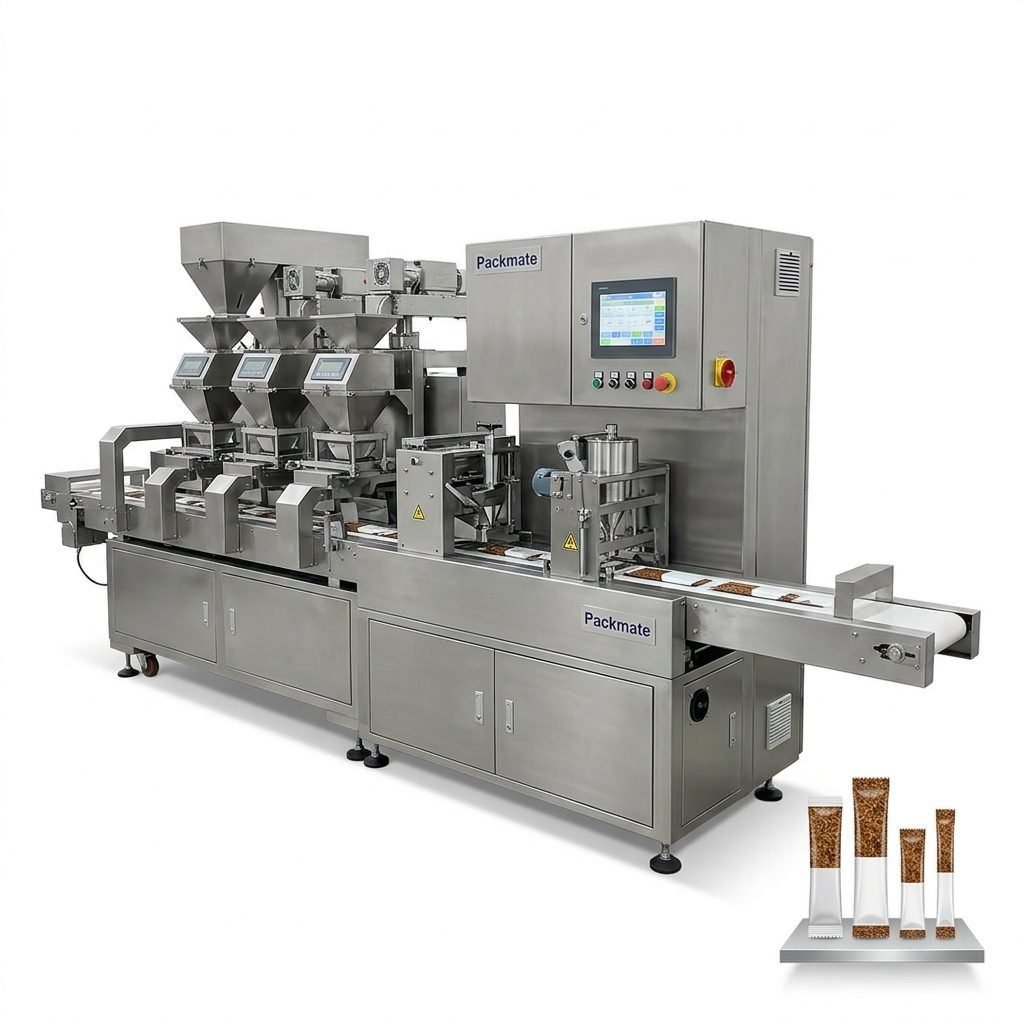
Familiarize yourself with the main machine categories so you can evaluate proposals effectively. Typical categories include:
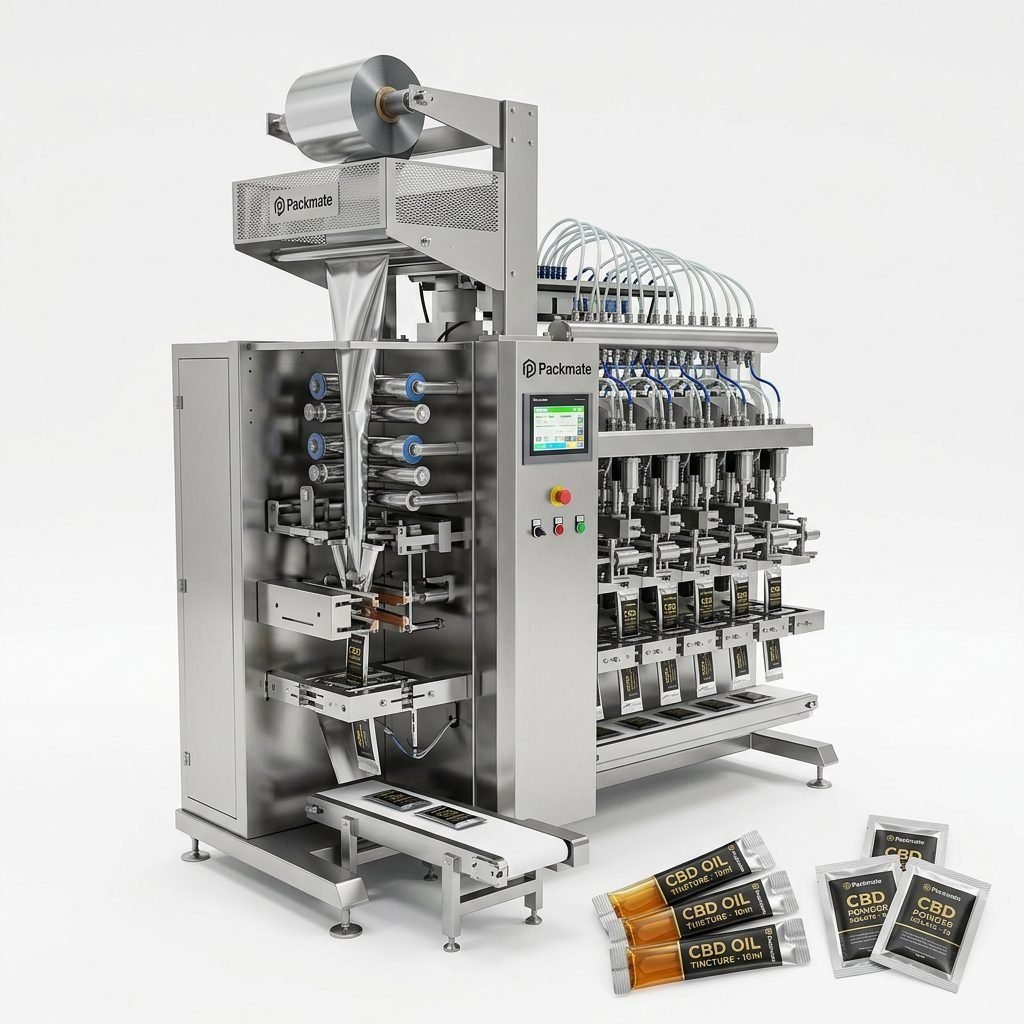
- Stick Pack Machines — single-serve elongated sachets for single-dose snus or powders.
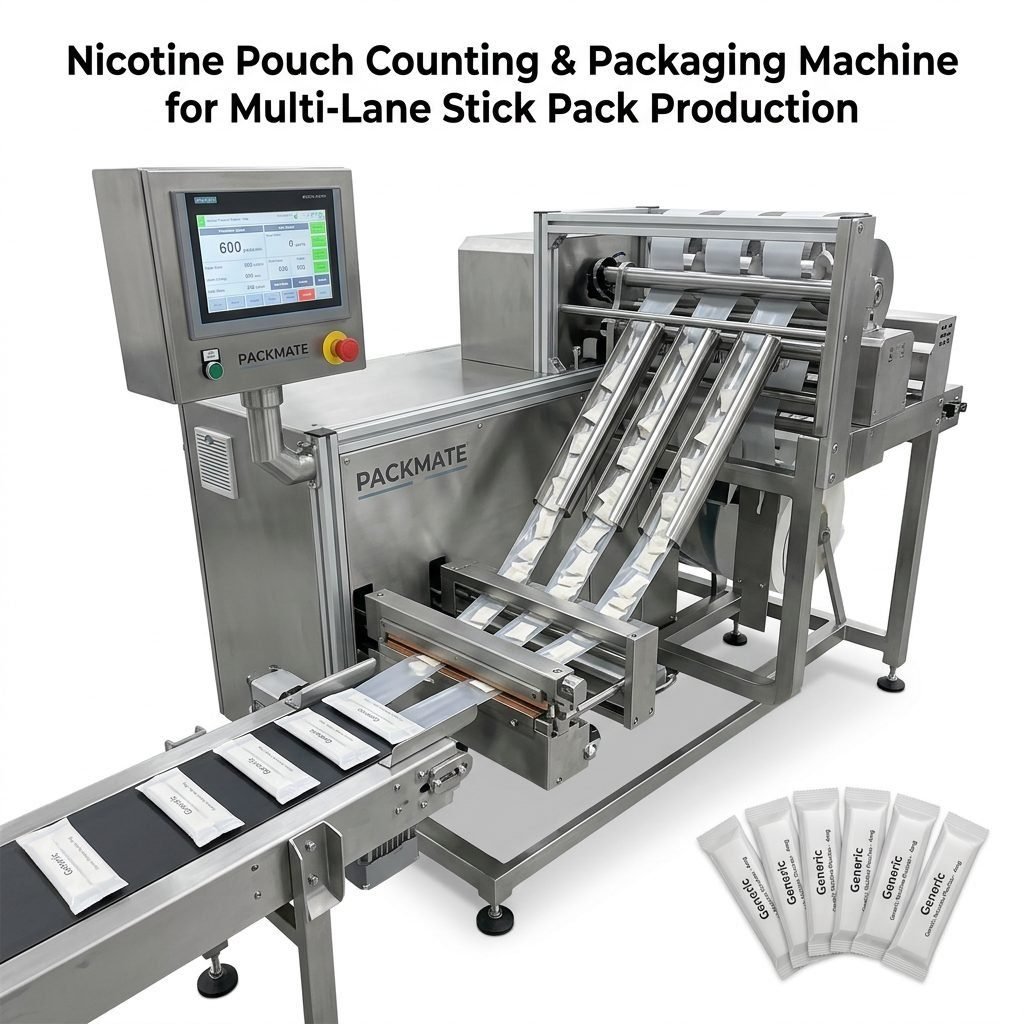
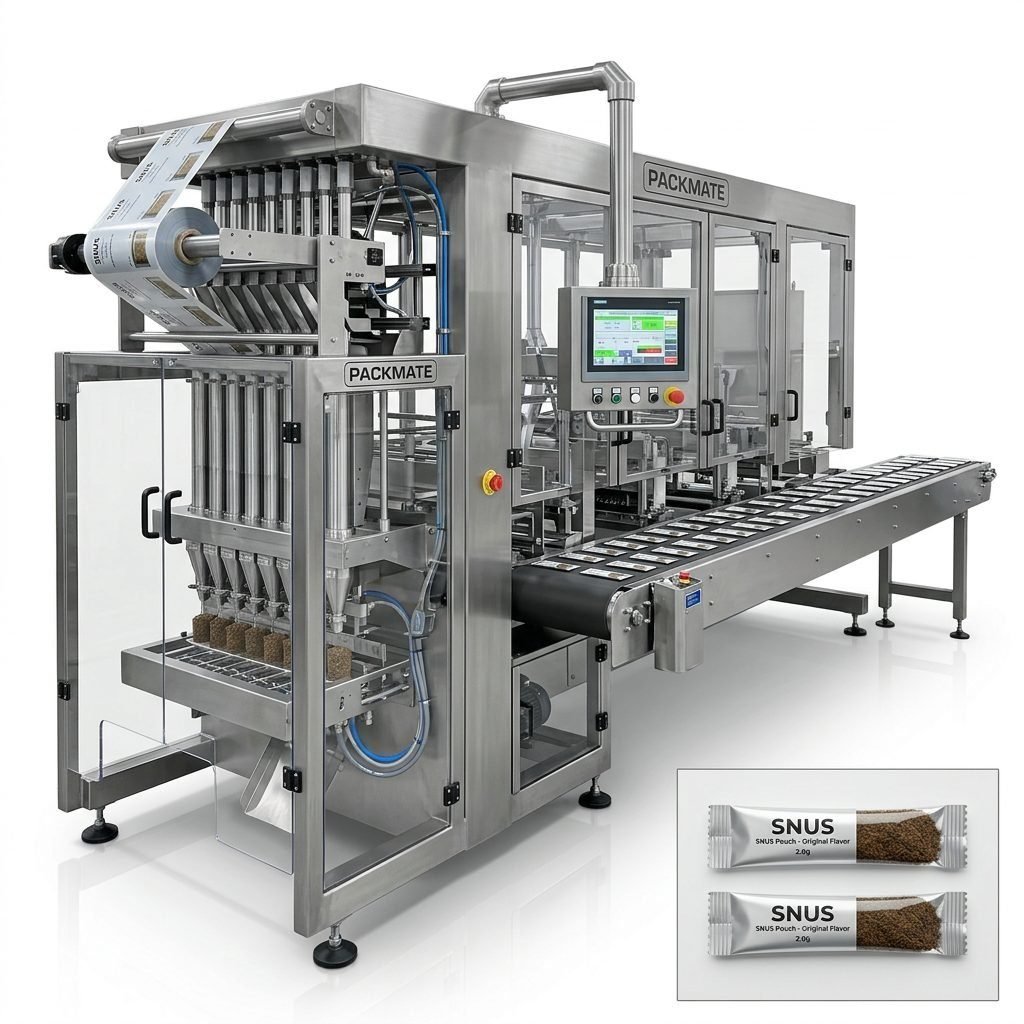
- Sachet & Multi-Lane Machines — multi-track systems designed for small-dose nicotine pouches with high output efficiency. See examples at Snus & Nicotine Packaging Machines.
- Bag & Pouch Machines — for outer pouch packaging and resealable bags: Bag & Pouch Packaging Machines.
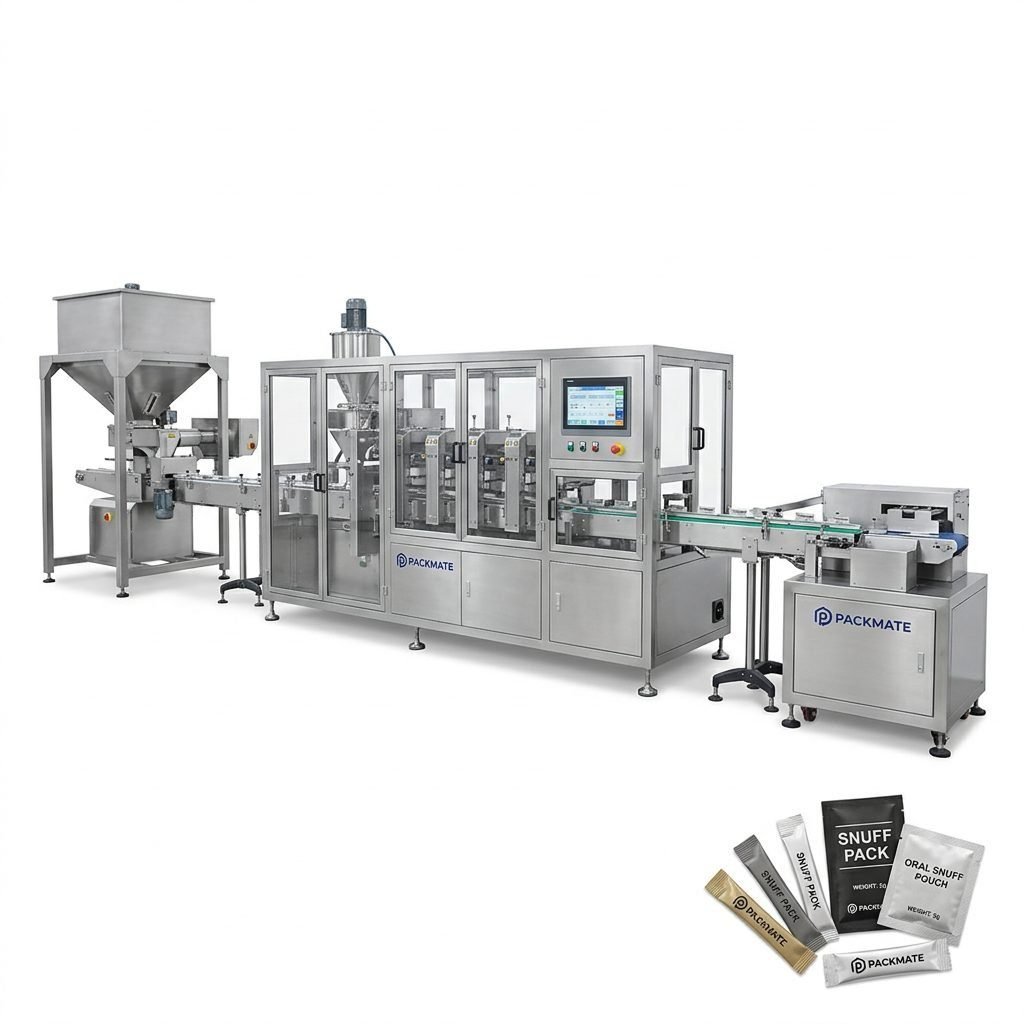
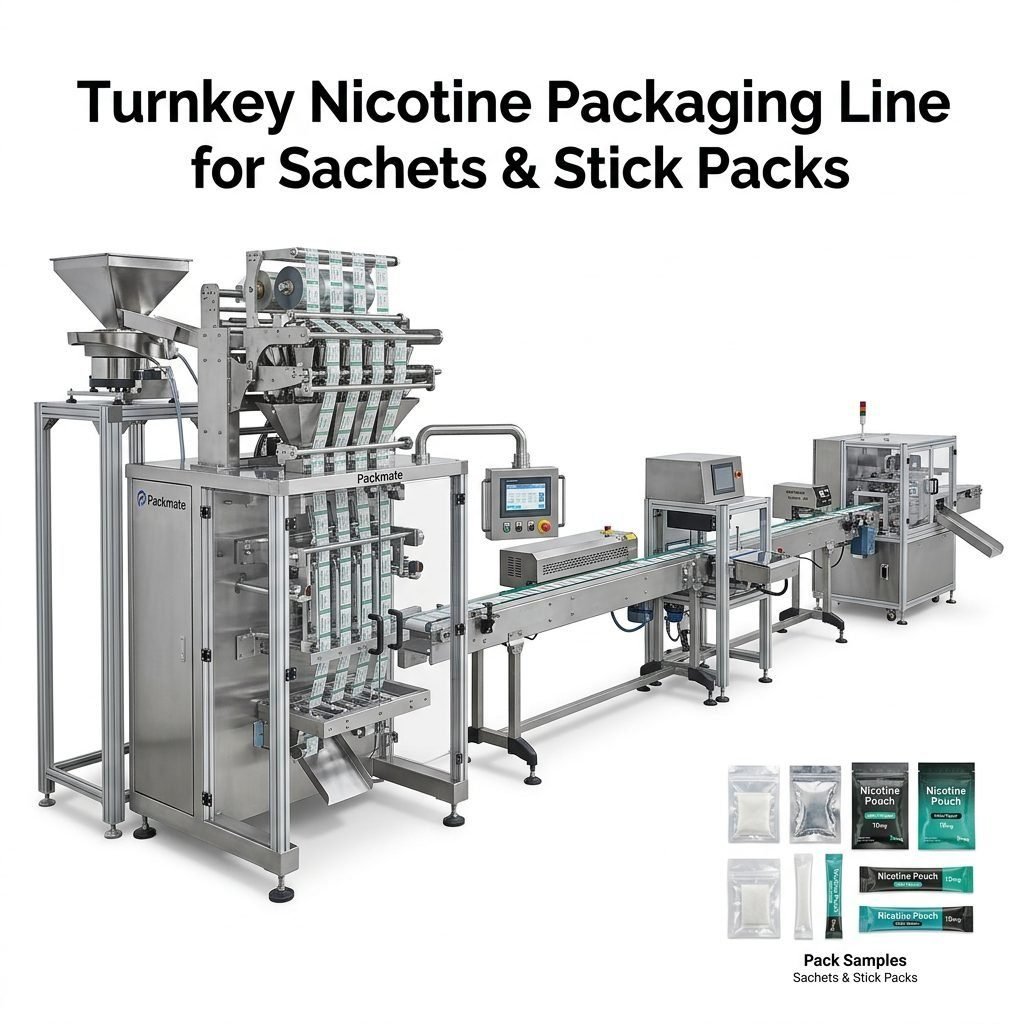
- Supporting Systems — weighing, feeding and auxiliary equipment to complete a turnkey line: Weighing & Packaging Systems.
Evaluate Factory Strength and Experience
A supplier’s factory footprint, machining capability and years of experience are direct indicators of reliability. Look for:
🔩 Advanced CNC machining centers and precision assembly lines — these reduce variability and improve machine longevity.
🏭 Large manufacturing area and model range — factories like those with 20,000㎡ and 50+ machine models demonstrate scale and R&D breadth.
📜 Long industry history — companies with over 20-30 years in packaging machine R&D and production tend to have iterated designs and field-proven solutions.
Ask for Certifications and Compliance Documents
Regulatory compliance and machine safety matter, especially when exporting to EU and North American markets. Ask for certificates and test reports such as CE, ISO, and any sanitary approvals relevant to food or nicotine products. You can often verify supplier claims through their certificate pages; for example, review supplier documentation on their Certificate page.
Request Detailed Technical Documentation
A trustworthy supplier should provide:
- Machine specifications (speed, power, footprint, weight)
- Electrical and pneumatic diagrams
- Material compatibility (film types, foil, laminates)
- Spare parts list and consumable lifespans
- Test reports from factory run-offs
Factory Visits and Video Demonstrations
If possible, arrange a factory visit. In-person inspections reveal assembly standards, inventory management, and quality control practices. For international buyers, ask for live video demonstrations or virtual tours if a trip is not feasible. Reputable suppliers often share case studies or factory videos—check their Case and exhibition pages for proof of real installations: Our Exhibition.
Assess After-Sales Support and Spare Parts Strategy
After-sales service is where long-term partnerships are built. Evaluate:
🛠️ Warranty terms and coverage—what components are covered and for how long?
📦 Parts availability—can the supplier ship spare parts quickly, and do they stock critical wear parts?
🌐 Remote support and on-site engineers—does the supplier provide remote troubleshooting, installation supervision and training?
📘 Documentation and operator training—clear manuals and hands-on training reduce downtime and speed up commissioning.
Customization and Turnkey Solutions
Not all production lines are standard. If you need custom filling systems, specific pouch shapes, or integrated quality control (metal detectors, vision inspection), choose a supplier that offers turnkey solutions and in-house engineering. Suppliers who provide a full range of equipment—filling, weighing, pouch-making, end-of-line packing—help ensure smooth integration. See examples of combined offerings at Filling & Packaging Lines.
Price vs Total Cost of Ownership
Low initial price can be attractive, but consider lifecycle costs:
- Energy consumption and maintenance intervals
- Spare parts pricing and lead times
- Expected uptime and MTBF (mean time between failures)
- Training and staff costs for operation and maintenance
A machine with better components and robust technical support often delivers a lower total cost per pouch over several years.
Payment Terms and Trade Practices in China
Understanding Chinese trade customs helps smooth negotiations. Typical practices include:
💳 Common payment terms: T/T deposits (e.g., 30% deposit, 70% before shipment) or an irrevocable LC for larger orders.
🤝 Relationship-building (guanxi) matters: regular communication, visits to factory and participation in trade shows fosters trust.
📅 Lead time expectations: clearly agree on production schedules and penalties for delays if needed.
Inspect Quality Control Processes
Verify how the supplier ensures consistent machine performance:
- Final machine run-off tests under load with your selected materials
- Standard operating procedures for assembly and testing
- Quality records and inspection reports for key components
- Third-party inspection options before shipment
References and Real-World Installations
Ask for customer references, local installation examples, and videos of machines running your format. Reliable suppliers openly share case studies and customer feedback. For established suppliers, review their About and service pages to understand company scale and long-term vision: About Packmate and their Service offerings.
Logistics, Export Experience and Documentation
Ensure the supplier has experience exporting machinery and providing the required documents: commercial invoice, packing list, bill of lading, CE declaration, and any test/inspection certificates. Knowledge of freight consolidation, correct crating and export insurance reduces transit damage and customs delays.
Warranty, Spare Parts Package and Long-Term Support
A clear warranty and spare parts agreement is essential. Confirm response times for technical support, availability of field engineers, and remote diagnostics. Some suppliers offer extended service contracts and training programs—these are valuable for new production lines.
Negotiating the Purchase Agreement
Key negotiation points:
- Detailed delivery schedule and acceptance criteria
- Performance guarantee (e.g., output speed with your materials)
- After-sales support response times and cost structures
- Spare parts list and prices valid for a defined period
- Intellectual property and confidentiality for your product design
Why Choose an Experienced Manufacturer Like Packmate
Manufacturers with deep expertise in snus and nicotine pouch packaging bring advantages:
• Proven multi-lane systems and specialized small-dose machines reduce product changeover risk.
• Large R&D teams and onsite CNC machining shorten lead times for custom parts.
• Global turnkey solutions and international exhibitions demonstrate export-readiness and customer trust. Learn more on Mission & Vision and their Catalog.
Cultural Tips for Doing Business with Chinese Suppliers
Understanding Chinese business culture helps create stronger partnerships:
- Respect formal introductions and provide clear company credentials.
- Face-to-face meetings or regular video calls build trust rapidly.
- Expect negotiation—price and terms are often finalized through iterative discussion.
- Trade shows and factory visits are common practice; attending a major exhibition can speed decision-making.
Final Checklist Before You Sign
✅ Confirm machine performance with your actual materials.
✅ Obtain written warranty and spare parts terms.
✅ Verify factory capabilities, certifications and references.
✅ Agree on training, installation support and acceptance testing.
✅ Secure export documentation and clear shipping terms (Incoterms).
Next Steps: Contacting a Supplier
Prepare a Request for Quotation (RFQ) that includes product format, expected speed, materials, and any integration requirements. Share your target timeline and request a factory acceptance test plan. For established suppliers and a deeper look into offerings, use their Contact page to initiate discussions: Contact Us.
Summary
Choosing a reliable snus packaging machinery supplier in China requires technical clarity, on-site validation, and careful contract negotiation. Emphasize proven manufacturing capability, certifications, after-sales support, and total cost of ownership. Suppliers with deep experience in snus and nicotine pouch systems offer the fastest path from purchase to steady production.
Common Questions
Q1: How long does it take to receive a custom snus packaging line from China?
Typical lead times vary with complexity. Standard machines may ship in 6–12 weeks; turnkey customized lines can take 3–6 months. Confirm detailed schedules with the supplier and include buffer time for shipping and installation.
Q2: What payment terms are common and which are safest for buyers?
Common options include T/T (deposit + balance), irrevocable LC, or escrow services for larger orders. For first-time transactions, consider a combination of deposit and acceptance payment after FAT (Factory Acceptance Test) to reduce risk.
Q3: How do I verify a supplier’s claims about machine performance?
Request live demonstrations with your actual packaging materials, review FAT reports, ask for client references, and—if possible—visit installations to observe machines under production conditions.
Q4: Are spare parts easy to get from Chinese manufacturers?
Reliable manufacturers maintain inventories of critical spare parts and provide clear part numbers and pricing. Negotiate parts supply terms and lead times before finalizing your order.
Q5: What documentation should be provided for export and regulatory compliance?
Ensure the supplier supplies commercial invoice, packing list, bill of lading, CE/ISO declarations if applicable, test reports, and any customer-requested quality or sanitary certificates.