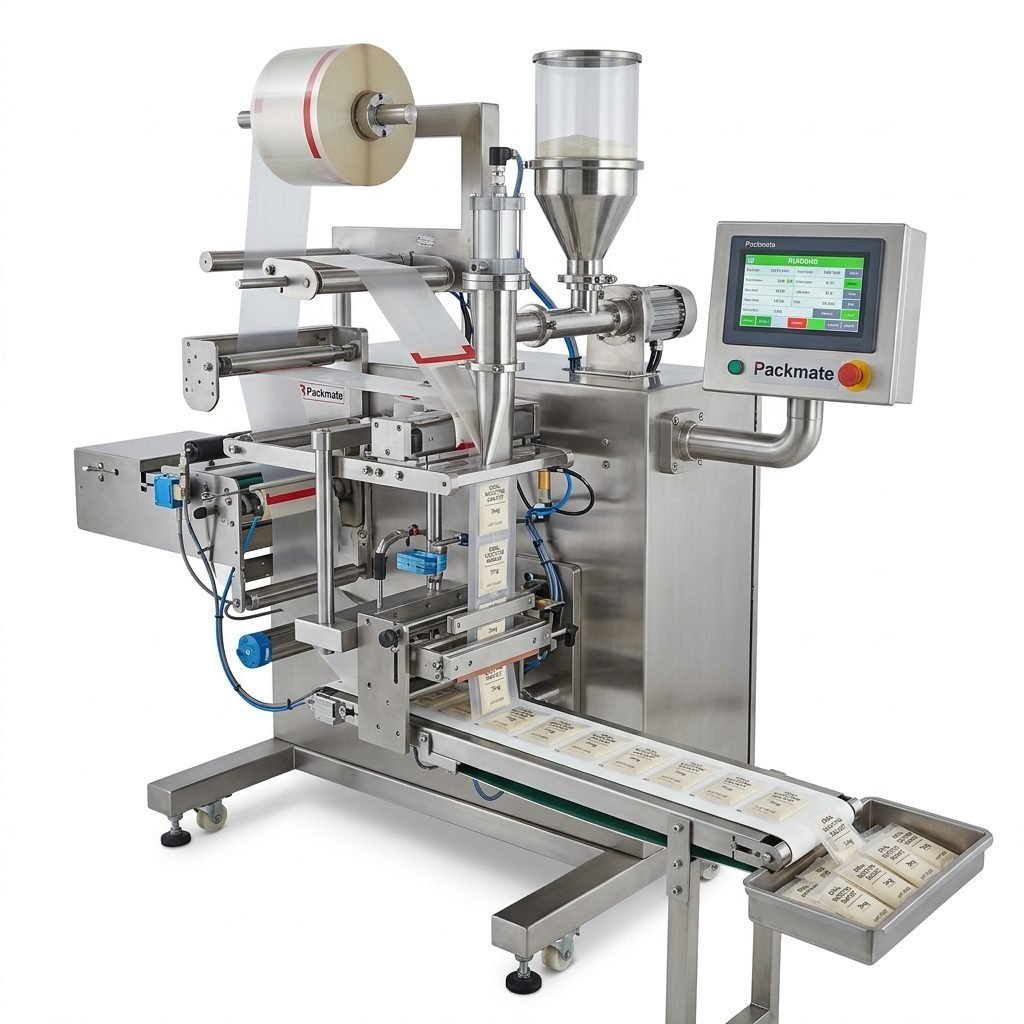
Choosing the right snus packaging machine supplier for South America requires more than price comparison — it demands an understanding of local consumer habits, climate effects on packaging materials, regulatory environments, and the supplier’s ability to provide reliable long-term support. This guide walks you through the key technical, commercial, and logistical factors to evaluate so you can select a partner who delivers consistent production, regulatory compliance, and fast service in the region.
Understanding the South American Market Context
South America is diverse: preferences, regulations, and distribution channels vary between countries. In some markets, oral nicotine pouches and snus find niche urban customers who value convenience and discreet use. In others, chewing tobacco or traditional forms dominate. Know the local consumption patterns (urban vs rural, age groups, language — Spanish and Portuguese) before finalizing machinery or packaging formats.
🔍 Regulatory and customs note: Tobacco and nicotine products are regulated differently across countries. Import duties, labeling rules, and ingredient declarations can influence packaging choices and machine customization. Always consult local legal experts and plan for documentation and testing required at customs.
Key Machine Types and Which One Fits Your Production
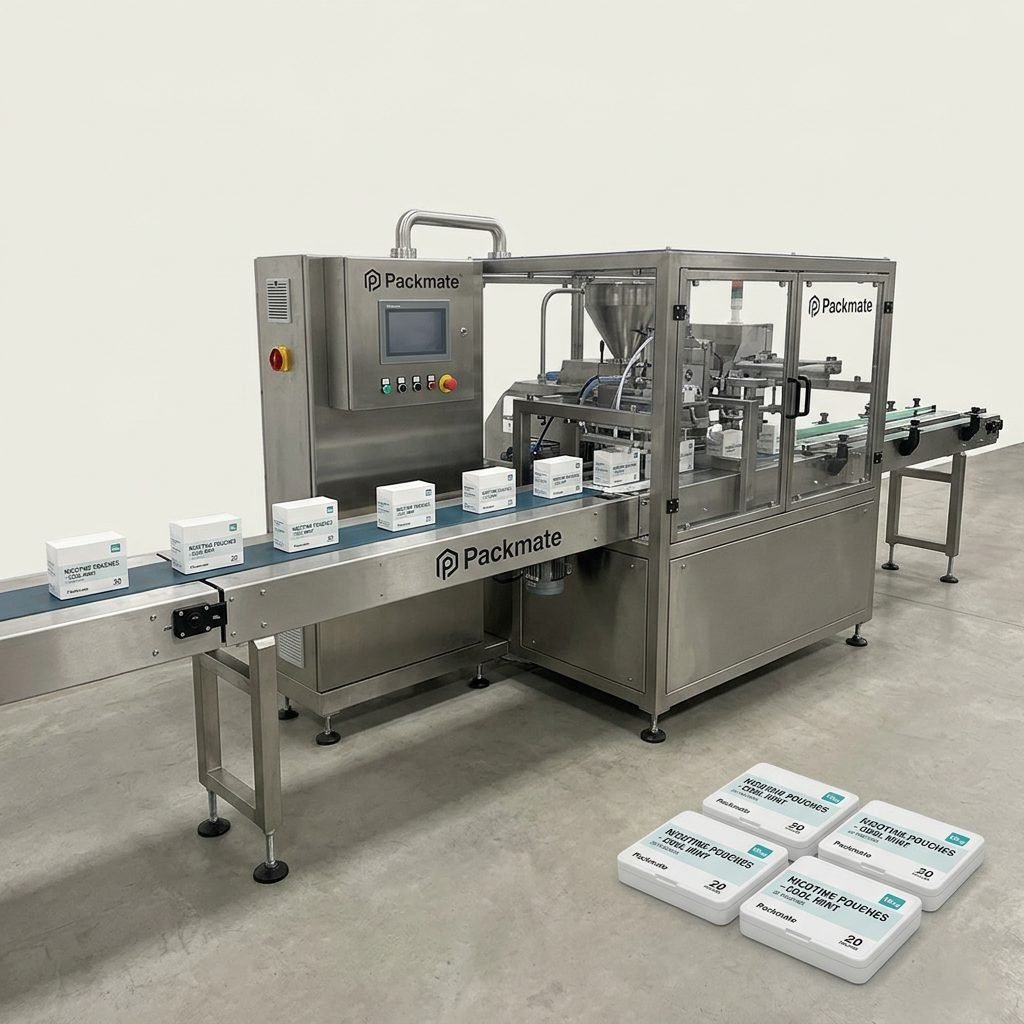
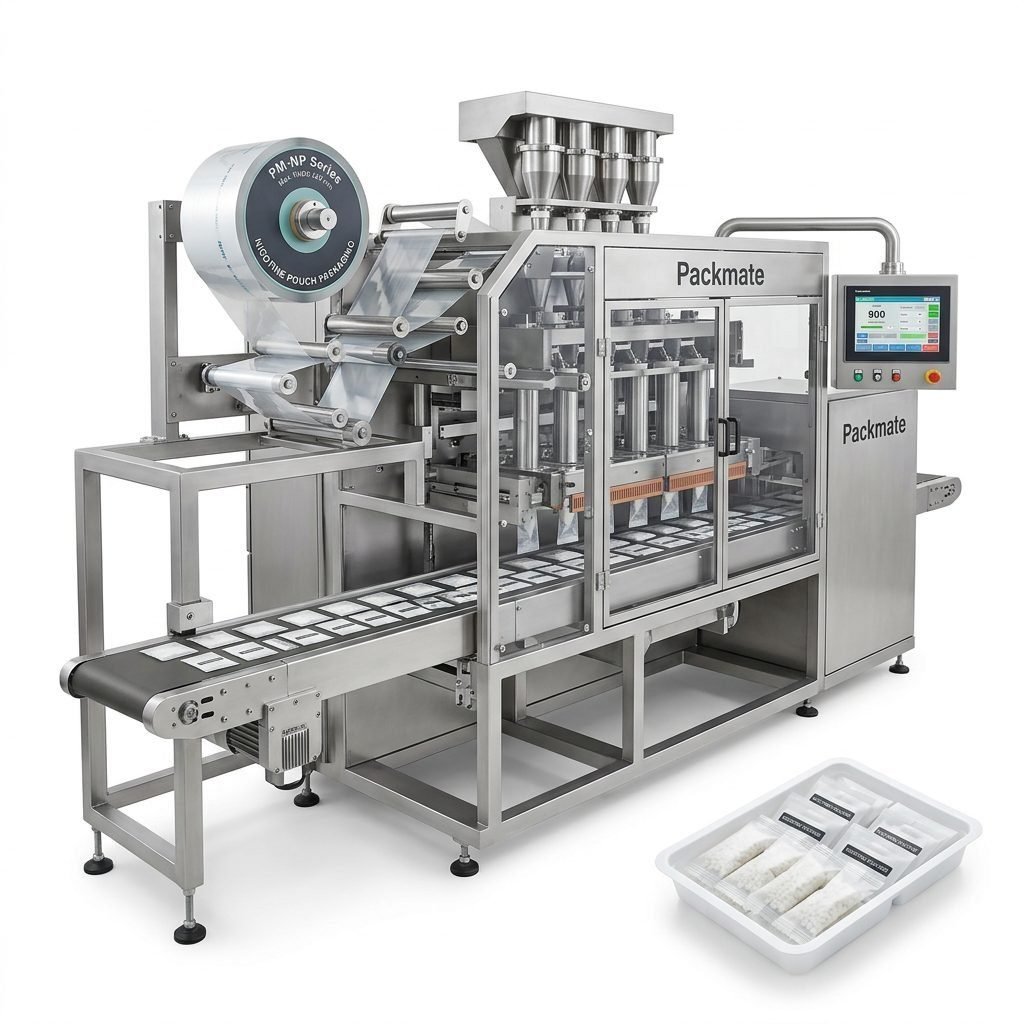
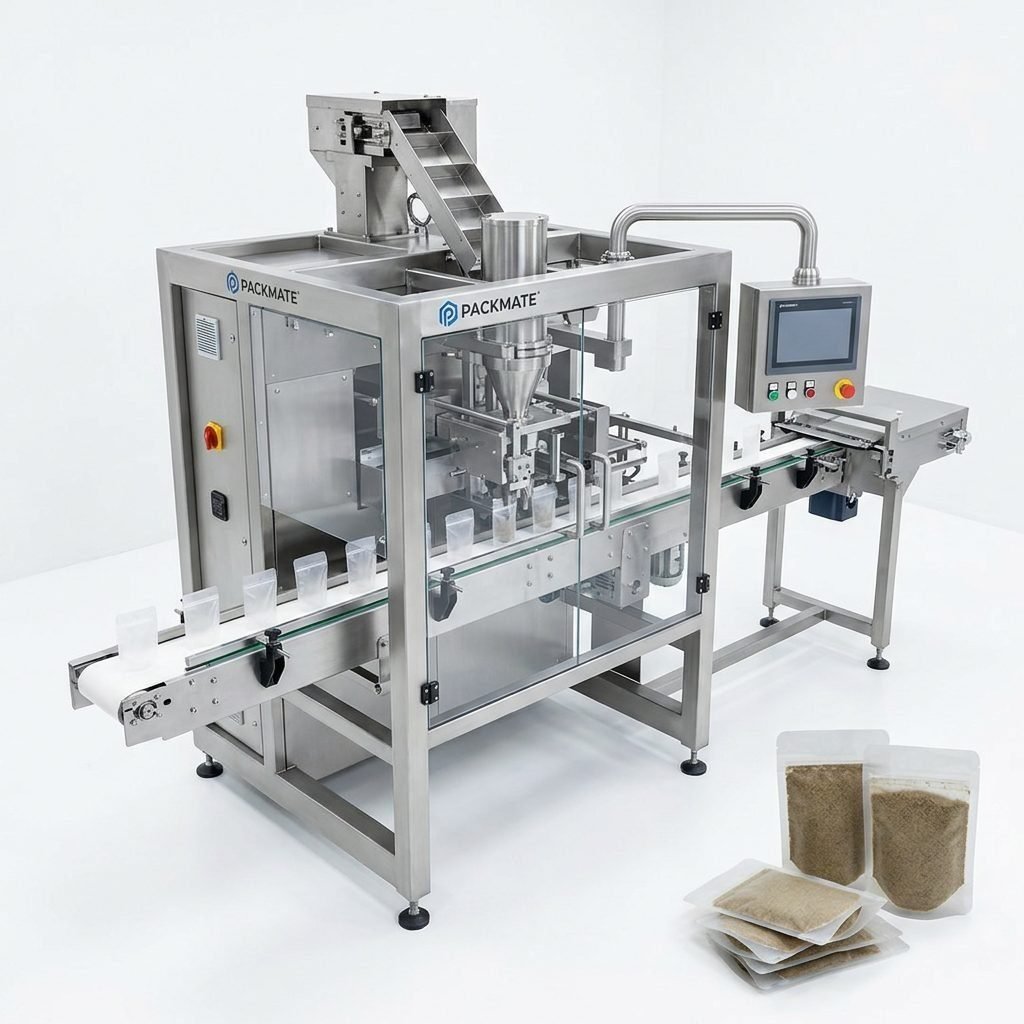
There are multiple machine types used for snus and nicotine pouch packing. Select a machine that matches your format, speed needs, and future flexibility:
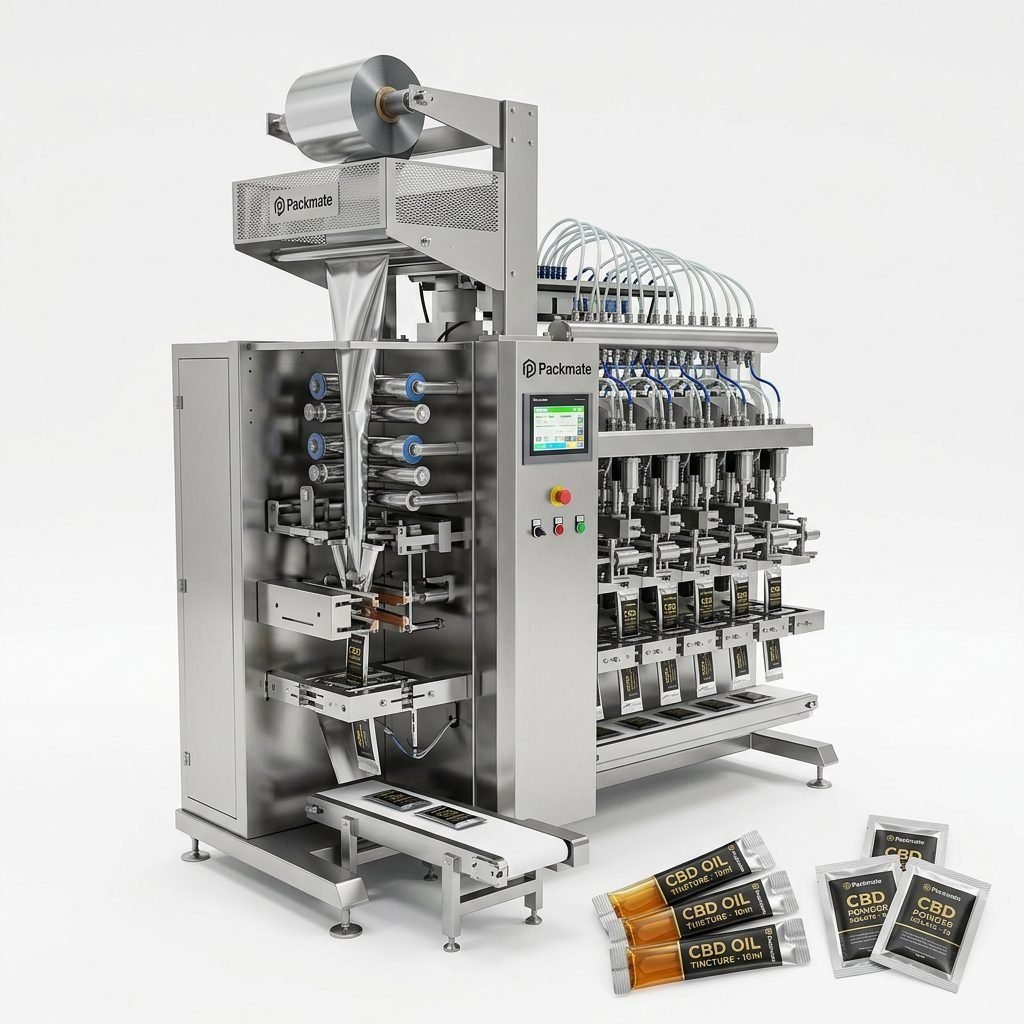
- ✅ Stick pack machines — ideal for single-dosage, unilingual labeling, and lower material cost per unit. (Good for trial campaigns.)
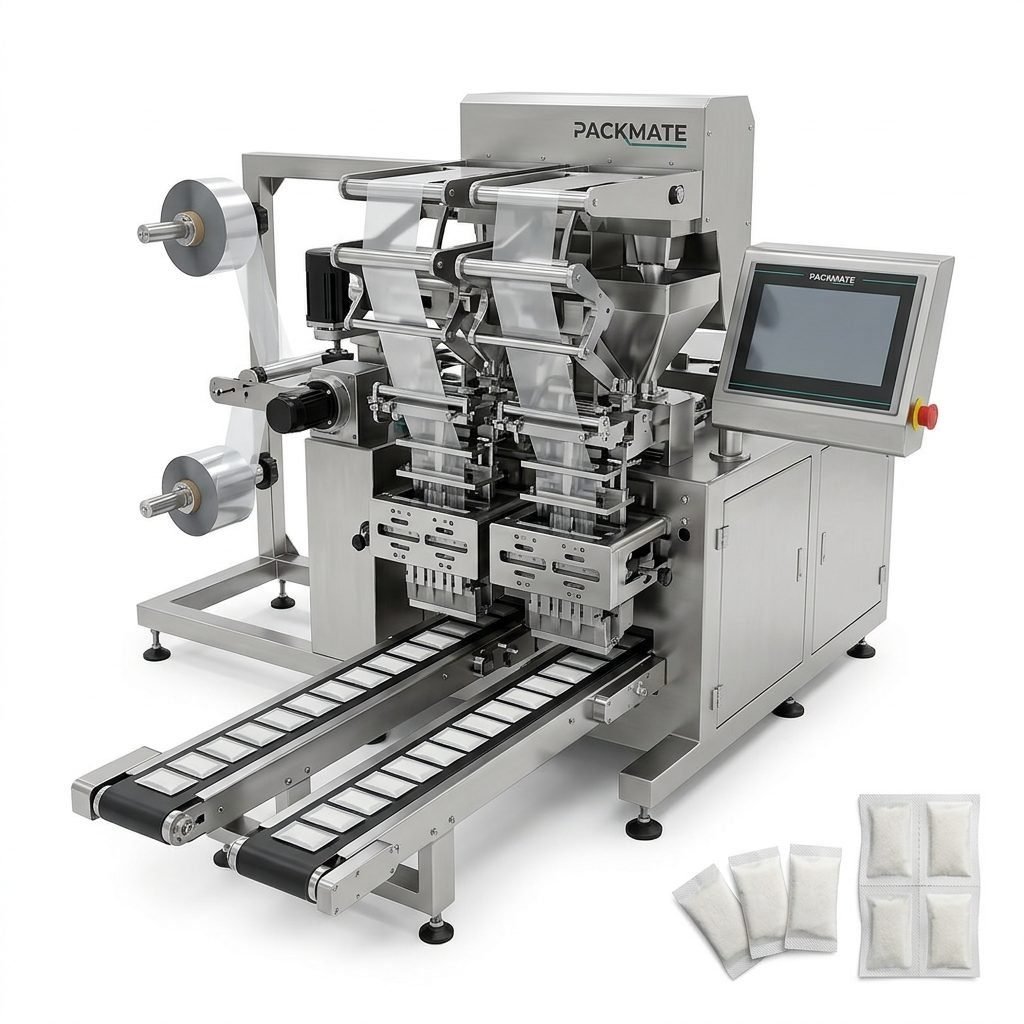
- ✅ Sachet and pouch machines — flexible for multi-lane production and different pouch shapes.
- ✅ Multi-lane snus pouch systems — best for high throughput with small-dose pouches and consistent dosing accuracy.
If you want to compare proven options, check product lines like Snus & Nicotine Packaging Machines and Sachet & Stick Pack Machines.
Must-Check Technical Features
When evaluating supplier quotes, pay special attention to features that directly affect product quality and uptime:
⚙️ Dosing accuracy — essential for legal compliance and cost control. Look for systems with precision weighers or multi-head feeders when dosing small nicotine amounts.
🚀 Speed & multi-lane capability — ensure the machine meets target throughput while maintaining seal and dose consistency.
🔒 Sealing quality — heat-seal integrity under South American humidity conditions matters for shelf life.
🔧 Changeover time & ease of maintenance — minimal downtime is crucial for seasonal demand swings and promotional runs.
🖥️ Automation & controls — modern PLC/servo systems with remote diagnostics reduce local troubleshooting time.
Materials Compatibility and Packaging Films
Packaging film selection must account for barrier requirements, printing, and the humid climates found in many South American ports. Choose films with strong oxygen and moisture barriers and test sealing parameters with your supplier’s machine before purchase.
Supplier Credibility: What to Verify
A trustworthy supplier should provide transparent information on factory capabilities, certifications, and global references. Look for:
- Factory size, equipment (CNC, assembly lines) and years of R&D — larger, experienced factories typically deliver better quality control.
- Certifications (CE, ISO) that demonstrate adherence to international manufacturing and safety standards — ask for certificates.
- Case studies and customer references from similar regions or product types.
Packmate’s background (30+ years of experience, 20,000㎡ facility, 50+ machine models) is an example of the kind of manufacturing strength you should expect. Learn more about the company via their About Packmate page and review real-world implementations in their Case studies.
Customization, Turnkey Solutions and Local Adaptation
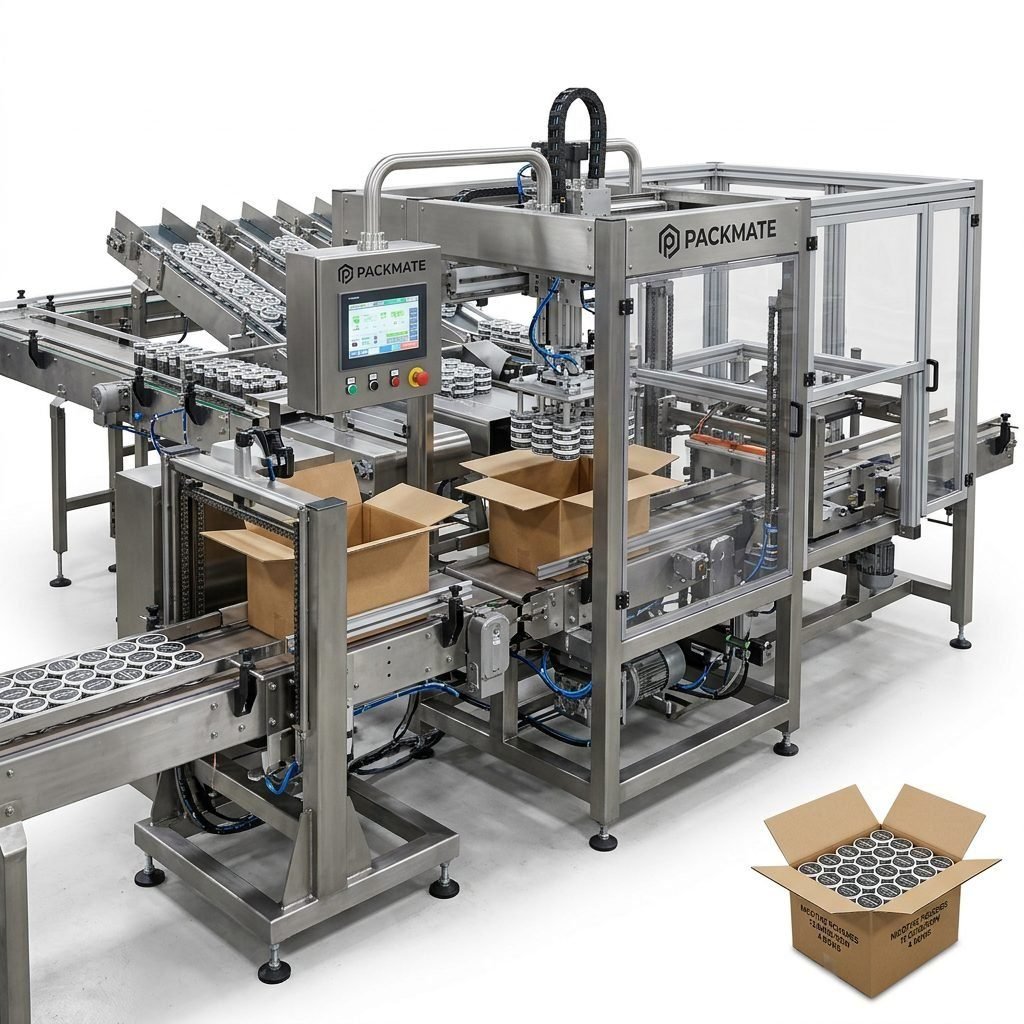
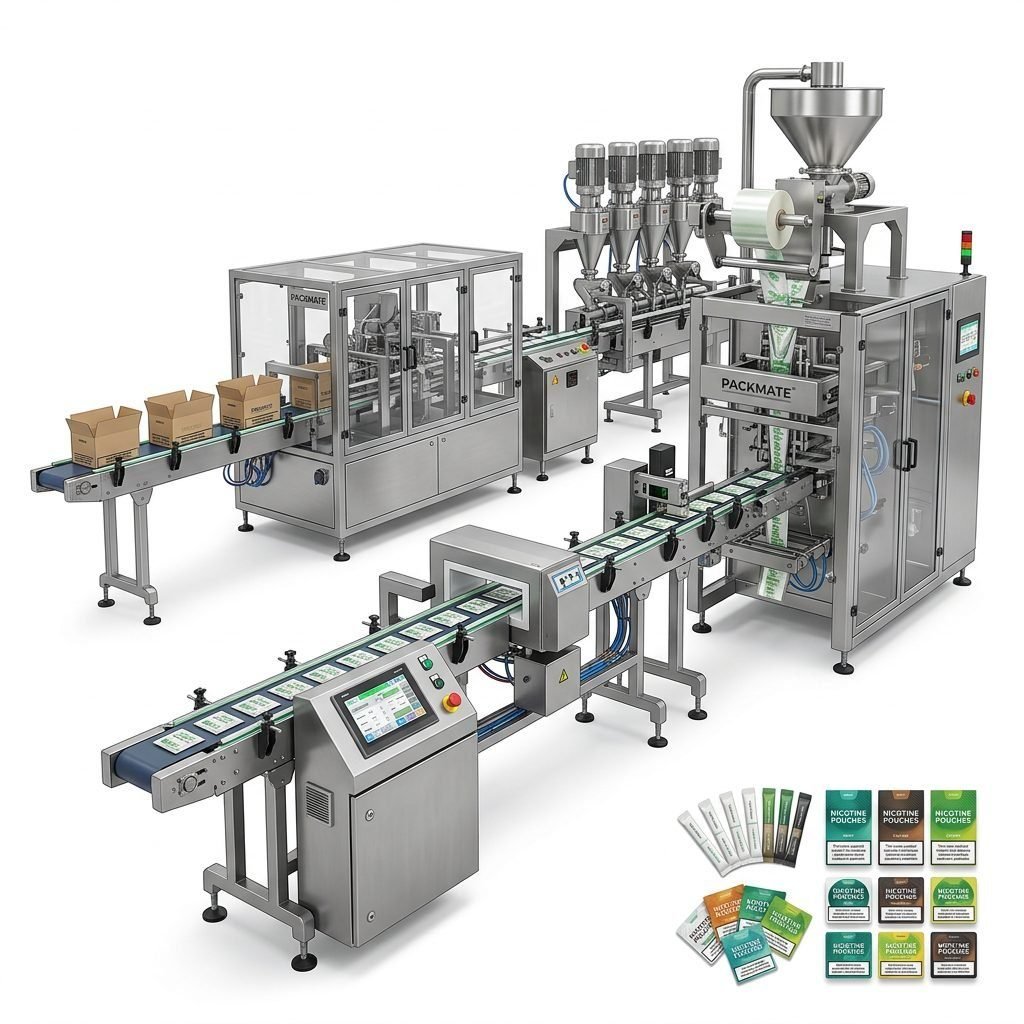
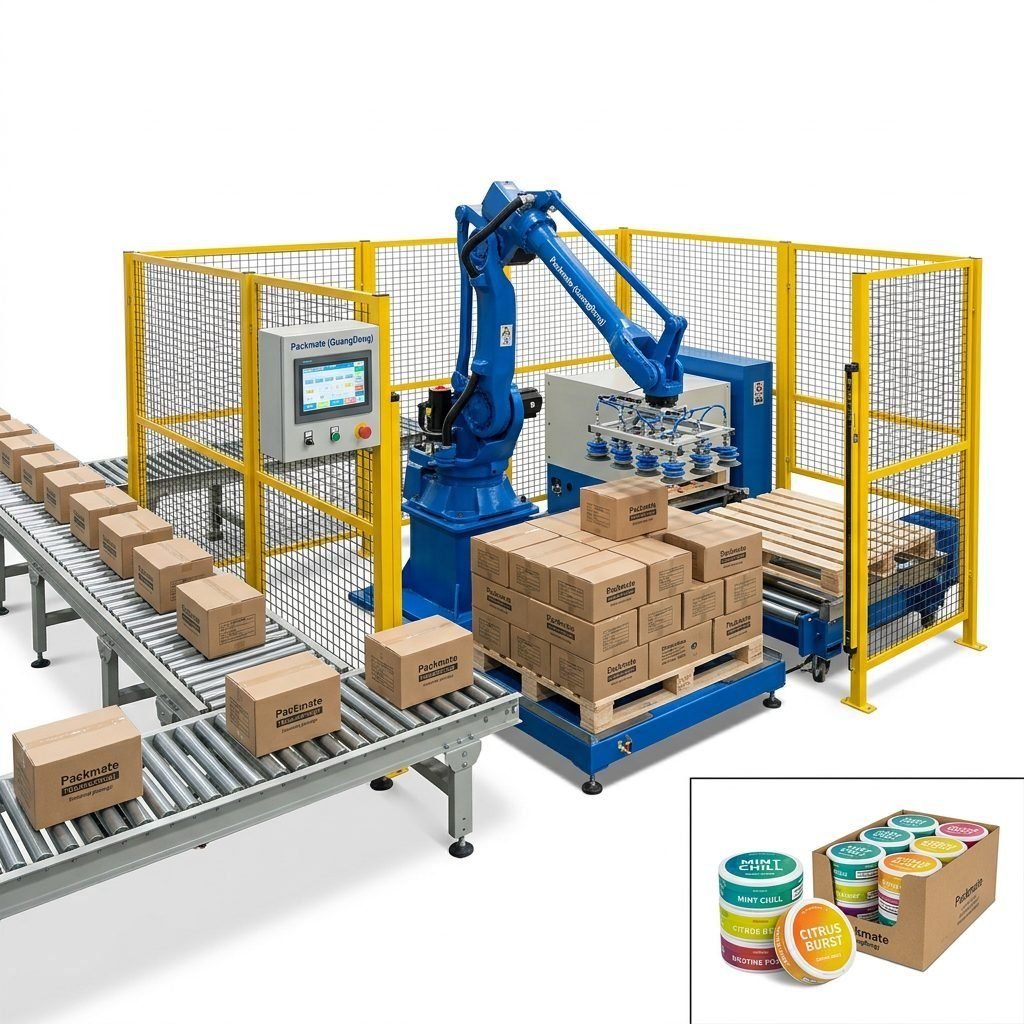
South American customers often require language-specific HMI screens, metric-based documentation, and electrical adaptations to local voltages. A supplier who can deliver fully customized turnkey lines — including weighing, filling, pouching, and end-of-line — reduces your integration headaches. Check if the supplier offers:
- Local-language documentation and training (Spanish/Portuguese).
- Pre-shipment FAT (Factory Acceptance Test) with video and sample runs.
- Customization for local labeling and legal statements.
Important Links for Deep Dives
For detailed equipment options and supporting systems, review the supplier’s machine portfolios such as Filling & Packaging Lines and Weighing & Packaging Systems.
After-Sales Service and Spare Parts Strategy
Local service responsiveness often makes more difference than initial price. Ensure the supplier provides:
✅ Spare parts availability and recommended stocking list for wear parts.
✅ Remote diagnostics, software updates, and phone/video support in your time zone.
✅ On-site commissioning and operator training in Spanish/Portuguese — ask for documented training plans.
Explore the supplier’s service commitments on their Service page and contact channels via Contact Us.
Pricing, Lead Times and Total Cost of Ownership
Compare quotes beyond the capital cost: evaluate throughput efficiency, expected uptime, energy consumption, spare parts cost, and planned maintenance intervals. Faster machines with better automation often deliver lower unit cost in the long run. Also confirm realistic lead times — shipping to South America can be delayed by customs or port congestion.
Practical Buying Checklist
✅ Verify certifications and ask for copies of CE/ISO certificates.
✅ Request FAT videos and real sample outputs with your product.
✅ Inspect lead times, warranty terms, and spare parts delivery times.
✅ Confirm training scope and local-language manuals.
✅ Check export documentation and supplier experience shipping to South American ports.
Installation & Commissioning in South America
Plan for customs clearance, local electrical hookup, and operator training. Many suppliers, including established manufacturers, provide supervised installation and commissioning — request a detailed installation plan and a checklist for on-site needs (cranes, floor load-bearing, compressed air, utilities).
Handling Local Customs & Import Requirements
Work with customs brokers familiar with machinery imports. Ensure all machine documentation (packing list, bill of materials, certificates) is accurate and translated if necessary. Consider temporary import for commissioning if available in your country.
Operational Tips for the First 6 Months
Document standard operating procedures, changeover steps, and preventive maintenance tasks. Keep critical spare parts (seals, belts, sensors) on hand for the initial ramp-up. Schedule follow-up training sessions with the supplier at 1 and 3 months post-commissioning.
Negotiation & Final Acceptance Tips
Negotiate clear acceptance criteria in the contract (sample outputs, throughput, defect rates), warranty duration, and response times for service calls. Insist on a documented FAT and a final SAT (Site Acceptance Test) where machine performance is verified under real product conditions.
✅ Tip: Include penalty clauses or holdbacks until SAT is completed to ensure supplier accountability for performance.
Where to See Machines and Meet Suppliers
Attend regional and global packaging exhibitions to see live demonstrations and meet machine engineers — suppliers often showcase machines at industry events. Check supplier exhibition pages such as Our Exhibition for upcoming shows.
Final Selection Summary
To choose the best supplier for snus packaging machines in South America, prioritize: documented regulatory experience, robust service and spare parts strategy, proven machine performance under humid climates, language-appropriate training, and clear contractual acceptance criteria. A supplier with manufacturing depth and global turnkey experience will minimize risk and speed your market entry.
Frequently Asked Questions (3-5 common questions)
Q: What certifications should a snus packaging machine have for international trade?
A: Look for CE and ISO certifications as baseline evidence of manufacturing and safety standards. Ask for machine-specific test reports and material certificates.
Q: How important is a Factory Acceptance Test (FAT)?
A: Extremely important — FAT verifies machine performance with your product before shipment. Require FAT videos, sample packs, and signed acceptance criteria.
Q: What spare parts should I stock locally for the first year?
A: Key wear parts: sealing jaws, belts, bearings, sensors, cutters, and critical PLC/servo spare modules. Your supplier should provide a recommended spare parts list.
Q: Can suppliers assist with regulatory labeling and documentation for South America?
A: Many experienced suppliers provide documentation support and can customize labeling machines and software, but local legal sign-off is still required.
Q: How do I contact a reputable supplier to start discussions?
A: Use the supplier’s official contact channels and request references and case studies. For example, reach out via Contact Us to initiate technical and commercial conversations.