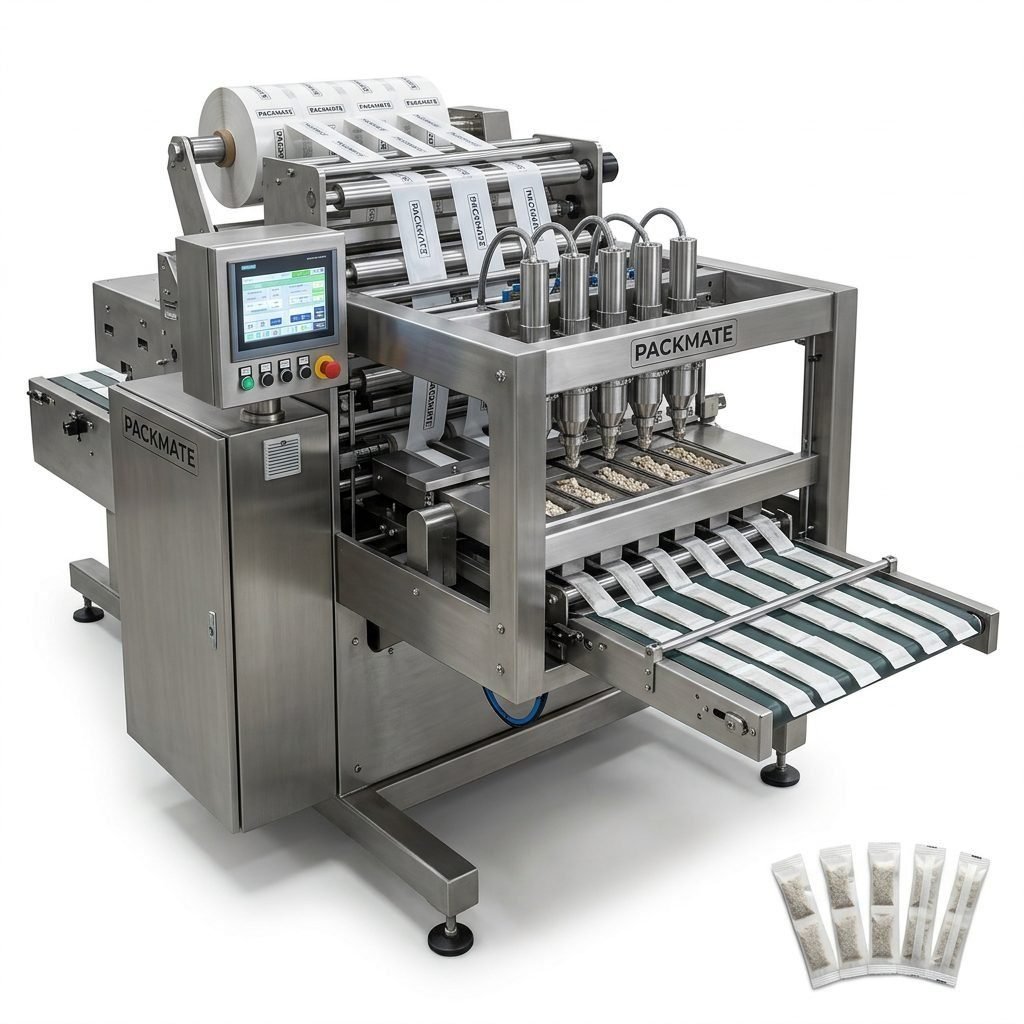
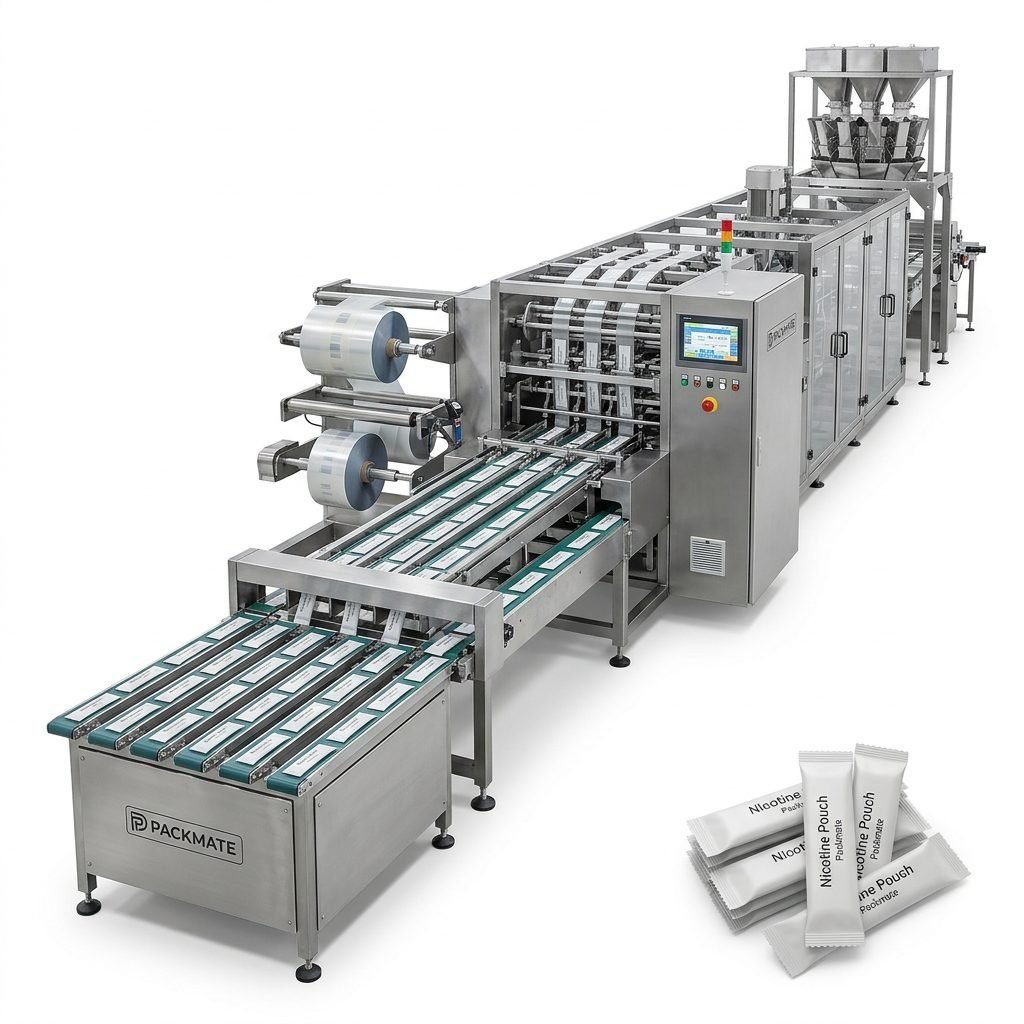
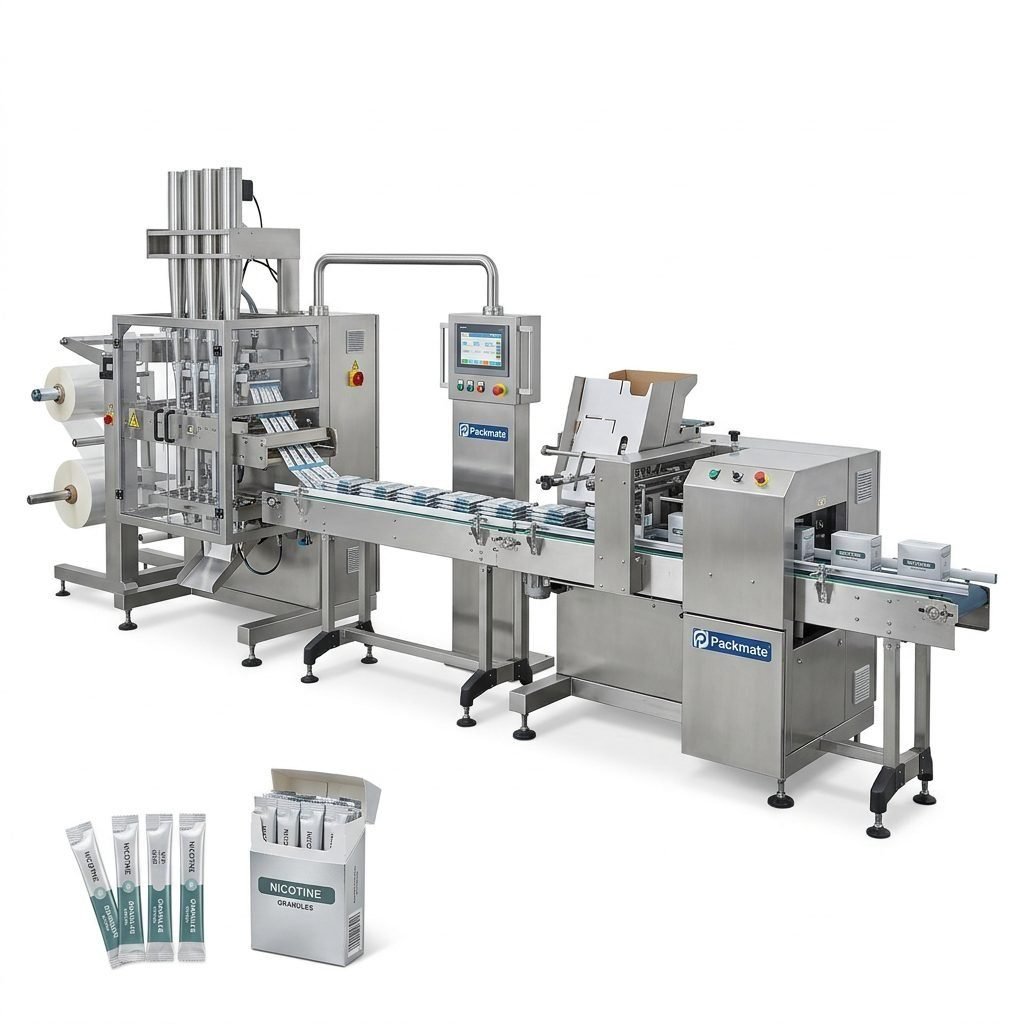
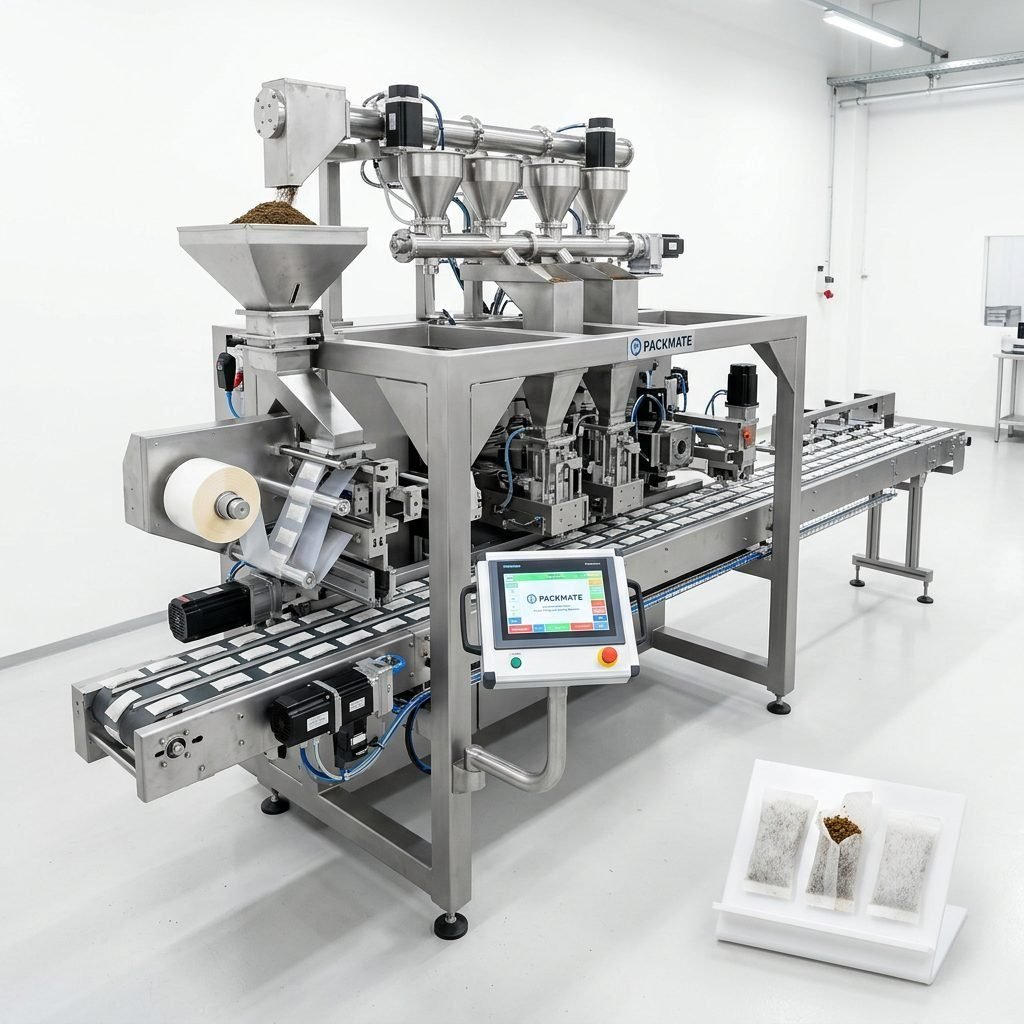
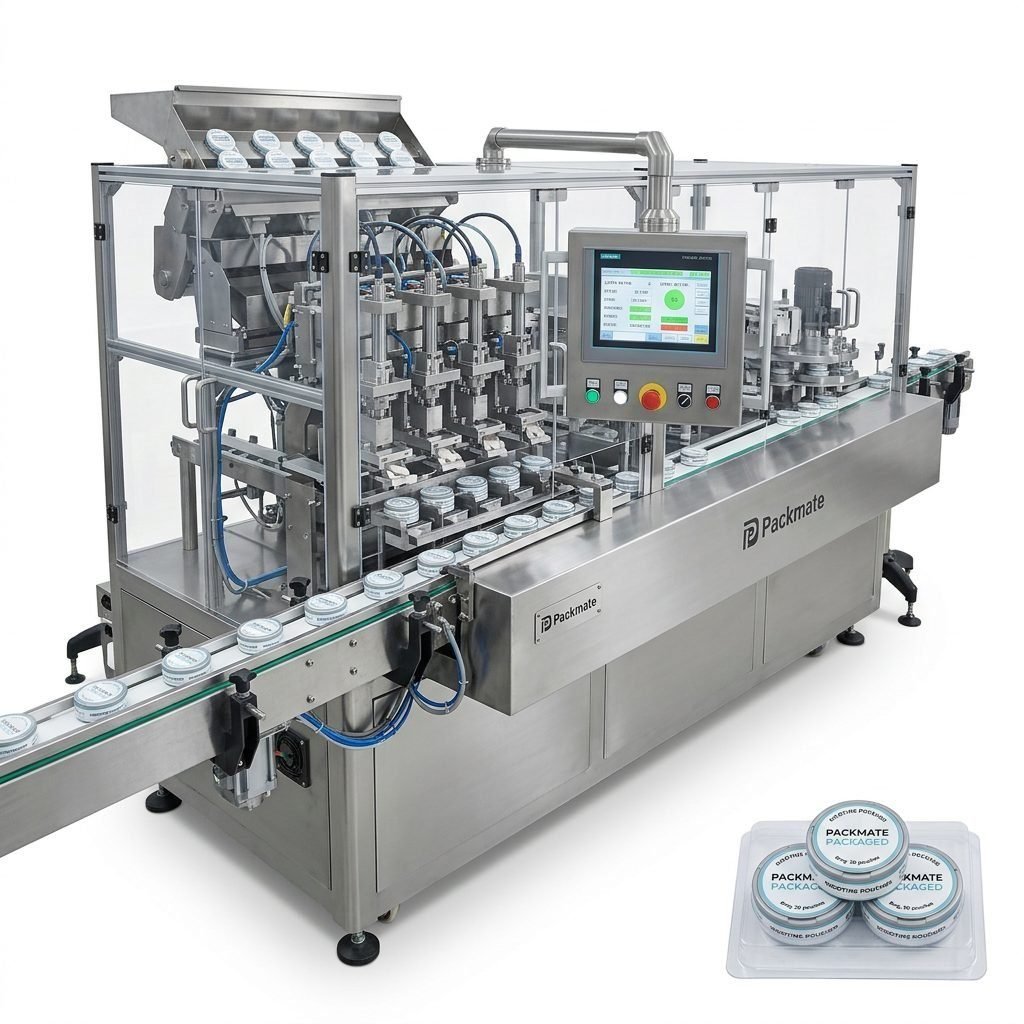
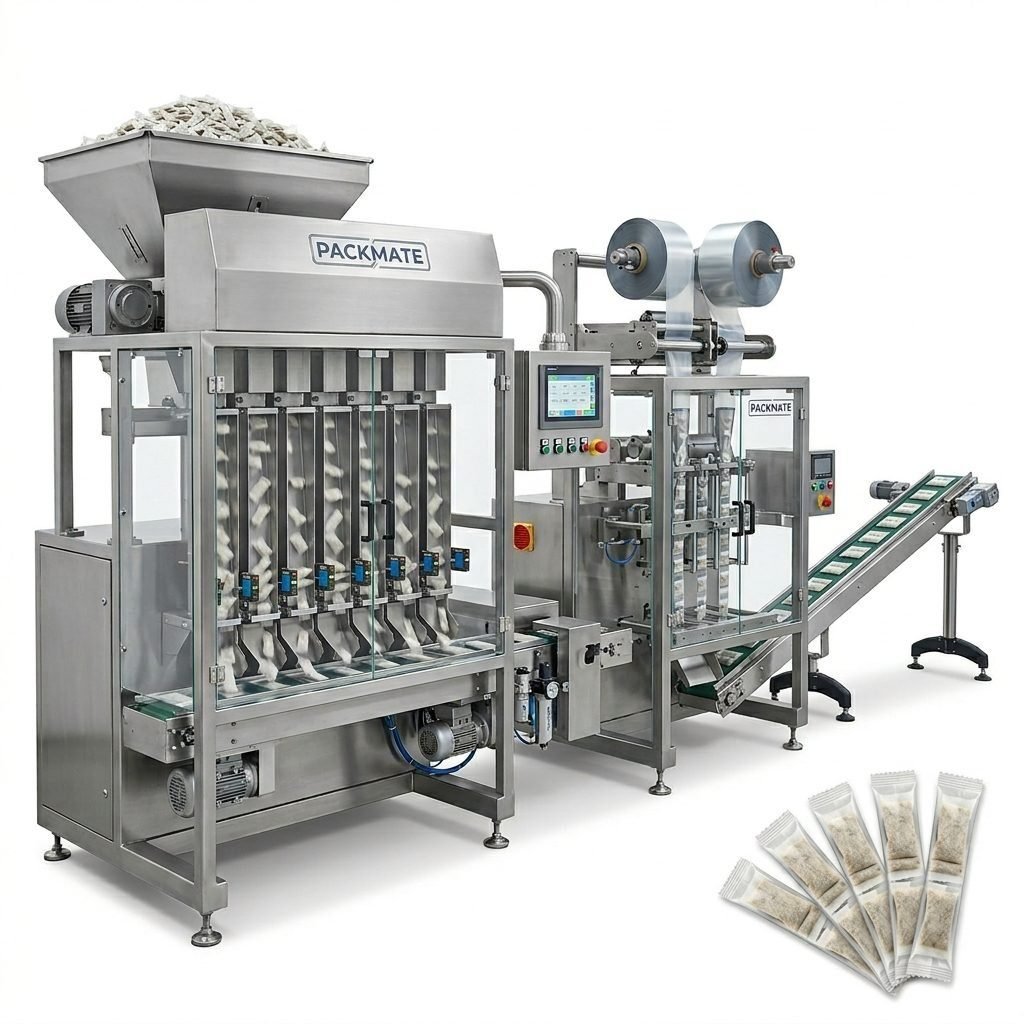
Choosing the right snus packaging machinery supplier is one of the most important decisions you will make when setting up or expanding a nicotine pouch or snus production line in Suriname. This guide walks production managers, entrepreneurs, and procurement teams through a practical, locally-informed selection process so you can secure high-quality equipment, reliable after-sales support, and a fast return on investment. Read on to learn what to evaluate, what questions to ask, and how to adapt a machinery investment to Suriname’s climate, local regulations, and market habits.
Understand Your Production Requirements
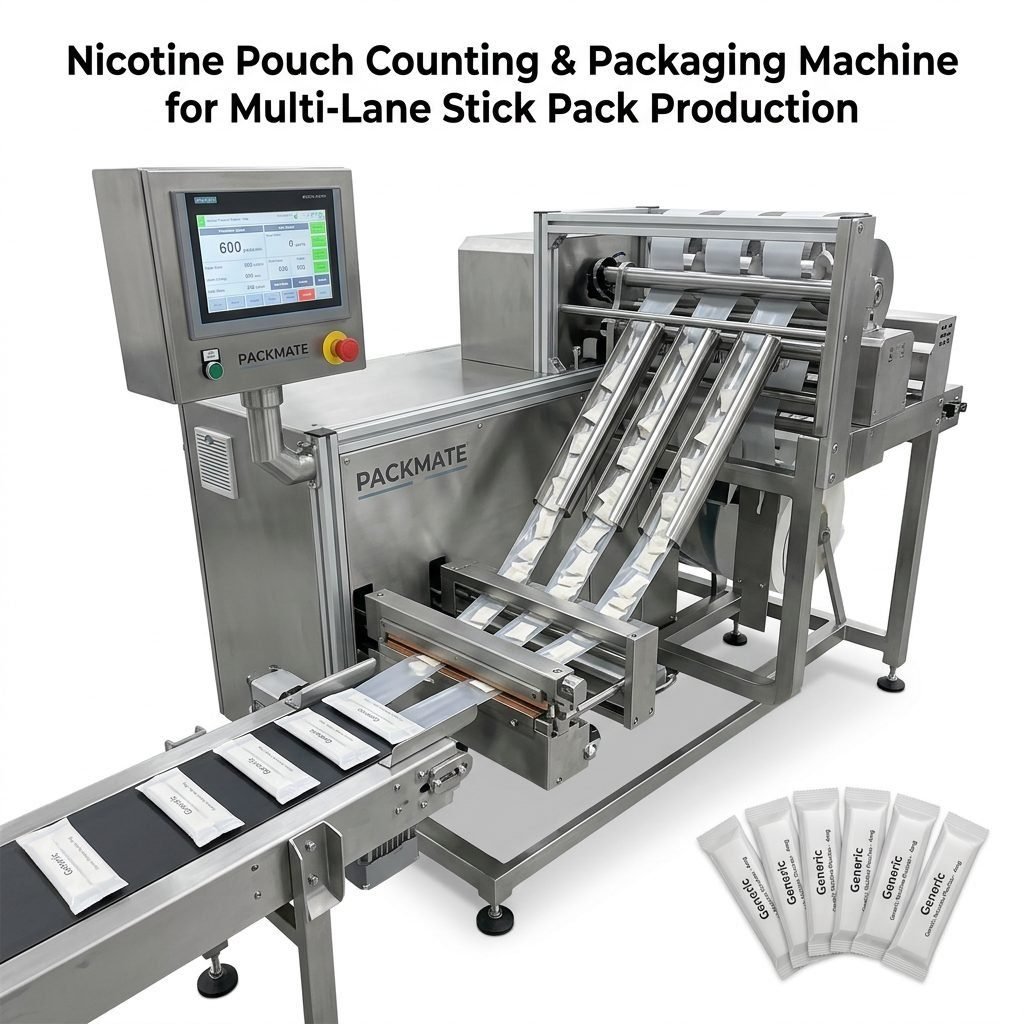
Before you contact suppliers, define your production needs in clear, measurable terms. Consider daily output targets, product formats (loose snus portions, nicotine pouches, sachets, stick packs), packaging materials, and the level of automation required. Suriname’s market size often favors flexible machines that can switch between small and medium volumes and support multi-lane production to increase throughput without a large plant footprint.
Key specifications to list
– Target pieces per minute or per shift
– Desired pouch or portion sizes and materials (paper, laminate, foil)
– Multi-lane vs single-lane configuration needs
– Integration with existing weighing, filling, or labeling systems
– Power supply constraints and local electrical standards in Suriname
– Required levels of HACCP/cleanability if you handle food or pharmaceutical-grade products
📌
Tip:
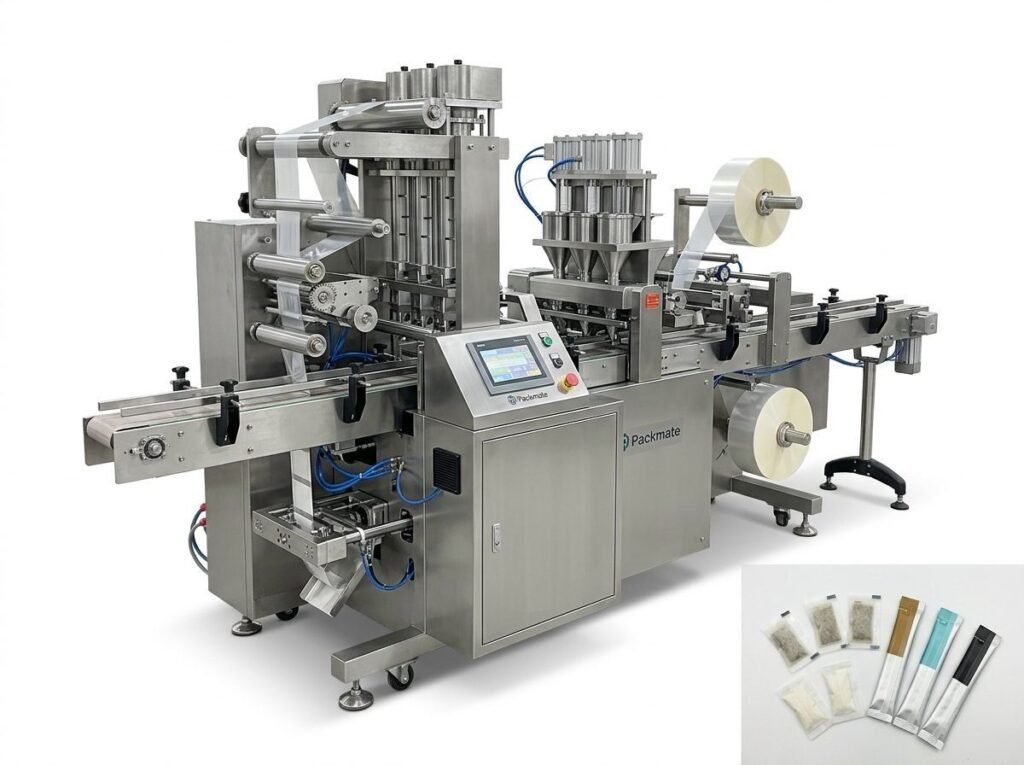
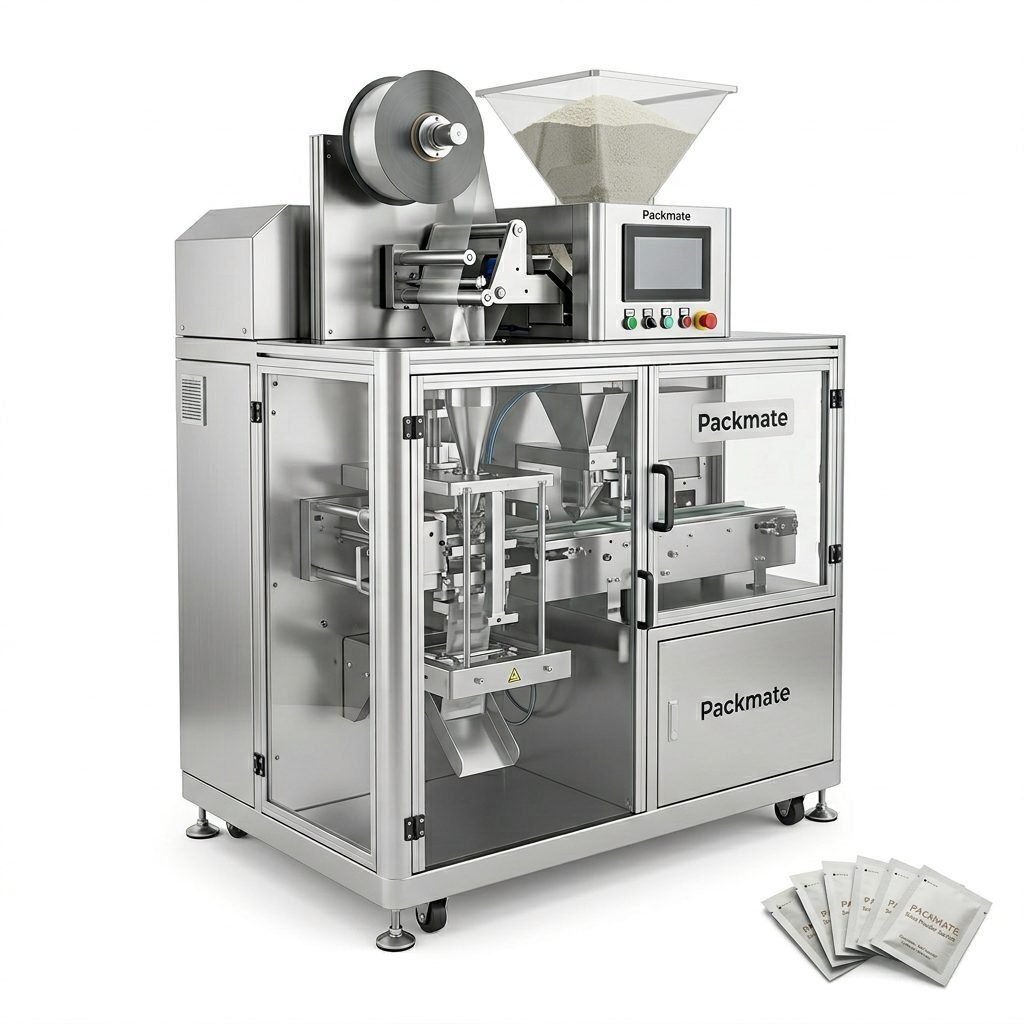
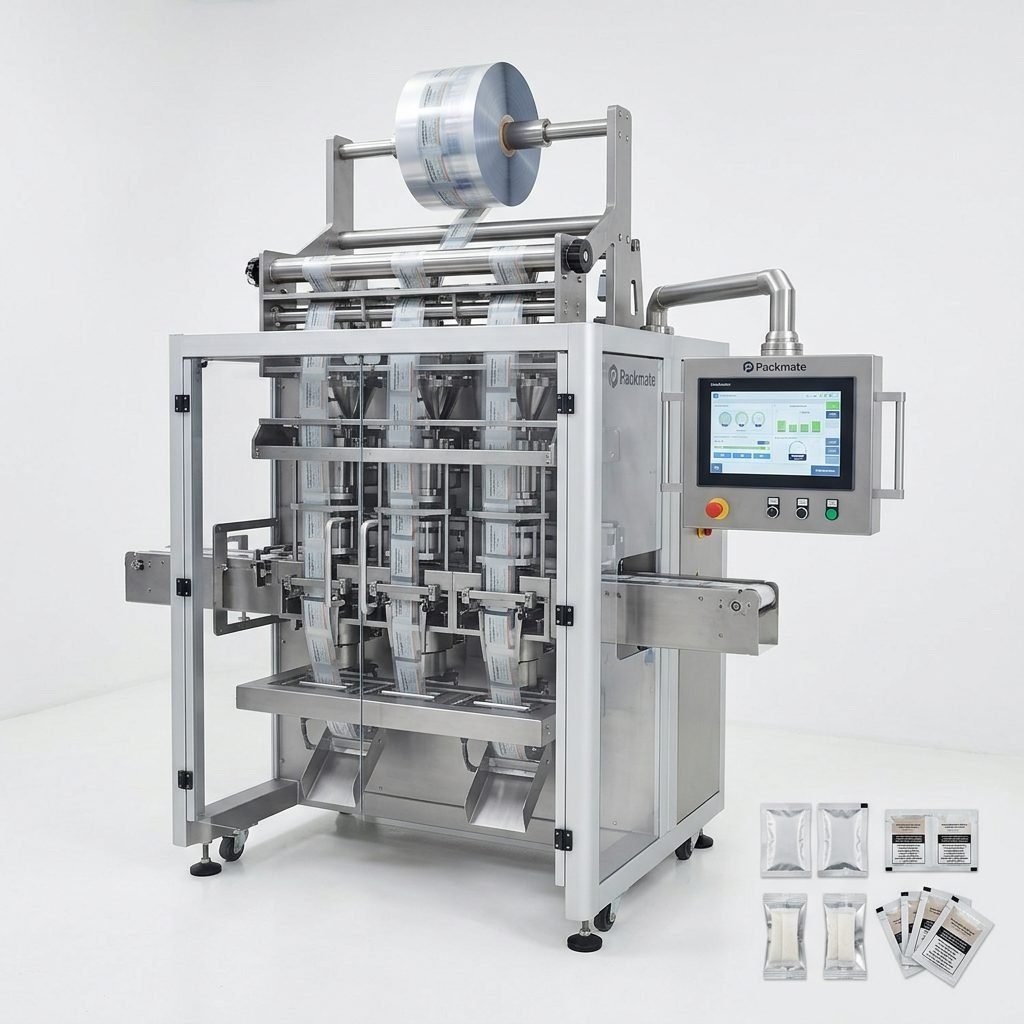
When you document needs precisely, suppliers like Packmate can recommend an optimal model from categories such as Snus & Nicotine Packaging Machines or multi-lane solutions that balance cost and capacity.
Evaluate Supplier Experience and Reputation
Experience matters. Look for suppliers with an established track record in snus and nicotine pouch equipment. A manufacturer with decades of packaging engineering experience will be better equipped to solve packaging challenges such as small-dose accuracy, hygiene requirements, and high-speed pouch formation. Packmate, for example, brings over 30 years of industry experience and offers a variety of machines tailored for nicotine pouch lines.
Checklist for supplier credibility
– Years of industry experience and number of installed lines worldwide
– Customers and case studies; ask for references in Latin America or comparable markets
– Presence at international exhibitions (can indicate investment in R&D and public validation)
– Transparent factory and testing facilities—prefer suppliers that allow factory acceptance testing
Certifications, Standards, and Compliance
Regulatory compliance is critical. Ask about CE, ISO certifications, and whether the machinery meets safety, electrical, and hygiene standards relevant to global trade. Suriname imports many industrial goods and customs officials often require technical documentation; certified equipment reduces clearance risk and demonstrates quality.
✔️ Must-have: CE/ISO documentation, machine manuals in English (or Dutch if possible), and clear spare parts lists to support Suriname import processes.
Machine Types and Technology to Consider
Choose a technology that suits your product format and production scale. For snus and nicotine pouches, common systems include stick pack machines, sachet and pouch machines, and multi-lane lines for small-dose pouches. Evaluate whether the supplier offers integrated weighing and packaging systems, as combined lines reduce footprint and streamline production.
Explore product lines on suppliers’ websites to compare models and performance. Suppliers often list model specifications and optional modules—use these details to shortlist candidates. For example, check specialized pages such as Bag & Pouch Packaging Machines and Sachet & Stick Pack Machines.
Customization and Flexibility
Suriname’s market can be diverse and sometimes seasonal. A supplier that offers modular upgrades and customizable fixtures will let you adapt the same machine to new bag sizes, different fillings, or branding updates without replacing the entire line. Ask about quick-change tooling, programmable recipes, and the availability of spare parts locally or via fast shipping.
After-Sales Support, Training, and Spare Parts
After-sales service is often the decisive factor in supplier selection. Ensure the supplier provides:
– On-site installation and commissioning
– Training for local operators and maintenance staff (consider multilingual training materials for Suriname)
– Remote diagnostics and software support to minimize downtime
– Fast access to spare parts—ask about shipping times to Paramaribo and local stocking options
⚠️
Critical:
Downtime in a small market can be expensive. Prioritize suppliers who offer clear SLAs for spare parts and remote support. Check their Service offerings and local partner networks.
Considerations Specific to Suriname
Suriname’s tropical climate, multilingual workforce, and import logistics require special attention:
Climate and material durability
High humidity and occasional heavy rains mean stainless steel construction and corrosion-resistant components are advisable. Confirm that bearings, drives, and electrical enclosures are rated for humid environments and consider protective coatings or dehumidifiers where needed.
Language and local training
Suriname’s official language is Dutch, but Sranan Tongo, English, and other languages are widely spoken. Request operator manuals and training in English or Dutch, and ensure the supplier can provide clear, pictorial maintenance guides for quick local learning.
Import & customs
Work with suppliers who understand export documentation and can assist with packing lists, certificates of origin, and technical declarations. Machines often arrive by container to Paramaribo—confirm crating standards and recommended shipment terms (INCOTERMS).
Total Cost of Ownership (TCO) over Purchase Price
Focus on TCO rather than sticker price. High-efficiency machines may cost more upfront but save on labor, waste, and maintenance long-term. Ask potential suppliers for:
– Energy consumption per shift
– Expected uptime and MTBF (mean time between failures)
– Consumables and spare parts pricing
– Typical warranty coverage and extended warranty options
Factory Visits, Demonstrations, and Case Studies
Whenever possible, visit the supplier’s factory or attend an exhibition demonstration. Inspect machines running actual snus or nicotine pouch materials. If you cannot visit, request video trials and ask for customer references in nearby regions. Packmate regularly demonstrates machines at trade shows and documents installations—review case studies and exhibition pages for real-world examples.
Integration with Existing Lines and Future Expansion
Plan how the new machinery will connect to upstream fillers, weighers, and downstream boxing or palletizing systems. Suppliers that supply full lines (weighing & packaging systems or filling & packaging lines) can help you design a scalable, integrated facility. See options for Weighing & Packaging Systems and Filling & Packaging Lines.
✅
Good practice: Choose lines that allow incremental expansion—add lanes, upgrade control systems, or connect auxiliary equipment without major redesigns.
Warranty, Performance Guarantees, and Contracts
Carefully negotiate warranty terms and performance guarantees. Specify acceptance criteria, FAT (Factory Acceptance Test) and SAT (Site Acceptance Test) benchmarks, and remedies if machines underperform. Clear contractual terms help protect your investment and ensure the supplier follows through with promised output and uptime.
Key Questions to Ask Potential Suppliers
1. What experience do you have with snus/nicotine pouch production lines, and can you provide references?
2. What is the expected throughput for the model you recommend, and how is it measured?
3. What is included in the standard warranty and what are the costs for extended coverage?
4. Can you provide operator training in English or Dutch and supply illustrated manuals?
5. How quickly can you ship spare parts to Suriname, and do you stock critical components regionally?
6. What environmental protections are built into the machine for tropical climates?
Selecting a Local Partner or Distributor
If you prefer local representation, confirm the capabilities of the local partner. They should provide installation, spare parts, and on-site maintenance. If no qualified local partner exists, ensure the manufacturer commits to remote support and periodic visits.
Why Choose Established Manufacturers Like Packmate
An established manufacturer offers technical maturity, a wide range of models, and knowledge accumulated from global installations. Packmate’s 20,000㎡ facility, advanced CNC capability, and diverse machine portfolio mean they can provide turnkey solutions and tailor machines to Suriname’s needs. For more company details and certifications, consult the About Packmate and Certificate pages.
Decision Checklist Before You Sign
– Documented production targets and machine capability match
– Clear warranty and spare parts terms
– Factory acceptance test plans and demonstration evidence
– Training plan for local staff and language accommodations
– Shipping, customs, and installation plan for Suriname
– Budgeting for total cost of ownership, not just purchase price
Bottom line:
A well-chosen supplier helps you start production faster, reduces downtime, and supports long-term growth in Suriname’s unique market environment.
Next Steps
Begin by preparing a written request for quotation (RFQ) with your technical and commercial requirements. Shortlist 2–4 suppliers, request machine demos or videos, and obtain references. For turnkey needs, ask about full-line solutions including auxiliary equipment. For direct contact and tailored solutions, use the supplier’s contact resources: Contact Us.
Frequently Asked Questions
Q1: How long does it take to receive and commission a snus packaging line in Suriname?
Typical lead times range from 12 to 26 weeks depending on customization and production schedules. Add sea freight and customs clearance time for delivery to Paramaribo. Commissioning usually requires 2–7 days onsite plus training.
Q2: What ongoing costs should we budget for after purchase?
Plan for spare parts, consumables (seals, cutters), scheduled maintenance, energy, and occasional software updates. Budget 3–8% of machine value annually for maintenance and parts in the early years.
Q3: Can machines be adapted to local electricity and safety standards?
Yes. Reputable suppliers adapt control panels, motors, and safety systems to your local electrical configuration. Confirm input voltage, phase, and enclosure ratings in the contract.
Q4: Are spare parts shipped quickly to Suriname?
Shipping speed depends on supplier stock. Prioritize suppliers with regional warehouses or express shipping options. Maintain a small local inventory of critical parts to reduce downtime.
Q5: How do we ensure operator proficiency with new equipment?
Insist on structured training during commissioning, multilingual manuals, and a period of remote support. Consider a train-the-trainer approach so local supervisors can continue knowledge transfer.