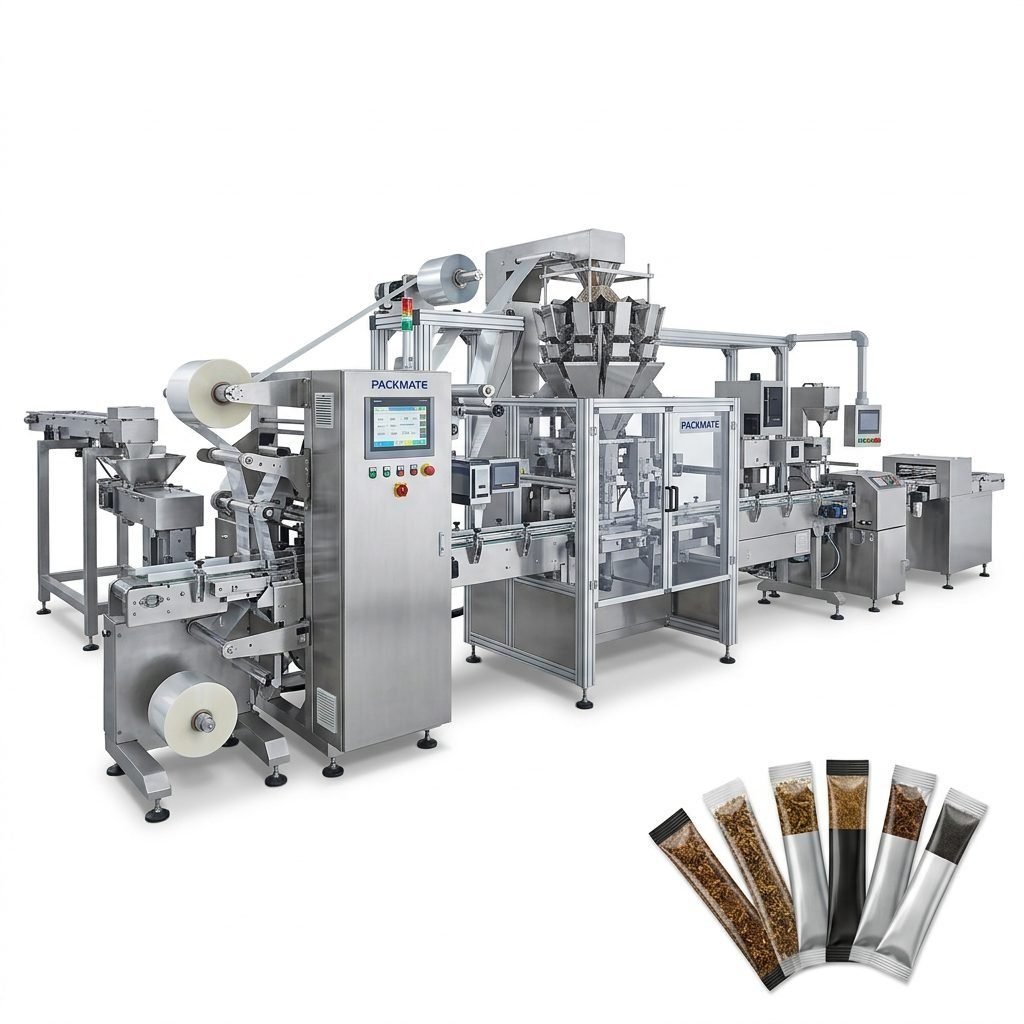
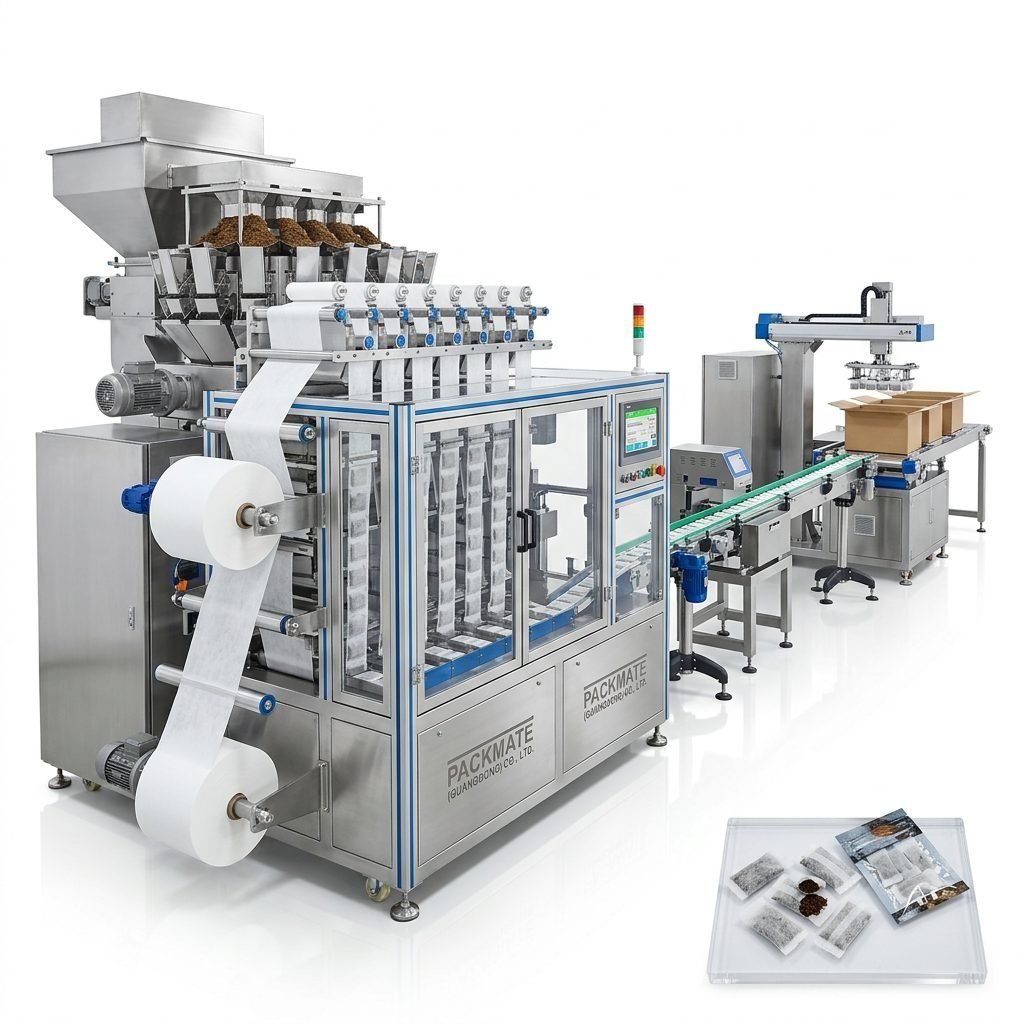
Choosing the right snus packaging machine supplier for your factory in Bolivia is a strategic decision that affects product quality, regulatory compliance, production efficiency, and long‑term profitability. This guide walks you through the essential technical, commercial, and cultural factors to evaluate so you can select a reliable partner who understands both snus production and local market realities.
Understand the Bolivian Context and Consumer Habits
Bolivia has a rich tradition of local plant products and a regulatory environment shaped by public health priorities. While traditional chewing and leaf‑based customs (such as coca leaf use in some regions) differ from snus consumption, demand for modern nicotine pouches and discreet oral products is growing in urban centers. When sourcing machinery, consider these local realities:
-
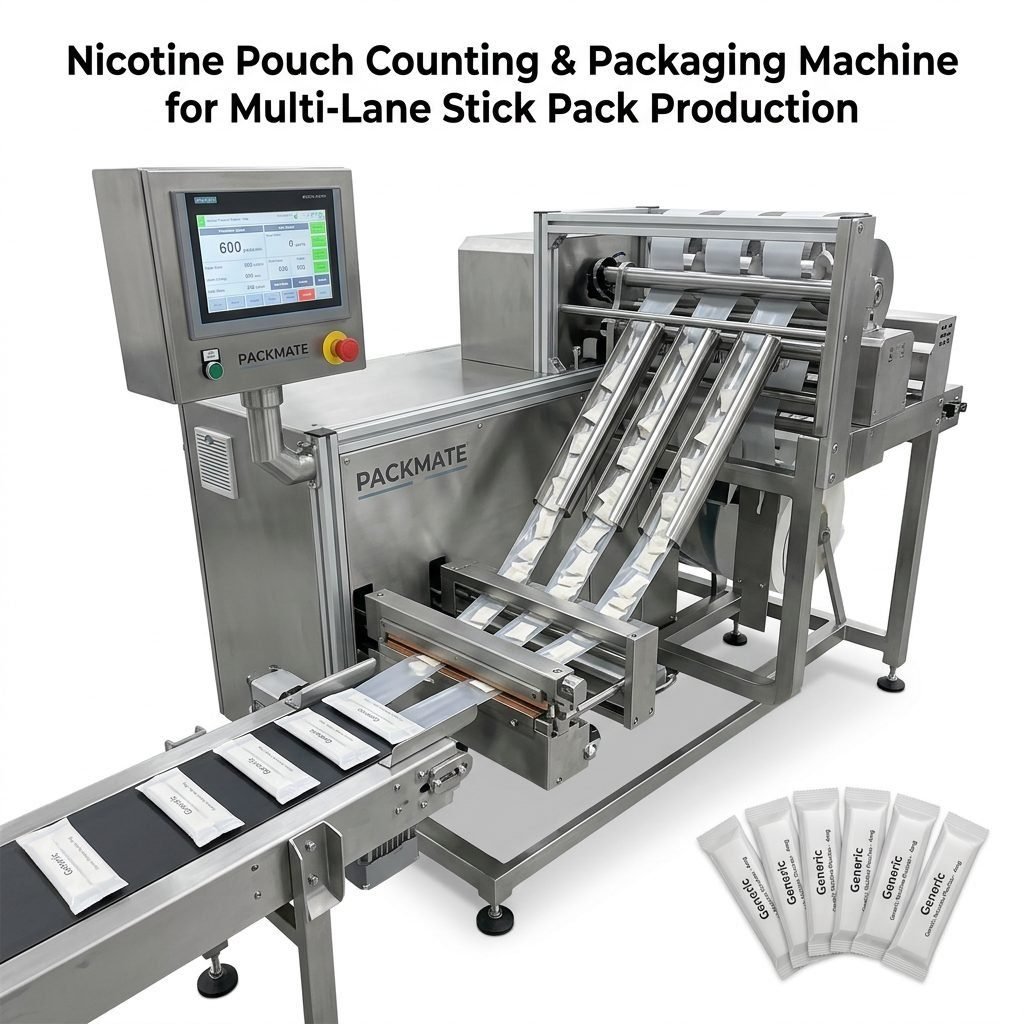
Packaging preferences: consumers often prefer compact, durable pouches suited for pockets — machines that support multi-lane, high-precision sachet or pouch formats are advantageous.
-
Climate: parts of Bolivia feature high altitude and varying humidity — moisture control in packaging and robust sealing systems are crucial.
-
Language & training: Spanish-language manuals and local training resources smooth installation and operator adoption.
Regulatory and Import Considerations
Bolivian import rules, customs documentation, and product registration pathways can affect lead times and total landed cost. Seek suppliers who can provide complete export documentation, CE/ISO certifications, and support with local partners. A supplier experienced with Latin American clients often anticipates customs requirements and shipping constraints.
Tip:
Ask for a complete packing list, machine CE/ISO certificates, and an export checklist before committing — this reduces surprises at Bolivian customs.
Technical Criteria: What the Machine Must Deliver
Selecting a snus packaging machine means evaluating engineering performance against your product specs. Important technical areas include:
Filling & Dosing Precision
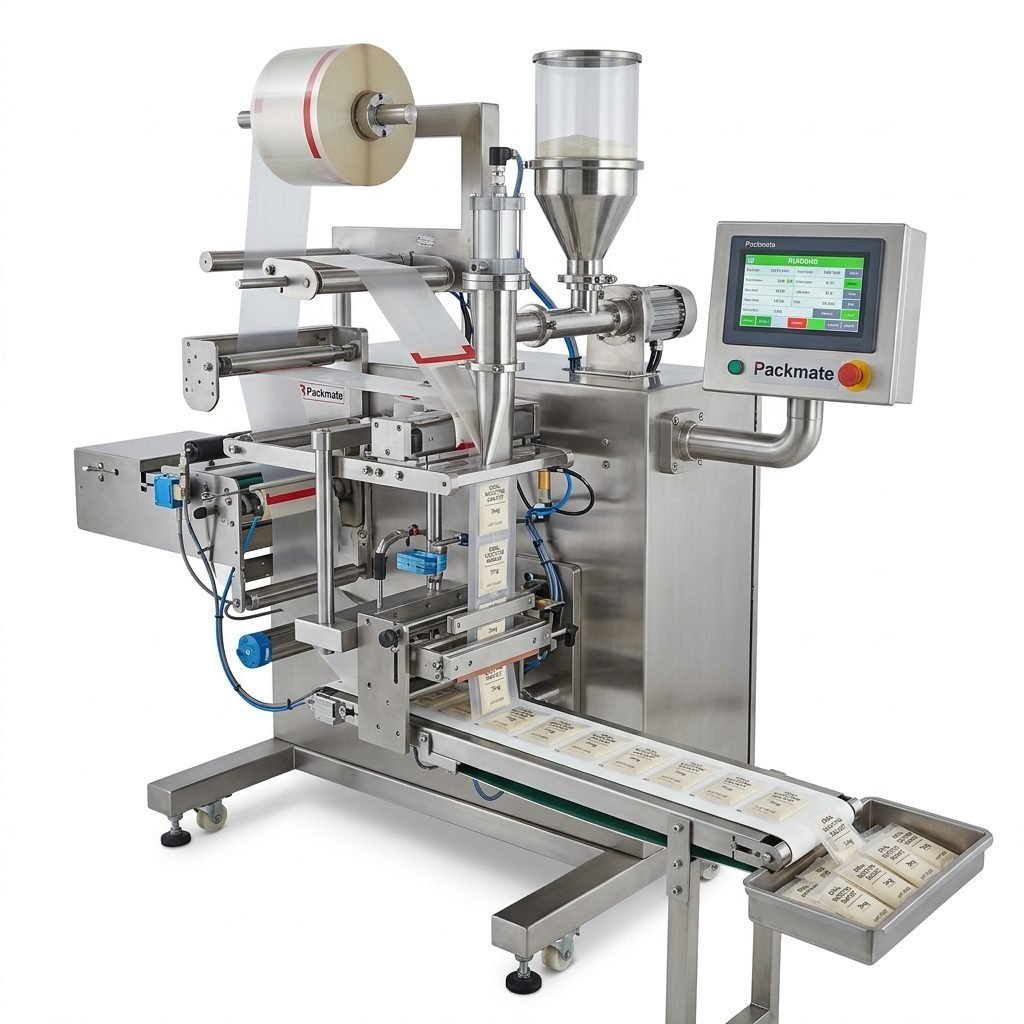
For nicotine pouches, accurate dosing at micro-gram to milligram levels is critical for consistency and compliance. Confirm the supplier’s weighing and dosing technology, repeatability data, and how their system handles different fill materials (powder, granule, or small fiber blends).
Sealing & Shelf‑Life Protection
Bolivia’s varied climate makes sealing integrity vital. Look for heat-sealing systems with adjustable temperature control, high-quality jaws, and validation data for barrier films. Machines that support barrier pouches and nitrogen flushing options will better protect product stability.
Speed, Multi‑Lane Capability & Scalability
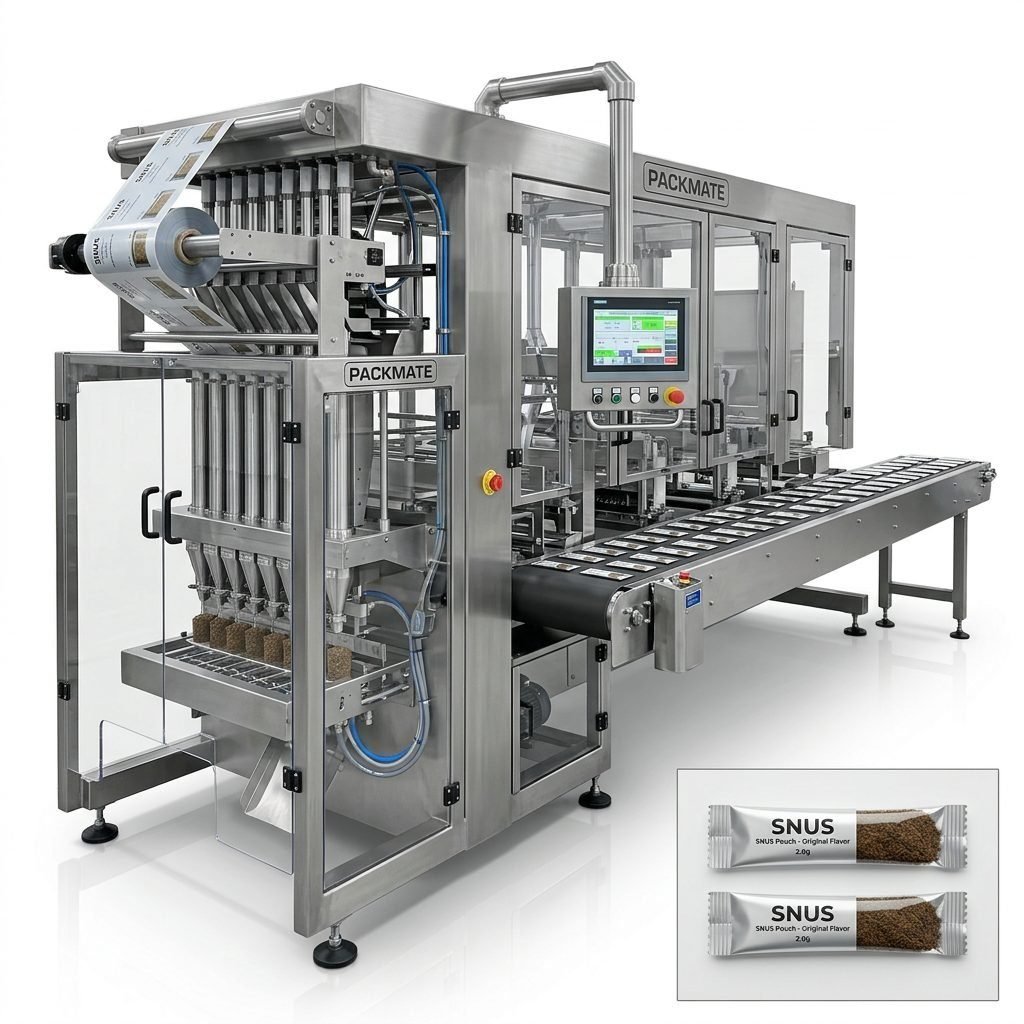
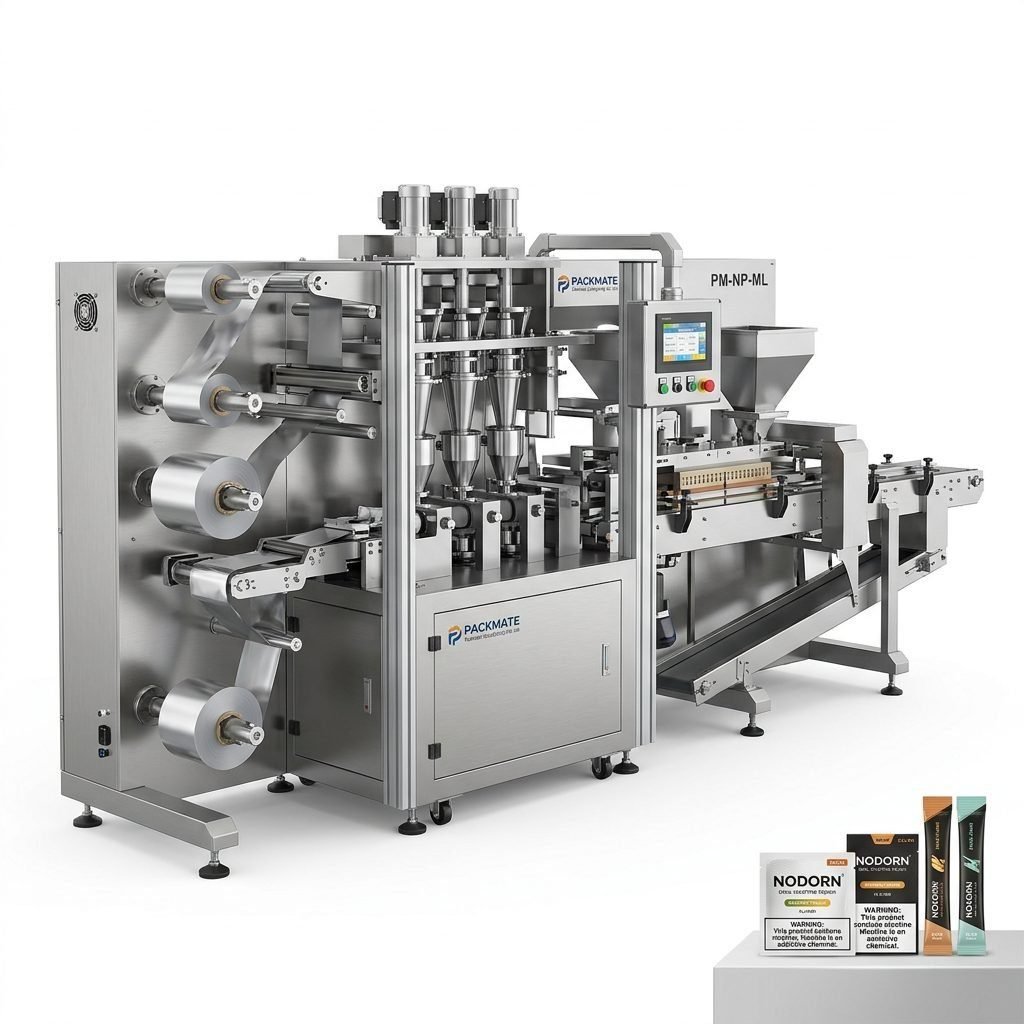
Decide current and future throughput targets. Multi-lane systems and modular lines let you increase capacity without replacing the whole line. Evaluate changeover times and whether the supplier offers fast tooling or servo-driven adjustments for quick format changes.
Evaluate Supplier Credentials and Factory Strength
A manufacturer’s real-world capability is evident in factory scale, engineering depth, and quality controls. Consider these signals:
-
Years of experience and specialisation in snus/nicotine packaging.
-
Factory size, CNC & assembly capabilities, and testing labs — these reduce lead times and improve consistency.
-
Certifications (CE, ISO) and export track record to Latin America.
-
Case studies or references from customers in similar markets.
Key indicator:
A dedicated snus packaging manufacturer with a large factory footprint and advanced CNC equipment shows capacity for consistent spare parts supply and rapid customization.
After‑Sales Support: The Difference Between a Machine and a Line
After-sales service matters more in Bolivia where remote service visits can be slower. Verify:
-
Availability of spare parts and typical delivery times to Bolivia.
-
Remote troubleshooting tools (video calls, PLC backups) and Spanish-language support.
-
Onsite commissioning, operator training, and warranty terms.
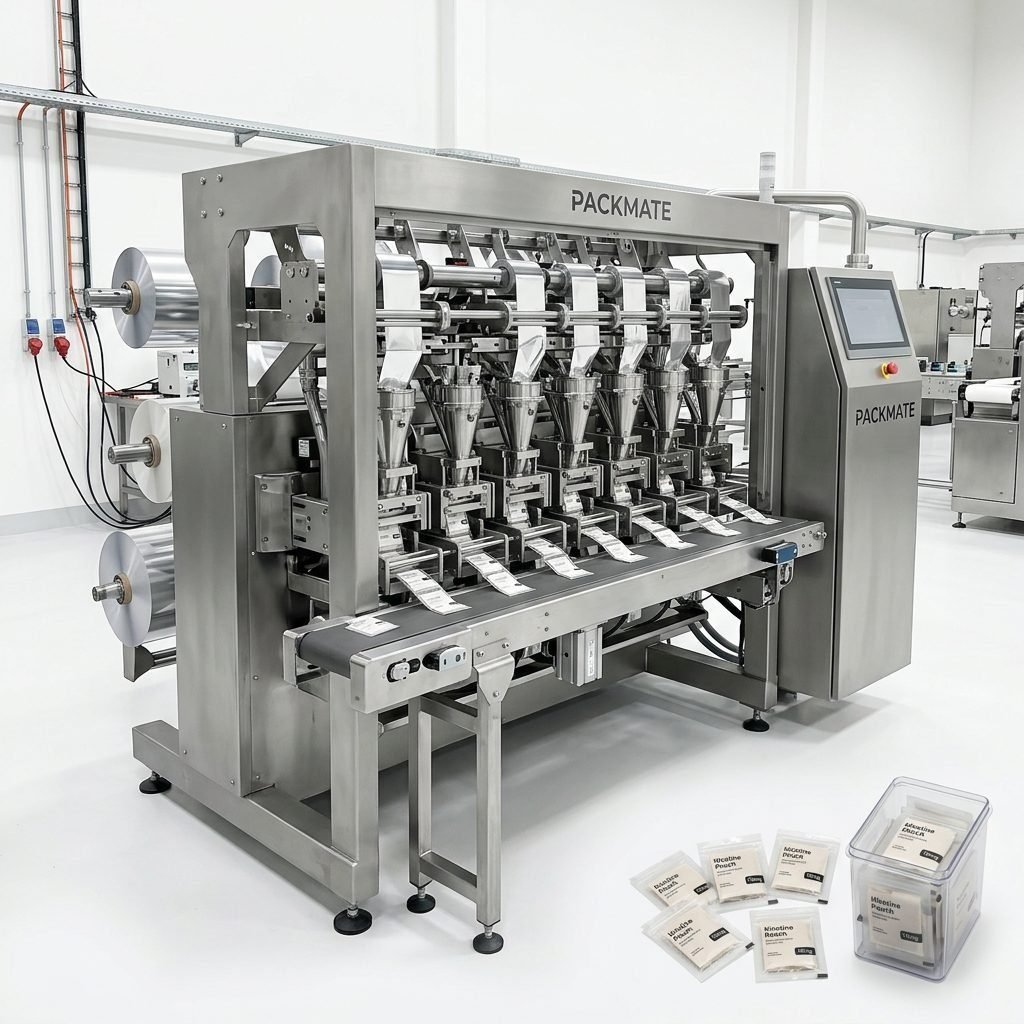
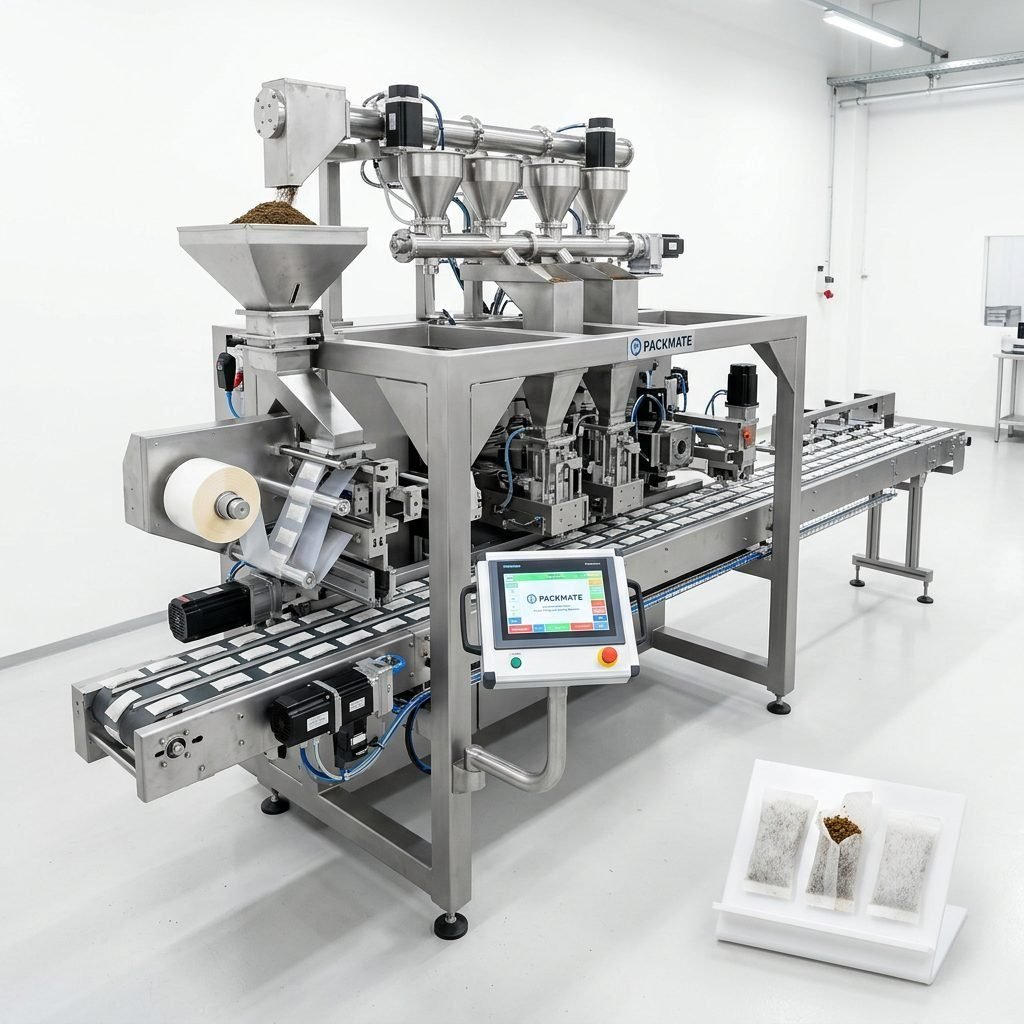
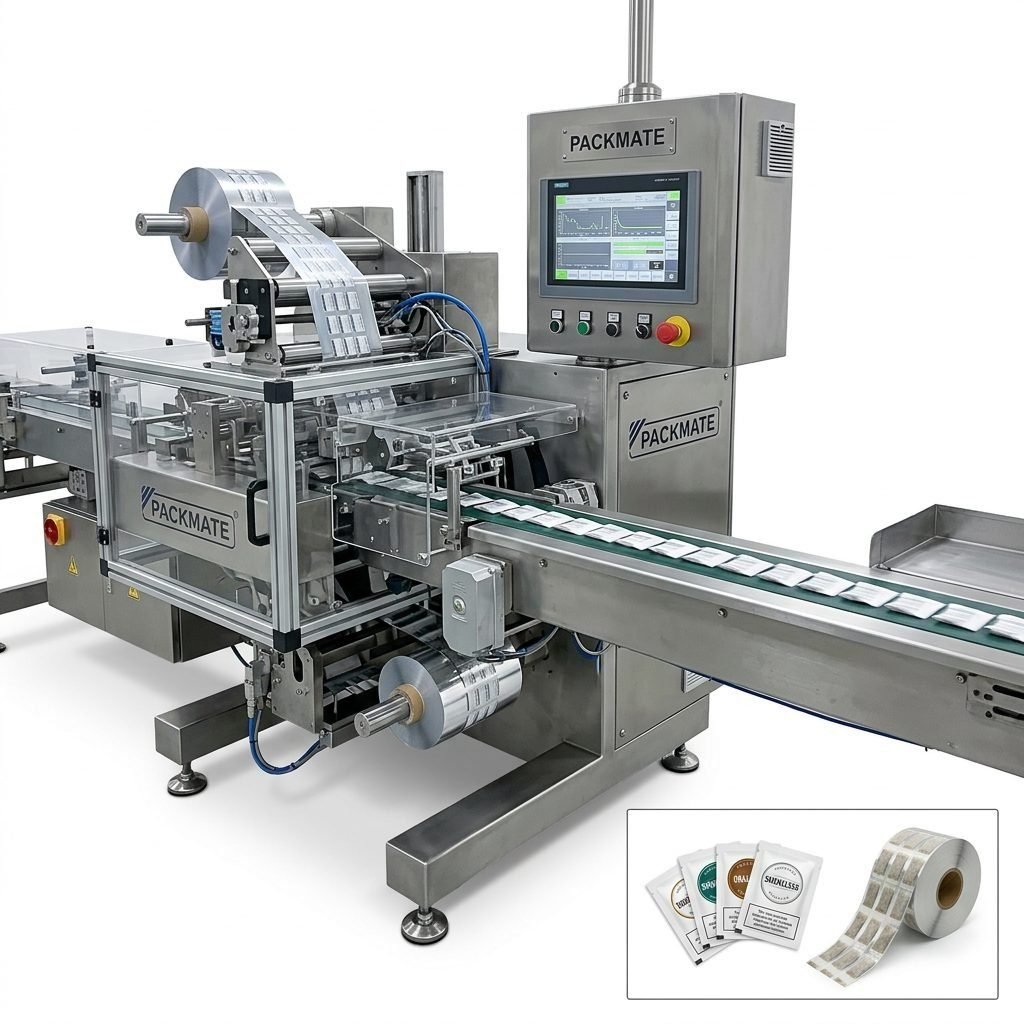
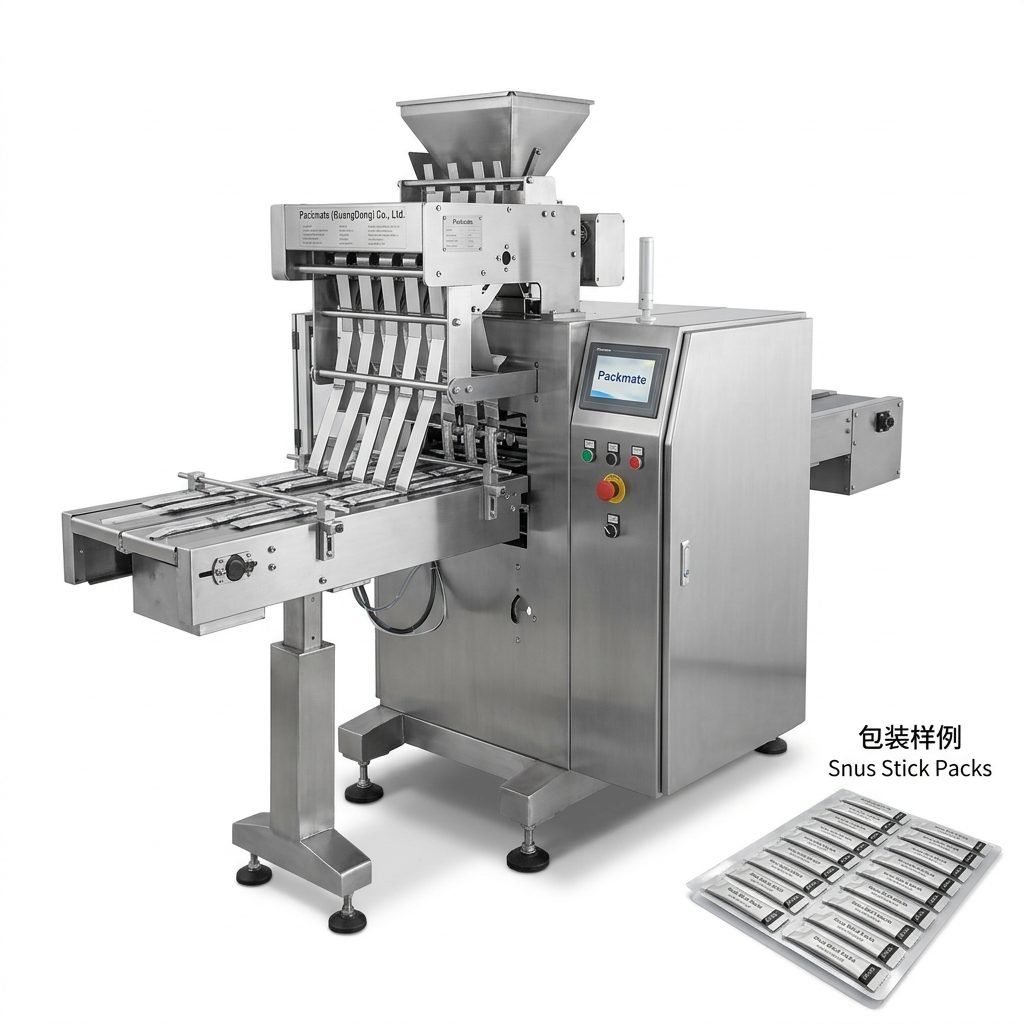
Suppliers who provide turnkey solutions — from filling systems to weighing & packaging operators to final cartoning — reduce integration risk. Explore their product pages to confirm end-to-end capability: Snus & Nicotine Packaging Machines, Bag & Pouch Packaging Machines, and Weighing & Packaging Systems.
Factory Visits and Live Demos
If possible, arrange a factory visit or attend a trade exhibition where the supplier demonstrates machines in operation. Seeing repeatability, changeover speed, and control interfaces live is invaluable. Packmate’s exhibition presence and live demos can be explored on their exhibitions or case pages.
Useful links: Case Studies and Our Exhibition.
Customization, Flexibility and Futureproofing
Bolivia’s market may evolve quickly. Choose suppliers who offer:
-
Modular machine design for format changes and lane additions.
-
Software updates and PLC customization for recipe management and traceability.
-
Integration with upstream filling systems and downstream cartoning/labeling lines: see Filling & Packaging Lines.
Commercial Terms: Price vs Value
Evaluate total cost of ownership, not just purchase price. Factor in:
-
Spare parts consumption and local stocking plans.
-
Energy efficiency and predicted maintenance intervals.
-
Training and local support costs, shipment and customs expenses to Bolivia.
Commercial checklist:
Request a detailed quote with breakdowns for machinery, tooling, spare parts kit, shipping, installation, and training. Compare lifecycle costs across 3-5 years rather than just upfront price.
Installation, Training and Local Partnering
A reliable supplier will provide full commissioning and operator training, ideally in Spanish. Confirm whether the supplier can:
-
Send technicians for initial startup in Bolivia or authorize a certified local service partner.
-
Provide bilingual manuals, wiring diagrams, and PLC backups.
-
Offer remote diagnostics and spare-part express shipping options.
Decision Checklist: Final Questions to Ask
Before signing a contract, ensure you have answers to these essential questions:
-
What is the guaranteed dosing accuracy and pouch seal integrity?
-
Can the line be expanded to multiple lanes and higher speeds without full replacement?
-
What is the spare parts lead time to Bolivia and do they offer a starter kit?
-
Are training materials and service available in Spanish?
-
Does the supplier have references or case studies in Latin America? (Ask for contacts.)
Contacting a Trusted Manufacturer
When you are ready, reach out to suppliers who specialize in snus and nicotine pouch packaging. For example, Packmate Snus Machine emphasizes deep industry experience, a large manufacturing facility, and full turnkey solutions — useful when you need integrated lines from weighing to pouching. Learn more about their company and service offerings here: About Packmate and Contact Us.
Final reminder:
Choose a supplier who combines technical excellence with practical support for Bolivian operations — robust sealing, humidity-aware design, Spanish-language support, and proven export experience.
Frequently Asked Questions (FAQs)
Q1: How long does it take to install a snus packaging line in Bolivia?
A1: Installation and commissioning typically range from 2–6 weeks depending on complexity, site readiness, and customs clearance. Suppliers with local partners can shorten on-site time.
Q2: What spare parts should I stock locally?
A2: Keep critical wear parts, sealing jaws, belts, sensors, and a basic electronics kit. Ask the supplier for a recommended starter spare parts list specific to your machine model.
Q3: Do these machines support different pouch types and barrier films?
A3: Yes — modern machines support a range of films and pouch formats. Confirm compatibility for barrier films and the supplier’s experience sealing products in humid conditions.
Q4: Is Spanish-language training and documentation available?
A4: Reputable suppliers provide bilingual manuals and offer Spanish-speaking technicians or trained local partners — request this as part of the contract.
Q5: How can I verify supplier claims about performance and reliability?
A5: Request factory video demos, customer references in similar climates or markets, and on-site trials. Also ask for maintenance logs or uptime statistics where available.