Finding a reliable snus packaging machine supplier in South Sudan requires more than price comparison — it demands practical local insight, logistics planning, product knowledge, and a clear service strategy. This buyer’s guide walks you through actionable steps, supplier evaluation criteria, and negotiation tips tailored to South Sudan’s unique business environment so you can purchase equipment that runs reliably in real-world conditions.
Understand the South Sudan Market & Local Customs
South Sudan is a young nation with a largely rural population and developing infrastructure. Business operations often face challenges such as long overland transit times, intermittent power supply, and evolving regulatory frameworks. When sourcing industrial equipment, consider: local installation capacity, availability of skilled operators, and sensitivities around tobacco and nicotine products. Respect for community norms and transparent engagement with local authorities are essential for smooth import and operation.
Practical implications for buyers
- Choose robust machines with low-maintenance designs to handle supply chain delays for spare parts.
- Plan for reliable power solutions (stabilizers, UPS, or generators) given local grid instability.
- Factor in cultural and regulatory considerations when packaging nicotine products for local sale or export.
Key Technical Specifications to Check
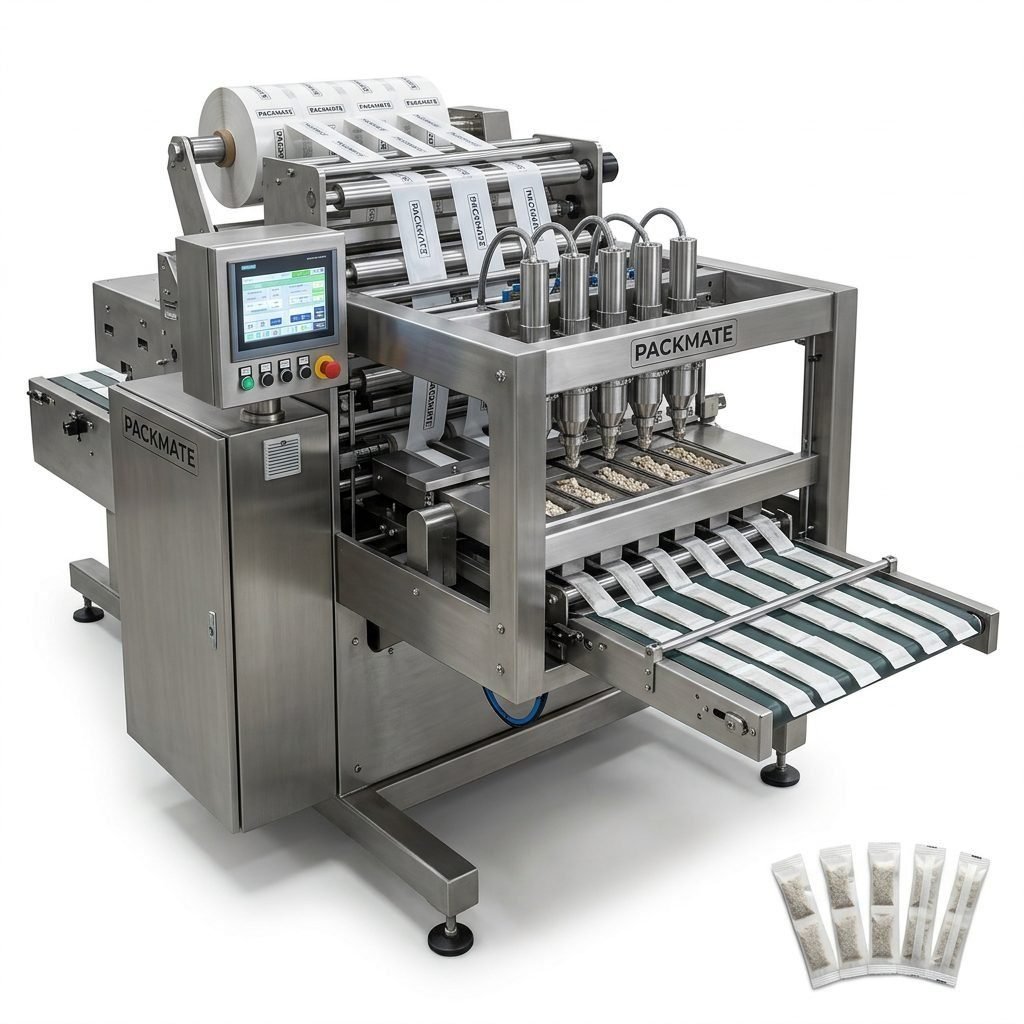
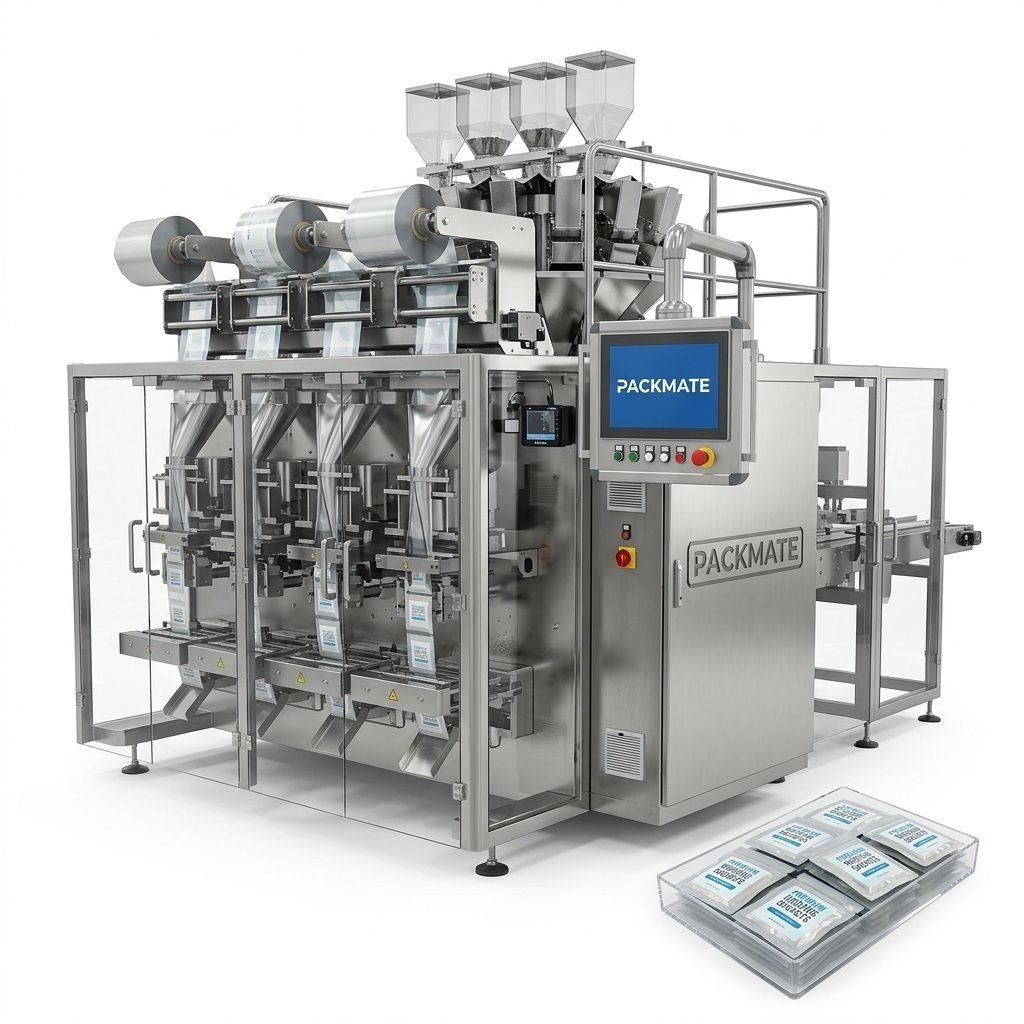
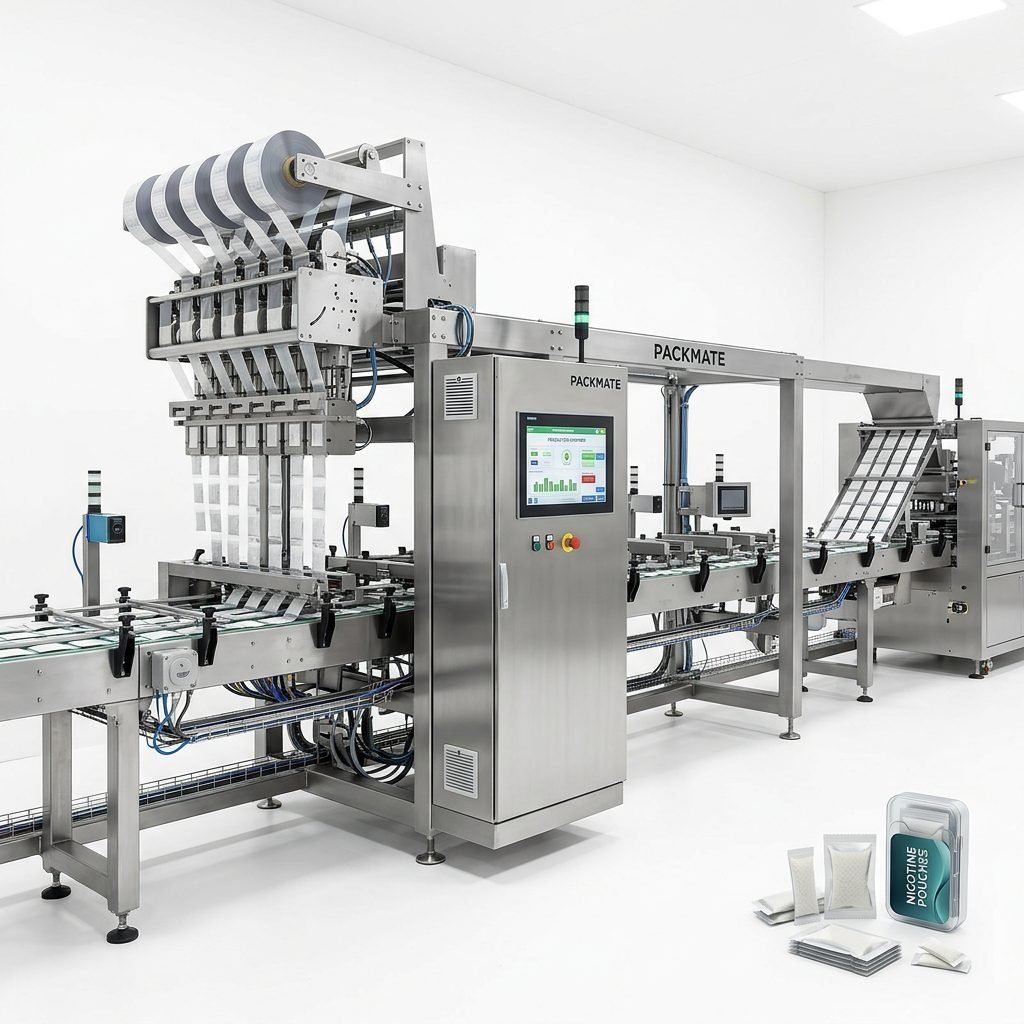
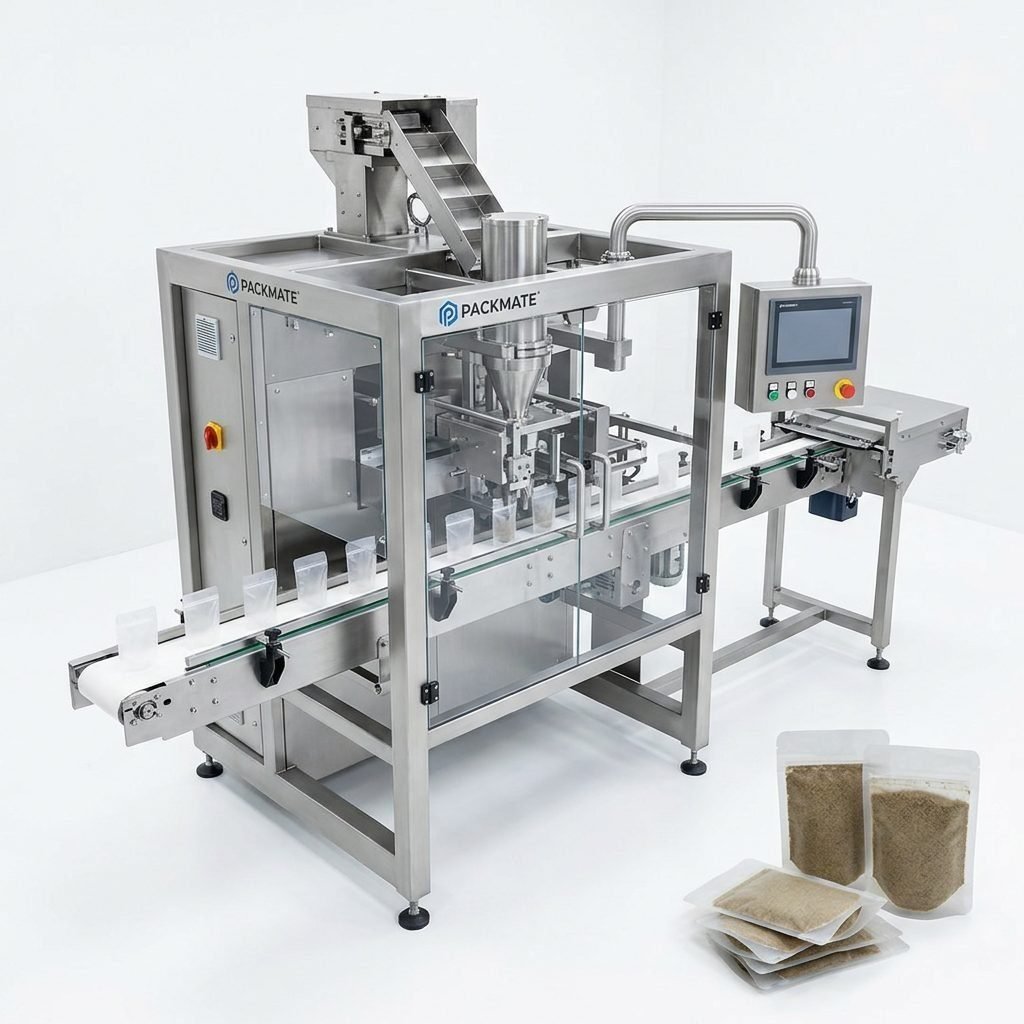
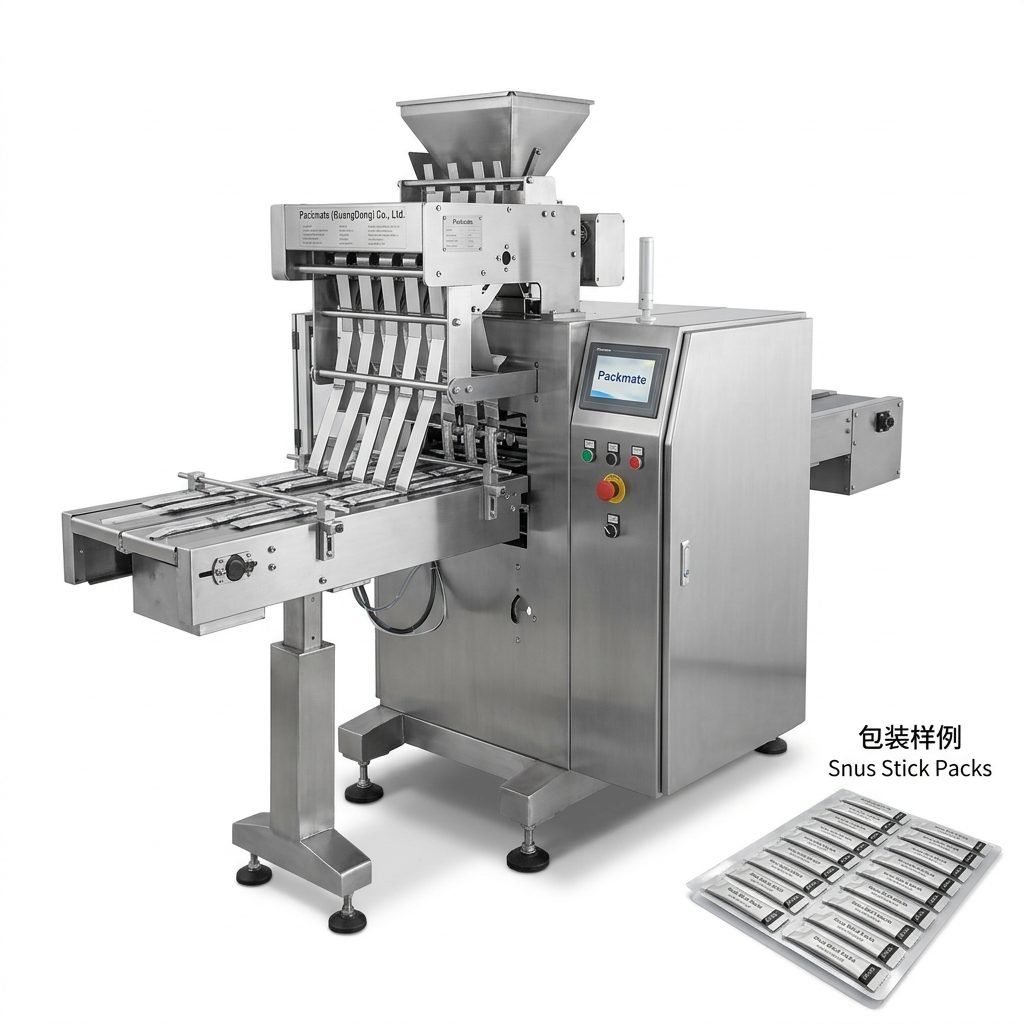
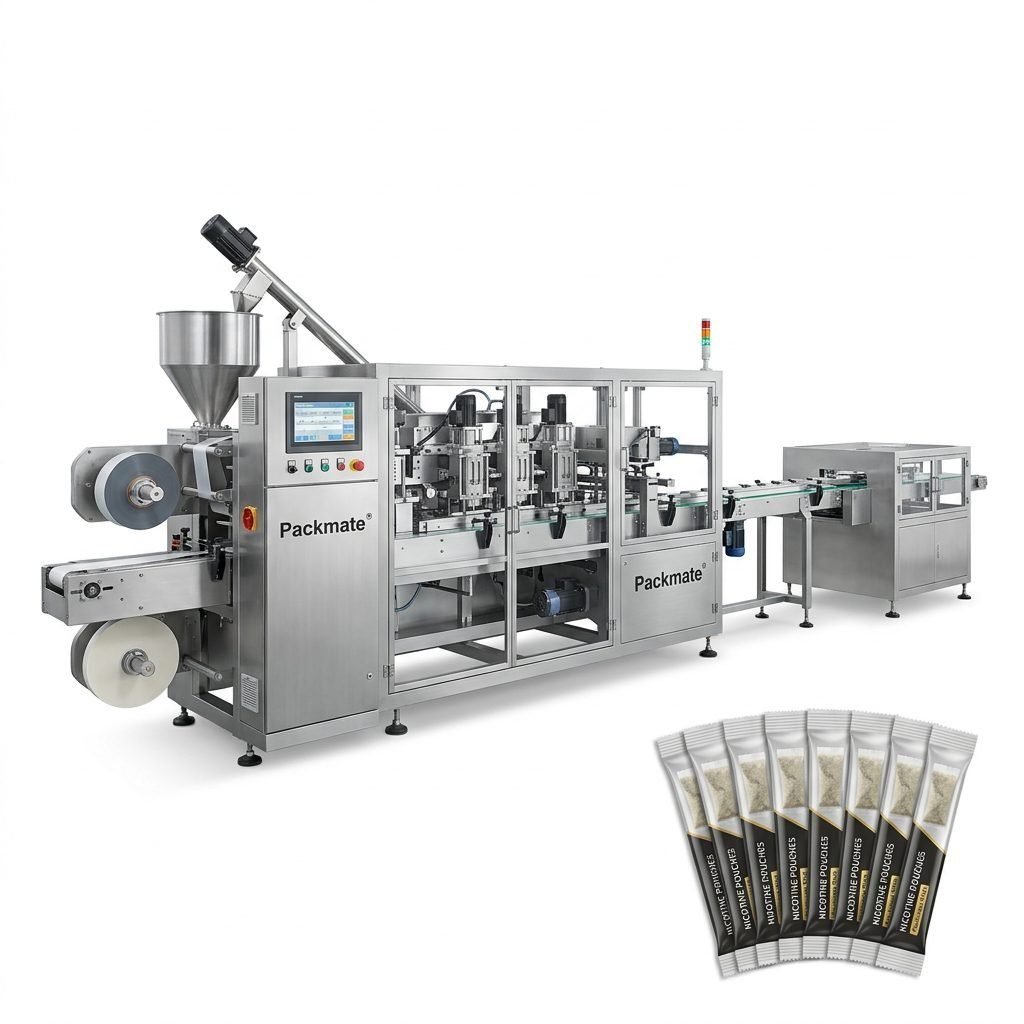
A sound technical evaluation reduces downtime and ensures your line meets production goals. Prioritize machines with proven performance in similar environments, such as multi-lane snus pouch systems and stick-pack or sachet configurations for small-dose products.
🔍 Must-check technical items: production speed (pouches/min), dosage accuracy, sealing quality, material compatibility (paper/foil/laminate), power consumption, and modular design for easy maintenance.
Machine types to consider
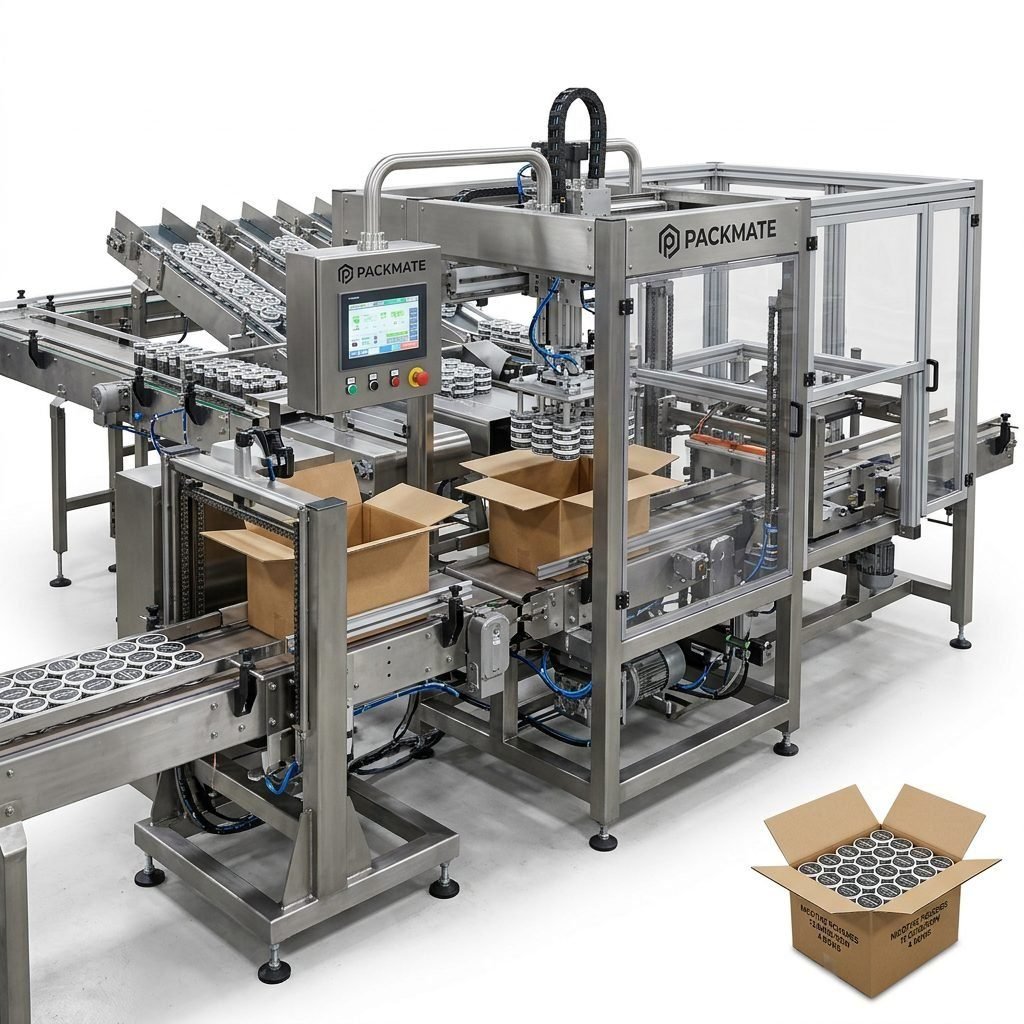
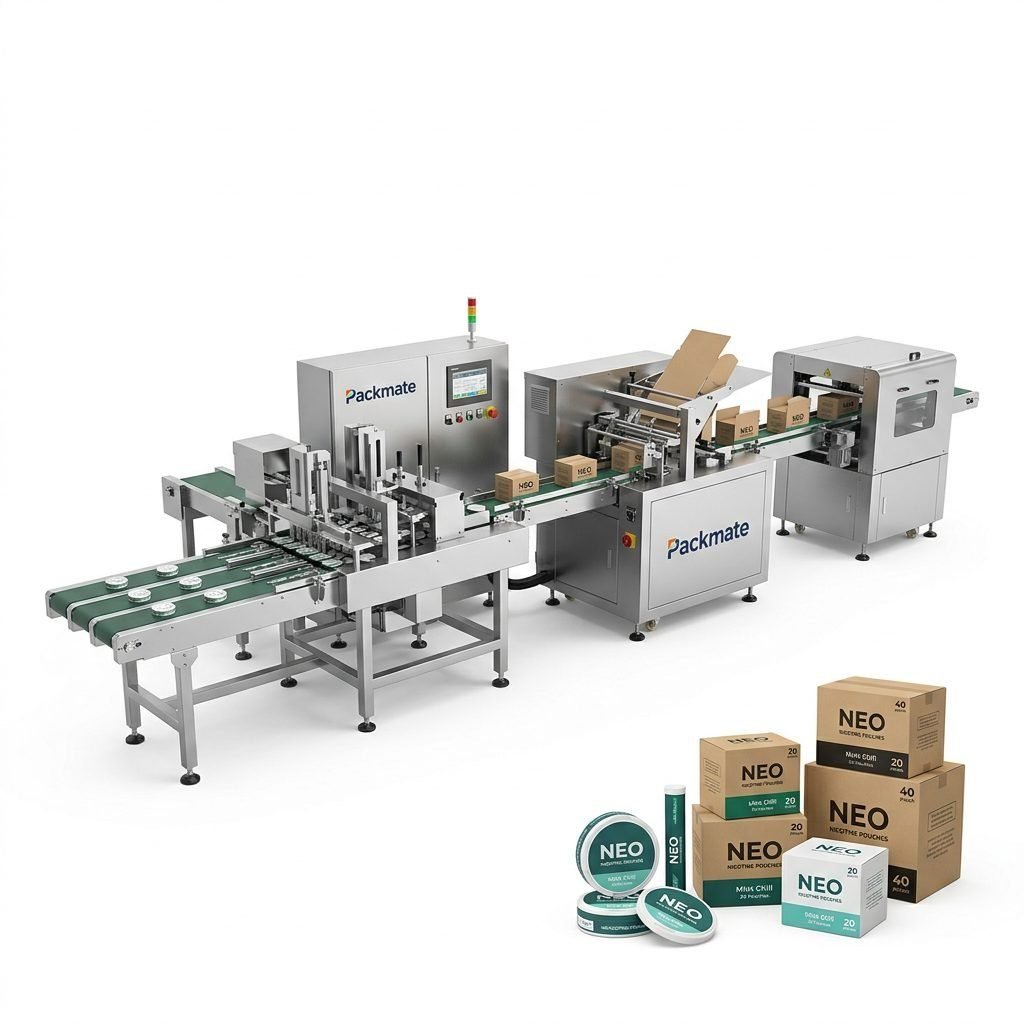
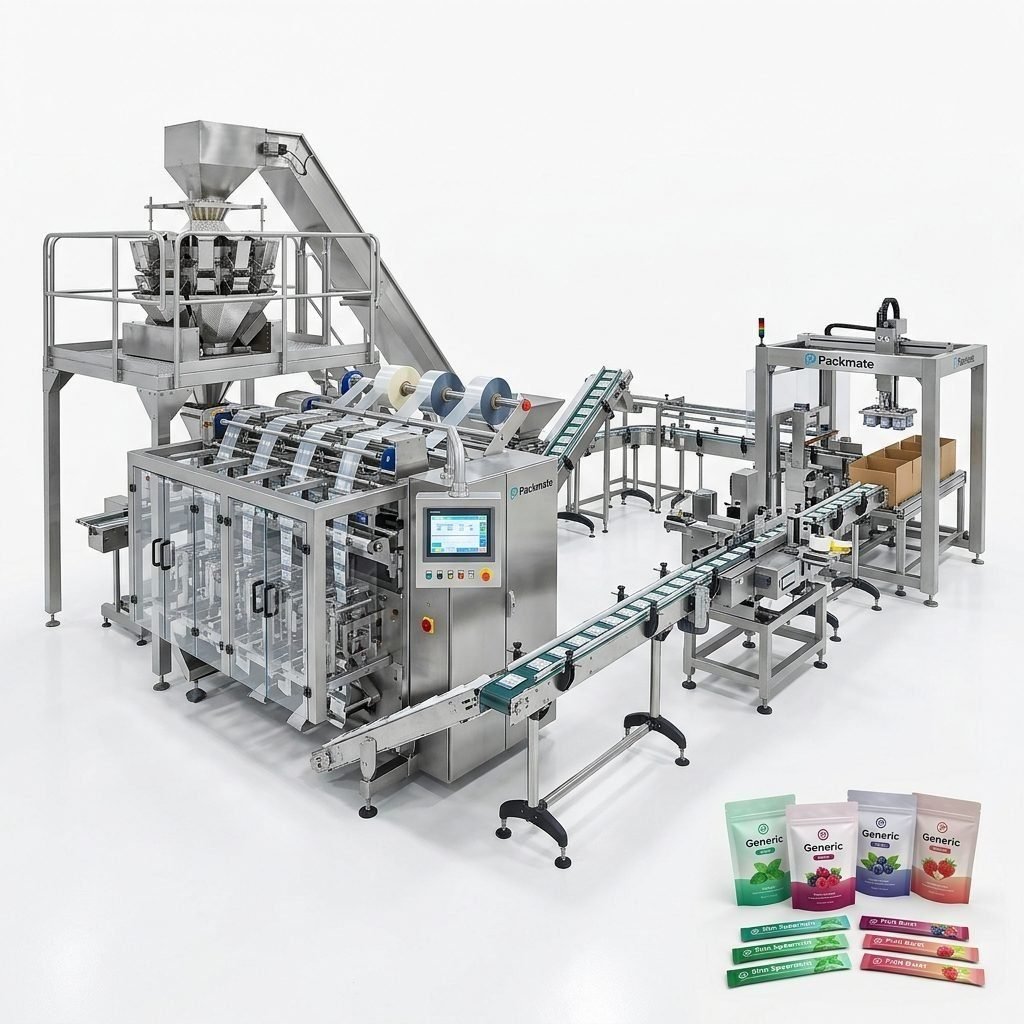
Match equipment to product format: multi-lane snus & nicotine packaging machines for high throughput, stick pack machines for single-dose formats, and sachet machines for flexible packaging. Check that the supplier offers snus & nicotine packaging machines tested on your target pouch sizes.
Supplier Verification: Certificates, Factory Strength & Track Record
Validate supplier claims about production capacity and quality. Look for CE, ISO, and other international certifications to ensure safety and reliability. A manufacturer with a full-scale facility, CNC machining, and precision assembly lines is more likely to deliver consistent machines and spare parts.
✅ What to request: factory photos, production capacity figures, model lists, certifications, and client case studies. Example: review the supplier’s product catalog and case projects such as those in Case.
Factory visit and audits
If possible, arrange a factory visit or remote video audit. Inspect machine assembly lines, test runs, and quality control procedures. For buyers in South Sudan, coordinate with freight forwarders to combine visits with shipment planning when feasible.
After-sales Support, Spare Parts & Training
After-sales service is the backbone of long-term machine uptime. Ensure the supplier offers timely spare parts, clear documentation, and on-site or remote training. Suppliers with local or regional partners, or that provide fast spare-part dispatch, will minimize production stoppages.
⚙️ Important terms to negotiate: spare parts lead time, warranty duration, training hours, remote technical support response time, and availability of service technicians.
Local training & knowledge transfer
Invest in operator and maintenance training for local staff. Consider remote training packages and bilingual manuals (English/Arabic) where helpful for South Sudanese teams. Ensure the documentation covers troubleshooting, preventive maintenance, and spare-part identification.
Logistics, Customs & Payment Strategies
Shipping heavy machinery to South Sudan involves planning for customs clearance, inland transport, and potential import duties. Use experienced freight forwarders and customs brokers familiar with Juba and regional ports. Choose payment terms that balance risk and cash flow: a mix of deposit, progress payment, and balance on delivery is common.
- Common incoterms: FOB, CIF, or DAP. Agree on responsibilities for insurance and transport.
- Payment methods: Telegraphic Transfer (TT) for deposits, Letter of Credit (L/C) for larger deals. Negotiate partial payments tied to factory acceptance tests.
- Customs: have documentation ready — commercial invoice, packing list, bill of lading, certificates of origin, and machine specifications.
Factory Acceptance Test (FAT) & Pre-shipment Checks
A FAT verifies machine performance before shipment. Require video-recorded runs, performance logs, and sample output for verification. For South Sudan buyers, FAT reduces risk because on-site inspections in destination country can be difficult or expensive.
📦 FAT checklist: run at guaranteed speed, check sealing integrity, verify weight/dosing accuracy, validate changeover times, and record electrical consumption.
Warranty, Contracts & Legal Considerations
Draft a clear purchase contract covering warranty scope, exclusion clauses, liability limits, delivery schedule, acceptance criteria, and intellectual property for custom tooling. For South Sudan, ensure clarity on dispute resolution and include performance benchmarks tied to payment milestones.
Negotiation tips
Negotiate spare part kits with the initial order, training included, and an extended warranty for an additional fee if necessary. Lock in pricing for exchange rates or include adjustment clauses if using prolonged delivery terms.
Evaluate Real-world Reliability: Case Studies & References
Ask for local or regional client references and case studies that demonstrate the supplier’s performance in similar climates and logistical conditions. Review production records and talk to existing customers about uptime, part availability, and service responsiveness. Visit the supplier’s exhibition profiles or past trade show demonstrations for live performance insight.
Useful resources: supplier product pages such as Sachet & Stick Pack Machines, their About Packmate page, and service details at Service.
Local Partnering & Distribution Strategy
For buyers in South Sudan, partnering with a local distributor or representative accelerates customs clearance, local compliance, and operator training. A local partner can manage spare-part inventories and provide faster on-site support than international teams.
Selecting a local partner
- Background in industrial equipment or FMCG supply chains.
- Track record with customs and logistics in Juba or regional transport corridors.
- Ability to hire or train technicians for machine installation and preventive maintenance.
Sustainability, Energy & Consumables
Consider machines with energy-saving features and locally available consumables. Packaging material supply chains can be fragile; ensure your material supplier can deliver compatible films, laminates, and labels on a regular schedule.
🔋 Tip: specify machines that operate on standard voltages available locally and provide clear guidance on stabilizers or frequency converters if required.
Final Pre-purchase Checklist
✔️ Supplier certifications (CE / ISO)
✔️ Factory Acceptance Test with video and sample packs
✔️ Spare parts kit and guaranteed lead times
✔️ Clear warranty, training package, and local support plan
✔️ Shipping & customs plan with trusted freight forwarder
Where to Start — Practical Next Steps
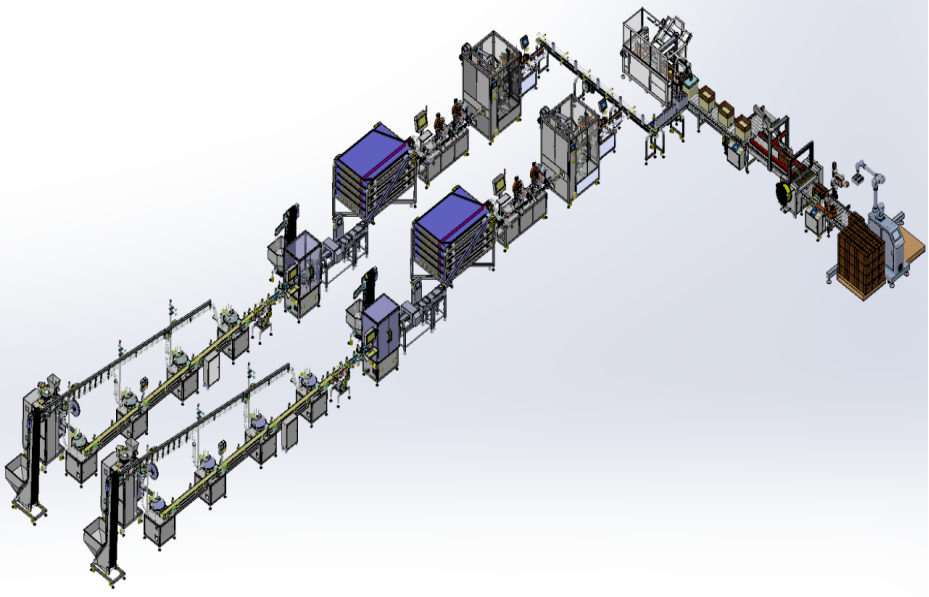
Start by shortlisting 3–5 suppliers and request detailed quotes, FAT arrangements, and references. Prioritize suppliers with turnkey capability and proven snus packaging experience. For technical comparisons, review product lines such as Filling & Packaging Lines and inspect case studies for performance evidence.
When you are ready, engage in a controlled pilot: order a small machine or trial run to verify packaging quality, operator training, and supply-chain compatibility before scaling up.
Useful Contacts & Additional Resources
Explore supplier pages for product details and contact options. If you want to evaluate a supplier’s full portfolio and exhibitions, review their Our Exhibition page and the Catalog for model specs. For direct communication, use the supplier’s Contact Us channel to request quotes and arrange FATs.
Common Pitfalls and How to Avoid Them
Avoid low-cost offers that lack support commitments. Beware unclear warranty language, and never skip FATs or local training. Confirm that spare parts are stocked or can be produced quickly, and ensure documentation is complete for customs clearance.
⚠️ Red flag: suppliers refusing FATs, vague spare-part timelines, or no local references. These are strong indicators of future support problems.
Conclusion
Buying a snus packaging machine for South Sudan requires practical planning across technical, logistical, and cultural dimensions. Prioritize certified suppliers with strong factory capabilities, insist on FATs, secure spare parts and training, and partner locally to navigate customs and installation. With the right preparation, you can secure a reliable production line that meets both regulatory and market needs.
Frequently Asked Questions
Q: How do I verify a supplier’s factory capability without visiting?
A: Request detailed factory photos, a live video walkthrough, recorded FAT runs, client references, and certification documents. Remote audits and video calls can substitute for on-site visits when travel is restricted.
Q: What are realistic lead times for custom snus packaging machines?
A: Typical lead times range from 8 to 20 weeks depending on complexity, customization, and spare-part kits. Always build margin for shipping and customs delays into your production schedule.
Q: Which payment method is safest for international equipment purchases?
A: A combination of TT for deposits and a confirmed Letter of Credit (L/C) for the balance is commonly used. Link payments to FAT completion and shipment milestones to protect both parties.
Q: How important is local training after machine delivery?
A: Extremely important — trained local operators reduce downtime and extend machine life. Ensure training includes hands-on maintenance, spare-part replacement, and troubleshooting.
Q: Where can I find trusted models and spare parts?
A: Review supplier product lines and spare-part services on their official pages such as Auxiliary Packaging Equipment and consult their service or catalog pages for parts lists.