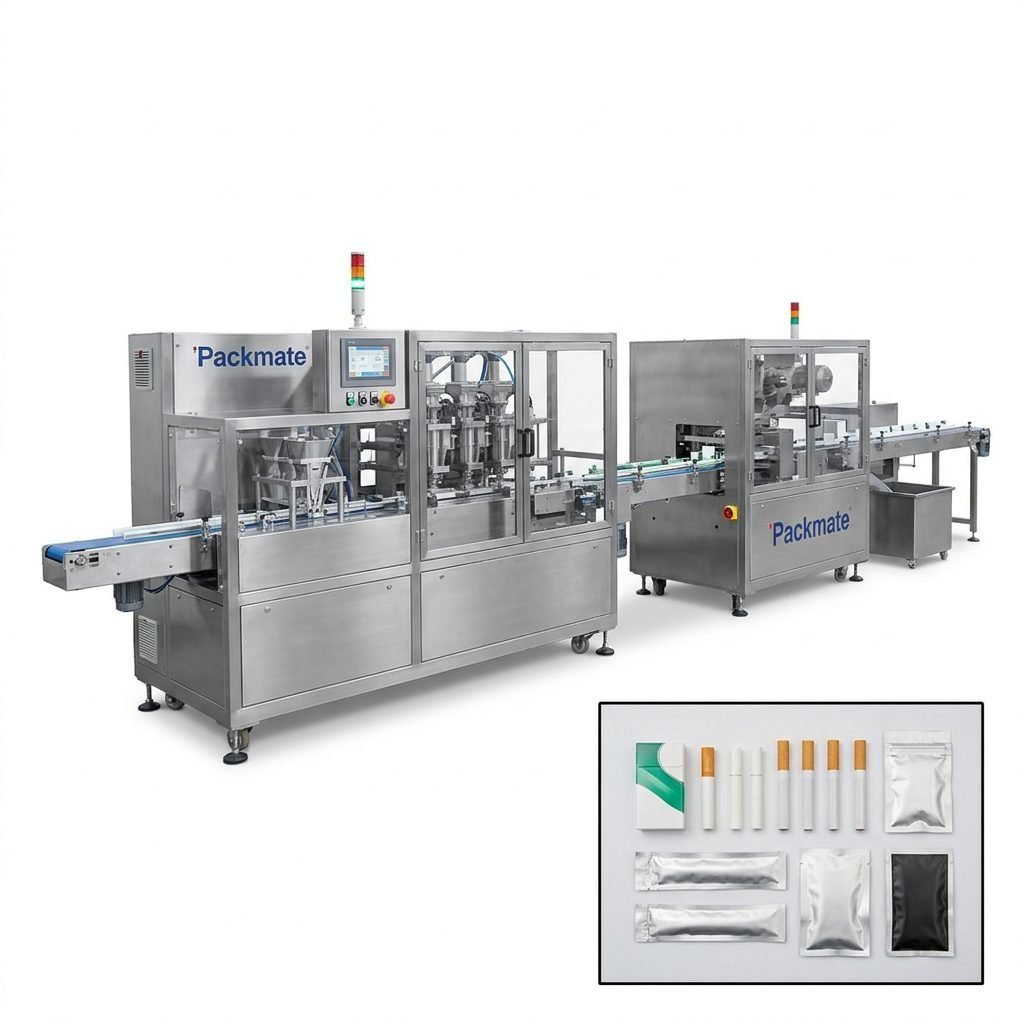
Choosing the right snus packaging machine supplier for your factory in Norway is a strategic decision that affects production efficiency, compliance, and long-term profitability. This guide walks you through practical, culturally aware, and technical criteria to evaluate suppliers, with actionable checklists and real-world considerations for Norwegian manufacturers and importers.
Norway’s Snus Culture and Market Context
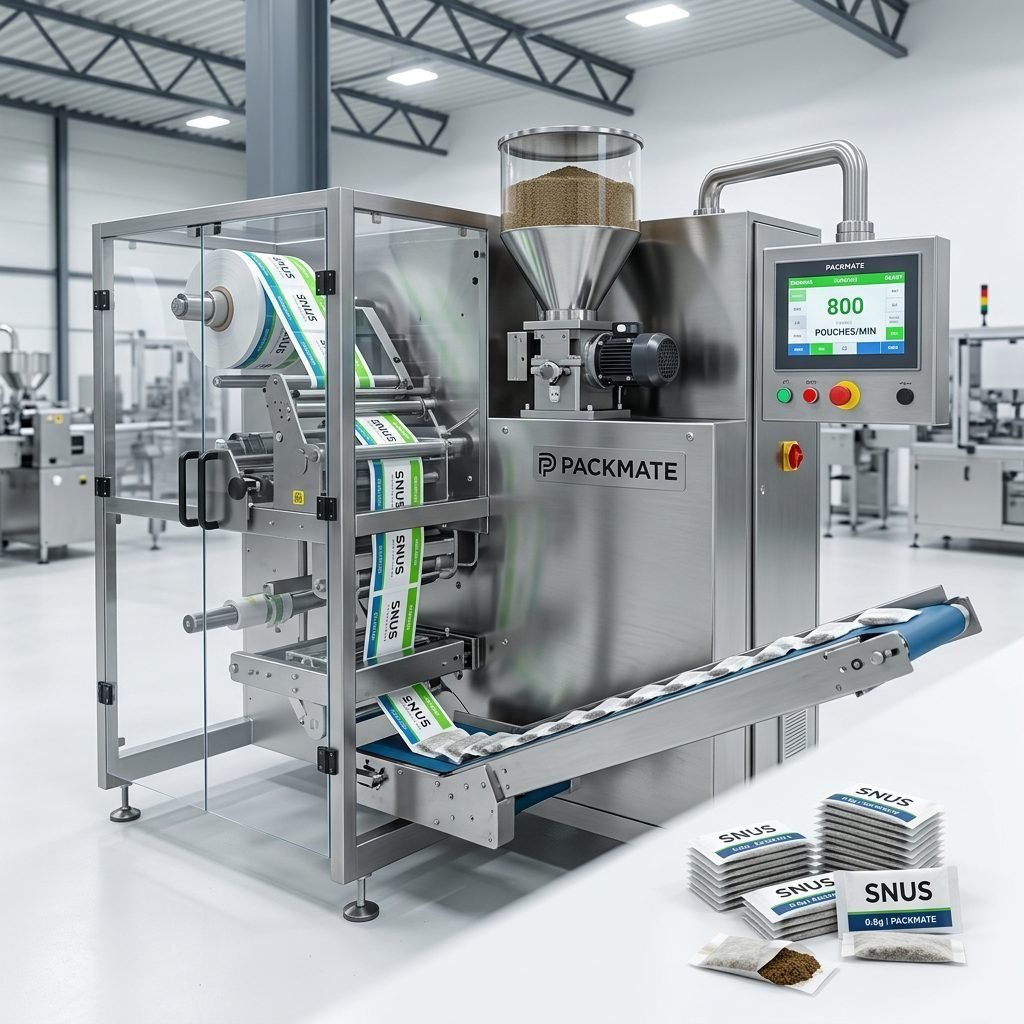
Norway has a long-standing cultural acceptance of snus and nicotine pouches, particularly in urban areas and among younger adult demographics. Unlike many EU countries, Norway’s market dynamics favor reliable, high-quality production that meets both domestic tastes and export standards. When evaluating suppliers, consider local consumption patterns: consumers often demand consistent pouch weight, precise filling, and discreet, well-designed sachet or pouch packaging.
Regulatory environment and customs considerations
Norwegian regulations focus on product safety, accurate labeling, and import documentation. Your supplier must provide machines and documentation that enable traceability, easy cleaning cycles for HACCP compliance, and formats that meet local labeling laws. When planning import logistics, ask about CE and ISO documentation, spare parts lists, and whether the supplier supports customs paperwork for shipments to Norway.
Tip: Norwegian buyers favor suppliers who can demonstrate reliable after-sales support and local or regional service partners. Consider suppliers who already serve Scandinavian markets or can prove successful exports to Europe.
Core Selection Criteria: What Matters Most
1. Machine type, capacity, and flexibility
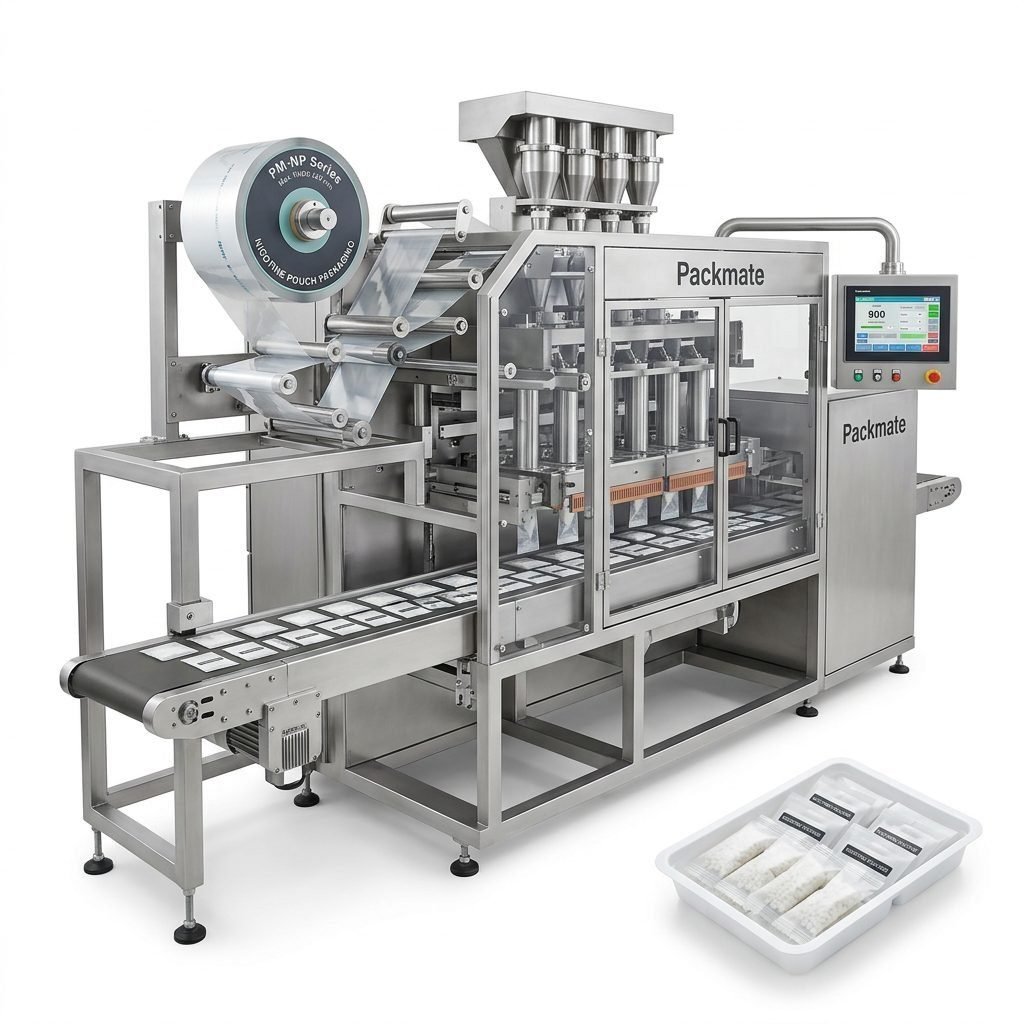
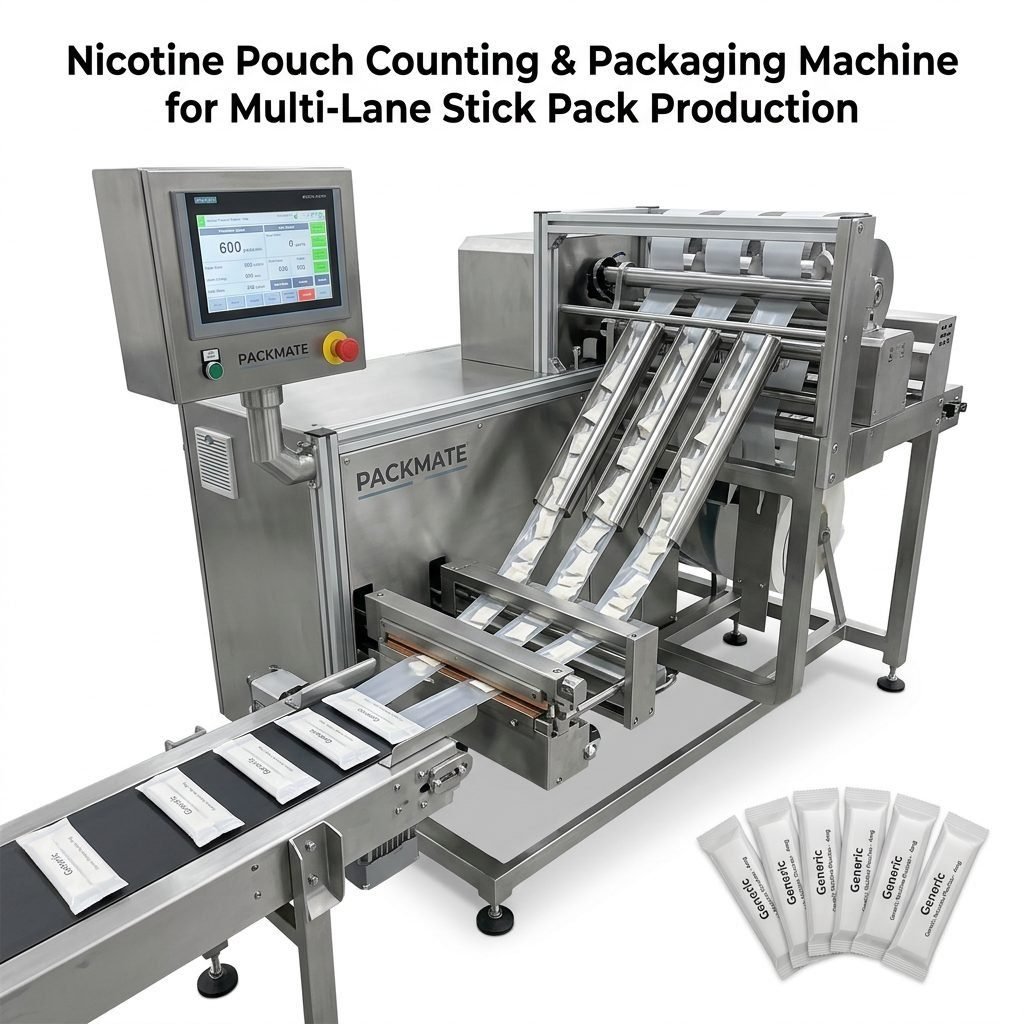
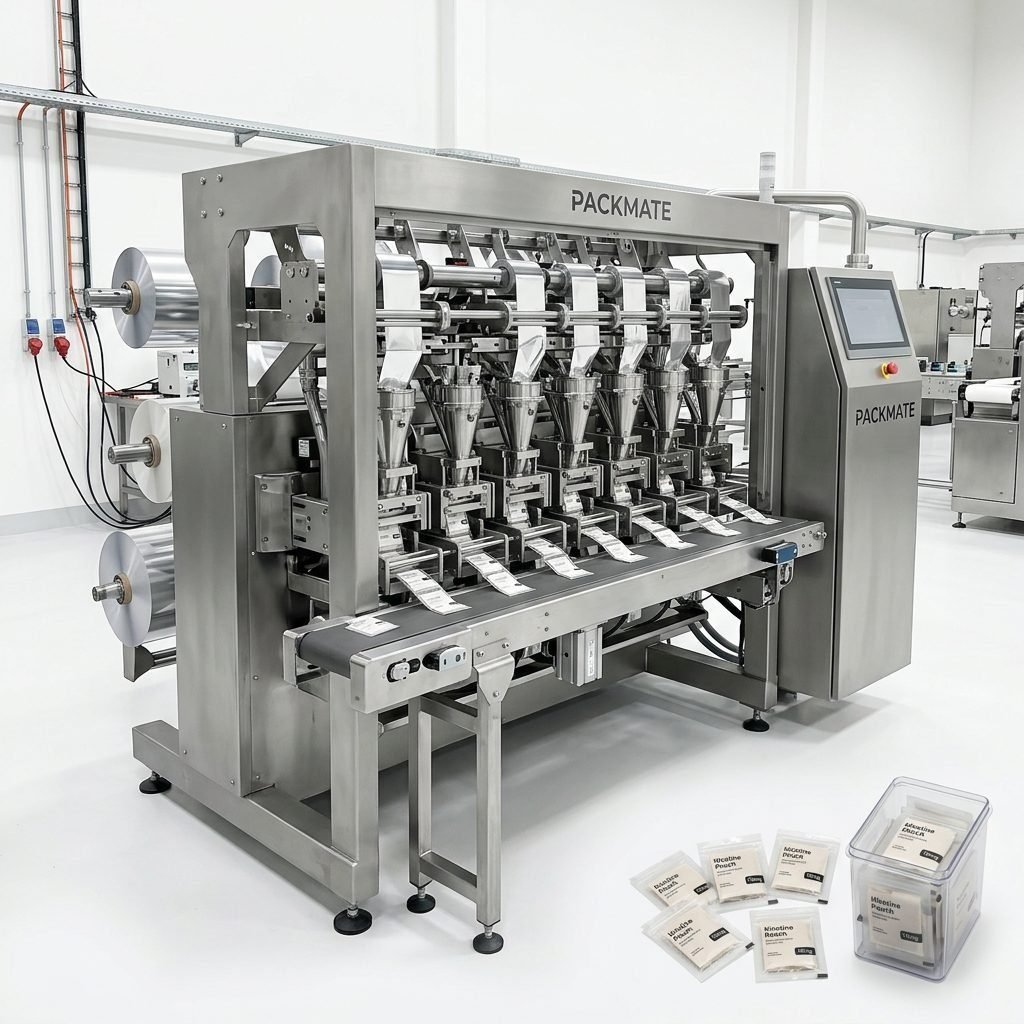
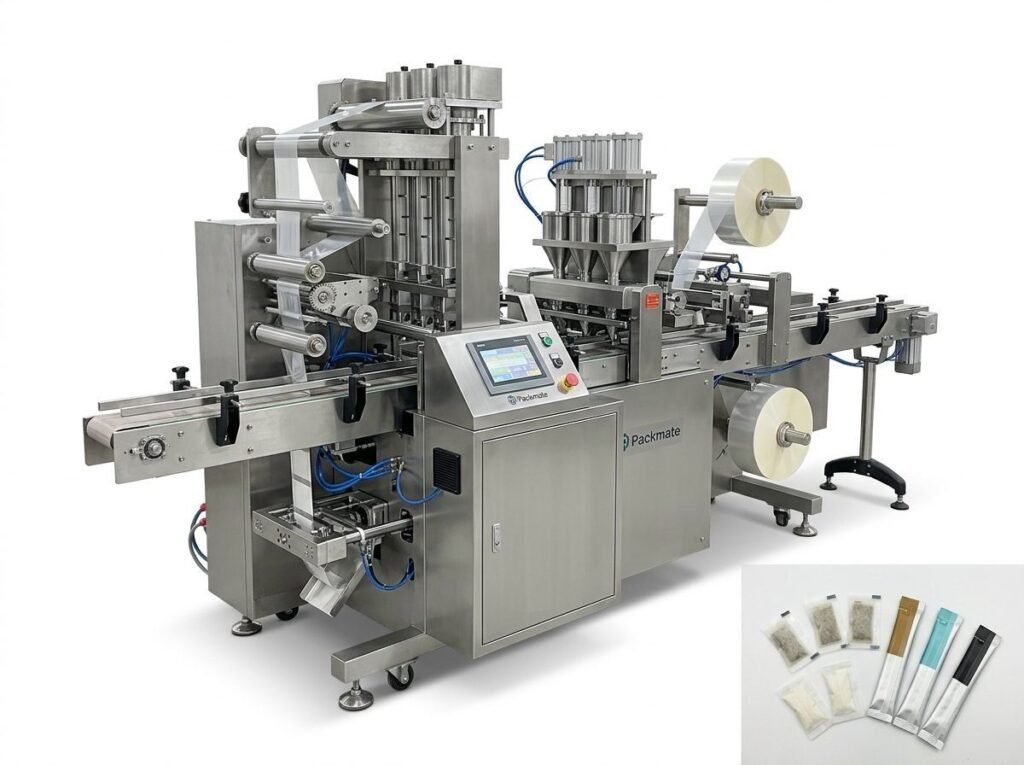
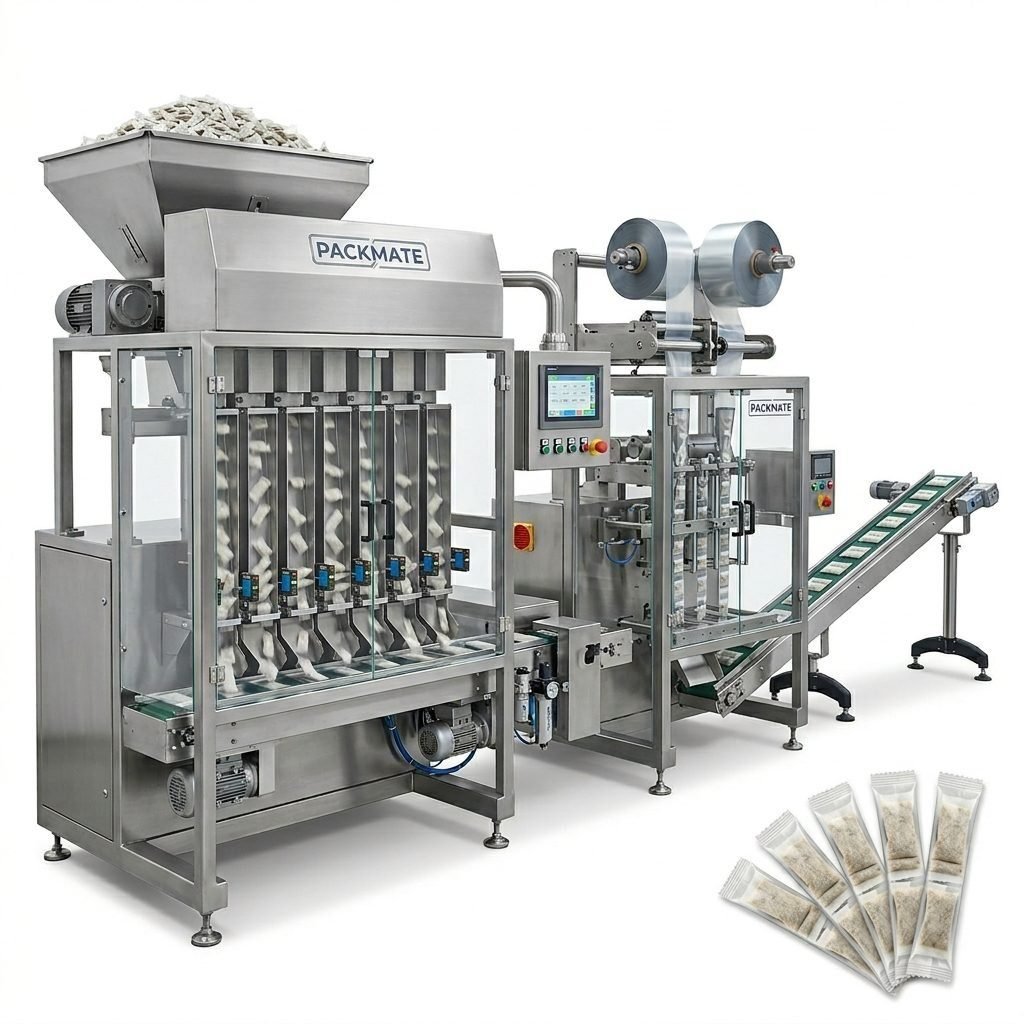
Choose machines that match your target formats: pouch/snus pouch, stick pack, sachet, or multi-lane nicotine pouch systems. For Norway’s market where presentations vary, prioritize equipment with quick changeovers, multi-lane capabilities, and modular upgrades so you can switch between small-dose pouches and larger packaging runs without long downtime.
2. Quality, certifications, and compliance
Insist on international certifications like CE and ISO. These show the supplier meets global safety and quality benchmarks, essential for Norwegian import and distribution. Verify test reports, material traceability, and compliance documentation before signing contracts.
3. Manufacturing strength and engineering experience
A supplier with decades of engineering experience and a large factory footprint typically delivers stronger quality control. Look for evidence of advanced CNC machining, precision assembly lines, and rigorous testing. For example, manufacturers with a 20,000㎡ facility and 30+ years of history are better positioned to provide stable machines and ongoing R&D.
4. Turnkey solutions and customization
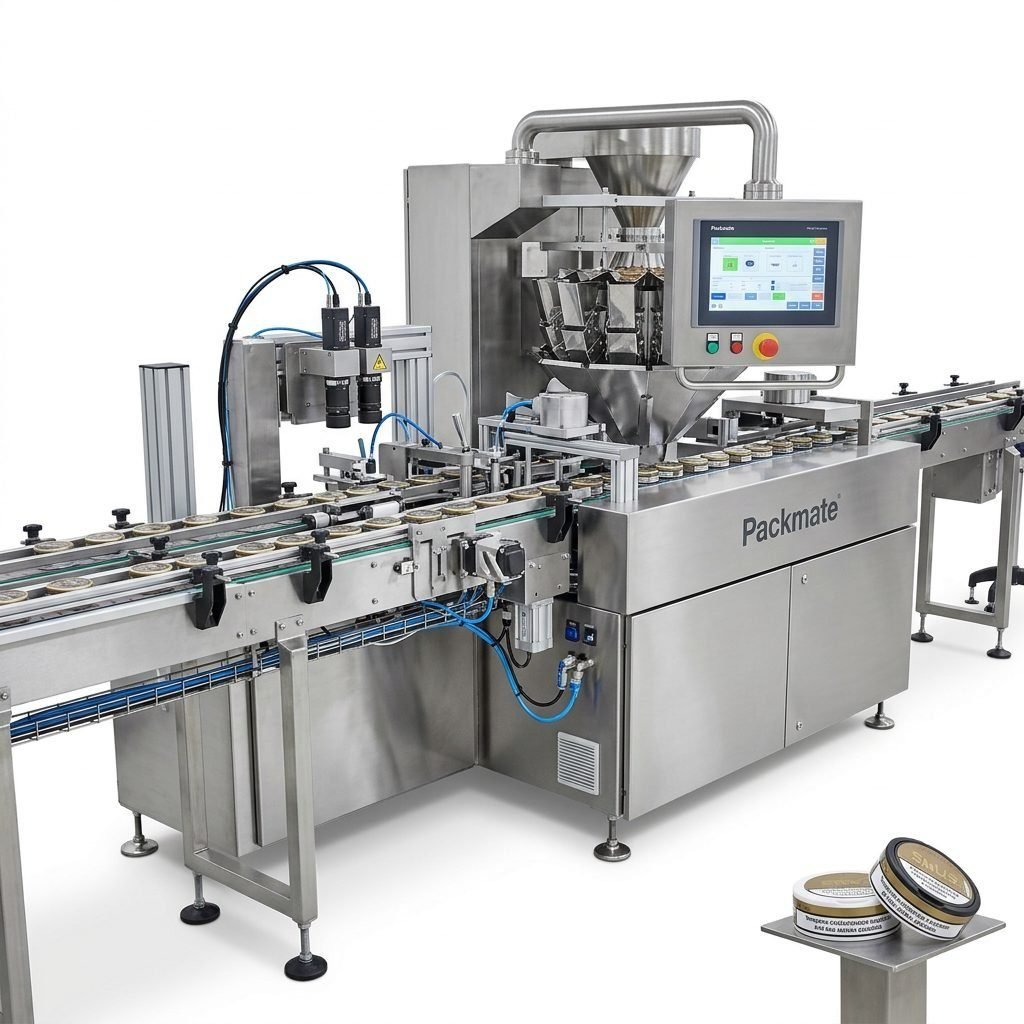
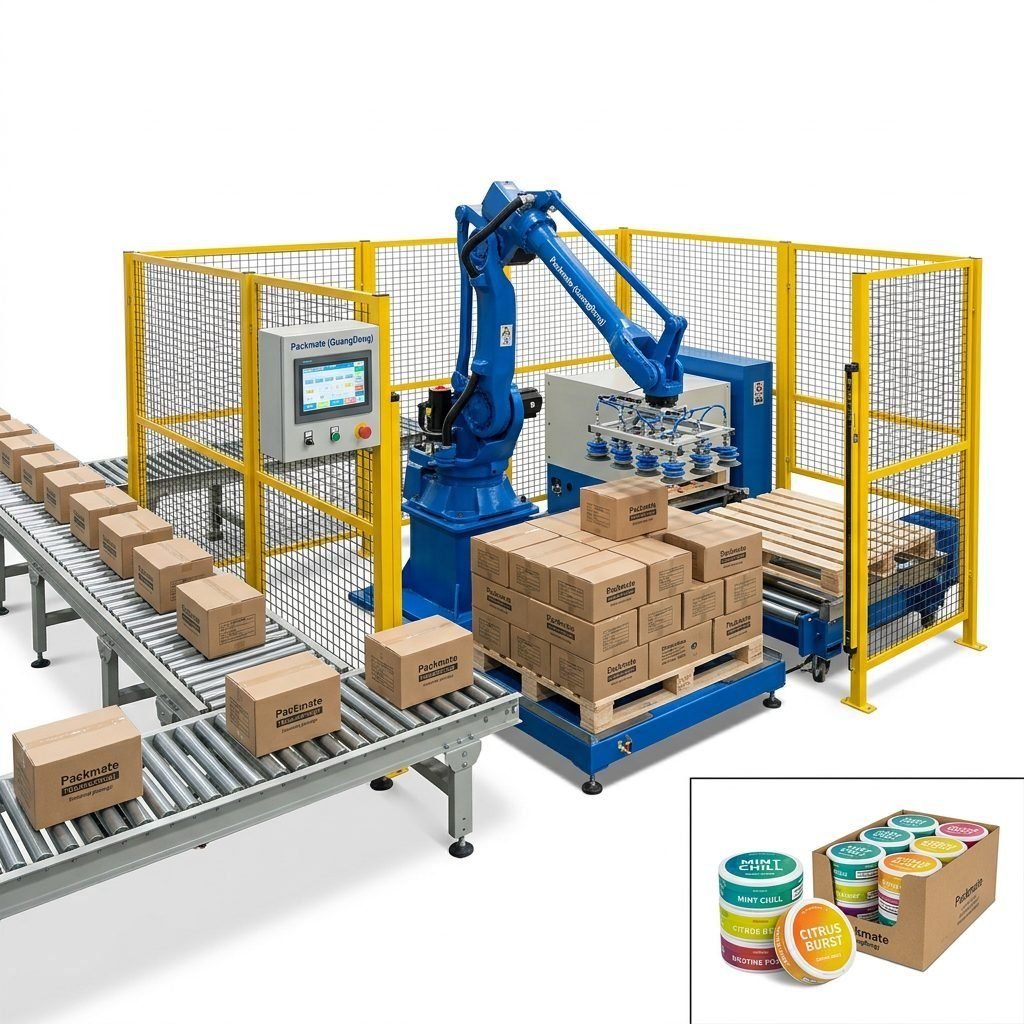
Norwegian clients often prefer suppliers who can deliver turnkey lines — complete with filling, sealing, weighing, and packaging automation. Customization is key: localized labeling, multiple languages on HMI, and tailored output speeds. Suppliers that supply complete production lines reduce integration risks and shorten time-to-market.
5. After-sales service, local support, and spare parts
Fast, transparent after-sales service is crucial. Ask about lead times for spare parts, remote diagnostics, and training packages. Suppliers with spare parts warehouses or regional partners in Europe will significantly reduce downtime risks for Norwegian operations.
6. Price vs long-term ROI
Avoid choosing the cheapest bid without assessing lifetime cost: energy consumption, maintenance frequency, consumables, and expected MTBF (mean time between failures). A machine that runs reliably at a slightly higher upfront cost often generates better ROI in Norway’s competitive market.
Checklist Icon: 📌 Ensure the supplier provides machine validation data, life-cycle cost estimates, and sample production runs for your specific pouch/format.
Practical Questions to Ask Potential Suppliers
When you contact suppliers, prepare targeted questions to reveal capability and reliability:
⚙️ What exact models do you recommend for nicotine pouch/snusstype packaging, and can you show reference lines? (Ask for case studies or video demos.)
📦 Can you deliver a full production line including filling, packaging, and weighing systems, or do you only supply standalone machines?
🛠️ What is your spare parts policy and average lead time for critical components shipped to Norway?
📄 Can you provide CE/ISO certificates, FAT (Factory Acceptance Test) reports, and documented HSE compliance for your machines?
👷 Do you offer on-site installation and commissioning or remote training options for Norwegian staff?
What To Inspect During a Factory Visit or Virtual Audit
A practical factory visit (or virtual tour) gives concrete evidence of manufacturing capability:
- Observe CNC and precision machining areas to verify component quality.
- Check assembly lines for cleanliness, QA stations, and documented testing protocols.
- Request witnessing a live machine run with product similar to your intended pouch size.
- Inspect spare parts storage, documentation systems, and packing methods for export-grade crating.
- Meet engineering and service teams — ensure communication in English and availability of technical manuals.
Real example: A reputable supplier often publishes their company story, certificates, and exhibition records. Reviewing those pages helps confirm long-term stability and credibility.
Supplier Red Flags to Avoid
Be cautious if you encounter:
⚠️ No factory evidence or refusal to allow a site visit or virtual tour.
⚠️ Lack of certification or inconsistent documentation for CE/ISO compliance.
⚠️ Vague after-sales policies or unclear spare parts pricing.
How to Compare Quotes — A Simple Scoring Model
Create a scoring table including: machine capability (30%), certifications & QA (20%), factory strength & lead time (15%), after-sales & parts (20%), price & ROI (15%). Weight each supplier and compare total scores. This objective method helps weigh technical quality against cost — essential for sustainable operations in Norway.
Relevant Supplier Resources and Further Reading
Explore product lines and supplier credentials when shortlisting. For examples of high-performance snus packaging machines and complete lines, review supplier product pages and case studies:
– Snus & Nicotine Packaging Machines: https://www.snusmachinery.com/products/snus-nicotine-packaging-machines/
– Filling & Packaging Lines (turnkey solutions): https://www.snusmachinery.com/products/filling-packaging-lines/
– Case studies and global cooperation examples: https://www.snusmachinery.com/case/
Why a Proven Manufacturer Matters — Example Profile Indicators
A supplier with a history of innovation and solid factory capability offers tangible advantages. Indicators to favor:
- 30+ years of engineering experience and a track record of continuous product development.
- A 20,000㎡+ facility with advanced CNC machining and precision assembly lines.
- 50+ machine models and the ability to deliver customized turnkey solutions across snus, sachet, stick pack, and weighing systems.
- Active participation in international exhibitions and verifiable global partners.
For more on supplier credentials and company background, visit the about page and certifications to validate claims: About Packmate • Certificate
Decision Roadmap: From Shortlist to Purchase
Follow a step-by-step roadmap to minimize risk:
- Define product formats and target output (pouch size, lane count, speed).
- Gather 3–5 supplier quotes and request FAT sample runs.
- Score suppliers using the objective model (capability, compliance, service, ROI).
- Conduct factory visits or virtual audits and inspect test runs.
- Negotiate terms: payment milestones, warranty, spare parts stock, training.
- Finalize a contract with clear KPIs and acceptance criteria for delivery and commissioning.
Local note for Norway: Plan shipments with seasonal timing in mind; avoid peak holiday periods for inland transport, and confirm customs codes early to prevent delays.
Final Recommendation
Selecting the best snus packaging machine supplier in Norway requires balancing technical fit, proven manufacturing strength, compliance documentation, and dependable after-sales service. Prioritize suppliers who offer turnkey solutions, transparent certifications, and real-world references. A supplier that demonstrates robust engineering heritage, modular machine designs, and clear spare parts strategies will minimize downtime and drive faster return on investment for Norwegian operations.
Frequently Asked Questions (FAQs)
Q1: How important are CE and ISO certifications when importing machines to Norway?
A1: Very important. CE and ISO confirm the machine meets European safety and quality benchmarks and streamline customs and compliance checks.
Q2: Should I buy a single machine or a turnkey production line?
A2: If your goal is fast market entry and reliable integration, a turnkey line reduces technical risk. Standalone machines can be suitable for incremental upgrades if you have experienced integration engineers.
Q3: What after-sales support should I expect from a good supplier?
A3: Expect spare parts availability, remote troubleshooting, training for operators and maintenance staff, and clear warranty terms. Suppliers with regional partners or European service centers provide faster response times.
Q4: How can I test a supplier’s claims without visiting the factory?
A4: Request a live virtual demonstration, FAT videos of the exact model, client references in similar markets, and detailed machine test reports. Insist on sample runs for your product format.
Q5: Where can I find proven snus and nicotine packaging equipment examples?
A5: Review product pages and case studies from established manufacturers: Snus & Nicotine Packaging Machines, Filling & Packaging Lines, and Case examples for real-world references.