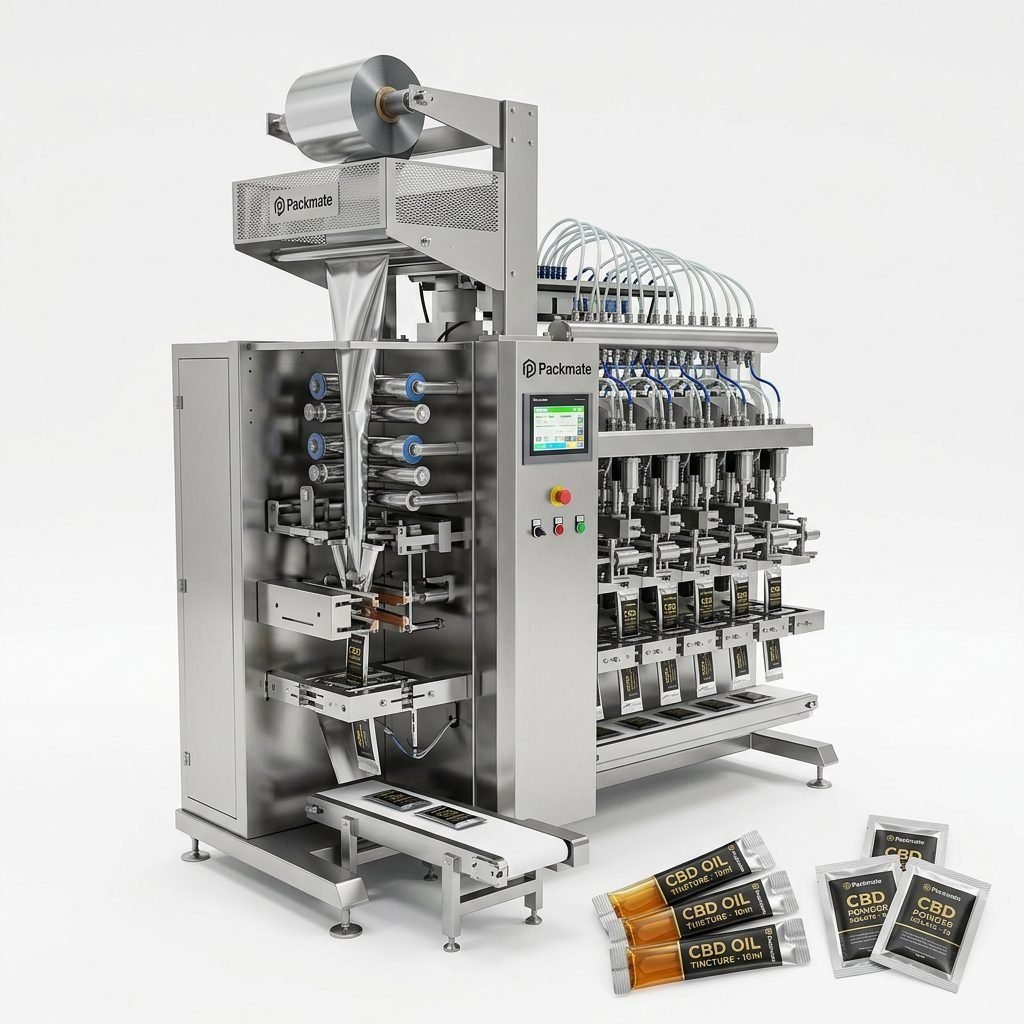
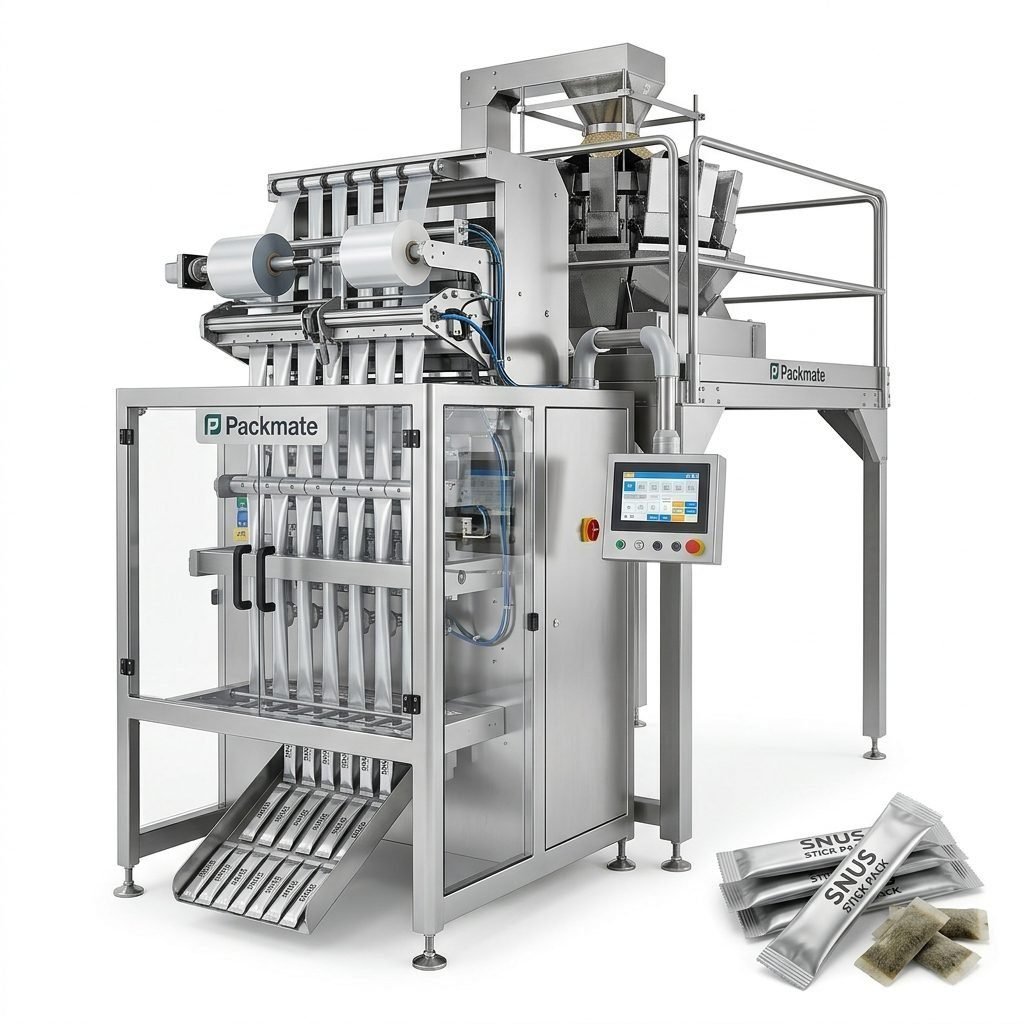
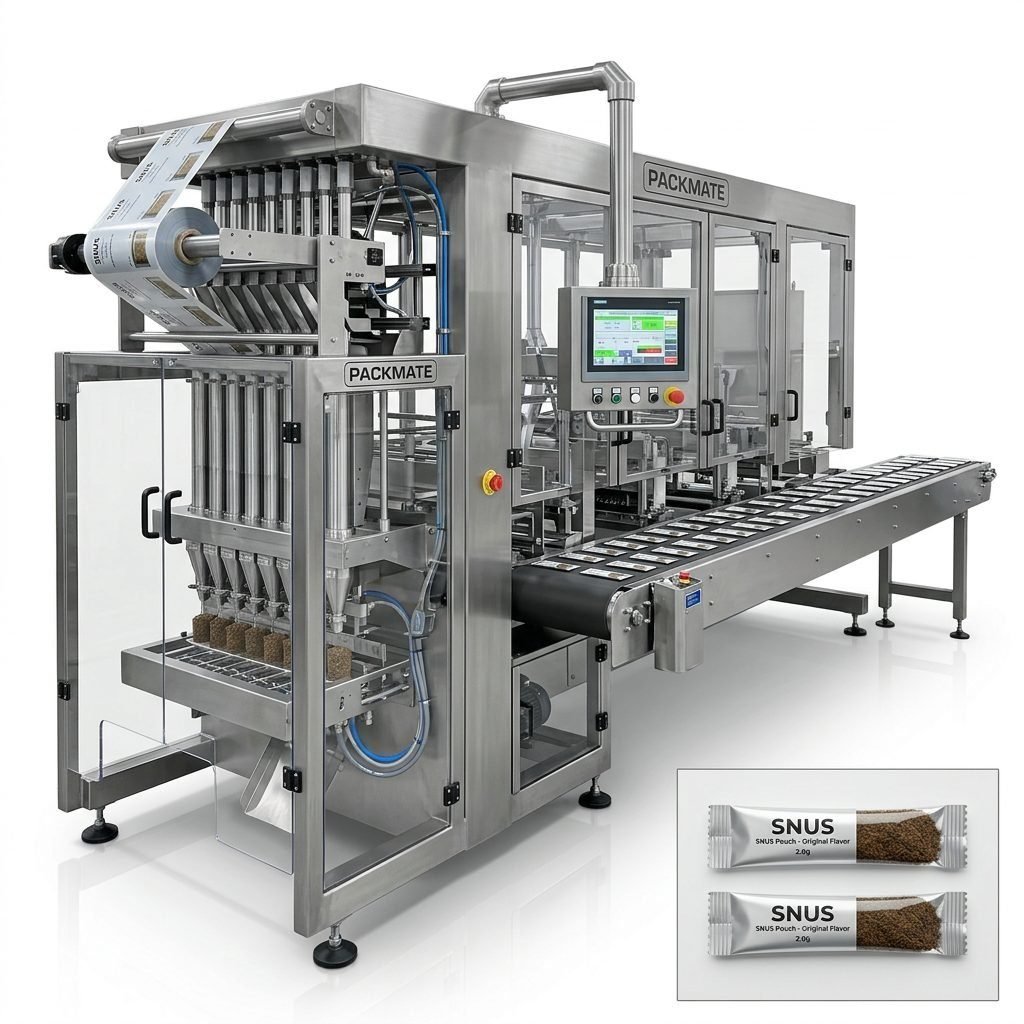
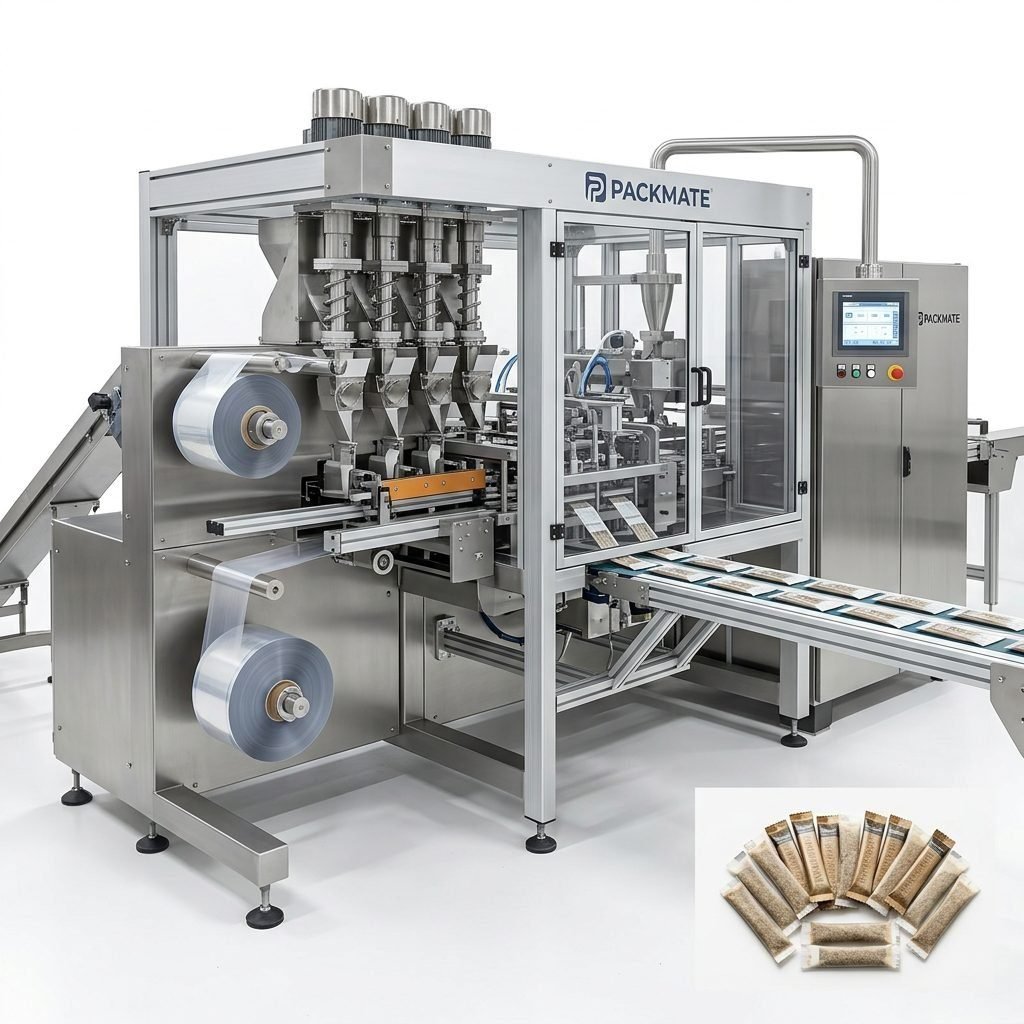
Choosing a trustworthy snus packaging machine supplier in Lebanon is a strategic step for any business aiming to enter or expand in the nicotine pouch or snus market. With local tastes, import rules, and seasonal buying patterns influencing packaging decisions, the right supplier will do more than sell equipment — they will partner with you on design, compliance, and long-term support. This guide walks you through practical steps to evaluate suppliers, technical specifications to prioritize, and how to negotiate terms that protect your investment in Lebanon’s market environment.
Understand the Lebanon Market and Local Preferences
Lebanon has a unique consumer landscape shaped by multicultural influences, including Arabic, French, and English languages, as well as strong preferences for convenience and discreet use products. If you plan to produce snus or nicotine pouches for Lebanese customers or export to neighboring countries, consider:
🔸 Packaging labels often need multilingual printing (Arabic + English and sometimes French).
🔸 Smaller, discreet pouch sizes and resealable options perform well in urban markets.
🔸 Seasonal demand patterns (e.g., holidays, summer travel) can affect production planning and inventory levels.
🔸 Cultural sensitivity: marketing and labeling must respect local norms and regulations regarding nicotine products.
Know the Machine Types and Which Fits Your Needs
When evaluating suppliers, identify which packaging technologies are most suited to your product format and production volume. Typical machine families include:
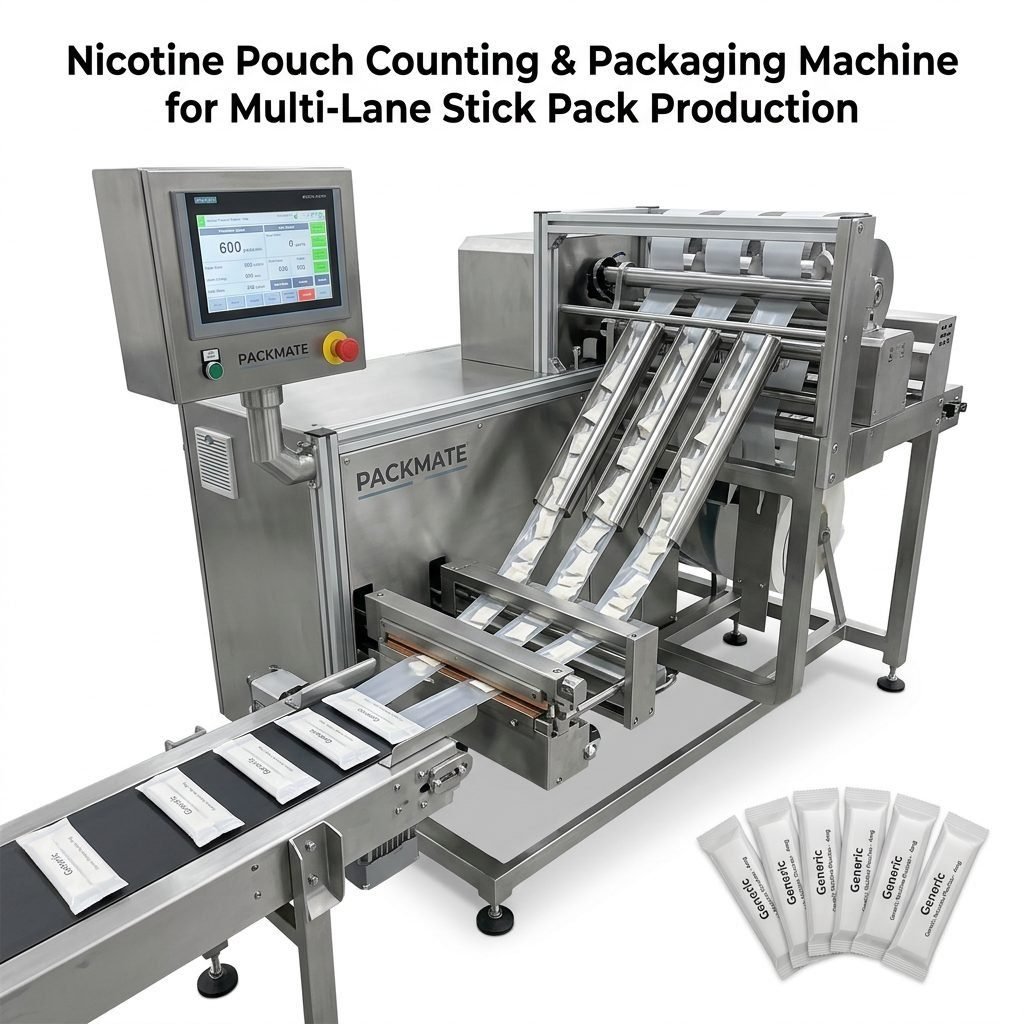
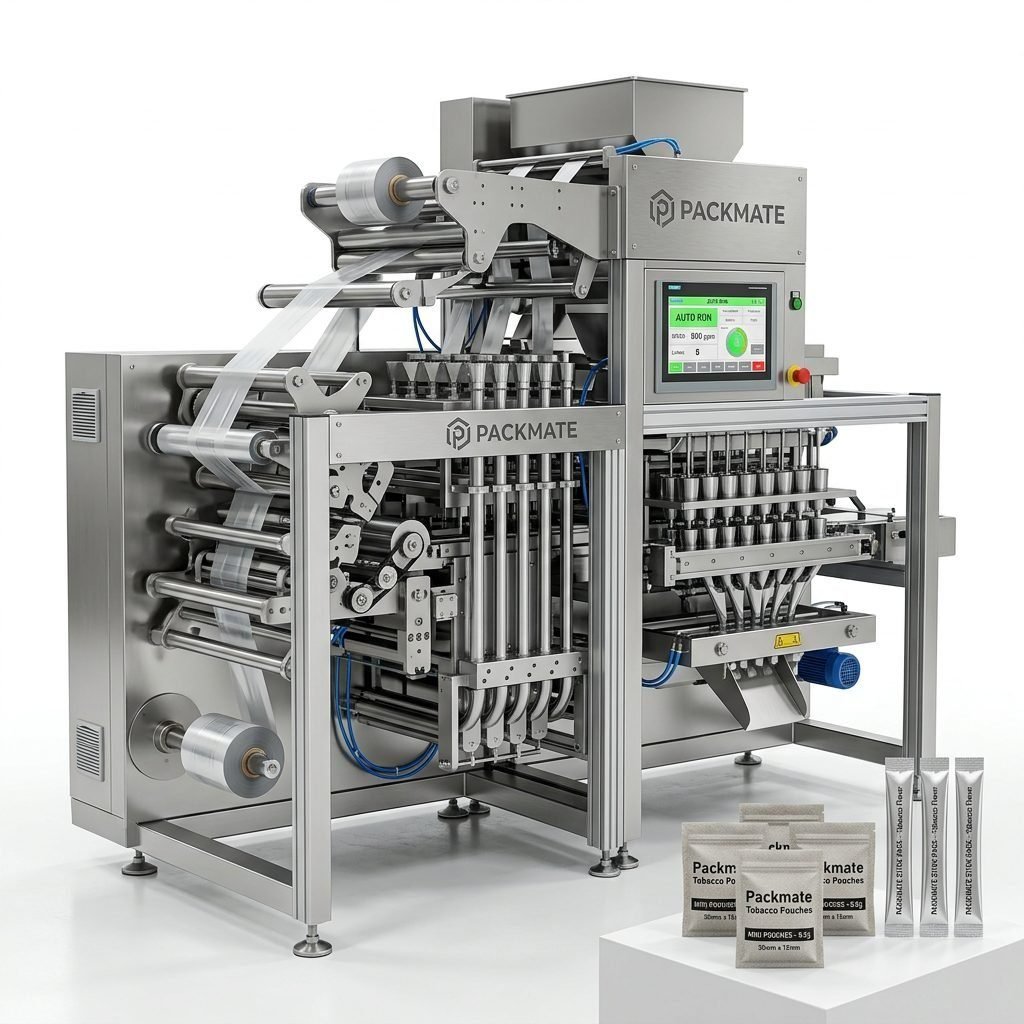
🔹 Stick pack machines — ideal for single-dose sachets and easy consumer handling.
🔹 Sachet & pouch machines — flexible for various pouch shapes, suitable for resealable pouches and multi-layer laminated films.
🔹 Multi-lane systems — increase throughput for small-dose pouches and nicotine sachets, reducing labor costs.
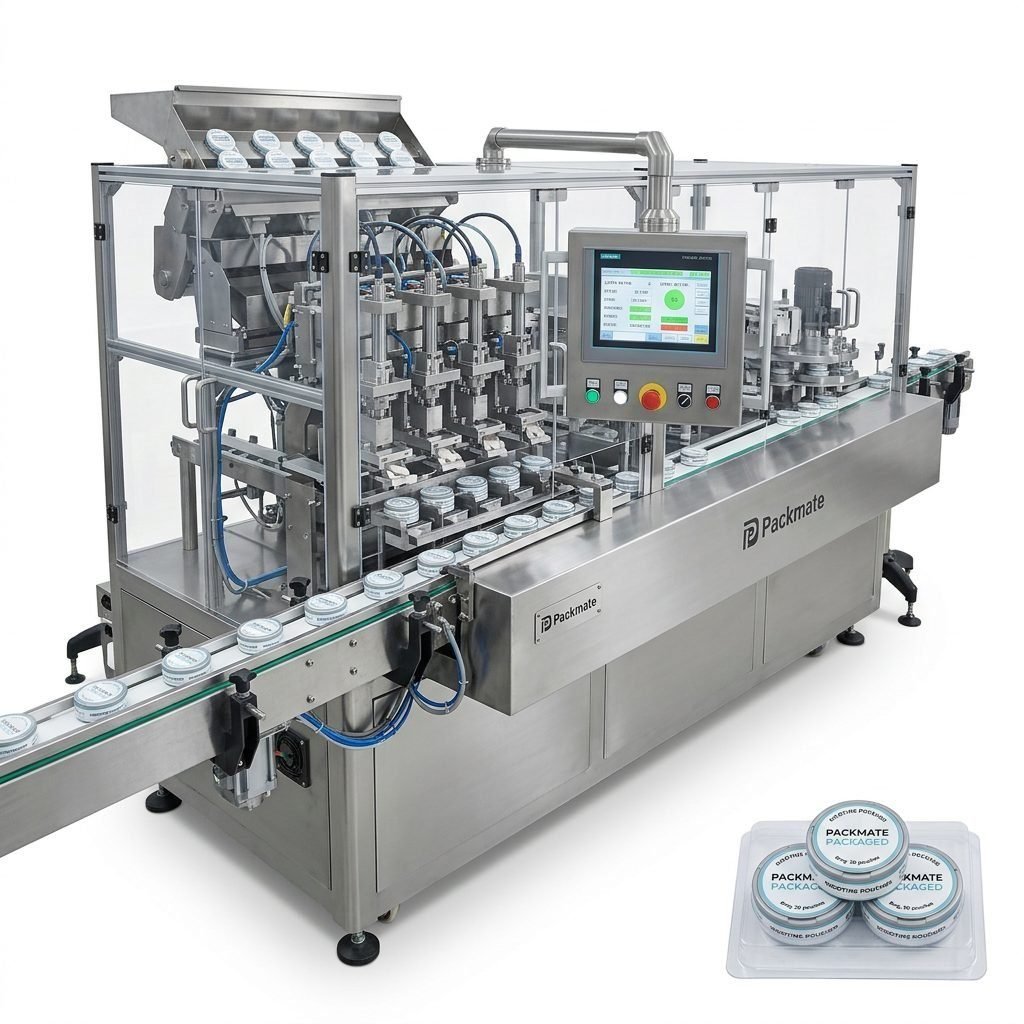
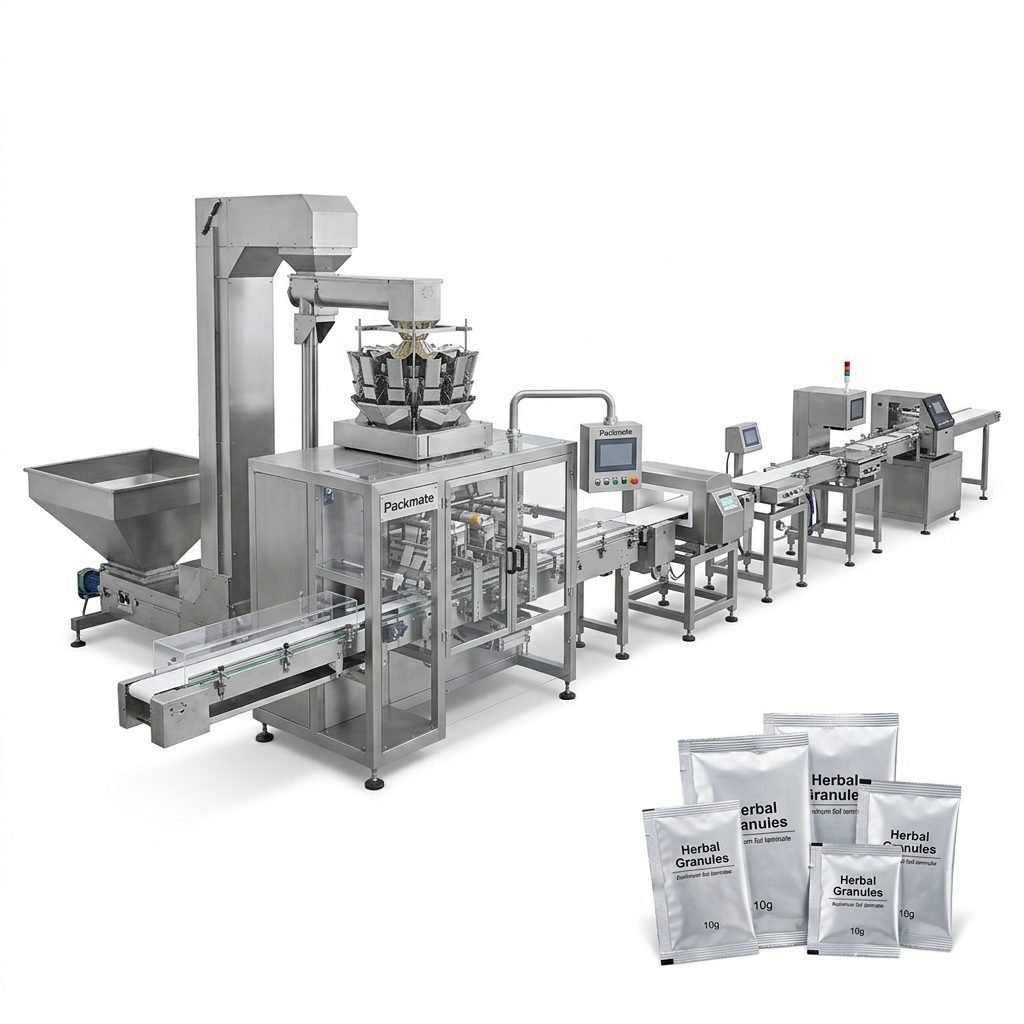
🔹 Integrated filling & weighing lines — essential if you require precise dosing for powders or granular formulations.
Quick supplier research tip
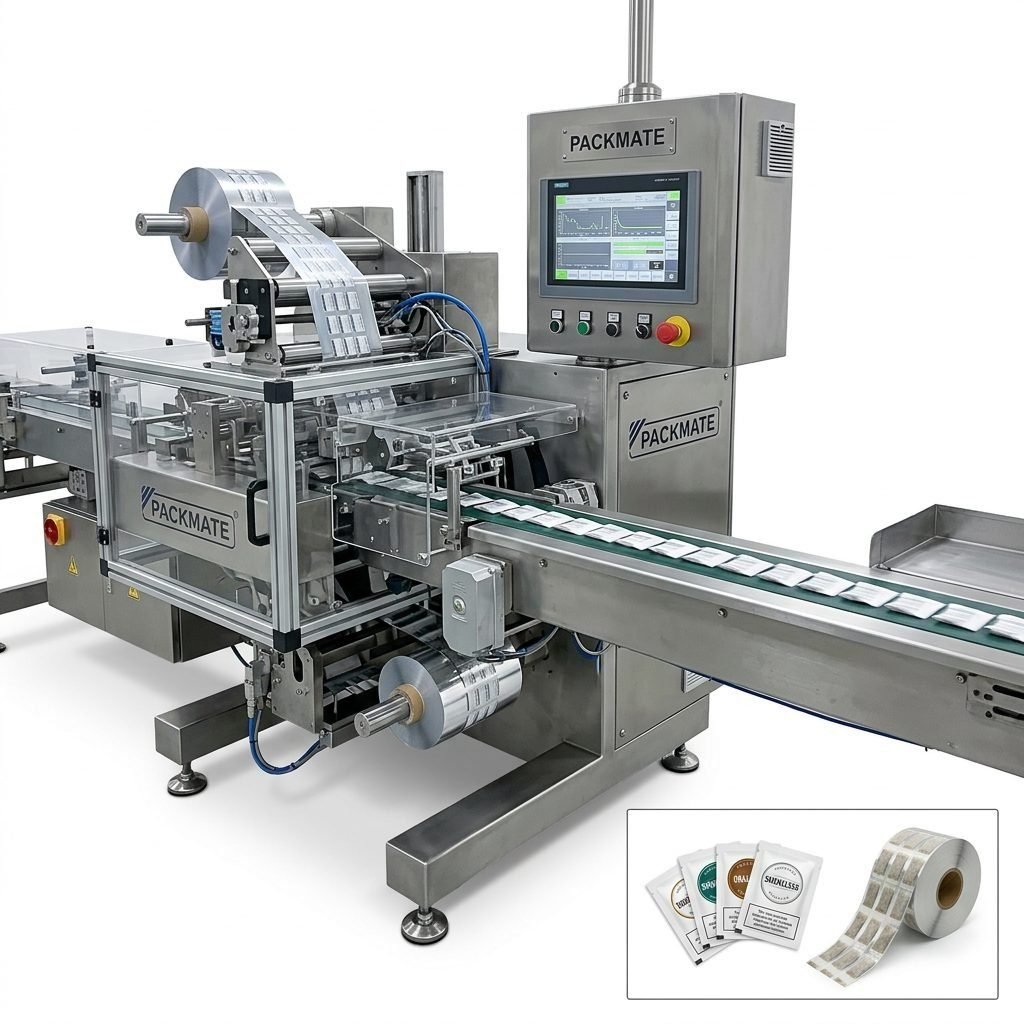
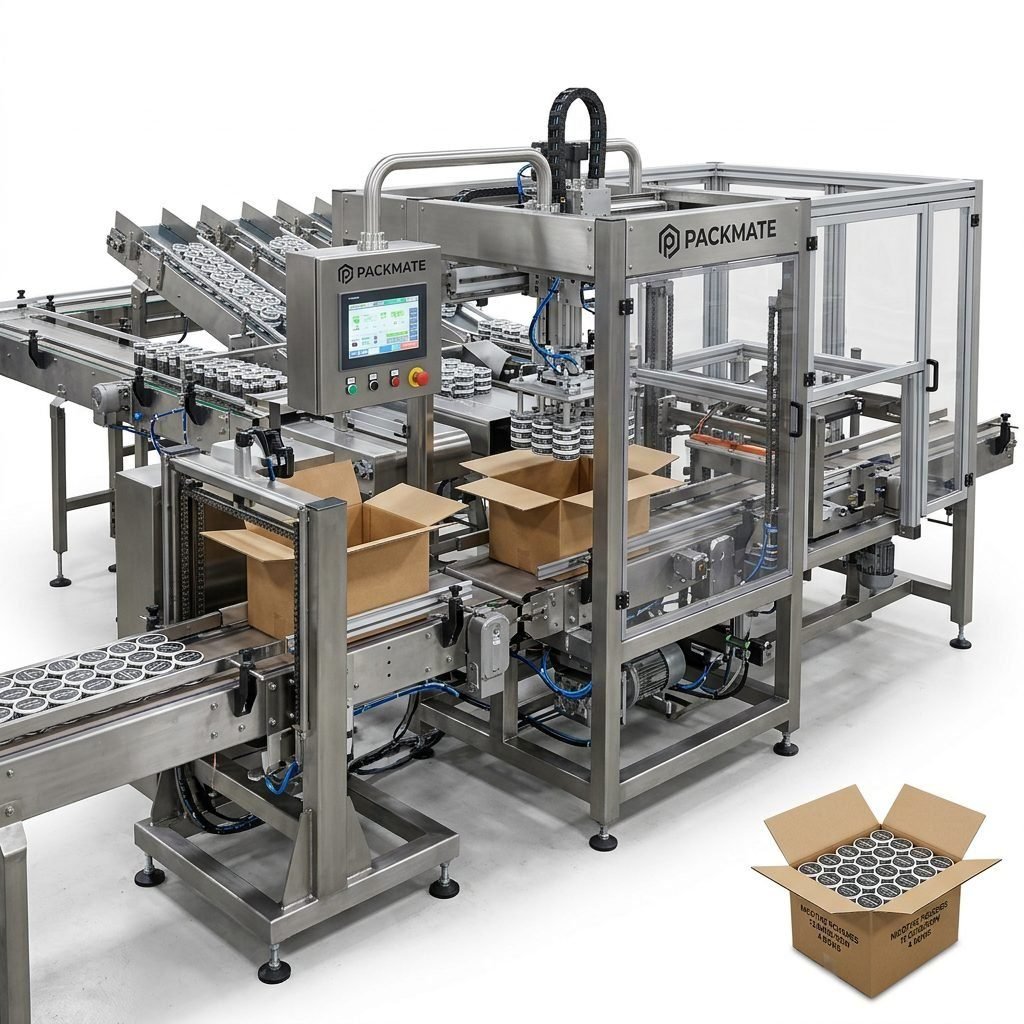
Look for suppliers that list multiple product lines and turnkey solutions. For example, Packmate is recognized for its full range of snus and nicotine packaging solutions, including stick pack, sachet, and multi-lane systems — useful when you want a single partner for expansion. Learn more about specialized offerings here: Snus & Nicotine Packaging Machines.
Key Technical Specifications to Verify
Evaluate machines across these technical factors to ensure consistent production and product quality:
✅ Production capacity (pouches per minute) — align with your peak demand and future growth.
✅ Accuracy & dosing — for nicotine pouch products, weight and fill precision matter for regulatory compliance.
✅ Material compatibility — confirm machine supports the film laminates and barrier materials you plan to use.
✅ Changeover time — easy format change reduces downtime when offering multiple SKUs.
✅ Automation level — integrated checkweighers, metal detectors, and vision systems improve product safety.
Quality Assurance & Certifications
A reliable supplier should offer clear evidence of quality systems and internationally recognized certifications. Prioritize suppliers with:
CE and ISO certifications — these show that the equipment meets global safety and management standards. Ask for certificates and request verification with issuing bodies. Suppliers like Packmate commonly reference their CE and ISO compliance for export markets.
Factory inspection checklist
🔎 Factory size and equipment (CNC centers, assembly lines).
🔎 Production capacity and order lead times.
🔎 Quality control procedures and test reports for machines.
🔎 Spare parts inventory and assembly documentation availability.
Evaluate After-Sales Support and Spare Parts Access
After-sales support determines how quickly you can recover from downtimes and maintain continuous production. Important support elements include:
• Remote diagnostic capabilities and software updates.
• Local or regional technicians who can respond quickly (inquire about partners in the MENA region).
• Spare part kits and typical replacement lead times.
• Operator and maintenance training — ask whether on-site training in Lebanon is available.
Consider Logistics, Import Rules, and Packaging Compliance in Lebanon
Planning imports for machines and materials into Lebanon requires attention to customs clearance, duties, and local regulations for nicotine products. Tips:
✈️ Confirm HS codes for machinery and spare parts to estimate import duties.
✈️ Ask suppliers for detailed packing lists, machine manuals, and certificates to streamline customs.
✈️ Ensure your packaging labels comply with Lebanese health and advertising rules for nicotine products — include required warnings in Arabic where necessary.
✈️ Work with experienced freight forwarders familiar with Lebanon’s ports and inland transport.
Financial Considerations and Payment Terms
A trustworthy machine purchase balances price with total cost of ownership (TCO). Elements to negotiate:
• Down payment vs. balance on delivery and acceptance tests.
• Warranty duration and what components are covered.
• Options for extended service contracts and spare parts bundles.
• Currency and payment method flexibility; consider letters of credit for large purchases.
Negotiation tactic
When negotiating, highlight your growth plan: suppliers are more likely to offer favorable terms if they see potential repeat orders for additional lanes, spare parts, or turnkey lines. Ask about discounts for bundled purchases or longer-term partnerships.
Factory Credentials That Signal Reliability
Reliable suppliers present transparent information about their manufacturing capability. Look for:
• Long industry track record and documented development timeline.
• Large, modern factory footprint and CNC, assembly, and testing facilities.
• A diverse model portfolio covering snus, sachet, stick, and multi-lane options.
• Customer case studies and exhibition presence that demonstrate global reach.
Why Packmate’s Profile Matters for Lebanese Buyers
If you research suppliers, consider Packmate’s experience: decades of R&D, a 20,000㎡ facility, and more than 50 machine models tailored to snus and nicotine pouch production. Their history of multi-lane solutions and turnkey lines is particularly helpful if you anticipate scaling. For product details and model options, visit the dedicated product pages:
• Bag & Pouch Packaging Machines
• Sachet & Stick Pack Machines
• For company background and certifications see: About Packmate.
Factory Visits, Demonstrations and References
Whenever possible, inspect machines in person or watch live demos at exhibitions. If travel isn’t feasible, ask for:
• Detailed demo videos of the exact model operating with similar materials.
• Client references and case studies showing successful installations in similar markets. See sample cases at Case.
• A clear factory acceptance test (FAT) plan and acceptance criteria.
Installation, Training and Commissioning in Lebanon
A complete delivery should include installation, commissioning, and operator training. Best practices:
• Request a clear timeline for on-site commissioning and acceptance tests.
• Ensure local staff receive hands-on training and technical manuals in English (and Arabic if possible).
• Agree on support SLAs — response times for remote support and spare parts delivery.
Practical checklist before shipment
Verify machine configuration, tooling, spare parts list, manuals, and FAT sign-off documents are complete before the supplier ships equipment to Lebanon.
Sustainable Practices and Long-Term Partnership
Think beyond the initial purchase: energy-efficient machines, modular upgrades, and suppliers that provide ongoing process optimization will reduce your long-term costs. Ask potential partners how they support continuous improvement and whether they provide retrofits or upgrades for legacy equipment.
🔔 Pro tip: If you plan to produce multiple SKUs with different sizes and laminates, prioritize modular systems that minimize mechanical adjustments and reduce changeover times.
Useful Links and Next Steps
When evaluating suppliers online, explore their product catalogs and service pages. For an initial exploration, check product groups and support pages such as: Weighing & Packaging Systems, Filling & Packaging Lines, and Contact Us to request quotations or schedule a demo.
Final Selection Checklist (Quick Reference)
1) Confirm machine type matches product format and volume needs.
2) Verify CE/ISO certificates and factory capabilities.
3) Review warranty, spare parts access, and local support capacity.
4) Ensure documentation and labeling comply with Lebanese regulations (Arabic warnings if required).
5) Negotiate payment, delivery, and FAT acceptance criteria.
Summary: How to Proceed with Confidence
Selecting a snus packaging machine supplier in Lebanon requires balancing technical capability, regulatory knowledge, and local market understanding. Prioritize suppliers with proven factory strength, clear certifications, demonstrable case studies, and strong after-sales support. By following the step-by-step checks above — from verifying machine specs to confirming customs readiness — you can minimize risk and build a production line that scales with customer demand.
Frequently Asked Questions
Q1: How long does it take to receive and commission a snus packaging line in Lebanon?
A1: Typical lead times vary by configuration and order backlog. Standard single-lane machines may ship within weeks, while fully customized multi-lane turnkey lines often require several months for manufacture, FAT, shipping and on-site commissioning.
Q2: What certifications should I request from a supplier?
A2: Request CE and ISO certificates, machine-specific test reports, and FAT documentation. Also ask for references and demonstration videos to validate performance.
Q3: Are there special labeling requirements for nicotine pouches in Lebanon?
A3: Yes — labeling must comply with Lebanese health regulations, and warnings should appear in Arabic; always confirm current regulatory requirements with local authorities.
Q4: What level of technical support is essential after purchase?
A4: Look for remote troubleshooting, spare parts availability, rapid response for critical failures, and operator training. Local technical partners or regional service hubs are a major advantage.
Q5: How can I reduce my total cost of ownership?
A5: Choose energy-efficient machines, maintain a spare parts inventory for critical components, invest in proper operator training, and plan preventive maintenance with your supplier.