Introduction
Snus and nicotine pouch production lines are complex investments that combine precision machinery, automation, and regulatory compliance. Whether you are launching a new brand or scaling an existing operation, understanding the true cost of a snus production line is essential to make informed decisions. This guide breaks down the components, typical price ranges, and key factors that influence cost so you can plan budgets with confidence.
What is included in a snus production line?
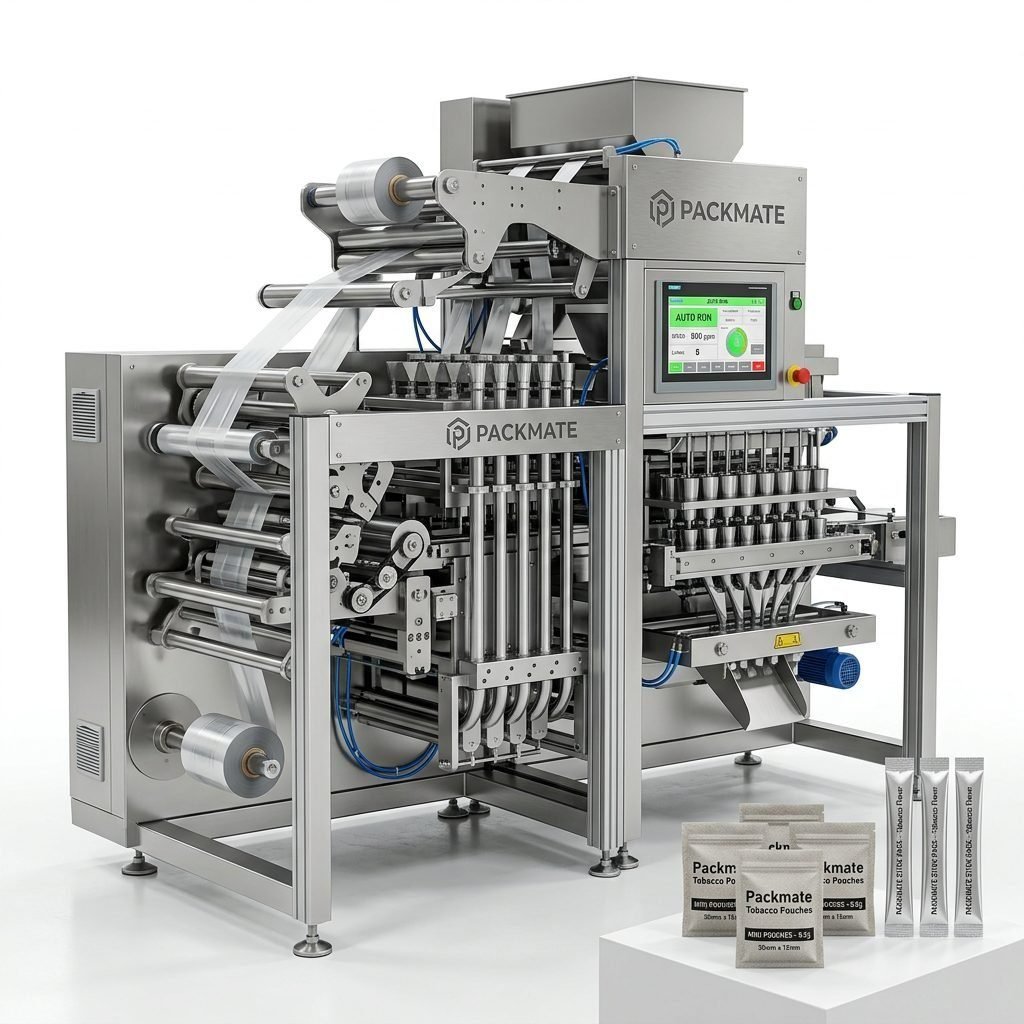
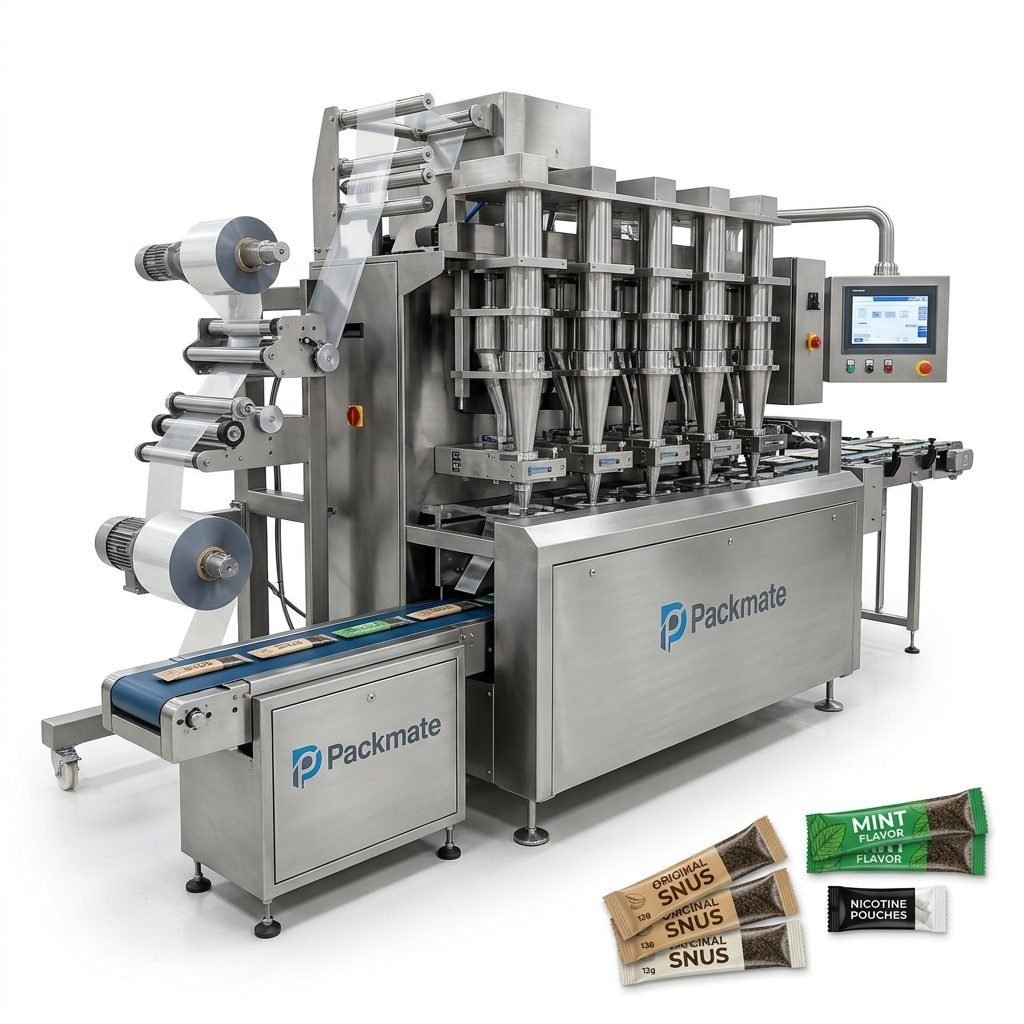
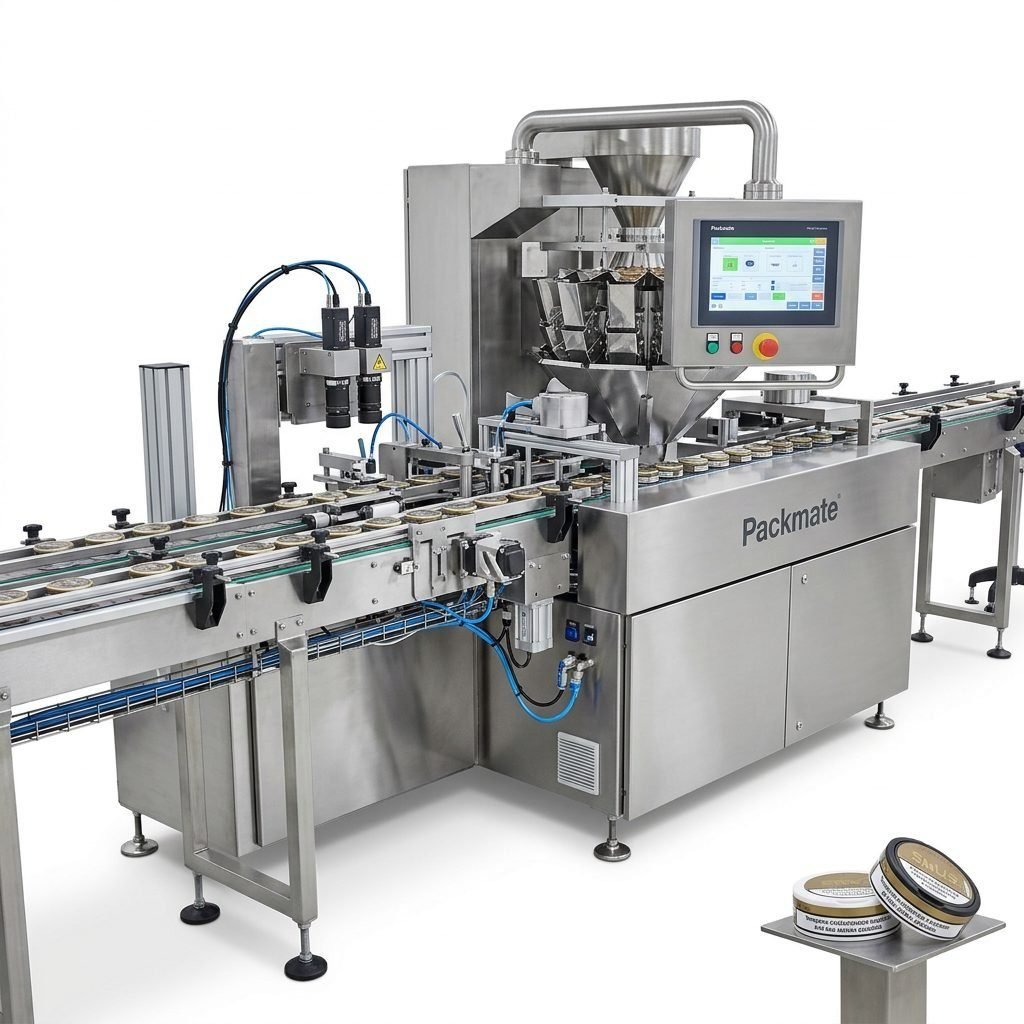
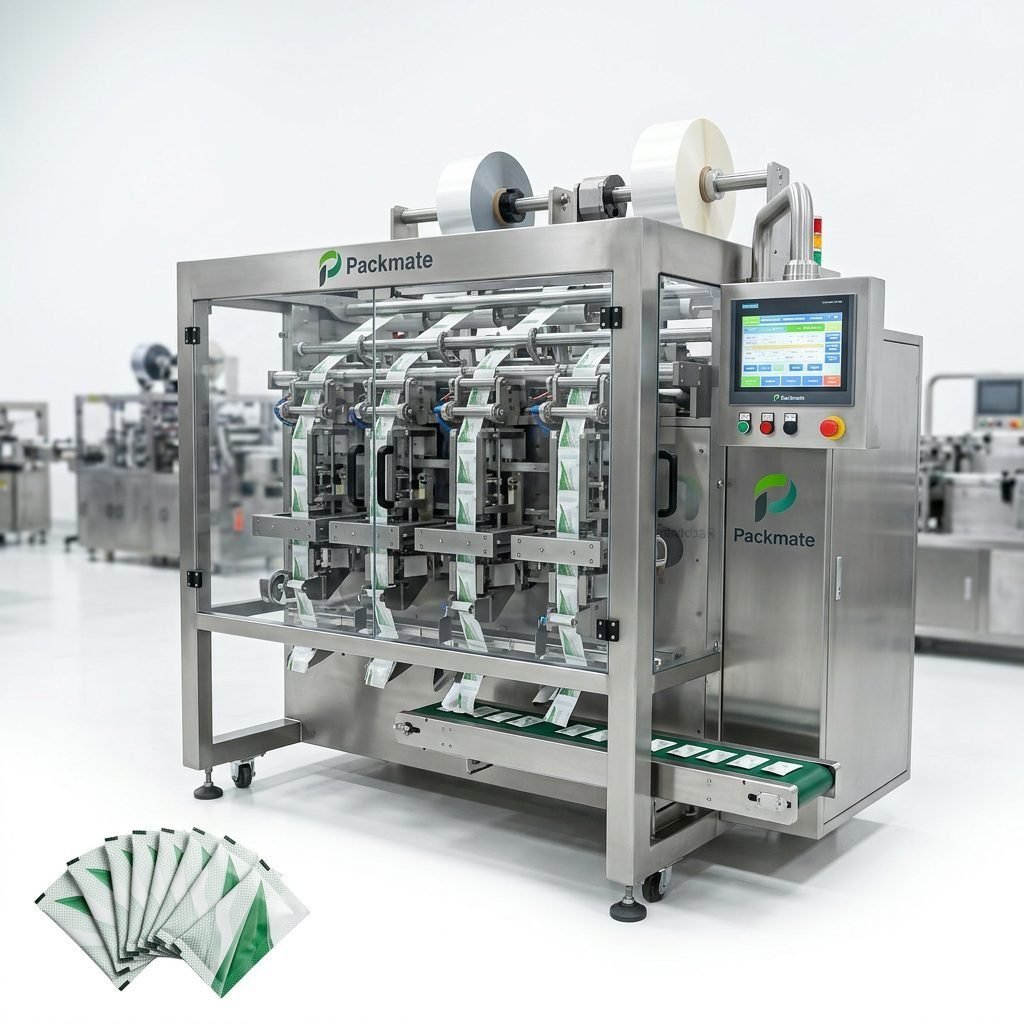
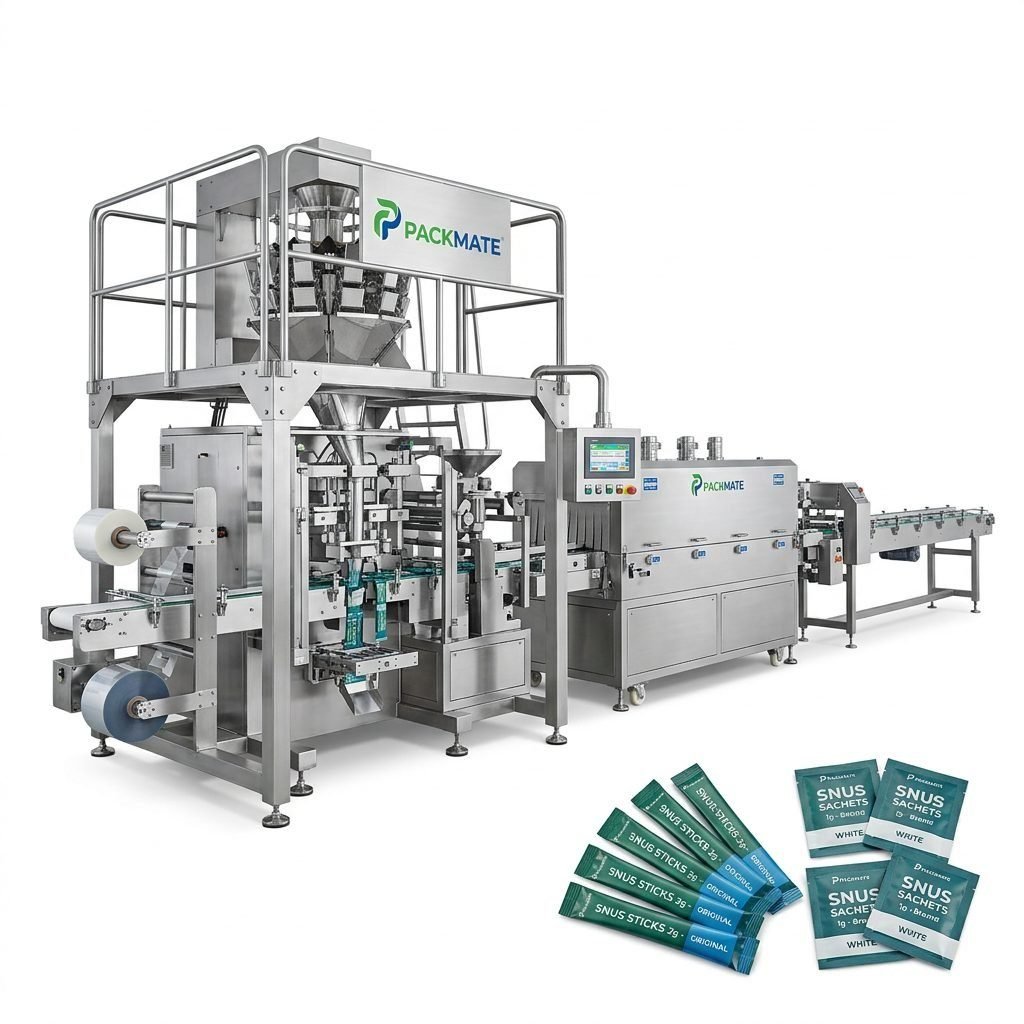
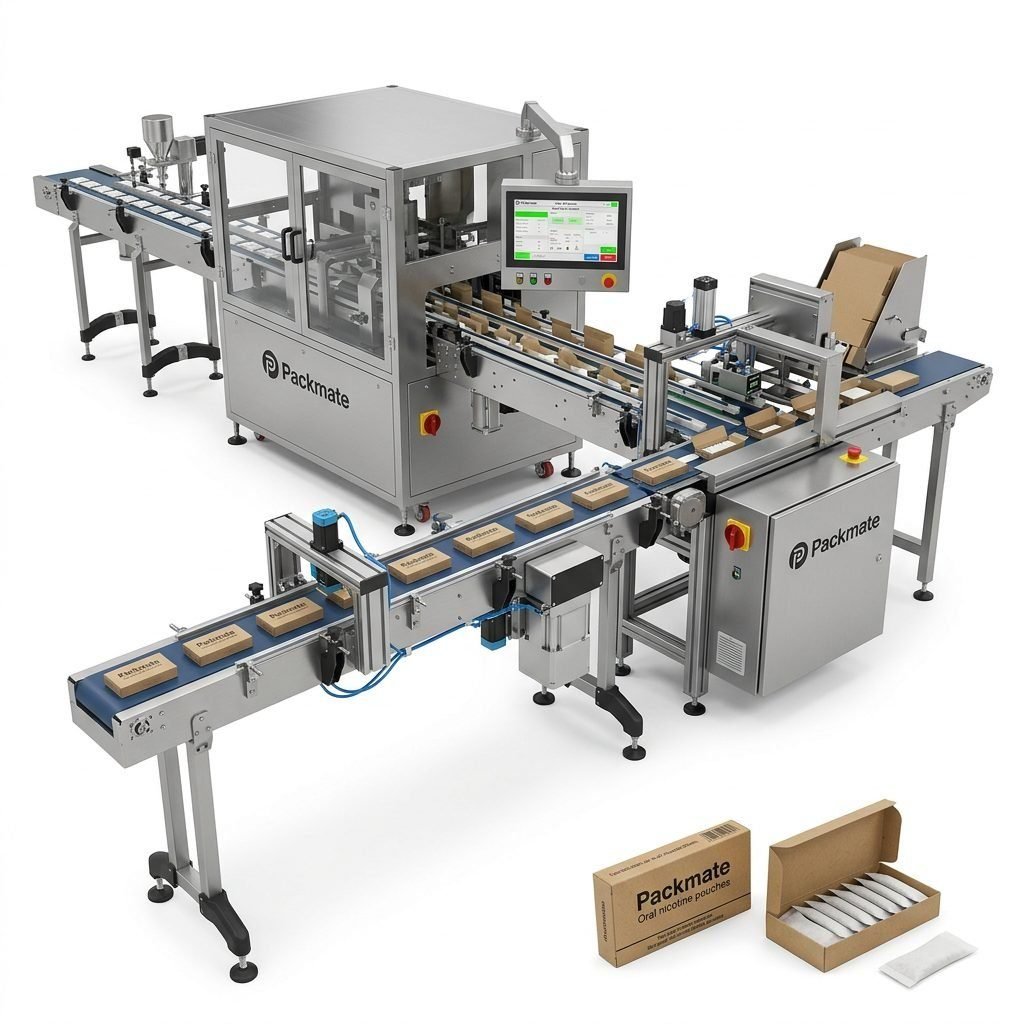
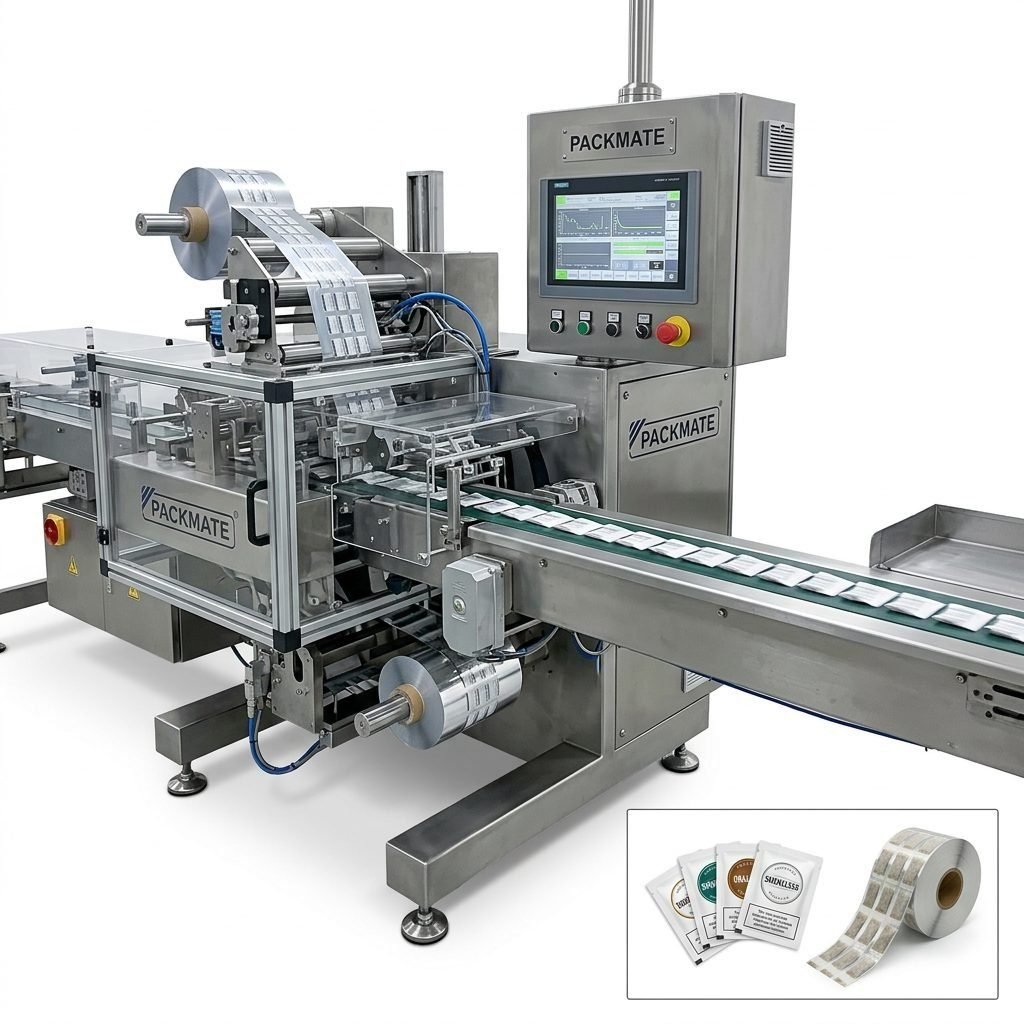
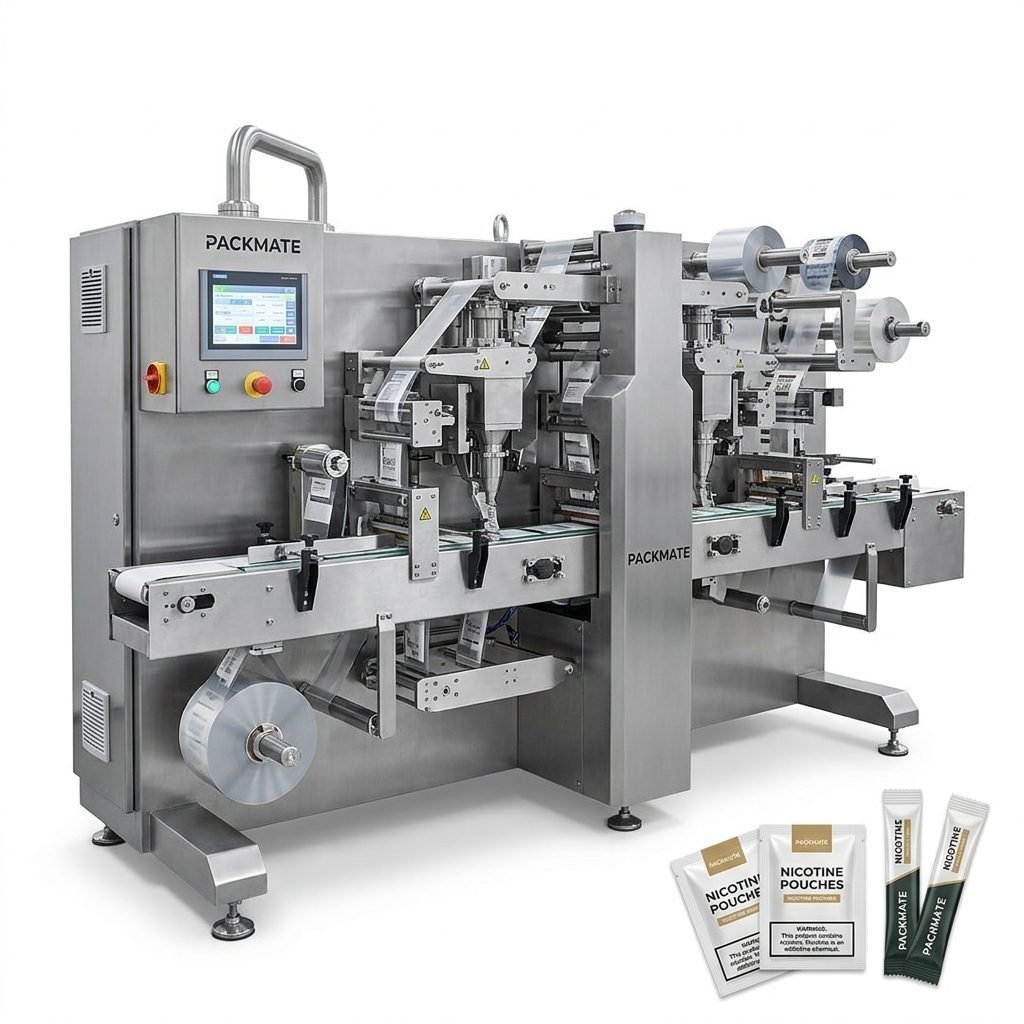
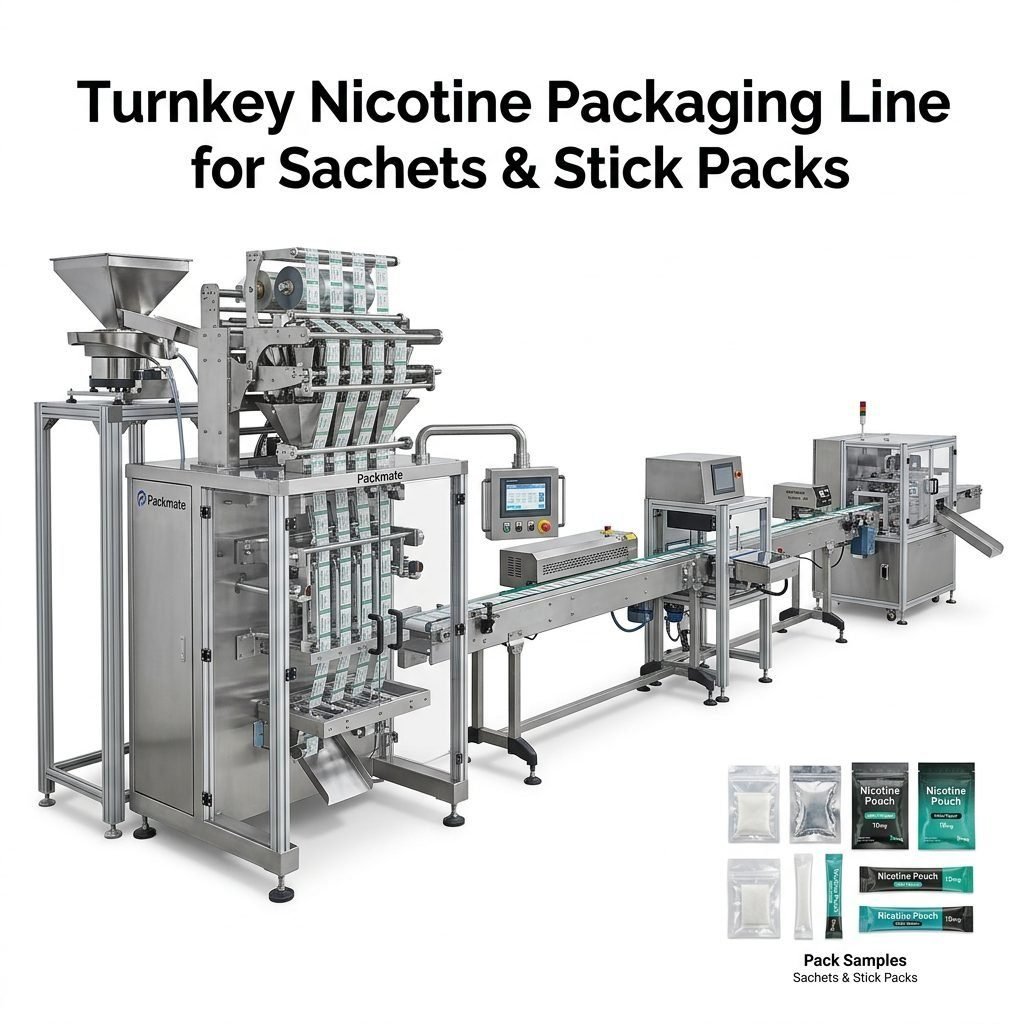
A complete snus production line usually integrates multiple subsystems designed to turn raw materials into finished pouches ready for retail. Typical modules include dosing & weighing, pouch forming, filling, sealing, cutting, multi-lane synchronization, metal detection, labeling, and final packaging. Many suppliers also provide turnkey options with PLC control, conveyors, and packaging case packers.
Core equipment categories
– Dosing & Weighing systems (loss-in-weight screw feeders, multi-head weighers)
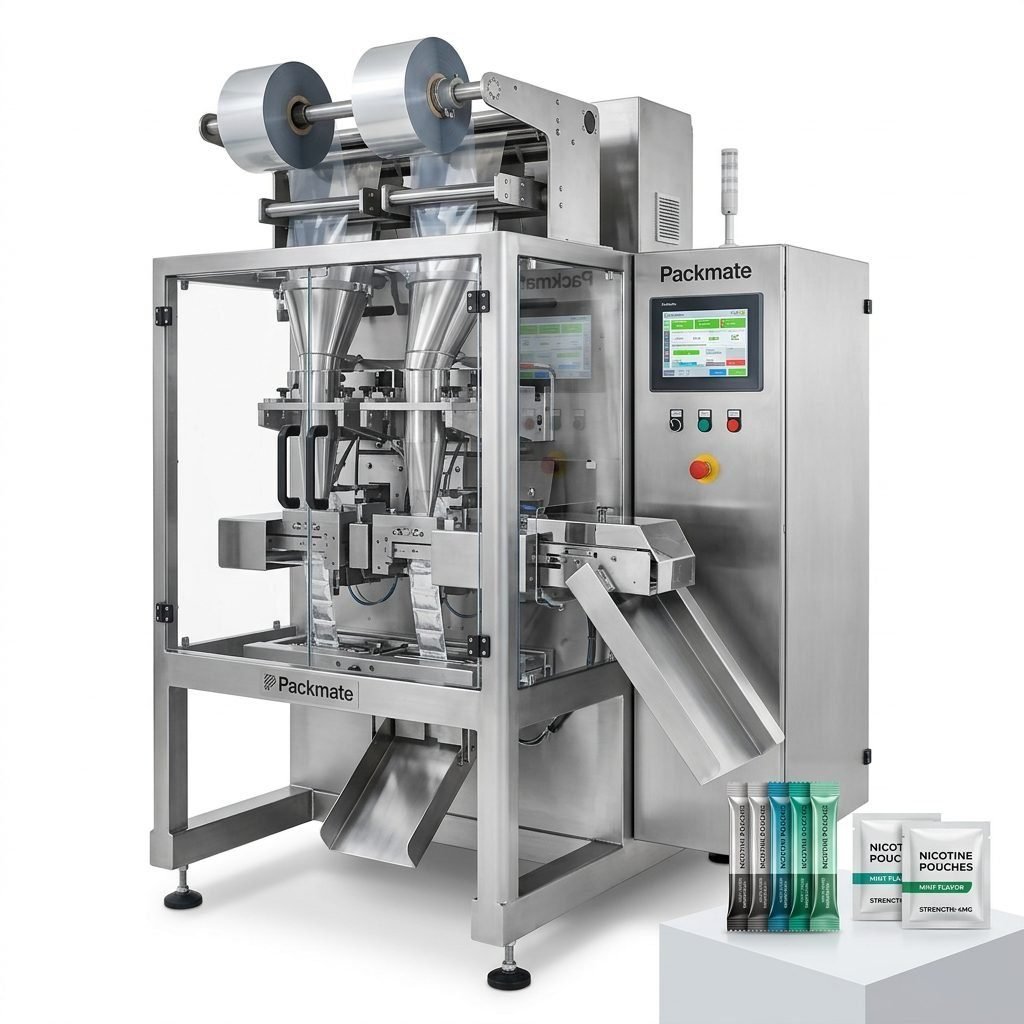
– Pouch forming and filling machines (stick, sachet, multi-lane units)
– Sealing and cutting modules tailored to snus pouch specs
– Secondary packaging and case packing systems
– Auxiliary equipment: conveyors, metal detectors, checkweighers, labeling systems
🔧 Key point: A single production line cost is influenced by machine model, lanes, automation level, and local installation expenses. Standardized machines cost less; custom multi-lane solutions increase price significantly.
Typical cost breakdown
Below is a typical breakdown of costs when budgeting for a new snus production line. Prices vary widely by region, supplier reputation, and degree of customization.
1. Core packaging machine(s) — 40% to 60% of total
The primary pouch forming and filling machine is the most expensive single item. A basic single-lane snus pouch machine for small-batch production can be relatively affordable, while high-speed multi-lane systems designed for millions of pouches per month will command a premium. Expect the core machine to represent a large portion of your capital expenditure.
2. Dosing, feeders, and weighing systems — 10% to 20%
Accurate dosing is critical for product consistency and regulatory compliance. Loss-in-weight feeders, auger fillers, or multi-head weighers can vary in price depending on accuracy and speed. For nicotine pouches, precision is non-negotiable and often justifies higher-cost dosing solutions.
3. Secondary & auxiliary equipment — 10% to 20%
Conveyors, checkweighers, metal detectors, labeling machines, and case packers are necessary to complete a production line. These items may seem small individually but add up. Investing in reliable brands reduces downtime and long-term maintenance costs.
4. Installation, commissioning & training — 5% to 10%
Shipping machines to your factory is only part of the expense. Skilled technicians for installation and commissioning, plus operator training and process validation, are recurring and sometimes overlooked costs. For complex multi-lane systems, expect higher commissioning time and fees.
5. Civil works, utilities & factory modifications — 5% to 15%
Floor reinforcement, dedicated utility lines (air, water, electrical, compressed air), dust control, and cleanroom modifications can be required depending on local regulations and product specifications. These costs vary significantly by location.
Sample price ranges (indicative)
– Small trial/specialty line (single-lane, lower speed): USD 50,000 – 150,000
– Standard production line (multi-function, moderate speed): USD 150,000 – 500,000
– High-speed multi-lane turnkey lines: USD 500,000 – 2,000,000+
These ranges are indicative. Specific quotes depend on equipment specs, country of manufacture, and included services.
✅ Remember: Cheapest is rarely best for regulated consumable products. Prioritize accuracy, hygiene, and long-term support when evaluating suppliers.
Factors that increase cost
Several variables can drive up the price: multi-lane configuration, specialized materials handling (for wet or sticky blends), automation for changeovers, higher-grade stainless steel, integrated quality inspection systems, and custom PLC/software. Localization for specific markets and certifications (CE, ISO) can also add to the investment.
Customization and R&D
If you require unique pouch sizes, branding-specific tooling, or novel dosing methods, budget for engineering and prototyping. Many manufacturers offer modular systems to reduce custom costs, but full customization remains a significant line item.
Operating costs to consider
Capital investment is only part of the picture. Recurring costs include raw materials (pouch film, nicotine blend, sachet materials), utilities (electricity, compressed air), spare parts, preventive maintenance, and labor. Accurate costing helps calculate payback period and ROI.
Material costs per pouch
Material costs depend on pouch type (foil-laminate vs paper-based), barrier properties, and printing. For example, high-barrier laminates with custom printing raise per-unit material costs but offer longer shelf-life and brand differentiation.
ℹ️ Pro tip: Early coordination between packaging design and machine supplier reduces costly reworks and tooling changes later.
How region and local customs affect cost planning
Depending on your market, local regulations, customs, and consumer preferences will influence machine configuration and costs. For example, European markets often demand CE certification and higher traceability, while some regions require specific labeling and language options. When selling into markets with cultural preferences for packaging aesthetics or portion sizes, factor in artwork, printing, and tooling variations.
Packmate example and certification
Packmate Snus Machine has decades of experience and supplies compliant equipment. If you need verified equipment and global support, consider suppliers with proven factory strength and certifications. Learn more about product ranges such as Snus & Nicotine Packaging Machines and complementary systems like Filling & Packaging Lines.
Choosing the right supplier
Select a supplier based on experience, after-sales support, and references rather than only price. Suppliers offering factory acceptance testing (FAT), remote support, and spare parts availability reduce long-term risk. Visit manufacturing facilities or attend exhibitions to watch live demonstrations; Packmate exhibits globally—details can be found on their Exhibition page.
Quotes and evaluation checklist
When comparing quotes, request: lead time, warranty terms, spare parts list, electrical requirements, CIP cleaning options, software control specs, noise levels, and project references. A thorough checklist prevents surprises and helps align expectations.
Financing, leasing, and cost reduction strategies
If capital is a constraint, consider leasing, equipment financing, or phased installations where you purchase core machines first and add automation later. Another strategy is to start with a modular single-lane machine and scale by adding lanes or auxiliary modules as volumes grow.
📈 Return on investment: Calculate ROI using throughput, yield, product margin, and operating cost. High initial investment can still be justified by long-term savings in labor and consistent quality.
Maintenance and lifecycle costs
Maintenance planning affects total cost of ownership. Budget for preventive maintenance, spare parts kits, and occasional rebuilds. A reliable supplier will offer scheduled maintenance plans and training to minimize downtime.
Spare parts and local stock
Keep critical parts in local stock—sealing dies, belts, sensors—to shorten mean time to repair (MTTR). Neglecting spare parts planning can turn a small failure into expensive production losses.
Case example: budgeting for a mid-range multi-lane line
A mid-range multi-lane line for a growing brand (capable of 200–400k pouches/day) might include a two- to four-lane pouch machine, dosing system, quality inspection, and case packer. A realistic budget would include machine cost, shipping, installation, spare parts, and one year of consumables—typically landing in the USD 300k–800k range depending on options.
For detailed model choices and tailored solutions, explore supplier catalogs and product pages like Bag & Pouch Packaging Machines or review case studies at Case.
Buying checklist
– Define target daily output and pouch formats
– Confirm regulatory and labeling requirements for target markets
– Choose between modular vs turnkey solutions
– Verify supplier certifications and post-sales support
– Request FAT and installation timelines
Summary and next steps
Investing in a snus production line is a strategic decision. Understand both the capital and operating costs, align machine capabilities with projected volumes, and select a supplier with proven experience. Supplier transparency, spare parts support, and training are as important as the headline price.
If you would like to evaluate specific machines and get a tailored quotation, consider contacting a reputable manufacturer to discuss your product specs and capacity needs. Learn more about potential suppliers like About Packmate and available services at Service.
Frequently Asked Questions (FAQs)
Q1: How long does it take to install a snus production line?
A1: Installation and commissioning typically take 2–6 weeks for mid-sized lines. Complex multi-lane turnkey projects may require longer setup and validation.
Q2: What certifications should I expect from reputable manufacturers?
A2: Look for CE and ISO certifications, clear machine documentation, and factory acceptance testing (FAT) reports.
Q3: Can I scale a single-lane machine later?
A3: Many manufacturers offer modular systems that allow you to add lanes, upgrade feeders, or integrate automation as volumes grow—this helps manage initial capital outlay.
Q4: Are spare parts and service widely available?
A4: Availability depends on your supplier and region. Choose a partner with established global support or local distributors to minimize downtime.
Q5: How do I get an accurate quote?
A5: Provide product specs, target throughput, desired pouch formats, and any regulatory requirements to the supplier. Request an itemized quote covering machines, installation, shipping, and spare parts.