Choosing the right snus packaging machine supplier in Georgia can make or break your production plans. Whether you’re launching a nicotine pouch brand, expanding an existing tobacco-adjacent product line, or seeking turnkey automation for consistent quality, the supplier you pick affects uptime, compliance, and total cost of ownership. This guide walks you through practical steps and local considerations so you can confidently evaluate suppliers and select the best partner for your business in Georgia.
Understand Your Product and Production Goals
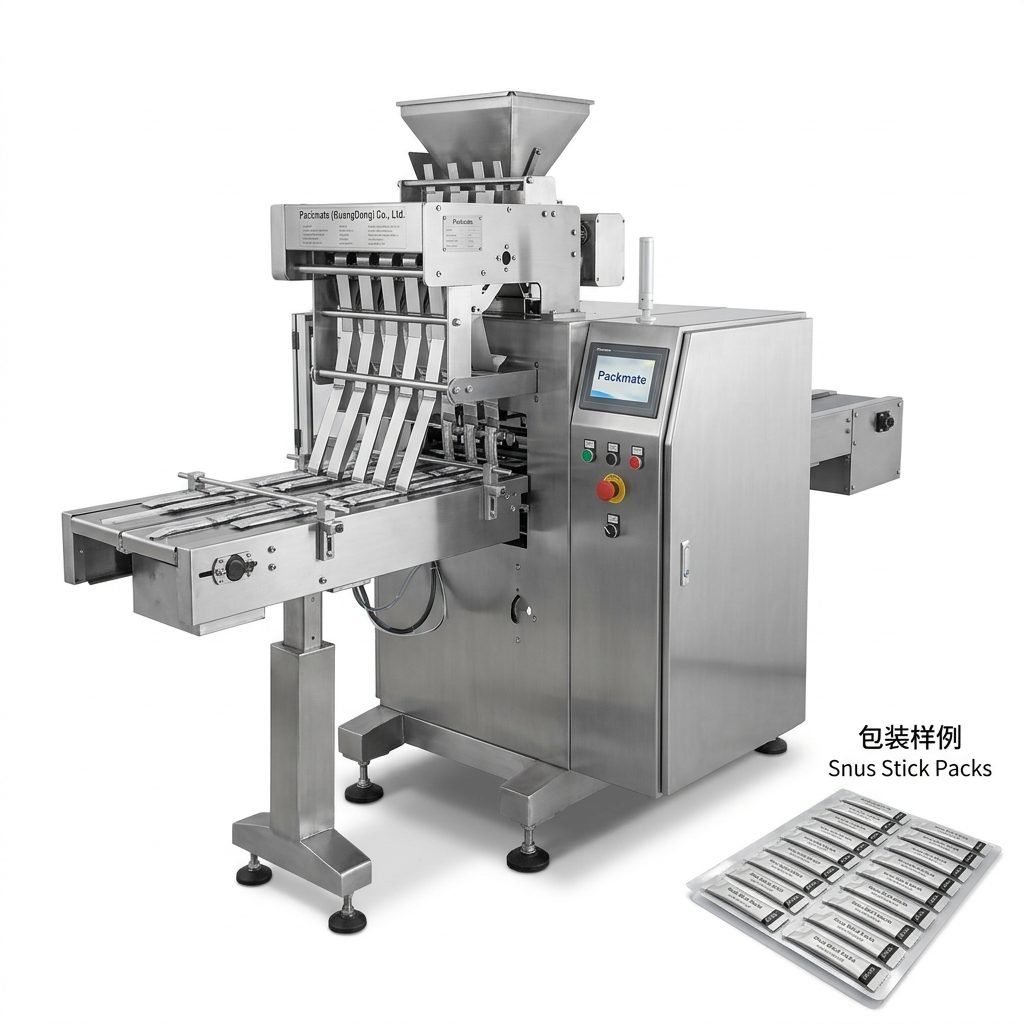
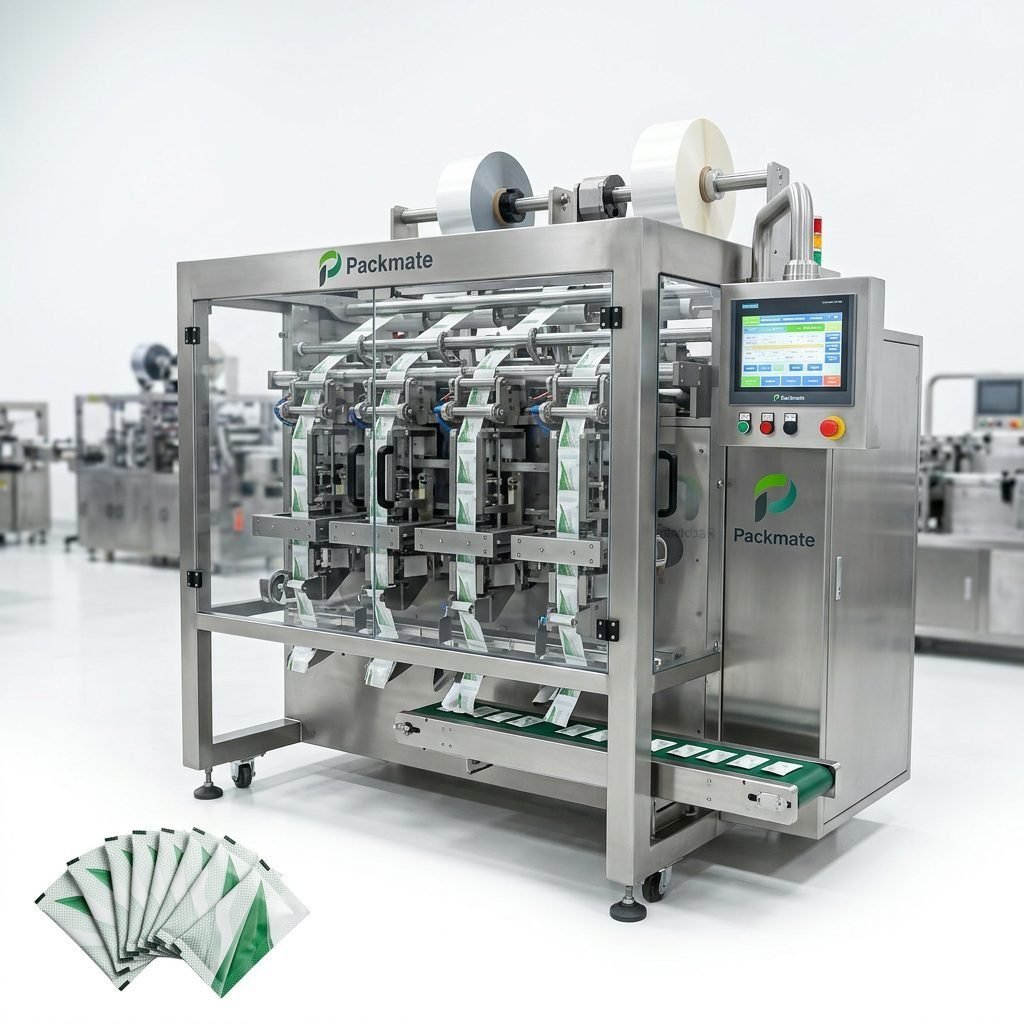
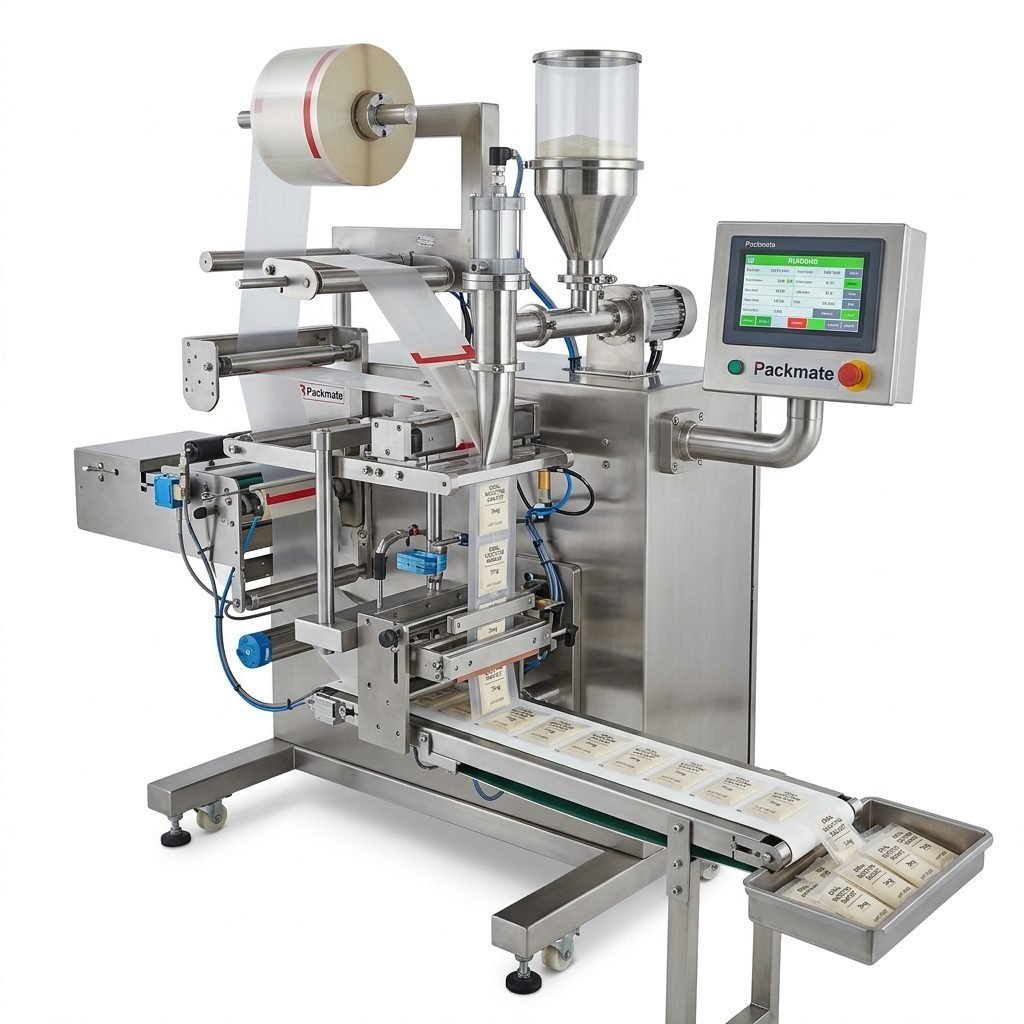
The first step is clarifying what you need: pouch type (snus, nicotine pouch, sachet, stick pack), target output (units per minute/hour), and packaging materials (foil-laminate, polyethylene, compostable films). If you’re planning small-dose multi-lane production, specify lane count and target SKU flexibility. Georgia-based operations often prioritize rapid scaling and cost-efficiency — make these priorities explicit when requesting proposals.
Key product-style questions to answer
– Which pouch format will you produce? (round pouch, sachet, stick pack)
– Is moisture control critical? (Yes for many nicotine formulations)
– Do you require integrated filling/weighing systems? (Consider a combined solution)
– What is your required output and tolerance for downtime?
Tip: Suppliers who offer modular systems (e.g., multi-lane & detachable modules) let you adapt production lines without full capital replacement — ideal for Georgia companies aiming to test multiple SKUs quickly.
Assess Manufacturer Experience and Factory Strength
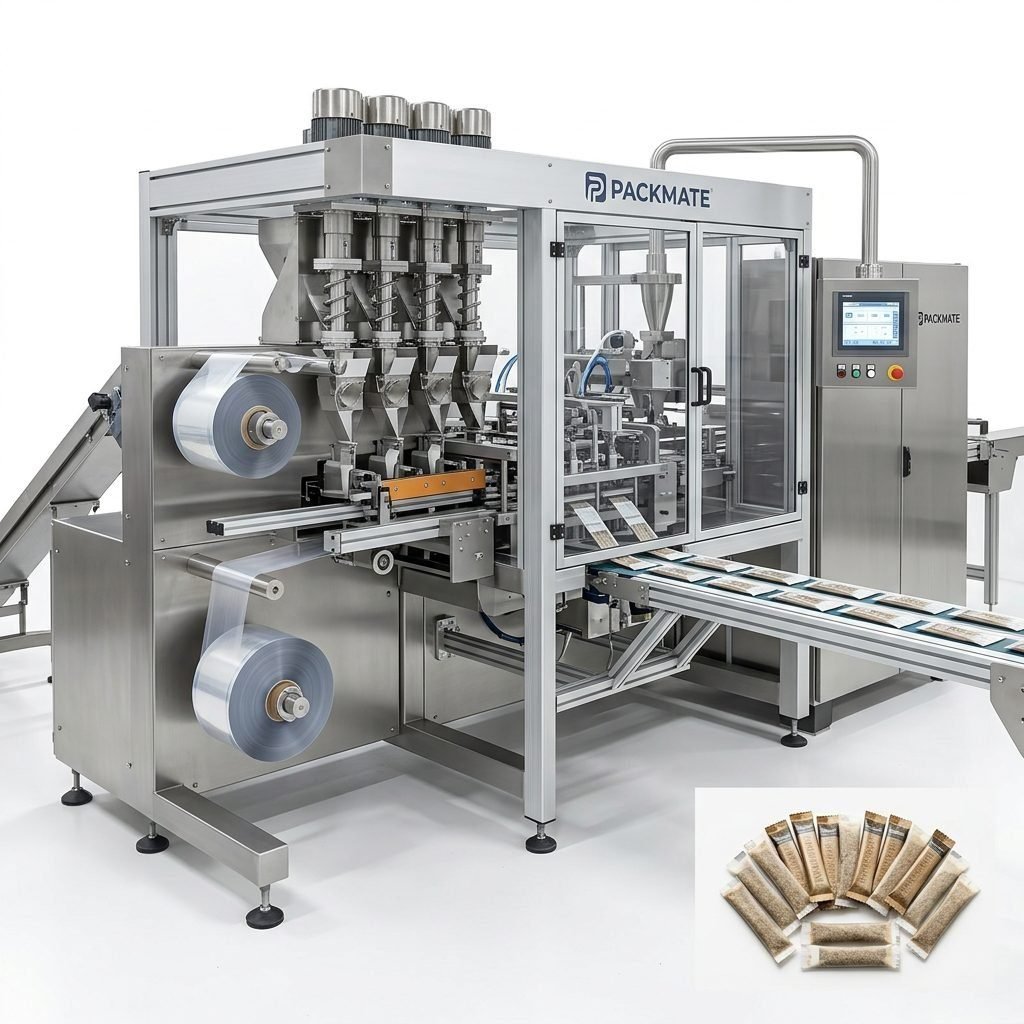
Look for manufacturers with a proven track record in snus and nicotine pouch equipment. Important indicators include years of industry experience, factory scale, model range, and the ability to deliver custom turnkey lines. Packmate Snus Machine, for example, emphasizes 30+ years of engineering experience and a 20,000㎡ manufacturing facility — attributes that translate into reliable machine design and consistent component quality.
What to verify
– Factory visits or virtual tours (confirm advanced CNC machining centers and precision assembly).
– Number of machine models and customization capability.
– Evidence of quality control systems and final testing protocols.
– Client references and case studies in similar markets.
Regulatory and Compliance Considerations in Georgia
Whether you are in Georgia the country or Georgia the U.S. state, regulatory compliance matters. In the United States, tobacco and nicotine products fall under federal regulation and state-level rules; packaging lines must support child-resistant features and accurate labeling workflows where required. If you operate in the country Georgia or serve nearby European markets, you should check local import rules, product classification, and labeling standards. Ask potential suppliers about machine-level traceability, label applicators, and firmware/documentation that supports regulatory inspections.
Note: Suppliers with CE/ISO certifications and experience exporting to regulated markets will better support compliance documentation and safer product launches.
Evaluate Technical Capabilities and Machine Performance
Drill into technical specs and performance guarantees: cycle speed, accuracy for dosing (important for nicotine content consistency), lane synchronization for multi-lane machines, and typical changeover times. Ask for machine run charts, acceptance test reports, and video demos of similar lines handling your product type. Reliable suppliers will provide data on mean time between failures and maintenance intervals.
Consider visiting trade shows or scheduling live demos — Packmate hosts exhibitions and live demonstrations that allow you to observe machine operation in real time. If travel is difficult, request recorded demonstrations focusing on your specific product type.
Performance checklist
✔️ Accurate dosing and low variance per pouch
✔️ Stable multi-lane synchronization for high throughput
✔️ Low scrap rates and robust sealing quality
✔️ Accessible maintenance points and spare parts availability
Service, Spare Parts and Local Support in Georgia
After-sales service is often the hidden cost of equipment ownership. For Georgia-based operations, proximity to spare parts, timely technical support, and local service partners can reduce downtime. Confirm whether the supplier has a local agent or distributor, or if they provide remote diagnostics, spare parts kits, and training packages. For complex turnkey lines, on-site installation and commissioning are essential — negotiate these services upfront.
Local insight: Many Georgian businesses prefer suppliers who can adapt to local power standards, provide fast customs documentation, and understand regional transport logistics — ask suppliers to demonstrate experience shipping and commissioning equipment in Georgia.
Total Cost of Ownership (TCO) and Financing
Purchase price is only the beginning. Evaluate energy consumption, expected maintenance costs, spare parts price, and operator training. Ask suppliers for a TCO estimate over 3–5 years. For smaller Georgian producers, financing options, leasing, or modular upgrade paths can make higher-quality machines more accessible. Some manufacturers offer long-term service contracts that stabilize costs.
Request these financial details
– Initial purchase cost and payment milestones
– Recommended spare parts list and pricing
– Warranty coverage and extensions
– Training and commissioning fees
Customization, Scalability and Future-Proofing
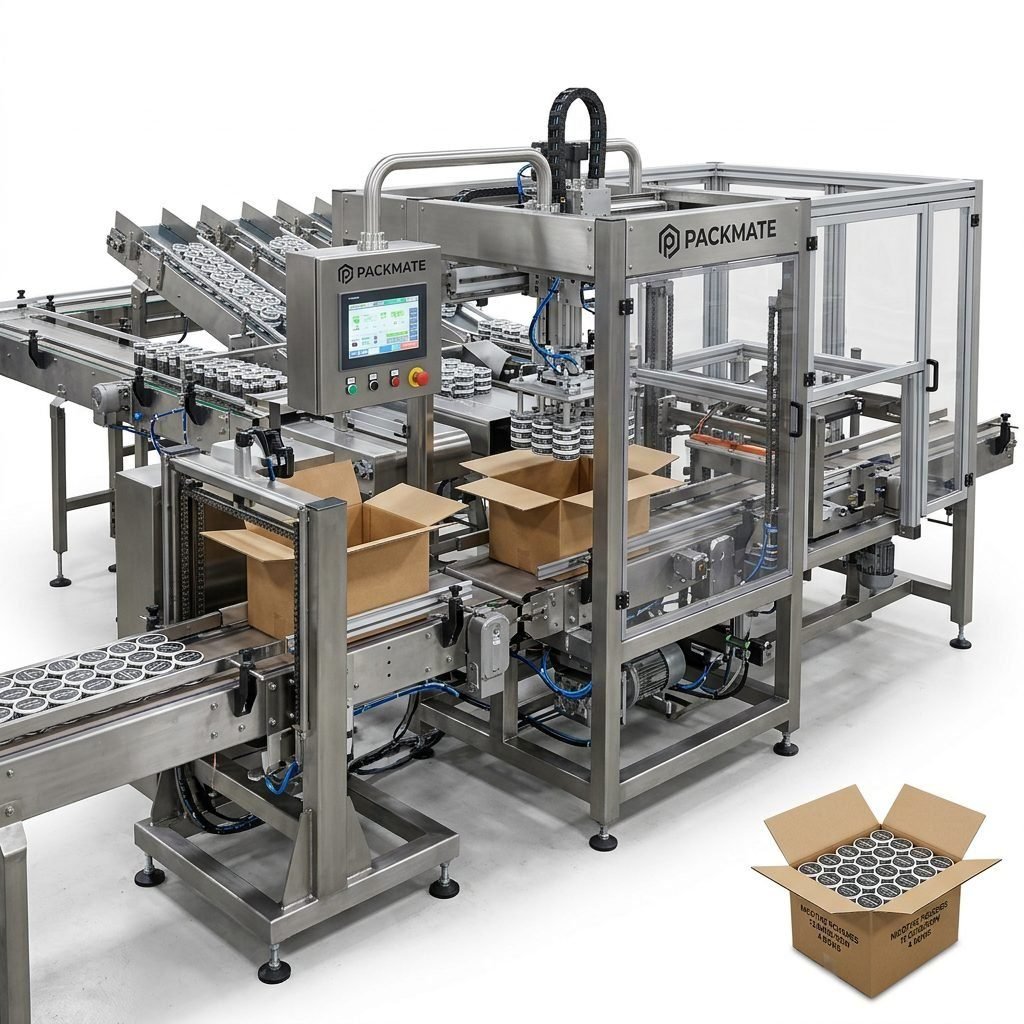
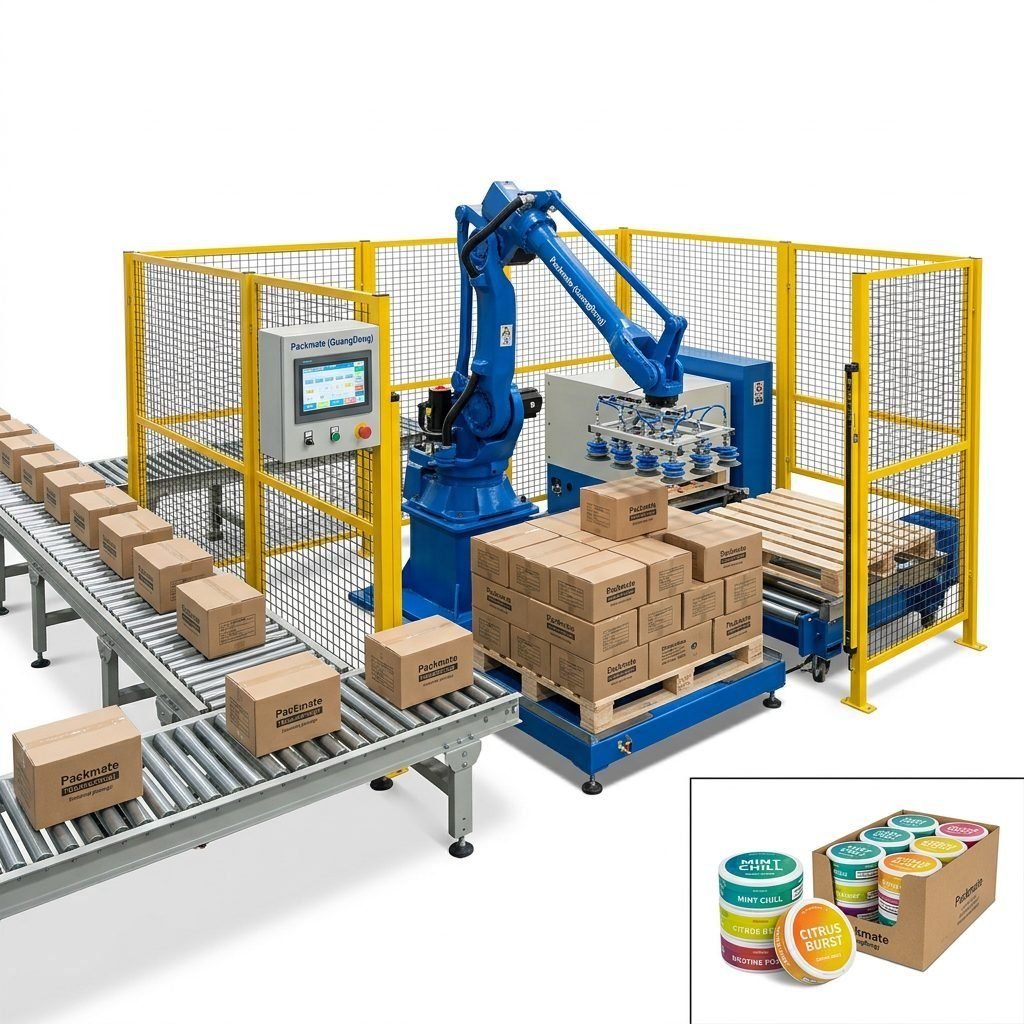
Your supplier should support scalable solutions: add lanes, integrate upstream filling or downstream cartoning, and implement smart factory features like data logging and PLC connectivity. In Georgia, where small producers may quickly scale to regional markets, choose a supplier that offers modular expansion and consistent spare-part identifiers across product lines.
Key Questions to Ask Potential Suppliers
– Can you share case studies and references for snus or nicotine pouch lines?
– What certifications do your machines carry (CE, ISO)?
– What are typical lead times for production and shipping to Georgia?
– Do you offer installation, training, and remote support?
– How do you handle spare parts and emergency repairs?
Must-have documentation: supplier certificates, FAT (Factory Acceptance Test) reports, electrical & pneumatic schematics, and warranty terms.
Logistics and Delivery — Importing into Georgia
Shipping heavy machinery requires careful planning: packaging, crating, customs clearance, and local transport. If you are in the U.S. state of Georgia, inland trucking and in-state rigging matters; if you are in the country Georgia, port handling and import duties must be considered. Ask the supplier for standard export packing, estimated dimensions/weights, and preferred freight forwarders they trust for Georgia deliveries.
Suppliers with global export experience typically provide documentation templates to speed up customs clearance and reduce the risk of delays at the border.
Why Choose an Experienced Snus Packaging Specialist?
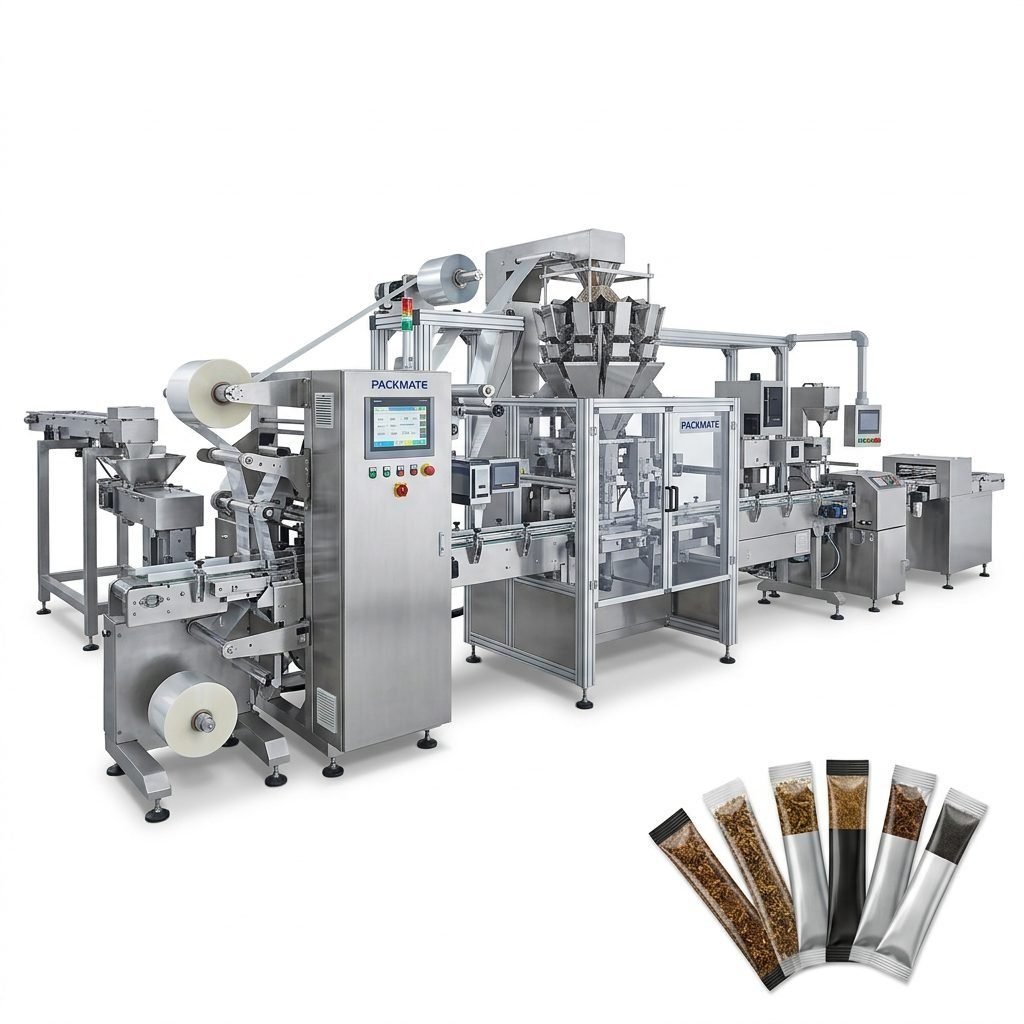
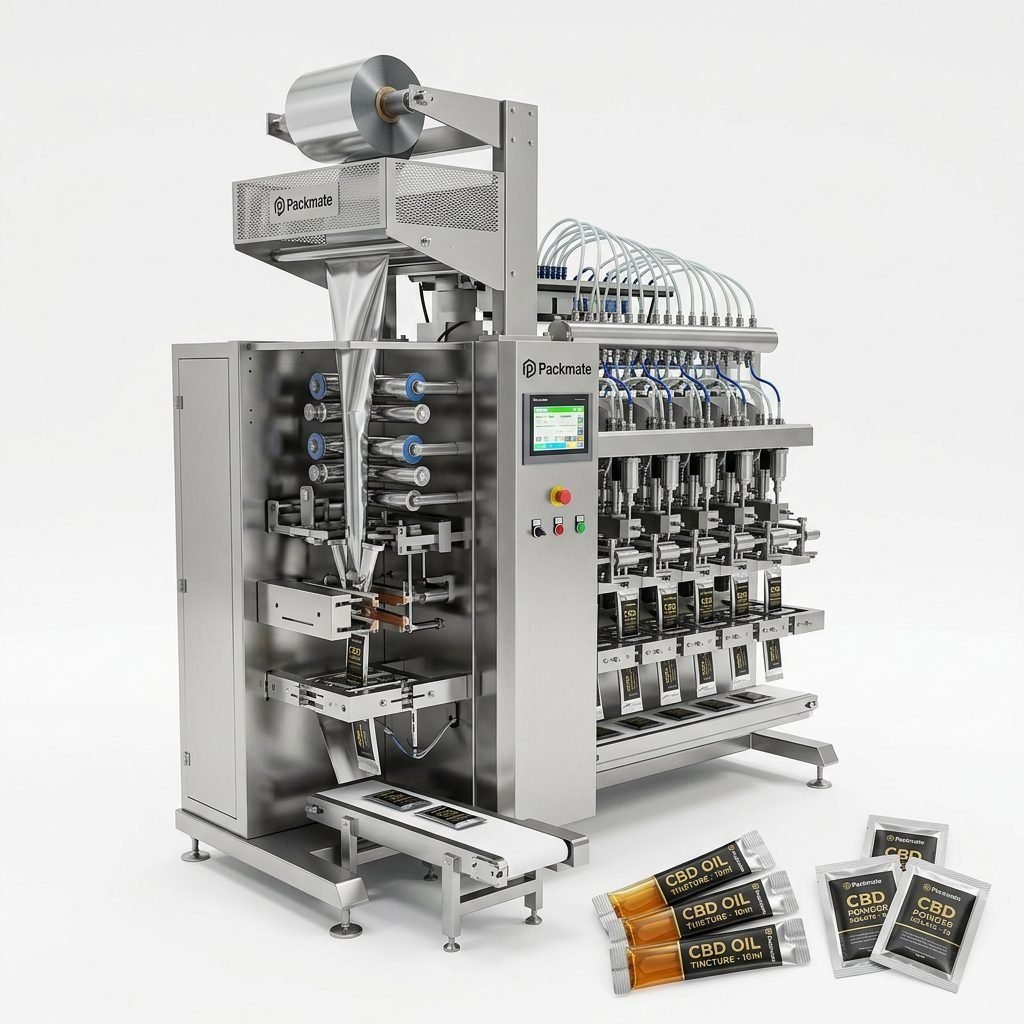
A specialist supplier understands the unique demands of nicotine pouch packaging: sensitive dosing, sealing integrity, and hygienic design. Companies like Packmate focus specifically on snus/nicotine packaging machines and related turnkey lines, offering dedicated solutions like multi-lane machines, stick pack systems, and integrated weighing/filling. That expertise shortens development cycles and reduces troubleshooting after delivery.
Supplier strengths that matter
– Product-focused R&D and experience with similar formulations
– On-site testing and acceptance criteria for your specific pouch chemistry
– Full-line solutions (from filling to cartoning) to simplify vendor management
How to Run a Supplier Comparison and Make the Final Choice
Create a weighted scorecard that includes: technical fit, certifications, after-sales service, TCO, lead time, and references. Perform a side-by-side comparison and assign scores for each criterion. If possible, ask top candidates to run a sample production test with your raw materials or send recorded demos specifically showing your product format in operation.
Final decision factors often include: responsiveness, transparency on spare parts and warranty, and a supplier’s willingness to provide on-site training and commissioning in Georgia.
Useful Resources and Links
For further research on specific machines and turnkey solutions, review product pages and company information from specialist manufacturers:
– Snus & Nicotine Packaging Machines
– Sachet & Stick Pack Machines
– Filling & Packaging Lines
– About Packmate
Local Business Etiquette and Market Habits in Georgia
Understanding local business practices helps you finalize contracts smoothly. In the country Georgia, personal relationships and reputation can influence deal flow; demonstrating long-term partnership intent is valued. In the U.S. state of Georgia, punctuality, clear contracts, and compliance with federal/state rules (e.g., FDA for nicotine products) are critical. In both locales, ensure that warranty terms, service-level agreements, and responsibilities for customs and transport are clearly written into the contract.
Pro tip: When negotiating, request a small pilot shipment or a short-term performance warranty tied to yield and sealing quality — this aligns incentives and reduces risk.
Conclusion: Make an Informed, Strategic Choice
Selecting the best snus packaging machine supplier in Georgia demands a mix of technical assessment, regulatory awareness, and practical logistics planning. Prioritize suppliers with demonstrated snus/nicotine expertise, strong factory capabilities, clear service offerings, and a track record of international deliveries. Use site visits, demos, and a formal scorecard to compare options. With careful evaluation you will minimize downtime, ensure compliance, and set your production up for scalable success.
Frequently Asked Questions
Q: How long does it typically take to receive and commission a snus packaging line in Georgia?
A: Lead times vary by complexity and customization, but expect 12–20 weeks for standard multi-lane lines plus 2–6 weeks for shipping and on-site commissioning. Expedited options may be available for an additional fee.
Q: Do suppliers provide support for regulatory compliance documentation?
A: Reputable manufacturers supply CE/ISO certificates, electrical schematics, and FAT reports. For region-specific regulatory support (FDA, local import rules), many suppliers can provide templates and experienced partners to assist with documentation.
Q: What is the typical warranty and spare parts availability?
A: Standard warranties usually cover 12 months for manufacturing defects. Critical spare parts should be stocked or sourced quickly; verify local distributors or a spare-parts consignment plan to minimize downtime.
Q: Can I expand a single-lane machine to multi-lane later?
A: Many modern suppliers offer modular designs that allow lane additions or integration of filling/weighing modules. Confirm compatibility and upgrade costs before purchase.
Q: Where can I see live demonstrations or request references?
A: Ask suppliers for recorded demos, client references in similar markets, and upcoming exhibition schedules. Packmate publishes case studies and participates in global exhibitions; check exhibition and case pages for schedules and examples.