Choosing the right nicotine packaging machinery manufacturer for your business in Bolivia is more than comparing prices — it’s about matching technical capability, local regulations, after-sales support, and long-term reliability. This guide walks you through practical, Bolivia-specific factors and objective criteria so you can make an informed investment in snus and nicotine pouch packaging lines.
Understand the Bolivian Market & Local Considerations
Bolivia is diverse in geography and culture, with significant differences between lowland cities (Santa Cruz) and highland centers (La Paz, El Alto). When selecting machinery, keep in mind:
- ⚠️ Altitude & Climate: High altitude and dry cold in cities like La Paz can affect pneumatic systems and lubrication schedules. Machines may need environmental adjustments or more frequent maintenance.
- 🗣️ Language & Training: Spanish is the primary business language; offering Spanish-language manuals, training, and remote support reduces downtime and accelerates operator learning.
- 🔌 Power & Utilities: Bolivia generally uses 230V/50Hz electricity. Confirm machine electrical compatibility and ask the manufacturer about recommended stabilizers or transformers for unstable supply.
- 📜 Regulatory Compliance: Work with manufacturers that understand import documentation, customs, and regional product labeling rules. They should provide documentation for CE/ISO where applicable and help with customs paperwork.
- 🤝 Local Partnerships: Consider suppliers who have experience in Latin America or can arrange local agents for fast spare-part delivery and on-site service.
Key Machine Types & What Suits Your Product
Different nicotine products require different packaging approaches. Identify your product format and volumes before choosing a manufacturer:
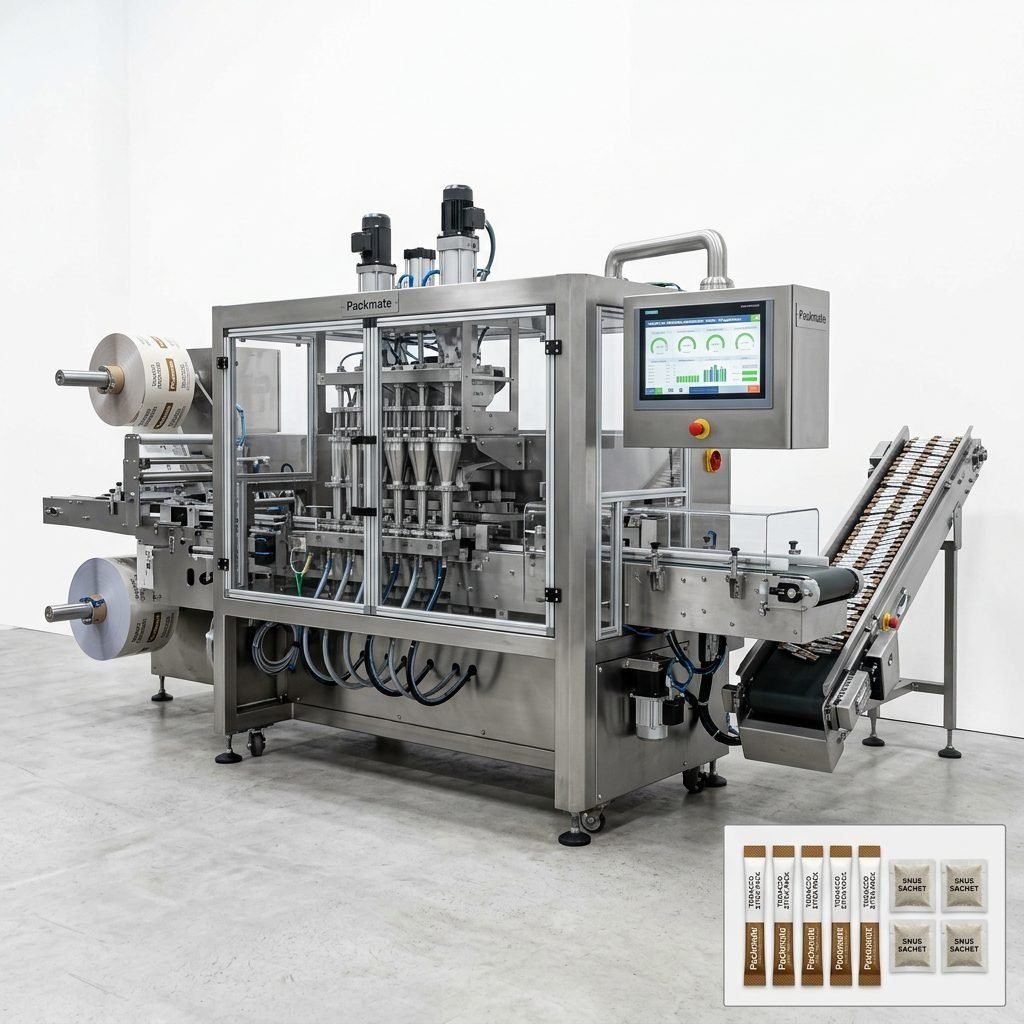
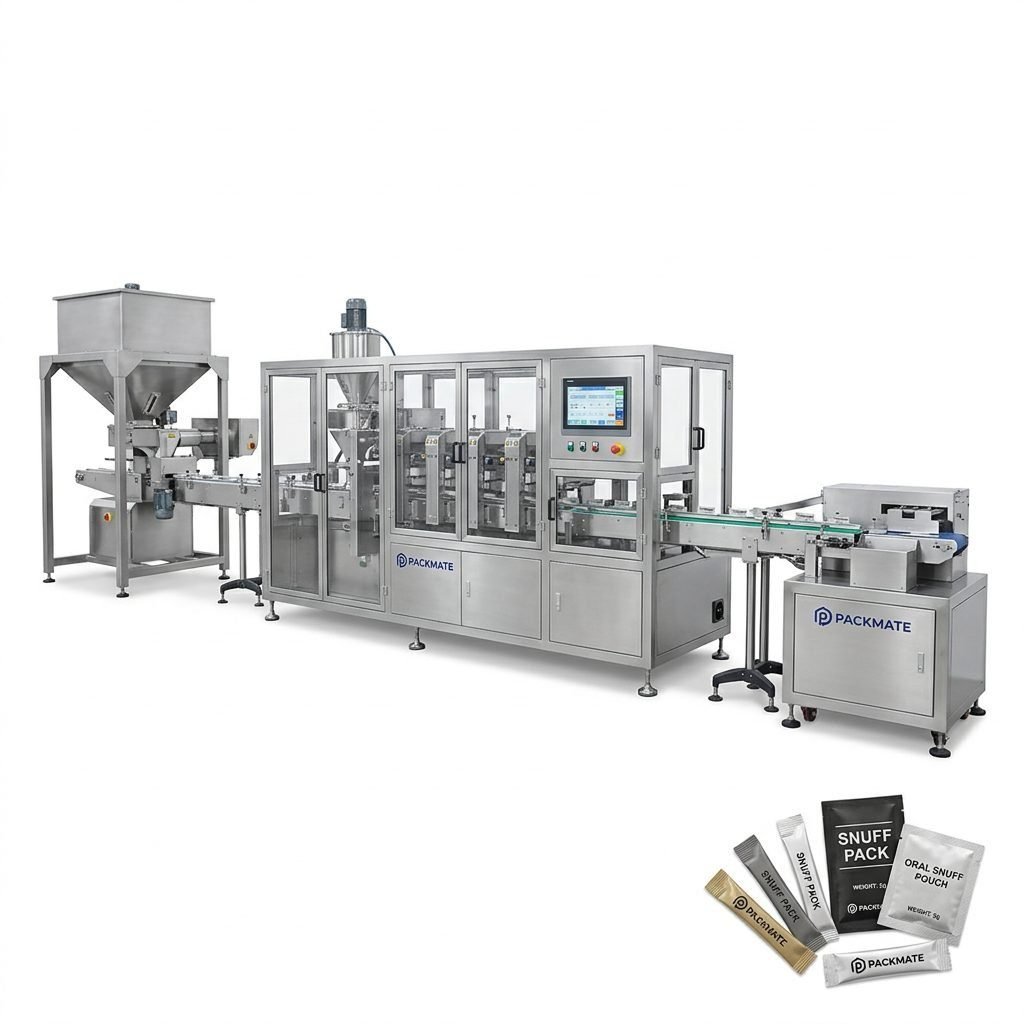
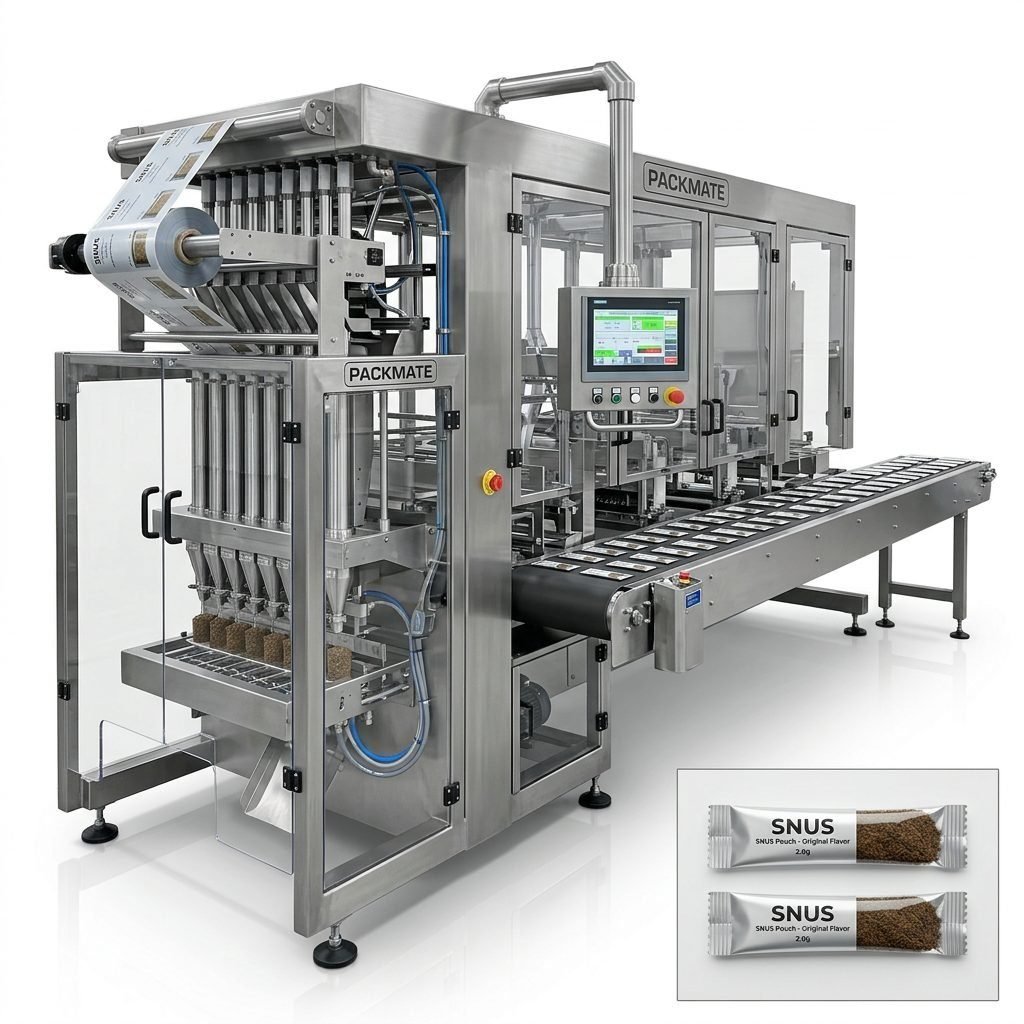
Stick Pack Machines — ideal for single-dose pouches, easy to distribute and popular for on-the-go consumers.
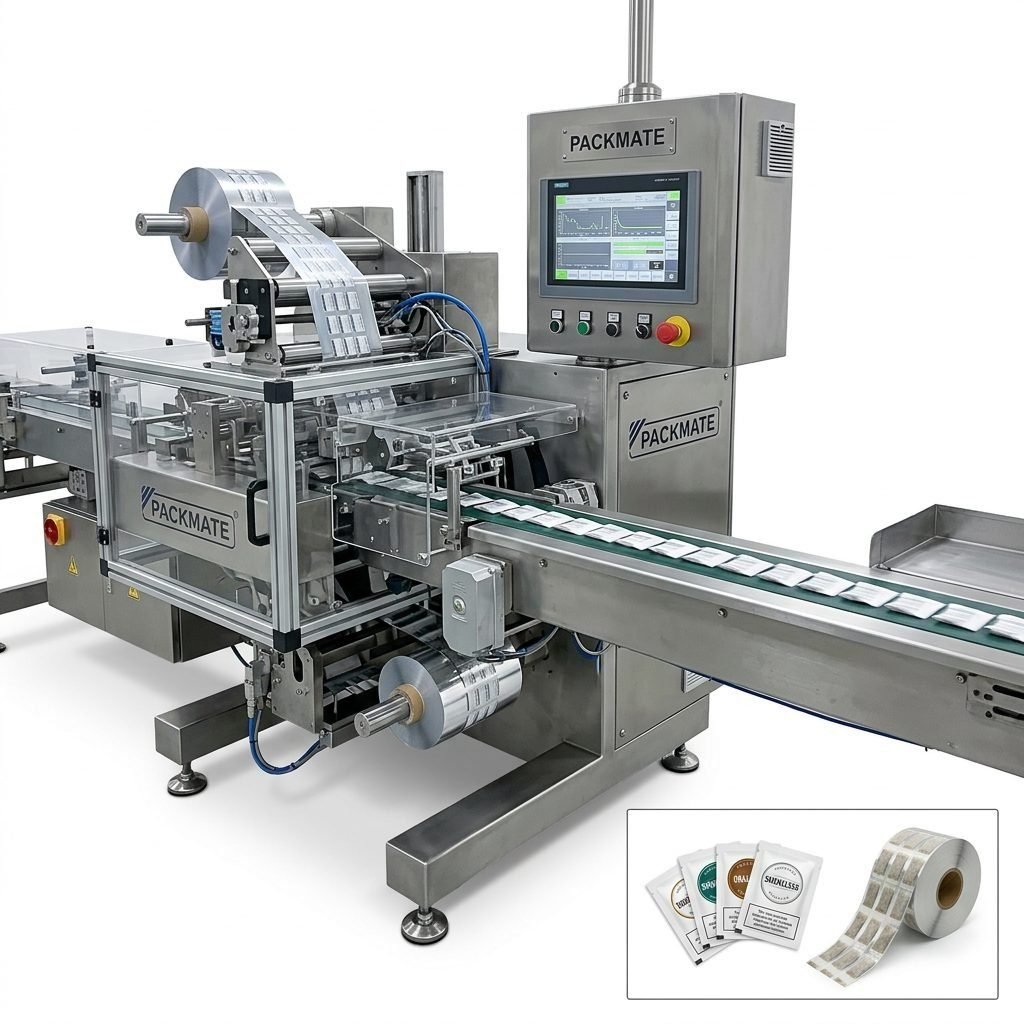
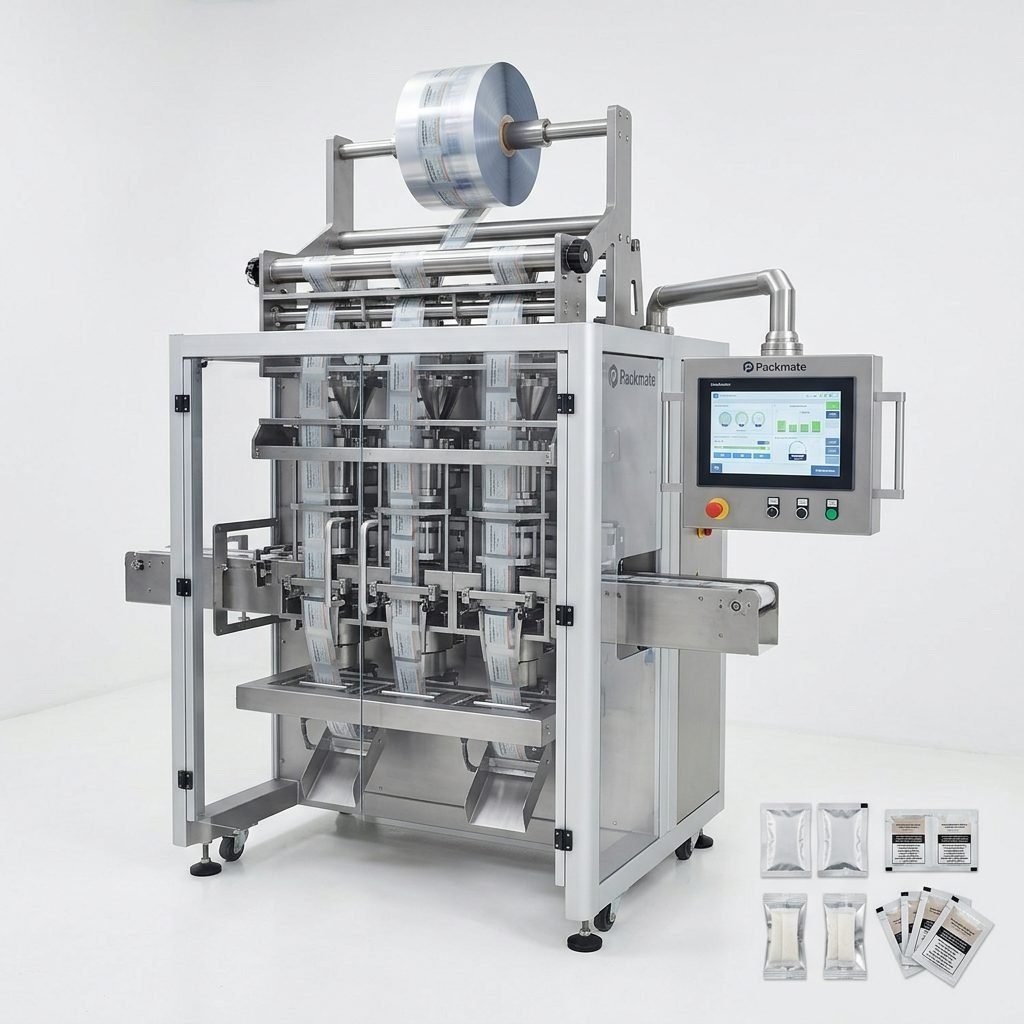
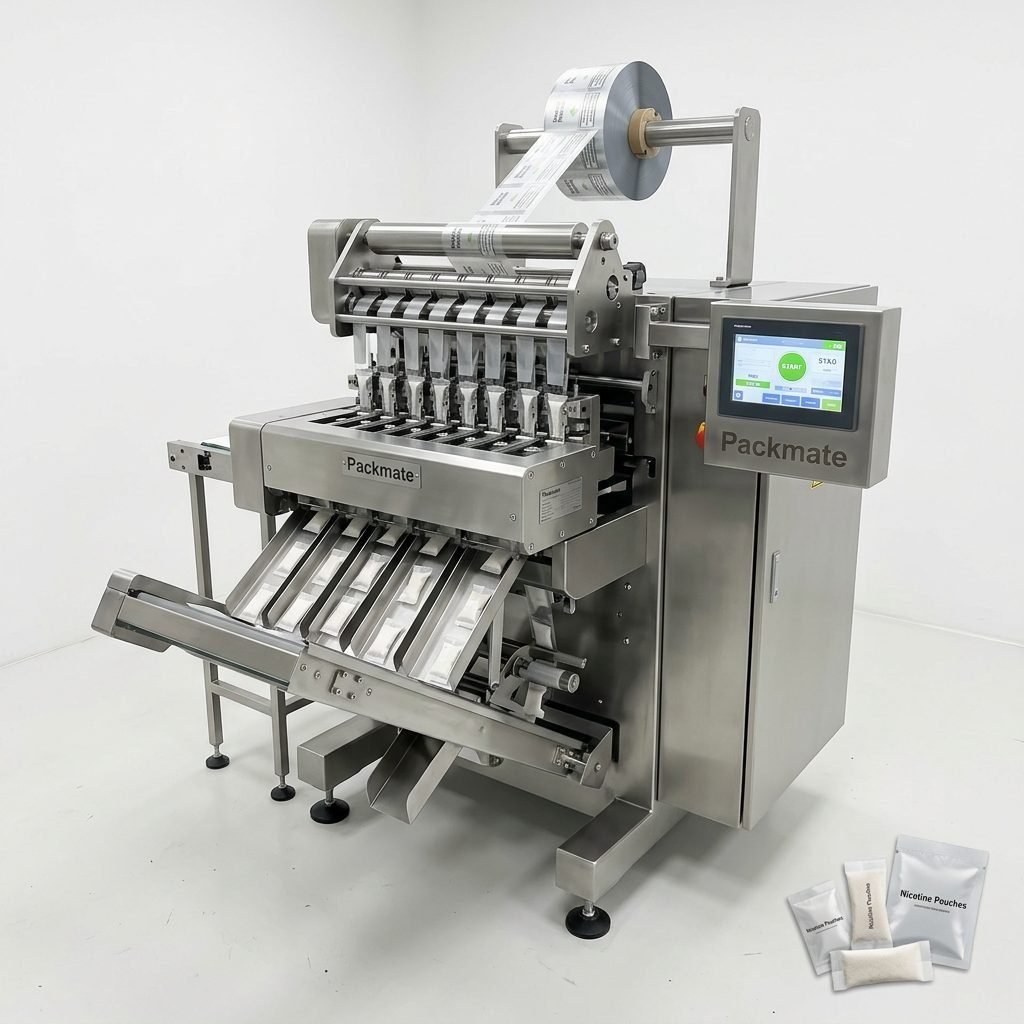
Sachet & Multi-Lane Systems — high-speed multi-lane lines for small-dose nicotine pouches (snus), useful when scaling up production.
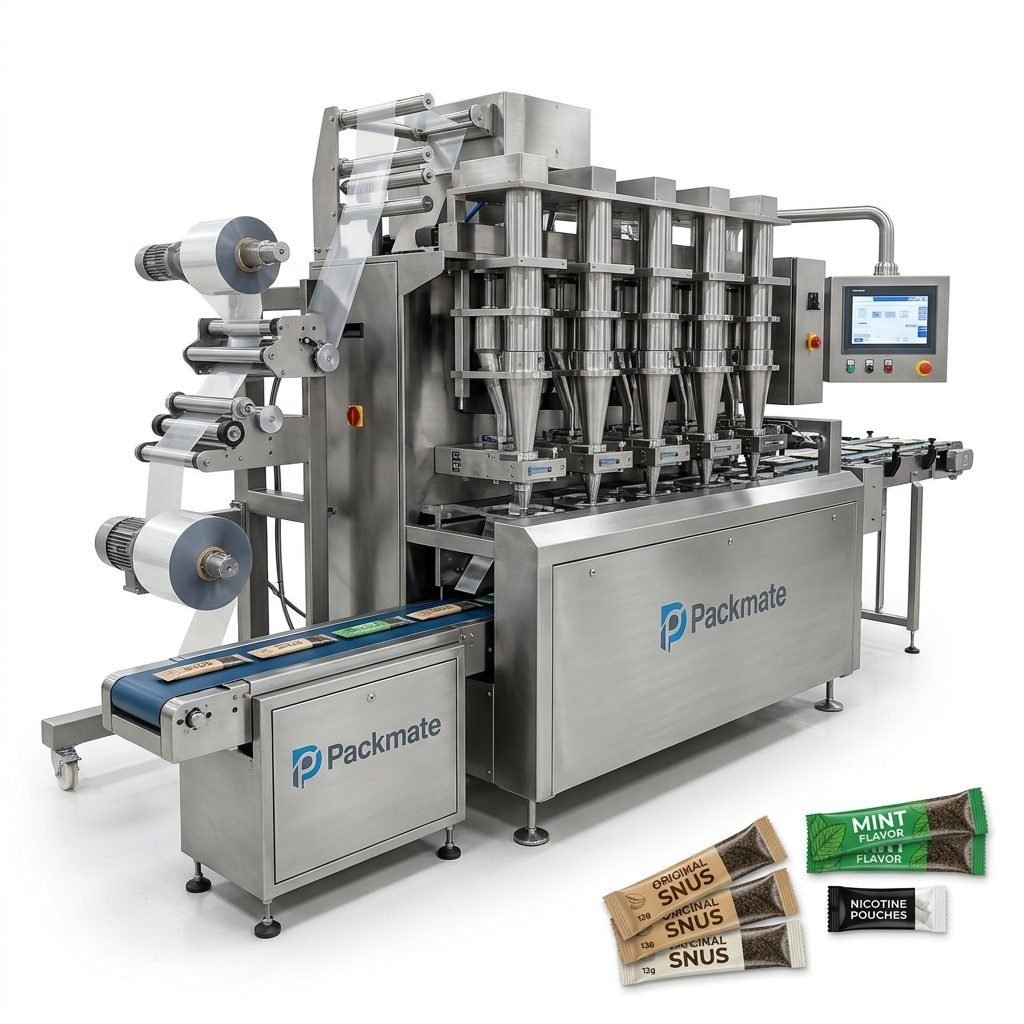
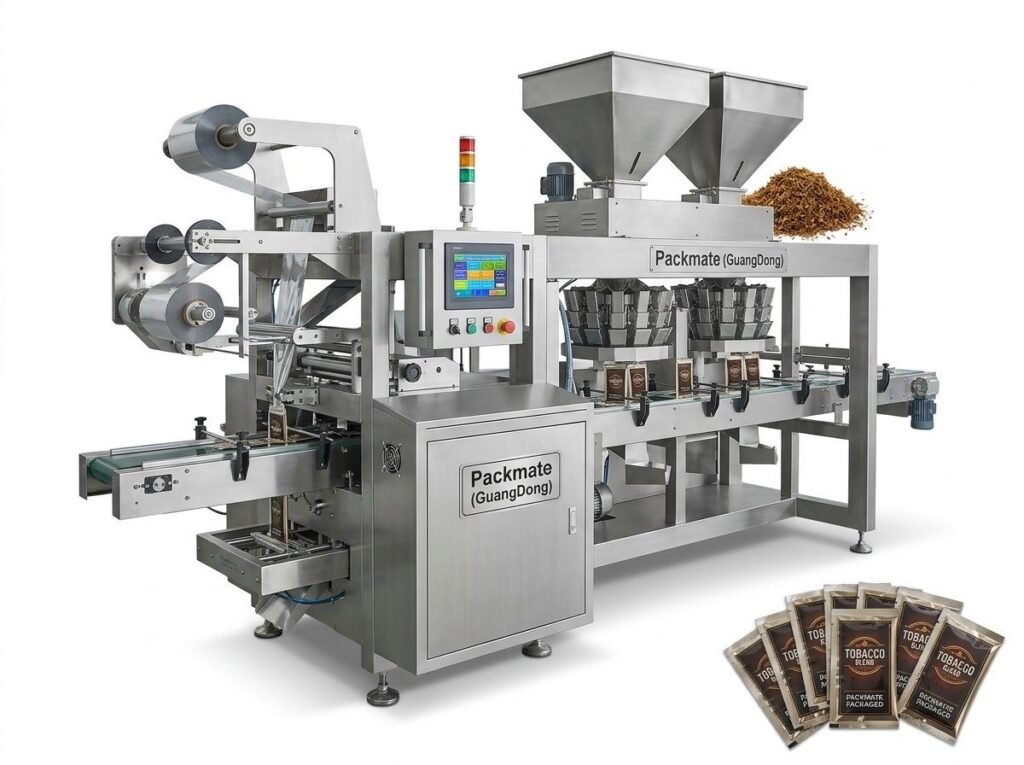
Powder, Granule & Liquid Fillers — required when your product formula uses powders or liquids; ensure dosing accuracy for regulatory consistency.
Questions to Ask About Machine Capabilities
✔️ What is the maximum speed (pouches/min or sticks/min) under real production conditions?
✔️ Can the machine handle your pouch size, material, and additives (e.g., moisture barriers)?
✔️ Are there multi-lane configurations to increase throughput without increasing footprint?
✔️ What tolerance levels exist for weight accuracy and sealing reliability?
Manufacturer Credentials: What Really Matters
Look beyond glossy brochures. A reliable manufacturer should demonstrate proven engineering, testing infrastructure, and traceable quality systems.
Factory & Capacity: Ask about factory size, CNC capability, and how many lines they can assemble simultaneously. A 20,000㎡ modern facility indicates strong manufacturing capacity.
Experience: Prefer manufacturers with decades of R&D and field experience. Over 30 years in packaging engineering reduces the risk of design mistakes and increases reliability.
Certifications: CE, ISO, and relevant safety certifications are helpful for import and local acceptance.
Real-World Proof: Cases & Exhibitions
Request references and full production cases. Visiting trade shows or viewing demo videos builds confidence — many credible manufacturers participate in global exhibitions and post case studies online. For example, see manufacturer showcase pages like Case and exhibition reports at Our Exhibition.
After-Sales Support, Spare Parts & Local Service
After-sales support often determines uptime. Prioritize manufacturers offering:
- 📦 Readily available spare parts and a clear parts list with lead times.
- 🧑🏫 On-site and remote training in Spanish; helpful for Bolivian operators and maintenance teams.
- 🔧 Agreements for installation, commissioning, and preventive maintenance.
- 🌍 Global support network or local agents in Latin America to reduce service response time.
Service Agreements & Warranties
Ensure the warranty covers critical components and that extended support packages are available. Ask for Service Level Agreements (SLAs) with response times for remote troubleshooting and guaranteed parts delivery windows.
Customization & Turnkey Solutions
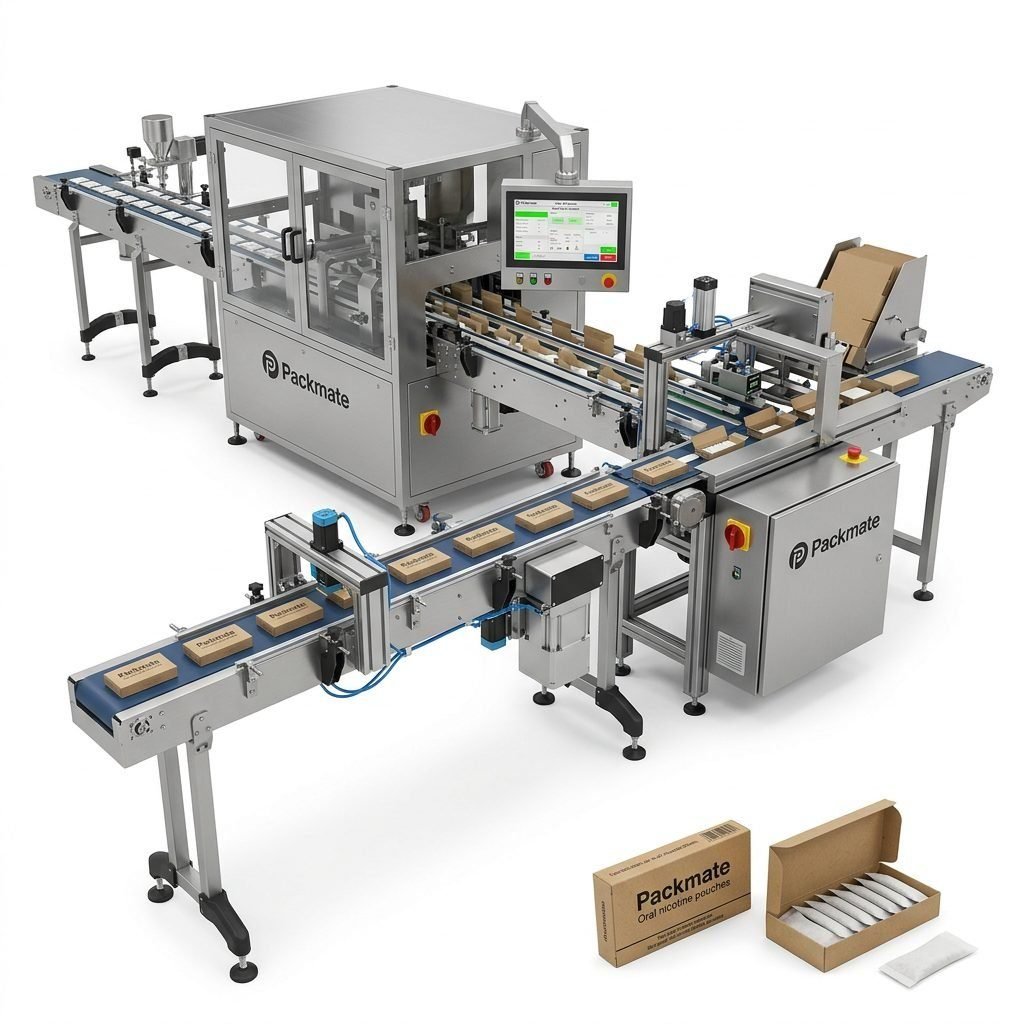
Many businesses in Bolivia benefit from turnkey solutions that include filling, dosing, packaging, and end-of-line case packing. Choose a manufacturer willing to:
⚙️ Provide multi-lane lines for small-dose nicotine pouches to increase output without adding extra staff.
🧩 Offer product-specific tooling and dosing heads for unique formulations.
📐 Customize control systems with Spanish-language HMI and local units of measure.
Quality Control & Factory Testing
A final factory acceptance test (FAT) is essential. Ask for:
- ✅ FAT with your product or a close simulation to verify speed, sealing, and weight accuracy.
- ✅ Video documentation of a full production run if you cannot visit the factory.
- ✅ A clear commissioning plan and operator training schedule when the machine arrives in Bolivia.
Total Cost of Ownership (TCO) & Pricing Transparency
Price is not just the machine invoice. Evaluate TCO:
Upfront Costs: Machine, tooling, shipping, import duties, installation.
Operating Costs: Energy use, compressed air, consumables, spare parts.
Hidden Costs: Downtime risk, training time, and adaptation to local conditions (e.g., altitude modifications).
Factory Visit, References & Negotiation Tips
If possible, visit the manufacturer or a reference customer. During negotiation:
- 📍 Inspect assembly areas and test runs.
- 📄 Request a Bill of Materials (BOM) and spare parts pricing list.
- 🕒 Negotiate lead times, payment milestones, and penalties for late delivery.
- 📣 Ask for a written commitment to Spanish-language support and training.
Why Choose an Experienced Snus & Nicotine Packaging Specialist
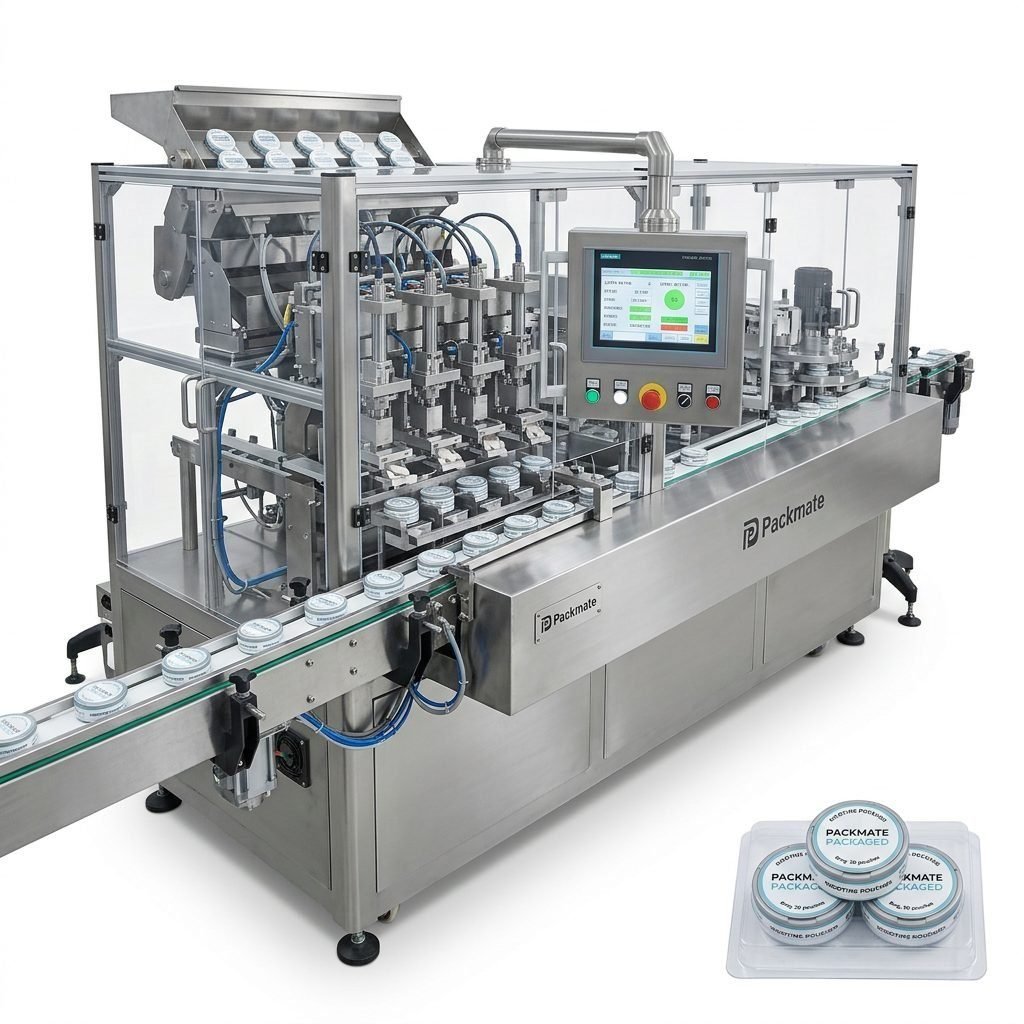
Specialist manufacturers who focus on snus and nicotine pouch equipment bring tailored technology and domain know-how. They understand small-dose handling, multi-lane synchronization, and material sealing challenges — all crucial when launching or scaling nicotine products.
For product-specific lines and full packaging solutions, review category pages such as Snus & Nicotine Packaging Machines, Sachet & Stick Pack Machines, and the general Filling & Packaging Lines to compare machine families and capabilities.
Checklist Before Signing a Contract
• Confirm electrical compatibility and required site upgrades.
• Agree on FAT conditions and acceptance criteria.
• Verify spare-part kits and first-year consumables are included.
• Lock in training language, timelines, and SLA details.
• Ensure clear documentation for customs clearance and installation.
Final Takeaways
✅ Choose an established supplier with verified cases, strong factory capability, and international certifications.
✅ Prioritize Spanish-language support, altitude-aware adjustments, and local spare-part delivery options for Bolivia.
✅ Value TCO and serviceability over lowest upfront price to ensure continuous production.
To explore a manufacturer with decades of experience, a wide product range, and global turnkey solutions, visit the company profile at About Packmate or get in touch through Contact Us.
Common Questions
Q1: How long does delivery and installation typically take?
A: Typical lead time depends on customization, but expect factory assembly and FAT to take 8–16 weeks, plus shipping and local installation. Negotiate clear lead times in your contract.
Q2: Can machines be adapted for Bolivia’s high-altitude cities?
A: Yes. Manufacturers experienced with variable climates can modify pneumatic settings, lubrication plans, and electrical protections. Confirm these adaptations before purchase.
Q3: What after-sales support should I insist on?
A: Insist on Spanish-language training, a spare-parts starter kit, remote diagnostics capability, and an SLA for response times. Local agents or regional partners are a major advantage.
Q4: Is it better to buy a full turnkey line or individual machines?
A: If you plan to scale, turnkey solutions reduce integration risk and speed up deployment. Individual machines can be cheaper initially but may cause later compatibility and control challenges.
Q5: Where can I view product ranges and case studies?
A: Review product categories and case examples on manufacturer websites for real production references — for example, product pages like Snus & Nicotine Packaging Machines and Case.