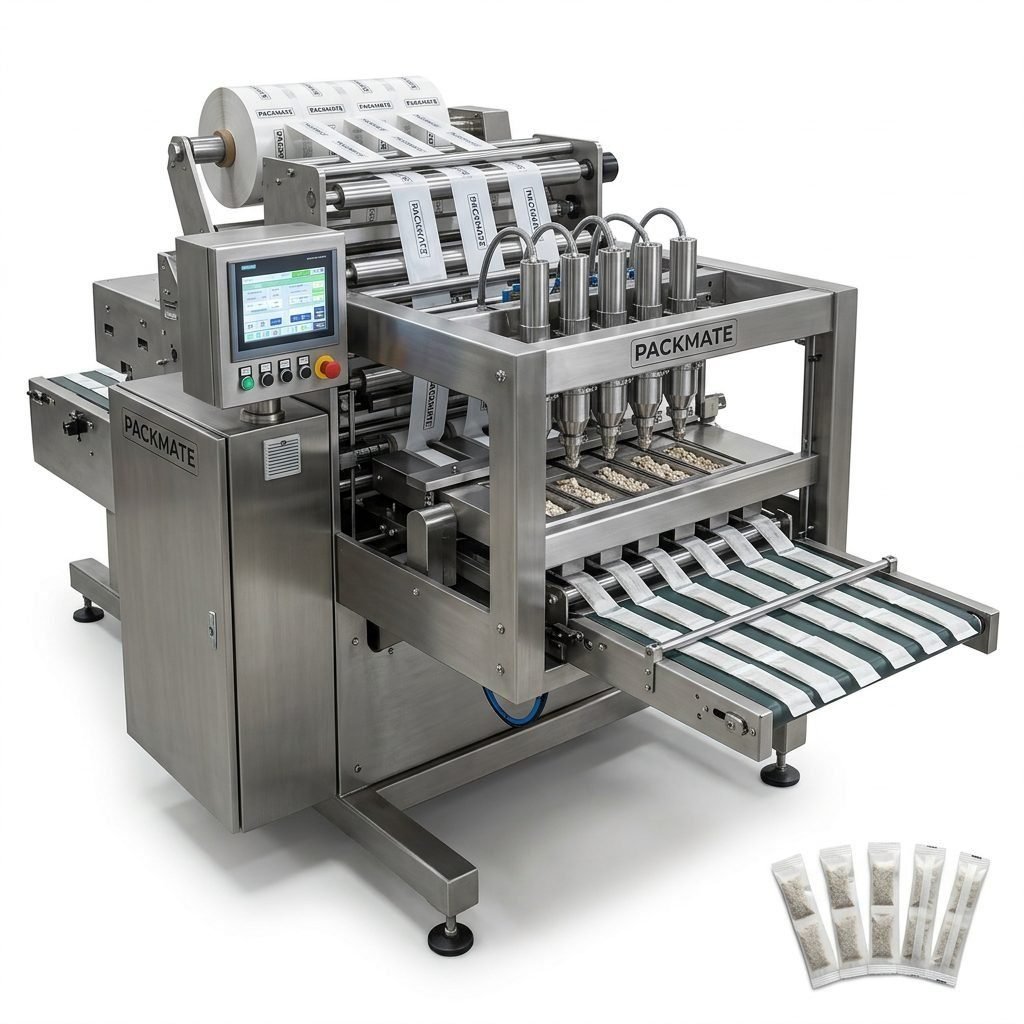
Choosing the best snus packaging machine supplier in Cabo Verde requires more than price comparison. Local import logistics, seasonal demand from tourism, Portuguese language preferences, and compliance with international nicotine product regulations all influence the right purchase. This guide walks you through the practical, technical, and cultural factors to evaluate so you can secure a reliable, efficient snus packaging solution that fits Cabo Verde’s island market and operational realities.
Understand the Cabo Verde Market and Local Customs
Cabo Verde is an archipelago that balances a small domestic consumer base with a strong tourism sector. Many businesses here adapt production and distribution to seasonal tourist peaks, and small-batch artisanal products are common alongside imported goods. Portuguese is the official language and Cape Verdean Creole (Kriolu) is widely used—this matters when planning operator training, manuals, and on-site support. Local electrical standards, import duties, and shipping to islands should be discussed with any overseas supplier before purchase.
Why supplier choice matters
A trustworthy supplier delivers not only a machine but long-term uptime, spare parts, training, and compliance documentation. In an island market like Cabo Verde, delays in spare parts or unclear documentation can cause weeks of downtime and lost revenue during critical tourist seasons. Focus on suppliers with proven export experience, clear communication, and a track record of supporting remote customers.
🔶 Key local considerations:
- Shipping and customs delays across islands — plan lead times accordingly.
- Seasonal demand aligned to tourism peaks — scalable production or multi-speed lines help.
- Operator language & training — Portuguese documentation and local-language support ease onboarding.
- Power supply and humidity — choose machines with robust electrical adaptation and corrosion-resistant parts.
Technical Criteria: Choosing the Right Snus Packaging Machine
Evaluate machines across core technical parameters. Whether you need stick packs, sachets, multi-lane pouches, or powder filling, the right machinery will be reliable, flexible, and compatible with your product format and production volume.
1. Packaging format compatibility
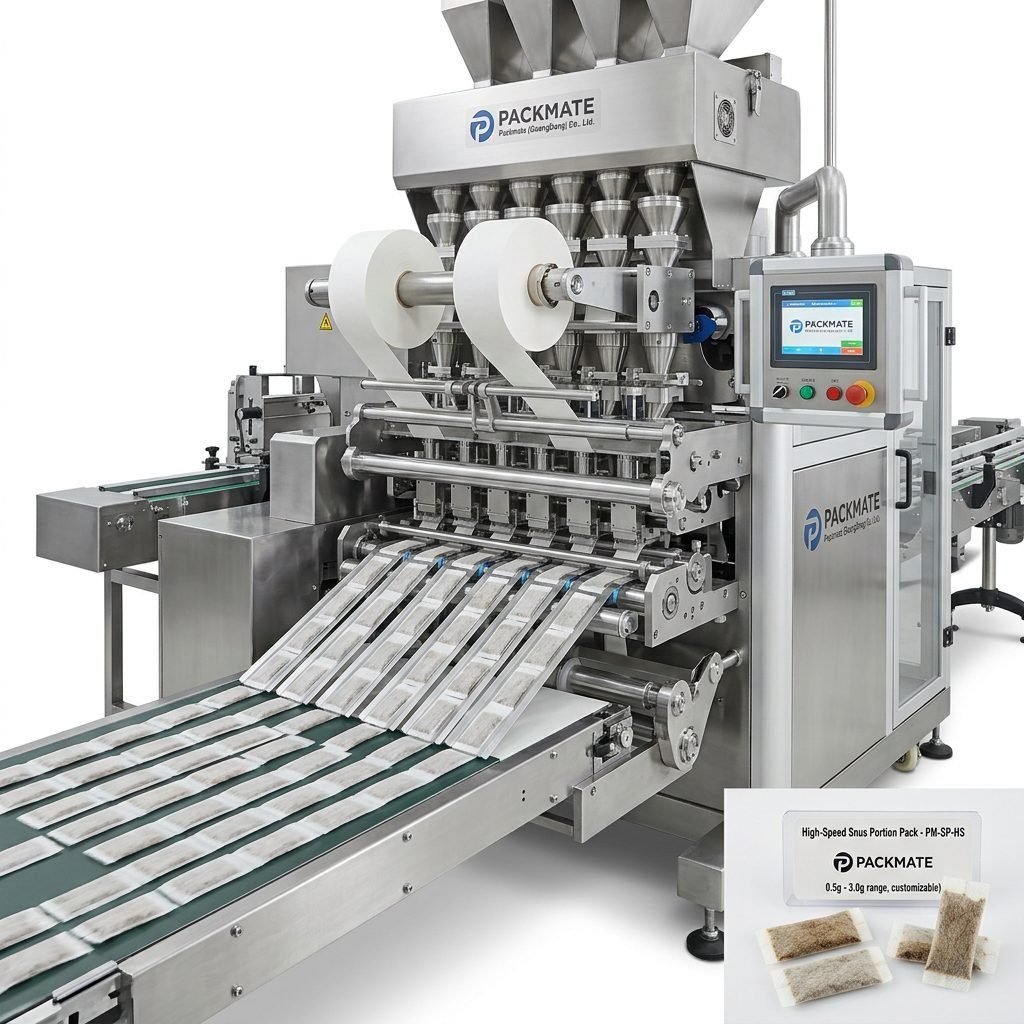
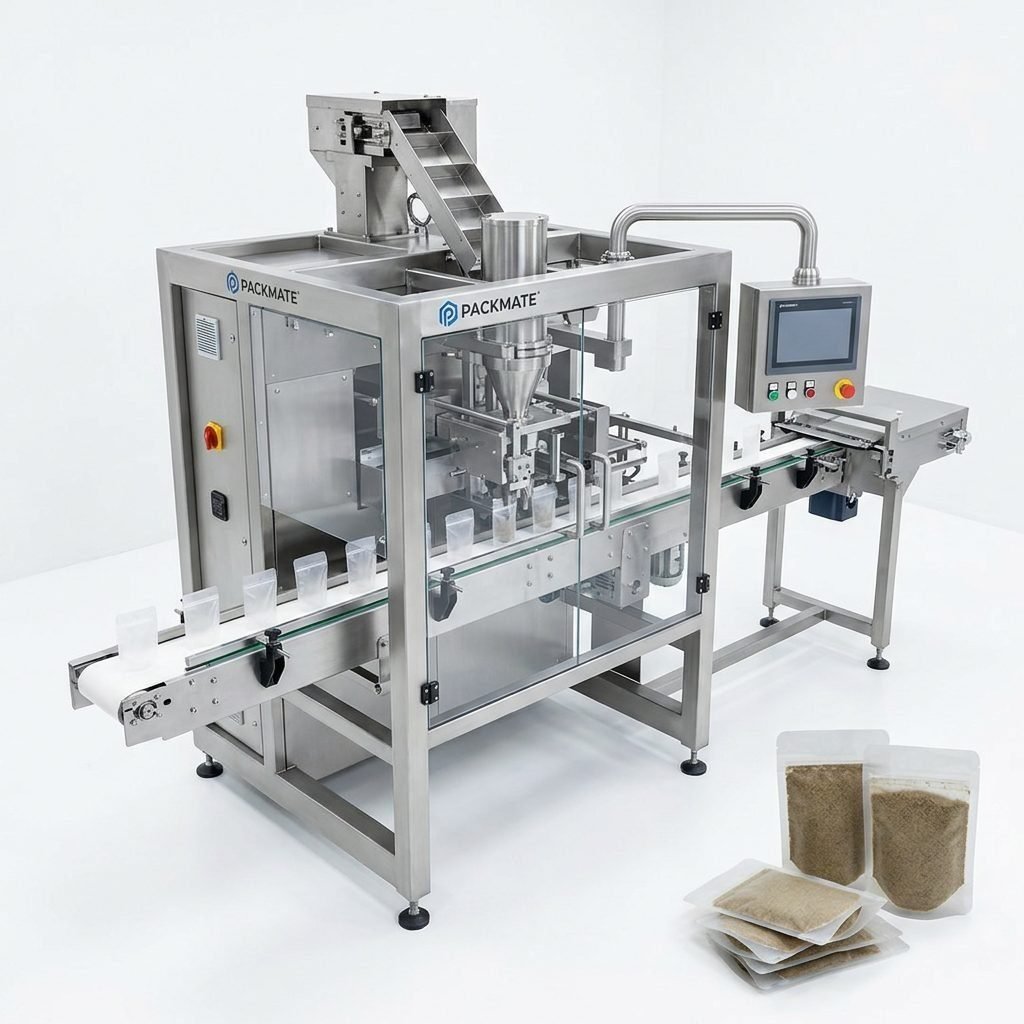
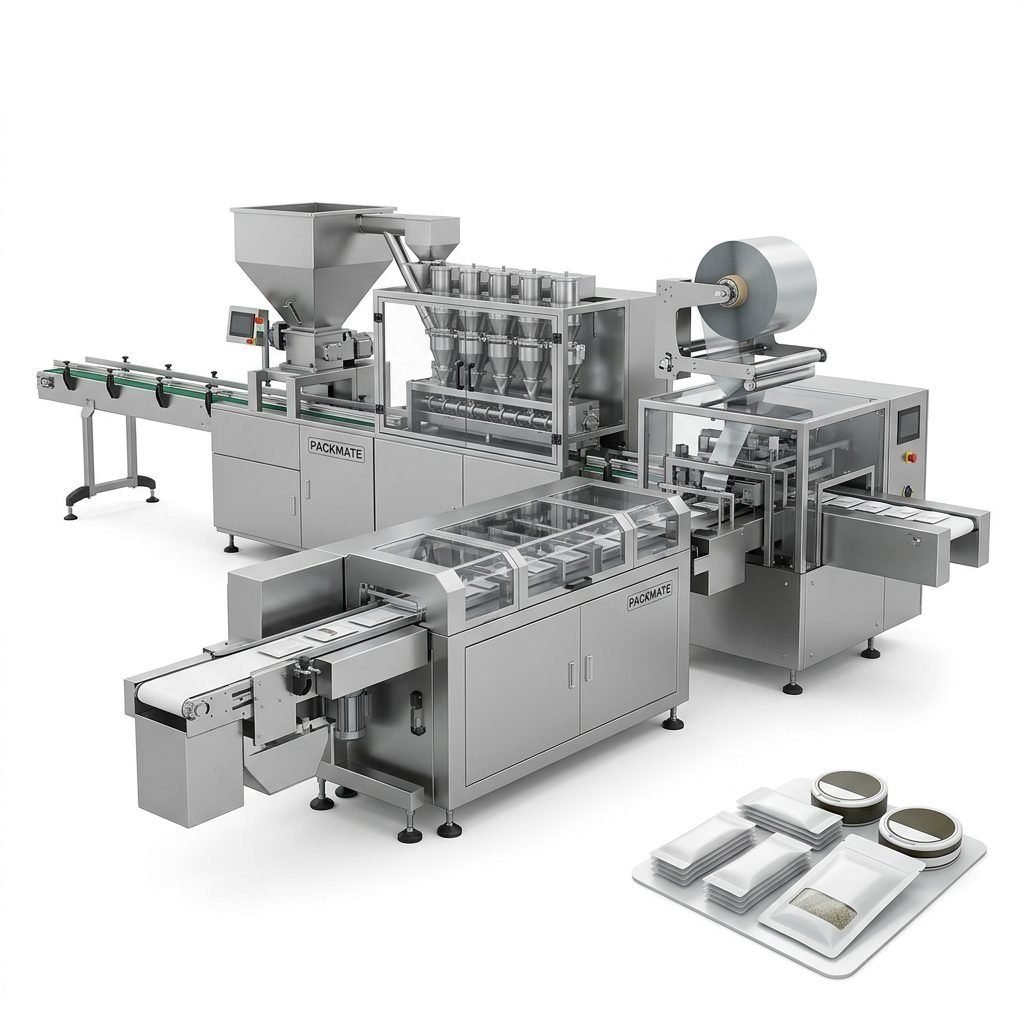
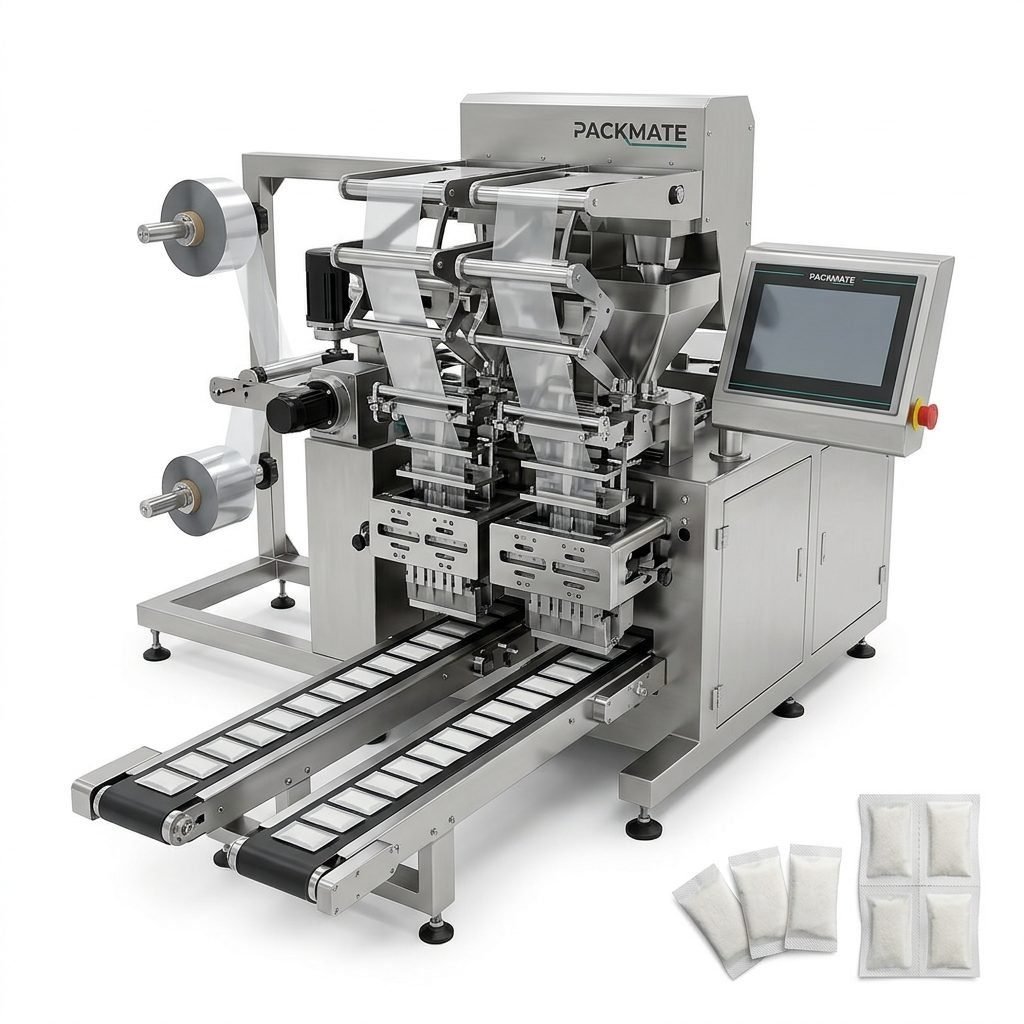
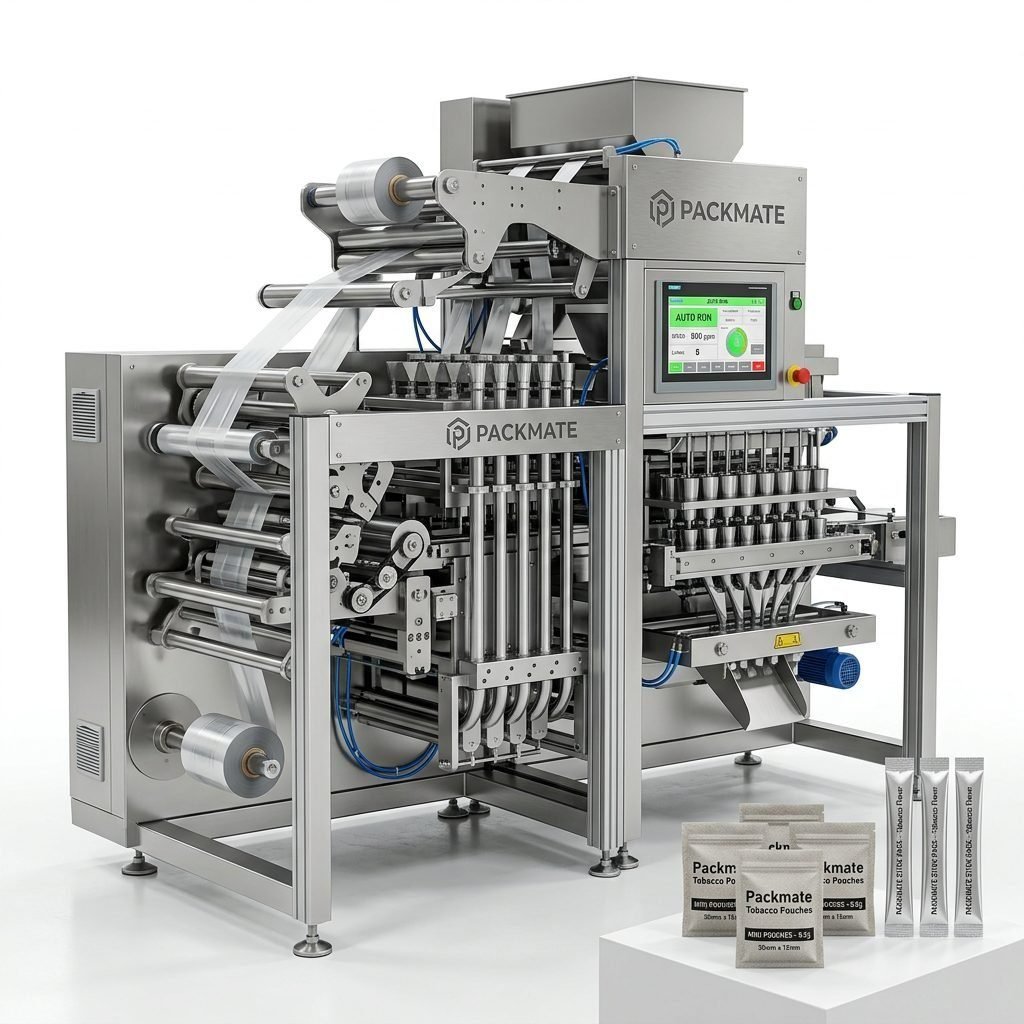
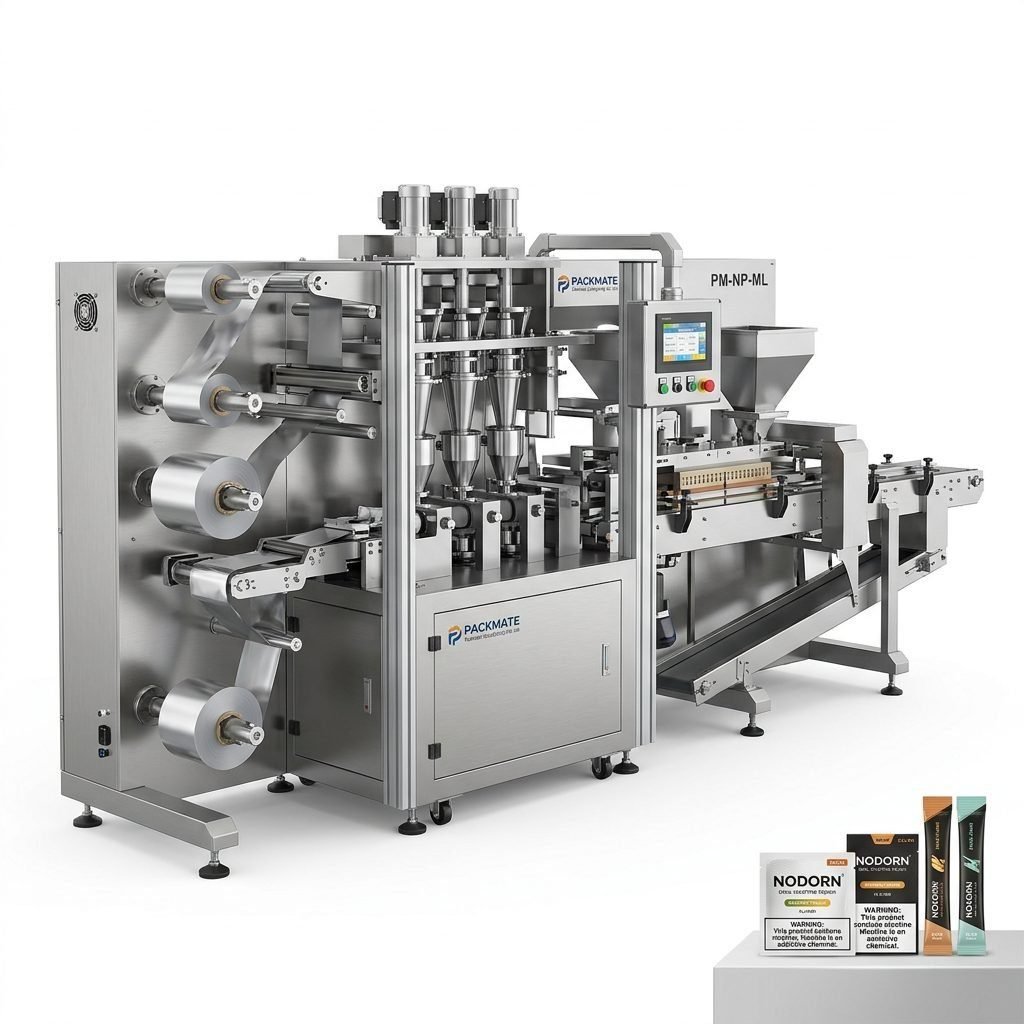
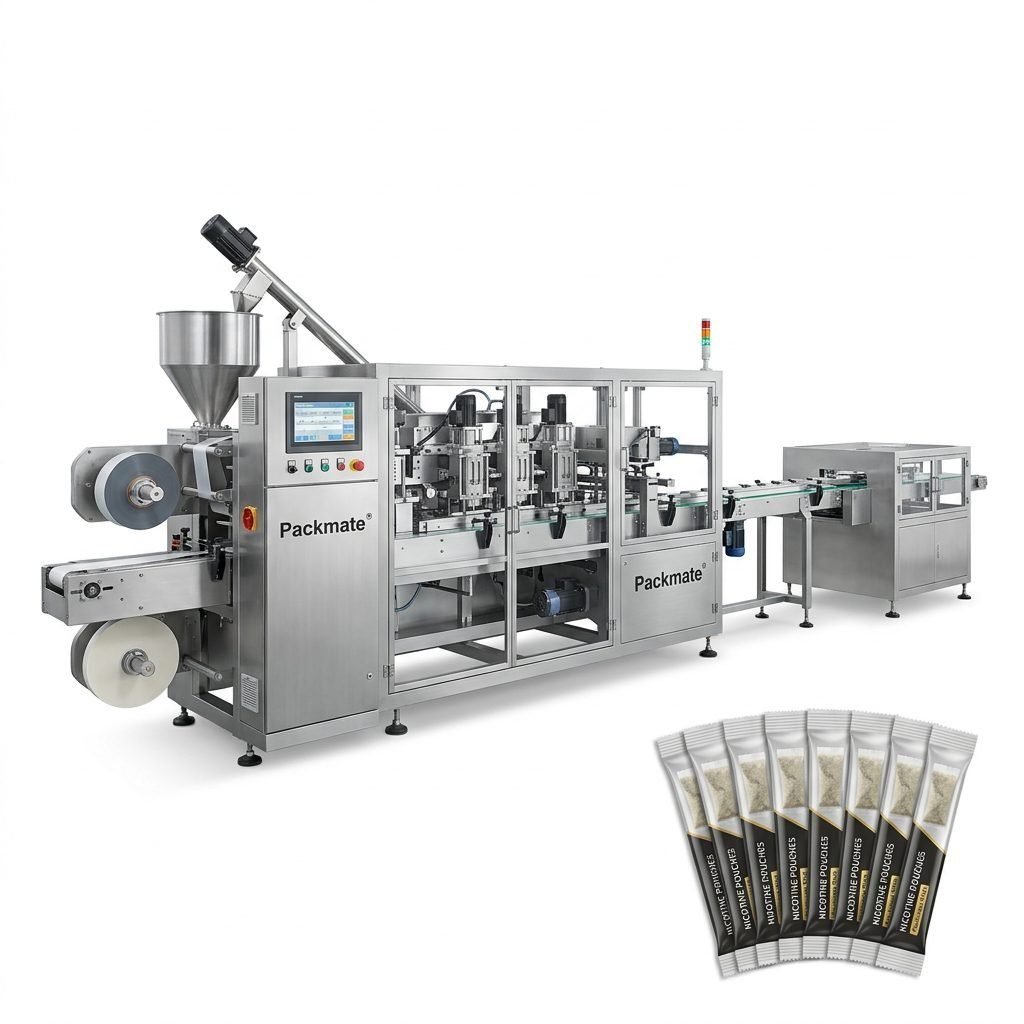
Confirm the supplier offers machines tailored to snus and nicotine pouches. Machines optimized for nicotine pouches (small-dose, powder or granular fill) differ from general pouch machines. Look for suppliers that provide dedicated snus lines or flexible modules such as multi-lane sachet and stick pack options. See product examples here: Snus & Nicotine Packaging Machines.
2. Throughput and multi-lane capability
Match machine speed to your production plan. A multi-lane system can multiply output while minimizing floor space—critical when island facilities are compact. Verify guaranteed speeds under your product weight and sealing conditions, not just theoretical max rpm.
3. Material and seal compatibility
Snus pouches require specific film seals to preserve moisture and nicotine stability. Confirm compatibility with your chosen laminate, barrier films, and any child-resistant or resealable features. Ask for sample runs with your actual pouch material before finalizing.
4. Fill system precision and product handling
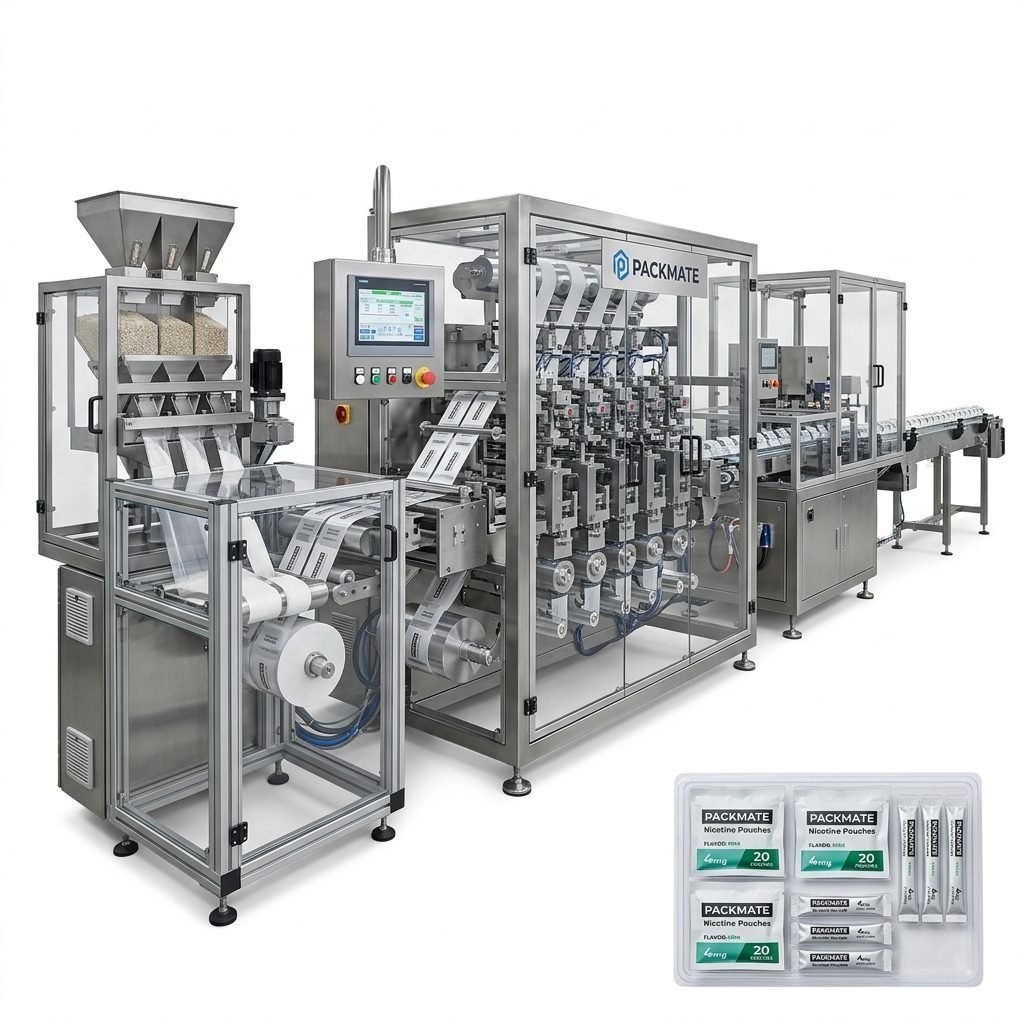
Accurate dosing is essential to maintain product consistency and regulatory compliance. Choose from proven weighing and dosing modules for powders and granules. If you need integrated weighing, explore combined systems here: Weighing & Packaging Systems.
✅ Must-ask technical checklist:
- Can the machine run my specific pouch size & material?
- What is real-world throughput for my recipe?
- What tolerances does the filling system deliver?
- Are spare parts commonly available and documented?
Supplier Capabilities, Factory Strength and Certifications
For island-based customers, supplier reliability and manufacturing strength reduce risk. Suppliers with advanced CNC capability, dedicated assembly lines, and quality testing typically deliver machines with higher uptime and longer life cycles. Ask about factory scale, certifications, and sample case studies.
What to request from the factory
Request detailed factory information: production area size, machining capabilities, quality control processes, and production timelines. Confirm the supplier holds international certifications (CE, ISO) and can provide compliance documentation for customs and regulatory checks. Learn more about the manufacturer’s background and certifications here: About Packmate and Certificate.
After-sales Support, Spare Parts and Training
In Cabo Verde, receiving fast spare parts and responsive technical service can be the difference between a minor hiccup and a production halt. Prioritize suppliers that offer clear spare parts lists, express shipping options, remote troubleshooting, and on-site commissioning.
Service terms to negotiate
- Guaranteed spare parts lead times and local stocking options.
- Remote support via video calls and clear escalation paths.
- Initial commissioning and operator training in Portuguese (or translated manuals).
- Optional extended warranty and periodic maintenance contracts.
For details on available service packages, check the supplier’s service page: Service.
Quote Evaluation: How to Compare Offers
When comparing proposals, look beyond purchase price. Create a clear RFP that includes product specifications, expected annual volumes, environmental conditions, and desired uptime. Evaluate each quote on:
- Included accessories (fillers, conveyors, checkweighers).
- Delivery and installation timeline to Cabo Verde ports.
- Training scope and documentation language.
- Warranty length and spare parts availability.
- Reference customers and successful export cases.
⚠️ Red flags to avoid:
- Vague throughput claims without test reports.
- No clear spare parts list or excessive lead times.
- Unsupported customizations or lack of on-site commissioning.
Practical Tips for Import, Installation and Local Operations in Cabo Verde
Logistics to an island nation require planning. Here are practical steps to smooth the process:
- Confirm shipping incoterms, CIF to your port of choice, and expected customs clearance times.
- Discuss packaging and shock protection for sea freight; vibrations and salt air can damage exposed components.
- Verify machine power options (voltage, frequency) and whether a transformer or generator support is needed.
- Plan operator training in Portuguese and provide translated manuals for Kriolu-speaking technicians where needed.
- Schedule installation during low tourist season if you need quiet production ramp-up time.
Local workforce and training
Hire technicians with mechanical aptitude and provide hands-on training. Request the supplier include a commissioning visit with Portuguese instruction and troubleshooting sessions. Remote training follow-ups are invaluable—insist on at least 30 days of remote support post-installation.
Case Studies and Proven Suppliers
Look for suppliers with proven export projects across islands or similar markets. Request case studies and contactable references. Many reputable manufacturers publish export case details and exhibition participation—review their track record carefully. Example case references: Case.
Making the Final Decision
The right supplier combines suitable machine design, robust after-sales support, realistic delivery timelines, and local-language training. Balance initial cost with total cost of ownership (spares, downtime risk, electricity consumption, and consumable film costs). For many Cabo Verde operators, a well-supported mid-range machine with fast spare parts channels outperforms a cheaper, unsupported alternative.
Recommended supplier profile
Prioritize suppliers with:
- 30+ years of engineering experience and a broad product range.
- Large manufacturing facilities with CNC & precision assembly.
- Export experience and CE/ISO certifications.
- Clear service structures, spare part catalogs, and Portuguese documentation availability.
For a supplier that combines many of these strengths and offers specialized snus packaging lines, review their product range here: Bag & Pouch Packaging Machines and contact them via Contact Us to discuss Cabo Verde-specific logistics.
Final checklist before signing
- Signed specification sheet with guaranteed throughput and material compatibility.
- Delivery schedule including provisional shipping dates and CIF to your port.
- Service & spare parts SLA in writing.
- Portuguese operation manuals and planned commissioning dates.
- Clear warranty terms and optional training add-ons confirmed.
Frequently Asked Questions
Q: How long does it take to receive and install a snus packaging machine in Cabo Verde?
A: Typical lead times vary by model and customization. Expect 8–16 weeks for production plus sea freight and customs. Plan additional 1–3 weeks for on-site installation and commissioning depending on local logistics.
Q: What certifications should I request from an overseas supplier?
A: Ask for CE and ISO certificates, test reports for performance, and material compliance documents. If you will re-export or need local regulatory approvals, request complete packing lists and machine declarations to ease customs clearance.
Q: How can I reduce downtime caused by spare parts delays?
A: Negotiate a starter spare parts kit, ask the supplier about regional distributors for faster shipping, and maintain preventive maintenance schedules. Remote diagnostics and supplier-guided repairs can reduce time to recovery.
Q: Do suppliers provide training in Portuguese?
A: Many experienced exporters offer multilingual support and documentation. Confirm availability of Portuguese-speaking technicians for commissioning and request translated manuals during negotiations.
Q: Where can I see real examples of snus packaging lines?
A: Review supplier case studies and product galleries to see lines in operation. For examples and exhibition participation, visit supplier case pages and exhibition info: Case and Our Exhibition.