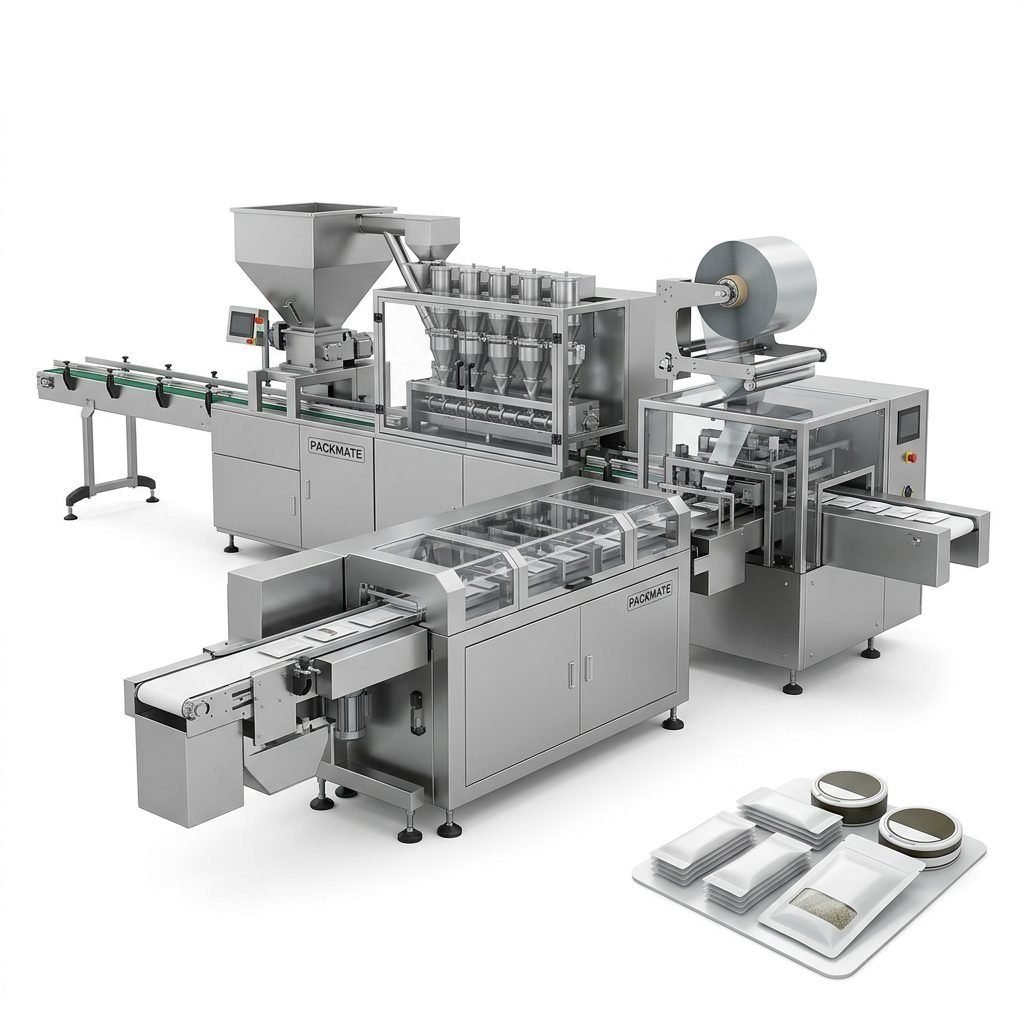
Selecting the right snus packaging machinery supplier in Morocco is a strategic decision that affects product quality, production efficiency, regulatory compliance, and long-term profitability. Whether you are launching nicotine pouches, snus sachets, or multi-lane stick packs for a growing North African market, this guide walks you through the practical selection criteria, Morocco-specific considerations, supplier due diligence, and post-purchase support expectations to ensure you pick the best partner for your packaging line.
Understand Your Product and Market Requirements
The very first step is to define the product format, production speed, and regulatory labeling needs. Snus and nicotine pouches can vary by:
- Format: single-dose sachets, stick packs, tea-like pouches, or multi-lane small-dose pouches.
- Fill material: powder, granules, moist pouches, or liquid-infused pouches.
- Production volume: pilot runs, mid-scale, or full industrial scale.
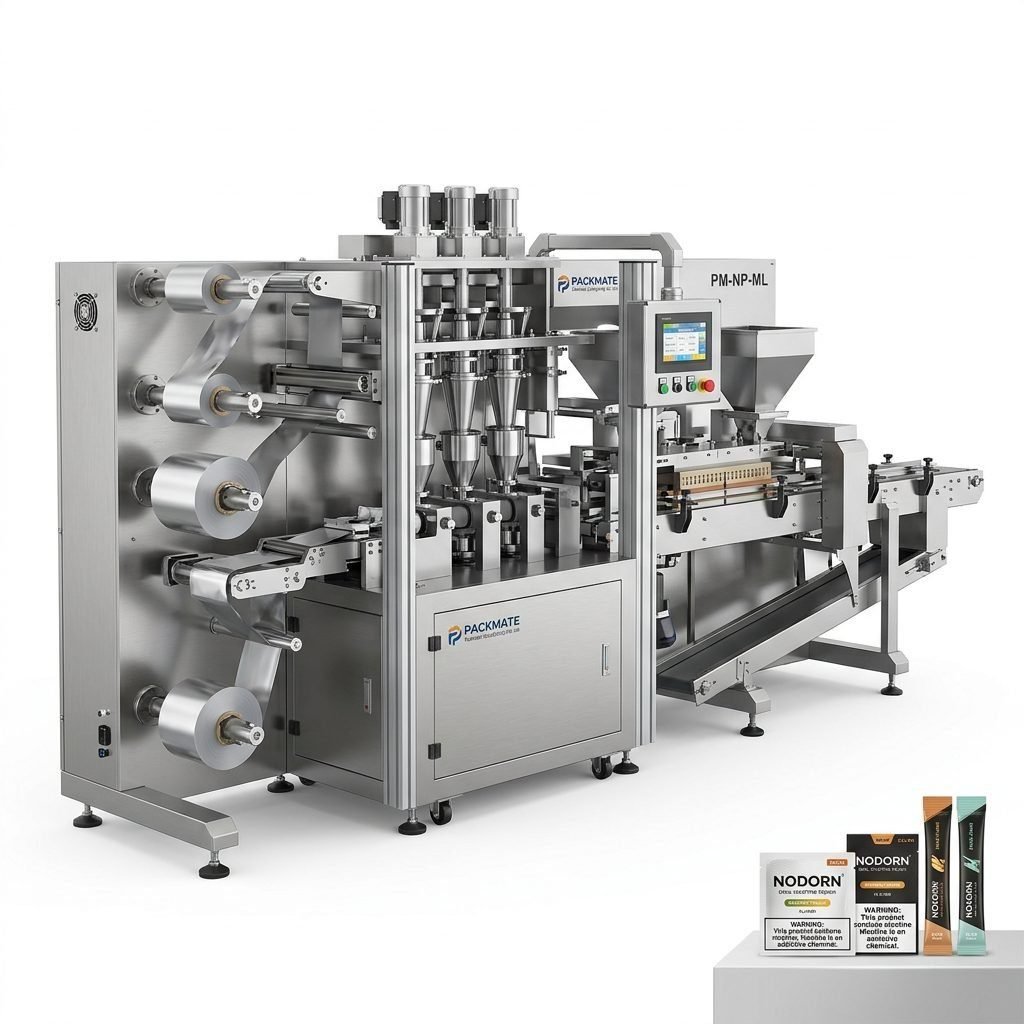
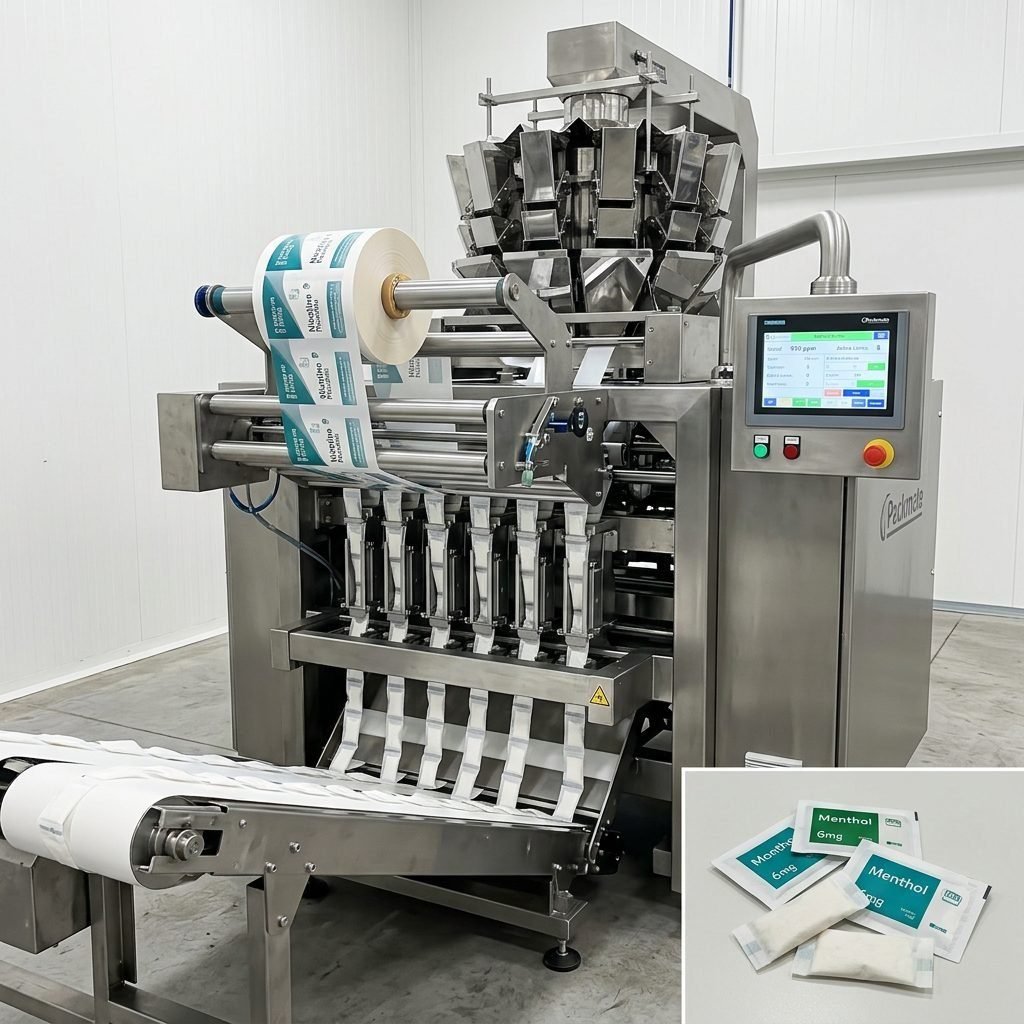
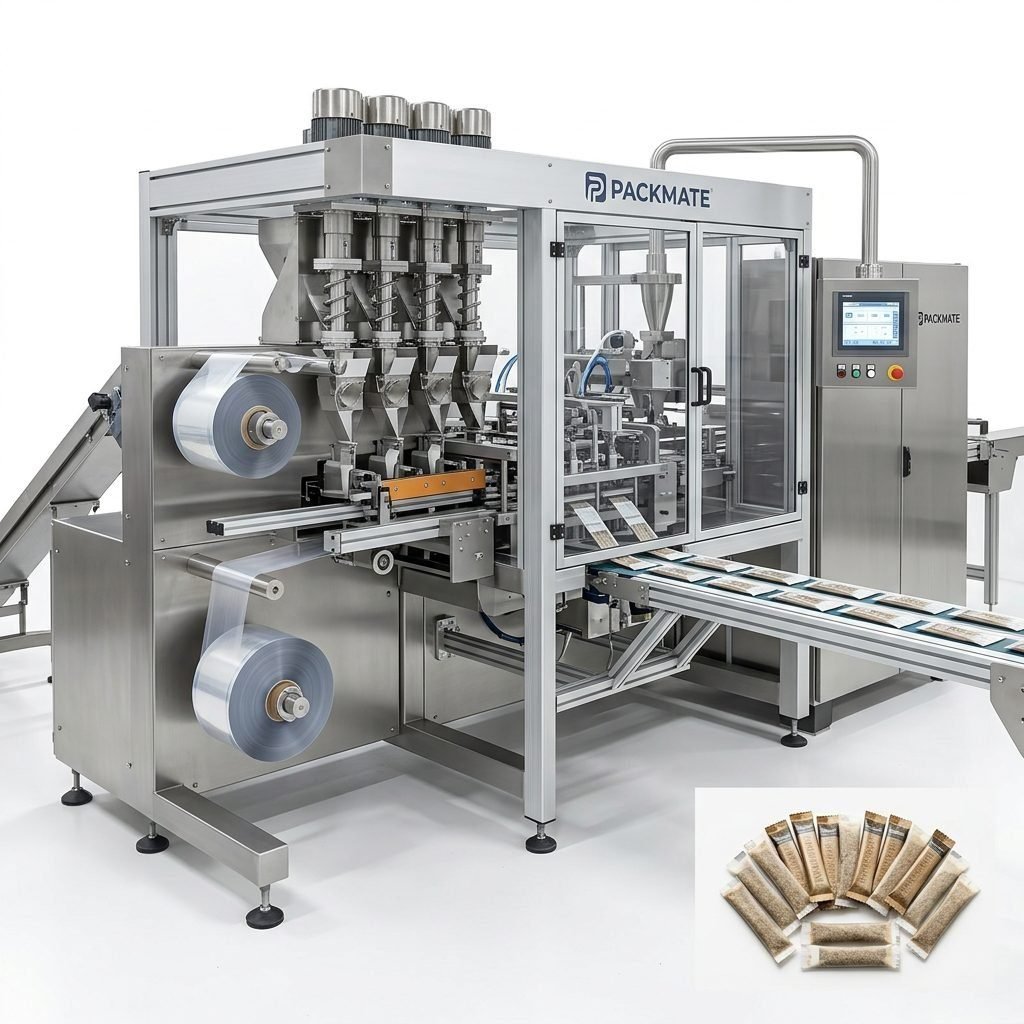
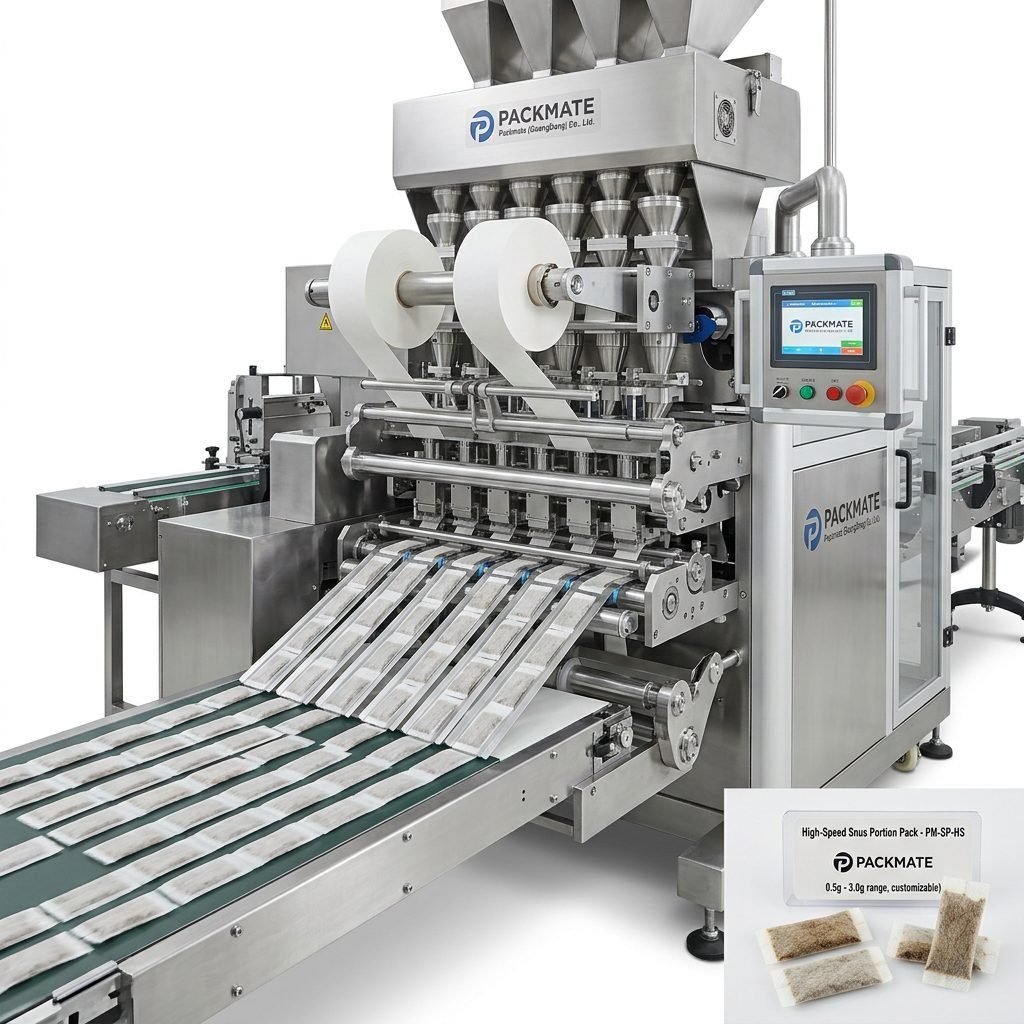
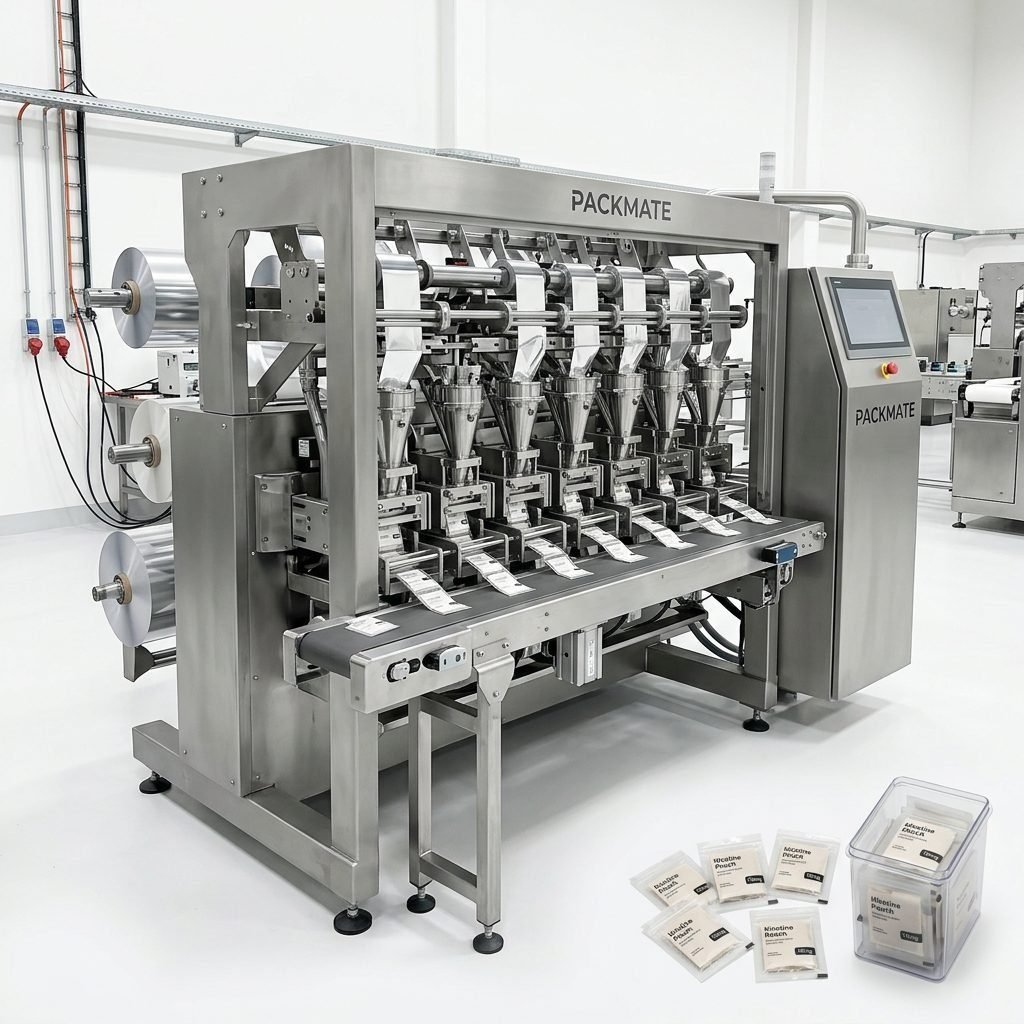
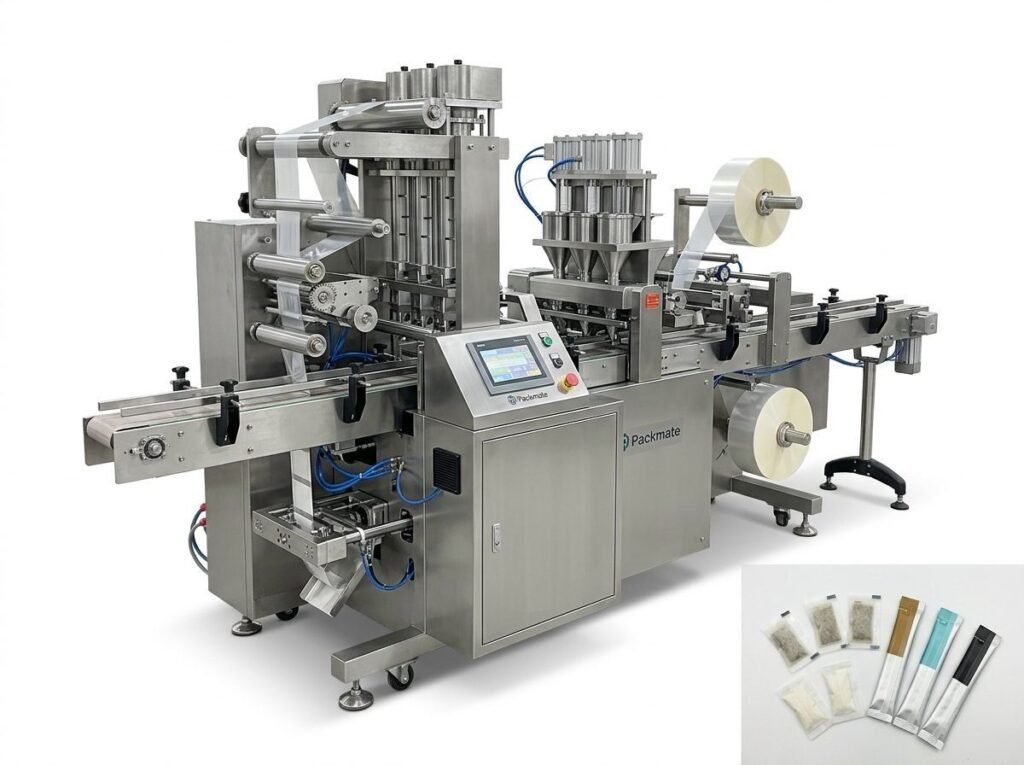
Map these needs to machine categories: for example choose multi-lane horizontal form-fill-seal for high throughput of tiny pouches or stick pack machines for elongated formats. Explore specialized solutions on the manufacturer’s product pages like
Snus & Nicotine Packaging Machines
and
Sachet & Stick Pack Machines.
Factor in Morocco-Specific Considerations
Morocco has unique cultural, climatic and regulatory factors that should shape your supplier choice:
Language and Labeling
Morocco uses Arabic (Modern Standard and local dialects) and French widely in commerce. Ensure your supplier can accommodate label printing integration and software that supports Arabic script (right-to-left) as well as French text. Labels must include ingredient and health warnings in the appropriate languages for market acceptance.
Climate and Factory Environment
North African climate can be hot with seasonal humidity. Machines should be built from corrosion-resistant stainless steel, with sealed electronics (IP-rated cabinets) and robust dust and moisture protection. Discuss cooling requirements if you process heat-sensitive fillings.
Local Customs and Consumption Habits
Morocco is culturally conservative; public consumption patterns differ from some European markets. Many users prefer discreet formats and packaging that align with local aesthetics (subtle color palettes, clear health information). Consider packaging designs and machines that can deliver small discreet sachets or pouches favored by urban adults.
Key Technical Criteria to Evaluate
Focus on objective machine parameters and manufacturability metrics when comparing suppliers.
✔️ Production Speed & Flexibility: Can the machine run the volumes you need today and scale as demand grows? Check lane counts, cycles per minute, and quick-changeover features.
✔️ Filling Accuracy: Nicotine content and pouch weight tolerances are critical — verify dosing systems, CI tools, and calibration capabilities.
✔️ Materials Compatibility: Confirm machine compatibility with your pouch materials, sealing films, and barrier laminates.
Hygiene, Maintenance and Cleanability
Look for smooth sanitary surfaces, minimal crevices, easy access panels, and CIP (clean-in-place) considerations if wet processes are involved. Quick-release components reduce downtime and lower maintenance costs.
Automation and Integration Capabilities
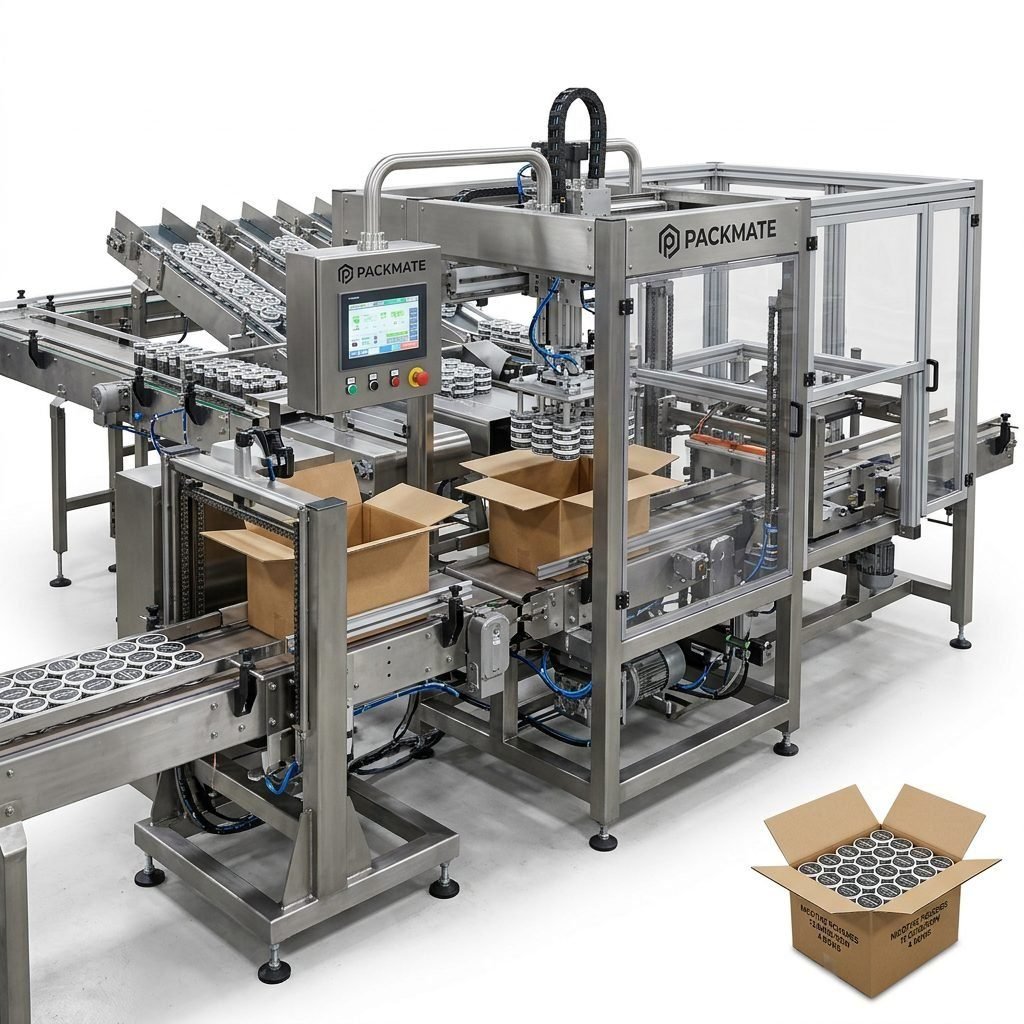
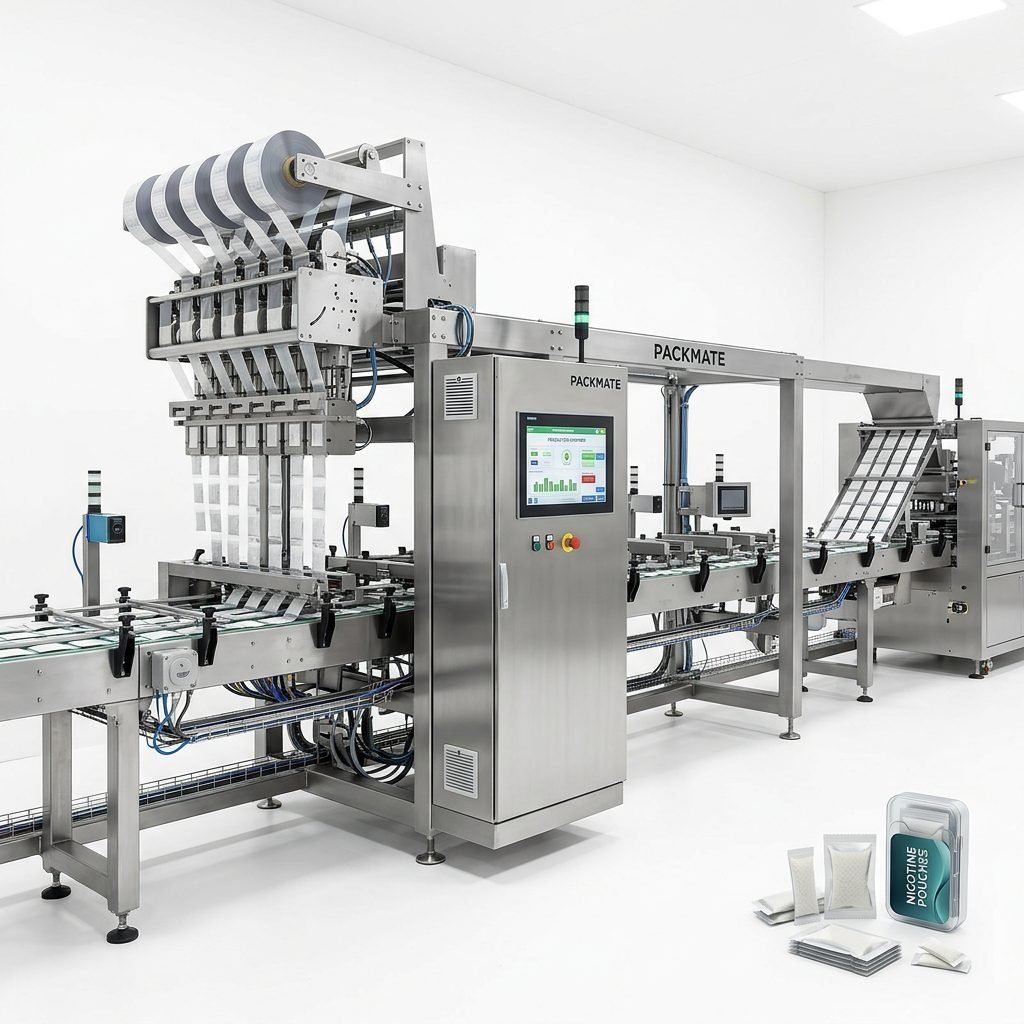
Modern production lines should integrate weighing systems, metal detectors, checkweighers, and secondary packaging. If you need turnkey automation, view full-line solutions such as the supplier’s
Filling & Packaging Lines.
Supplier Reputation and Manufacturing Strength
A supplier’s track record and manufacturing capabilities are critical. Prioritize suppliers that combine engineering experience, international certifications, and a large portfolio of proven machines.
📌 Proven Experience: Companies with decades of R&D and a wide product range usually provide better stability and continuous improvement. For example, Packmate Snus Machine combines 30+ years of experience with 50+ machine models and a 20,000㎡ manufacturing facility.
📌 Certifications: Ensure compliance with CE and ISO standards for safety and quality; this helps with import clearance and local acceptance.
Financial and Commercial Considerations
Price is important, but total cost of ownership (TCO) matters more. Evaluate the machine price along with shipping, customs duties, installation, training, spare parts, and expected lifecycle.
Warranty, Spare Parts & Lead Times
Ask about warranty coverage, availability of critical spare parts in Morocco or within reachable logistics hubs, and typical lead times for replacements. A supplier with local or regional service partners reduces downtime risks.
Payment Terms & Local Import Support
Negotiate payment milestones tied to commissioning and acceptance tests. Confirm the supplier provides commercial documentation (packing list, certificate of origin, CE docs) to smooth Moroccan customs clearance processes.
After-Sales Service and Training
Reliable after-sales support differentiates good suppliers from great ones. Evaluate the supplier’s training offerings, remote diagnostics, spare parts logistics, and onsite commissioning assistance.
🔧 Commissioning & Training: Ensure your team receives hands-on operator and maintenance training; request training materials in French or Arabic if needed.
🕒 Remote Diagnostics: Confirm remote support capabilities for PLC/HMI troubleshooting so issues can be diagnosed quickly without long travel delays.
Factory Visit, References and Test Runs
Before finalizing, if possible, visit the supplier’s manufacturing site or attend an exhibition demonstration. Observe machine build quality, wiring, panel organization, and assembly. Request references in similar industries or regions and ask for video evidence or live demos of machines running comparable products. Packmate highlights live demos at global exhibitions; learn more at their
Our Exhibition
page.
Customization and Turnkey Solutions
If your product requires special handling (custom pouch shapes, RFID tagging, special labeling), ensure the supplier has engineering capabilities for customization. Suppliers offering turnkey lines and system integration help reduce coordination overhead and accelerate time to market. See examples of turnkey solutions on the supplier’s
Weighing & Packaging Systems
page.
Negotiation Checklist — What to Ask Your Supplier
Use this practical checklist during RFQ and meetings:
- Detailed machine specifications and acceptance test protocol (IQ/OQ/PQ where applicable).
- List of consumables and spare parts with part numbers and lead times.
- Warranty terms, response times, and escalation process.
- Training scope, language options, and documentation delivery (manuals in French/Arabic).
- Local installation support and estimated commissioning duration.
- References and video demos of comparable lines in operation.
Why Choose an Experienced Manufacturer Like Packmate?
A reliable manufacturer brings precision engineering, comprehensive product lines, and experienced service teams. Packmate Snus Machine, for example, offers:
• 30+ years of industry experience — proven design maturity and continuous improvement.
• 50+ machine models — wide selection from single machines to fully automated production lines.
• Factory strength: 20,000㎡ facility with advanced CNC and strict QC ensures consistent quality and scalable production.
Learn more about the company’s background at
About Packmate.
Logistics, Import Rules and Local Compliance in Morocco
Understand Moroccan import requirements, classification of tobacco/nicotine products, and any required health warnings or taxes. Work with freight forwarders familiar with Morocco to optimize shipping declarations, duties, and local delivery. Suppliers who provide full documentation — commercial invoice, packing list, certificate of origin, CE documents — help speed up customs clearance.
Final Selection and Acceptance Testing
After narrowing down suppliers, negotiate a clear FAT (Factory Acceptance Test) and SAT (Site Acceptance Test) plan. FAT should validate speed, accuracy, sealing integrity, and basic integration. SAT should confirm machine performance under local materials, power, and environmental conditions. Ensure acceptance criteria are written into the purchase contract.
Quick Decision-Making Roadmap
Follow this roadmap to make a structured decision:
- Specify product formats, speeds, and labeling requirements (Arabic/French).
- Shortlist suppliers with relevant snus/nicotine experience and certifications.
- Request technical datasheets, videos, and references.
- Perform or witness FAT and review spare parts lists.
- Negotiate contract terms with clear acceptance tests and warranty clauses.
- Plan for commissioning, training, and spare parts stocking.
Useful Resources and Next Steps
If you need full-line solutions or want to explore cases of installed lines, review the supplier’s real-world projects:
– Case studies and installed lines: Case
– Certificates and quality assurance: Certificate
– After-sales and service offerings: Service
Summary — Choose a Supplier That Balances Engineering, Support and Local Fit
In Morocco, choosing a snus packaging machinery supplier means balancing robust engineering, language and labeling support, climate-adapted designs, and dependable after-sales service. Prioritize suppliers with proven snus/nicotine experience, international certifications, clear documentation for import, and the ability to provide operator training in French or Arabic. The right partner will help you avoid costly downtime, speed time-to-market, and ensure compliant, attractive packaging for local consumers.
Common Questions
Q1: What languages should machine HMI and manuals support for Morocco?
Ideally French and Arabic (Modern Standard) should be supported. French is commonly used in business and technical contexts, while Arabic is essential for consumer-facing labels. Request localized manuals and operator training where possible.
Q2: How important is CE/ISO certification for importing snus packaging machines?
CE and ISO certifications are important for demonstrating safety and quality standards and can simplify customs clearance and buyer confidence. They do not replace local regulatory requirements related to nicotine products, so verify local compliance separately.
Q3: What are the typical after-sales services to negotiate?
Negotiate warranty length, guaranteed response time for support, spare parts availability, remote diagnostics access, onsite commissioning, and training sessions. Ensure spare parts lists and pricing are provided upfront.
Q4: Can machines be customized for special Moroccan labeling or discreet packaging?
Yes — many suppliers provide customization for pouch shape, label printing integration, and secondary packaging tailored to consumer preferences. Confirm engineering lead times, costs, and validation requirements for custom features.
Q5: Where can I view real-world installations and request demonstrations?
Request video demos, FAT sessions, and references from the supplier. You can also attend industry trade shows where manufacturers like Packmate demonstrate machines. For additional reading and examples visit the supplier’s product and case pages.