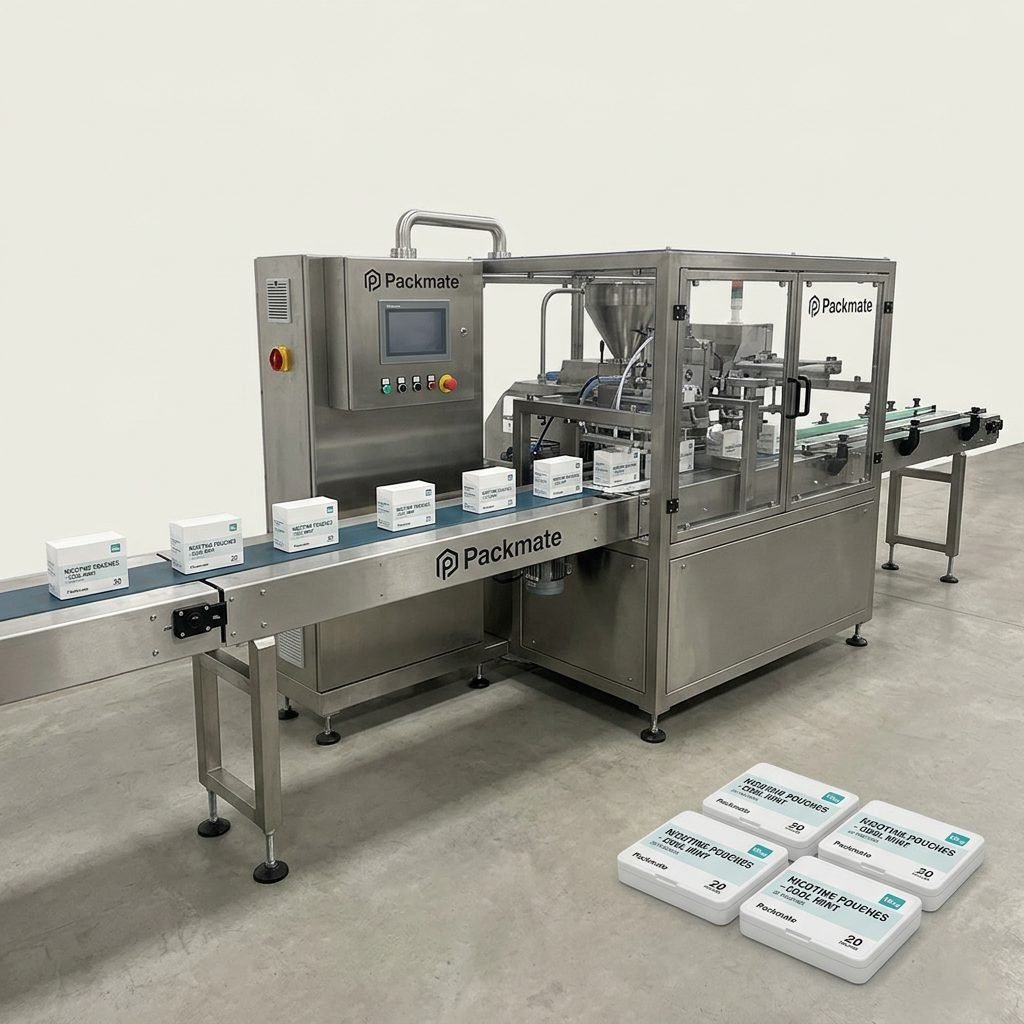
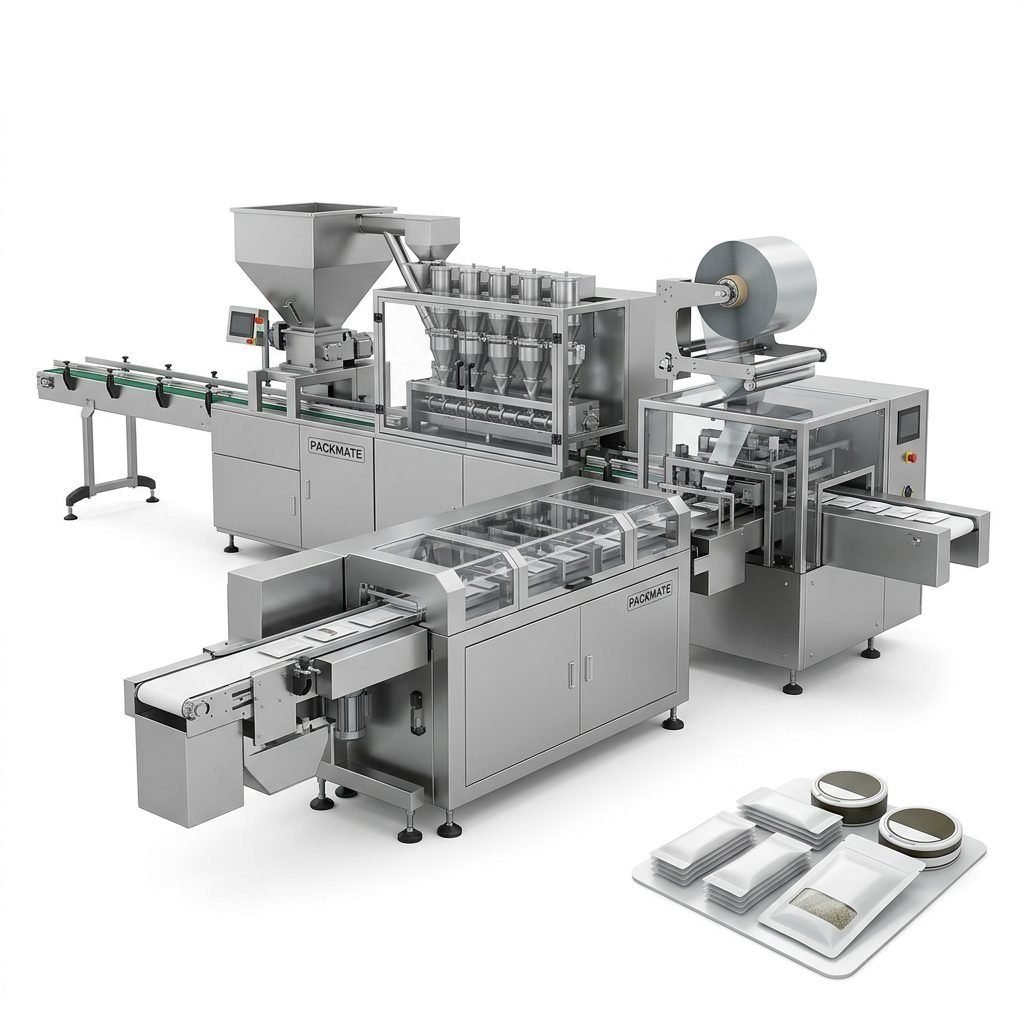
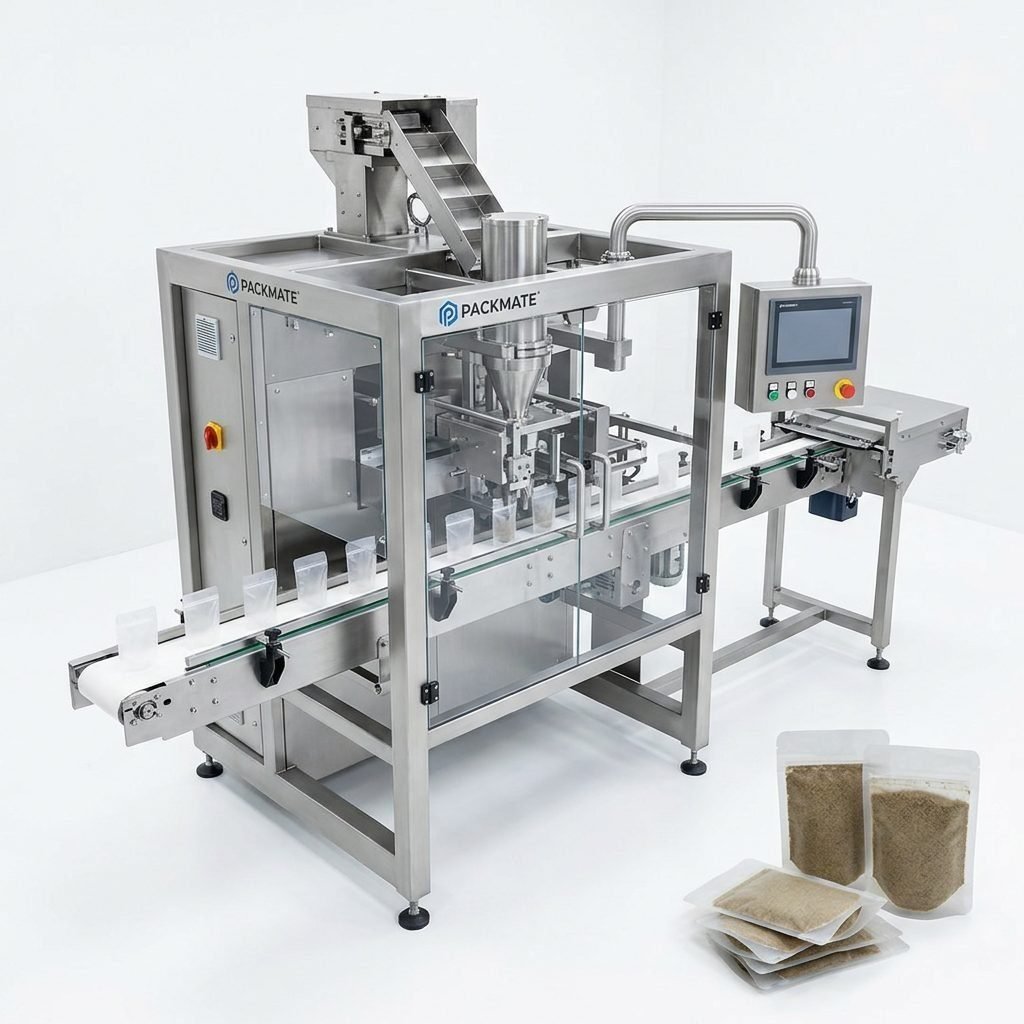
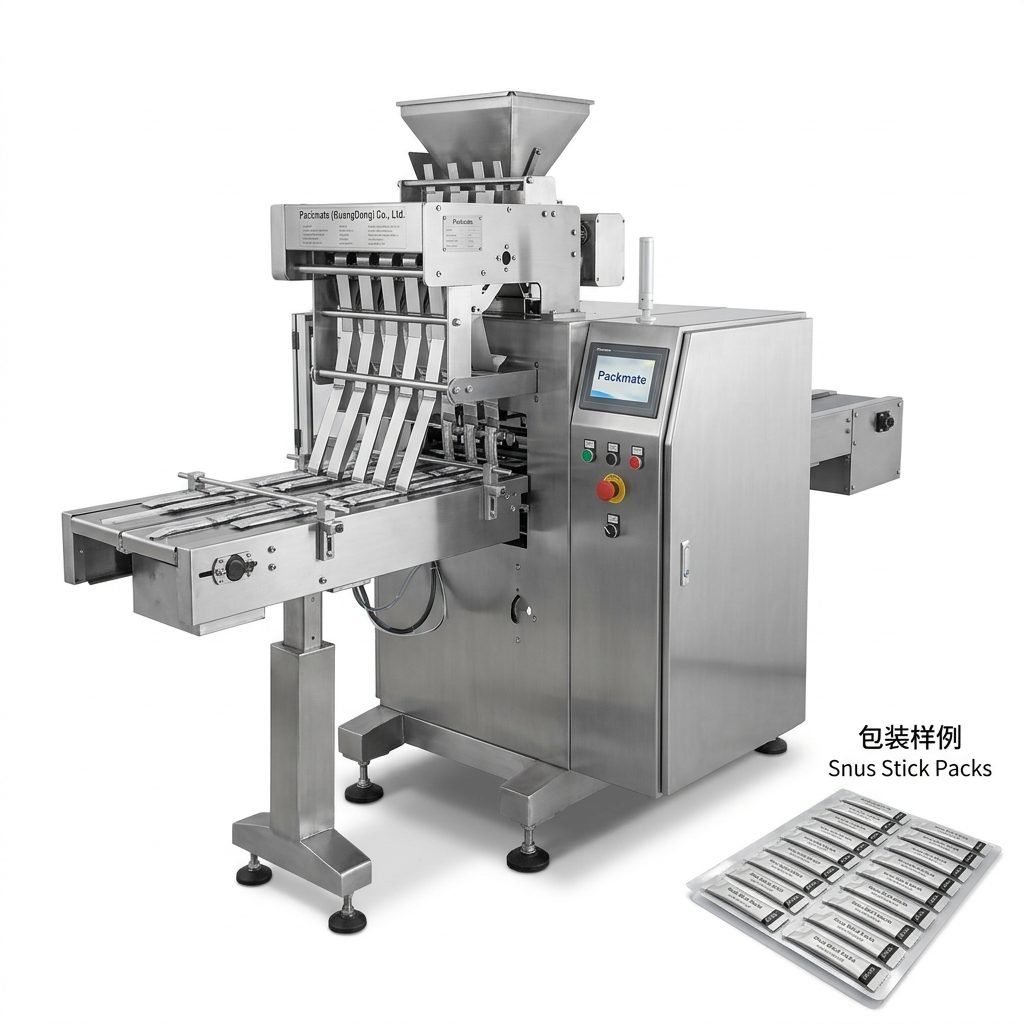
Entering or scaling snus and nicotine pouch production in Guatemala requires a careful partner selection for packaging machinery. Choosing the right supplier affects production uptime, product shelf life in a humid climate, compliance with local labeling rules, and the ability to adapt to evolving consumer tastes. This guide walks Guatemalan manufacturers and importers through a practical, step-by-step approach to selecting the best snus packaging machinery supplier for your production needs.
Market context in Guatemala
Guatemala’s tropical and subtropical climate, with high humidity in many regions, influences packaging choices: moisture barrier, oxygen scavengers, and tight sealing are essential. Local consumer preferences typically favor clear product information in Spanish, compact retail formats, and durable retail-ready pouches or tins for informal retail environments. Whether you target urban centers like Guatemala City or coastal ports such as Puerto Quetzal and Santo Tomás de Castilla, consider logistics and the role of local distributors.
Cultural and business nuances
Business relationships matter in Guatemala. Suppliers that demonstrate reliability, provide Spanish-language support, and are willing to visit or host visits create stronger trust. After-sales service and training on-site are valued. For export-oriented producers, make sure labels and documentation meet both Guatemalan requirements and the rules of your export markets.
Quick snapshot: What to prioritize
✔️ Stability & uptime — continuous production in humid conditions;
✔️ Moisture control — sealing and barrier films;
✔️ After-sales support — Spanish-speaking technicians or local partners.
Key criteria to evaluate packaging suppliers
When you evaluate a snus packaging machinery supplier, look beyond price. A balanced decision should weigh technical capability, service, compliance, and the supplier’s experience with snus/nicotine pouch products.
1. Technical fit for product and climate
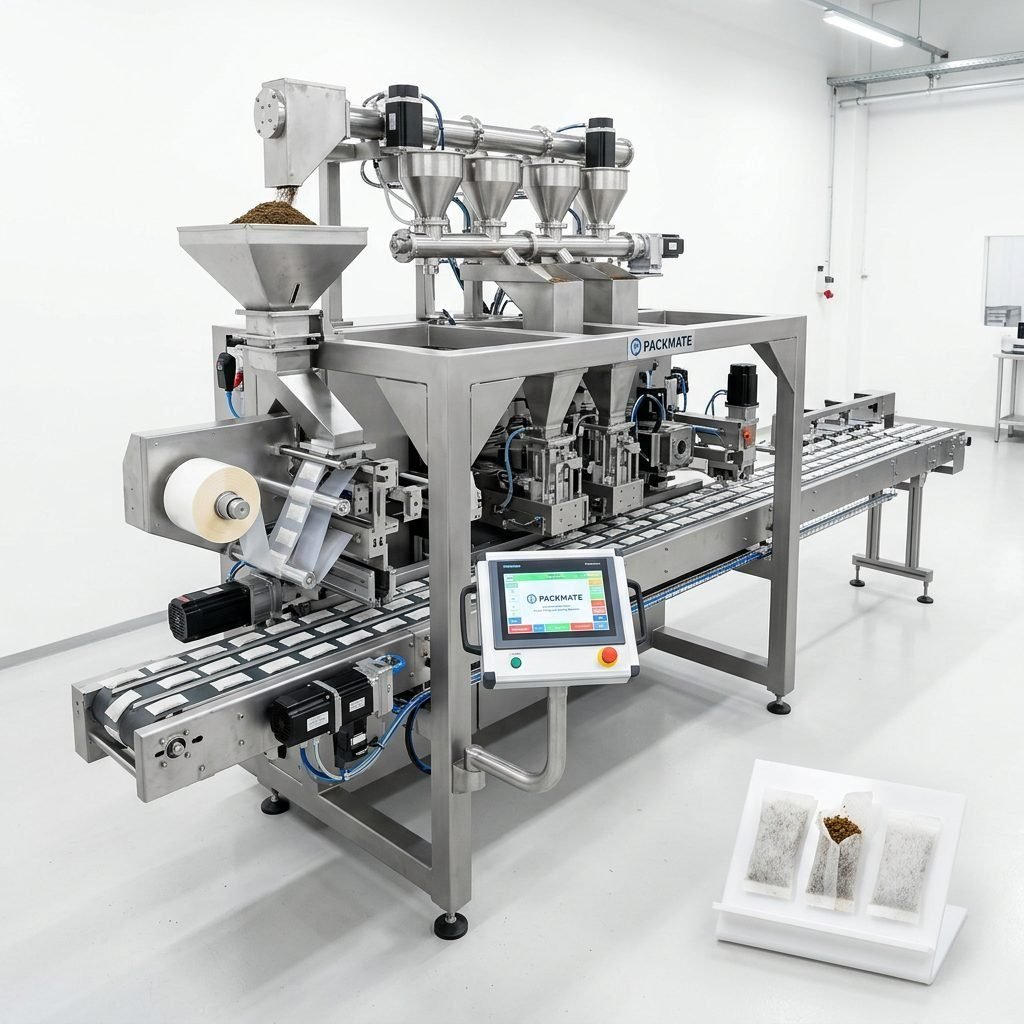
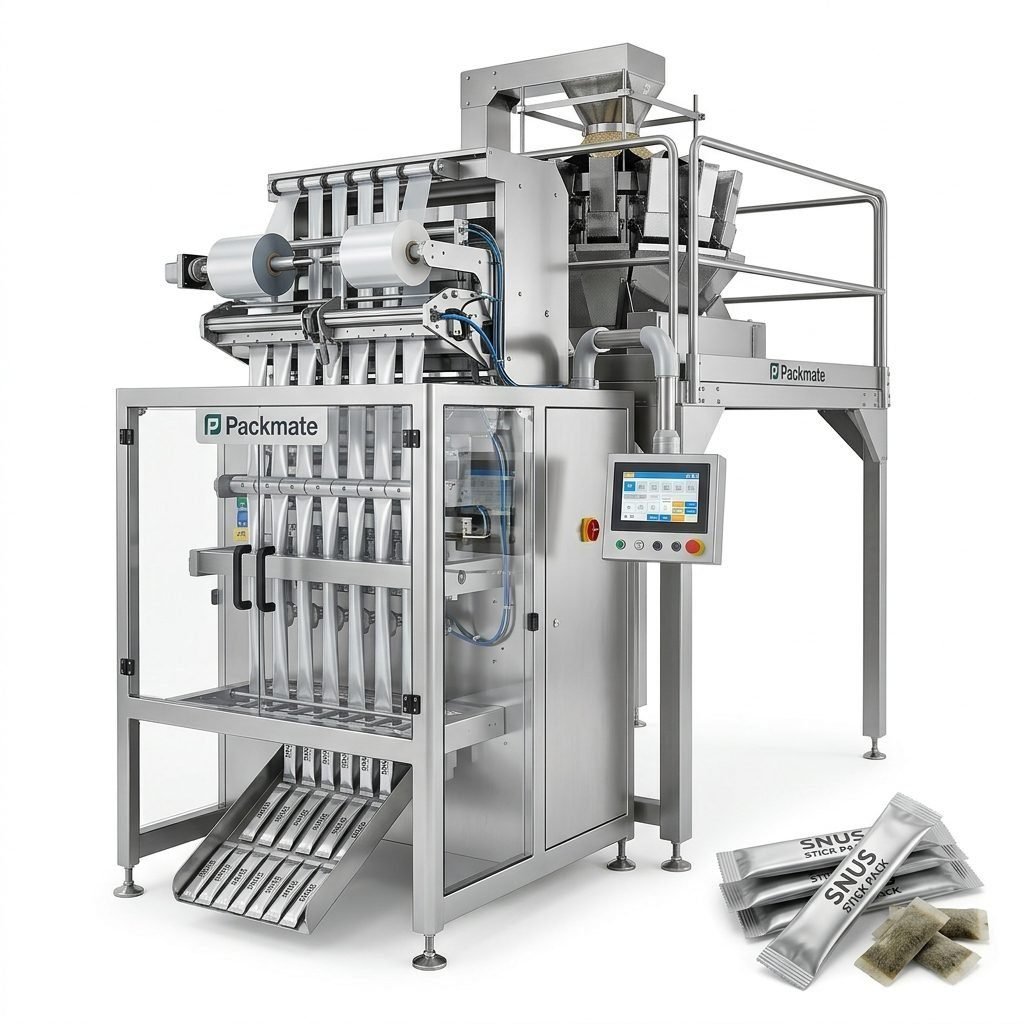
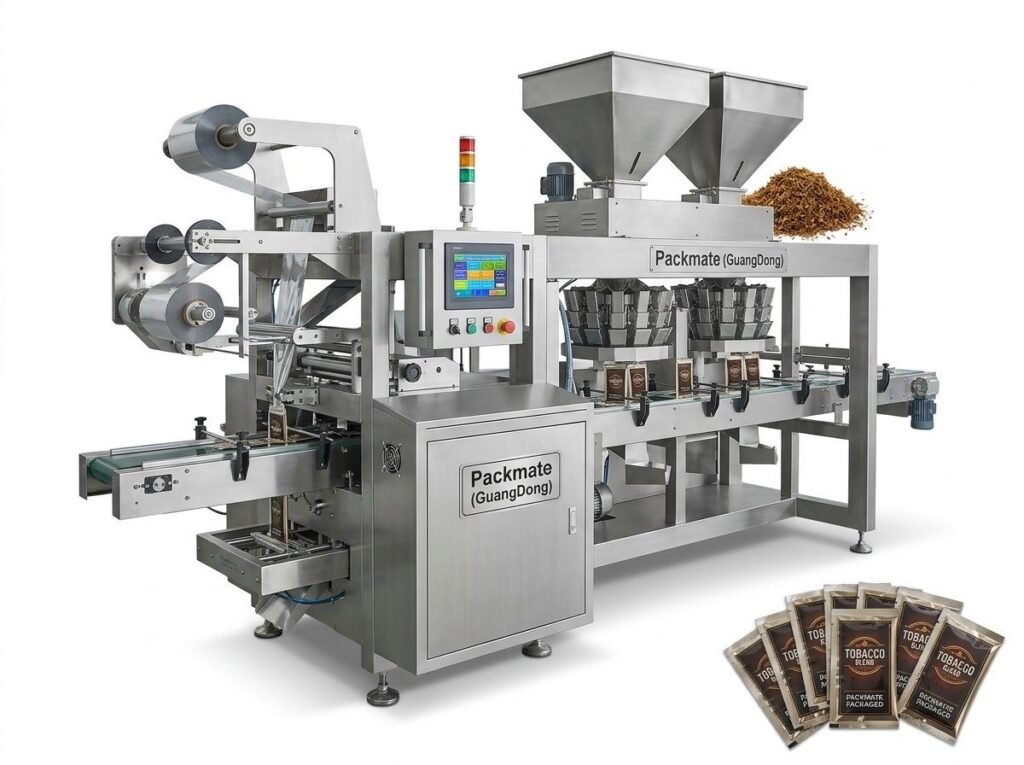
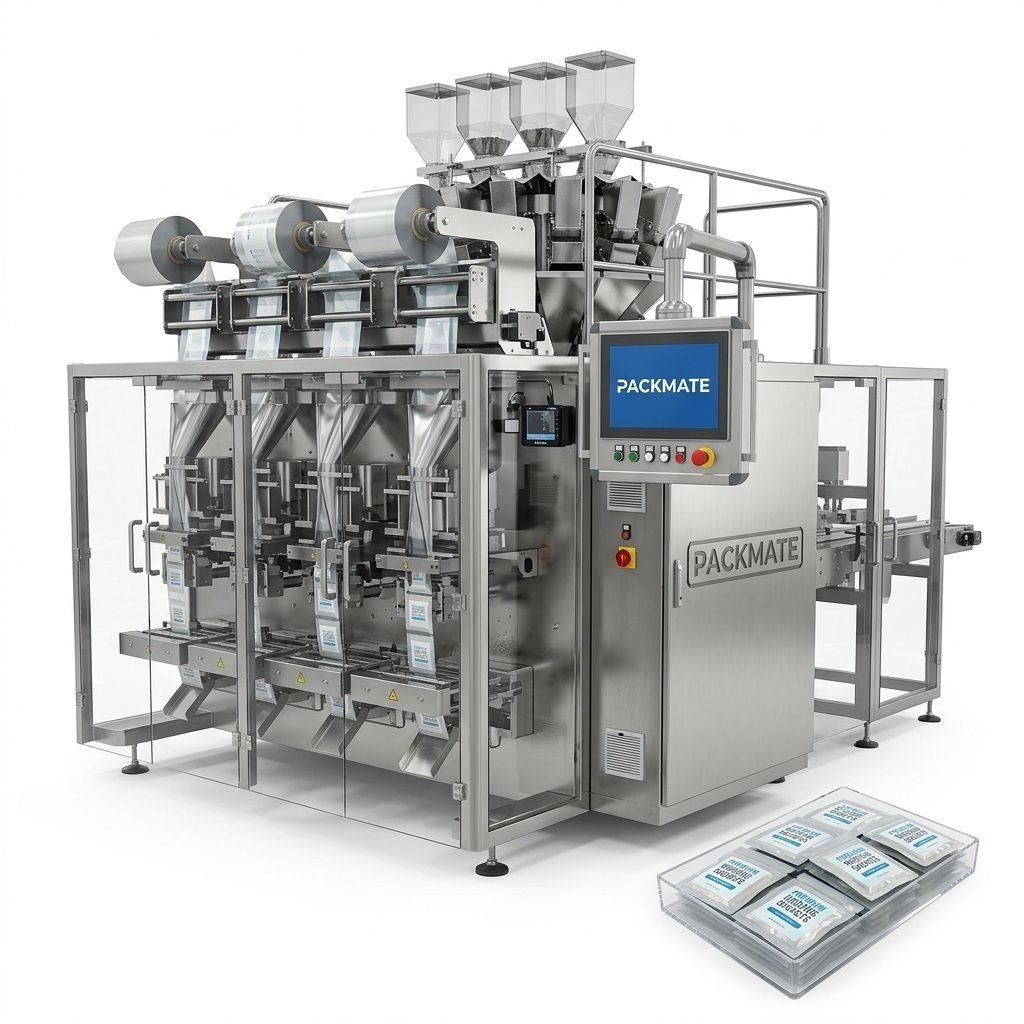
Machines should be suited for small-dose multi-lane production if you produce nicotine pouches. Seek systems with precise dosing, strong sealing technology (heat-seal or ultrasonic where appropriate), and adjustable speed for different pouch sizes and materials. For Guatemala’s humidity, consider integrated drying or desiccant solutions and compatibility with barrier films to ensure shelf stability.
2. Proven experience with snus/nicotine packaging
Select suppliers who specifically manufacture snus or nicotine pouch lines. They will understand filling tolerances, tamper-proofing, and the specific sealing and cutting demands of pouches. Review the supplier’s case studies and ask for references from customers producing similar products.
3. Certifications and compliance
International certifications such as CE and ISO are helpful indicators of quality and safety standards. These certifications also ease importing and compliance checks. Confirm that electrical and mechanical standards meet Guatemalan and your target export markets’ regulatory requirements.
Tip
Ask suppliers for CE/ISO certificate copies and recent testing reports. Suppliers with a controlled manufacturing environment and rigorous QA usually produce more consistent results.
Technical features to compare
The list below highlights equipment features that directly influence product quality and operational efficiency.
Dosing accuracy and filling systems
Precise weighing (or volumetric dosing) reduces material waste and ensures consistent nicotine content per pouch. Evaluate compatibility with your product type: powder, micro-pellets, or granules.
Multi-lane and speed scalability
Multi-lane machines maximize throughput while keeping the footprint small. Confirm the machine’s maximum speed, how easily lanes can be added or removed, and real-world OEE (overall equipment effectiveness) examples.
Sealing & barrier performance
Strong heat seals and controlled sealing temperature are critical for moisture-sensitive products. Ask for lab test data on seal strength and accelerated shelf-life test results using your packaging film.
HMI, controls and connectivity
Modern touchscreens (with multi-language support) and remote diagnostic capability are highly valuable. For Guatemalan operations, Spanish-language HMI and documentation will speed training and reduce errors.
Customization and turnkey solutions
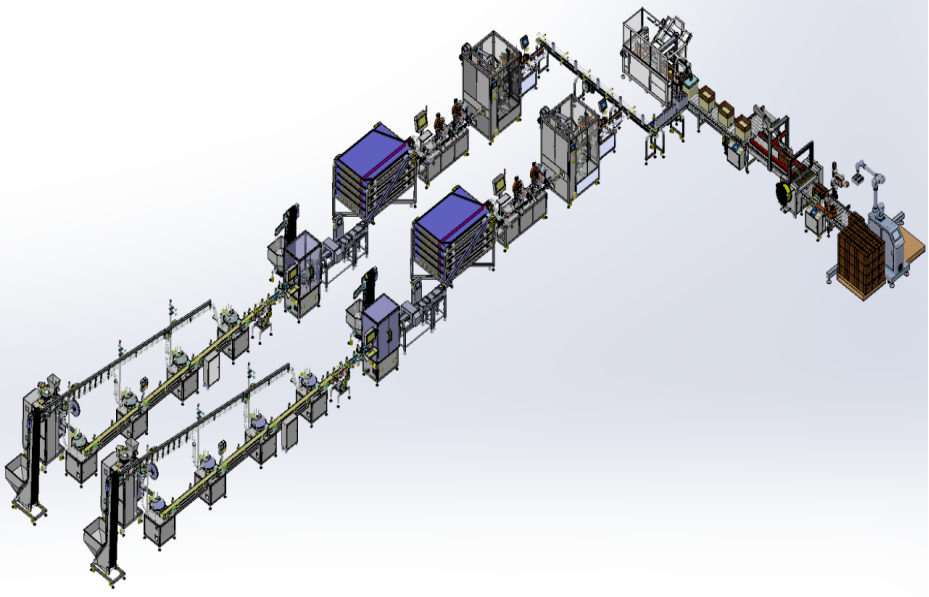
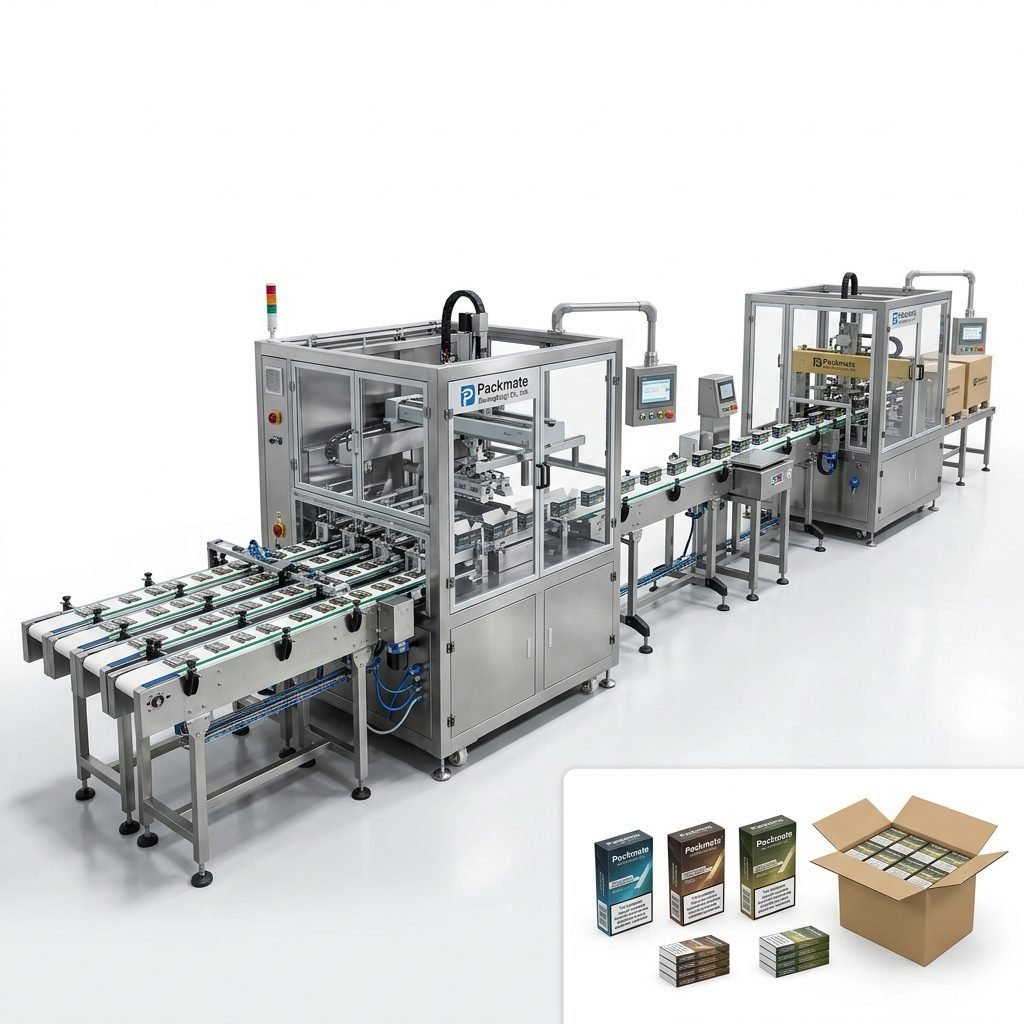
Many suppliers offer fully integrated lines: feeding systems, dosing, forming, sealing, and secondary packaging such as carton or display packers. If you need a complete production line, evaluate the supplier’s ability to deliver a turnkey solution and manage system integration.
What a turnkey partner should provide
🔧 Engineering & layout, 📦 Packaging material testing, 🛠️ Installation & commissioning, 👨🏫 Training, and 🔁 After-sales support.
Quality control and long-term support
A supplier’s technical competence is only as valuable as their ability to keep your line running. Prioritize suppliers who provide spare parts availability, remote diagnostics, preventive maintenance plans, and training in Spanish if possible.
Service agreement elements to request
Response time for critical parts, recommended spare parts list, warranty terms, and the availability of local technicians or certified partners in the region.
Evaluating supplier credibility
Review factory capabilities, certifications, and experience. Suppliers with a professional manufacturing footprint, CNC capabilities, and a history of multi-lane snus line development demonstrate the maturity necessary for reliable equipment supply.
For an example of a specialized manufacturer with extensive experience in snus equipment and turnkey packaging solutions, see their product pages such as
Snus & Nicotine Packaging Machines and their broader portfolio at
Bag & Pouch Packaging Machines.
Practical steps to select and validate a supplier
Follow a structured evaluation process: shortlist, request information, factory visits, trials, and pilot runs.
Step 1: Shortlist and RFI
Ask for: machine specifications, references, lead times, spare parts strategy, certifications, and photos or videos of similar machines in operation. A strong supplier will supply case studies and real-world OEE numbers.
Step 2: Factory visit and FAT (Factory Acceptance Test)
Whenever possible, visit the factory. Inspect machining capability, assembly practices, and QA. Request a FAT where your product (or a close analogue) is run on the machine. Evaluate fill accuracy, seal integrity, and film compatibility.
During FAT, check:
⚠️ Consistency of pouch weight, ⚠️ seal strength, ⚠️ downtime causes, and ⚠️ ease of changeover.
Step 3: Pilot run & qualification
After delivery, perform a controlled pilot production run to validate performance under your site conditions: local power supply, humidity, and operators. Document results before full production commitment.
Cost considerations and ROI
Price is only one component of total cost of ownership (TCO). Evaluate energy consumption, spare-parts cost, expected throughput, waste reduction through accuracy, and reduction in labor through automation. A higher initial investment can often be justified through lower per-unit costs and fewer rejects.
Local logistics and import tips for Guatemala
When importing machinery, coordinate with your freight forwarder about port clearance at Puerto Quetzal or Santo Tomás de Castilla, import duties, and necessary documentation. Suppliers familiar with Latin American exports can help reduce shipping and customs friction. Consider also local installation support — either from the supplier or certified local technicians.
Why supplier track record matters
A supplier with decades of packaging engineering experience and a broad product portfolio is more likely to offer robust solutions and long-term support. Look for companies with comprehensive manufacturing facilities, CNC machining centers, and extended case histories across regions.
For further technical information and to explore full packaging production lines, you can review the manufacturer’s full portfolio and credentials at
About Packmate, review past implementations under
Case, and contact their service team at
Contact Us.
Checklist: Questions to ask any potential supplier
🔍 Can you run my specific product at FAT?
🔍 What certifications and test reports do you provide?
🔍 What support and spare parts availability do you provide in Central America?
🔍 Can you provide Spanish-language manuals and on-site training?
Conclusion
Selecting the right snus packaging machinery supplier in Guatemala depends on technical match, climate-aware design, proven snus experience, reliable after-sales support, and a partner willing to validate performance with FAT and pilot runs. Prioritize suppliers with solid manufacturing capabilities, international certifications, and the willingness to collaborate closely with your team. By doing so you ensure product integrity, reduce downtime, and build a production line that meets both local consumer expectations and export requirements.
Frequently Asked Questions
Q1: Do I need special packaging for Guatemala’s climate?
A1: Yes. High-humidity areas require barrier films and robust sealing to preserve product quality. Discuss moisture-control options with the supplier.
Q2: How important is supplier certification?
A2: Certifications like CE and ISO indicate adherence to recognized quality and safety standards; they help with compliance and import documentation.
Q3: What local support should I expect?
A3: Ideally a supplier offers remote diagnostics, a spare parts plan, and partners or technicians who can attend to urgent issues in Central America.
Q4: How do I validate machine performance before purchase?
A4: Request a Factory Acceptance Test using your materials or closely matching samples; check throughput, dosing accuracy, and seal integrity.
Q5: What languages and documentation should be provided?
A5: Spanish-language manuals and training are highly recommended for faster local adoption and smoother operations.