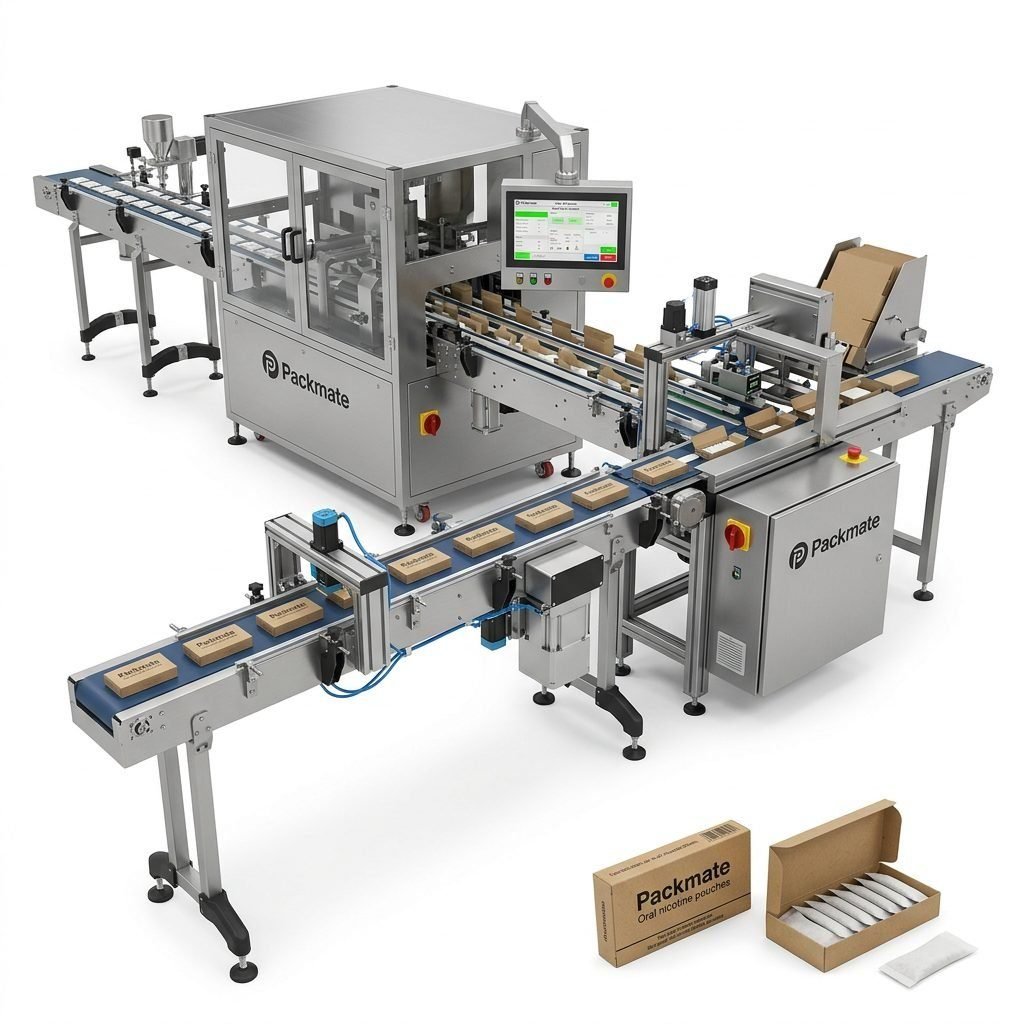
In Cuba’s evolving snus and nicotine pouch market, finding a reliable packaging machinery supplier requires a mix of practical due diligence and an understanding of local trade realities. This practical buyer’s guide walks you through every step — from supplier credentials to logistics, installation, and after-sales support — so you can make a confident purchase decision that fits Cuban business practices and regulatory realities.
Understand the Cuban Context
Cuba’s business environment combines state oversight, a growing private sector, and strong cultural preferences for personal relationships in commerce. When sourcing machinery:
🔍 Local import rules and documentation matter: ensure your supplier can provide accurate commercial invoices, packing lists, certificates of origin, and CE/ISO certificates if required.
📌 Language and training — Spanish documentation and on-site or remote Spanish-language training reduce downtime after installation.
⚠️ Power and compatibility — check voltage, frequency, and plug types; your supplier should support electrical adjustments or provide appropriate converters.
Step 1 — Define Your Production Needs Clearly
Before contacting suppliers, map your product specifications and production targets. Key details include pouch type (snus/nicotine pouch, stick pack, sachet), pouch size, lanes (single or multi-lane), throughput (pouches per minute), and any secondary processes such as weighing, labeling, or cartoning.
✅ Production volume: define current and 2–3 year forecast so you can select a machine with scalable capacity.
✅ Product variants: if you plan multiple SKUs, ask about quick-change tooling and recipe memory.
✅ Quality needs: hygroscopic contents, dust control, or cleanroom requirements will affect machine choice.
Step 2 — Screen Suppliers by Capabilities
Look for manufacturers with proven experience in snus and nicotine pouch equipment, robust factory facilities, and global exports. In addition to standard checks, confirm they can support Cuban import and after-sales needs.
What to verify
🔧 Manufacturing footprint: a large, well-equipped factory with CNC centers and assembly lines signals capacity for quality control and spare parts stock.
📜 Certifications: CE and ISO compliance show adherence to international production and safety standards.
🌍 Global cases and exhibitions: suppliers who demo at exhibitions and provide international case studies are easier to vet; check their exhibition presence and customer references.
Step 3 — Evaluate Technical Fit and Customization
Commercial phrases like “turnkey” can mean different things. Ask detailed technical questions, request specifications, and if possible, arrange live demos or video tours of machines running your product type.
🔬 Compatibility: confirm machine models that handle nicotine pouch materials, moisture control, and precision dosing.
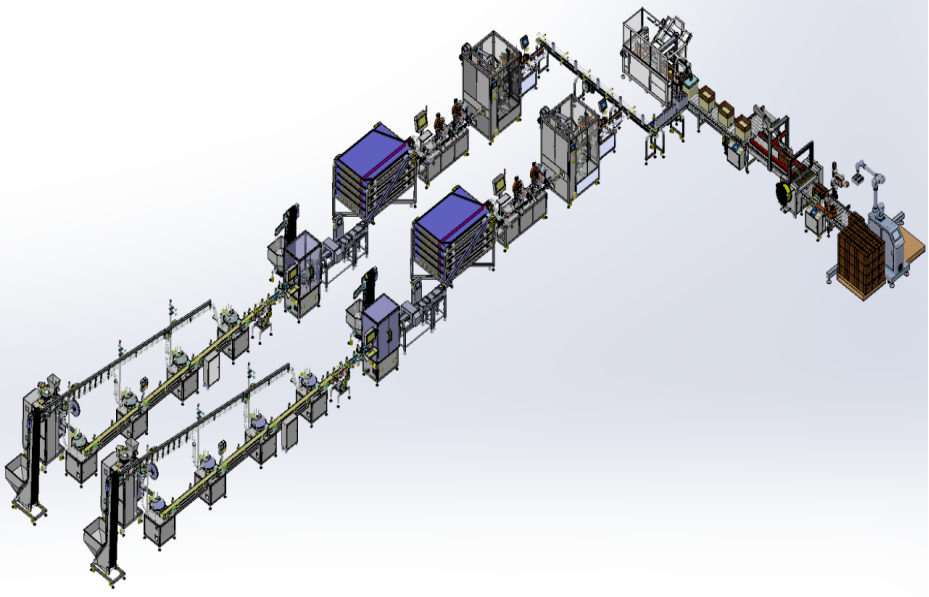
⚙️ Customization: ability to add multi-lane heads, integrated weighers, or secondary packaging like carton erectors.
📦 Upgradability: ensure spare parts and upgrade paths are available to avoid early obsolescence.
Step 4 — Factory Visit, Reference Checks, and Demos
Seeing a machine run or reviewing case studies is invaluable. If travel is limited, request a live video demonstration and ask for references in similar markets. Ask for production videos showing the same product type and output speed you require.
📺 Remote demos: require machine running complete cycles — loading, sealing, cutting, and rejection handling.
🧾 Reference audits: contact existing customers about reliability and response time for spare parts and service.
🏭 Factory tours: verify CNC capabilities, assembly practices, and quality testing rigs if you can visit.
Step 5 — Commercial Terms, Payment, and Warranty
Negotiate clear commercial terms. Cuba’s banking and payment channels can be more complex due to international banking restrictions, so consider trade finance methods that work reliably for both parties.
💳 Payment method: letters of credit, T/T with staged payments, or escrow services protect both buyer and supplier.
🛡️ Warranty and service: confirm warranty period, scope (mechanical, electrical), and response time for remote support.
📦 Spare parts policy: ensure a spare parts kit is shipped with the machine or that parts are available from stock.
Step 6 — Shipping, Customs, and Installation in Cuba
Plan logistics early. Verify the supplier’s experience shipping to Cuba, INCOTERMS, and whether they can assist with documentation for customs clearance.
🚢 INCOTERMS: determine whether the price includes delivery to a Cuban port, inland transport, or just FOB/EXW.
🧾 Customs support: suppliers familiar with Cuban import processes can reduce delays by providing proper HS codes and certificates.
🛠️ Local installation: ensure the supplier offers commissioning services or certified local partners for installation and training.
Step 7 — After-Sales, Remote Support & Spare Parts
After-sales support defines long-term value. Prioritize suppliers with quick spare parts shipment, remote troubleshooting tools, and clear service level agreements.
📞 Remote support: ask if the supplier offers remote PLC/HMI troubleshooting, video-guided repairs, or dedicated support hotlines.
📦 Spare parts logistics: confirm typical lead times and whether expedited shipping to Cuba is feasible.
🔁 Training programs: on-site operator and maintenance training (in Spanish if needed) reduces operator errors and downtime.
Supplier Red Flags to Avoid
When considering a supplier, watch for these common red flags that may signal future problems.
⚠️ No factory access or vague references: suppliers who refuse factory visits or cannot provide verifiable references should be treated cautiously.
⚠️ Overpromising performance: unrealistic output claims without demonstration are a warning sign.
⚠️ Limited spare parts inventory: long lead times for spare parts will hurt uptime in remote markets.
How Packmate Snus Machine Aligns with Cuban Buyers
When selecting an international partner, choose a manufacturer with deep experience in snus and nicotine pouch equipment and a track record of global deliveries and support.
🔧 Packmate highlights: over 30 years of engineering experience, a 20,000㎡ manufacturing facility, 50+ machine models, and CE/ISO certification.
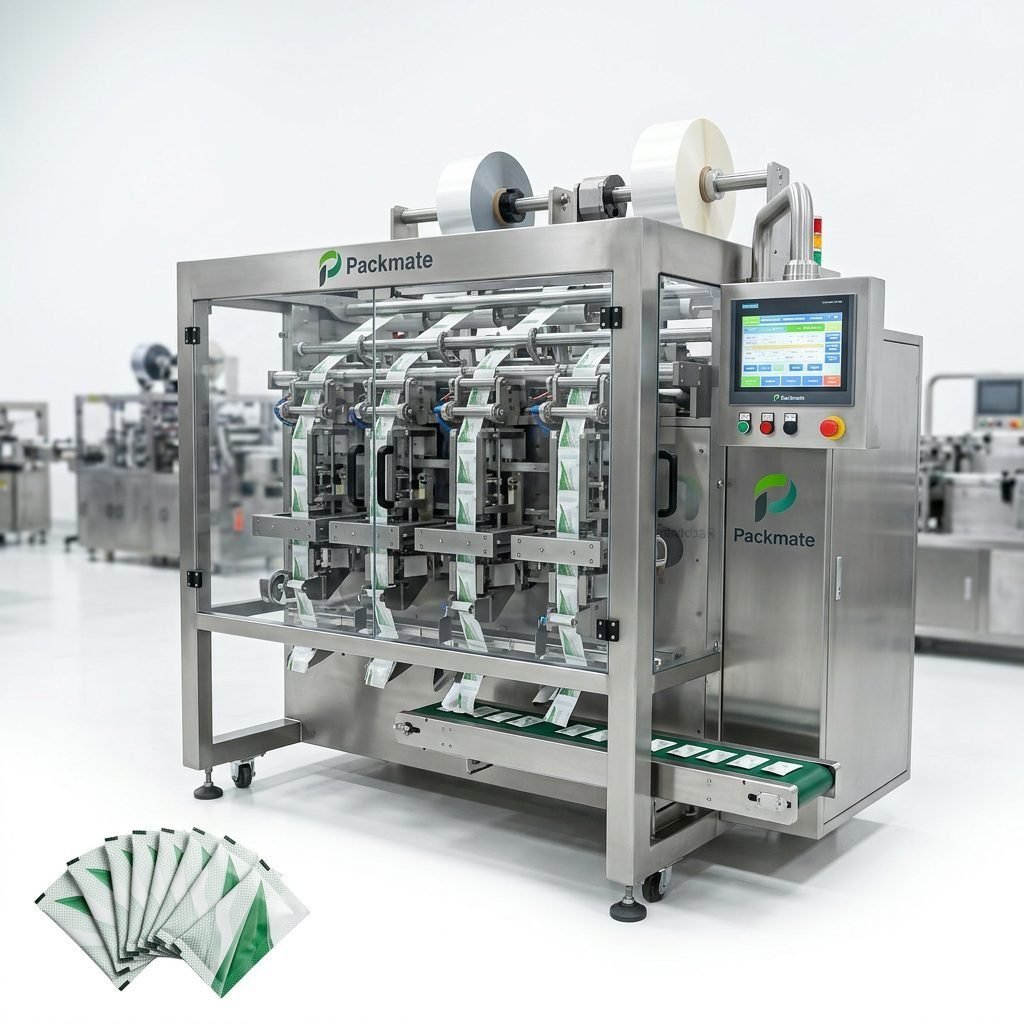
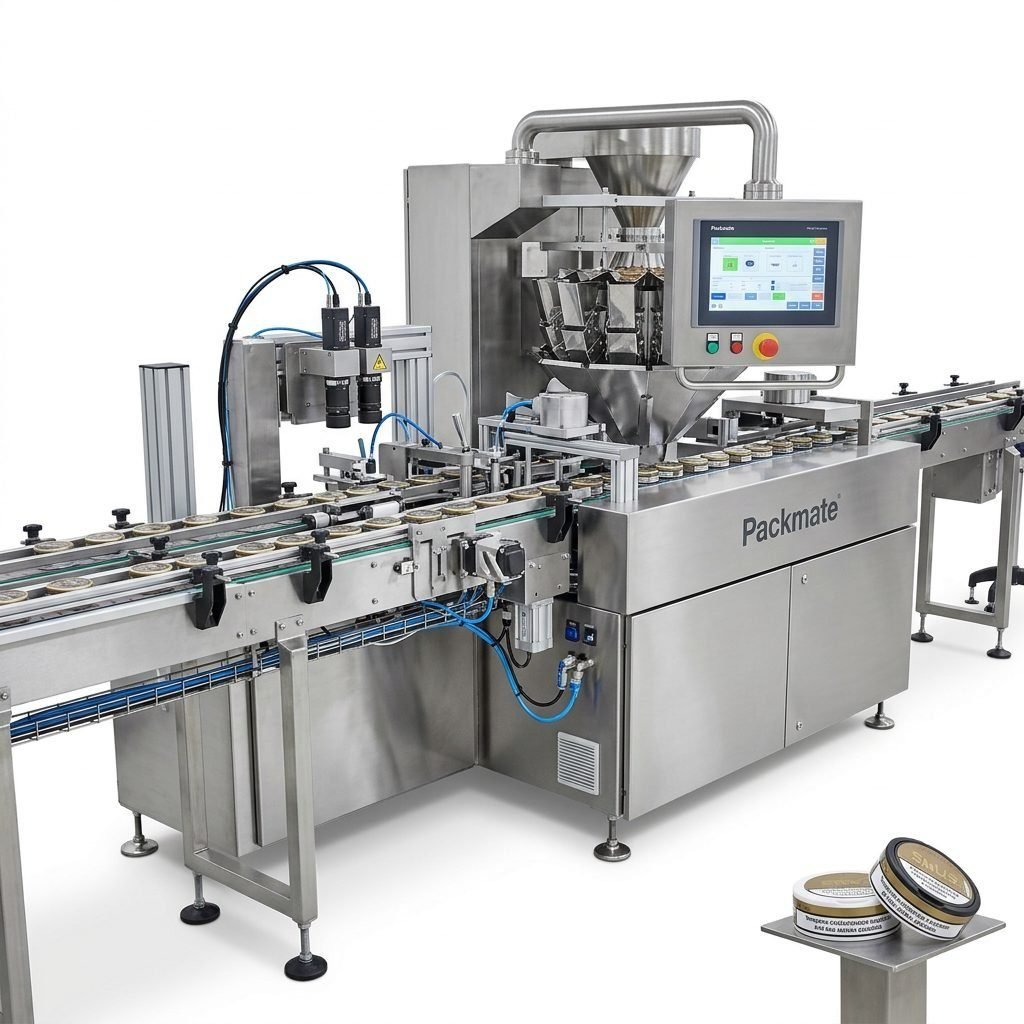
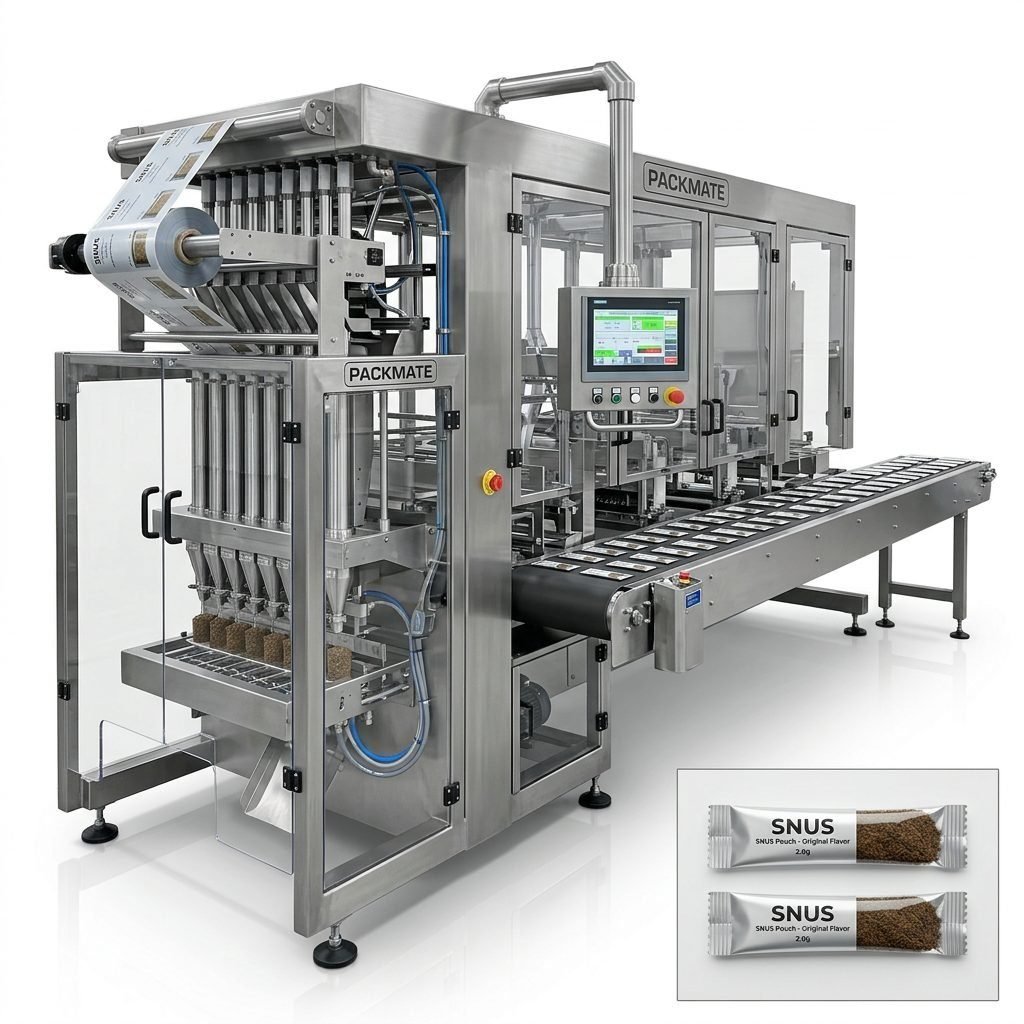
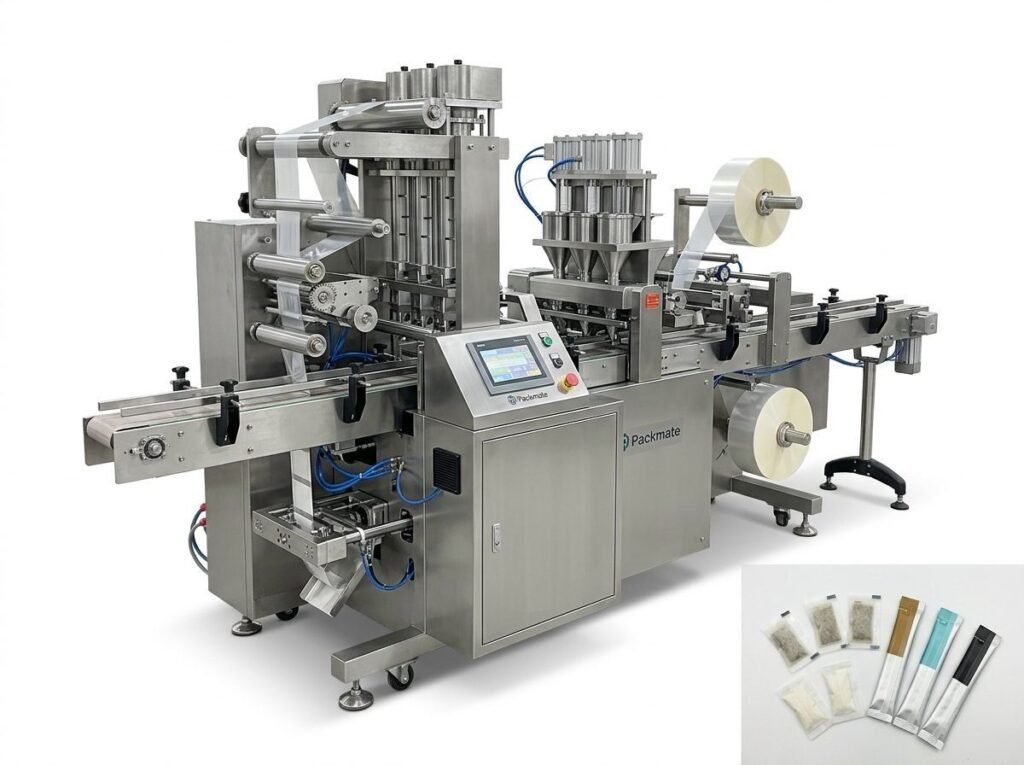
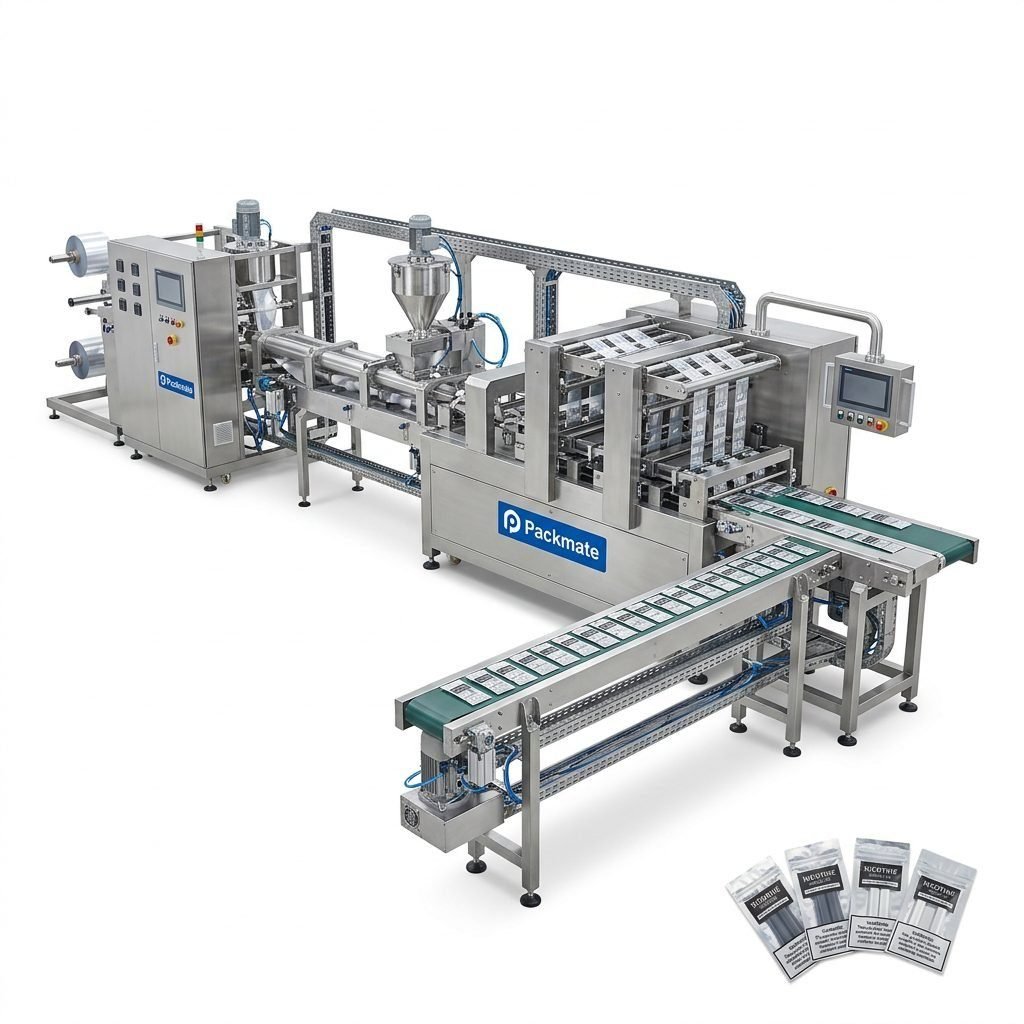
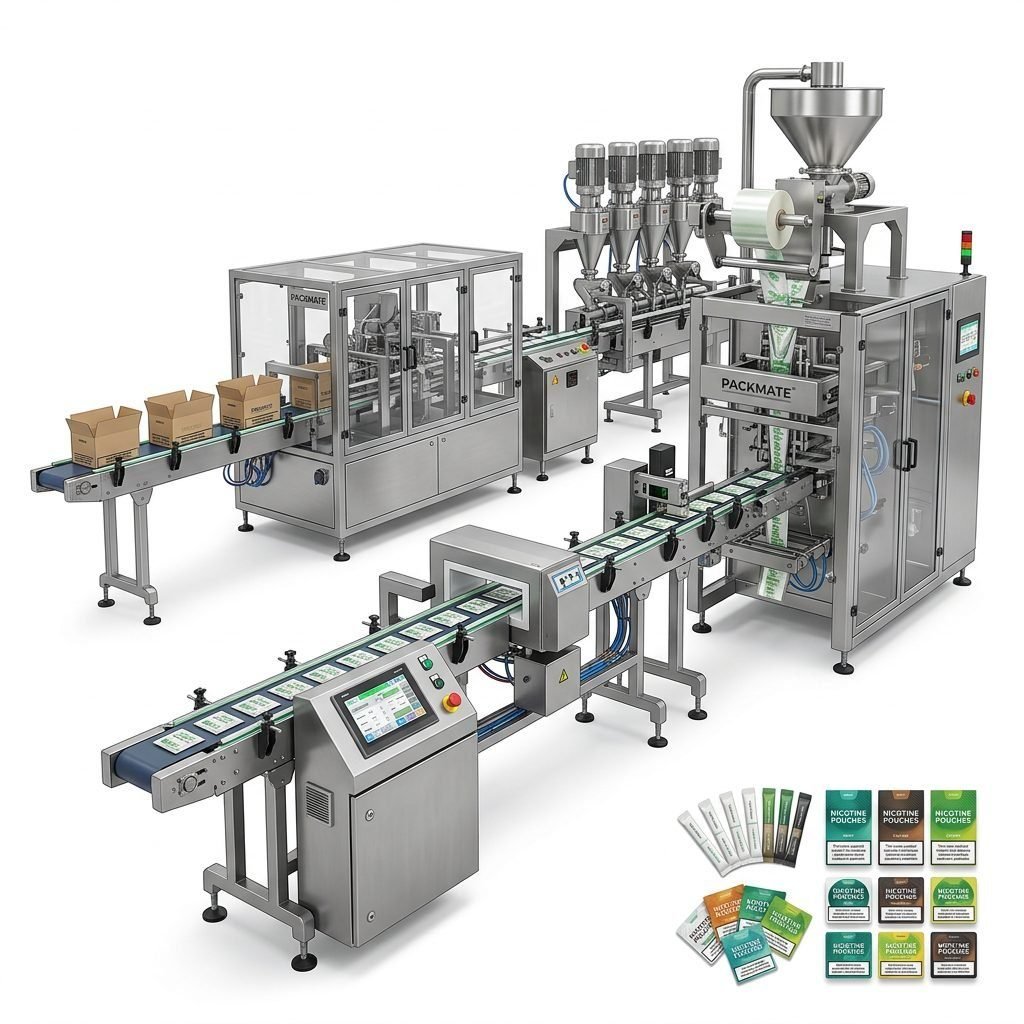
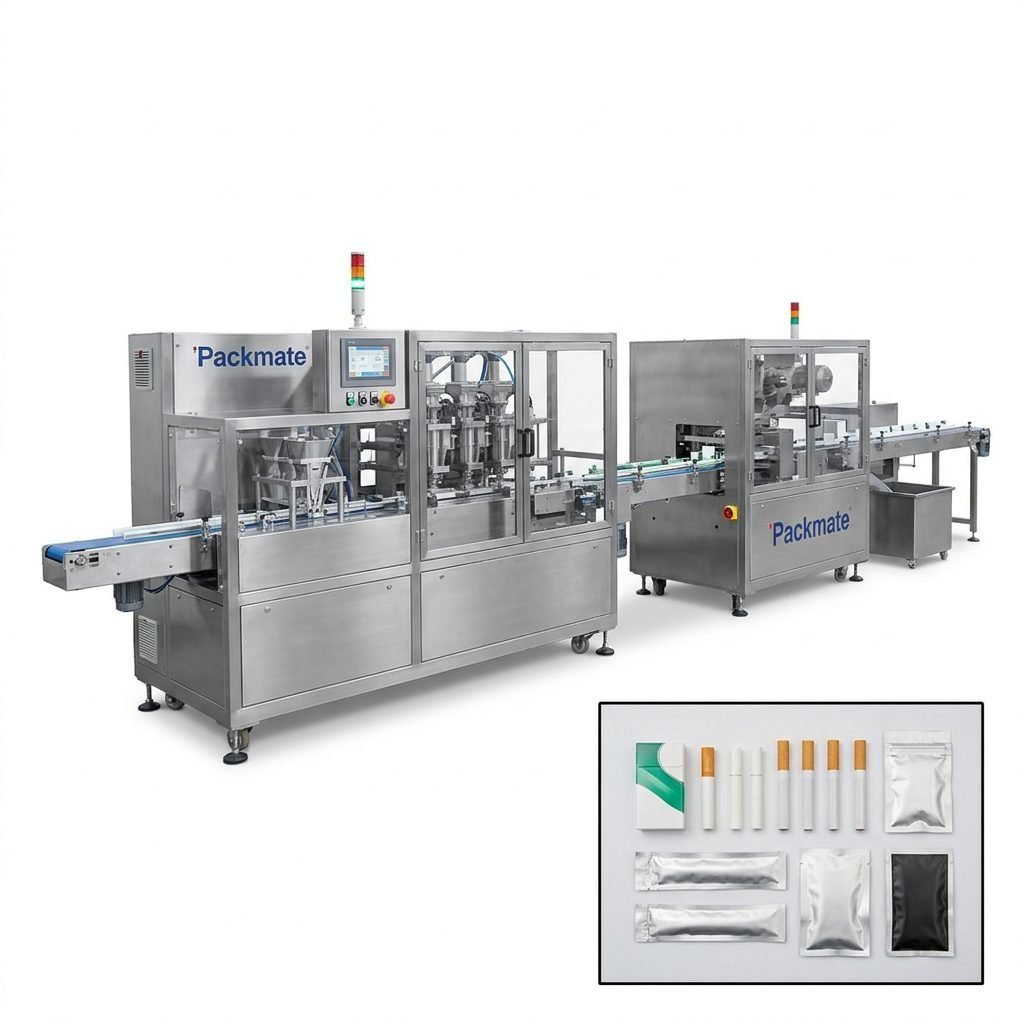
📚 They offer dedicated snus packaging lines including stick pack, sachet, and multi-lane systems suitable for nicotine pouches and snus. Learn more about their product range: Snus & Nicotine Packaging Machines.
🏷️ For company background and factory capabilities, see their about page: About Packmate. Browse real-world projects here: Case Studies.
Practical Checklist Before You Sign
✔️ Detailed technical specification and final acceptance test protocol.
✔️ Confirm spare parts list and local stocking recommendations.
✔️ Written warranty with defined response times and remote support terms.
✔️ Training plan (operators and maintenance), preferably in Spanish for Cuban teams.
✔️ Clear INCOTERMS and shipment timeline aligned with customs clearance capacity in Cuba.
Negotiation Tips for Cuban Buyers
Negotiate realistic lead times and include penalty clauses for missed delivery milestones when possible. If banks are a constraint, propose staged payments linked to milestones: deposit, pre-shipment inspection, and successful commissioning.
Leverage Trade Shows and Remote Demonstrations
Attend international packaging exhibitions when feasible or request detailed live demos. Suppliers like Packmate participate in global exhibitions and provide on-site demonstrations — a chance to validate machine performance before purchase. See exhibition details: Our Exhibition.
Final Practical Advice
📌 Start small when possible: a scalable line or refurbished equipment can validate market fit while reducing initial capital strain.
🔄 Plan for consumables: pouches, sealant films, and dosing accuracy tests should be validated with supplier samples before full production runs.
📣 Keep communication channels open: designate a local project manager in Cuba to coordinate customs, installation, and training schedules with the supplier.
Useful Links and Next Steps
If you want to explore machine models and services in detail, review product categories such as Sachet & Stick Pack Machines and inquire directly via the supplier’s contact page: Contact Us. For certificates and compliance information, check: Certificate.
Frequently Asked Questions
Q1: How do I ensure a machine will work with Cuban electrical standards and plant layout?
A1: Ask the supplier for electrical schematics and confirm they can supply transformers or modify wiring to match your local voltage and frequency. Request layout drawings and review dimensions to plan local civil and electrical works before arrival.
Q2: What are sensible payment terms when dealing with international suppliers from Cuba?
A2: Consider staged payments: deposit on order, mid-term payment after factory acceptance, and final payment on successful commissioning. Letters of credit or third-party escrow can mitigate payment risks.
Q3: How long should I expect lead times for a turnkey snus packaging line?
A3: Typical lead times vary by customization but plan 12–20 weeks for production plus shipping and customs. Always confirm lead times in writing and build buffer time for documentation and customs clearance.
Q4: What after-sales support should I insist on?
A4: Insist on a warranty with defined response times, a starter spare parts kit, remote support options (video troubleshooting), and operator/maintenance training (preferably in Spanish).