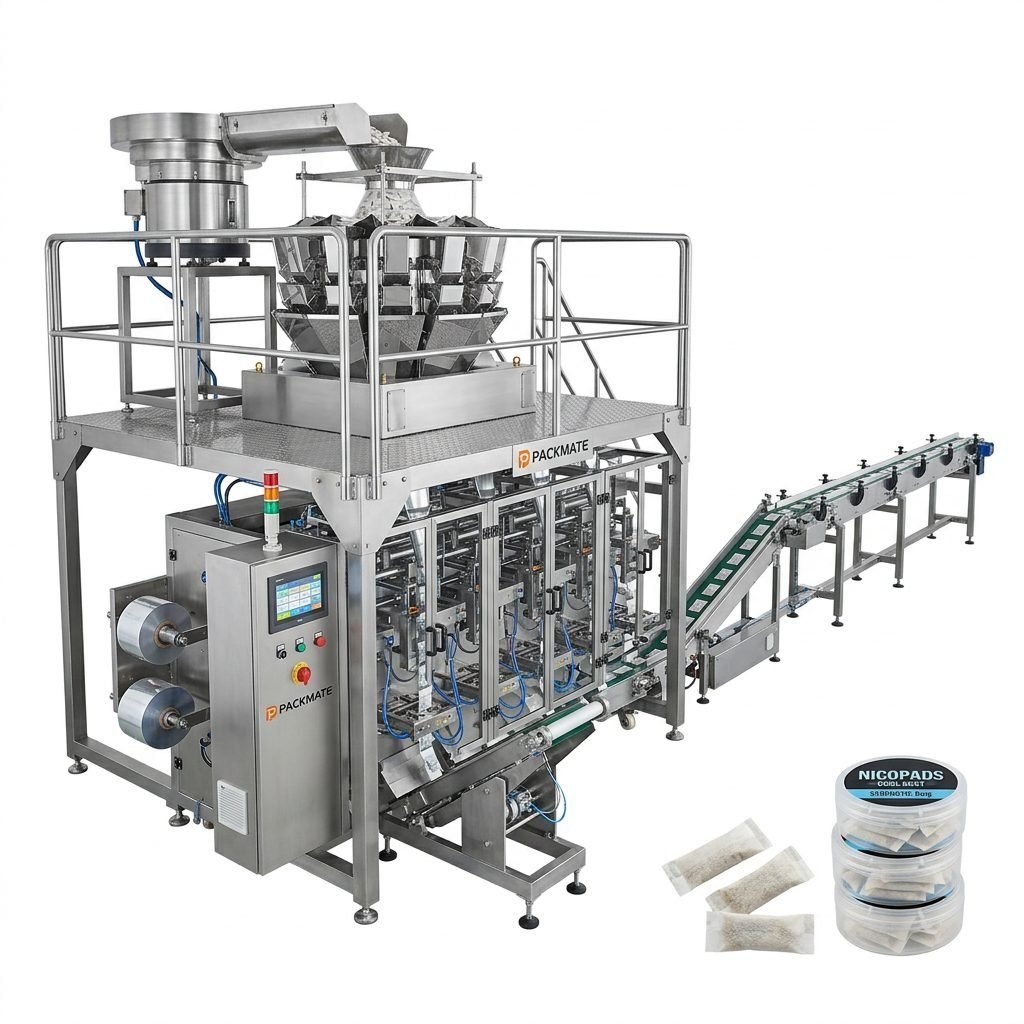
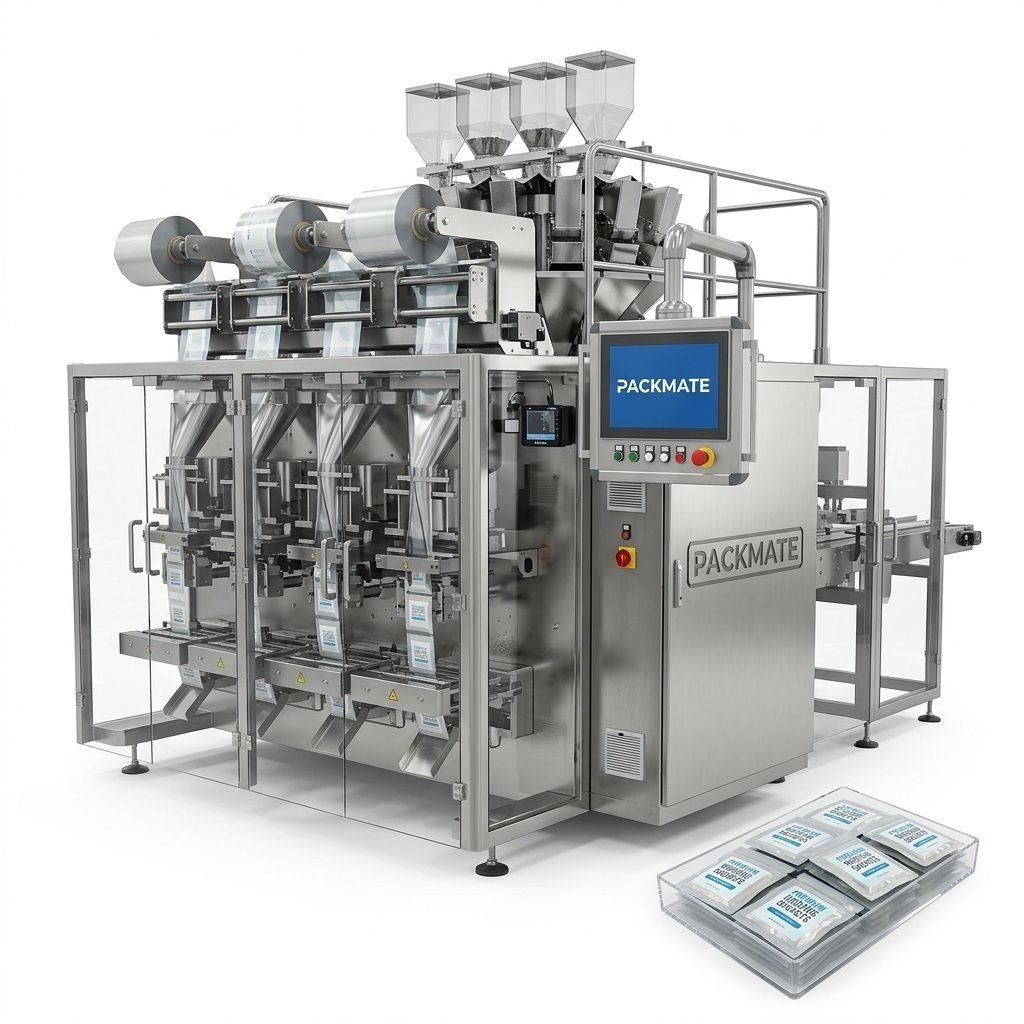
Entering Liberia’s snus or nicotine pouch market requires more than a good product — it demands the right packaging machinery partner. This guide walks you step-by-step through selecting a reliable snus packaging machinery supplier in Liberia, with practical checklists, local considerations, and actionable questions to ask vendors before you sign a contract.
Why the Right Packaging Partner Matters in Liberia
Liberia’s tropical climate, infrastructure realities and local trade customs make packaging decisions mission-critical. Machines that perform well in temperate factories can fail quickly under high humidity, unstable power supply, or heavy informal-market usage. Choosing the right supplier reduces downtime, improves product shelf life, and helps maintain regulatory compliance — all of which protect your brand and margins.
Key Local Factors to Consider
- 🔶 Climate: high humidity and heat — choose corrosion-resistant materials and sealing technologies.
- 🔶 Power stability: frequent voltage fluctuation — require voltage stabilization and backup plans.
- 🔶 Market channels: strong informal retail networks — durable packaging and clear labeling are essential.
- 🔶 Regulatory landscape: labeling and health warnings vary — ensure customizable printing and compliance options.
Step 1 — Verify Manufacturer Credentials and Experience
Start with proven experience in snus and nicotine pouch equipment. Look for a supplier with a track record in small-dose pouch systems, multi-lane lines, and a broad model range. Suppliers like Packmate have decades of engineering and tailored snus packaging solutions — reviewing their company history and certifications gives you confidence in longevity and technical depth:
About Packmate.
What to check
Ask for factory photos, production capacity, and model catalogues. Confirm CE/ISO or equivalent certifications and test reports. Request case studies or references from customers in similar climates or markets; a supplier who has served West Africa, or humid tropical environments, is preferable.
Step 2 — Technical Fit: Machine Types and Production Needs
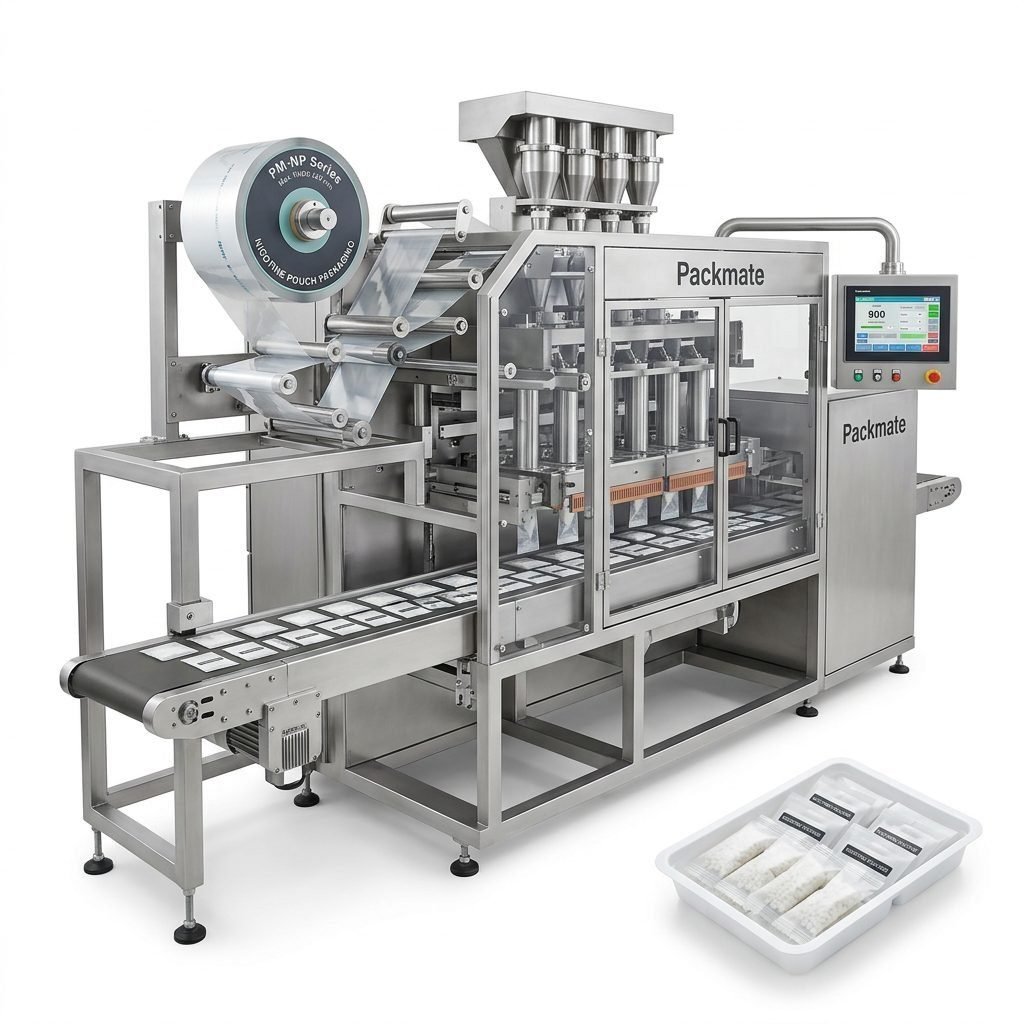
Choose machines that match your product format (sticks, sachets, multi-lane pouches), output targets, and future scalability. If you’re producing nicotine pouches or snus, consider high-performance multi-lane lines capable of accurately dosing small amounts, with gentle handling systems for powdery or sticky formulations.
Recommended machine categories to explore
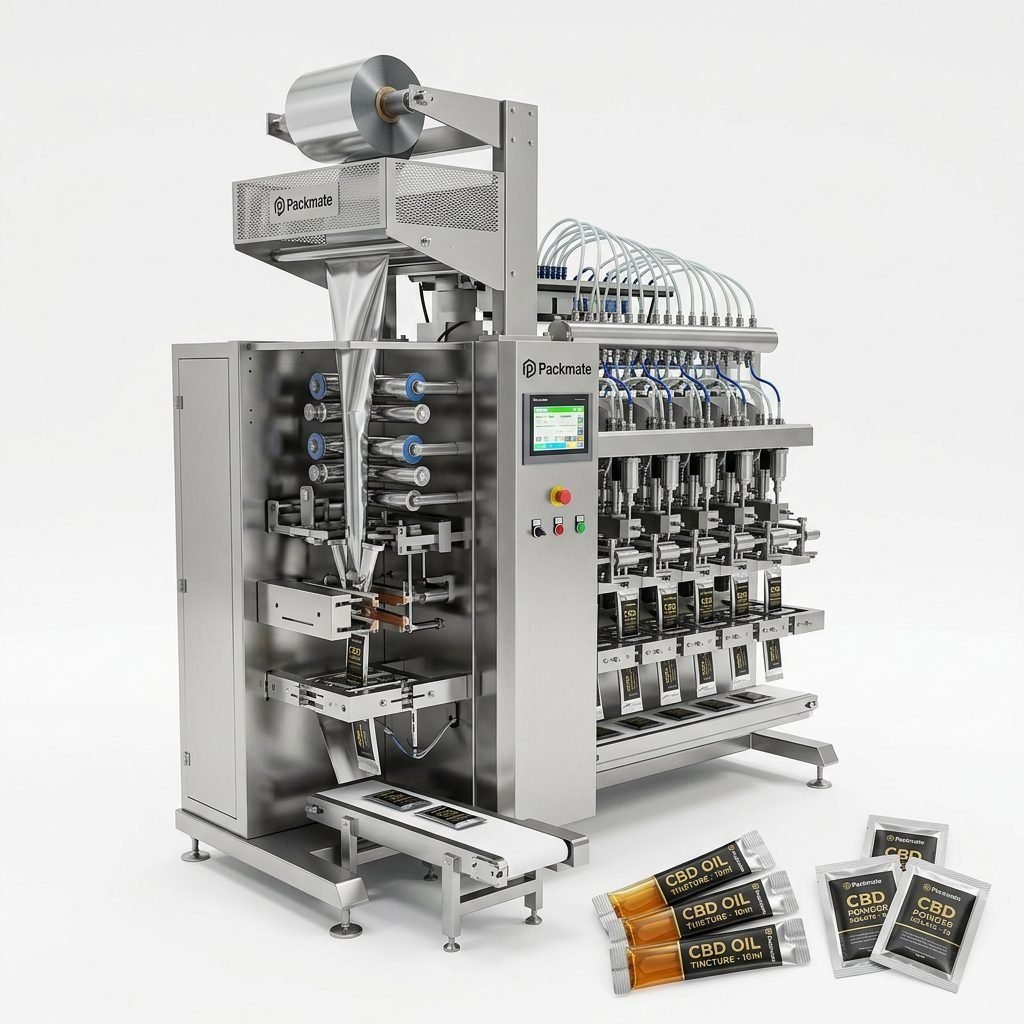
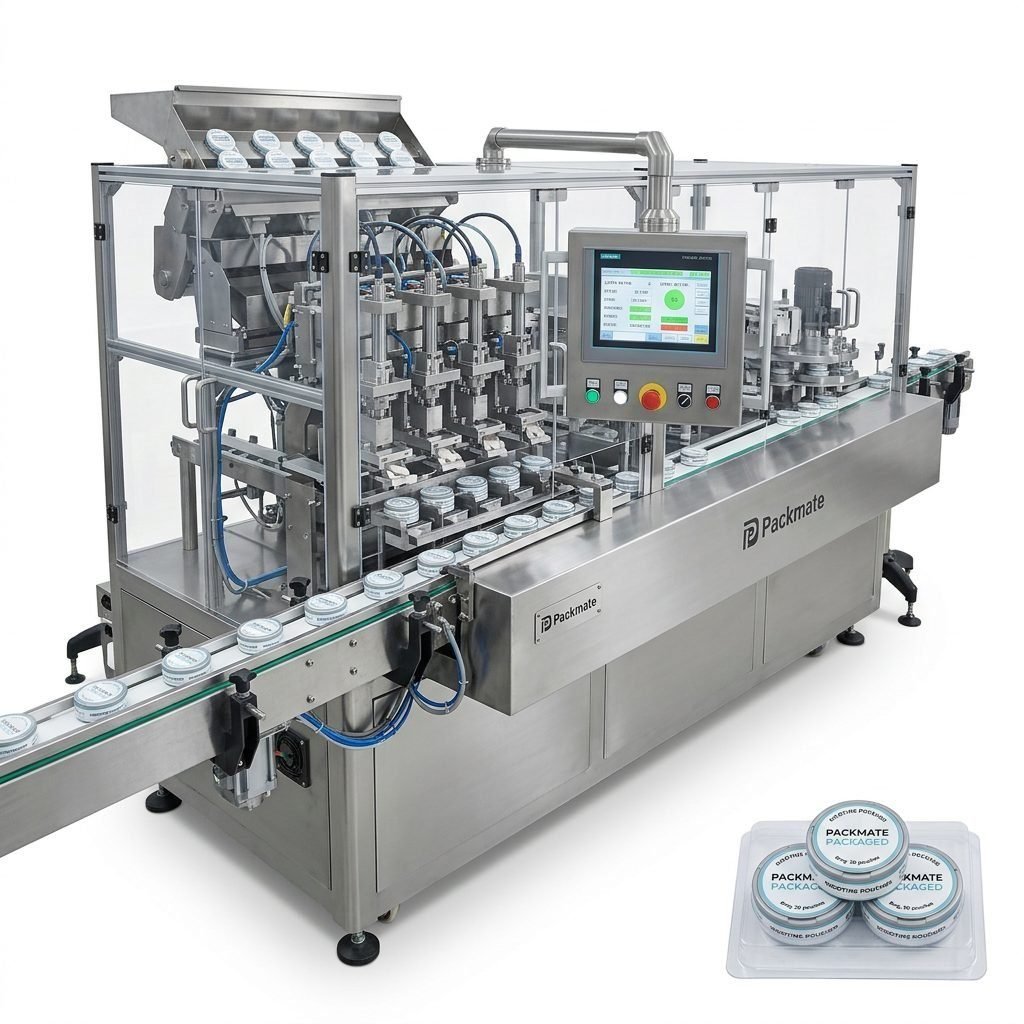
- ✅ Snus & Nicotine Packaging Machines — multi-lane, precision dosing (product link).
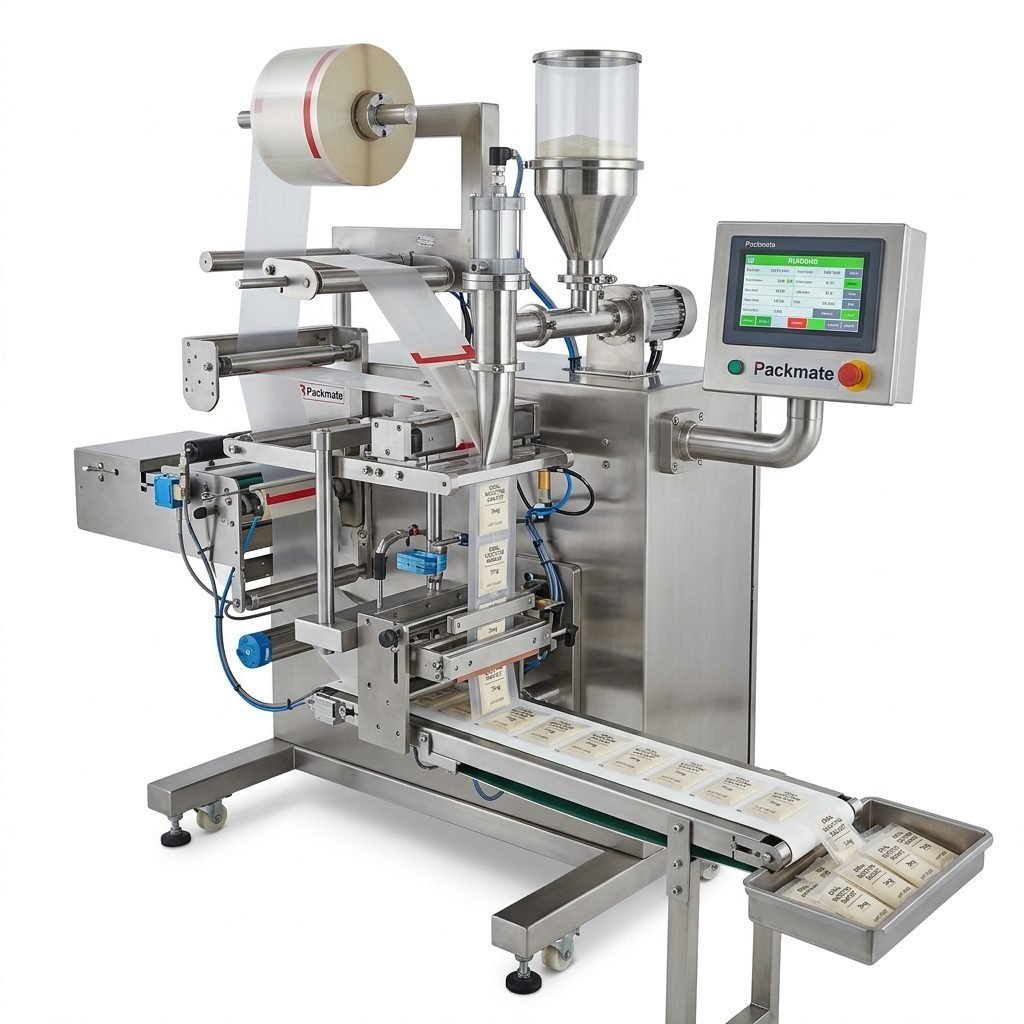
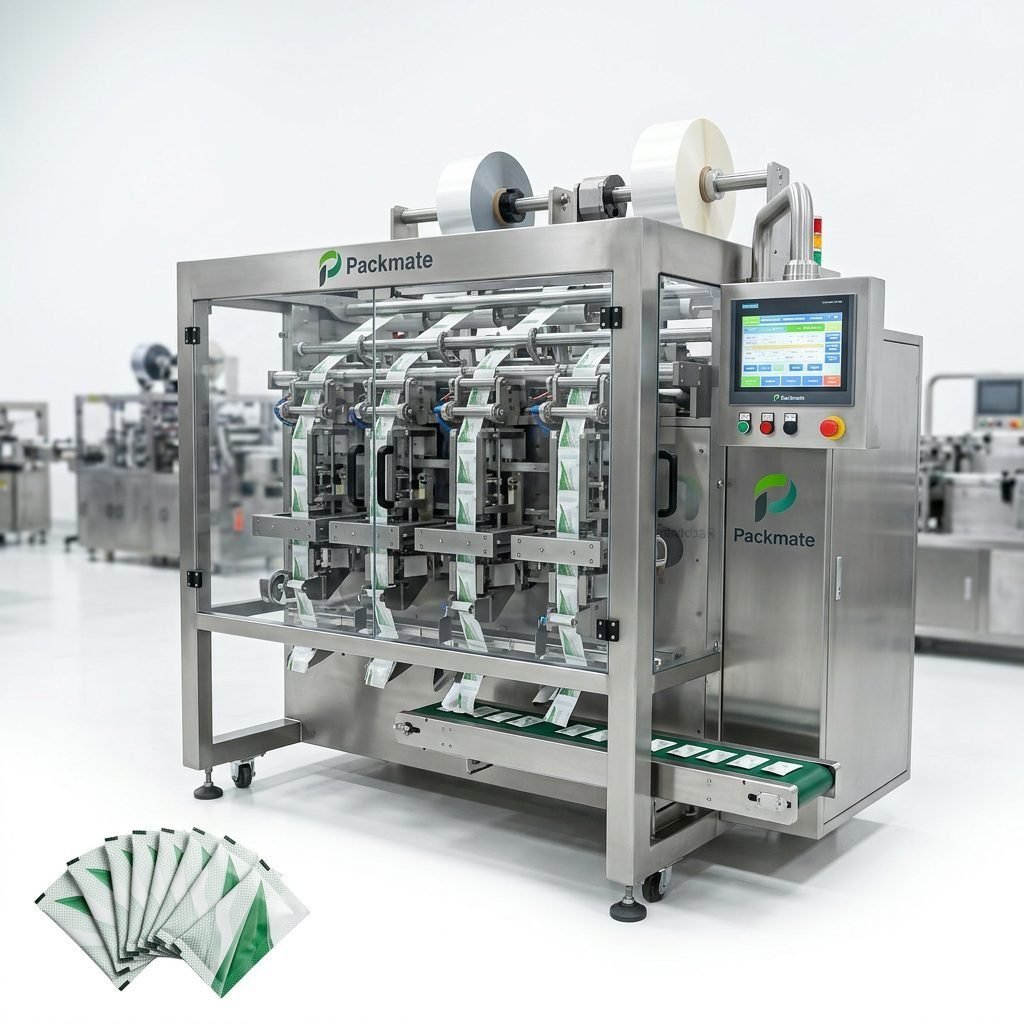
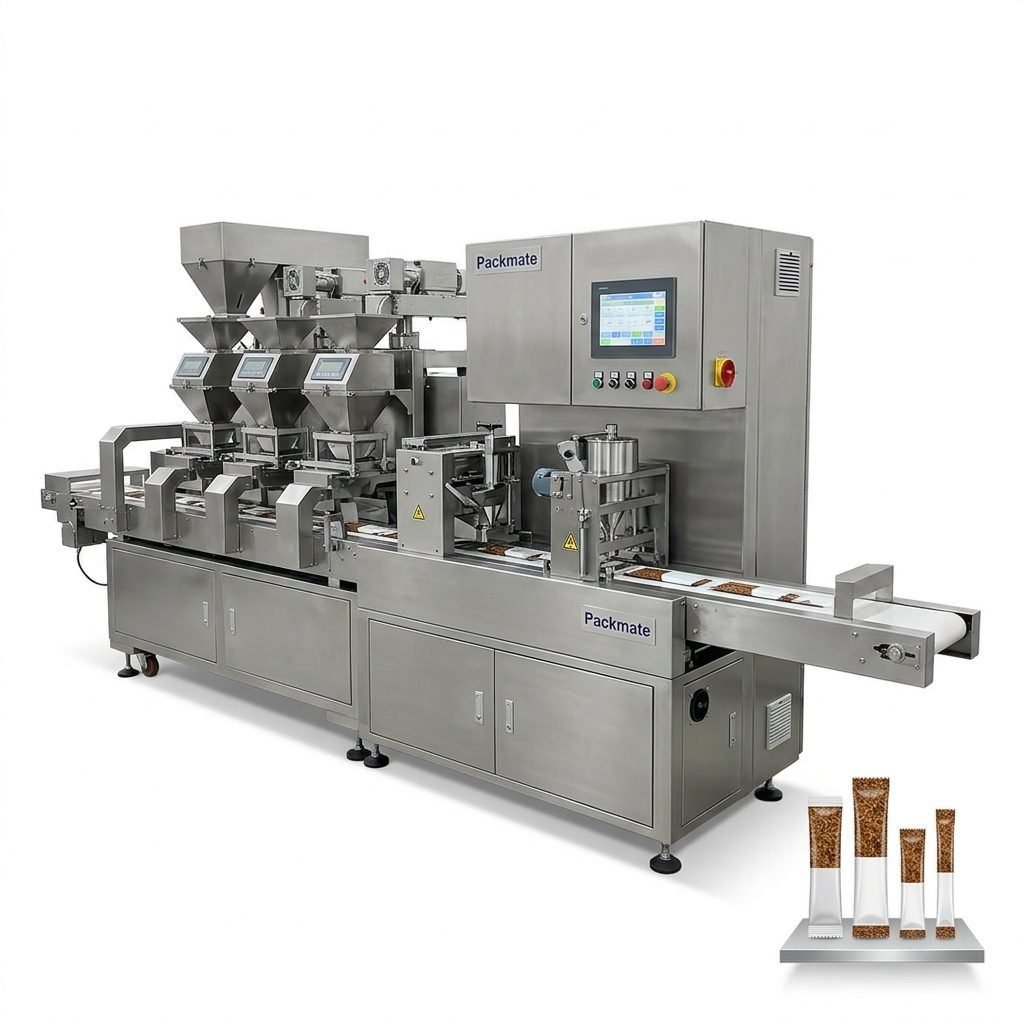
- ✅ Sachet & Stick Pack Machines — for single-dose, shelf-stable retail units (product link).
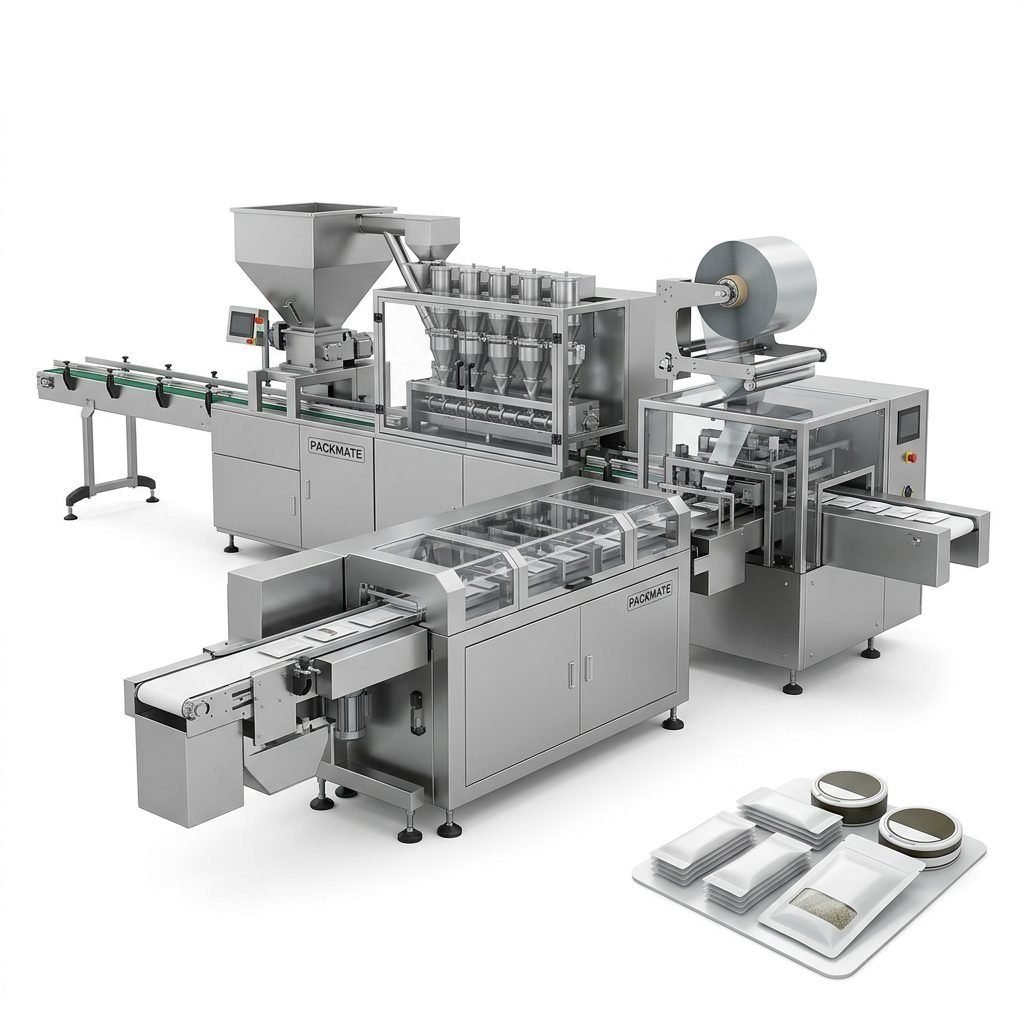
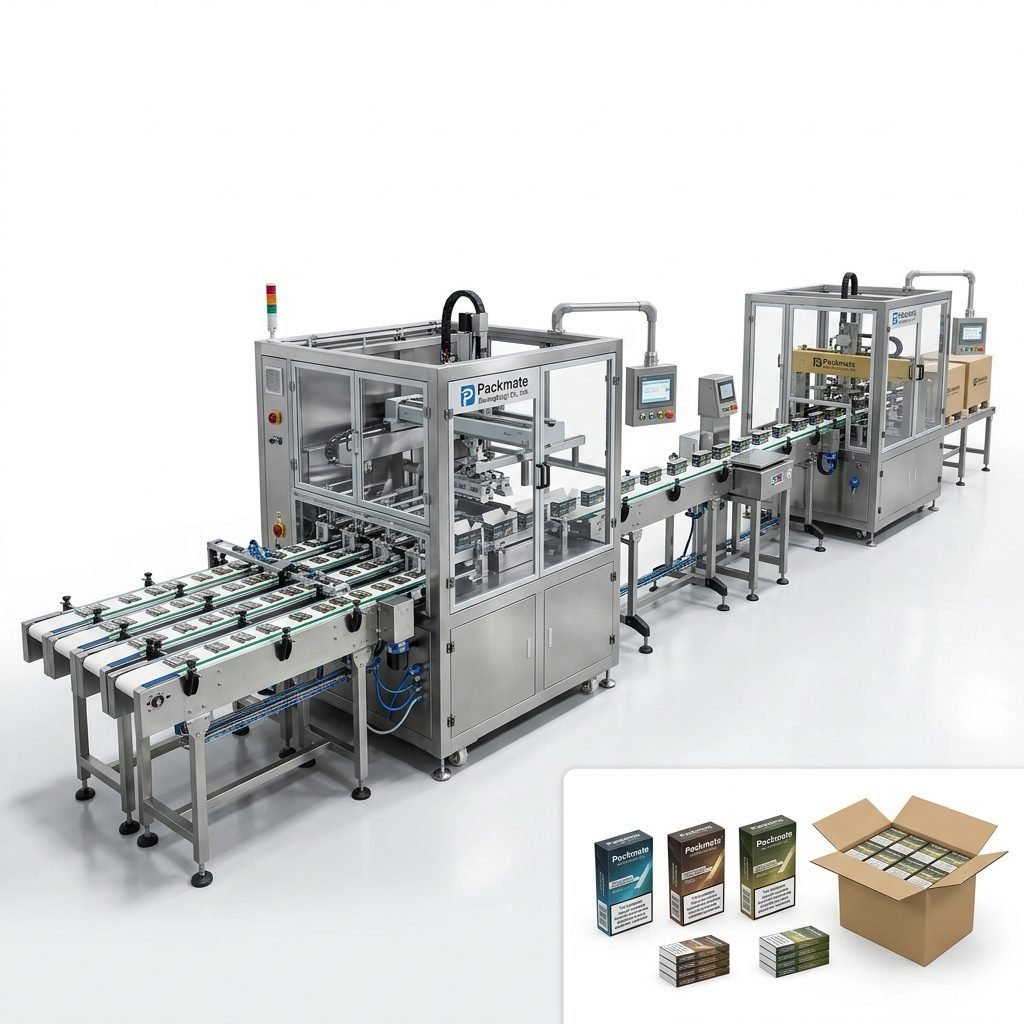
- ✅ Auxiliary equipment — feeders, conveyors, and pouch formers to ensure steady line output (auxiliary).
Step 3 — Quality, Materials and Climate Adaptation
Humidity and salt-laden air in coastal Liberia accelerate corrosion. Machines should be built with food-grade stainless steel (304 or 316 where applicable), sealed electrical cabinets, and anti-condensation measures. Confirm supplier testing routines for heat and humidity and ask about protective coatings or stainless finishes.
Durability checklist
– Corrosion-resistant fasteners and shafts; sealed bearings; IP-rated motors and control panels.
– Hygienic design for easy cleaning and maintenance in environments with limited cleaning water.
– Spare parts availability: local stocking or rapid international shipping to Liberia.
Step 4 — After-Sales Service, Training and Local Support
A machine shipped is only the start. Reliable suppliers include installation, commissioning, operator and maintenance training, and fast spare-part channels. In Liberia, consider suppliers who support:
Essential after-sales features
- 🔧 Remote diagnostics and PLC/drive backups to minimize on-site technician visits.
- 🔧 Video-guided maintenance and multilingual manuals (English is widely used in Liberia).
- 🔧 Spare-parts kits shipped with the first order and local stocking options.
- 🔧 Fast-response agreements and clear escalation paths (SLA).
Step 5 — Commercial Terms, Shipping and Local Compliance
Negotiate clear commercial terms including delivery Incoterms (FOB, CIF), lead times, payment schedules, and warranty coverage. Confirm customs documentation necessary for Liberia (commercial invoice, packing list, certificate of origin, CE/ISO certificates if applicable). Work with suppliers who provide full export documentation and freight coordination assistance.
Smart negotiation points
– Ask for a breakdown of delivery timeline with milestones for manufacturing, testing, shipment and commissioning.
– Request a warranty that includes both parts and workmanship and clearly defined exclusion conditions.
– Include training and initial spare parts in the contract or as a bundled option.
Step 6 — Test Runs, FAT and SAT
Insist on a Factory Acceptance Test (FAT) before shipment. A FAT should simulate real materials and production speeds. After arrival in Liberia, a Site Acceptance Test (SAT) confirms performance under local conditions. Proper FAT/SAT saves weeks of troubleshooting once the line is live.
What a FAT should include
– End-to-end test with your actual pouch materials and product formulation.
– Production speed verification, sealing integrity, and weight accuracy checks.
– Operator training sessions and run-time documentation.
Step 7 — Customization and Local Market Fit
Packaging preferences in Liberia may favor robust retail formats and clear health labeling in English. Consider customizable printing options for different markets, and evaluate barrier films that extend shelf life in tropical climates. Work with suppliers who offer modular lines that can adapt to changes in pouch format, materials, or labeling needs.
Packaging considerations specific to Liberia
– UV-resistant inks and high-barrier films to resist heat and humidity.
– Resealable formats where consumers store products for several days.
– Clear health warnings and multilingual labels if you intend to export to neighboring countries.
Choosing a Trusted Supplier: What Good Suppliers Offer
Top suppliers combine technical excellence with international compliance and a global service network. Features to look for include:
- ⚙️ 30+ years of engineering experience and a wide model range.
- ⚙️ Strong manufacturing footprint with CNC centers and precision assembly lines.
- ⚙️ International certifications like CE and ISO and public case studies or exhibition presence.
- ⚙️ Turnkey solutions covering filling, weighing, and final packaging integration (filling lines).
Why Packmate is worth reviewing
Packmate (GuangDong) Co., Ltd. offers specialized snus and nicotine pouch machinery, with multiple machine models, global turnkey solutions and factory certifications. Reviewing vendor cases and exhibition history helps validate on-the-ground capabilities (case studies).
Practical Purchasing Checklist
Use this checklist when evaluating proposals and visiting factories (or doing virtual factory tours).
- 🔎 Verify certifications (CE/ISO) and review product datasheets.
- 🔎 Confirm materials (304/316 stainless steel) and anti-corrosion measures.
- 🔎 Check FAT/SAT procedures and inclusion of real-material testing.
- 🔎 Confirm lead time, spare-parts supply and on-site training scope.
- 🔎 Ensure documented warranty terms, service SLAs and escalation paths.
- 🔎 Request a reference list of customers in tropical regions or West Africa.
- 🔎 Validate shipping and customs support, and request sample packing lists.
Final Steps: Negotiation to Commissioning
After selecting a supplier, finalize contract terms including payment milestones, acceptance criteria, spare-part kits, and training schedules. Plan for a local pre-commissioning inspection and secure any necessary import permits. On arrival, schedule SAT and full operator training to ensure the line runs efficiently from day one.
Useful links and resources
Explore product pages and contact suppliers for quotes and factory tours:
Snus & Nicotine Packaging Machines,
Certificates,
Contact Us.
Conclusion
Selecting a reliable snus packaging machinery supplier for Liberia is a strategic decision that balances technical fit, climate adaptation, after-sales support, and clear commercial terms. Prioritize vendors with proven snus experience, relevant certifications, robust local support options, and transparent FAT/SAT procedures to ensure smooth commissioning and long-term productivity.
Frequently Asked Questions
Q1: What certifications should I ask for?
Request CE and ISO certificates, plus any material test reports. These documents show compliance with international safety and quality standards.
Q2: How do I deal with power instability in Liberia?
Require suppliers to provide voltage stabilizers, soft-start mechanisms and recommendations for backup generators. Also consider remote monitoring to detect electrical anomalies early.
Q3: How important is FAT for snus machines?
Extremely important. A thorough FAT with your actual materials avoids surprises at site and confirms dosing accuracy, sealing integrity and production speeds.
Q4: Can supplier train local technicians?
Reputable suppliers provide on-site training and detailed manuals. Ask for multilingual support and remote troubleshooting tools to aid local teams.