Choosing the right snus packaging machinery supplier for your factory in Guinea-Bissau is a strategic decision that affects product quality, regulatory compliance, and long-term profitability. This guide walks factory owners and operations managers through practical steps to evaluate suppliers, align equipment with local needs, and ensure reliable after-sales support in a country where logistics, climate, and consumer habits have unique implications.
Understand the Guinea-Bissau Context
Guinea-Bissau is a small West African nation with a mix of Portuguese influences and diverse local cultures. When planning packaging equipment for nicotine pouches or snus, keep in mind: the official language is Portuguese, the population is distributed between urban centers like Bissau and rural regions, and the coastal, humid climate can affect machine performance and material storage. Local religious and social attitudes toward nicotine products may also influence packaging discretion, labeling language, and marketing approaches.
Why local conditions matter
Equipment that works reliably in temperate factories may require modifications for tropical humidity, salt air corrosion near the coast, and inconsistent power supply. Consider machines with protective coatings, sealed electrical cabinets, and voltage flexibility. Also, ensure packaging options respect consumer preferences for discreet, odor-controlled sachets or tins.
Quick Tip: Suppliers who have deployed machines in humid, coastal climates or in West African markets bring practical lessons on corrosion protection, preventive maintenance, and spare parts logistics — these attributes are often more valuable than the lowest initial price.
Key Technical Criteria for Snus Packaging Lines
When evaluating machinery, focus on performance metrics that affect daily operations and long-term throughput: packaging speed, lane configuration, filling accuracy, compatibility with different pouch types (single-dose pouches, sachets, stick packs), hygienic design, and ease of changeover. Machines should also comply with international safety and quality standards (CE, ISO).
Essential machine features
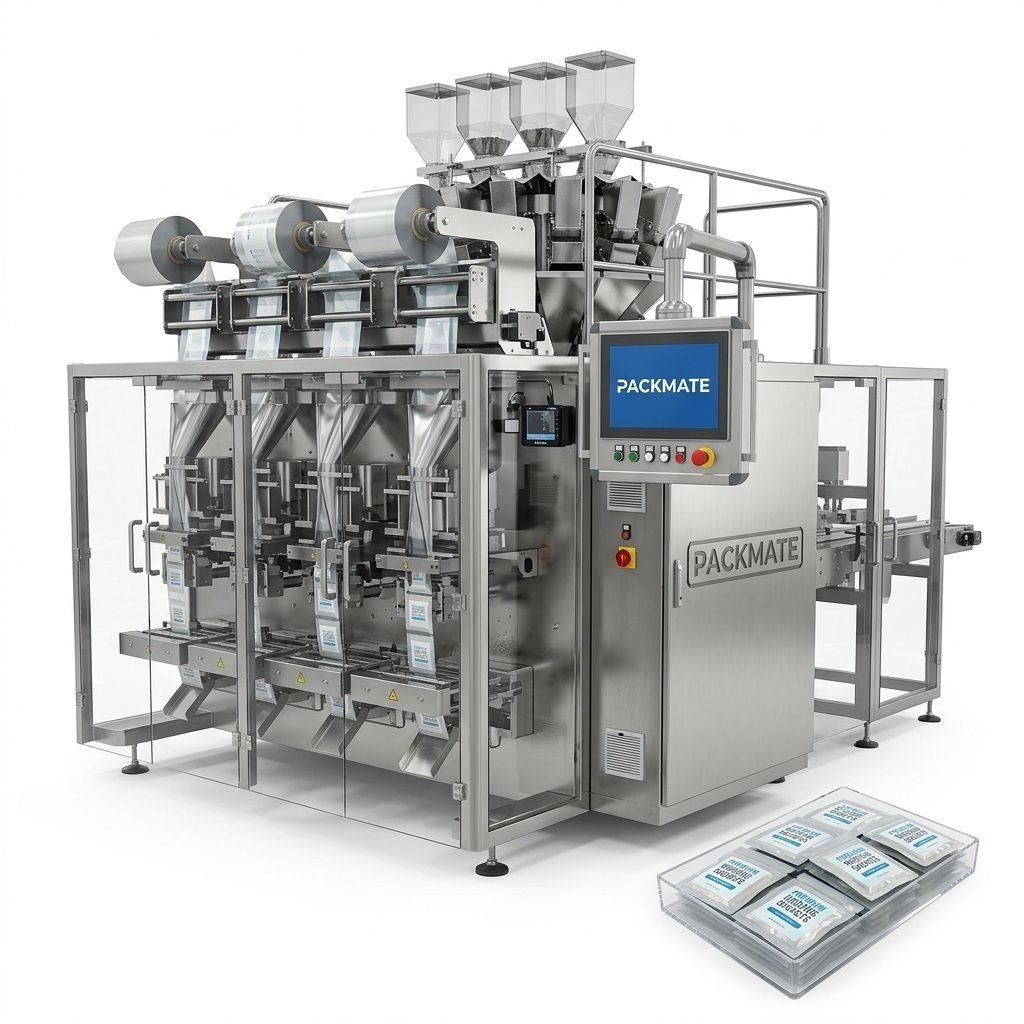
Look for: multi-lane capability for small-dose pouches, servo-driven controls for precise dosing, integrated weighing or volumetric systems, and modular designs that allow future upgrades. If you plan diversified products (tea, powder, granule), choose flexible lines from vendors offering cross-product solutions.
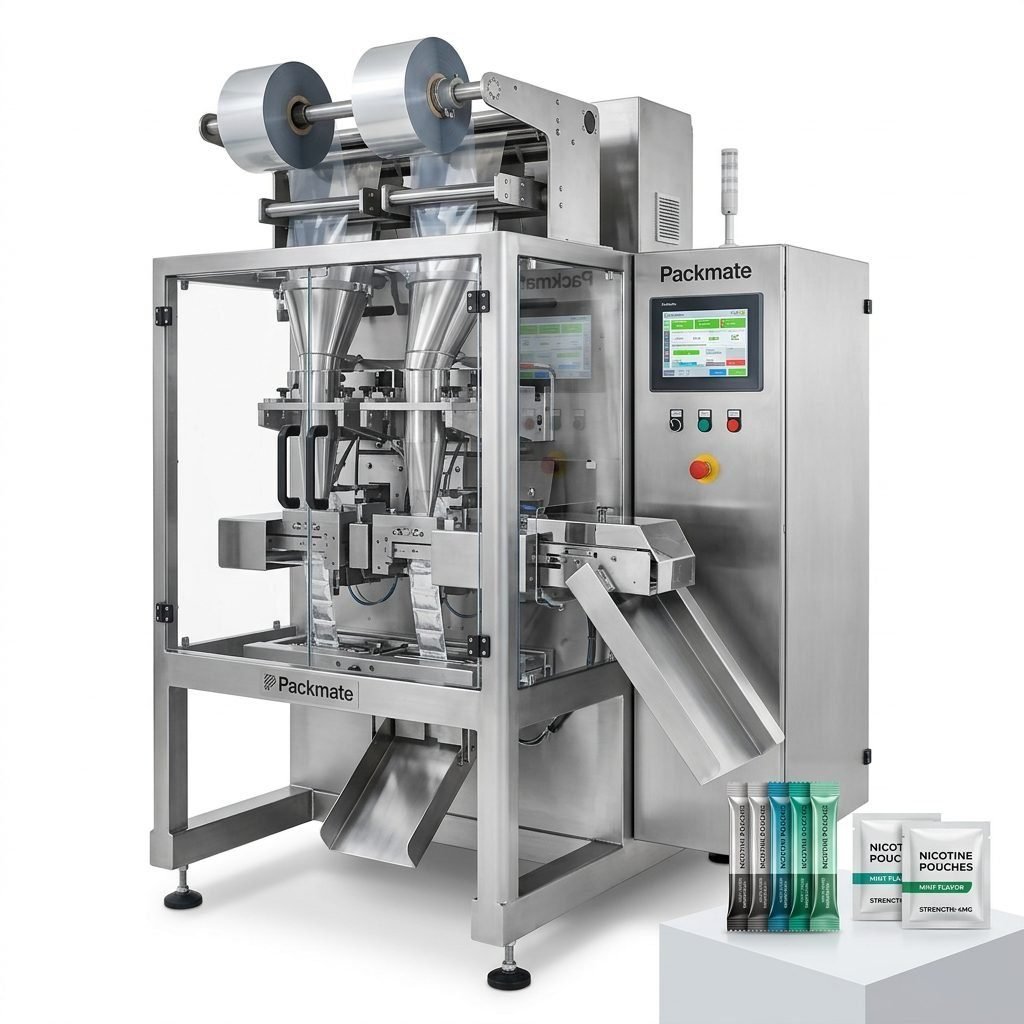
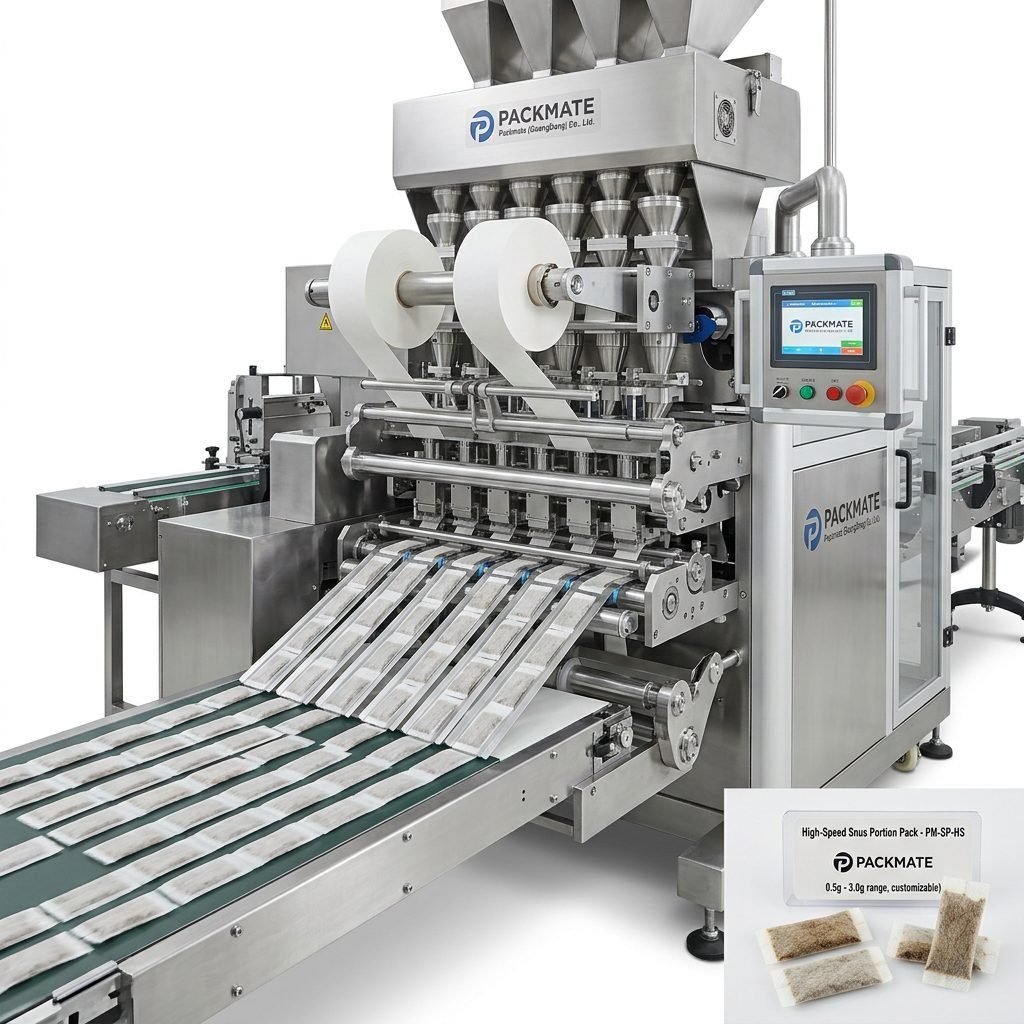
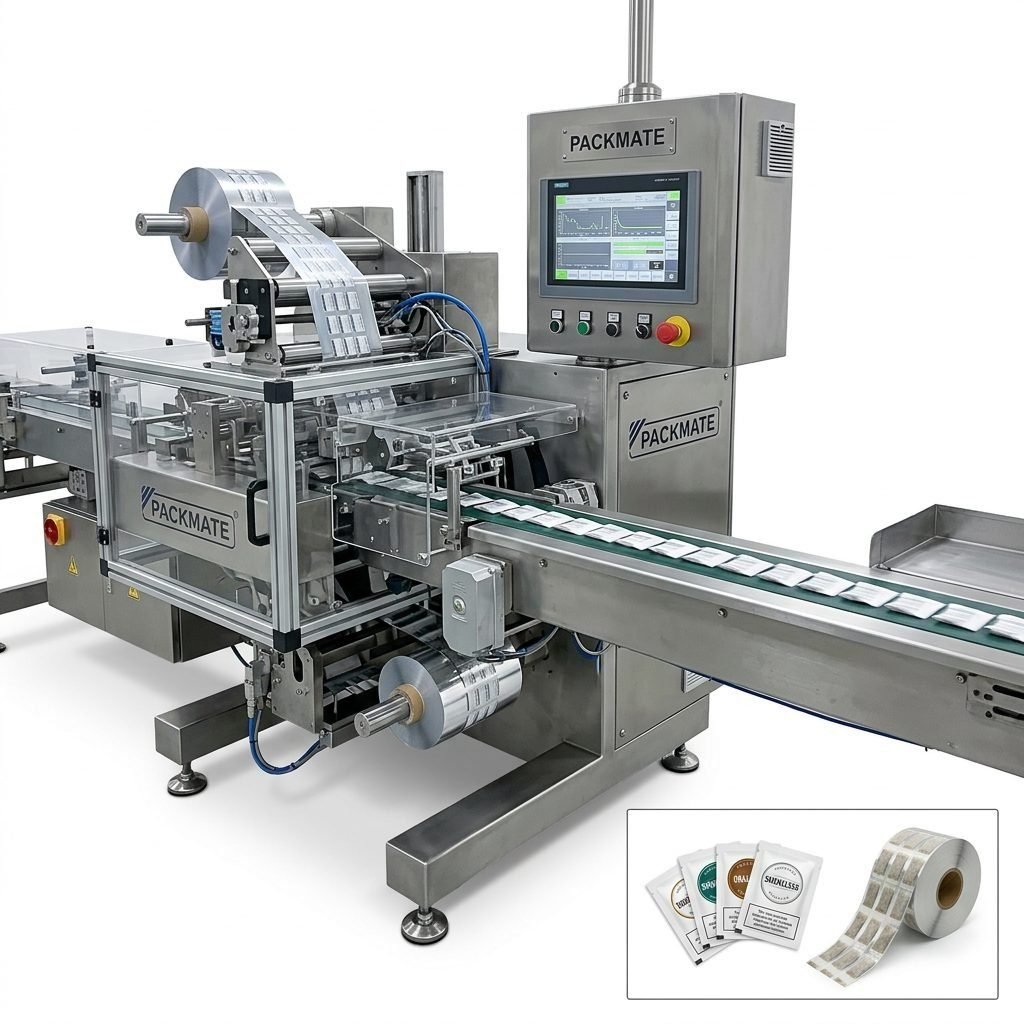
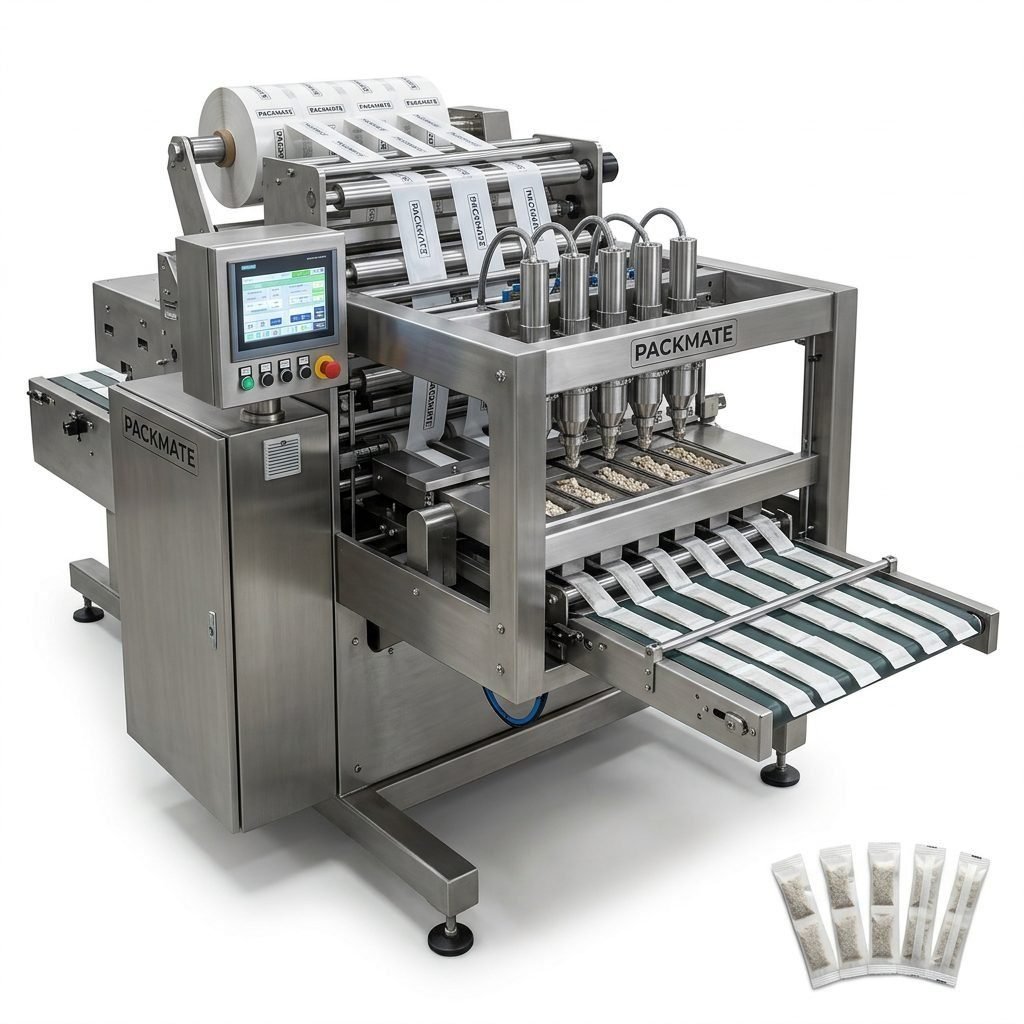
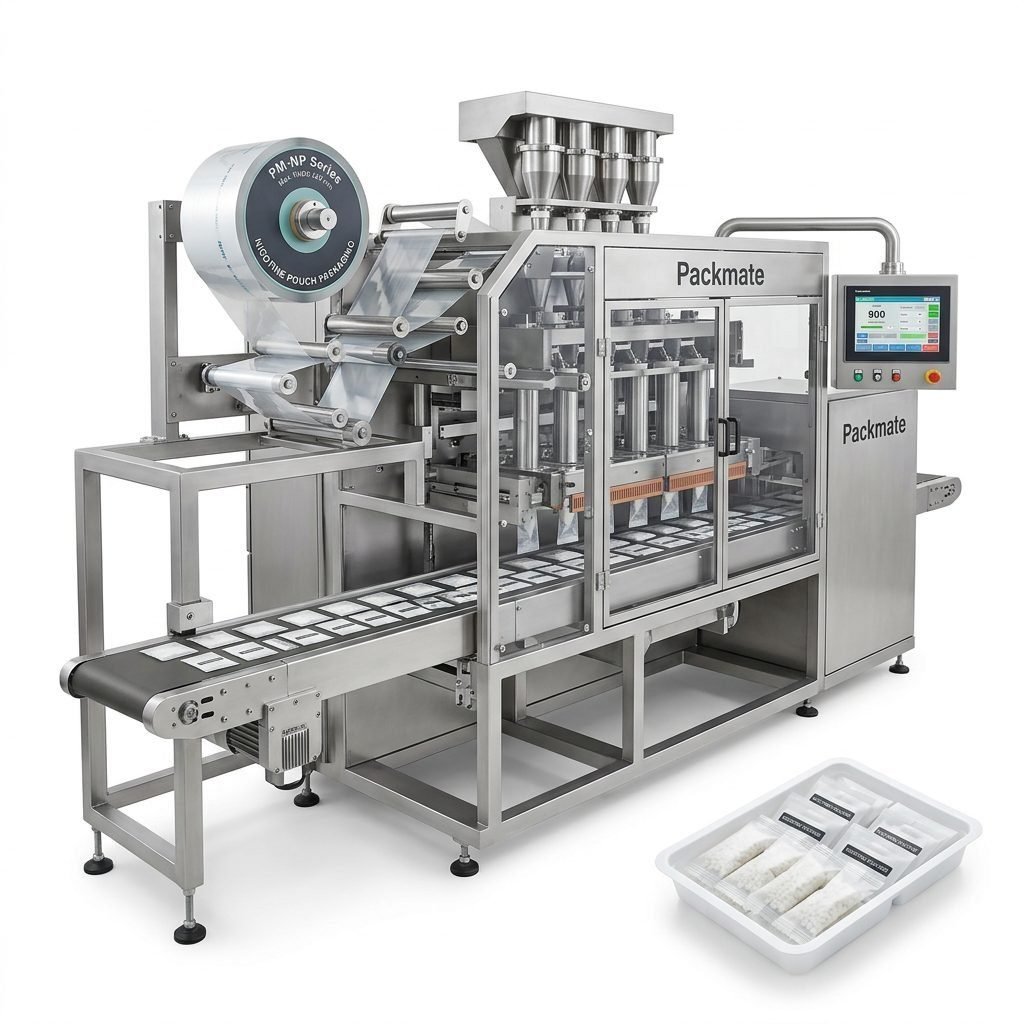
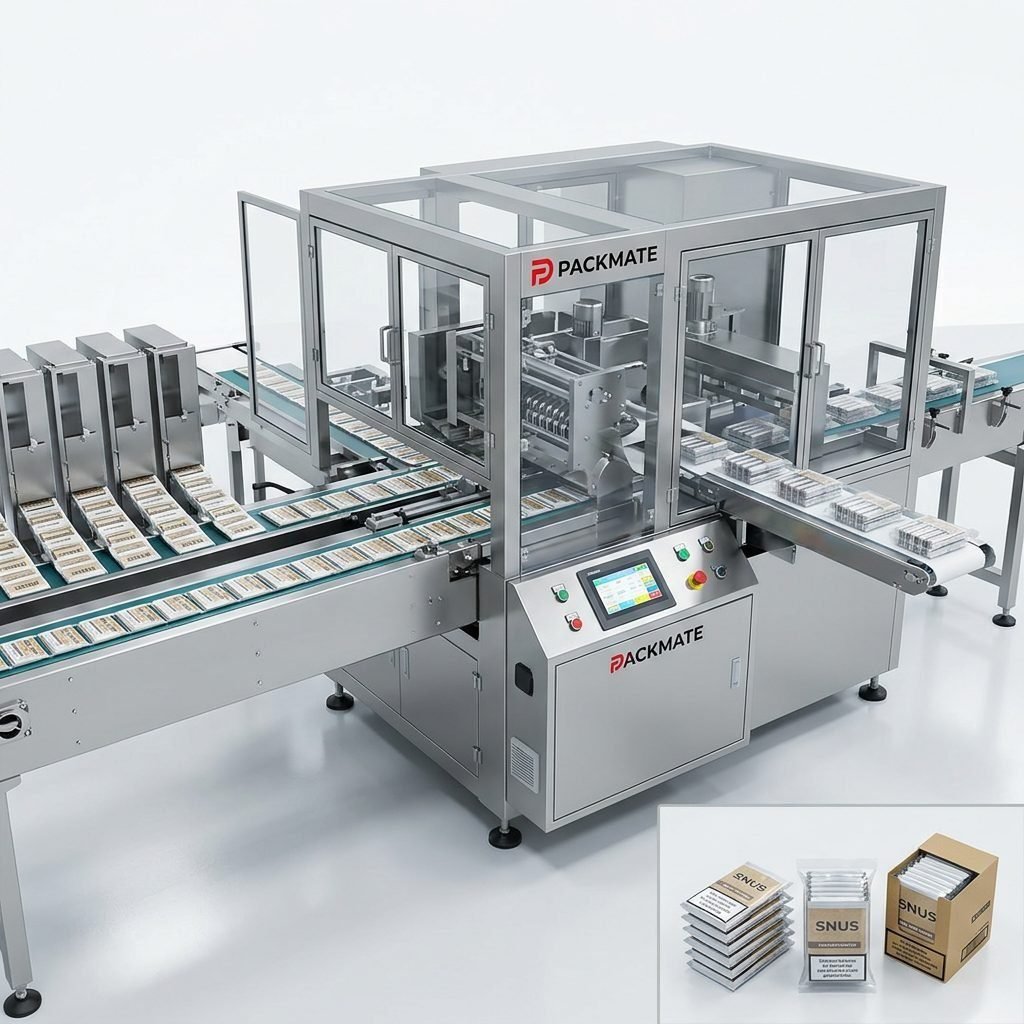
Suppliers like Packmate offer specialized lines for snus and nicotine pouches — review their product range such as Snus & Nicotine Packaging Machines and complementary systems like Weighing & Packaging Systems to assess full-line solutions.
Supplier Assessment Checklist
🔎 Factory capability: Verify the supplier’s manufacturing scale, CNC capabilities, and assembly processes. A strong factory footprint (e.g., 20,000㎡) indicates capacity to produce robust, tested machines.
🔧 After-sales service: Confirm availability of spare parts, local technical training, remote diagnostic support, and reasonable lead times for critical spares.
✅ Certifications & quality: Ask for CE/ISO certificates and case studies of similar implementations. Supplier case references help validate real-world reliability.
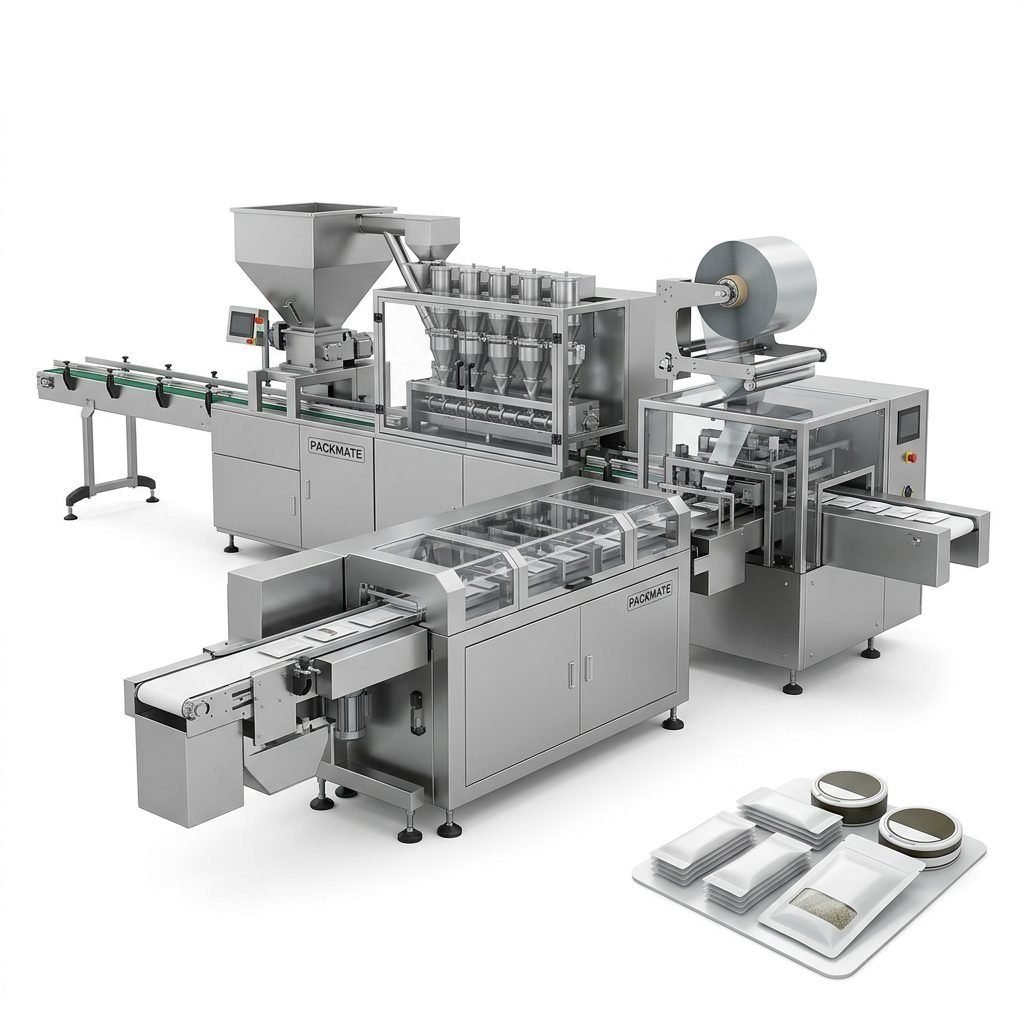
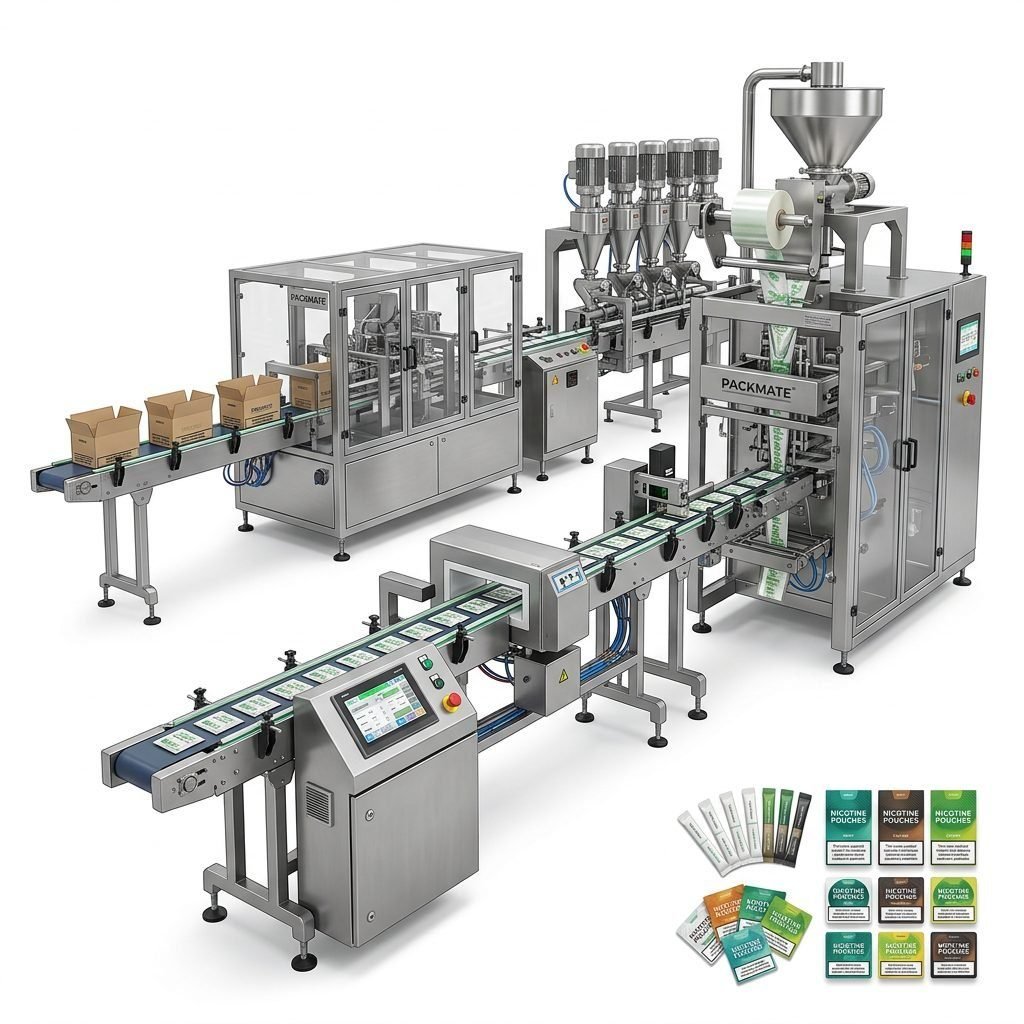
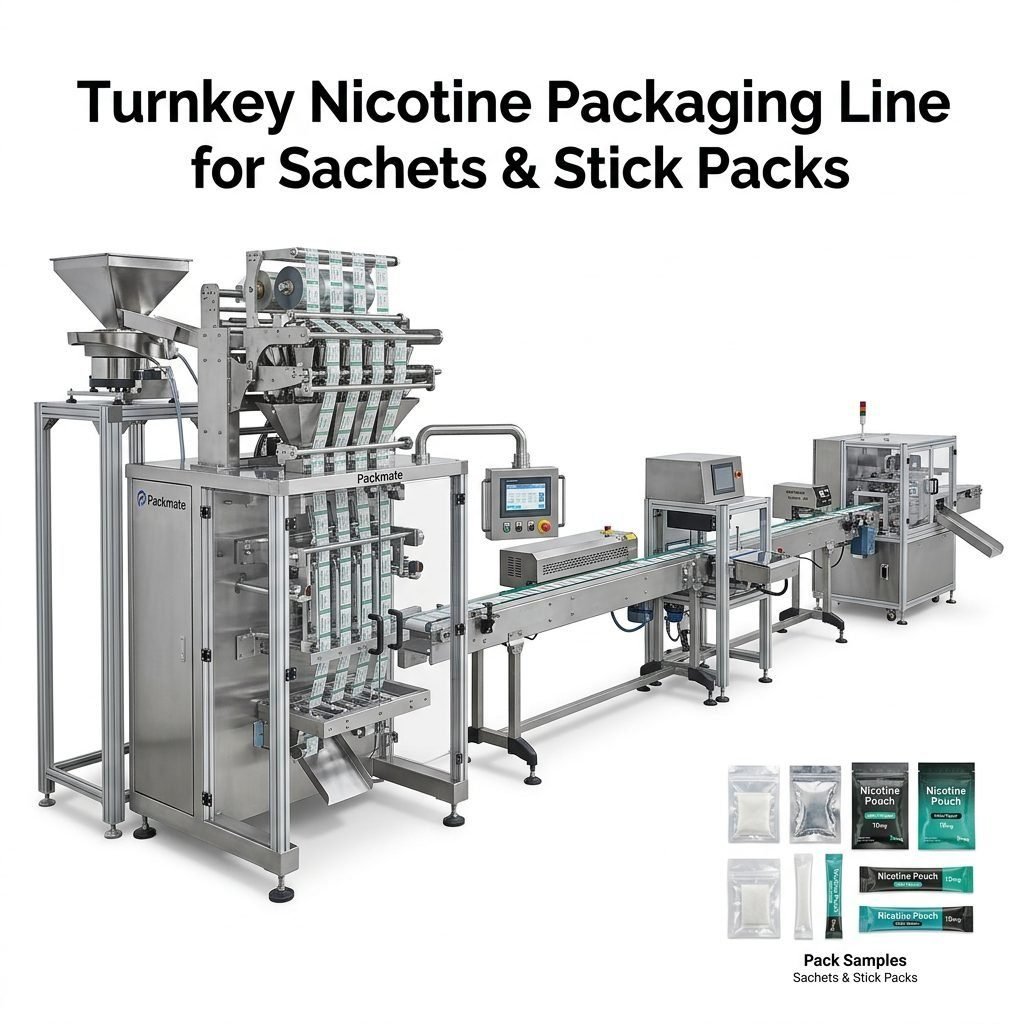
📦 Turnkey capabilities: If you need a full production line, choose vendors who provide integrated solutions including filling, packing, and auxiliary equipment — explore Filling & Packaging Lines for examples.
Commercial & Contract Considerations
Beyond technical match, pay attention to commercial terms: warranty length, payment terms, delivery schedule, installation & commissioning services, training for operators and maintenance staff, and performance guarantees. Request a clear service-level agreement (SLA) that covers response times for critical failures and spare parts delivery.
Negotiation tips
Insist on a FAT (Factory Acceptance Test) before shipment and an SAT (Site Acceptance Test) after installation. Include acceptance criteria such as speed, filling accuracy, and uptime targets. For Guinea-Bissau, agree on clear logistics responsibilities — who handles customs clearance, transport to your plant, and import tariffs.
⚠️ Practical note: Shipping into Bissau may involve longer transit and handling times. Build buffer time into your production ramp-up schedule and confirm the supplier’s experience with West African logistics.
Local Regulatory & Cultural Sensitivities
Nicotine products can face regulatory scrutiny and varying consumer perceptions. In Guinea-Bissau, work with local legal counsel to ensure labeling complies with national rules, and consider Portuguese-language instructions and safety warnings. Culturally, many consumers value discreet and hygienic packaging; offering tamper-evident pouches or resealable formats can build trust.
Packaging design & consumer habits
Smaller urban retail outlets and kiosks often prefer compact, easy-to-stack multipacks. Consider flexible pack sizes and designs that protect contents from humidity — barrier films and desiccants are worth evaluating for coastal distribution.
Evaluate Supplier Reputation: Questions to Ask
When speaking with potential suppliers, ask targeted questions to uncover strengths and risks. Below are useful queries and what to look for in answers.
➤ Can you provide customer references in Africa or similar climates? Positive references demonstrate real-world performance.
➤ What is your lead time for spare parts and critical components? Short lead times are essential for minimizing downtime.
➤ Do you offer installation, training, and remote troubleshooting? Comprehensive support reduces ramp-up time and operator errors.
➤ Can you customize packaging formats, logos, and multilingual labeling? A supplier that supports design customization saves coordination time and tooling costs.
Inspecting the Manufacturer — What to Verify
If possible, visit the supplier’s factory or request a virtual tour. Inspect assembly areas, quality testing stations, and verify documentation. Check whether the manufacturer has experience with snus and nicotine pouch lines specifically, and review case studies or video demos of running machines.
For a deeper look at real implementations and supplier credibility, review published project references and exhibition history on pages such as Case and Our Exhibition.
Total Cost of Ownership (TCO) — Beyond Purchase Price
Evaluate TCO by factoring in energy consumption, spare parts, maintenance labor, downtime risk, and consumables (films, adhesives). In Guinea-Bissau, spikes in electricity cost or outages might make energy-efficient, quick-restart machines preferable. Also weigh training costs and whether the supplier can provide local technicians.
✔️ Checklist for TCO: initial price, installation & shipping, spare parts inventory, annual maintenance, expected lifetime, and consumable costs (films, seals). Ask the supplier for real-world energy use figures and mean time between failures (MTBF).
Why Packmate Could Be a Fit for Guinea-Bissau Factories
With over 30 years of engineering experience and a 20,000㎡ factory, Packmate offers specialized snus and nicotine pouch lines, modular multi-lane systems, and global turnkey solutions. Their portfolio includes stick pack and sachet machines and integrates weighing and auxiliary equipment — helpful if you want a single vendor for an entire line.
Explore product pages such as Bag & Pouch Packaging Machines and About Packmate to evaluate their machine models and company background before requesting quotes or FAT invitations.
Implementation Roadmap for Your Factory
1) Define product specifications (pouch size, materials, pack speed). 2) Shortlist suppliers and request detailed proposals and references. 3) Perform FAT or virtual demo and agree acceptance criteria. 4) Finalize contract with clear SLAs and spare parts lists. 5) Plan shipping, customs, and local installation with training. 6) Run SAT and start pilot production, collecting data to tune performance.
Pilot run priorities
During your initial production runs prioritize sealing integrity, dose accuracy, package hermeticity under humidity, and operator ergonomics. Document all deviations and work with the supplier to implement corrective actions.
Final Considerations & Next Steps
The right supplier combines strong engineering, proven field experience, and reliable after-sales support. For Guinea-Bissau, emphasize suppliers who understand tropical environments, provide robust logistics support, and can help localize labeling and packaging designs for Portuguese-speaking consumers.
🔧 Next steps: shortlist 2–3 suppliers, request FAT videos, obtain customer references in similar climates, and confirm spare parts lead times. Reach out via the supplier’s contact channels early to test responsiveness — for Packmate, see Contact Us.
Common Questions (FAQ)
Q1: How important is CE/ISO certification for snus packaging machines?
A: Certifications like CE and ISO demonstrate adherence to international safety and quality standards, which is useful if you plan to export or require recognized compliance. They also indicate mature manufacturing and quality-control systems.
Q2: What machine features reduce downtime in humid, coastal factories?
A: Look for stainless-steel or corrosion-resistant components, sealed electrical cabinets, humidity-tolerant sensors, and easy-to-clean designs. A supplier experienced with coastal installations can advise additional protective measures.
Q3: Can one supplier provide a complete turnkey snus line?
A: Yes — many vendors offer integrated filling, packaging, and auxiliary systems. Confirm they can handle project management, installation, and training, and review examples of turnkey projects such as those in the supplier’s Case studies.
Q4: How do I manage spare parts inventory for a remote location like Guinea-Bissau?
A: Maintain a critical spares kit (belts, sensors, sealing elements, PLC modules) on-site and establish clear re-order points. Ask the supplier about regional distributors, shipping timelines, and express parts options.
Q5: What role does local training play in successful deployment?
A: Comprehensive operator and maintenance training reduces human error, improves uptime, and accelerates production ramp-up. Prioritize suppliers that provide hands-on training during installation and offer materials in Portuguese when possible.