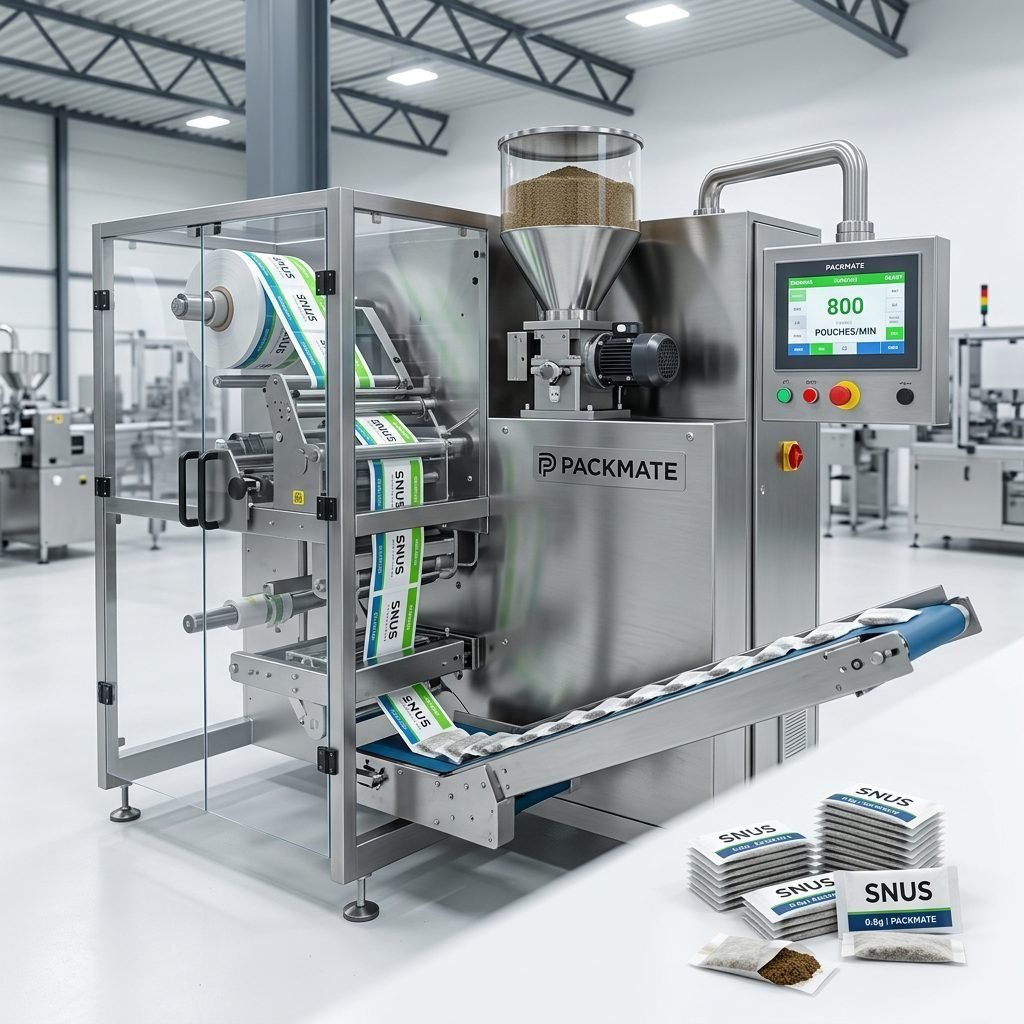
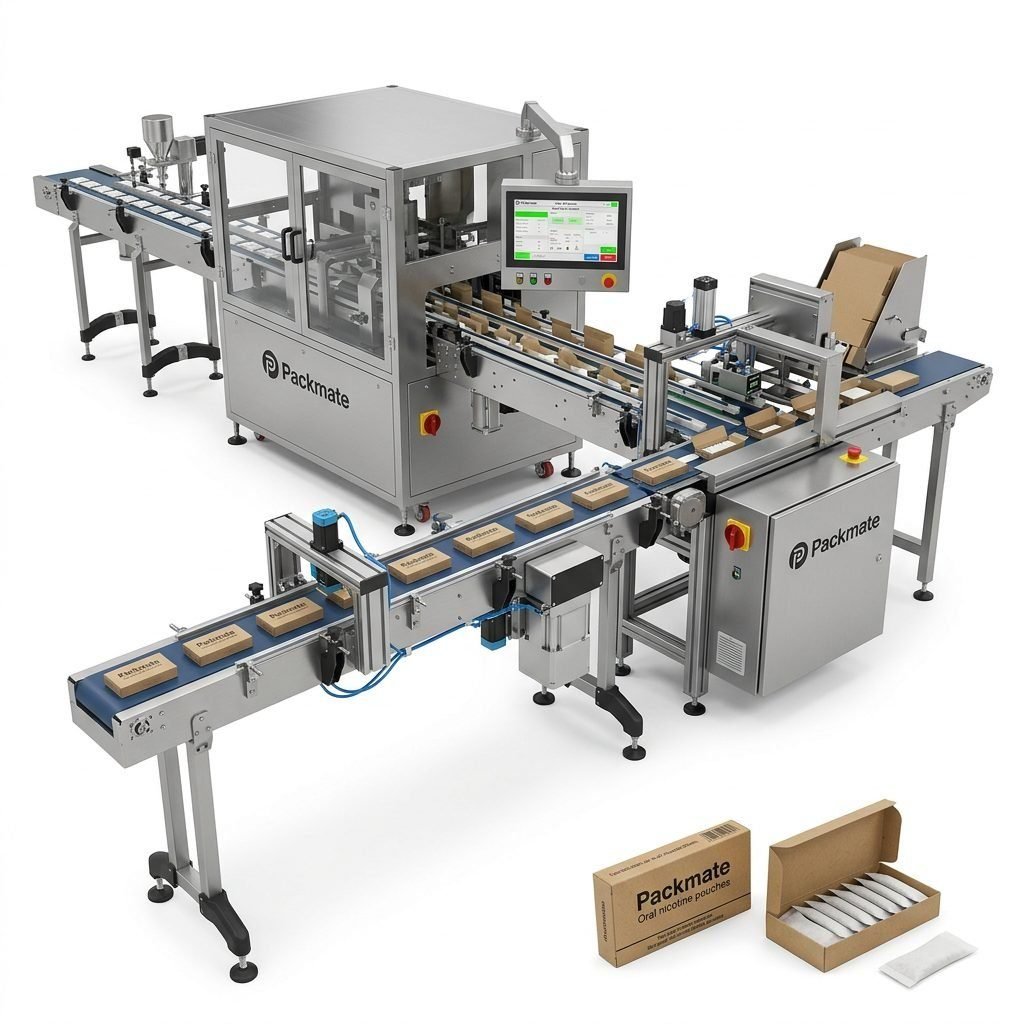
Selecting the right nicotine packaging machine supplier is a critical decision for manufacturers who want to scale production, ensure product safety, and protect their brand reputation. Whether you are producing snus, nicotine pouches, sachets, or stick packs, a supplier must deliver not only machines, but also reliability, compliance, and ongoing support. This guide walks you through the practical criteria, evaluation steps, and negotiation tips to choose the best supplier for your needs.
Why supplier selection matters
The right supplier affects more than machine uptime. It influences product consistency, speed to market, regulatory compliance, and total cost of ownership. A reputable supplier reduces production interruptions, helps you comply with CE/ISO and local regulations, and provides retrofit or expansion options as your product portfolio grows.
Key credentials and company strength to verify
Evaluate the manufacturer’s background and factory capabilities before shortlisting. Look for:
⚙️
Years of experience: Companies with decades of R&D and production experience usually achieve higher reliability. For example, firms that evolved from small workshops into full-scale factories demonstrate technical depth and iterative improvement.
🏭
Manufacturing scale & facilities: A 20,000㎡ factory with advanced CNC machining centers and precision assembly lines indicates the capacity to maintain quality and deliver at scale.
📦
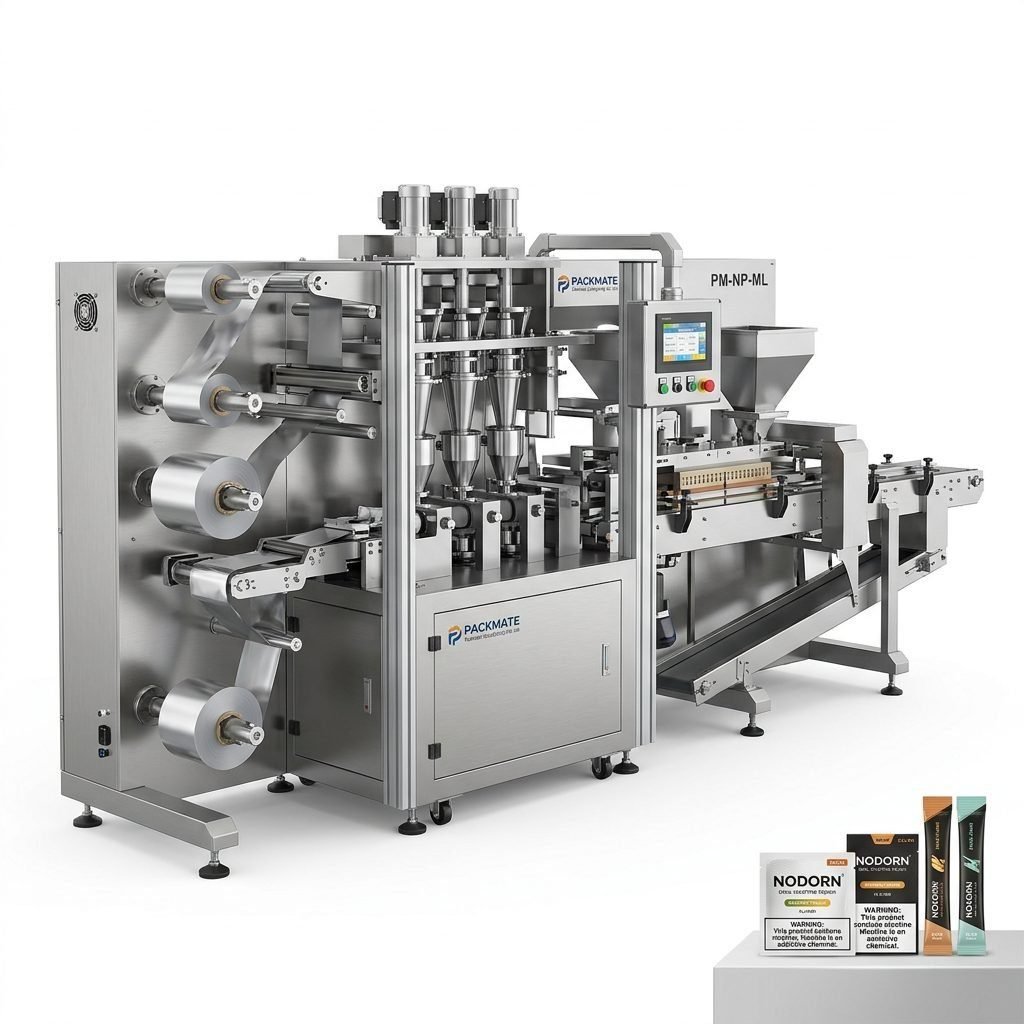
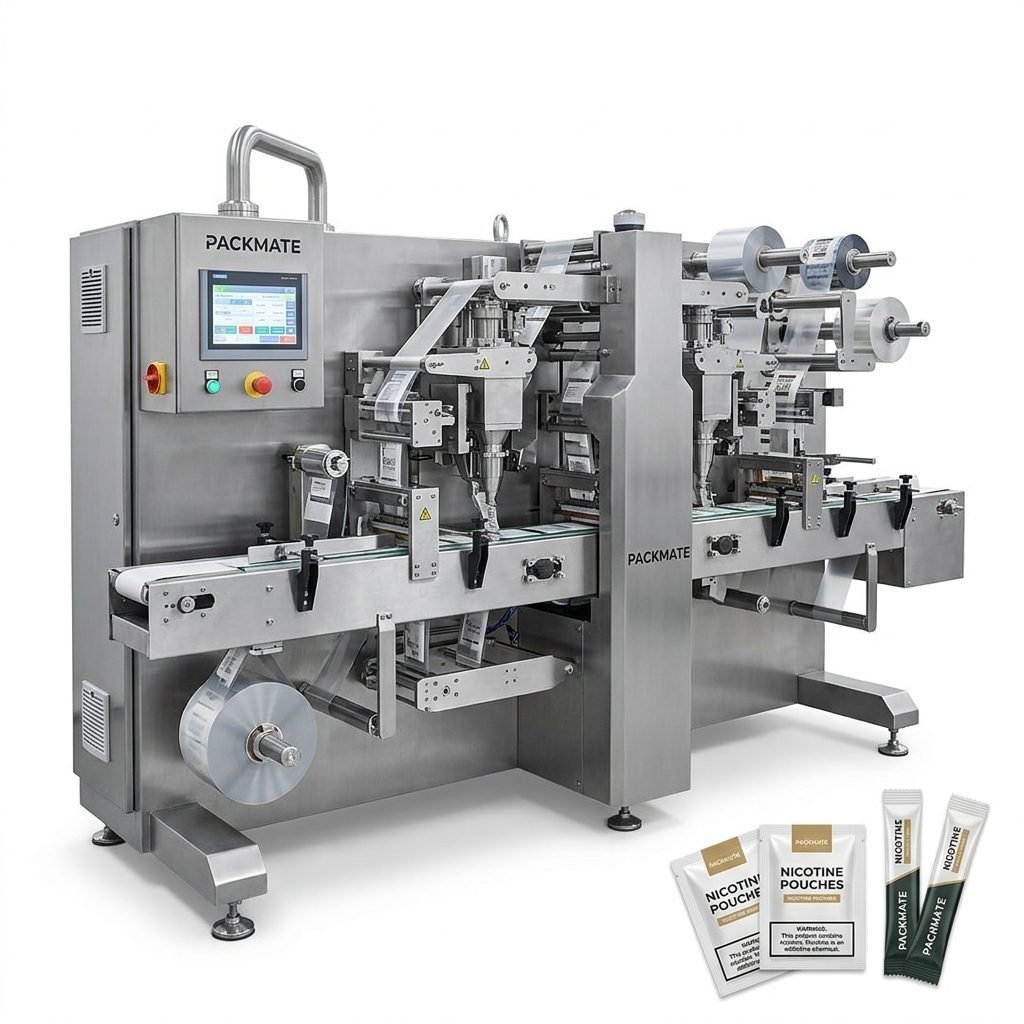
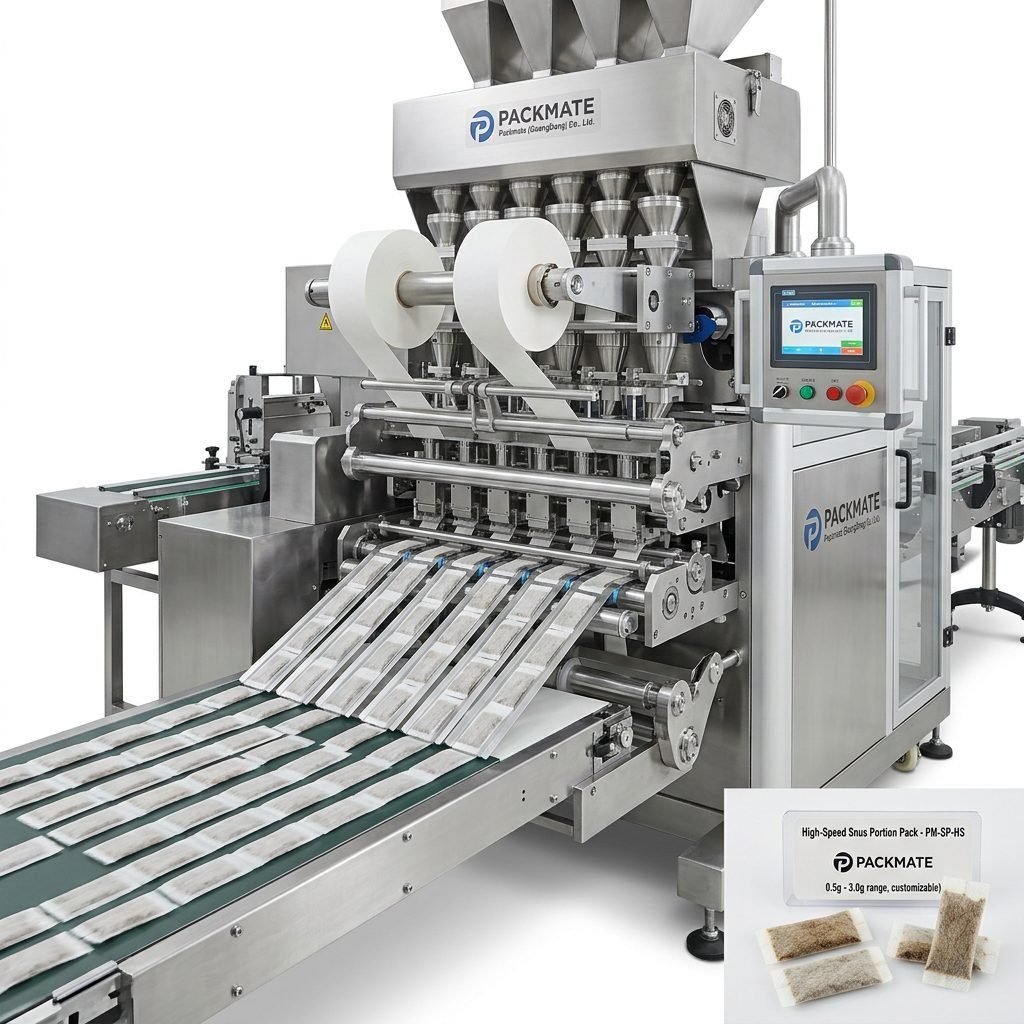
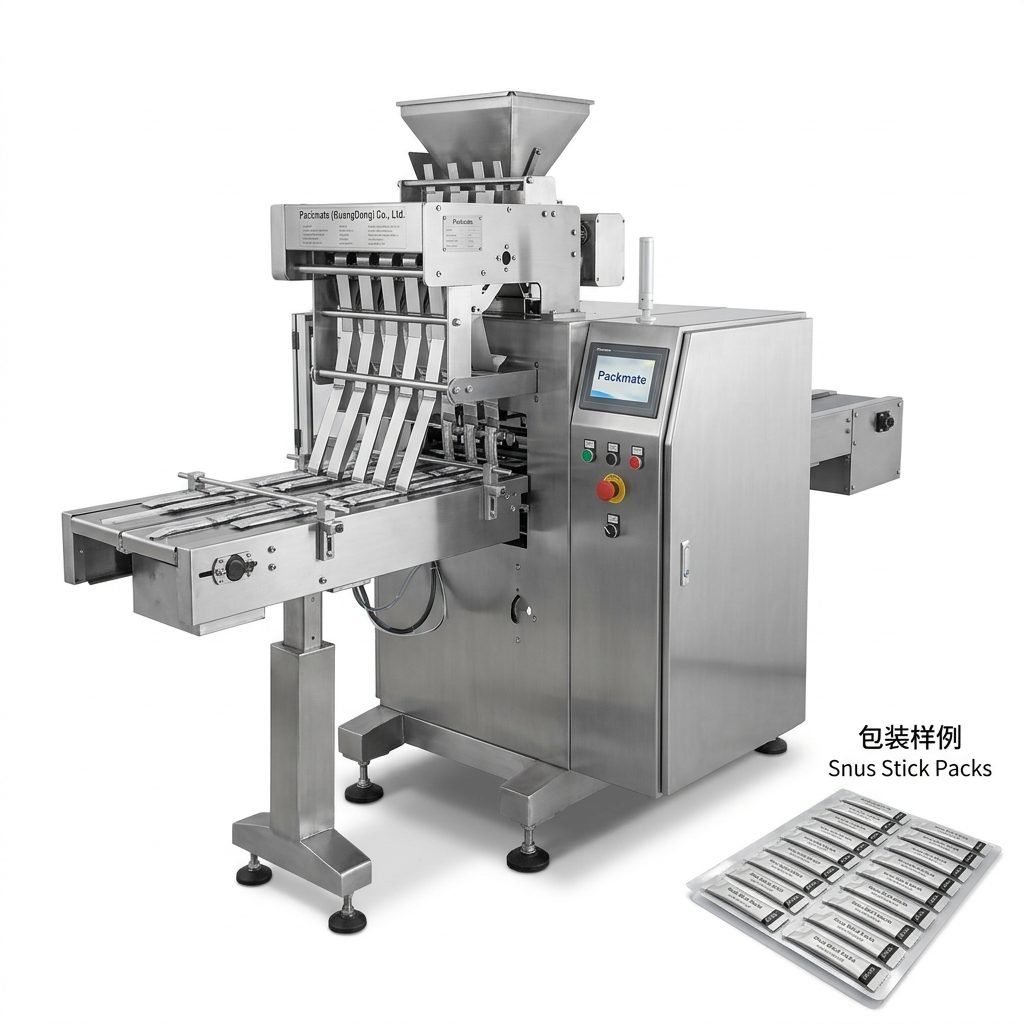
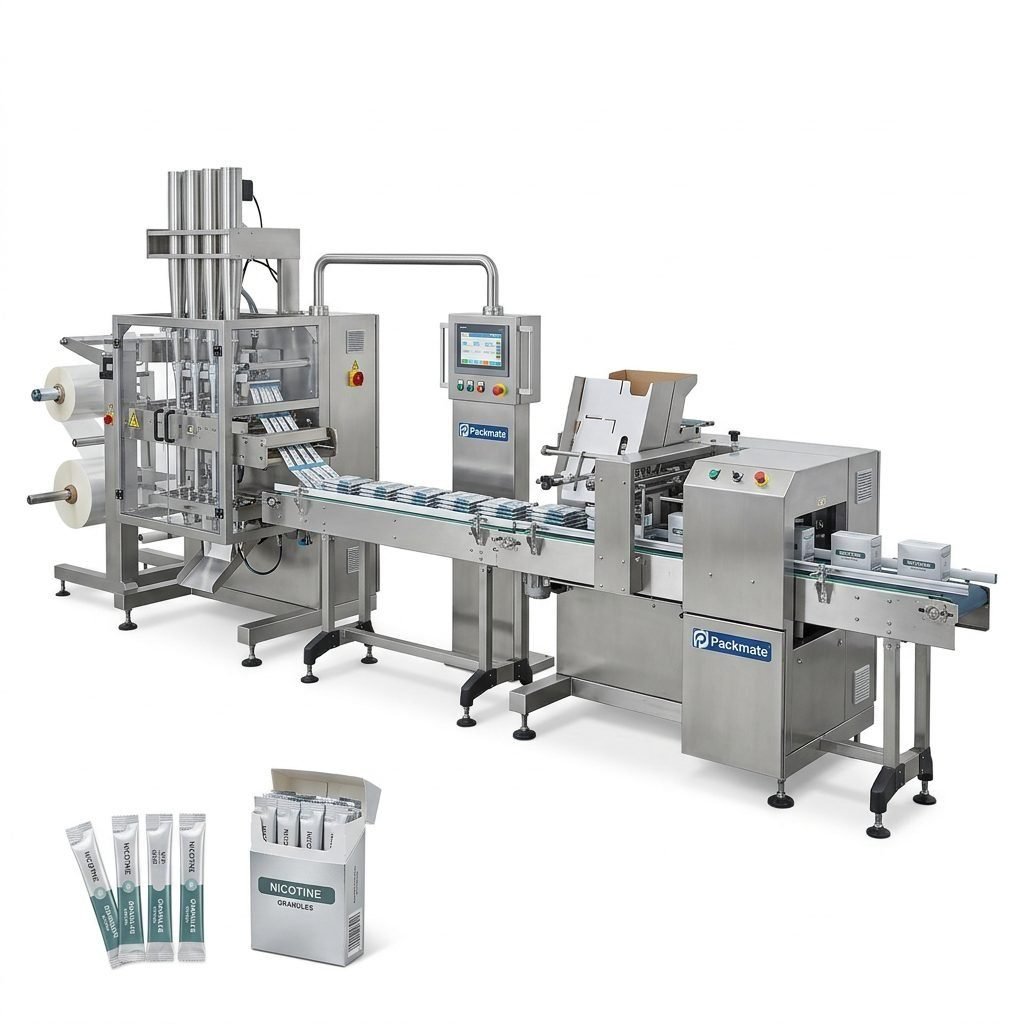
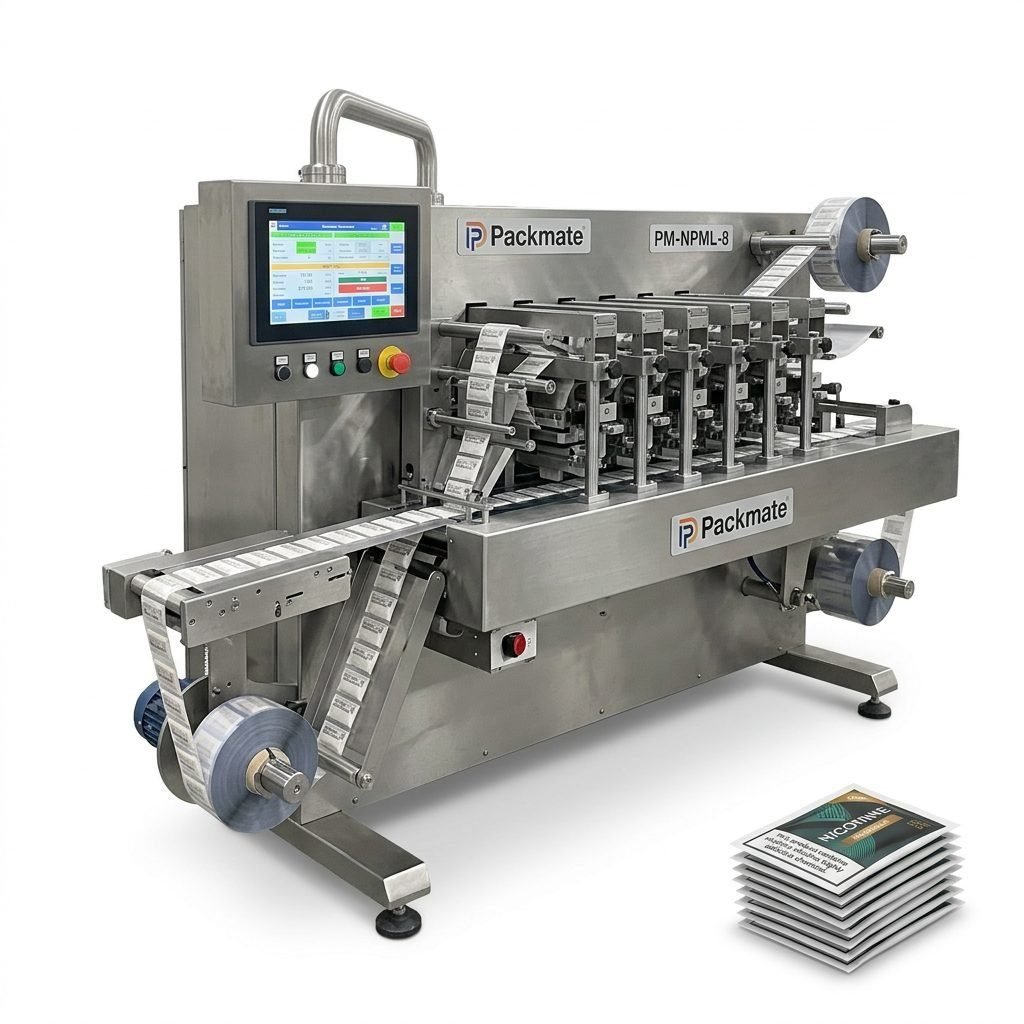
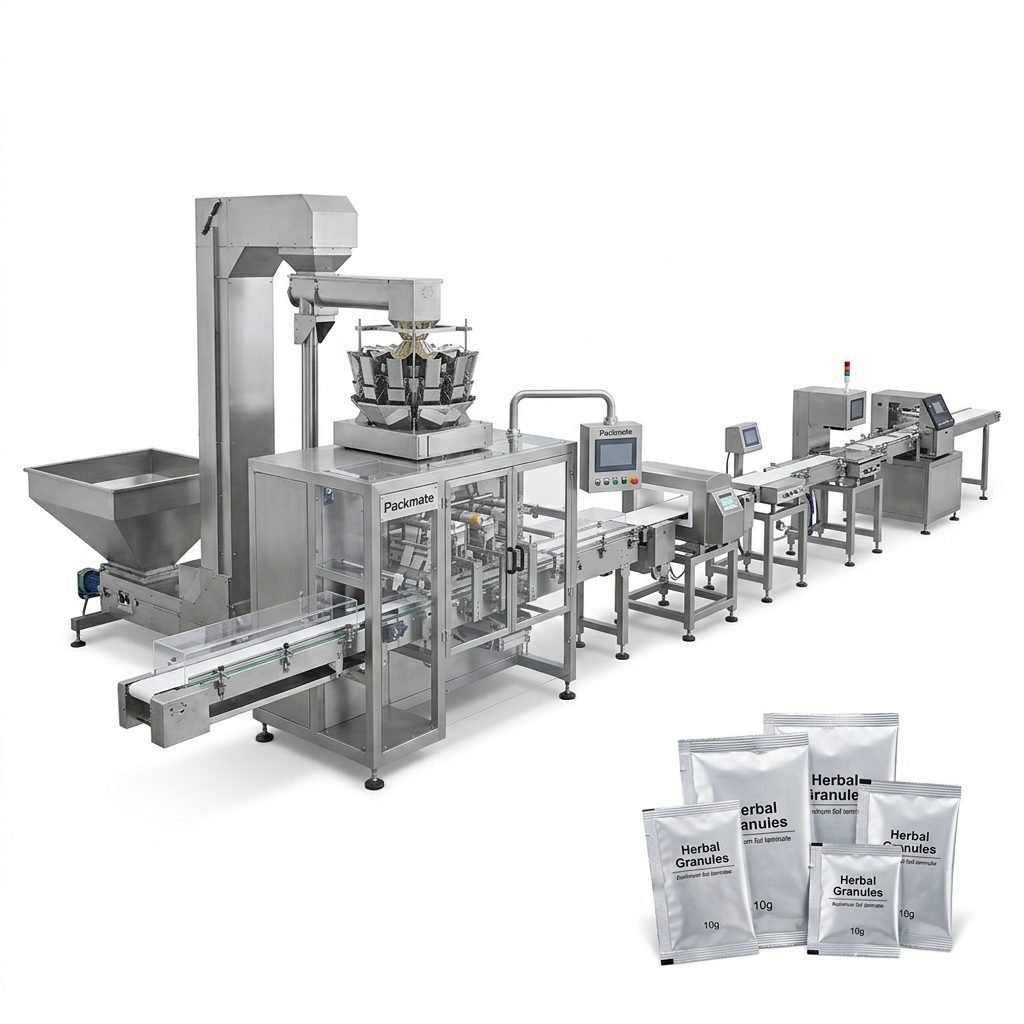
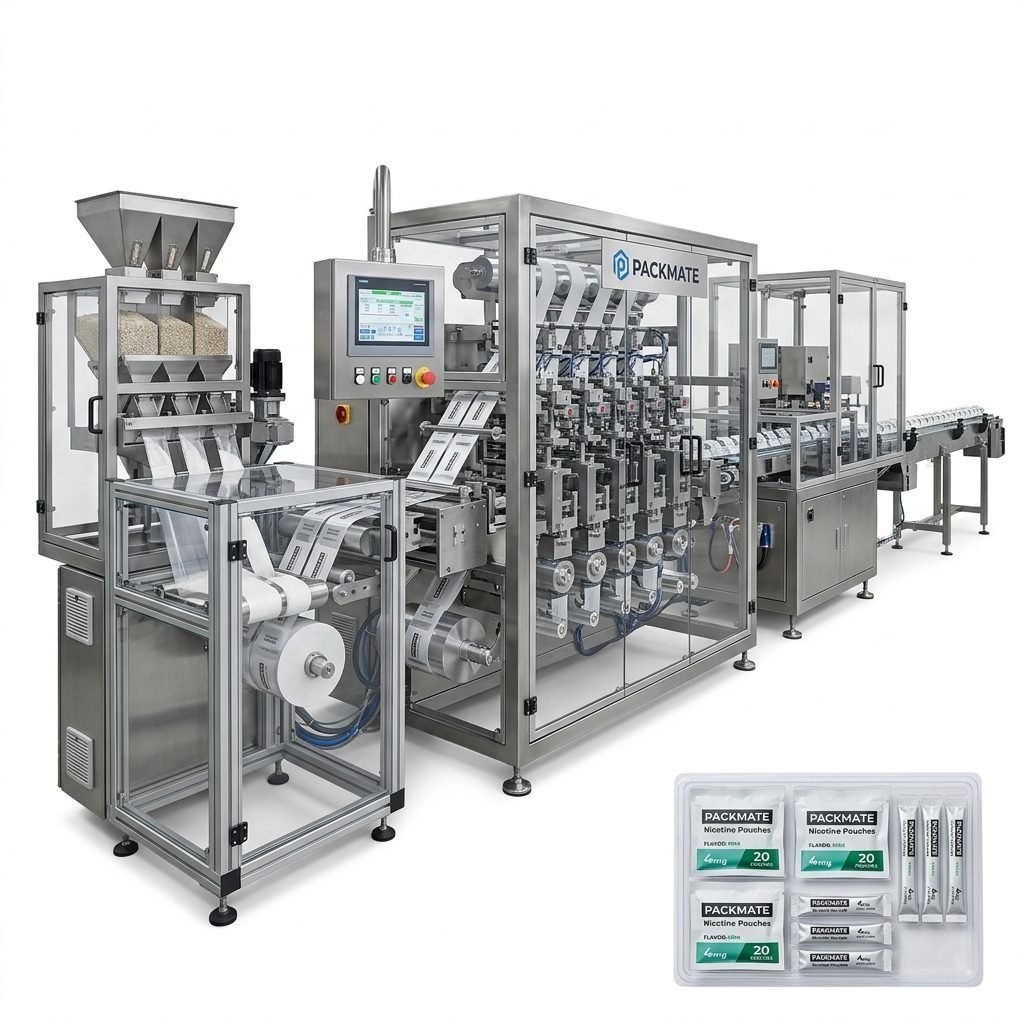
Range of models: A portfolio of 50+ machine models and turnkey packaging lines suggests flexibility to match your product type—snus, nicotine pouches, powders, granules, and liquids. Explore product pages such as
Snus & Nicotine Packaging Machines
and
Sachet & Stick Pack Machines
for examples.
Certifications, testing and compliance
Verify CE, ISO and any region-specific certificates related to electrical safety and machine hygiene. Certification pages and case studies provide reassurance that equipment meets international standards. For supplier legitimacy, consult their
Certificate
and real-world
Case
examples.
📌
Quick validation checklist
• Factory photos and floor plan available
• Published equipment specifications and capacity figures
• References from other nicotine pouch producers or export customers
Technical performance: what to inspect
Technical capabilities determine whether a supplier’s equipment can meet your product requirements. Key aspects include:
🔧
Speed and throughput: Confirm maximum pouch/minute capacity and expected throughput with your product format and dosing system. Multi-lane systems increase output for small-dose pouches.
⚖️
Filling accuracy: For nicotine pouches, small-dose accuracy is essential. Check the weighing or metering tolerance and the type of filling technology (volumetric, gravimetric, auger, multi-head weighers).
🔁
Changeover flexibility: How quickly can the system switch sizes, materials, or pouch formats? Fast changeovers reduce downtime and support product diversification.
Customization and automation
A supplier that offers customization can adapt machines for unique pouch shapes, multiple lanes, printing, or combined packaging steps (filling, sealing, labeling). Ask about PLC control integration, HMI features, remote diagnostics, and Industry 4.0 compatibility.
✅
Essential performance KPIs to request
• Standard and tested throughput figures for your pouch size
• Accuracy tolerance per fill cycle
• Mean time between failures (MTBF) and spare parts lead times
After-sales support, spare parts and training
Proactive after-sales service is often more important than the initial machine price. Evaluate the supplier’s service network, spare parts policy, warranty, and training offerings. A reliable partner provides:
📞
Local or remote technical support: Remote diagnostics reduce downtime; confirm average response times and availability.
🧰
Spare parts availability: Fast access to critical parts minimizes production loss. Confirm shipping hubs, kit options, and consumables lists.
🎓
On-site commissioning and operator training: Proper startup and staff training ensure the equipment runs at designed specifications. Check whether training materials and manuals are provided in English and other needed languages.
For supplier-specific after-sales information, view their
Service
and
Contact Us
pages.
Factory acceptance test (FAT) and site acceptance test (SAT)
Insist on a FAT and documented SAT. FAT should demonstrate the equipment running your pouch format and produce samples under load. SAT confirms installation, utilities, and performance at your site. Ask for video demonstrations and sample reports if travel is limited.
⚠️
Red flags when evaluating suppliers
• No willingness to perform FAT with your product samples
• Unclear spare parts list or long lead times for critical items
• Vagueness about warranties, service response times, or references
Commercial terms, delivery and lifecycle cost
When comparing quotes, look beyond the initial machine price. Lifetime cost includes installation, training, spare parts, preventive maintenance, and energy consumption. Clarify payment terms, delivery schedule, packaging for export, and insurance for shipping. Ask for a clear warranty scope and the cost structure for extended support.
Negotiation tips
• Request bundled offers for multiple machines or a turnkey line.
• Negotiate spare parts kits and training as part of the contract.
• Ask for staged payments tied to milestones (design approval, FAT completion, shipment).
Logistics, export experience and regulatory considerations
Packaging machines for nicotine products often cross borders. Choose a supplier with export experience, knowledge of customs procedures, and experience preparing documentation for CE and ISO compliance. If you operate in regions with strict tobacco/nicotine rules, confirm the supplier understands material handling, labeling, and testing requirements for those markets.
Local customs and market nuances
Different regions have varied regulatory and operational expectations. If you are operating in Europe or North America, ensure the supplier knows local safety standards and inspection regimes. If you are expanding production into Asia or other regions, consider suppliers experienced with cross-border logistics and remote commissioning.
How to structure the supplier evaluation process
Follow a structured process to reduce risk and compare suppliers objectively:
1.
Define requirements — pouch format, production volumes, accuracy, packaging materials, and future growth expectations.
2.
Shortlist vendors — request datasheets, references, factory photos, and sample production videos.
3.
Conduct FAT & trials — provide product samples and witness the machine running in similar conditions.
4.
Negotiate contract — include performance guarantees, spare parts kits, training, and clear delivery milestones.
5.
Plan SAT & start-up — agree on acceptance tests and KPIs that must be met before final payment.
Why some manufacturers choose Packmate Snus Machine
Manufacturers often select suppliers with a long history of snus and nicotine pouch machine development. A company that has grown from a workshop in the 1990s to a modern factory demonstrates a track record of continuous improvement. Packmate Snus Machine, for example, offers multi-lane systems, turnkey lines, and a broad model range tailored to nicotine pouch production—evidenced by its product pages and global case studies. For more on their company background, visit
About Packmate
and explore product families like
Filling & Packaging Lines.
Real-world considerations for installation
Plan utilities (power, compressed air, vacuum), floor load, and environmental controls. Account for assembly time, integration with upstream and downstream equipment, and safety zoning. Contractors often underestimate the time needed for electrical wiring and PLC integration—ask for a detailed installation checklist from the supplier.
Sustainability and material choices
Discuss material compatibility and packaging waste reduction strategies. Suppliers that offer efficient material handling, low-waste cutting systems, and compatibility with recyclable films can reduce long-term costs and environmental impact.
Final selection tips
Choose the supplier that balances technical fit, proven performance, and strong after-sales support. Price is important, but value and predictability over three to five years matter more for production-critical equipment.
Conclusion: a practical buying checklist
Use this condensed checklist when finalizing your purchase decision:
• Factory credentials and capacity (photos, floorplan, machining capability).
• Performance KPIs proven with your samples (throughput, accuracy).
• Clear FAT and SAT procedures with acceptance criteria.
• Transparent spare parts strategy and service SLA.
• Contract terms covering warranty, delivery milestones, and training.
Need more information?
If you want to review equipment families, visit the supplier’s product pages such as
Bag & Pouch Packaging Machines
and
Weighing & Packaging Systems
for detailed specs and complementary equipment options.
Frequently Asked Questions
Q1: What initial information should I provide to get an accurate quote?
Provide pouch dimensions, target throughput (units per minute or per shift), product type (powder, granule, wet pouch, nicotine pouch), desired automation level, and any material or regulatory constraints. Also include whether you need turn-key integration or a standalone machine.
Q2: How important is factory acceptance testing (FAT)?
FAT is critical. It proves the equipment can process your product under real conditions before shipment, reducing installation risks and disputes. If you cannot attend in person, request video demonstrations and a recorded FAT with performance logs.
Q3: What after-sales services should I expect?
Expect commissioning, on-site training, spare parts kits, remote troubleshooting, preventive maintenance schedules, and clear warranty terms. Clarify response times and whether local partners can deliver emergency on-site support.
Q4: Can a supplier adapt machines for new pouch formats in the future?
The best suppliers design machines with modularity and clear changeover procedures. Ask for examples of past customizations and inquire about costs and lead times for retrofits or additional lanes.
Q5: How do I check references and verify real-world performance?
Request customer references, factory visit options, and video case studies showing similar products in production. Review case pages and exhibition appearances to gauge the supplier’s market footprint and reliability.