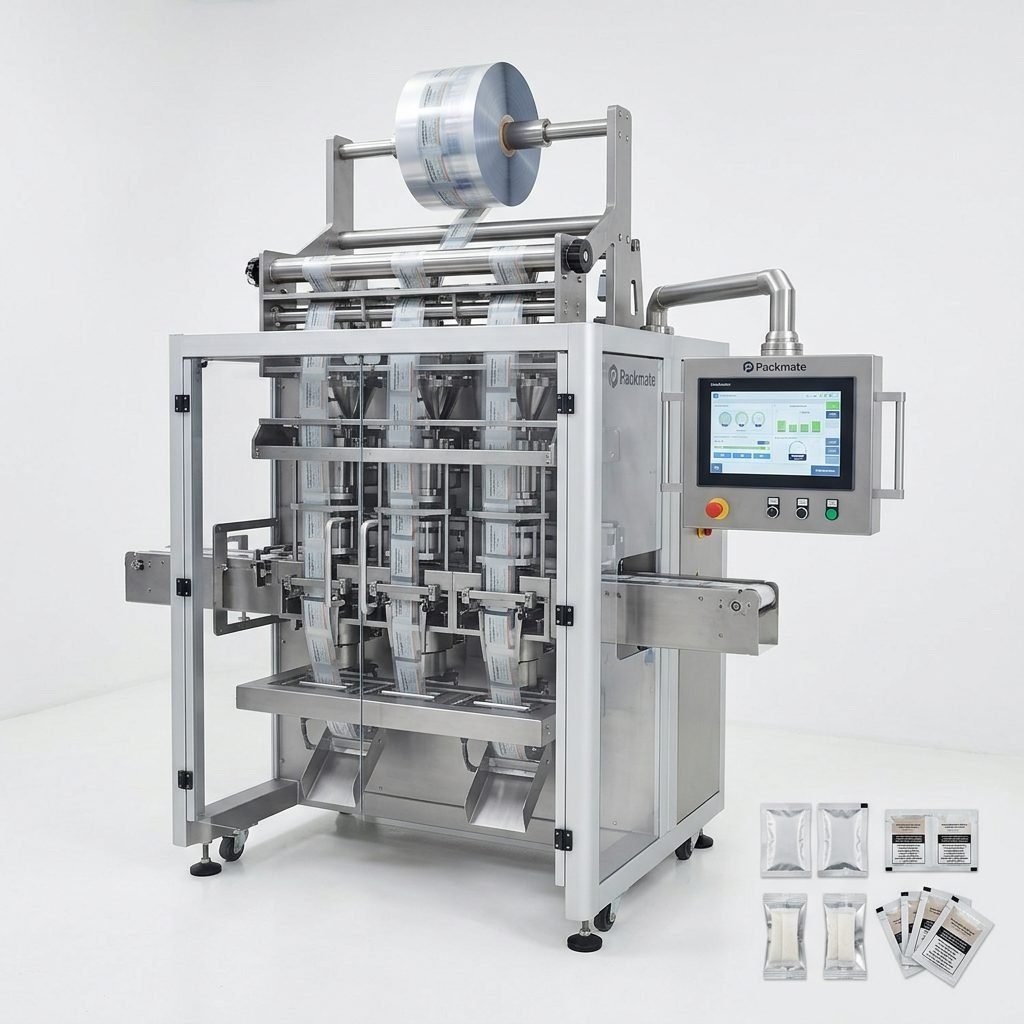
Entering the African market with nicotine pouches or snus requires more than a good product — it demands a reliable packaging partner that understands local trade practices, climate challenges, and regulatory variety. This guide walks you through a practical, step-by-step approach to choose the best nicotine packaging machine supplier in Africa for your business. Use it to evaluate vendors, compare technical capabilities, and secure a partner who will support growth from pilot runs to full-scale production.
Why choosing the right supplier matters in Africa
Africa is not a single market — it is a mosaic of regions with different languages, customs, import rules, and distribution models. A supplier who can supply machines is useful; a supplier who can ensure reliable delivery, installation, spare parts and local after-sales support becomes a business enabler. Consider:
⚠️ Reliability in hot and humid climates: Machines must be proven to run in varied climates. Condensation, dust and unstable power are common challenges in many African countries.
📌 Regulatory complexity: Nicotine product rules differ widely — from strict bans to regulated markets. Your supplier should help with machine design that supports compliance (batch coding, sealing integrity, material traceability).
Top criteria to evaluate potential suppliers
1. Proven industry experience and manufacturing scale
Look for a supplier with decades of focused experience in nicotine/snус packaging machines and a sizable manufacturing footprint. A company with 20,000㎡ factory area, advanced CNC machining centers and a long product line is better placed to deliver consistency and spare parts over time. For detailed machine families and proven multi-lane systems, review product catalogs and factory capabilities.
2. Range of machine models and customization options
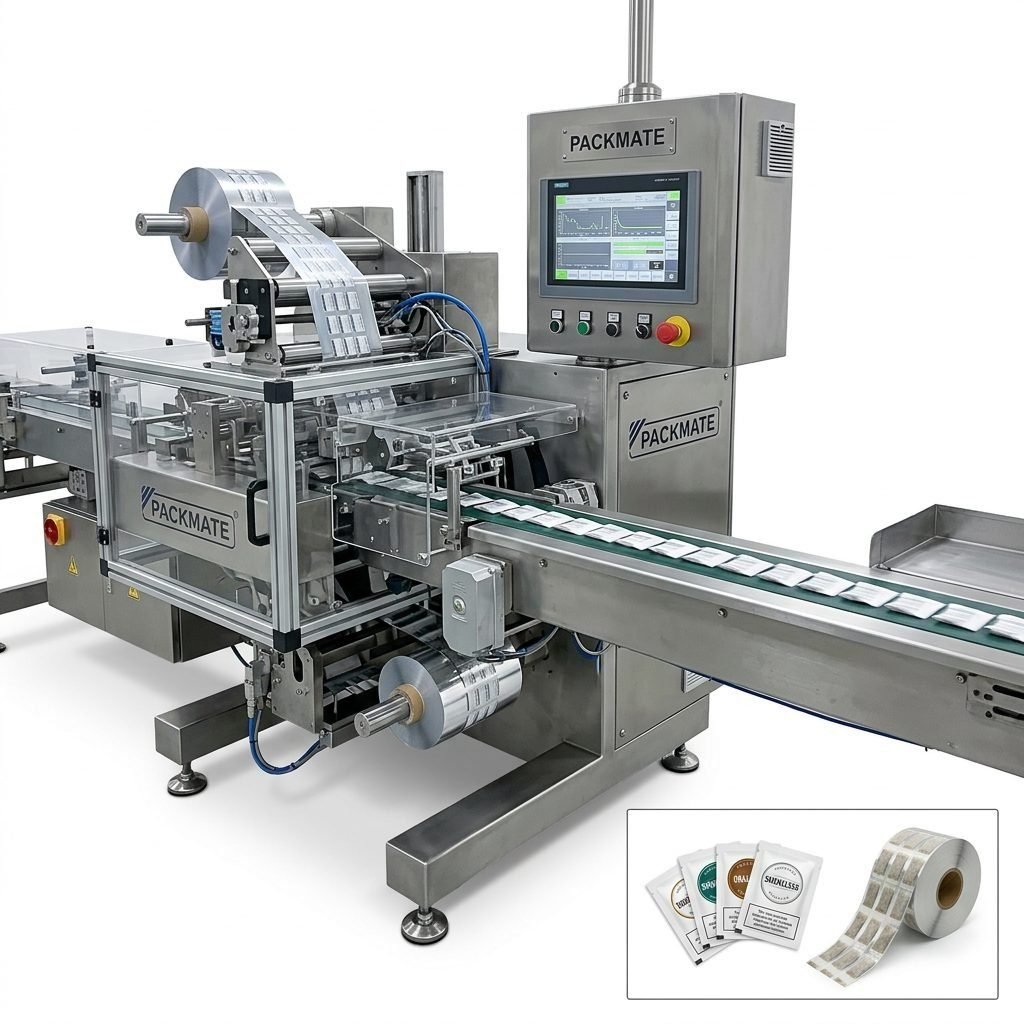
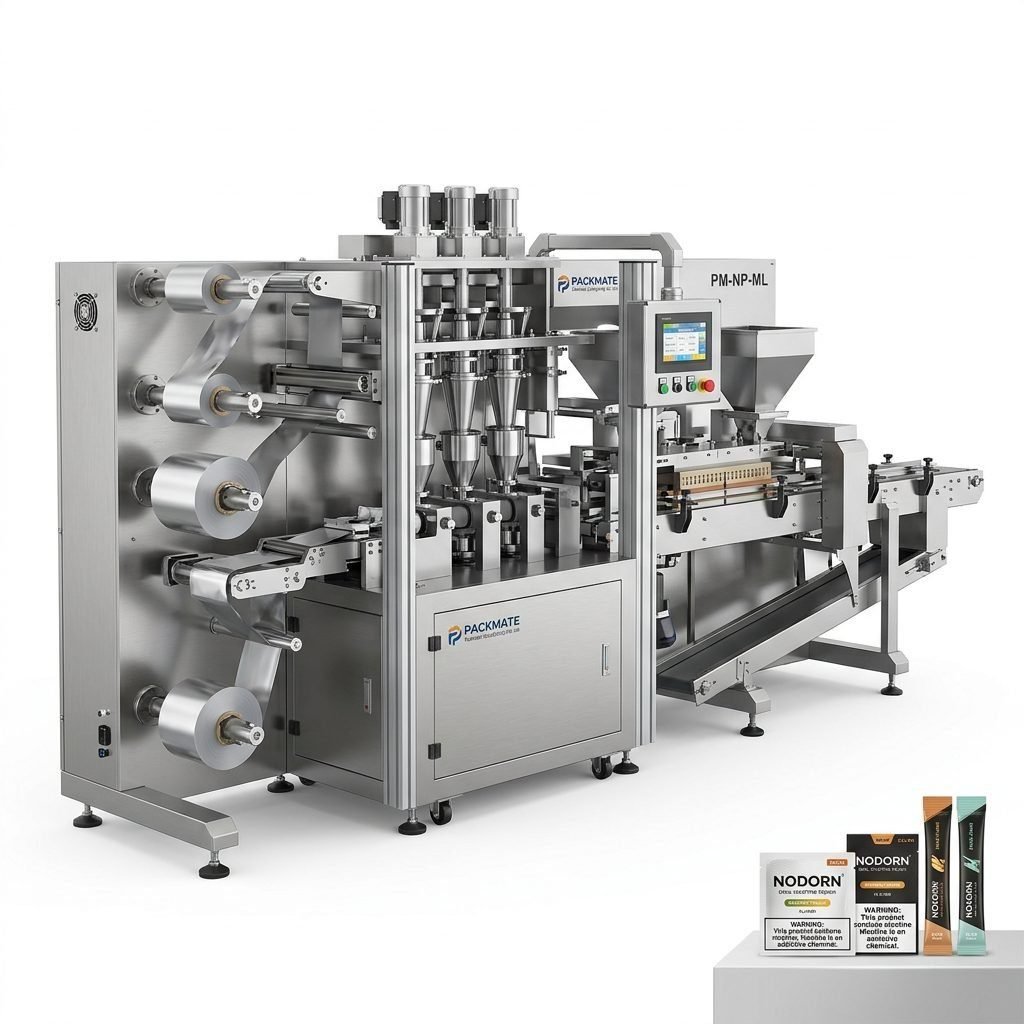
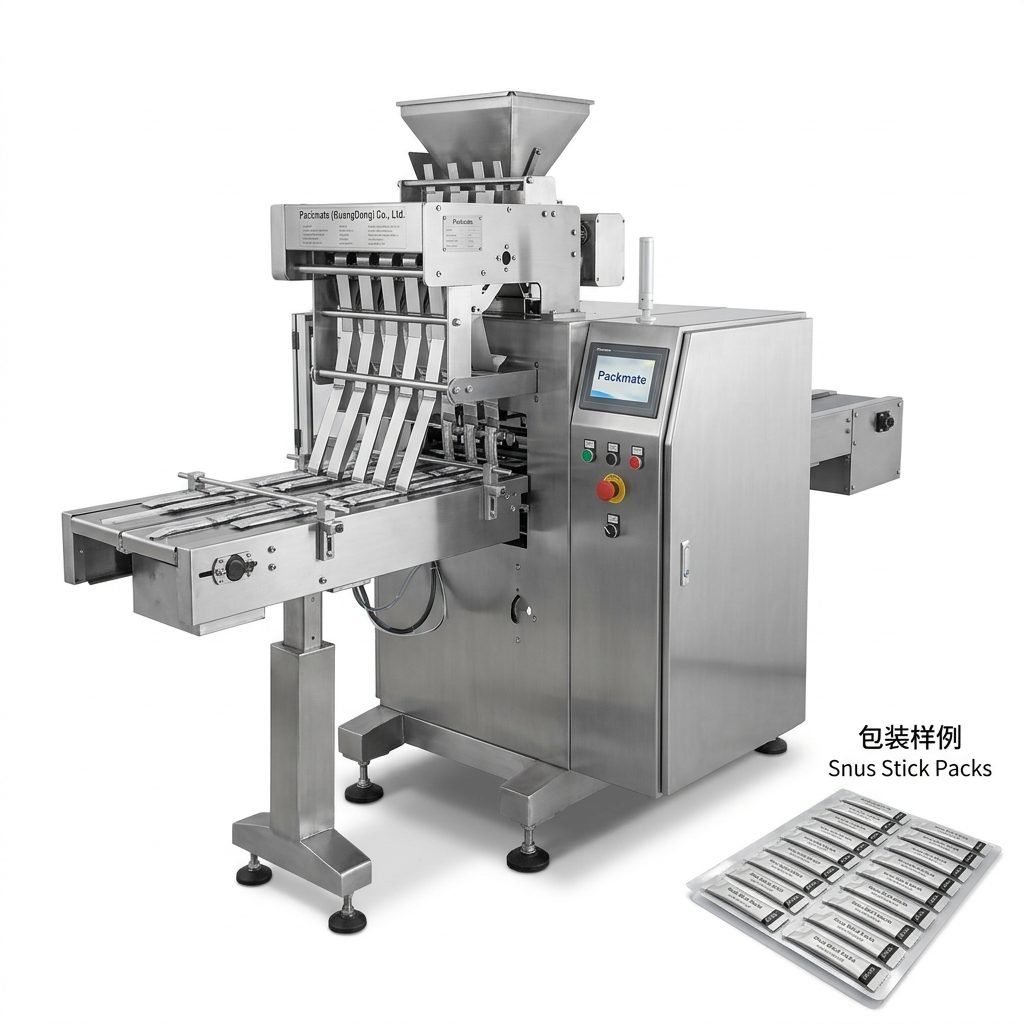
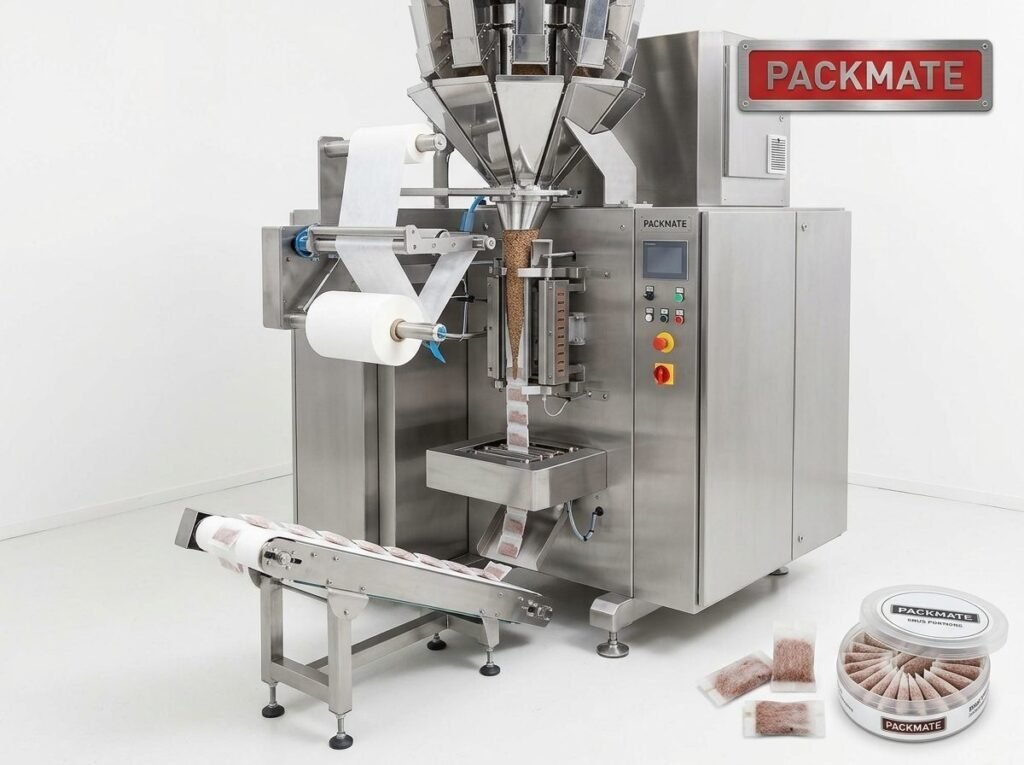
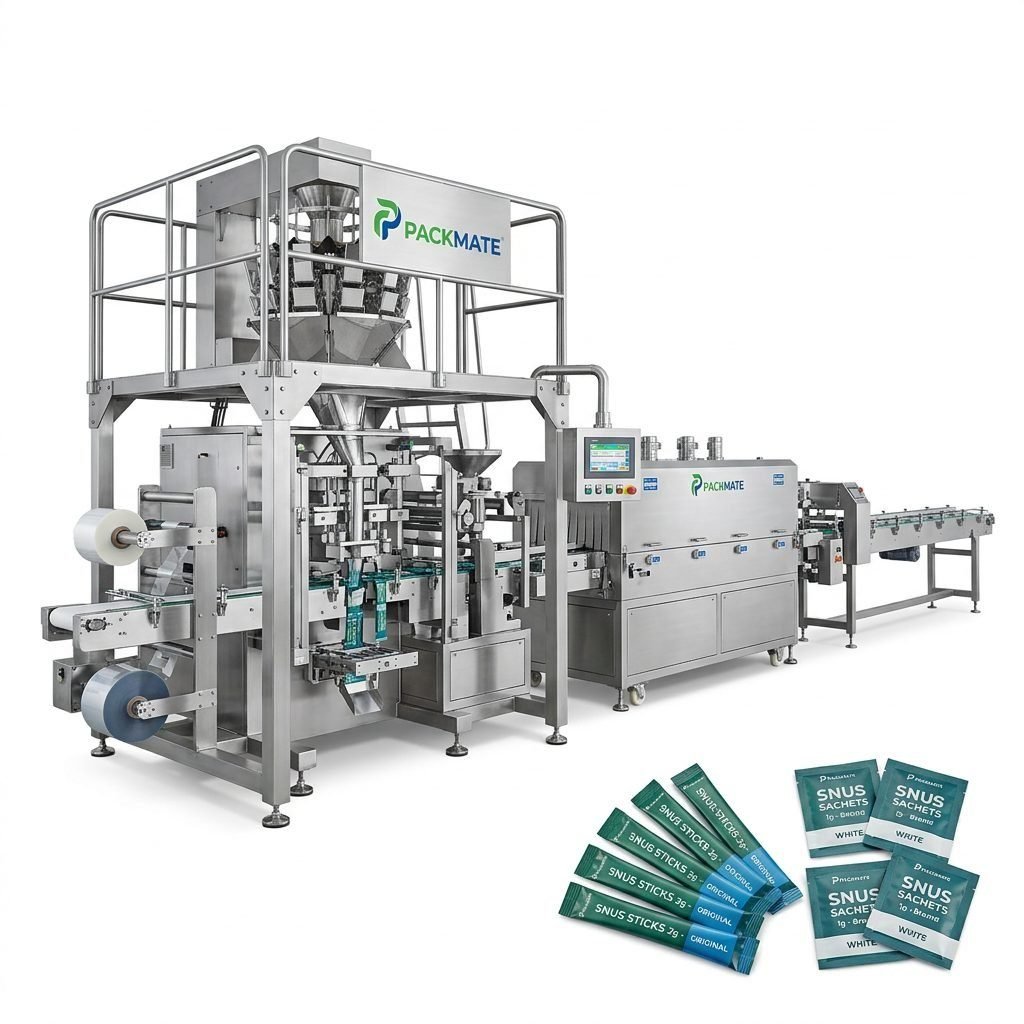
Nicotine pouch production needs flexibility: single-lane stick packs, sachets, multi-lane small-dose pouches, and downstream bagging or cartoning. Ensure the supplier can provide machines that match your throughput targets and can be customized for local pack sizes, materials and dosing methods. Explore core product lines such as Snus & Nicotine Packaging Machines and related systems like Bag & Pouch Packaging Machines.
3. Certifications, quality assurance and testing
Compliance with CE, ISO and other international standards is essential. Ask for test reports, FAT (Factory Acceptance Test) videos, and details of quality control procedures. A supplier who shares accredited certificates and open test schedules reduces risk.
4. Turnkey solutions and integration capability
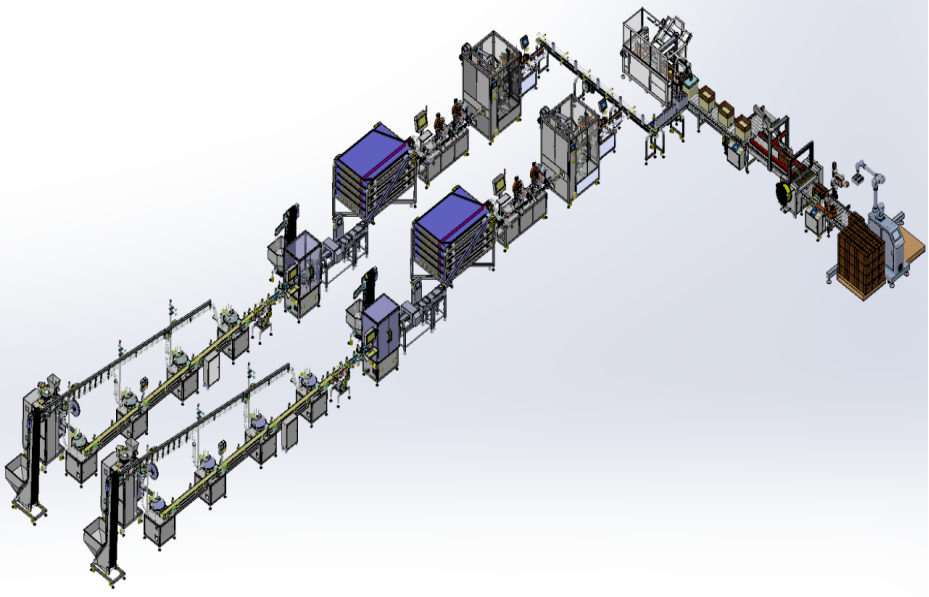
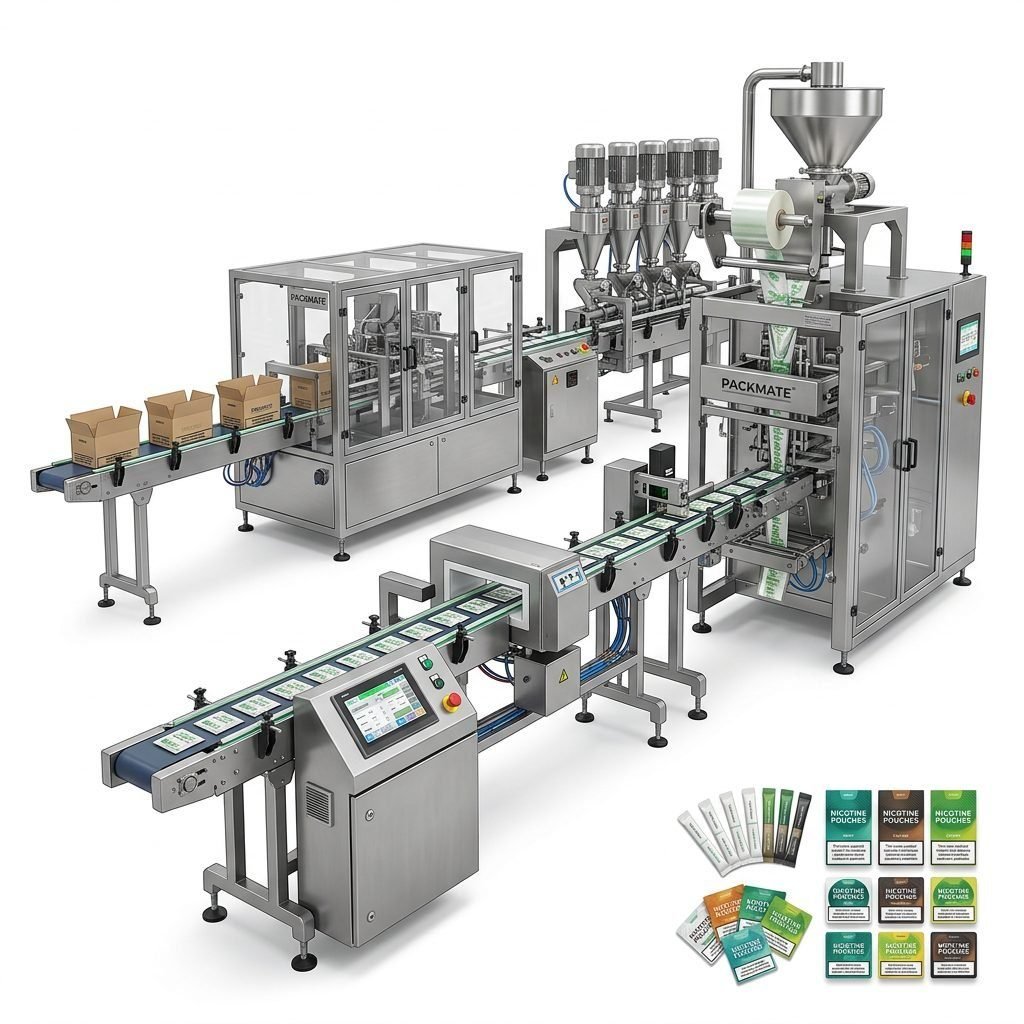
Many African customers prefer turnkey lines that include feeding, weighing, filling, sealing and cartoning. Suppliers able to design end-to-end lines (weighing, filling & packaging) and coordinate installation help shorten time-to-market. Check offerings like Filling & Packaging Lines and complementary weighing or auxiliary equipment.
5. After-sales service, spare parts and training
Rapid access to spare parts, remote troubleshooting, on-site commissioning and operator training are non-negotiable. Prefer suppliers who commit to spare parts stock, remote diagnostic tools and training packages as part of the contract. Check service pages and contact points in advance: a proactive Service team cuts downtime.
★ Quick checklist:
Request FAT videos • Visit factory or attend an international exhibition • Verify spare parts lead time • Ask for local references • Confirm installation & training plan.
Important supplier capabilities specific to nicotine/snус production
Nicotine pouches and snus demand precise dosing, hygienic design, gentle product handling and consistent sealing to preserve moisture and shelf life. When evaluating machines, focus on:
✓ Precision dosing systems — Gravimetric, multi-head weighers or auger fillers tuned for micro-doses.
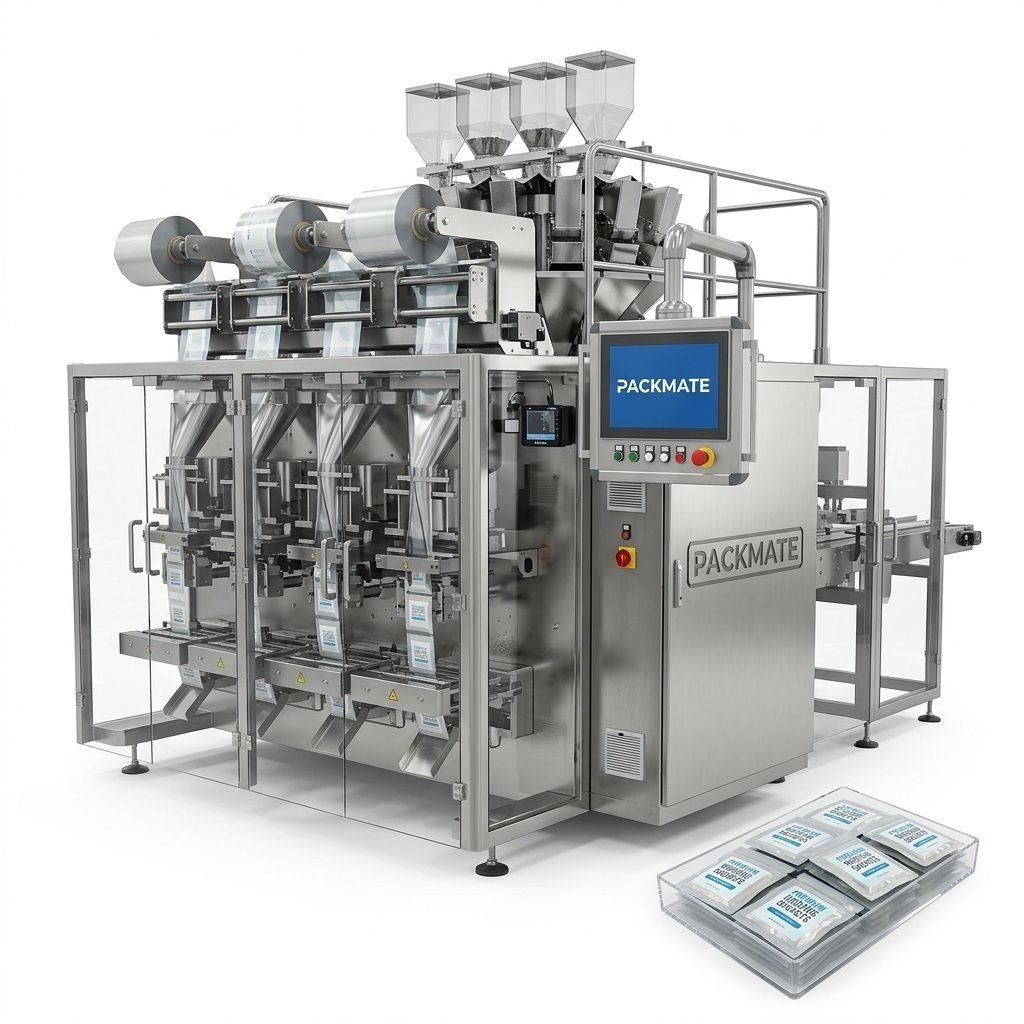
✓ Multi-lane capability — For high throughput with small-dose pouches, multi-lane systems can multiply output without multiplying footprint.
✓ Hygienic materials and easy cleaning — Stainless-steel contact parts, CIP-friendly designs and quick-change tooling reduce contamination risk.
✓ Accurate sealing and film handling — Packaging material choices and sealing temperature controls directly affect product stability in humid climates.
Assessing local logistics, power and installation challenges in Africa
Many African factories face irregular power supply, high ambient humidity, limited crane capacity and long transport distances. When you discuss proposals, clarify:
- Packaging machine power requirements and tolerance for voltage fluctuation.
- Recommended dust and humidity protection packages or IP-rated enclosures.
- Crate sizes and on-site rigging needs — can the factory handle the crate dimensions?
- Local customs documentation, duties and clearance experience.
Tip: Work with suppliers who have exhibition presence or global references
Suppliers attending global shows or sharing exhibition records and customer case studies often demonstrate commitment to international markets. Ask for regional case studies and contacts you can verify — a proven track record in similar climates is gold.
📌 Must ask suppliers before buying:
1. Can you show FAT videos and references in similar climates?
2. Do you provide local installation partners or on-site engineers?
3. What is the average lead time for critical spare parts?
4. Is there a commissioning and operator training plan included?
Commercial terms, warranty and long-term partnership
Evaluate warranty scope (parts, labor, remote support), spare parts availability and pricing structure. A supplier that offers stock for wear parts or a local distributor reduces downtime. Consider:
• Flexible payment options: Letter of credit, staged payments tied to milestones (design approval, FAT, shipping, installation) can mitigate risk.
• Training and documentation: Operator manuals in your primary language, spare-parts lists with part numbers and remote training sessions are essential for smooth operation.
How to validate supplier claims — practical steps
Use these steps to validate capabilities before committing:
- Request FAT video demonstrations using your packaging material and your product samples.
- Ask for a live video call during a machine run and request to see the control panel, PLC and HMI in action.
- Obtain three verifiable references with contact details — preferably in similar climatic conditions.
- Visit the factory if possible, or visit the supplier’s booth at an international exhibition to inspect build quality and assembly practices. See their company story and development timeline to understand longevity and R&D focus.
- Confirm spare-parts lead times in writing and request a dedicated parts kit for the first year.
Selecting a supplier with regional understanding and respect for local business customs
Business practices in Africa often emphasize relationships and trust. Suppliers who invest time in understanding local languages, cultural norms and decision-making hierarchies are easier to work with:
- Be prepared for negotiated pricing and phased decision-making — allow time for visits and face-to-face meetings where possible.
- Use local agents or authorized distributors to accelerate customs clearance and reduce logistics risk.
- Recognize multilingual needs: English, French, Portuguese and Arabic are common across regions — ask for documentation in the language your team is most comfortable with.
Why Packmate-like partners are often a smart choice
Established manufacturers that focus on snus and nicotine pouch machines bring domain expertise — from multi-lane systems to turnkey lines. When a supplier provides an extensive product lineup, on-site engineering, and clear certification records, they reduce integration risk. Review their product offerings and case studies to see real-world implementations; supplier pages often include comprehensive catalogs and proof of international cooperation.
For more product detail and case references, consult product categories and success stories such as Case and the company profile at About Packmate.
A practical step-by-step checklist to get started
Start small, de-risk fast, then scale:
- Share product samples and target pack formats with shortlisted suppliers.
- Request sample runs and FAT videos with your materials.
- Obtain a detailed proposal: technical specs, lead times, warranty, spare parts list and training plan.
- Arrange terms: payment milestones, installation window and acceptance criteria.
- Plan for spare-parts inventory and remote support subscriptions.
Ready to inquire? Use the supplier’s contact channels to request detailed specifications, FAT videos and a site visit plan. A clear, written scope of work avoids misunderstandings and accelerates delivery.
Final thoughts
Choosing the best nicotine packaging machine supplier for Africa is about more than price. Prioritize suppliers with proven nicotine/snус expertise, strong manufacturing capabilities, reliable service and a clear understanding of local logistics and regulatory requirements. By validating FAT, ensuring spare-part availability and insisting on operator training, you protect your investment and position your business for steady growth.
Frequently asked questions
Q1: How important is FAT (Factory Acceptance Test) before purchase?
A1: FAT is essential — it verifies machine performance with your materials and confirms acceptance criteria before shipping. Always request FAT videos and, if possible, participate in a live session.
Q2: What certifications should I check for nicotine packaging machines?
A2: Look for CE, ISO and any region-specific electrical or safety approvals. Request copies of certificates and confirm compliance with local import regulations.
Q3: How can I reduce downtime after installation in Africa?
A3: Maintain a local spare-parts kit, secure remote support agreements, ensure operator training and consider a supplier who offers a local service partner or engineer visits.
Q4: Should I buy a multi-lane system or multiple single-lane machines?
A4: For small-dose pouches, multi-lane systems offer higher throughput in a smaller footprint and better synchronization. Evaluate maintenance complexity versus throughput needs before deciding.
Q5: Where can I find verified machine cases and showroom demos?
A5: Check the supplier’s case studies and exhibition records for live demos; many suppliers maintain photo/video cases and attend international shows — review their Our Exhibition and Case pages for references.