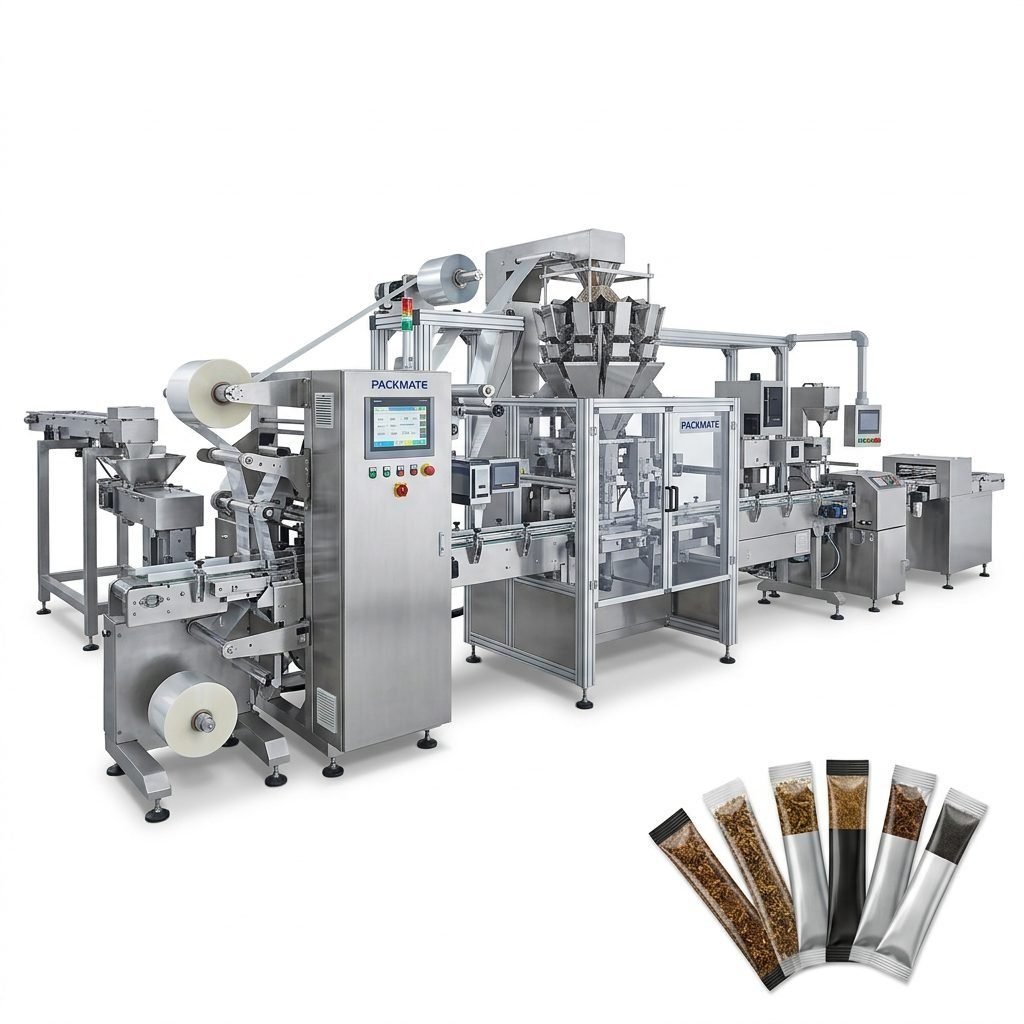
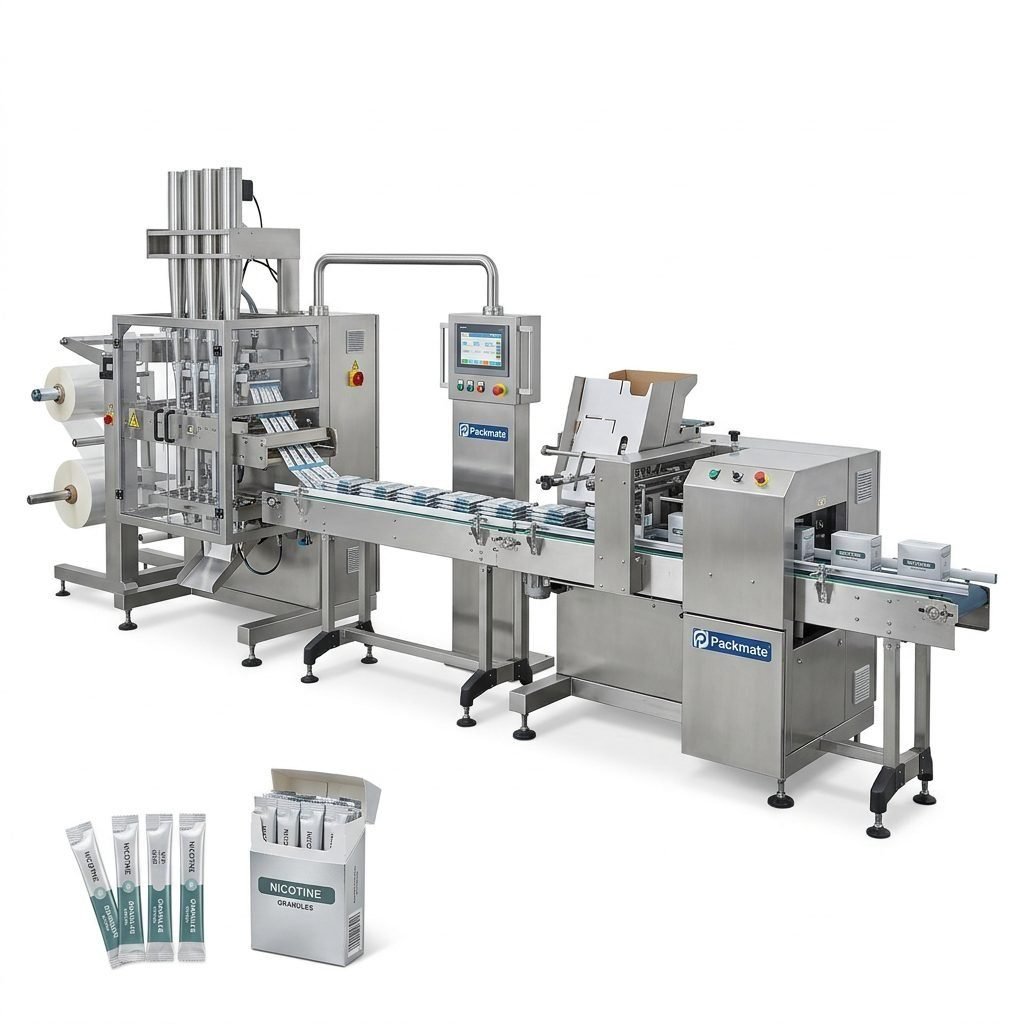
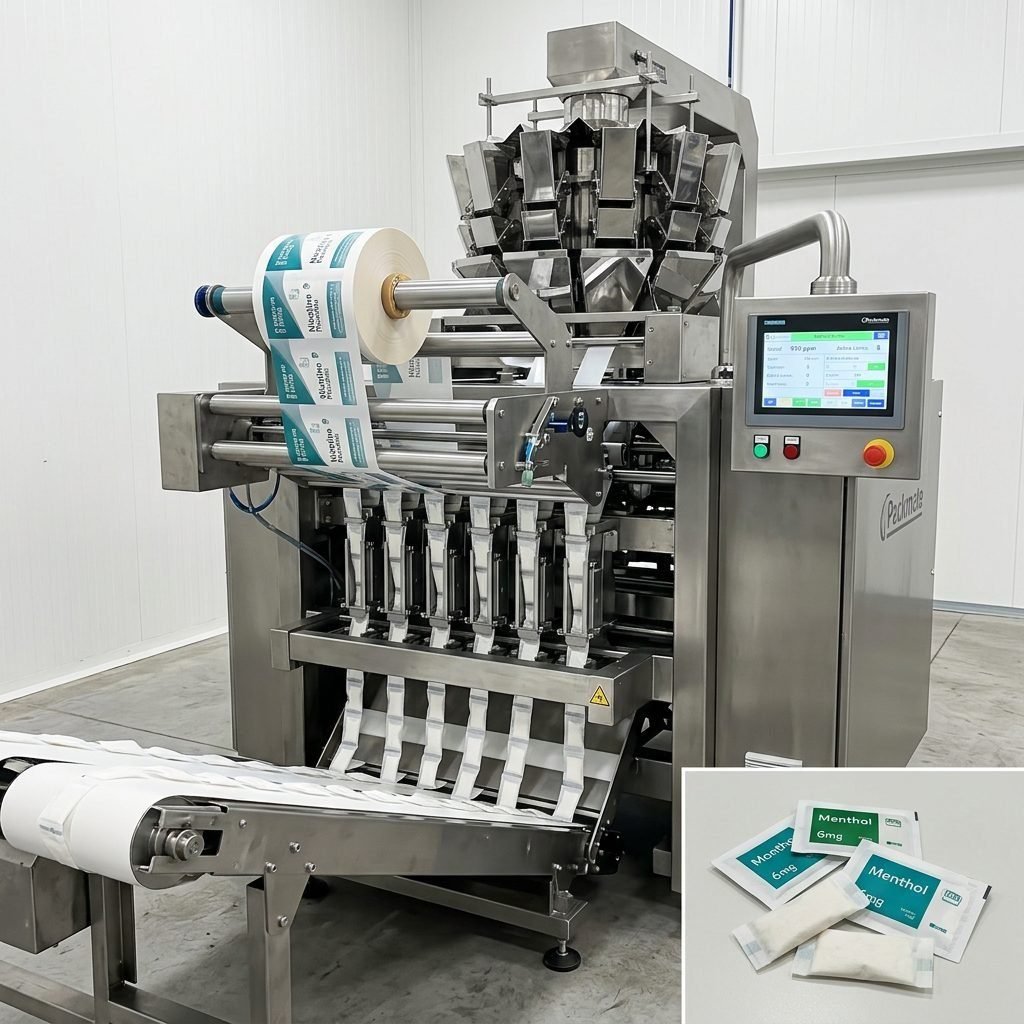
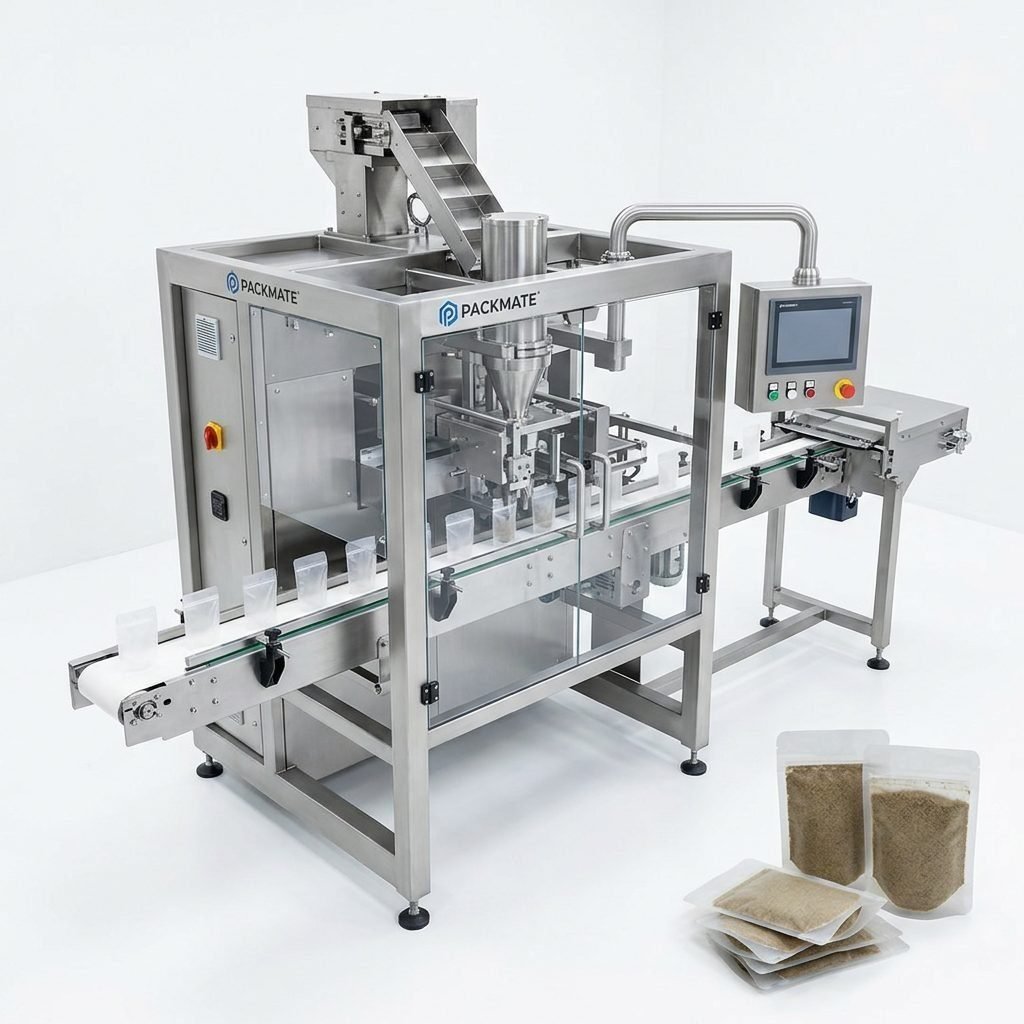
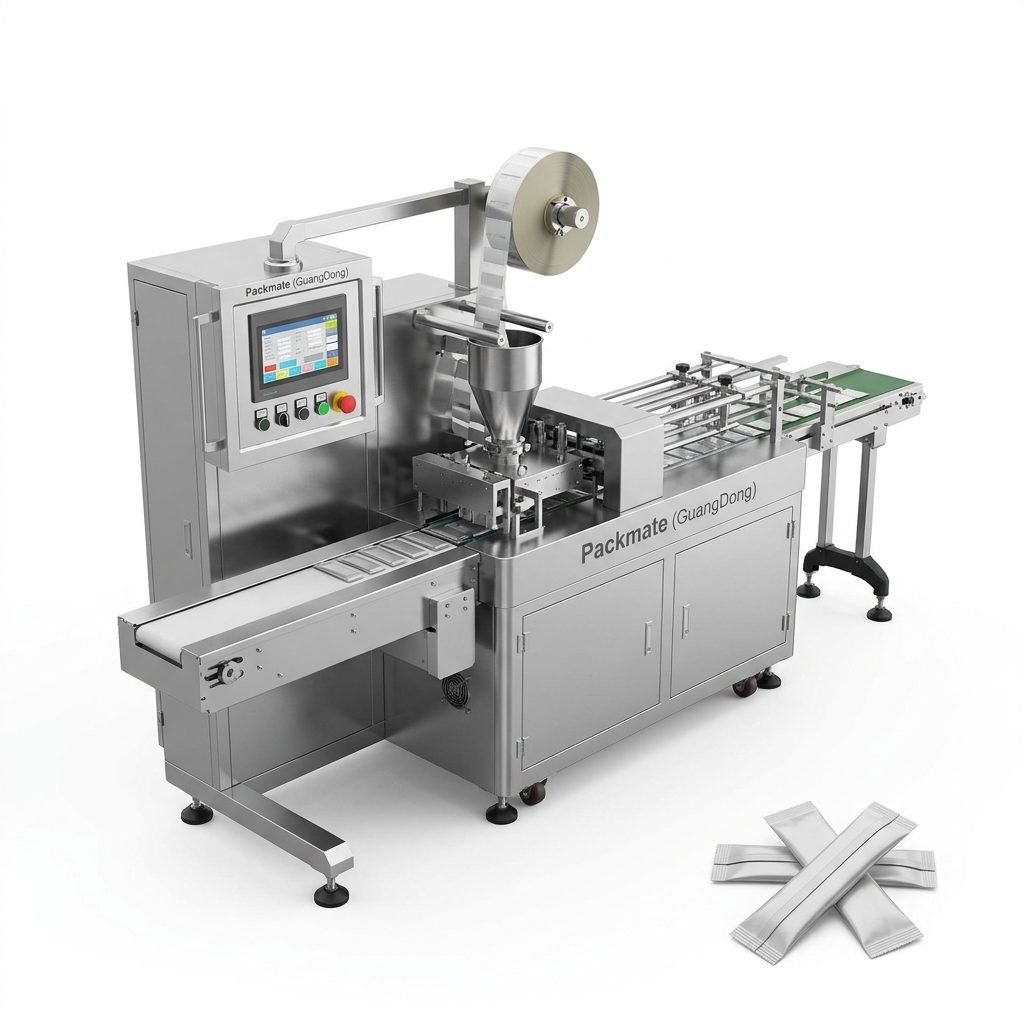
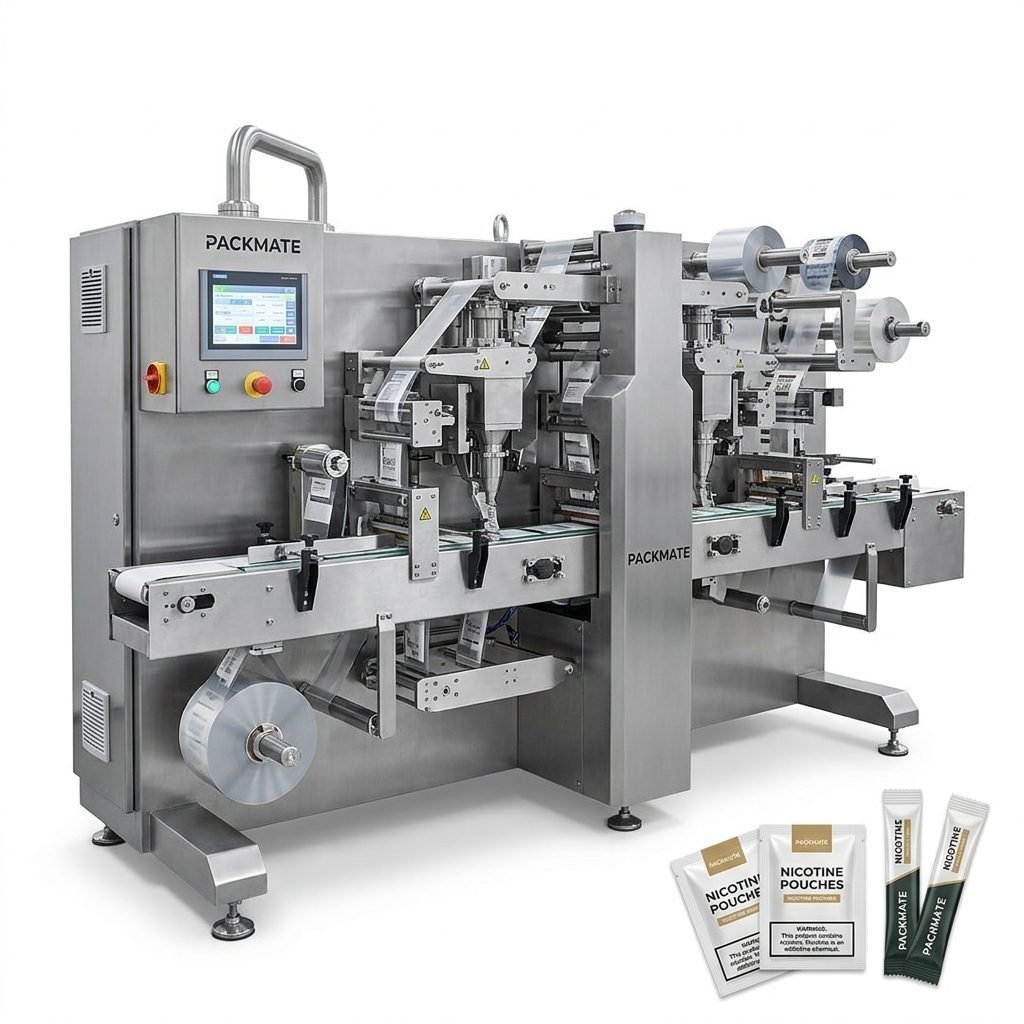
Choosing the right nicotine packaging machine supplier for a factory in the Middle East requires balancing technical performance, regulatory knowledge, and cultural business practices. This guide walks factory managers and procurement teams through practical steps to evaluate suppliers, with a focus on snus and nicotine pouch equipment, turnkey production lines, and long-term cooperation. It draws on industry best practices and supplier credentials to help you select a partner that delivers reliability, compliance, and good ROI.
Understand Your Production Needs First
Before you reach out to suppliers, clarify the following internally:
- Target daily output (pouches per minute and shifts per day).
- Product formats and sizes (single-lane, multi-lane, stick pack, sachet).
- Required automation level (manual loading vs. turnkey lines with feeding, weighing, and packaging).
- Environmental and clean-room requirements for nicotine handling.
Practical Tip
Key Supplier Credentials to Prioritize
When evaluating suppliers, prioritize those who can demonstrate:
- Proven experience in nicotine/snuss packaging machinery—look for specialized manufacturers rather than general packaging vendors.
- Comprehensive factory capabilities: in-house CNC, precision assembly, and testing lines.
- Relevant certifications (CE, ISO) and compliance with international standards.
- Turnkey solutions that include weighing, feeding, and sealing for a single-source project delivery.
Supplier Example & Product References
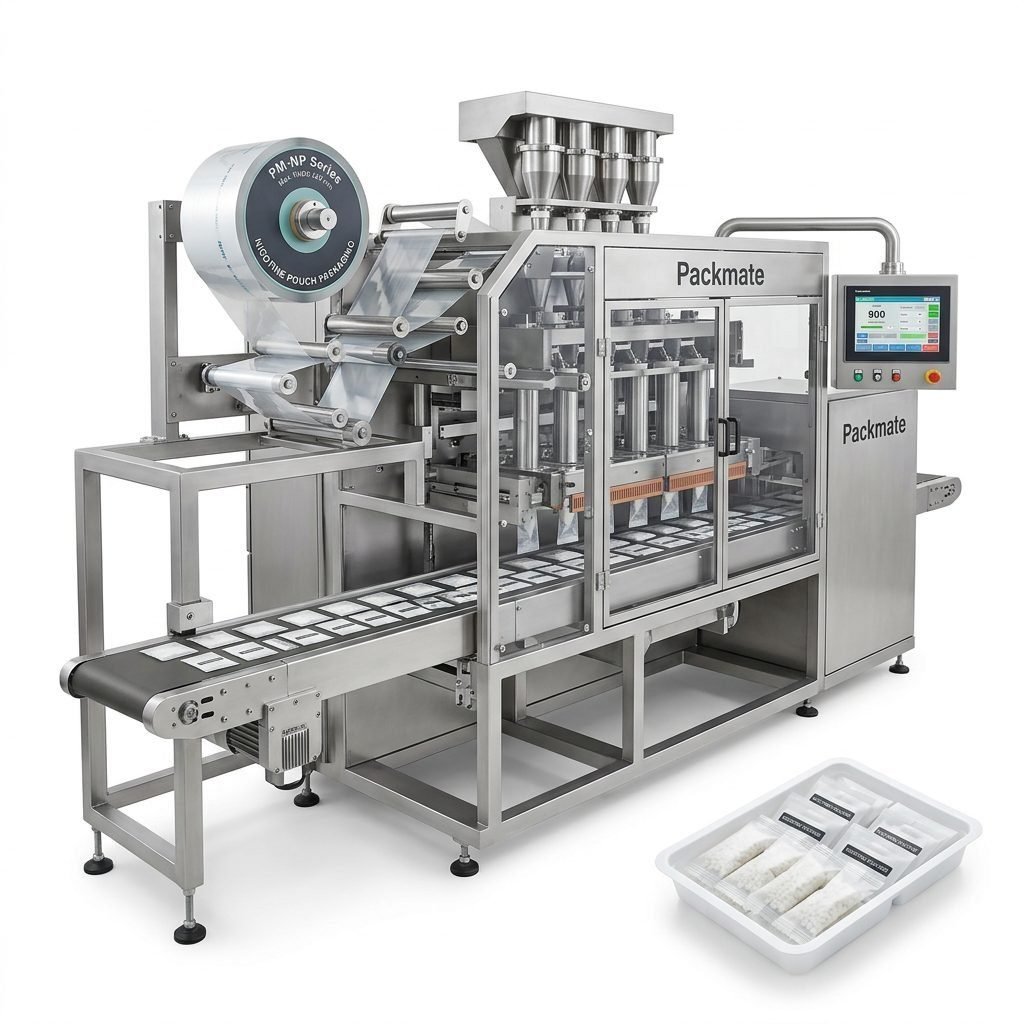
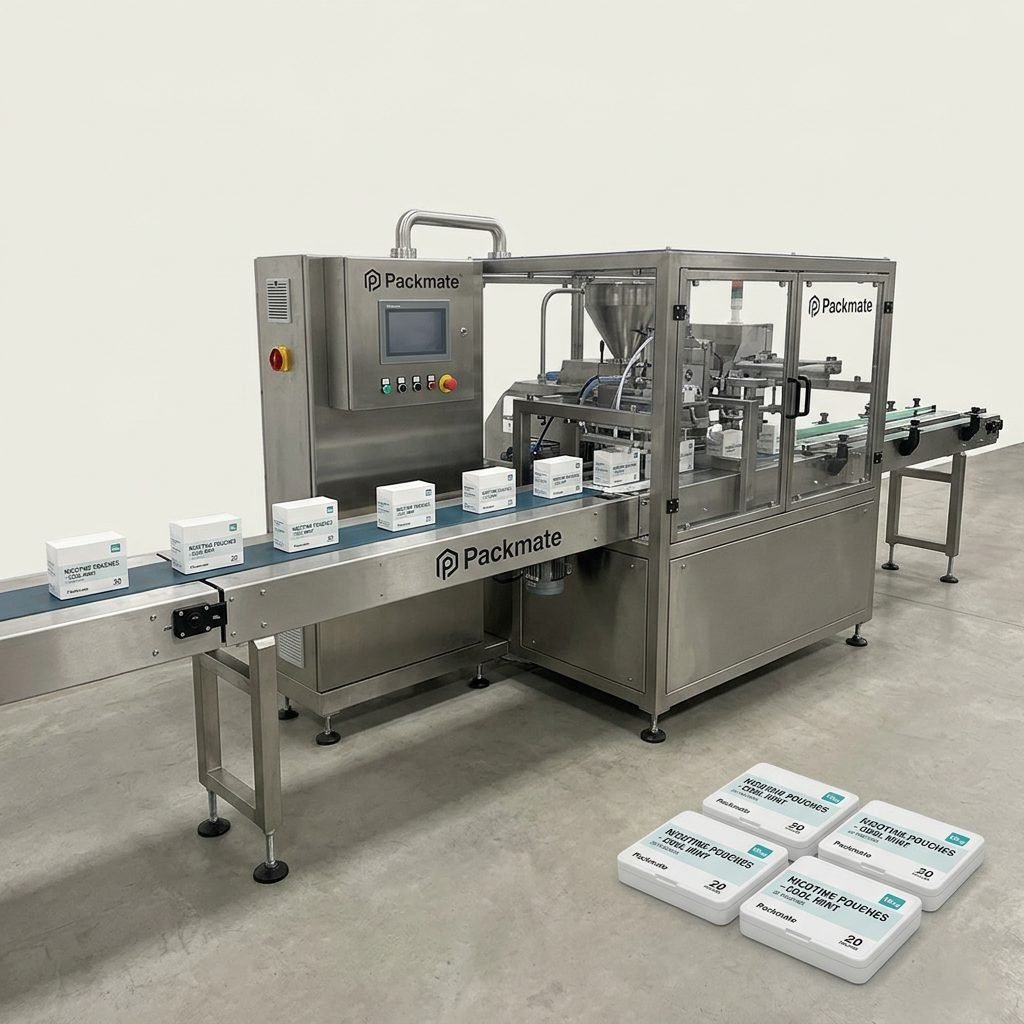
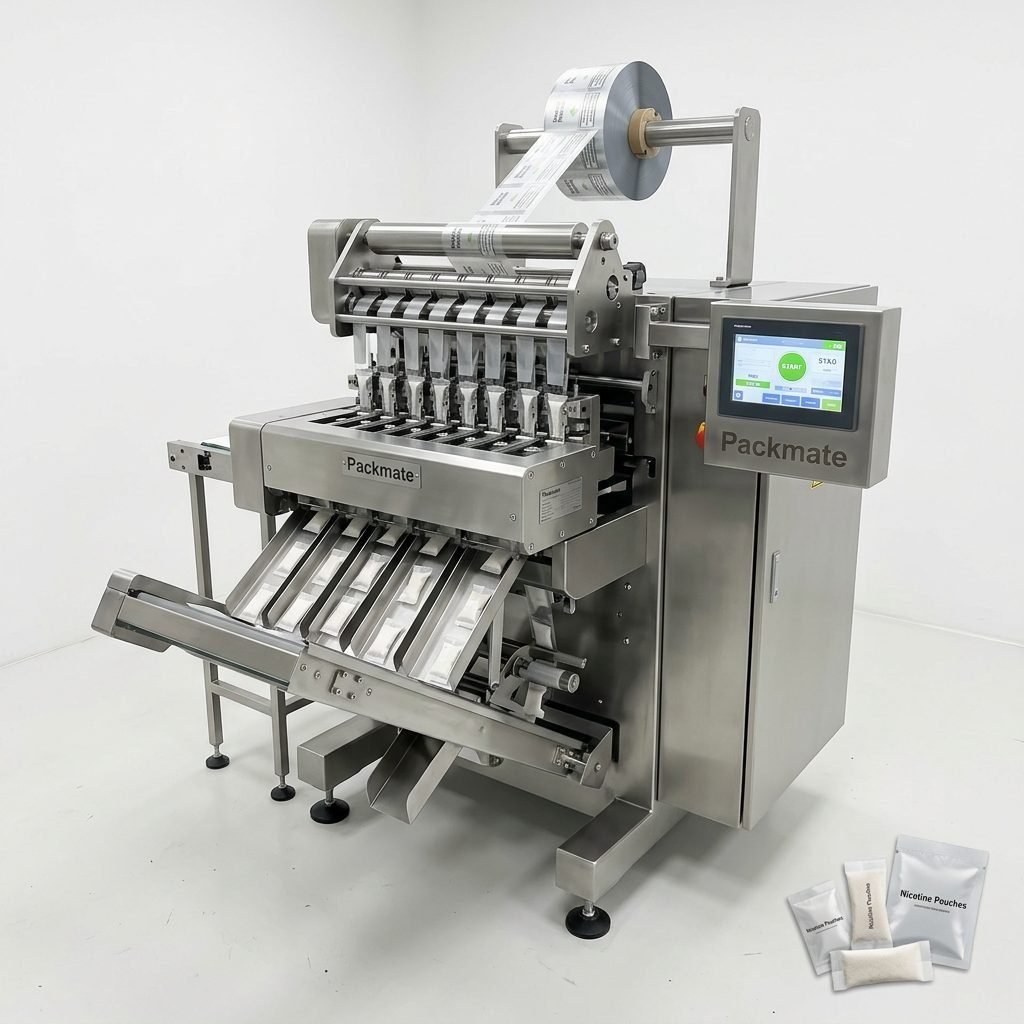
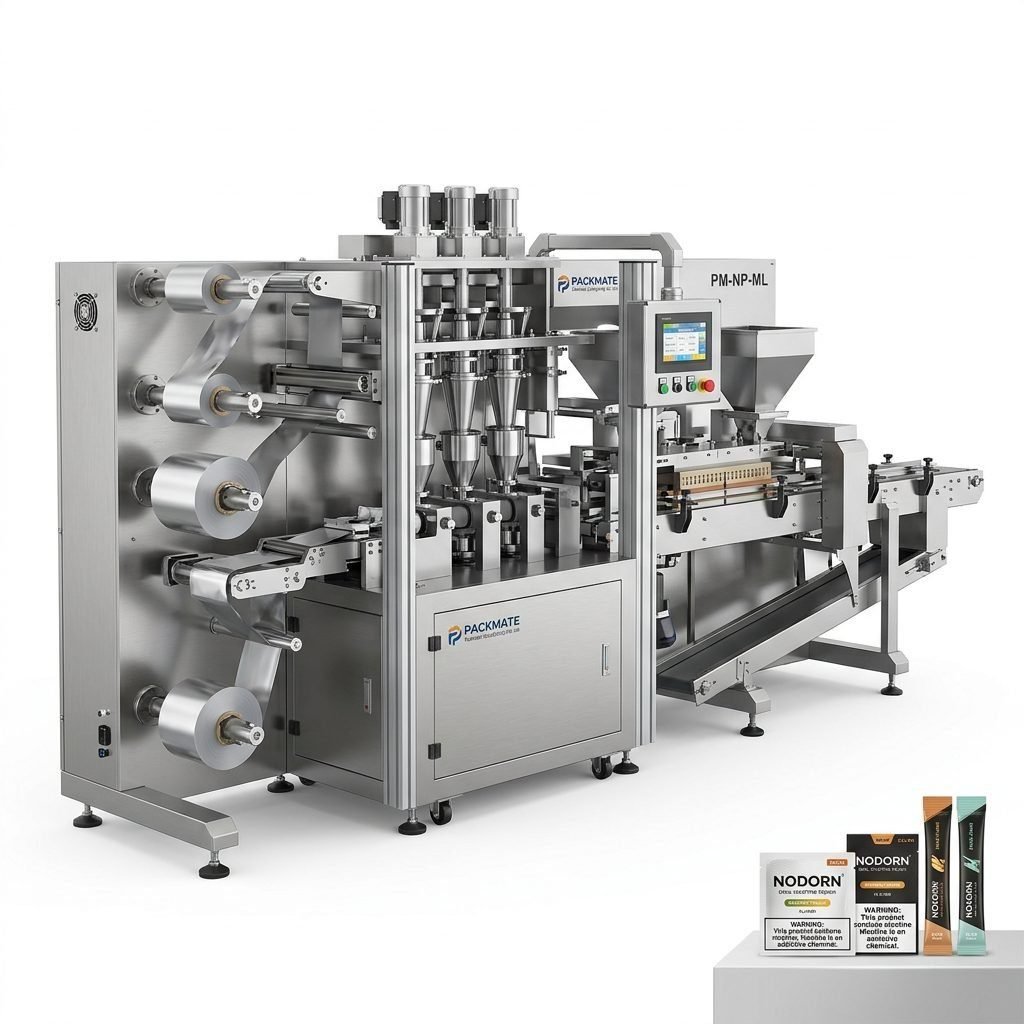
A reliable supplier profile commonly includes a wide product range such as Snus & Nicotine Packaging Machines, Sachet & Stick Pack Machines, and complete Weighing & Packaging Systems. Look for suppliers that document factory capabilities, product models, and export references.
Technical Evaluation Checklist
A concise technical checklist helps you compare machines fairly:
- Cycle speed and multi-lane scalability.
- Accuracy of dosing (important for nicotine pouch dosing).
- Changeover time between sizes and ease of adjustment.
- Material compatibility and film sealing quality.
- Machine reliability metrics: MTBF, recommended maintenance intervals.
- Spare parts availability and lead times.
What is the machine’s proven speed under real product conditions? Can you provide test videos or references from live lines?
Factory Audit: What to Inspect
Visiting a supplier’s factory (or arranging a virtual tour) is critical. Inspect:
- Manufacturing footprint and CNC machine centers.
- Final assembly lines and quality testing stations.
- Documentation and QC records for past projects.
- Sample machines running and product output consistency.
Audit Highlight
Quality, Certifications and Compliance
For nicotine packaging machinery, ensure compliance across three areas:
- Safety and electrical certifications (CE, local electrical standards).
- Quality management system evidence (ISO 9001) and factory inspection records.
- Materials and consumable conformity (food contact materials if relevant).
After-sales Service: A Deciding Factor
After-sales support often makes or breaks long-term performance. Evaluate:
- Warranty terms and what they cover.
- Local spare parts stock or guaranteed shipment lead times.
- Training: onsite commissioning, operator training, and maintenance coaching.
- Remote support capabilities: video calls, PLC program sharing, and diagnostic tools.
Pricing, TCO and Financing
Pricing should be evaluated as total cost of ownership (TCO):
- Base machine cost + integration and tooling.
- Installation and commissioning fees.
- Consumables and expected maintenance costs.
- Downtime risk and spare parts pricing.
- Financing options and deposit terms.
Negotiation Tip
Negotiate bundling: machines + spare parts kit + initial online training. This reduces initial operational risk and can be cost-effective over the first production year.
Logistics, Import & Local Regulatory Considerations in the Middle East
The Middle East is diverse — GCC countries, Levant, North Africa — each with distinct import rules. Key points:
- Check customs classification for packaging machinery and obtain import duty estimates.
- Ensure electrical specs match local grid standards (220–240V, 50Hz is common, but confirm).
- Prepare documentation: commercial invoice, packing list, certificate of origin, and any CE/ISO certificates.
- Consider local agent representation for faster customs clearance and service support.
Cultural & Business Etiquette in the Middle East
Building strong relationships is essential. Practical cultural tips:
- Respect formal business introductions — use titles and surnames until invited to use first names.
- Meetings may begin with casual conversation about family or shared interests — this builds trust.
- Decisions can be relationship-driven; expect negotiation cycles to involve face-to-face meetings or extended calls.
- Be mindful of major religious holidays (e.g., Ramadan) when business hours and response times vary.
Reference Visits and Case Studies
Always request real-world references and, if possible, visit a running line. Review documented case studies on similar nicotine pouch projects to confirm performance under comparable conditions. Example resource pages to check supplier reputation include their company overview and exhibitions where you can see machines demonstrated: About Packmate and Our Exhibition.
Terms, Contracts and Service Level Agreements
Ensure contracts specify:
- Delivery timelines and penalties for delays.
- Acceptance tests and performance guarantees.
- Warranty scope and spare parts availability timeline.
- Training scope, documentation, and language of manuals.
Suggested Contract Clause
Include a factory acceptance test (FAT) requirement with pass/fail criteria and video documentation prior to shipment. This protects both parties and avoids disputes on machine performance after installation.
How to Make the Final Decision
Use a weighted scoring model that includes technical fit (30%), reliability and references (25%), after-sales support (20%), TCO (15%), and cultural/communication fit (10%). Score each supplier and prioritize those that meet your top three criteria without major gaps.
Next Steps After Selection
Once you’ve chosen a supplier, plan for:
- Detailed project timeline with milestones for delivery, installation, FAT, SAT, and production ramp-up.
- Dedicated project manager both from your side and the supplier’s side.
- Spare parts inventory plan and recurring consumables ordering schedule.
- Local training schedule for operators and maintenance staff.
Useful Supplier Resources
Explore supplier documentation and support resources to prepare: product catalogs, FAQs, service contacts, and certificates. Helpful links include service pages and contact portals such as Service and Contact Us.
Summary Checklist (One-page Decision Aid)
- Define output and product format requirements.
- Verify supplier experience with nicotine/snuss packaging.
- Audit factory capabilities and request FAT evidence.
- Confirm certifications and material safety compliance.
- Negotiate warranty, spare parts, and training packages.
- Plan logistics and local support in the Middle East.
Frequently Asked Questions
Q1: How long does it typically take to install a snus/nicotine pouch packaging line?
Installation typically ranges from 4 to 12 weeks depending on machine complexity, site readiness, and whether a turnkey integration (weighing, feeding, packaging) is required. Commissioning and production ramp-up may add additional weeks; include training time for operators and maintenance staff.
Q2: What certifications should I request from the supplier?
Request CE (if exporting to regions that accept CE), ISO 9001 for quality management, and any material compatibility declarations for contact parts. Also ask for factory test records and FAT reports on similar projects.
Q3: How can I reduce downtime risk after purchase?
Maintain a spare parts kit, ensure remote diagnostic support is available, and schedule preventative maintenance based on supplier-recommended cycles. Initial operator training and on-site troubleshooting support during the first production months are critical.
Q4: Is local representation necessary in the Middle East?
Local representation accelerates customs clearance, spare part distribution, and urgent technical visits. For large-scale lines or multiple sites in the region, a local agent or service partner is highly beneficial.
Q5: Where can I find more supplier details and product catalogs?
Visit the supplier’s catalog and FAQ pages for detailed specifications, spare parts lists, and common questions. Example resources include the supplier catalog and FAQs: Catalog and FAQs.