Choosing the right nicotine packaging machine supplier in Iran requires more than comparing prices. It involves understanding local market preferences, regulatory frameworks, production capacity, and long-term service expectations. This guide will walk you through practical, culturally-aware steps to select a supplier who delivers reliable machines, efficient support, and a production line that fits Iranian operational realities.
Why the Supplier Choice Matters for Your Iran-Based Operation
A nicotine pouch or snus packaging line is a capital investment with long-term implications. The right supplier minimizes downtime, optimizes product quality, and ensures compliance with international standards such as CE and ISO. In Iran, where supply chains and import procedures can be more complex, supplier reliability is especially critical. Look for a partner who understands local logistics, language needs, and seasonal production cycles.
Key local considerations
Cultural & labeling needs: Persian-language labeling, clear ingredient declarations, and tasteful product aesthetics are important for Iranian consumers.
Business etiquette: Relationship-building and trust are central to successful negotiations — plan for multiple meetings and thorough documentation.
Climate and environment: Machines must perform reliably in dry and dusty conditions found in many parts of Iran; consider enhanced sealing and dust protection.
Understand the Types of Nicotine Packaging Machines
Different product formats require different packaging technologies. Before engaging suppliers, map your product portfolio and expected output:
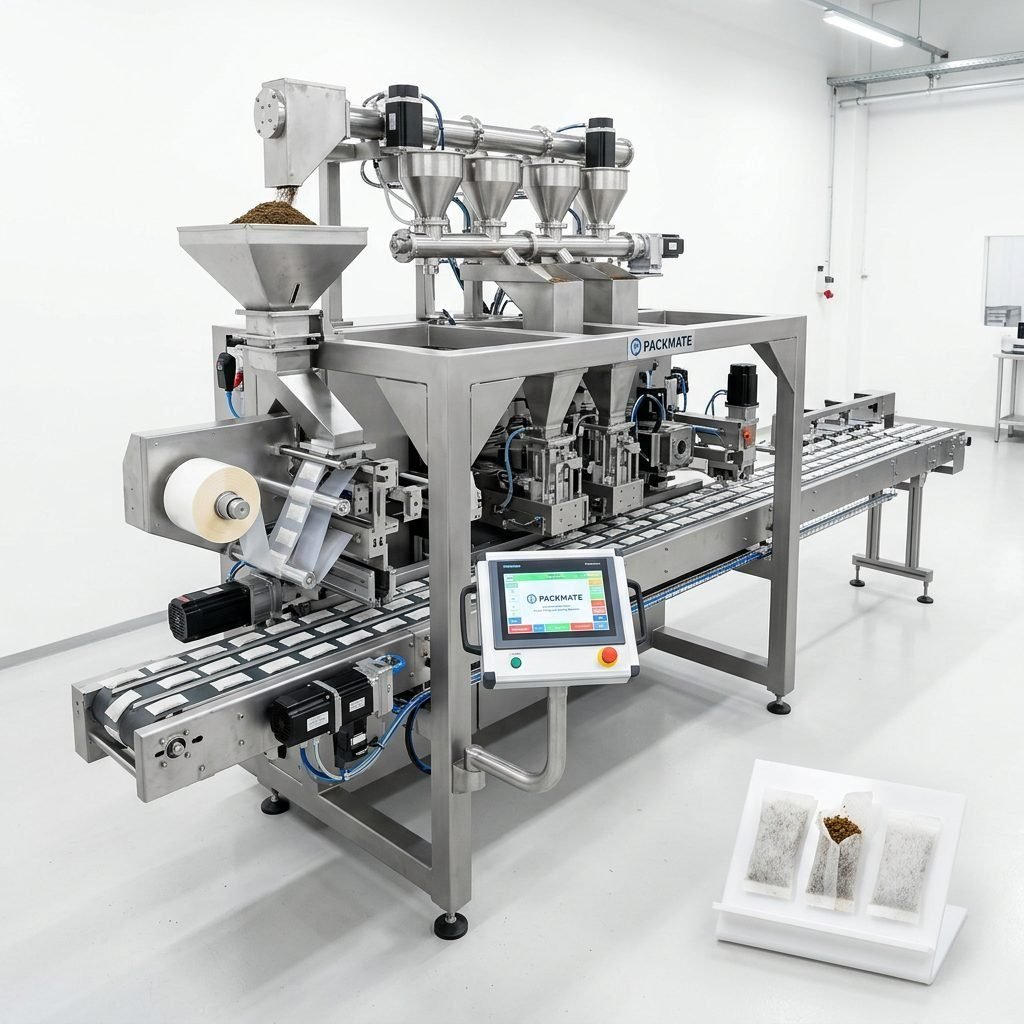
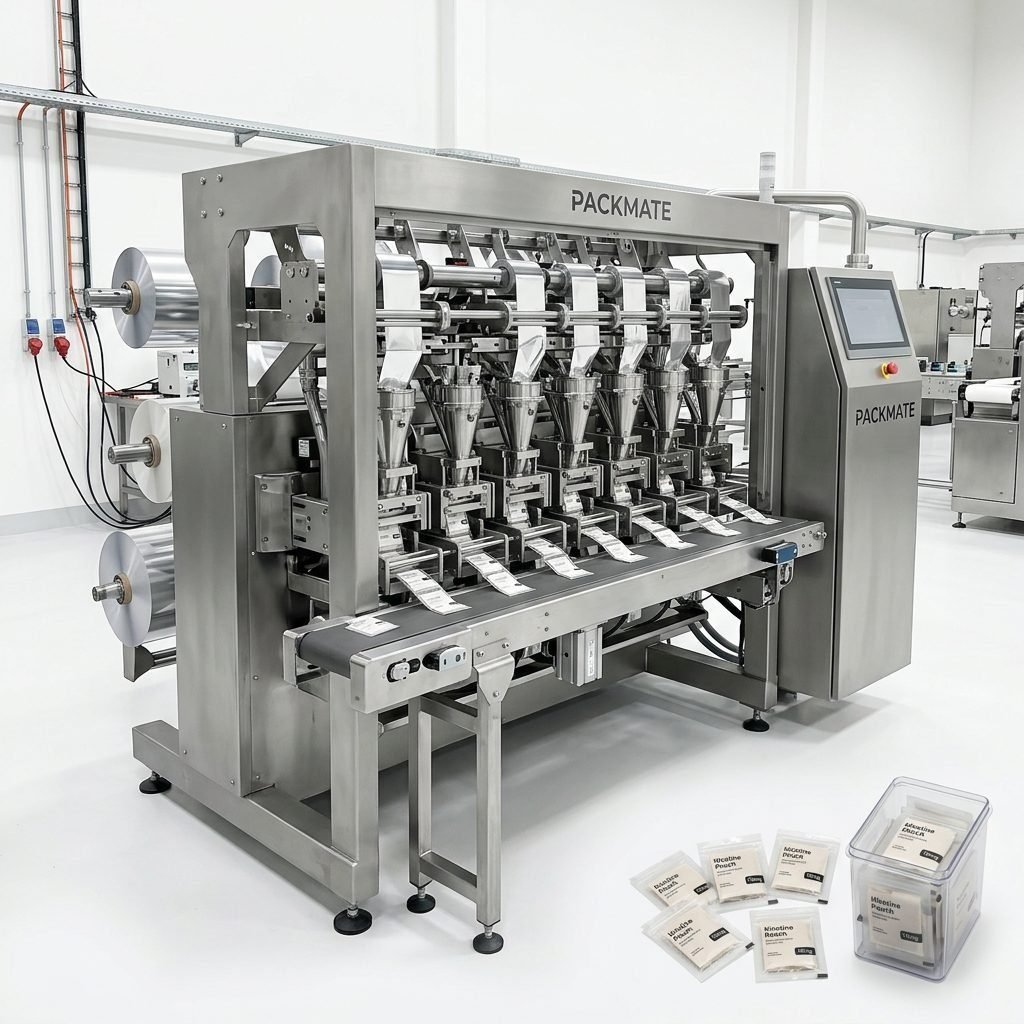
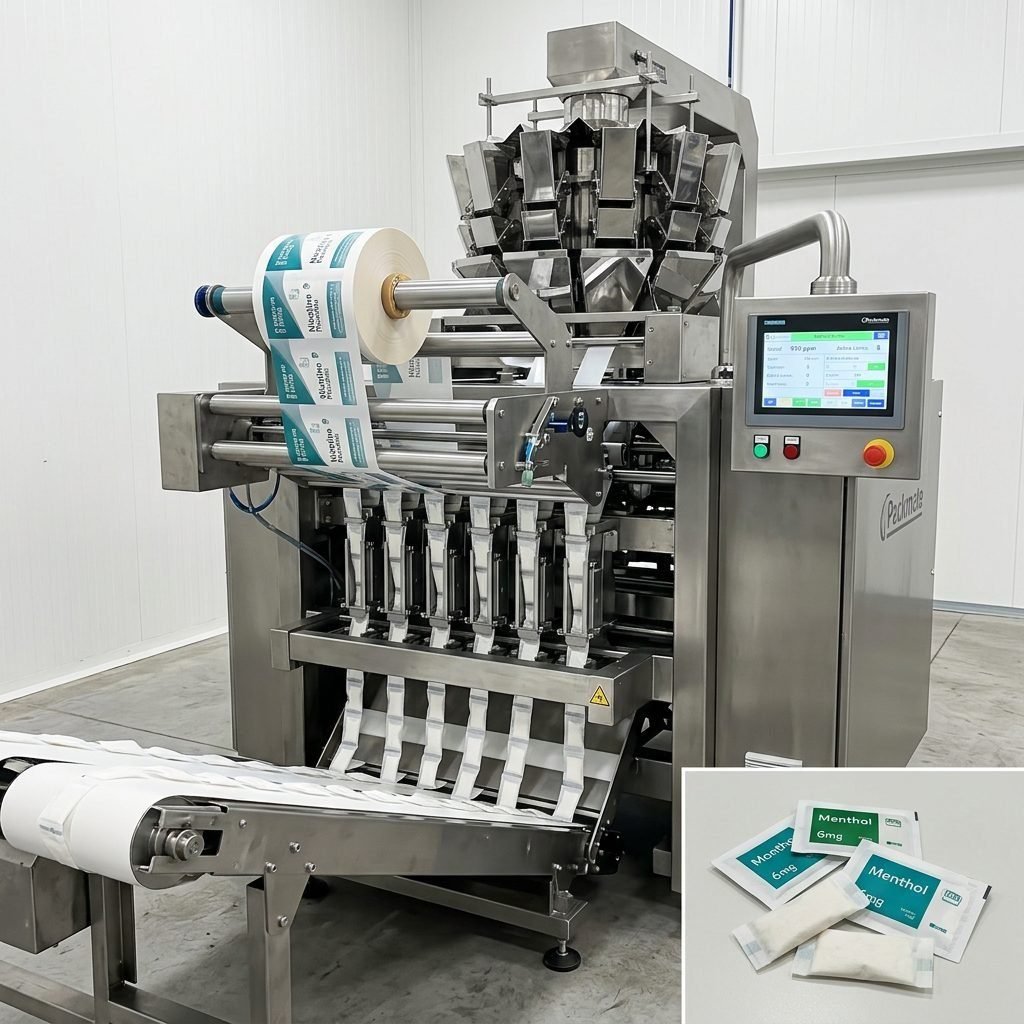
- Snus / Nicotine Pouch Machines: Designed for small-dosed pouches with precise dosing and soft pouch handling — ideal for nicotine pouches and snus.
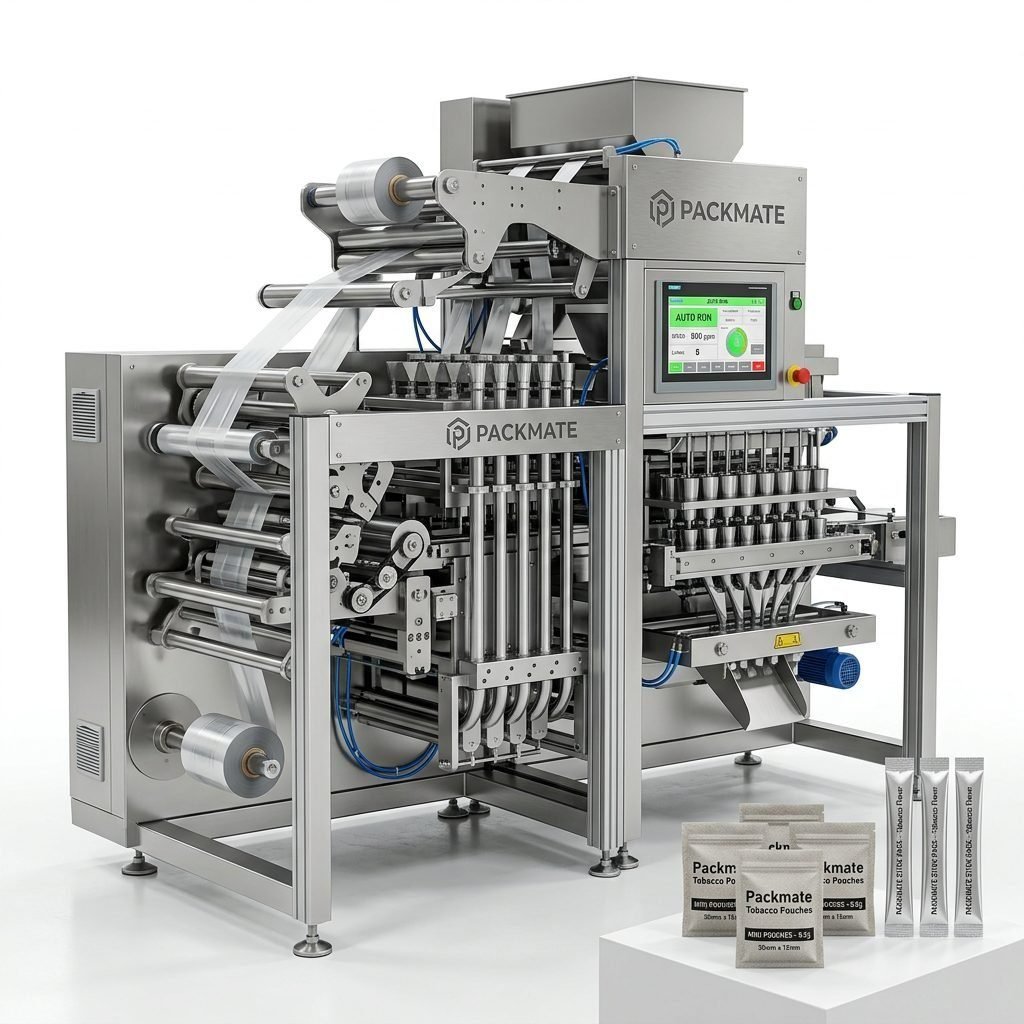
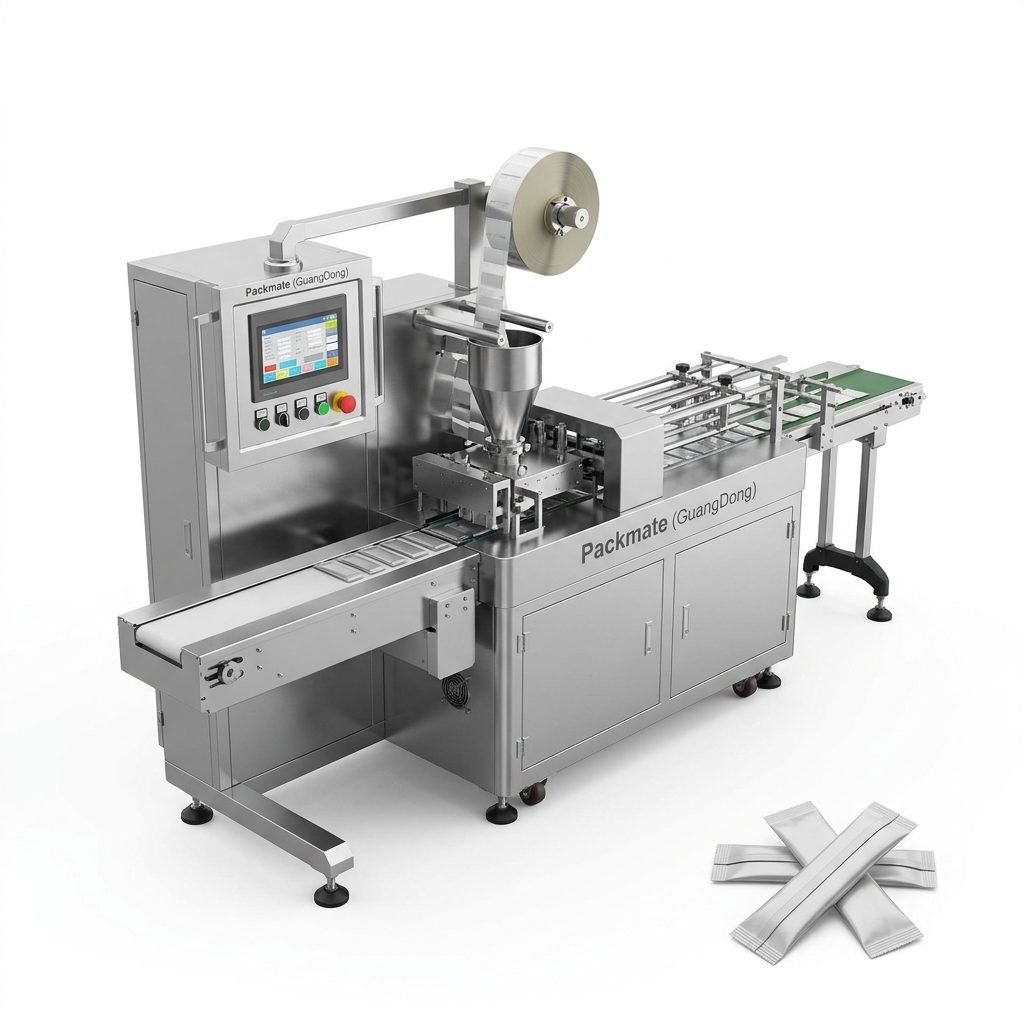
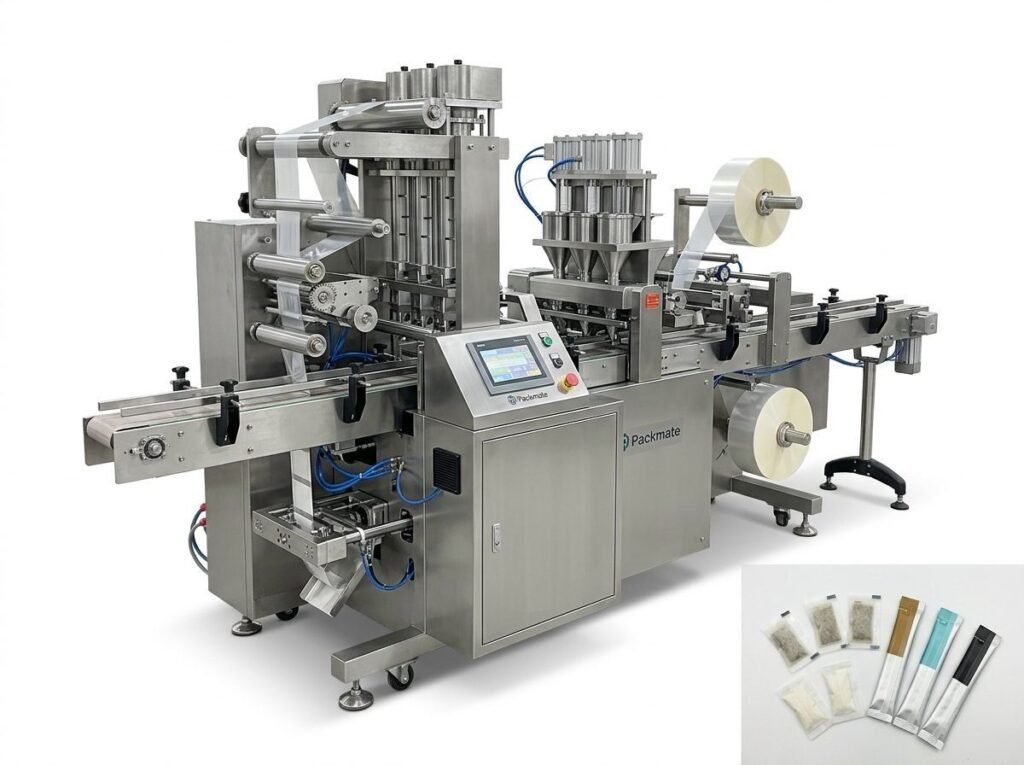
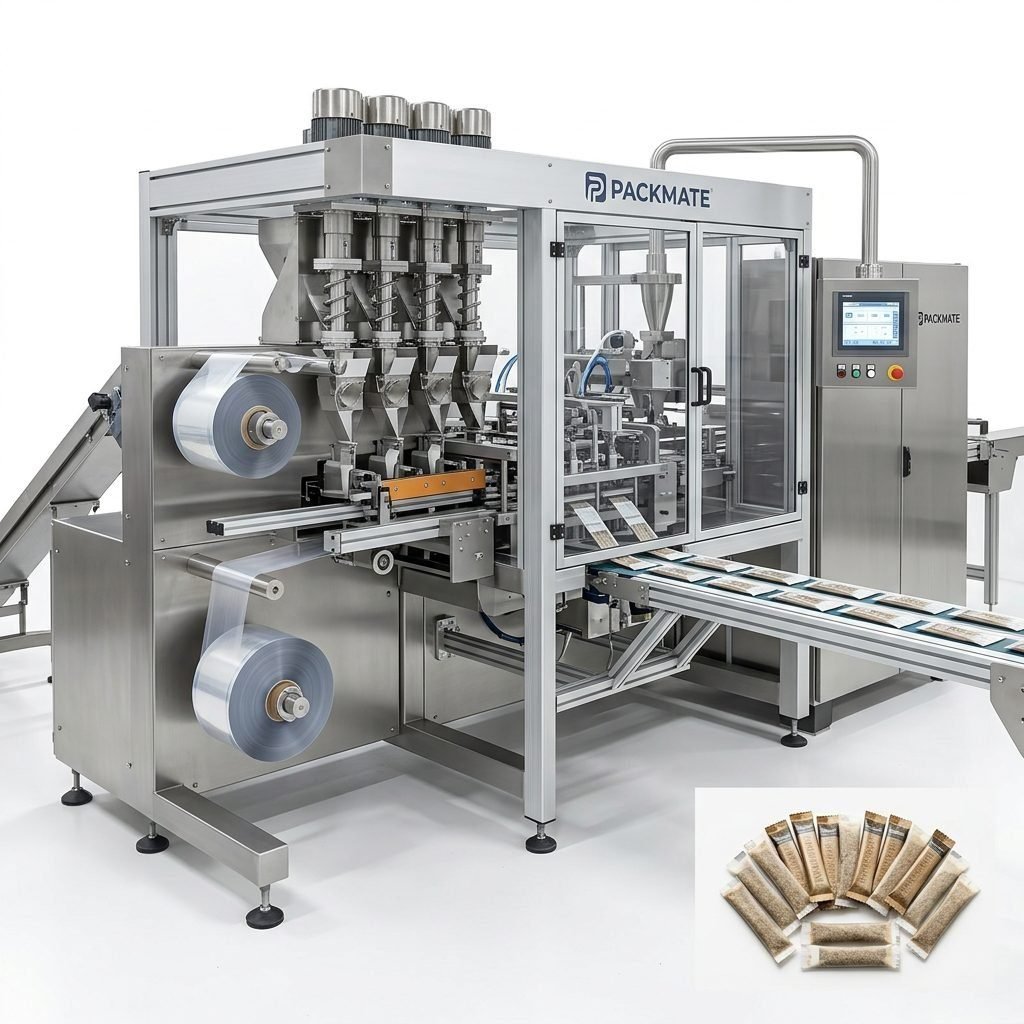
- Stick Pack and Sachet Machines: Suitable for single-serve pouches, often used when flexibility in portion size and packaging materials is needed.
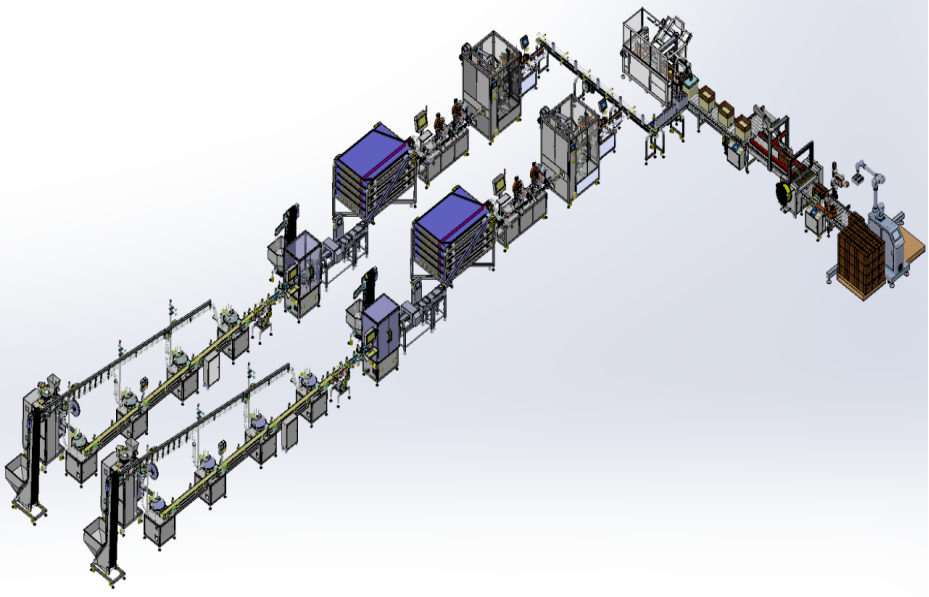
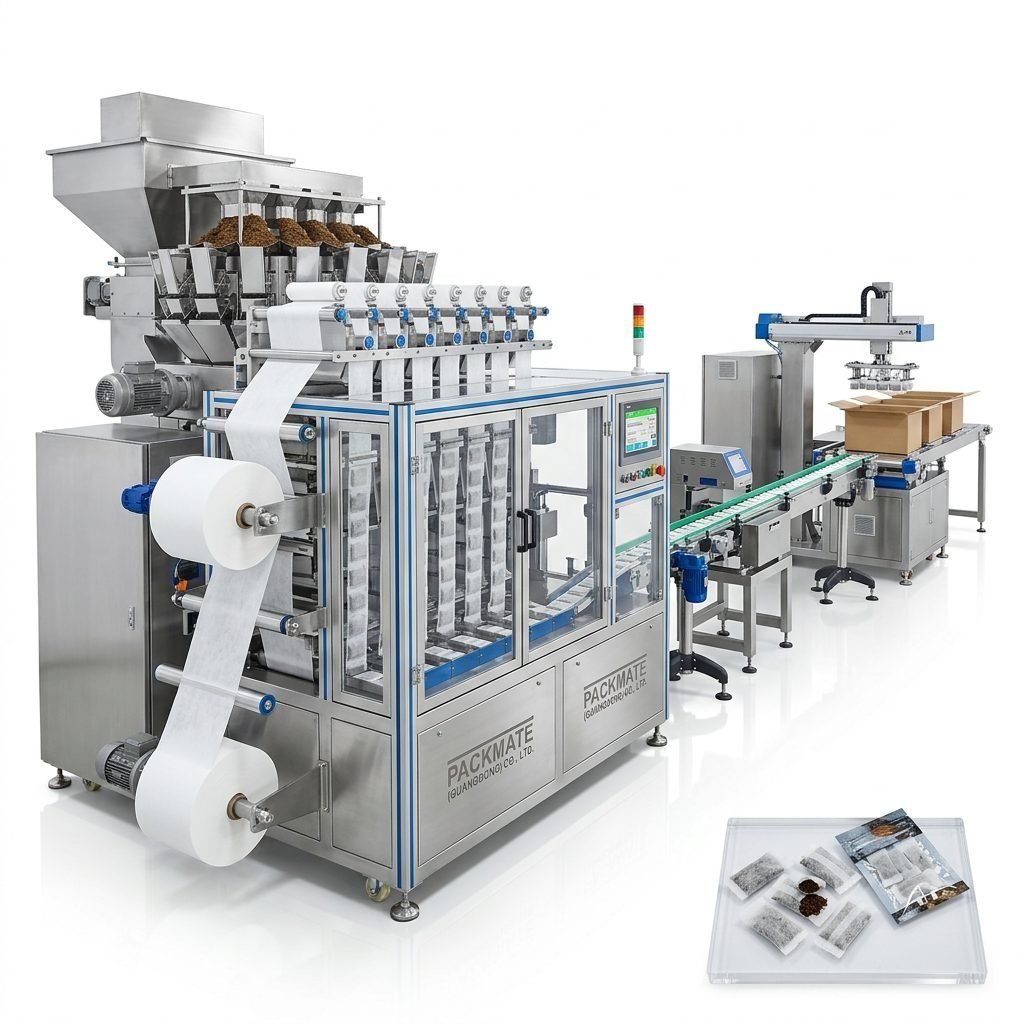
- Multi-lane Systems: Provide high throughput for small-dose products across many lanes — a common choice for scaling production.
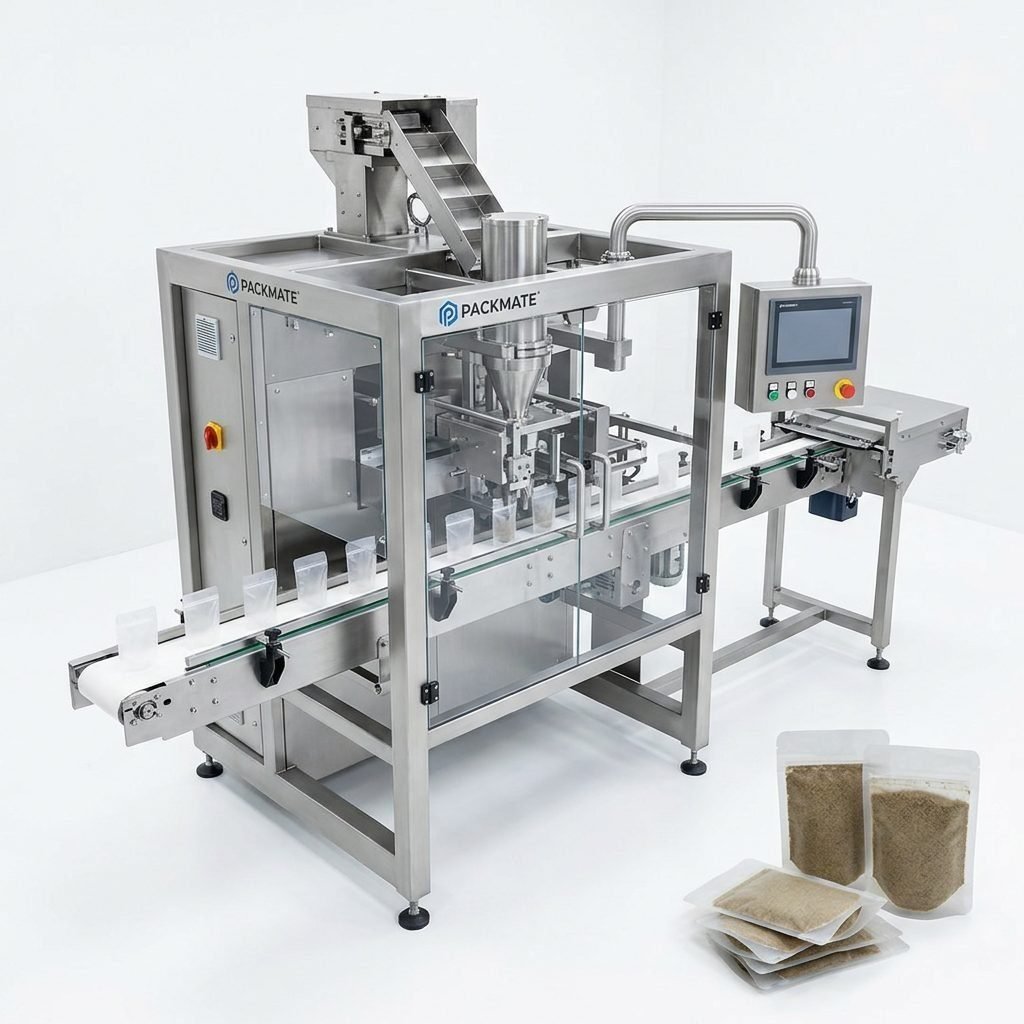
- Filling & Weighing Systems: Precision dosing equipment for powders, granules, and fillers to ensure consistent weight and quality.
Technical Specifications to Verify
When comparing suppliers, request detailed specifications and test reports. Pay attention to:
Production speed: Expressed as pouches/min or lanes × speed — match to your target hourly output.
Accuracy & tolerance: Dosing accuracy, film tension control, and sealing quality are critical for nicotine pouches.
Materials compatibility: Ensure the machine supports the films, laminates, and barrier materials you plan to use.
Power & utilities: Confirm voltage compatibility for Iran (commonly 220V 50Hz) and air/water requirements.
Automation & controls: PLCs, HMI language options (include Persian if possible), recipe management, and remote diagnostics.
Quality Assurance and Certifications
Prioritize suppliers with recognized certifications and transparent QA processes. Certificates like CE and ISO demonstrate adherence to international manufacturing and safety standards. Ask for:
- Machine test reports and FAT documentation (Factory Acceptance Test).
- Traceability of critical components (motors, PLCs, sensors).
- Warranty terms and coverage specifics for moving parts.
Tip: Request video demos and reference client details
Video demonstrations of the actual machine running your product or a similar product are invaluable. If a supplier can provide references — especially in Middle Eastern or similar markets — reach out to those clients for firsthand feedback.
Factory Audit and Visiting the Manufacturer
Whenever possible, plan a factory visit. In Iran, where establishing trust is often achieved through direct contact, a visit reassures stakeholders about build quality and production capacity. If travel is constrained, insist on a live-streamed factory tour and a detailed FAT with your product.
Audit checklist: manufacturing area cleanliness, CNC quality, assembly processes, electrical cabinet layout, spare-parts inventory, and testing areas for product trials.
After-sales Service: The Most Important Long-term Factor
In Iran, local service response time and the supplier’s ability to support your team are decisive. Confirm:
- Spare parts availability: Does the supplier stock fast-moving wear parts? Can parts be shipped quickly to Iran?
- Remote support: Remote diagnostics, video troubleshooting, and spare parts guides in Persian are big advantages.
- Local technician training: A training plan for your engineers, plus detailed manuals and drawings, will decrease downtime.
- Service contracts: Preventive maintenance agreements and guaranteed response times ensure steady production.
Commercial Terms, Pricing and Negotiation
Pricing is rarely the only negotiation point. Balance cost with value: uptime, accuracy, and lifecycle costs. Important contractual terms include:
- Clear delivery timelines including production, testing, and shipping.
- Payment terms that reflect risk mitigation for both parties — staged payments linked to milestones are common.
- Warranty scope, exclusions, and spare parts lead times.
- Incoterms for shipping to Iran and responsibilities for customs clearance.
Negotiation tips tailored for Iran
Build rapport through repeated, documented conversations. Allow time for internal stakeholder approvals and expect extended lead times for government or distributor involvement. Where applicable, explore local partnerships or representation to ease customs and after-sales support.
Customization, Integration and Future-Proofing
Choose a supplier that can customize machines to local packaging norms, offer scales and fillers compatible with your raw materials, and integrate auxiliary equipment such as weighing systems or case packers. Modular designs allow stepwise expansion as your Iranian business grows.
Future-proof checklist: spare lane capacity, PLC expandability, remote update capability, and compatibility with automated handling systems.
Installation, Commissioning and Training
A successful handover in Iran depends on thorough on-site commissioning and staff training. Verify that your supplier provides:
- Full installation services and offload plans at your facility.
- Commissioning with your product and process qualification documentation.
- Operator training in Persian where possible, and schematic diagrams and manuals.
Regulatory and Compliance Notes for Iran
While nicotine product regulations vary, ensure your supplier can support labeling, batch coding, and traceability features required by your market. In Iran, ensure all documentation is clear for customs and local regulatory reviews, and that any necessary certifications are provided in a straightforward, verifiable format.
Practical Supplier Evaluation Checklist (Quick Reference)
✓ Production capacity aligns with your projected volumes.
✓ Demonstrated experience with nicotine pouch/snuss products.
✓ Clear warranty, spare-part plan and remote support.
✓ Local language support or translated documentation.
✓ Compliance certificates and FAT records available.
Why Packmate (Example of a Strong Supplier Partner)
A supplier like Packmate Snus Machine combines decades of engineering experience with a focus on snus and nicotine pouch equipment. With a 20,000㎡ factory, advanced CNC and assembly lines, and 50+ machine models, such suppliers are positioned to offer turnkey solutions tailored to international customers. Explore product categories and capabilities to assess fit with your production needs:
- Snus & Nicotine Packaging Machines
- Sachet & Stick Pack Machines
- About Packmate — company history and factory strengths
- Case Studies — global deployment examples and reference projects
Negotiating Delivery and Support for Iran
Ensure delivery terms address customs clearance, spare parts stocking, and who handles import documentation. If possible, establish a local liaison or agent to manage logistics and after-sales. A clear installation timeline and a commission-to-payment link in the contract reduce misunderstandings and protect both parties.
Final Decision Framework
Use a weighted decision matrix including price, uptime guarantees, technical fit, service responsiveness, local support, and references. Assign scores and involve technical, procurement, and operations teams. A balanced approach ensures your chosen supplier supports operational continuity and market growth in Iran.
Conclusion: A Strategic Partnership Beyond the Machine
Selecting a nicotine packaging machine supplier for Iran is both a technical and cultural decision. Prioritize suppliers that provide proven technology, robust after-sales support, local-language documentation, and a willingness to adapt to Iranian market needs. A strong partnership will improve product quality, reduce downtime, and help scale your business sustainably.
Frequently Asked Questions
Q1: How important is local spare-part inventory in Iran?
A: Extremely important. Local stocking shortens downtime and helps avoid long customs delays. Confirm lead times and consider stocking critical wear parts yourself or via a local partner.
Q2: Can machines be adapted for Persian labeling and specific pack sizes?
A: Yes. Most reputable suppliers offer firmware and HMI language options, as well as tooling changes for different pouch sizes. Clarify customization scope and costs upfront.
Q3: What certifications should I ask for when importing packaging machines?
A: Request CE and ISO certificates, FAT reports, and documented component traceability. These documents help clear customs and demonstrate reliability.
Q4: Is remote support reliable for resolving machine issues in Iran?
A: Remote diagnostics can resolve many issues quickly, but ensure the supplier has Persian-language guides and can arrange timely on-site visits when needed.
Q5: How should I plan commissioning and staff training?
A: Insist on on-site commissioning with your product and comprehensive operator and maintenance training. Request translated manuals and a schedule for follow-up training sessions to reinforce knowledge.