Entering the Turkish market with nicotine pouch or snus production requires more than buying a machine — it demands selecting a supplier who understands technical performance, regulation, logistics and cultural business practices. This guide helps production managers, entrepreneurs and procurement teams pick the best nicotine packaging machine supplier in Turkey, with practical checklists, negotiation tips, and post-purchase considerations tailored to local conditions.
Understand the Turkish Market and Local Customs
Turkey has a large and diverse consumer base and a long tradition of tobacco use, but the regulatory and commercial landscape can be unique. Suppliers who succeed here adapt their offerings to Turkish language requirements for labels and manuals, offer clear support for import procedures through Istanbul’s major ports, and respect local business practices — where long-term relationships, face-to-face meetings and trust matter as much as price.
- Labeling and manuals in Turkish improve regulatory clearance and user acceptance.
- After-sales availability in or near Turkey reduces downtime and logistics cost.
- Respect for business etiquette (in-person visits, building rapport) speeds negotiations.
Technical Criteria: What the Machines Must Deliver
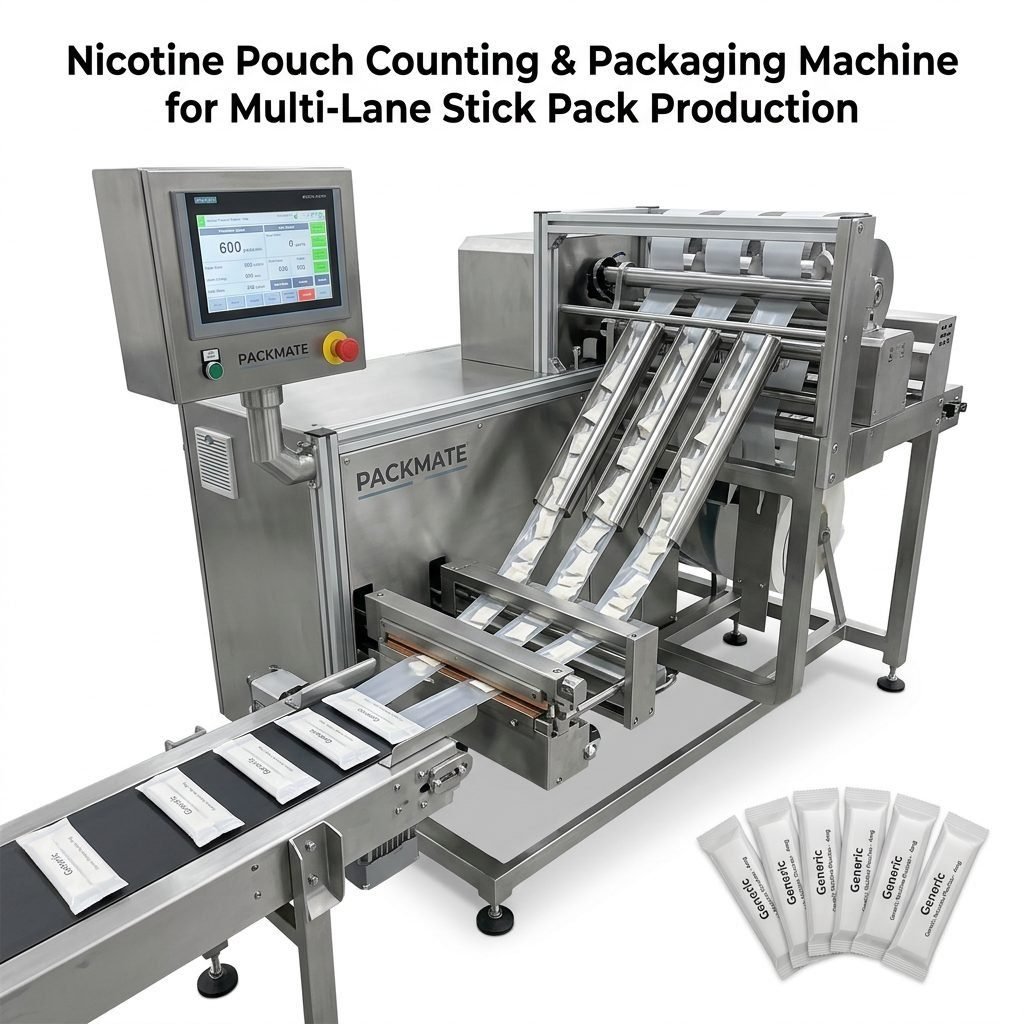
When evaluating packaging machines for nicotine pouches, look beyond speed numbers. Your lines must be stable, easy to maintain, and flexible enough for recipe changes (pouch size, material, multi-lane setups). For many Turkish manufacturers, multi-lane small-dose production is a key requirement.
Must-have technical features
- ✅ Multi-lane capability for high throughput with small-dose pouches.
- ✅ Servo-driven accuracy for consistent pouch weight and seal integrity.
- ✅ Quick-change tooling to reduce downtime between SKUs.
- ✅ Integrated filling options for powders, granules or liquid additives where required.
- ✅ Remote diagnostics and PLC controls for fast troubleshooting.
Certifications, Compliance and Documentation
Ask suppliers for up-to-date certifications (CE, ISO) and full documentation packages. Turkish importers and local authorities commonly require clear technical files, electrical schematics and safety reports during customs clearance and plant inspections.
- CE declaration of conformity and certificate copies
- ISO quality and manufacturing certificates
- Machine operation manuals and maintenance plans (preferably in Turkish)
- Wiring diagrams and spare parts lists
Supplier Capabilities and Factory Strength
Evaluate a supplier’s manufacturing scale, precision capabilities and R&D background. A supplier with decades of engineering experience, advanced CNC machining centers and a large facility is more likely to deliver robust machines and reliable spare parts. If available, request a virtual or on-site factory tour to inspect assembly quality.
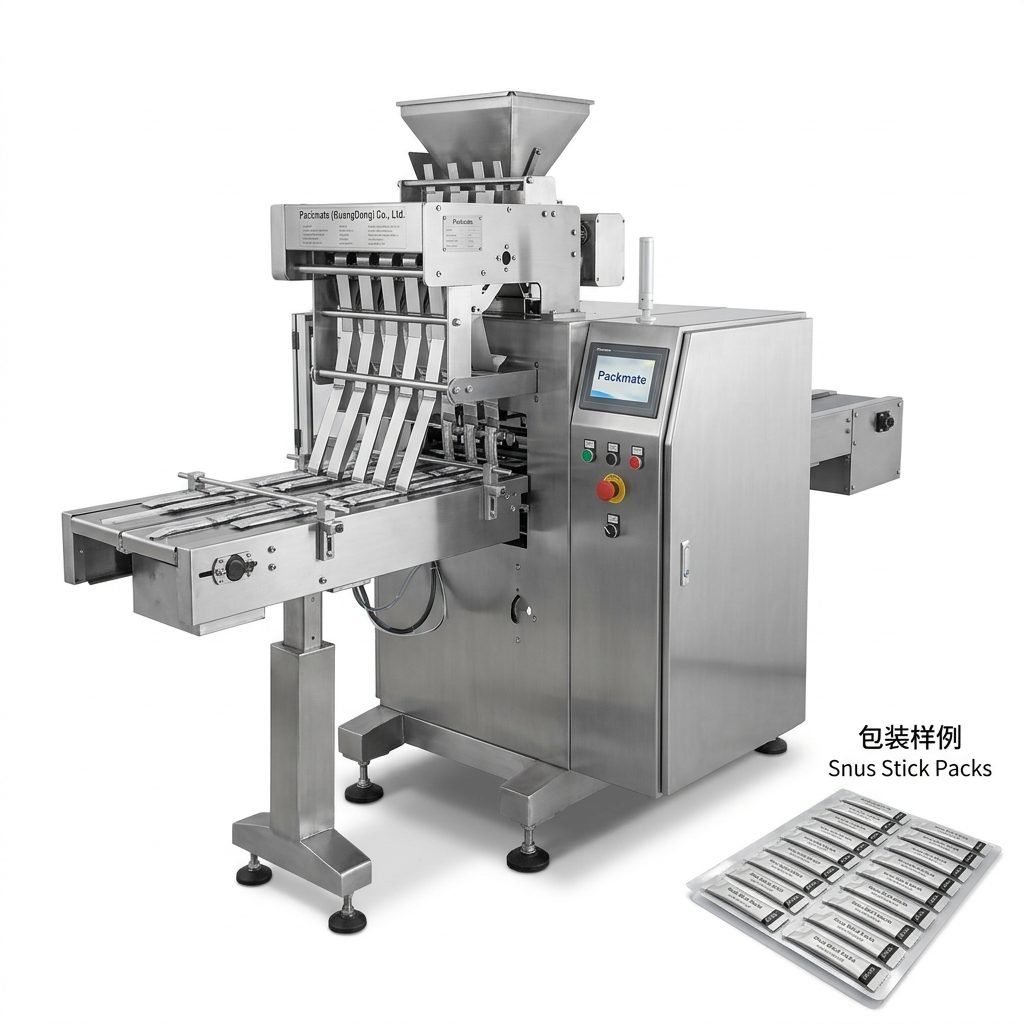
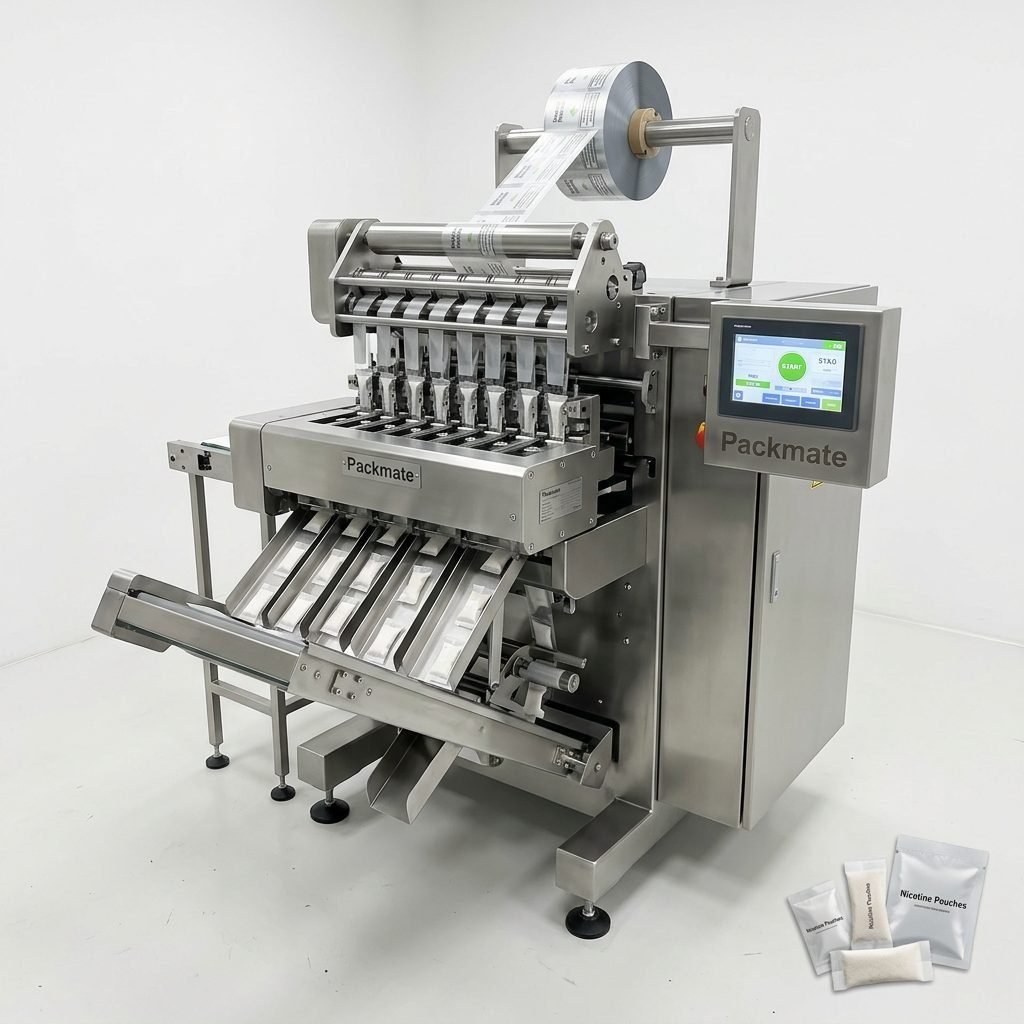
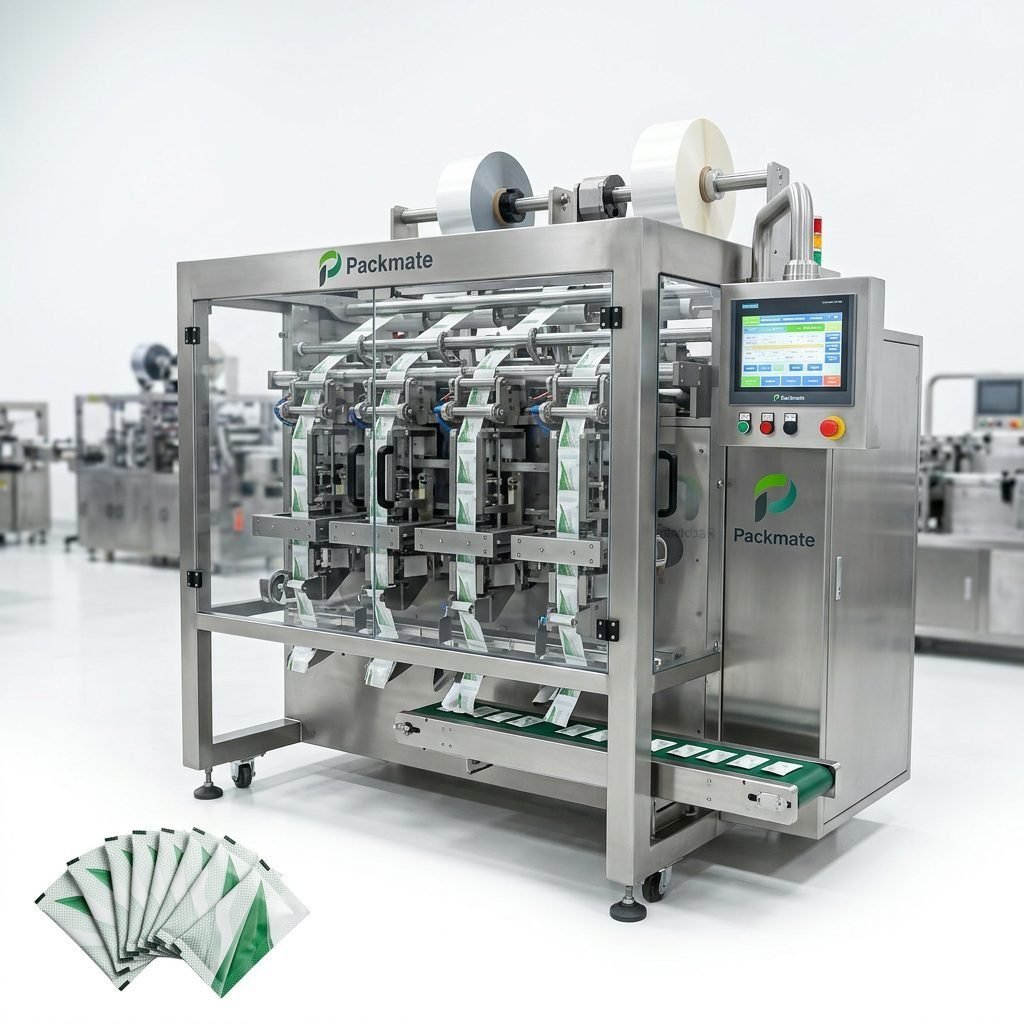
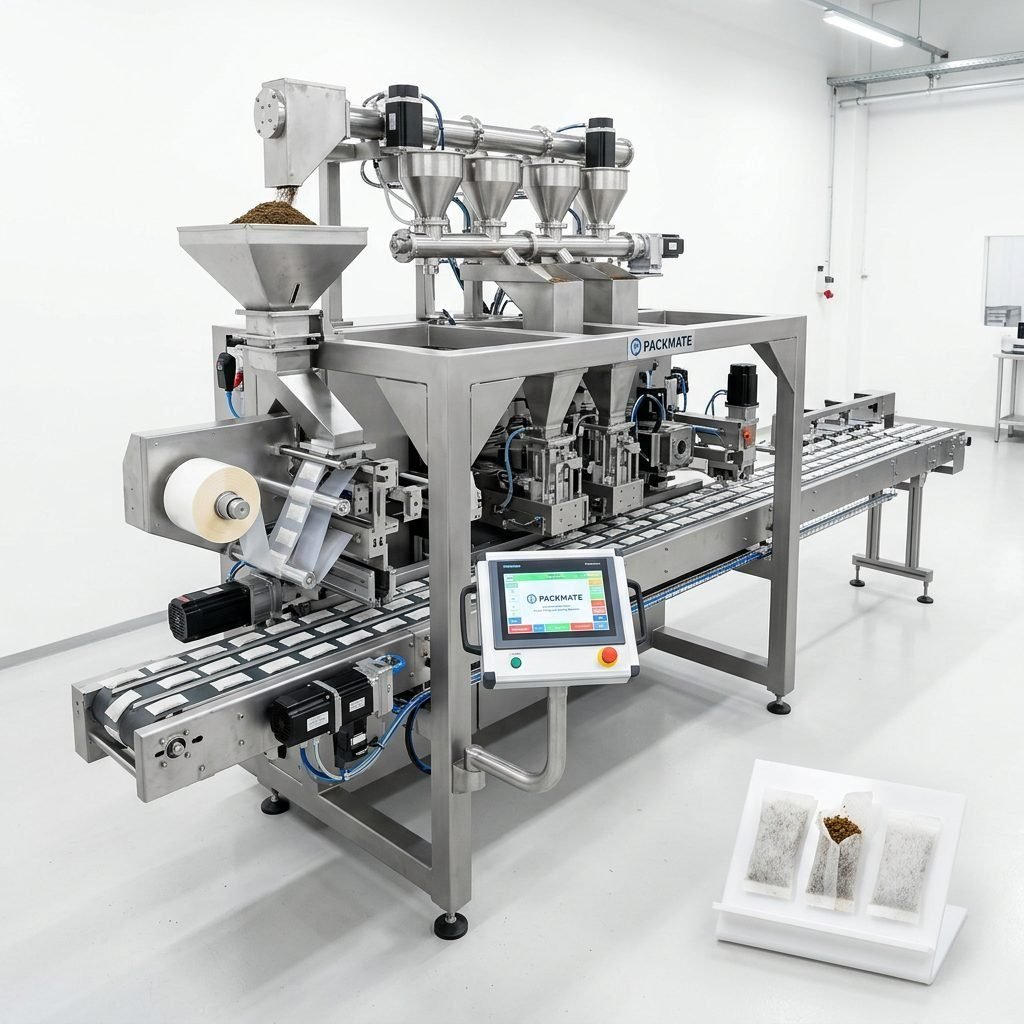
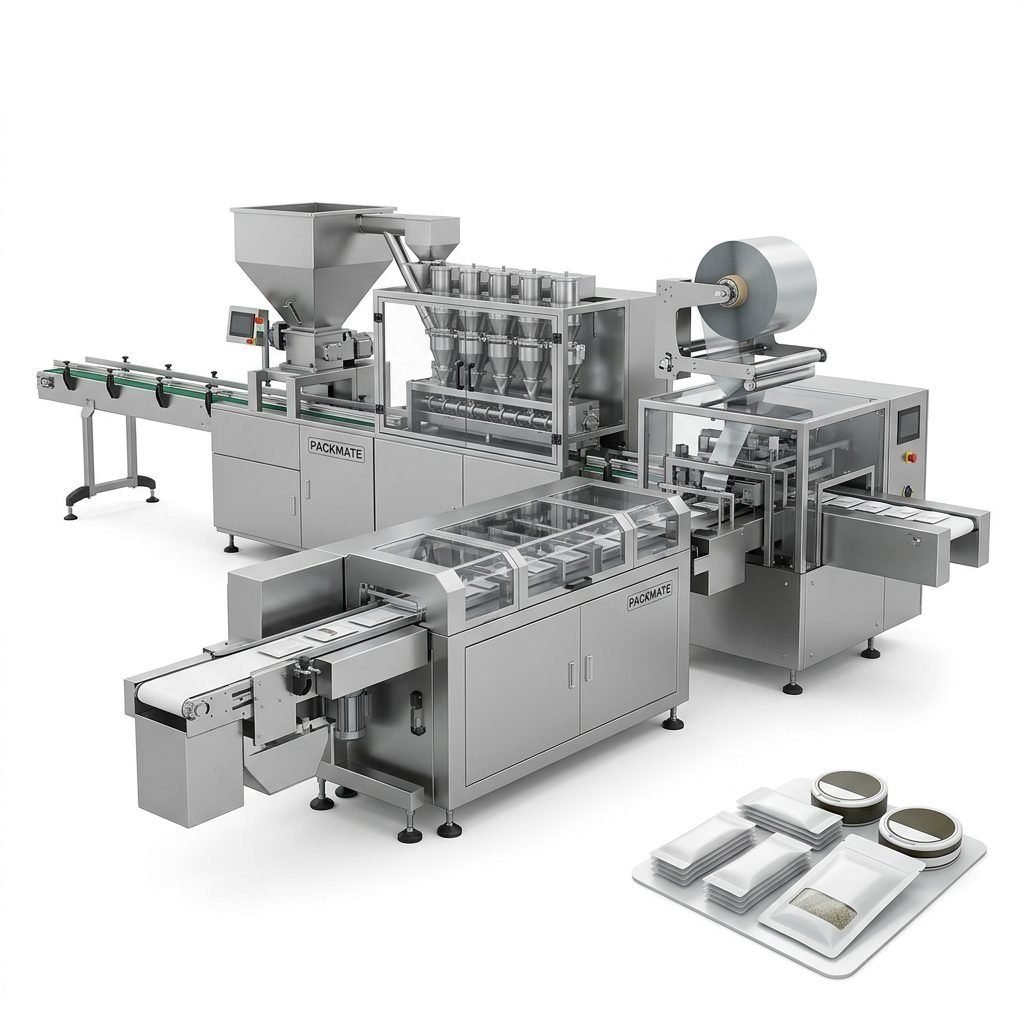
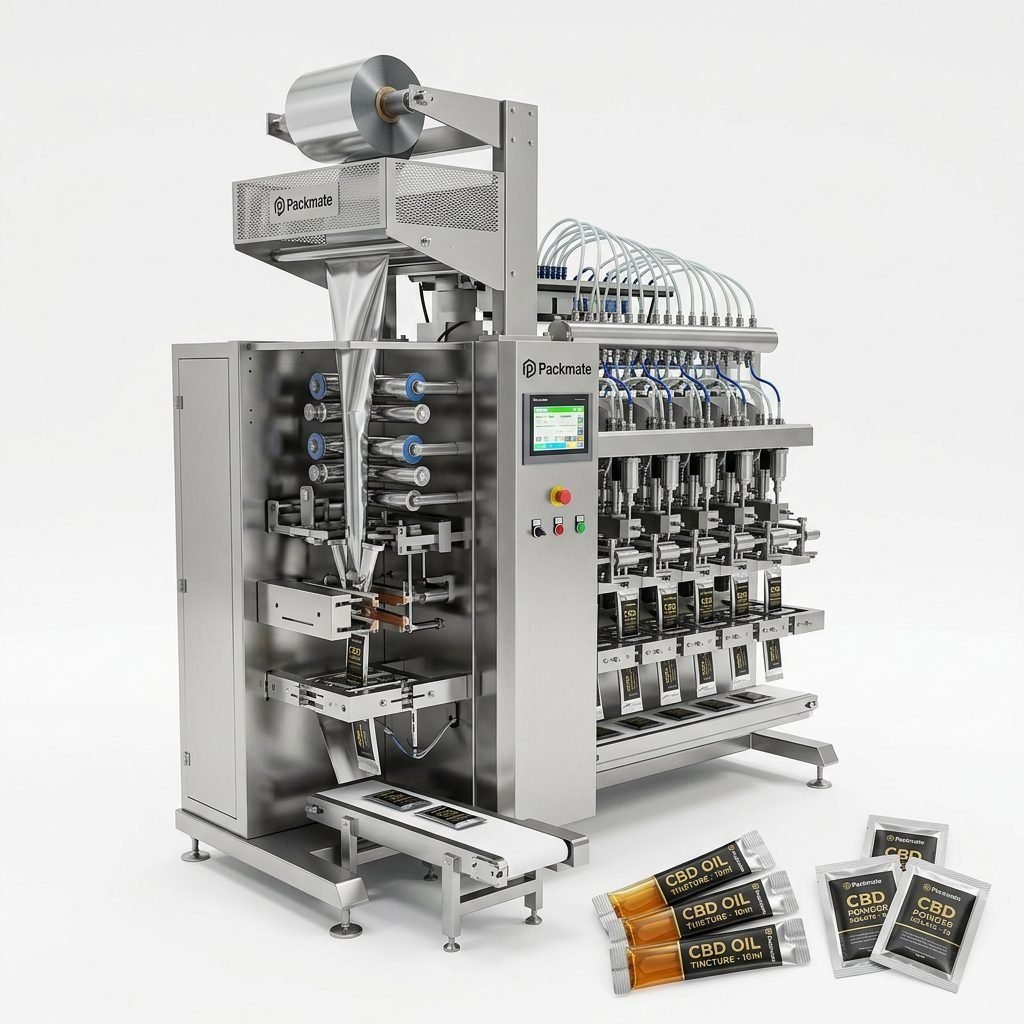
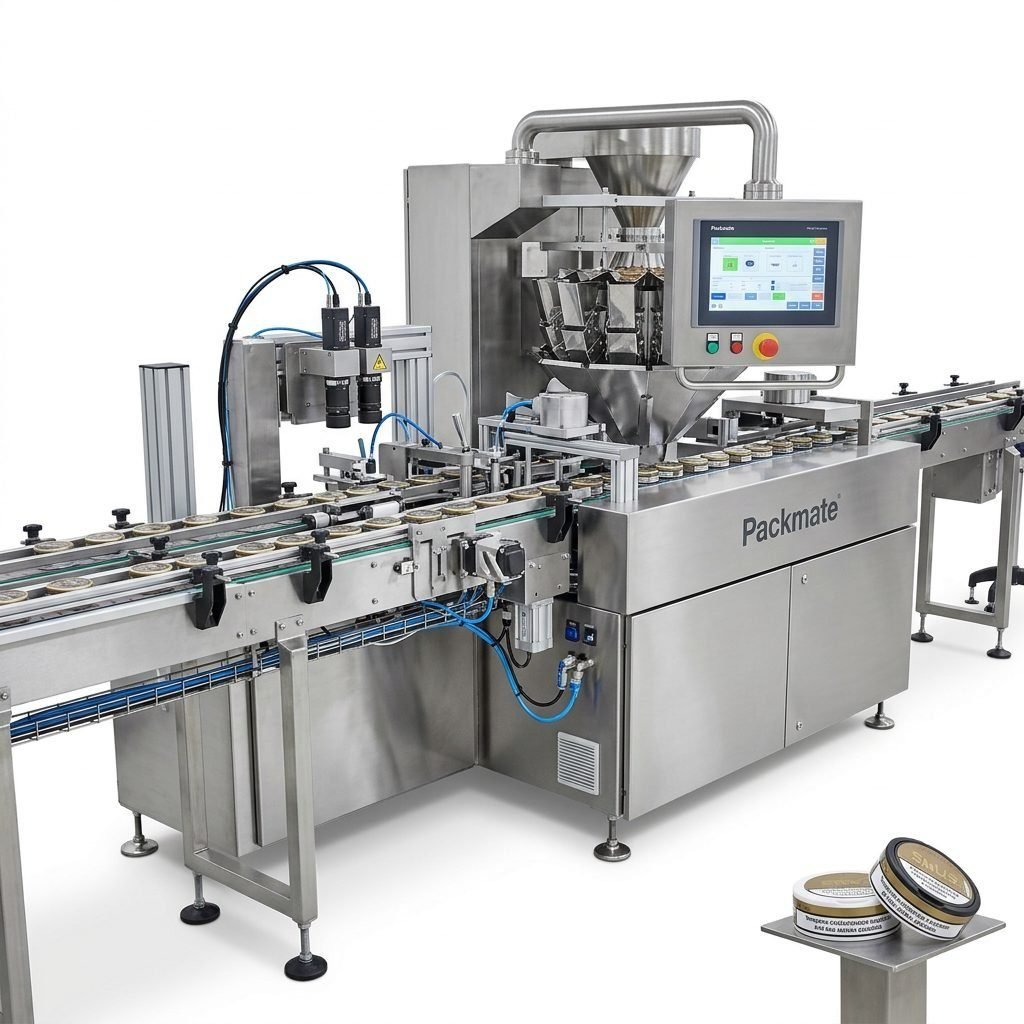
Example: suppliers like Packmate Snus Machine emphasize long-term engineering experience and a large manufacturing footprint — attributes that translate into stable, customizable snus and nicotine packaging lines. You can learn more about their product range and capabilities via their product listings for Snus & Nicotine Packaging Machines and related lines.
Relevant product links:
Snus & Nicotine Packaging Machines,
Sachet & Stick Pack Machines,
About Packmate
After-sales Service and Spare Parts in Turkey
Downtime equals lost revenue. Secure a supplier that commits to spare parts availability and rapid technical support. Ideally, your supplier will either maintain a regional parts stock, have local partners in Turkey, or provide fast shipping and remote guidance.
What to demand in the service contract
- ✅ Clear spare parts lead times and identification (part numbers, recommended stock levels).
- ✅ Training program for Turkish operators and maintenance staff.
- ✅ Remote troubleshooting via VPN or dedicated support lines.
- ✅ Warranty terms with response time commitments for critical failures.
Customization, Flexibility and Future Proofing
Market tastes and regulatory rules evolve. Choose a supplier able to adapt machine software and hardware for new pouch formats, updated sealing films, or additional lanes without replacing the entire line. Modular designs reduce CAPEX for future upgrades.
- Field-upgradable PLC/software architecture
- Interchangeable modules for new pouch sizes and materials
- Compatibility with third-party weighing/filling systems
Commercial Terms, Pricing and Payment Practices in Turkey
Negotiations in Turkey often balance price with long-term partnership value. Expect discussions about payment terms (TT, LC), delivery Incoterms (FOB, CFR, CIF), and spare parts stocking arrangements. Request a detailed quote breakdown: machine cost, tooling, spare parts kit, training, shipping, taxes and installation.
Red flags in quotations
- ⚠️ Vague scope of supply — items not listed (installation, training, documentation).
- ⚠️ No spare parts list or unclear lead times.
- ⚠️ Unrealistic delivery dates without factory scheduling proof.
Logistics, Customs and Installation in Turkey
Proper planning for customs clearance and installation is essential. Work with suppliers that provide complete documentation and, when possible, local installation teams. Consider the following:
- ✅ Complete packing lists and certificates to speed customs.
- ✅ Local assembly support for machine alignment and validation.
- ✅ Coordination with freight forwarders experienced with Istanbul and Izmir ports.
Inspection, Testing and Acceptance Criteria
Define factory acceptance test (FAT) and site acceptance test (SAT) procedures. FAT should include performance tests with your actual materials to prove sealing, weight consistency and throughput. A well-documented FAT minimizes disputes later.
Consider requesting video records of FAT runs, or attending in person if cultural rapport and direct negotiation are important — Turkish partners often value face-to-face engagement during critical milestones.
Building a Long-term Partnership
The best suppliers become partners: they offer regular maintenance plans, ongoing upgrades, and continuous training. Evaluate references and case studies to verify long-term performance. You can review real-world deployments and case studies to understand how suppliers support customers after purchase.
Useful links for deeper research:
Case,
Service,
Contact Us
Practical Checklist Before Signing a Contract
- ✅ Verify certifications (CE, ISO) and request documentation.
- ✅ Confirm FAT with customer materials and acceptance criteria.
- ✅ Agree on spare parts kit, recommended stock and lead times.
- ✅ Ensure manuals and training are available in Turkish.
- ✅ Define warranty terms and emergency response times in contract.
- ✅ Check supplier references and recent installations in similar markets.
Common Mistakes and How to Avoid Them
Many buyers focus only on the headline speed (packs/min) and neglect maintainability, spare part logistics and cultural fit. Avoid these mistakes by performing a holistic evaluation that includes factory visits, FAT attendance, and clear contractual service commitments.
Practical tips
- 🔍 Test with your actual pouch material during FAT to prevent surprises on seal quality.
- 🤝 Invest time in supplier relationship building — local rapport can accelerate issue resolution.
- ⏱️ Plan spare parts stock based on realistic MTTR (mean time to repair).
Where to Find Trusted Suppliers and Additional Resources
Look for suppliers with demonstrable experience in snus and nicotine pouch lines, clear certification, and documented case studies. Trade shows in Istanbul and international exhibitions are excellent opportunities for live demos and direct conversations with engineers. Review supplier catalogs and FAQs to vet capabilities before shortlisting.
Helpful resources:
Catalog,
FAQs,
Our Exhibition
Final Recommendations
Selecting a nicotine pouch packaging machine supplier for Turkey is a strategic decision. Prioritize suppliers that combine engineering strength, strong documentation and certification, Turkish language support, spare parts readiness, and a willingness to build long-term partnerships. A well-chosen supplier reduces production risk, shortens time-to-market and ensures consistent product quality for Turkish consumers.
- Verify certifications and request FAT
- Ensure Turkish manuals and local support
- Secure spare parts and clear warranty terms
Frequently Asked Questions
Q1: How important is FAT and should I attend it in person?
A1: FAT is critical — it proves the machine works with your materials. Attending in person builds trust and lets you confirm performance; if travel is difficult, request a live video FAT with full documentation and a recorded run.
Q2: What documents do I need for customs clearance in Turkey?
A2: At a minimum, request a commercial invoice, packing list, CE and ISO certificates, operation manuals and a bill of lading. Local customs requirements can change, so coordinate with your freight forwarder or customs broker.
Q3: How much spare parts should I stock locally?
A3: Stock critical wear parts (seals, cutters, belts), and all fast-moving items with known MTTR. Your supplier should provide a recommended spare parts list and expected lead times.
Q4: Are Turkish-language manuals necessary?
A4: Yes — Turkish manifests, user manuals and safety instructions simplify compliance and operator training. Many suppliers offer translated documentation or bilingual technical trainers.